Window Film Depot

Category: Window Film Depot Blog

  • Understanding Tempered Safety Glass: The Foundation of Modern Safety Glazing

    Understanding Tempered Safety Glass: The Foundation of Modern Safety Glazing

    Defining Tempered Glass: Properties and Purpose

    Tempered glass is a type of safety glazing (read what is glazing here) processed by controlled thermal or chemical treatments to increase its strength compared with normal, or annealed glass. Its primary purpose, central to its design and manufacture, is to enhance safety by preventing serious injury when breakage occurs. This makes it a foundational component in modern building codes. It is used where human impact is a risk. Common areas include doors and windows near walkways. It is also used for shower enclosures. Tempered glass is significantly stronger than standard glass. However, its design intent focuses on how it breaks. It does not prioritize resistance to sustained forced entry.
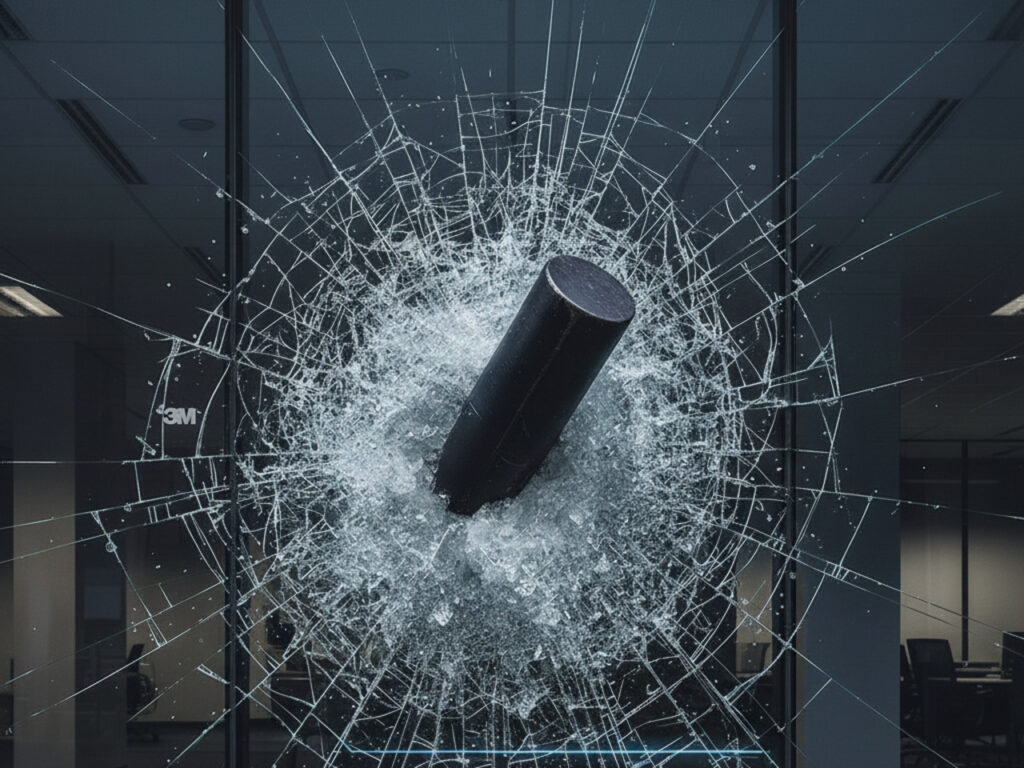
    Contrasting Tempered Glass with Annealed and Laminated Alternatives

    To fully appreciate the role and limitations of what is tempered safety glass, it helps to understand how it differs from other common glass types:

    • Annealed Glass: This is standard, untreated glass. When broken, it fractures into large, jagged, and potentially dangerous shards. It offers minimal resistance to impact and poses a significant laceration hazard.
    • Tempered Glass: As previously noted, this glass is heat-treated to dramatically increase its strength and alter its breakage pattern. It is approximately four to five times stronger than annealed glass of the same thickness. Its key differentiator is how it breaks.
    • Laminated Glass: Comprising two or more layers of glass bonded together by an interlayer (typically polyvinyl butyral or PVB), laminated glass is designed to hold together when shattered. The interlayer keeps the glass fragments adhered, maintaining the integrity of the opening even after severe impact. This property is what often leads to its specification for security applications, as it resists penetration and provides a crucial delay. The comparison of tempered glass vs laminated glass highlights a critical distinction in security performance.

    The Characteristic Breakage Pattern: A Safety Feature

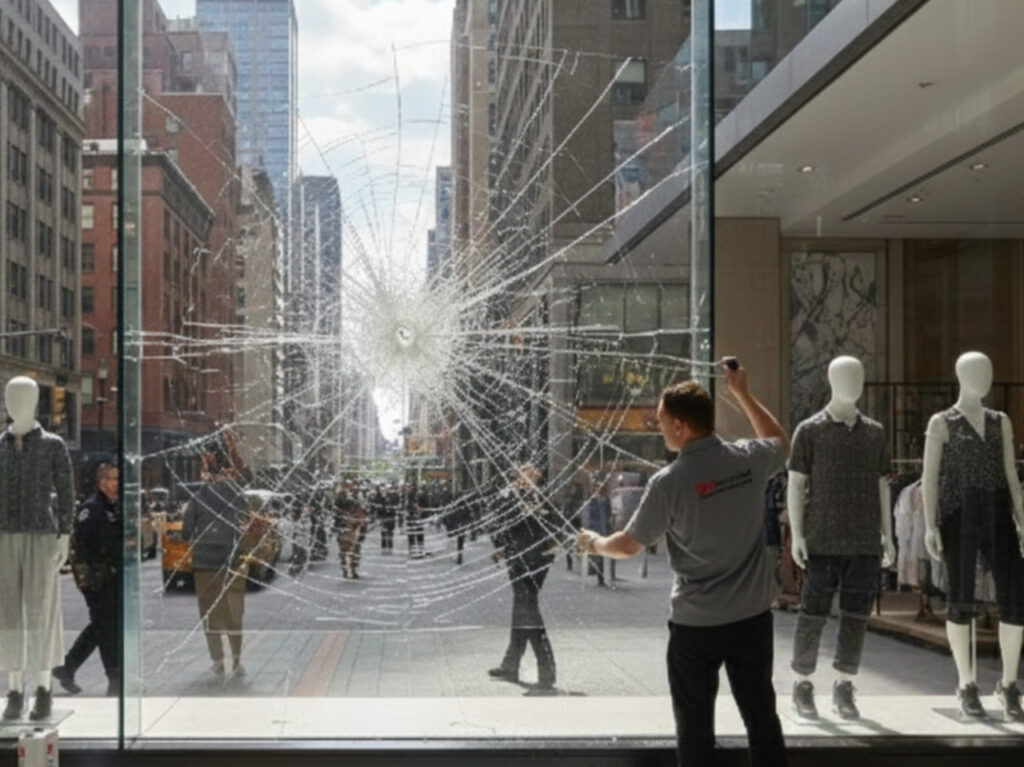
    The defining characteristic of tempered glass is its unique breakage pattern. This pattern serves as its core safety feature. When it fails, the glass shatters into small, blunt fragments. These pebble-like pieces replace sharp, jagged shards. This fragmentation significantly reduces the risk of serious lacerations. It is a critical safety standard for many applications. However, this disintegration also represents a primary security vulnerability. The glass breaks immediately and completely into small pieces. While it prevents injury, it eliminates the barrier function. It offers no meaningful resistance to an intruder once compromised.

    From Annealed to Resilient: How is Tempered Glass Made?

    The Thermal Tempering Process: Heating and Rapid Cooling

    The transformation of ordinary annealed glass into robust tempered glass is a precise scientific process, predominantly achieved through thermal tempering. Manufacturers begin the process by cutting the glass to its final size and shape, as they cannot modify it after tempering. The operator then heats the glass in a tempering oven to temperatures exceeding 1100°F (around 600°C), which brings the material close to its softening point. This uniform heating ensures that the entire pane reaches the temperature necessary for structural transformation.

    Quenching: How Stress Layers Create Strength

    Immediately after heating, the glass undergoes a rapid cooling process known as “quenching.” High-pressure air blasts both surfaces of the glass simultaneously. The outer surfaces cool and solidify much faster than the interior of the glass. As the inner core continues to cool and contract, it pulls the already solidified outer layers into a state of high compression. Concurrently, the interior of the glass remains in tension. It is this carefully balanced system of compression on the surfaces and tension in the core that gives tempered glass its remarkable strength, making it significantly more resistant to impact, bending, and thermal stress compared to annealed glass.

    How the Manufacturing Process Impacts Performance and Limitations

    The thermal tempering process fundamentally alters the glass’s stress profile, directly influencing its performance and inherent limitations. The induced surface compression provides tempered glass with its superior strength against blunt force impacts and thermal shock. This makes it ideal for applications requiring enhanced durability against everyday stresses, such as high winds or minor accidental bumps. However, this same internal stress system dictates its characteristic breakage. Once the compressed surface is breached, the stored energy releases instantly. This causes the entire pane to shatter violently into fragments. For Project Manager Paul, tempered glass meets basic safety codes. However, its fundamental design offers negligible resistance to forced entry. It transforms from a solid barrier into a pile of pieces. This happens almost instantaneously upon impact. Tempered glass fails to meet demands for true intrusion deterrence. It does not provide the delay necessary for security.

    The Critical Distinction: Why “Safety Glass” Doesn’t Equate to “Security Glass”

    One of the most significant misunderstandings in construction and facility management is the conflation of “safety glass” with “security glass.” While both serve important functions, their design parameters and performance characteristics are fundamentally different. Failing to grasp this distinction can lead to critical vulnerabilities in a building’s perimeter.

    Defining Safety: Mitigating Injury from Glass Breakage

    As established, safety glass, including tempered glass, is specifically engineered to reduce the risk of injury when broken. Its primary mechanism is to fracture into small, blunt pieces rather than large, jagged shards. This property is paramount in areas where human impact is foreseeable, such as doors and low-level windows. The goal is simple: prevent or minimize harm from accidental breakage. It fulfills codes but offers no meaningful delay to an intruder.

    Defining Security: Preventing Forced Entry and Mitigating External Threats

    Security glass, in contrast, is designed to withstand and deter specific external threats, delaying or preventing entry. Its purpose extends far beyond injury mitigation. True security glazing aims to:

    • Resist forced entry by delaying or stopping attempts to break through the glass using blunt force, cutting tools, or projectiles.
    • Mitigate ballistic threats by offering protection against firearms.
    • Protect against blast events by preventing the glass from becoming dangerous projectiles.
    • Contain occupants in controlled environments.

    These capabilities are achieved through different manufacturing processes, typically involving laminates or specialized coatings, not simply heat treatment.

    The False Sense of Security: Why Tempered Glass Can Mislead

    The perception that tempered glass offers enhanced security is a common misconception that can mislead project managers and ultimately compromise a building’s defenses. Because tempered glass resists direct impact better than annealed glass, many people mistakenly assume it resists forced entry. However, this perceived strength actually creates a security vulnerability. Once an intruder breaches the surface integrity, the entire pane shatters instantaneously. This “all or nothing” break offers almost no resistance to a motivated intruder.

    Project Manager Paul, who must meet specific security requirements, must recognise that tempered glass meets basic safety codes but provides only limited protection against break-ins. Relying solely on this glass leaves a project vulnerable and ignores the client’s core security needs.

    Navigating Compliance: Building Codes, Safety Standards, and Identifying Tempered Glass

    Understanding the baseline requirements for safety glazing in commercial construction is fundamental for any project manager. Tempered glass serves a crucial role in meeting these foundational safety codes, primarily by mitigating injury hazards. However, it is vital to recognize the specific scope of these mandates to avoid mistaking safety for comprehensive security. These are important safety glass requirements.

    Where Building Codes Mandate Safety Glazing Requirements

    Building codes, such as the International Building Code (IBC) and local amendments, explicitly delineate areas where manufacturers must install safety glazing. The potential for human impact and the resulting risk of injury from broken glass drive these requirements. Common locations include:
    • Doors, including sliding and storm doors.
    • Panels adjacent to doors, where the bottom edge is less than 60 inches above the walking surface.
    • Windows and panels in bathrooms, especially those near bathtubs or showers.
    • Glazing in hazardous locations like stairways, ramps, and landings.
    • Windows near walking surfaces in high-traffic areas where accidental impact is likely.

    The intent here is solely injury prevention, dictating that if glass breaks, it does so in a manner that reduces laceration risk.

    Adhering to ANSI Z97.1: The Standard for Safety Glazing Materials

    The American National Standards Institute (ANSI) Z97.1 standard is the cornerstone for safety glazing materials used in buildings. This standard specifies the performance criteria that safety glass must meet when subjected to impact tests. It defines what constitutes “safety glass” by requiring products to withstand specific impact energies without creating large, sharp shards that could cause severe injury. Tempered glass meets this standard by fracturing into small, relatively harmless pebble-like pieces upon impact. While essential for preventing accidental harm, compliance with ANSI Z97.1 solely addresses injury mitigation, not resistance to forced entry or other security threats.

    Identifying Tempered Glass on a Job Site: Visual Cues and Indicators

    Accurately identifying tempered glass on a job site is a practical skill for construction managers. While often indistinguishable from annealed glass by casual observation, several indicators can confirm its presence.

    • Manufacturer’s Bug or Label: Most tempered glass will have a permanent, etched “bug” in one corner. This mark typically includes the manufacturer’s name, the tempering plant code, the glass type (e.g., “TEMPERED”), and compliance with relevant standards like ANSI Z97.1 or CPSC 16 CFR 1201.
    • Roller Marks: During the tempering process, the glass is moved through rollers in a furnace. Under certain lighting conditions or with polarized glasses, faint roller marks, appearing as subtle lines or distortions, may be visible on the surface.
    • Edge Examination: The edges of tempered glass, though often concealed by frames, can sometimes reveal a slight waviness or distortion if exposed.
    • Polarized Lenses: When viewed through polarized sunglasses, tempered glass will often display a distinct pattern of stress marks, sometimes resembling small dots or lines, which are absent in annealed glass. This is due to the internal stresses locked into the glass during the tempering process.

    Exposing the Vulnerability: Where Tempered Glass Fails Against Modern Threats

    While tempered glass excels at its intended purpose of injury prevention, its inherent characteristics render it highly vulnerable to deliberate attacks. Understanding these weaknesses is crucial for making informed decisions about glazing specifications, especially when security is a primary concern.

    The “All or Nothing” Break: A Weakness Against Forced Entry

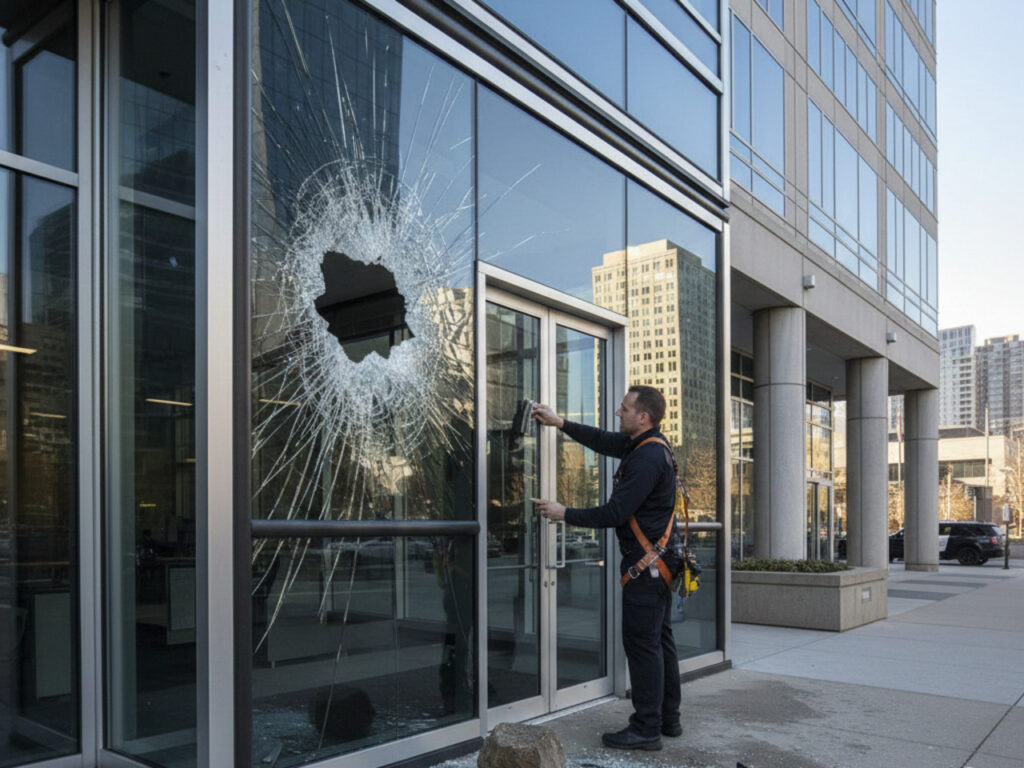
    The defining characteristic of tempered glass is its greatest weakness against forced entry. It fragments into small, dull pieces upon impact. A single, well-placed impact can cause the entire pane to disintegrate instantly. This provides immediate, unimpeded access for an intruder. The glass offers virtually no delay or resistance. Traditional glass cracks or shards, which creates a jagged barrier an intruder must clear. In contrast, tempered glass simply vanishes as a protective element the moment it breaks.

    Smash-and-Grab Scenarios: Tempered Glass as an Ineffective Barrier

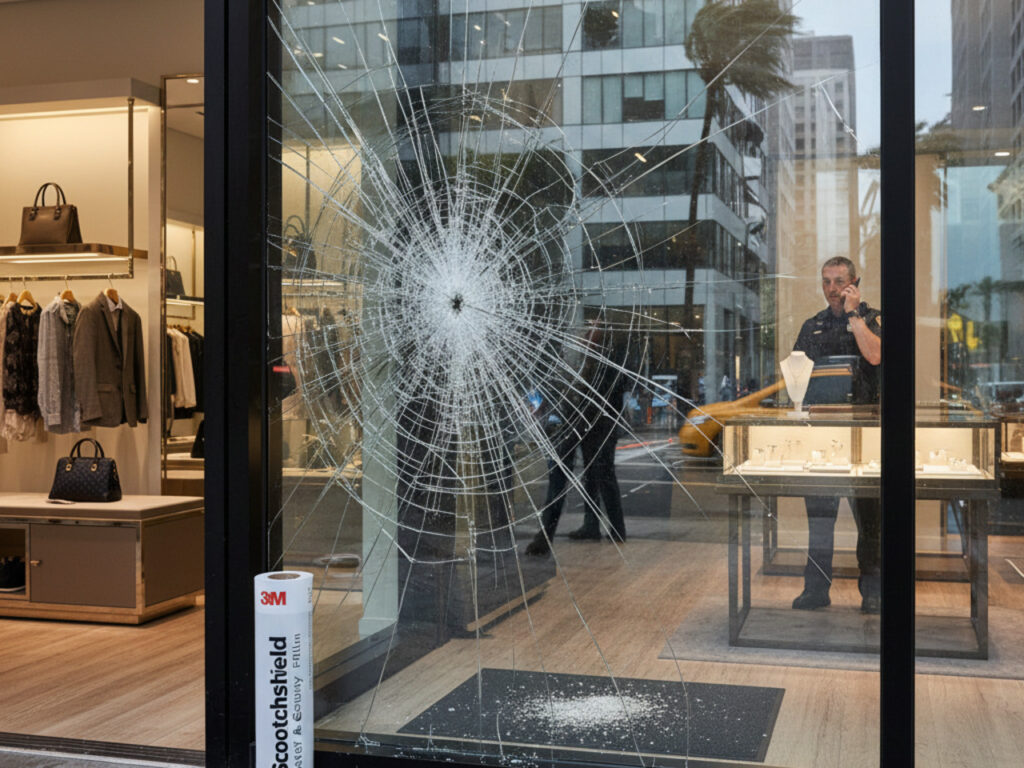
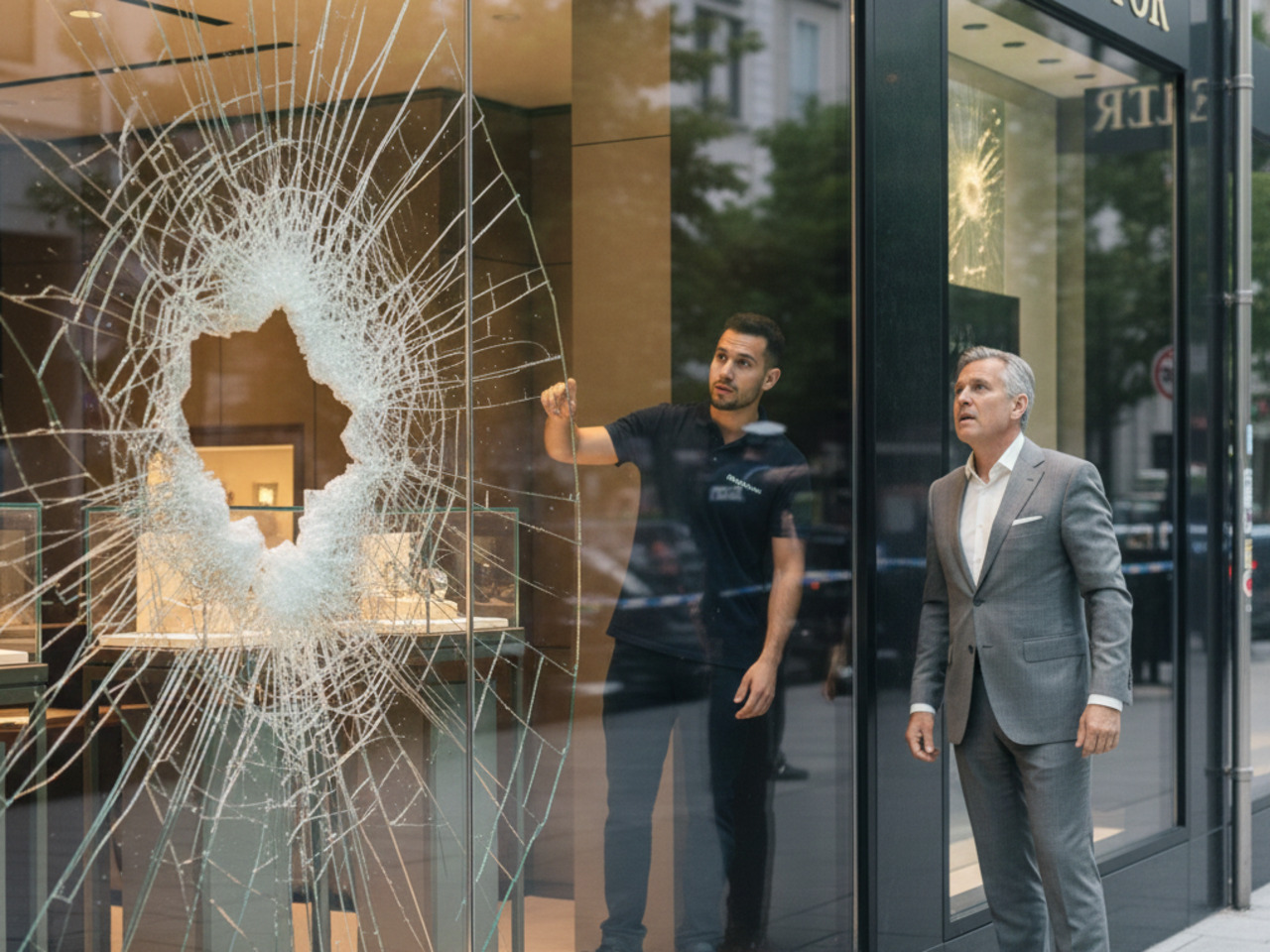
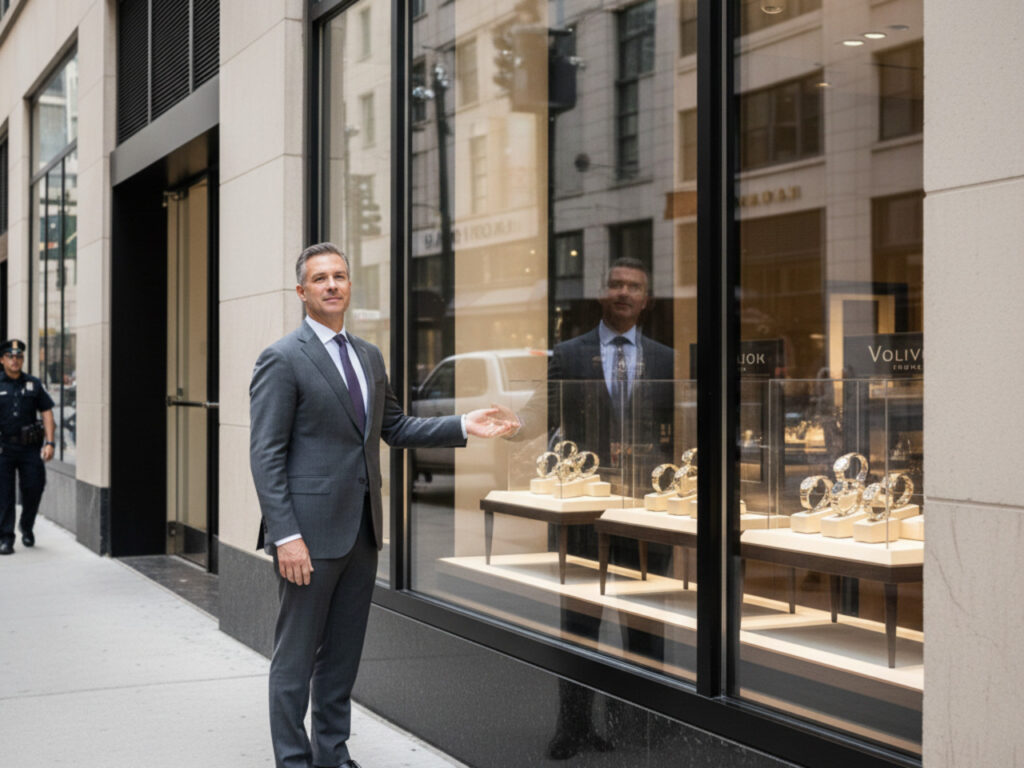
    In smash-and-grab scenarios, where speed and ease of entry are paramount for criminals, tempered glass offers virtually no defense. Its immediate and complete failure mechanism allows perpetrators to gain access within seconds, often before alarm systems can effectively signal a response or security personnel can react. High-value retail establishments, often unknowingly relying on tempered glass for what they perceive as robust protection, are particularly susceptible to this vulnerability. The glass might resist a single casual bump, but it collapses entirely under a targeted attack.

    Insufficient Protection Against Ballistic and Blast Mitigation Needs

    For projects requiring protection against ballistic threats or blast events, tempered glass is entirely inadequate. It provides no meaningful resistance to projectiles from firearms. Even laminated annealed glass offers more ballistic protection than tempered glass. Similarly, in the event of an explosion, tempered glass panels will not contain the force of the blast. Instead, they will shatter into countless small pieces that, while individually less sharp, collectively become a dangerous shower of shrapnel traveling at high velocity, posing a significant secondary hazard to occupants within the building. These specific security requirements demand specialized safety glazing solutions that incorporate layered materials designed to absorb and dissipate energy.

    Addressing Project Manager Paul’s Pain Point: Client Demands Beyond Basic Safety

    Project Manager Paul frequently faces client demands that extend beyond the fundamental safety glass requirements met by tempered glass. Clients are increasingly aware of threats like forced entry, theft, and even active shooter situations, and they expect their buildings to offer a robust defense. When a client requests “security windows,” they are not simply asking for glass that will not cause severe lacerations upon accidental breakage. They are articulating a need for resistance against intentional attacks, a delay in entry for intruders, and enhanced protection for occupants and assets.

    Relying solely on tempered glass for these projects fails to address the client’s actual security pain point. It meets the letter of the safety code but entirely misses the spirit of enhanced security. This discrepancy creates a gap between expectation and reality, potentially leading to client dissatisfaction, increased risk, and project liabilities. Paul needs solutions that actively address these advanced security concerns, providing real-world protection against modern threats.

    Bridging the Gap: How Advanced Security Films Transform Tempered Glass Protection

    While tempered glass excels in safety by shattering into manageable fragments upon impact, this characteristic, as we have established, leaves a critical vulnerability for security. For construction project managers, addressing specific client demands for enhanced security often means looking beyond the inherent properties of glass alone. Advanced security window film bridges this gap by transforming the performance of existing glass, turning a safety feature into a robust security component.

    Introducing Security Window Film: An Overview of the Technology

    Security window film is a multi-layered polyester laminate, engineered for high tensile and tear strength. Applied directly to the interior surface of glass, these films create a virtually invisible barrier that significantly enhances the glass’s integrity without altering its appearance. Security films outperform decorative films by handling extreme stress and transforming ordinary tempered glass into a resilient protective barrier.

    The Mechanism of Enhancement: How Film Holds Fragmented Glass Together

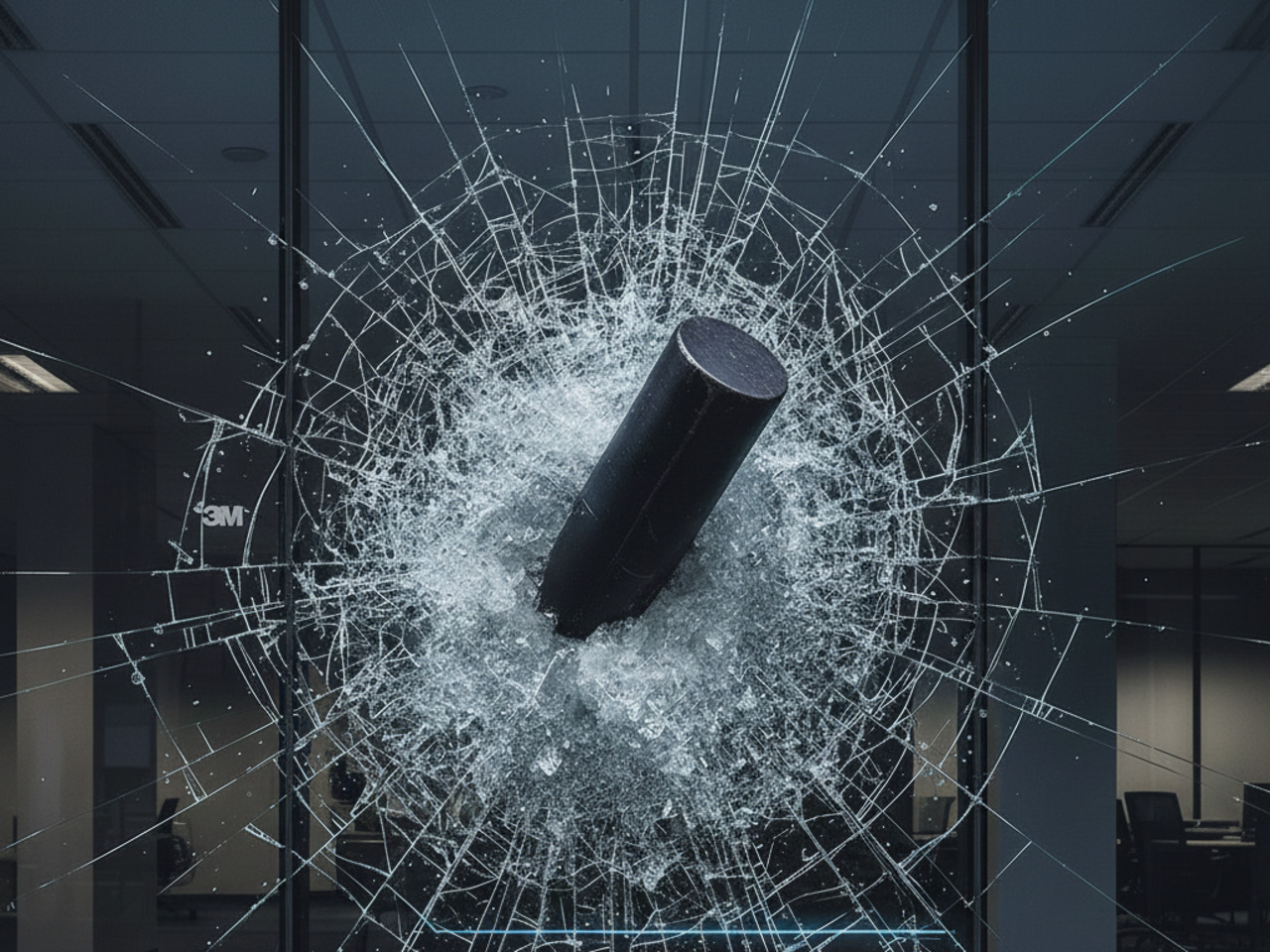
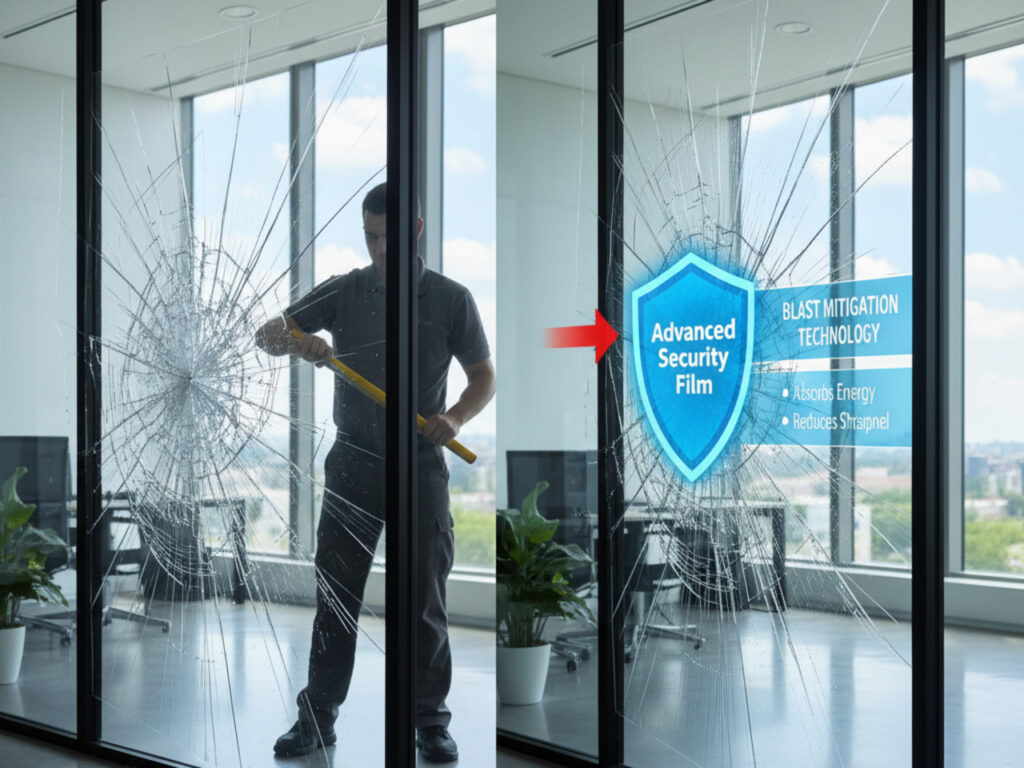
    The core mechanism of security window film is its ability to hold glass fragments together upon impact. When tempered glass shatters, the film’s aggressive adhesive and durable polyester layers grip the thousands of small glass fragments. This bond prevents the glass from falling out of the frame and leaving an unsecured opening. Instead, the film holds the shattered glass together to form a protective membrane that significantly delays or deters entry.

    Need More Info?

    The Window Film Depot team is happy to help.

    Elevating Forced Entry Resistance: Deterring Intruders Effectively

    For clients prioritizing security against break-ins, the ability of security film to hold glass together is paramount. A pane of tempered glass without film might offer mere seconds of resistance before an intruder can gain entry. With the addition of a high-performance security film, that same pane can withstand repeated impacts, turning a quick smash-and-grab into a prolonged, noisy, and highly visible attempt. This substantial increase in delay time provides critical minutes for security personnel or law enforcement to respond, effectively deterring many opportunistic attackers who seek swift, quiet access. It directly addresses the gap where tempered glass alone fails to meet a client’s demand for true forced entry protection.

    Mitigating Blast Effects: Enhancing Structural Integrity Post-Impact

    Beyond everyday security, advanced films offer a crucial layer of protection against more severe threats, such as blasts. In the event of an explosion, tempered glass would typically project dangerous shards over a wide area, posing a significant risk of injury or fatality. Security film acts as a critical containment system, absorbing some of the blast energy and, more importantly, holding the shattered glass firmly within the window frame or preventing it from becoming dangerous projectiles. This maintains the building envelope for a longer duration and drastically reduces the potential for blast-related injuries, a vital consideration for high-security facilities or buildings in vulnerable locations.

    Unlocking Superior Protection: The Power of 3M Safety & Security Window Film

    When considering advanced film solutions, the quality and proven performance of the product are non-negotiable. 3M, a pioneer in material science, offers a robust portfolio of safety and security window films that exemplify the highest standards in the industry. For project managers looking to meet stringent security specifications, understanding the underlying technology and support systems is crucial.

    The Science Behind 3M’s Advanced Film Technologies

    3M’s security window films are distinguished by their patented micro-layered construction. Instead of a single thick layer, 3M films consist of multiple, ultra-thin layers of polyester, creating a film that is surprisingly thin yet incredibly strong. This unique architecture allows the film to absorb and dissipate impact energy more effectively than conventional films, offering superior tear and puncture resistance. Combined with 3M’s proprietary, pressure-sensitive adhesive systems, these films bond exceptionally well to glass, providing unparalleled protection against various threats. This is the hallmark of 3M Safety & Security Window Film.

    Exploring Different Grades and Applications of 3M Security Films

    3M offers a comprehensive range of security films, each designed to meet specific threat levels and project requirements.

    • Standard Security Films: Ideal for basic shatter protection, holding glass together to prevent injury from accidental breakage or minor impacts.
    • Advanced Security Films (e.g., Scotchshield™ Safety & Security Film): Featuring enhanced tear resistance and thicker gauges, these films significantly improve forced entry protection and offer a higher degree of blast mitigation.
    • Ultra Series Films: These are 3M’s top-tier films, utilizing the micro-layered technology for maximum impact and tear resistance, providing the highest level of protection against repeated impacts and extreme pressure events.
    • Combined Solutions: Many 3M security films can also incorporate solar control or low-emissivity properties, allowing projects to achieve multiple performance benefits with a single application, such as reducing energy costs while enhancing security.

    Choosing the appropriate grade involves a detailed assessment of the project’s specific vulnerabilities and the desired level of protection.

    From Concept to Installation: Leveraging Window Film Depot’s Expertise as a Top 3M Installer

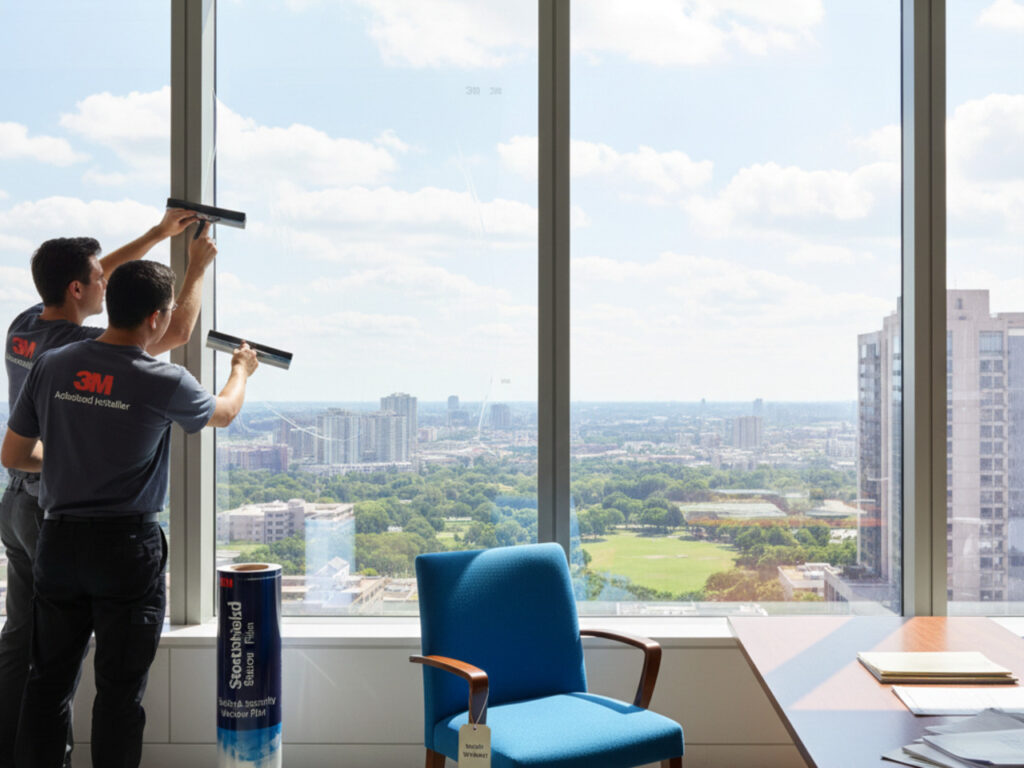
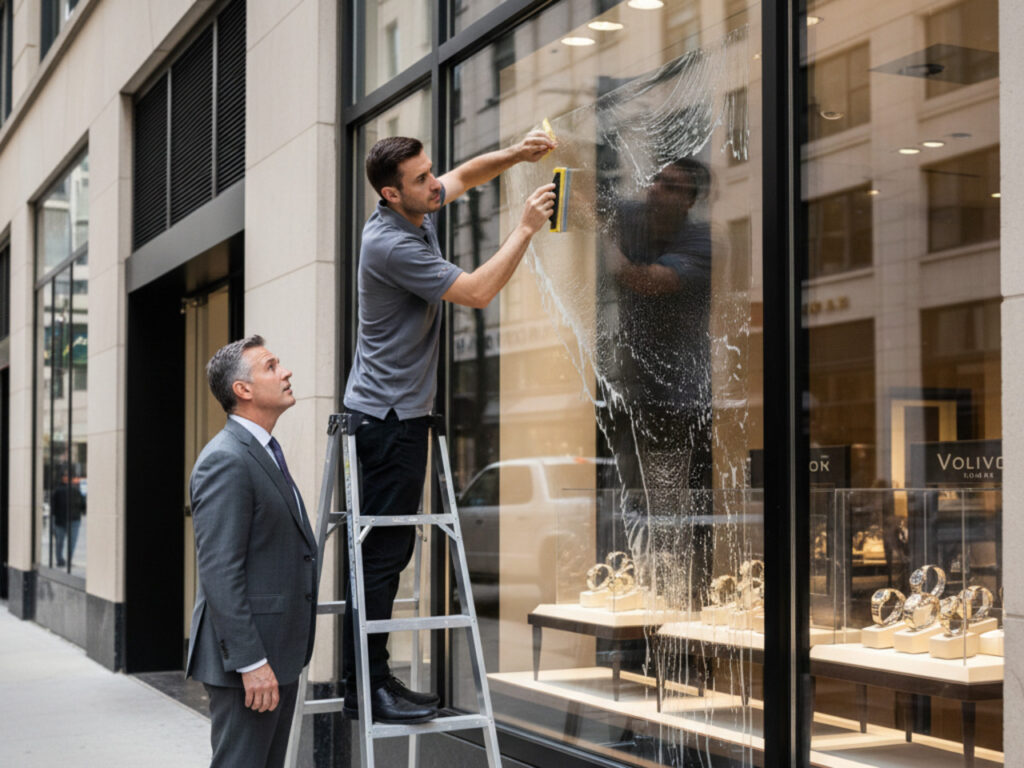
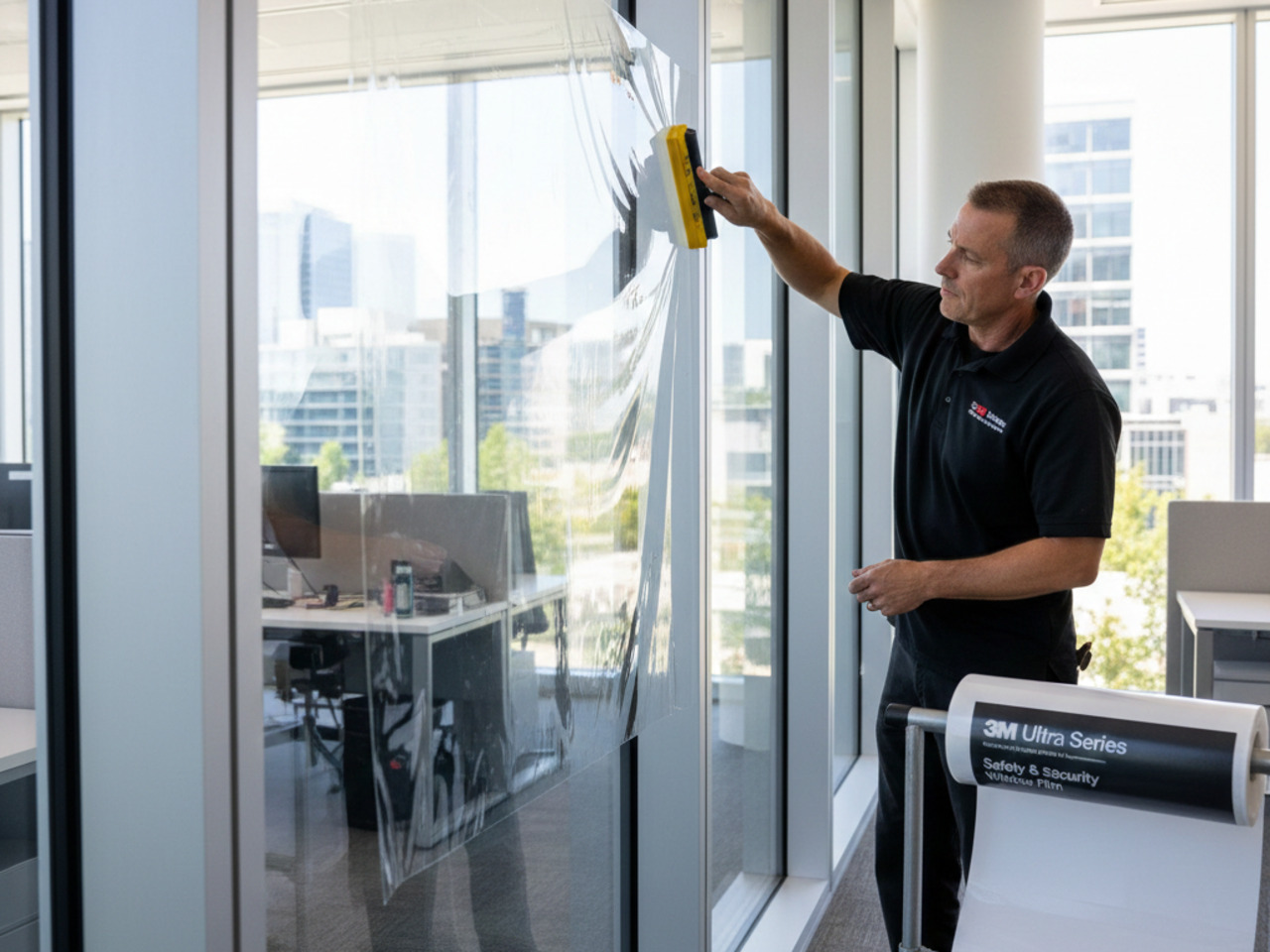
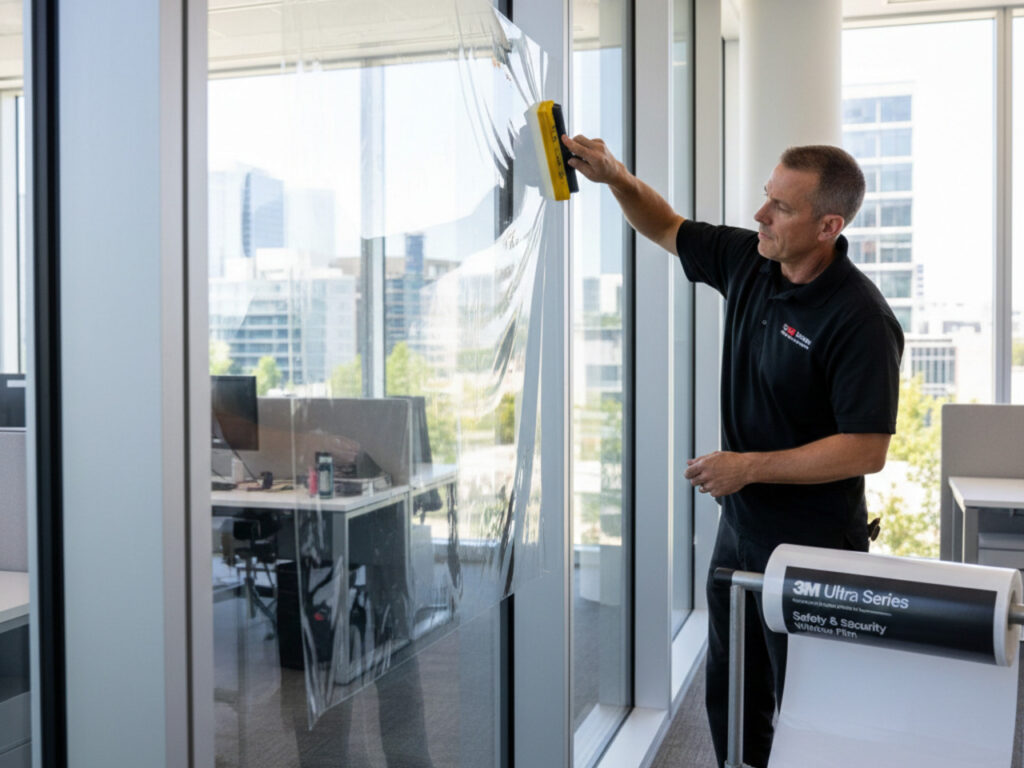
    The performance of any advanced film solution is only as good as its installation. This is where the expertise of a certified installer becomes invaluable. Window Film Depot, as a top 3M installer, brings a wealth of experience and precision to every project. Their certified technicians follow rigorous installation protocols to ensure optimal adhesion, proper edge sealing, and seamless integration with the existing glazing system. Their involvement ensures that the film performs to its specified capabilities, from the initial consultation and threat assessment to the final application, guaranteeing peace of mind for project managers and their clients.

    Long-Term Value: Durability, Warranty, and Maintenance of 3M Solutions

    Investing in 3M security window films represents a long-term commitment to safety and security. Engineers design these films for long-term durability by incorporating scratch-resistant coatings and UV inhibitors that prevent yellowing and degradation. 3M stands behind its products with comprehensive warranties, covering both the film and, when installed by an authorized dealer, the labor. Maintenance is straightforward, typically requiring only standard glass cleaning practices. This combination of robust design, strong warranty backing, and minimal upkeep ensures that the enhanced security provided by 3M films delivers lasting value and a strong return on investment for any commercial or government project.

    Strategic Implementation: Integrating Advanced Film Solutions into Your Projects

    Integrating advanced film solutions effectively requires a strategic approach that moves beyond simply specifying a product. It involves a thorough understanding of project-specific needs, careful selection, professional installation, and a clear justification of the investment. For project managers, this means proactively addressing security challenges with informed decisions.

    Assessing Security Vulnerabilities: A Project-Specific Approach

    Before any film is selected, a comprehensive security vulnerability assessment is paramount. This involves identifying potential threats, evaluating existing security measures, and pinpointing specific areas where glass presents a weak point. Factors such as building location, occupancy, adjacent activities, and historical threat data should all inform this assessment. Is the primary concern forced entry, blast protection, or protection against natural disasters? Understanding these unique requirements allows for the precise tailoring of a film solution rather than a one-size-fits-all approach. This step ensures that the client’s specific demands for security are met directly and efficiently.

    Selecting the Right Film: Matching Protection Levels to Threat Profiles

    With a clear vulnerability assessment in hand, the next step is to select the most appropriate film. This is not merely about choosing the thickest film. It involves matching the film’s performance characteristics, such as tensile strength, tear resistance, and adhesive strength, to the identified threat profile. For instance, a facility needing to deter casual vandalism might opt for a different film than a government building requiring blast mitigation. Considerations also include balancing security needs with factors like natural light transmission, aesthetic impact, and local building codes. Collaborating with experts, such as 3M representatives or certified installers, is crucial during this selection phase to ensure optimal performance without over-specifying or under-specifying.

    Installation Considerations: Best Practices for Optimal Performance

    The efficacy of security film is heavily dependent on the quality of its installation. Professional installation by certified technicians adhering to best practices is non-negotiable.

    • Clean Environment: Dust and debris can compromise adhesion and film clarity.
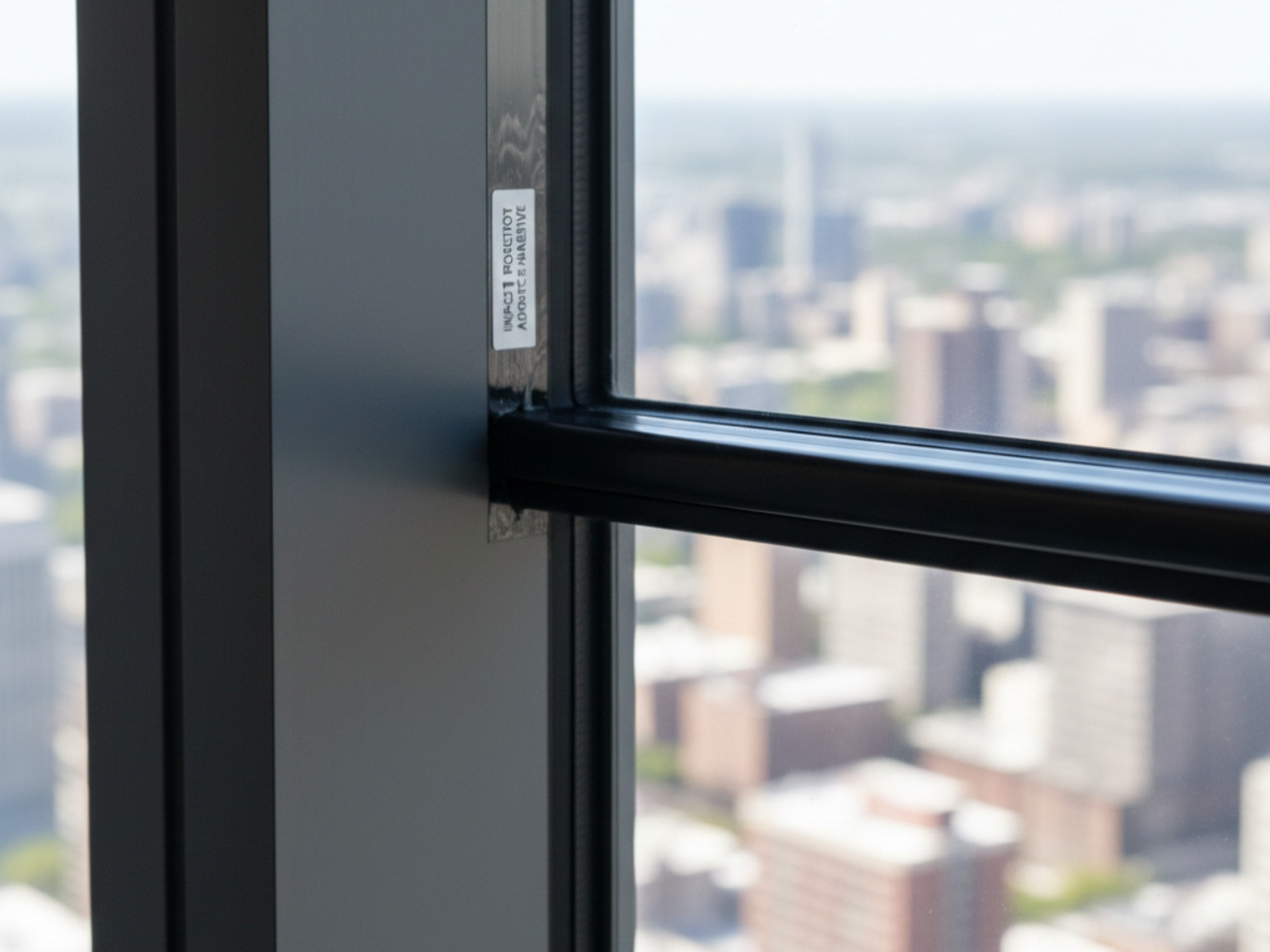
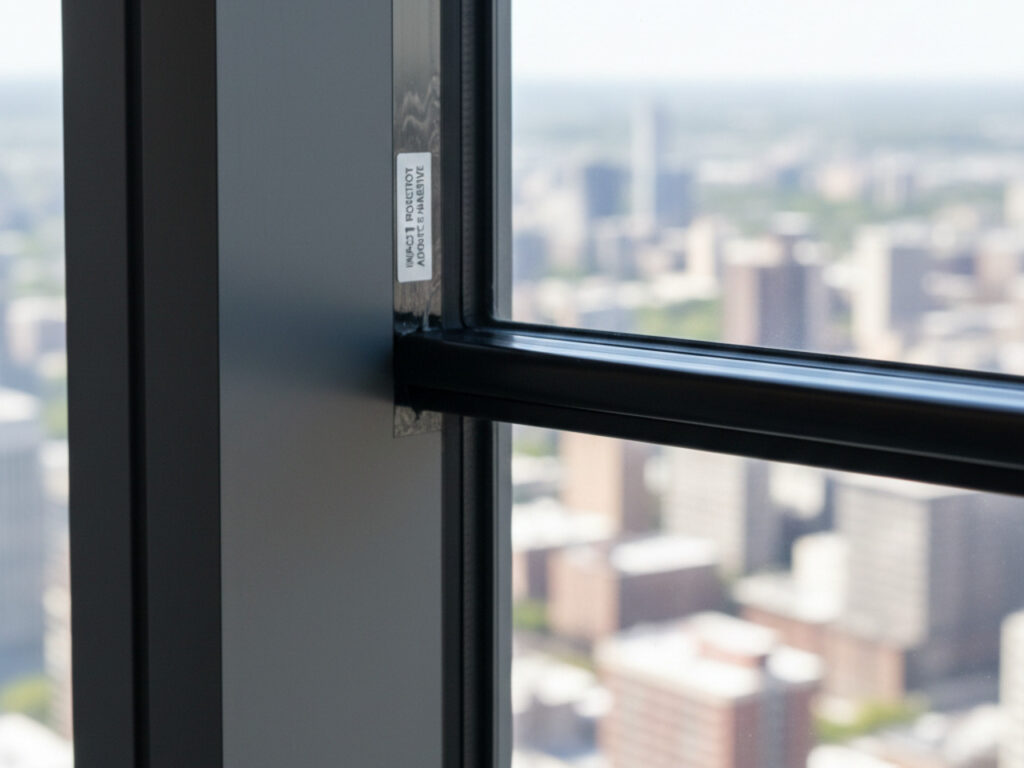
    • Proper Edge Attachment: For maximum security, particularly against forced entry and blast, the film should be anchored to the window frame using a structural silicone or similar edge retention system. This prevents the entire sheet of film and glass from being pushed out of the frame.
    • Curing Time: The adhesive requires a specific curing period to achieve its full bond strength, during which the film should not be disturbed.

    Skipping these critical steps can severely diminish the film’s protective capabilities, rendering the investment less effective.

    Budgeting and ROI: Justifying the Investment in Enhanced Security

    While security films represent an added cost, they often provide a superior return on investment compared to alternative security measures. Replacing existing tempered glass with specialized security glazing, for example, can be prohibitively expensive and disruptive. Security film offers a cost-effective upgrade that leverages existing infrastructure. The ROI is realized through various benefits: reduced risk of property damage and theft, minimized injury potential from broken glass, avoided downtime after an incident, and enhanced occupant safety. Presenting clients with a clear analysis that quantifies these benefits, alongside the long-term durability and warranty of 3M solutions, helps project managers justify the investment and meet client expectations for a truly secure environment.

    Conclusion: Key Takeaways and Next Steps

    Recap: The Imperative to Move Beyond Tempered Glass for True Security

    Our comprehensive analysis has illuminated a critical distinction for modern construction projects. The inherent purpose of what is tempered safety glass is to minimize injury upon breakage, not to resist forced entry or mitigate advanced security threats. While tempered glass is an essential component for meeting safety codes and preventing harm from accidental impact, its design to shatter into small, blunt fragments paradoxically makes it highly susceptible to rapid compromise during a security incident. This fundamental characteristic means that relying solely on tempered glass leaves significant vulnerabilities in a building’s perimeter security, directly impacting a project manager’s ability to satisfy a client’s specific demands for robust protection against intrusions.
    Reaffirming the Thesis: Proactive Security Planning is Non-Negotiable

    The core message remains clear: viewing what is tempered safety glass as a primary security barrier is a critical oversight. For project managers like Paul, understanding this limitation is paramount, as it directly impacts risk mitigation and client satisfaction. True security requires a proactive, layered approach that extends beyond baseline safety standards. Integrating advanced security window films addresses the shortcomings of tempered glass, providing a crucial line of defense against forced entry, blast fragmentation, and other dynamic threats. Such forward-thinking planning is not merely an upgrade. It is an essential component of modern building design, ensuring that security measures align with today’s complex threat landscape and meet the sophisticated expectations of informed clients.

    Your Trusted Partner: Elevating Project Standards with Advanced Film Solutions

    Elevating a project’s security profile to meet stringent client requirements demands collaboration with experts who understand both glass performance and advanced protective solutions. Incorporating high-performance security window films, such as those engineered for superior impact and tear resistance, transforms standard tempered glass into a formidable barrier.

    Key advantages of partnering for advanced film solutions include:

    • Enhanced Forced Entry Resistance: Significantly delays and deters intruders, buying critical response time.
    • Shatter Retention: Holds broken glass safely within the frame, reducing injury risk and containing potential debris.
    • Blast Mitigation: Provides protection against the devastating effects of pressure waves and flying glass fragments in the event of an explosion.
    • Tailored Solutions: Expert consultation ensures the selection of the precise film specifications for each unique security challenge and building type.

    By integrating these advanced film technologies, project managers can confidently deliver solutions that not only adhere to safety regulations but also far exceed baseline security expectations, providing a tangible and measurable enhancement to overall building resilience. This strategic enhancement directly addresses the sophisticated security demands that tempered glass alone cannot fulfill.

    Read more: what is tempered glass, bulletproof glass, coolvu window film

    Frequently Asked Questions

    What is tempered safety glass, and how is it made?

    Tempered safety glass is a type of safety glazing made by heating ordinary annealed glass to over 1,100°F (600°C) and then rapidly cooling it in a process called quenching. This creates surface compression and internal tension, making the glass four to five times stronger than standard glass. Its key safety feature is that it shatters into small, blunt pieces upon impact, reducing injury risk.

    What are the main differences between tempered glass vs laminated glass for security?

    Tempered glass is designed to break into small, harmless pieces for injury prevention, offering minimal resistance to forced entry as it fails. Laminated glass, however, uses an interlayer to hold glass fragments together when shattered, maintaining the integrity of the opening and significantly delaying forced entry or preventing penetration. Laminated glass is generally considered superior for security applications.

    Does tempered glass meet all safety glass requirements for buildings?

    Tempered glass meets fundamental safety glass requirements, particularly those outlined by standards like ANSI Z97.1 and various building codes, which mandate its use in areas prone to human impact to prevent injury from breakage. However, these requirements primarily focus on mitigating injury risk, not on providing resistance against forced entry, ballistic threats, or blast mitigation, where tempered glass is largely ineffective.

    Can security window film enhance the forced entry resistance of tempered glass?

    Yes, security window film significantly enhances the forced entry resistance of tempered glass. When applied to tempered glass, the film’s strong adhesive and durable polyester layers hold the shattered glass pieces together within the frame. This prevents the immediate collapse of the glass barrier, turning a quick smash-and-grab into a prolonged and difficult attempt, thereby delaying intruders and buying critical response time.

    How does 3M Safety & Security Window Film contribute to blast mitigation?

    3M Safety & Security Window Film, with its patented micro-layered construction, acts as a critical containment system in the event of an explosion. It helps absorb some of the blast energy and, crucially, holds shattered glass firmly within the window frame or prevents it from becoming dangerous projectiles. This dramatically reduces the risk of blast-related injuries from flying glass fragments and helps maintain the building envelope longer.
  • Decoding ‘Full Safety Glass Coverage’: What It Truly Means for Commercial Projects

    Decoding ‘Full Safety Glass Coverage’: What It Truly Means for Commercial Projects

    Navigating Ambiguity: The Project Manager’s Challenge with Vague Security Demands

    The term “full safety glass coverage” frequently arises in commercial projects as a client request, yet its broad nature can significantly challenge project managers. Without a precise definition, it risks becoming a moving target, potentially leading to misinterpretations, scope creep, and budget overruns. Clients naturally seek comprehensive protection. However, the specific threats they aim to mitigate and the level of protection they envision are rarely articulated with the necessary technical detail at the outset. Translating this qualitative request into concrete, actionable specifications requires an expert understanding of glass performance and available solutions.

    Beyond Basic Safety: Understanding Client Expectations for Comprehensive Glass Protection

    While “safety glazing” often suggests basic human impact protection, a client’s request usually implies much broader needs. Such requests typically suggest a desire for a layered defense against a diverse spectrum of risks. This includes protection against intentional acts such as forced entry or dangerous blast events. It also covers enhanced resilience against natural disasters like hurricanes or severe earthquakes. Understanding these unspoken expectations is crucial for developing a comprehensive commercial building security plan. This strategic approach ensures the final project genuinely meets the client’s safety and protection objectives.

    Setting the Expert Baseline: Why a Precise Definition is Critical for Project Success

    Establishing a clear, expert-defined baseline for what is full safety glass coverage is not merely an exercise in semantics. It is fundamental to the successful execution of any commercial project. A precise definition allows for accurate risk assessment, informed material selection, and realistic budget allocation. It helps align all stakeholders on the project’s security objectives, preventing costly changes and ensuring that the installed solutions deliver the expected level of protection. By providing a structured framework, an expert partner can demystify this vague request, transforming it into a measurable and achievable project goal.

    The Spectrum of Glass Safety: From Everyday Impact to Advanced Threat Mitigation

    True glass safety extends across a wide spectrum, addressing various potential threats with targeted solutions. Understanding these different levels of protection is key to achieving comprehensive security.

    Human Impact and Accidental Breakage: Fundamental Safety Glazing Requirements

    The most basic level of glass safety addresses the risk of injury from accidental human impact. Building codes mandate safety glazing in specific areas like doors, sidelites, and bath enclosures. These standards minimize the danger of severe injury if glass breaks unexpectedly. Products meeting specific safety standards are designed to resist breakage or to break safely. Tempered glass breaks into small, dull pieces to prevent deep lacerations. Laminated glass remains largely intact with fragments adhering to a flexible interlayer. Applying security window film can upgrade ordinary annealed glass to meet these fundamental safety requirements. This approach avoids the high expense and logistical burden of full glass replacement.

    Forced Entry Resistance: Deterring Intrusion and Protecting Occupants

    Moving beyond accidental breakage, forced entry resistance focuses on deterring and delaying unauthorized access through glass. This level of protection aims to reinforce the building’s envelope, making it more difficult and time-consuming for intruders to breach. High-performance security window films, often coupled with robust attachment systems, significantly strengthen glass, absorbing impact energy from blunt force attacks and holding shattered glass firmly within the frame. This extended resistance provides precious additional time for occupants to respond and for security personnel to arrive, effectively turning a vulnerable entry point into a formidable barrier. Testing standards such as UL 972 and ASTM F1233 measure the effectiveness of these systems against various forced entry attempts.

    Blast Mitigation: Safeguarding Against Explosive Threats

    In environments where explosive threats are a concern, blast mitigation becomes a critical aspect of glass safety. The primary danger often comes from glass fragmentation rather than the explosion itself. These flying shards can become deadly projectiles throughout the interior space.

    Safety film for windows, such as blast mitigation film, is engineered to absorb extreme shockwaves generated by an explosion. This technology prevents glass from shattering inward and contains fragments within the window frame. These films are typically thicker and more robust than standard security films. They are often integrated with advanced anchoring systems to ensure the entire glazing system remains intact. Compliance with rigorous standards from the GSA and DoD guides the selection of effective solutions. Following these federal guidelines ensures the installation meets necessary protective requirements for high-risk buildings.

    Natural Disasters and Extreme Weather: Resiliency Through Enhanced Glass Strength

    Natural disasters present unique challenges to building integrity, with glass often being the most vulnerable component. In high-wind events, flying debris can easily breach unprotected windows. This leads to rapid pressure changes that compromise the entire building structure. During earthquakes, severe shaking can cause glass to fracture and fall. Security window films enhance resiliency by increasing impact resistance and maintaining integrity after breakage. By holding fragments together, these films help preserve the building envelope and minimize water intrusion. They also significantly reduce the risk of injury from flying or falling glass during such events

    The Role of Glass Fragment Retention Film in Mitigating Injury

    Across the entire spectrum of glass safety, a consistent and critical factor is glass fragment retention. Whether addressing impacts or disasters, the primary goal is holding shattered fragments within the window frame. This prevents shards from becoming dangerous projectiles that cause severe lacerations or fatalities.

    This fragment retention capability is fundamental to mitigating injury during a glass failure event. It is the core mechanism through which advanced film technologies provide comprehensive safety coverage. This technology ensures that even when glass breaks, it does so safely for all building occupants.

    Key Building Safety Codes and Standards Project Managers Should Know

    When clients articulate a need for “full safety glass coverage,” they are often seeking protection that goes beyond the basic regulatory requirements. Understanding the foundational codes is the first step in clarifying their request and building a robust solution.

    Understanding Minimum Safety Standards: ANSI Z97.1 and CPSC 16 CFR 1201

    The primary standards for safety glazing in the United States are ANSI Z97.1 and CPSC 16 CFR 1201. These codes establish minimum performance criteria for glass used in hazardous locations, such as doors, sidelites, and large windows close to pedestrian traffic. Their core purpose is to reduce the risk of injury from accidental human impact.

    • ANSI Z97.1 (American National Standards Institute): This standard specifies the impact requirements for various glazing materials used in buildings. It categorizes materials based on their ability to withstand impact without creating large, dangerous shards.
    • CPSC 16 CFR 1201 (Consumer Product Safety Commission): This federal regulation details the performance specifications for glazing materials used in hazardous locations. It primarily focuses on preventing injuries from glass breakage due to human impact, mandating that glass either withstand significant impact or break safely. Examples include tempered glass shattering into small, blunt pieces or laminated glass retaining fragments.

    While essential for public safety, it is critical to recognize that these are minimum standards. They address a very specific type of risk, accidental human impact, and typically do not account for more complex security threats or natural disasters.

    Beyond Compliance: Bridging the Gap Between Code and ‘Full Safety Coverage’

    The distinction between merely meeting code and achieving true “full safety coverage” is significant for any commercial project. Compliance typically satisfies legal and liability baselines for accidental impact. However, a client’s request for comprehensive safety often encompasses a much broader spectrum of risks.

    • Forced Entry: Protection against criminal intrusion and vandalism.
    • Blast Mitigation: Reducing injuries from flying glass fragments in the event of an explosion.
    • Active Threat Response: Enhancing security during active shooter events by delaying entry.
    • Natural Disasters: Minimizing damage and injury from windstorms, earthquakes, or other severe weather.
    • Spontaneous Glass Breakage: Containing fragments from thermal stress or nickel sulfide inclusions.

    Need More Info?

    The Window Film Depot team is happy to help.

    Bridging this gap requires moving beyond a “check-the-box” approach to code compliance and adopting a strategic mindset focused on holistic risk mitigation. True safety involves assessing a building’s unique vulnerabilities and deploying solutions that address these specific threats, rather than just the generic risks covered by minimum standards.

    Legal and Liability Considerations for Commercial Glass Specifications

    Navigating glass specifications involves significant legal and liability implications for project managers. Failing to meet even the minimum safety codes can lead to substantial fines, legal action, and reputational damage in the event of an incident. However, when a client explicitly requests “full safety coverage,” the bar for due diligence rises considerably.

    Defining “full safety” for a specific project and documenting agreed-upon protective measures is paramount. Misinterpretations or inadequate solutions can expose project managers, contractors, and owners to increased liability. This risk grows if an incident occurs that the safety measures were expected to prevent. Collaborating with experts who can translate ambiguous demands into concrete specifications is essential. This practice is a critical component of project success and effective liability management. Following code-compliant and risk-mitigating specifications ensures the building remains secure for all occupants.

    The Retrofit Solution: How 3M Security Film Achieves Comprehensive Coverage

    Achieving comprehensive glass safety and security in existing commercial buildings presents a unique set of challenges, often constrained by budget, timelines, and the desire to preserve architectural aesthetics. This is where high-performance retrofit solutions, particularly 3M Safety & Security Window Film, offer a distinct advantage.

    Why Retrofit is the Smart Choice: Cost-Effectiveness and Minimal Disruption

    Replacing existing glazing with new, specialized safety glass can be prohibitively expensive and highly disruptive, impacting project budgets and timelines significantly. A retrofit solution using security window film offers a strategic alternative that delivers superior performance without the associated headaches.

    • Significant Cost Savings: Retrofitting with film can be a fraction of the cost of replacing entire window systems, which involves demolition, new framing, and installation.
    • Minimal Operational Disruption: Installation is typically much faster and less invasive. Businesses can often continue operations with little to no downtime, avoiding costly interruptions.
    • Preserves Building Aesthetics: High-performance films are optically clear and are applied to existing glass, maintaining the original appearance of the building’s facade and interior views.
    • Flexible and Scalable: Film can be applied selectively to specific vulnerable areas or across an entire building, allowing for phased implementation and tailored protection levels.

    For project managers, choosing a retrofit security glazing solution means meeting demanding client security needs within practical financial and logistical constraints.

    Unpacking 3M Safety & Security Window Film Technology: Strength, Adhesion, and Performance

    3M Safety & Security Window Film is engineered with advanced material science to significantly upgrade the performance of standard glass. The technology hinges on a combination of high-strength polyester and proprietary adhesive systems.

    • Multi-Layer Polyester Construction: These films consist of multiple layers of clear, strong polyester that are stretched and laminated together. This creates a flexible yet incredibly tough barrier.
    • Superior Adhesion: The unique, pressure-sensitive acrylic adhesive system is designed for maximum bond strength to glass. This adhesive is crucial for holding shattered glass fragments securely in place upon impact.
    • Enhanced Tear Resistance: The film’s construction provides exceptional tear resistance, preventing glass from ripping away from the frame or fragmenting into large, dangerous pieces.
    • Increased Elongation: The film is designed to stretch significantly under stress, absorbing impact energy rather than allowing the glass to immediately break apart. This “stretch-and-tear” resistance is key to its security performance.

    This sophisticated engineering ensures that when glass is impacted, it deforms and flexes, but the film keeps the shards from flying inward, forming a formidable protective shield, effectively creating a shatterproof window film.

    Advanced Fragment Retention Capabilities: A Core Benefit of 3M Film

    One of the most critical safety benefits of 3M Safety & Security Window Film is its advanced glass fragment retention film capability. Upon impact, whether from an accidental collision, a natural disaster, or an attempted break-in, the film holds the shattered glass firmly within the window frame.

    • Mitigates Laceration Injuries: By preventing glass from becoming airborne shrapnel, the film dramatically reduces the risk of severe cuts and lacerations, which are common in glass breakage incidents.
    • Maintains Building Envelope: In severe weather or blast events, the film helps maintain the integrity of the building envelope, preventing wind, water, and debris from entering the structure.
    • Enhances Safety During Disasters: During earthquakes or hurricanes, windows can spontaneously break. The film ensures that the glass remains in the frame, protecting occupants from falling or flying shards.
    • Reduces Post-Breakage Cleanup: The contained glass fragments simplify cleanup and expedite recovery efforts after an incident.

    This capability transforms ordinary glass into a far safer component, protecting occupants from both direct impact and secondary injuries caused by flying debris.

    Enhancing Forced Entry Resistance: Layering Protection Against Intruders

    For commercial properties, enhancing forced entry resistance is a critical security concern. 3M Safety & Security Window Film is a highly effective component in a layered security strategy, significantly delaying and deterring intruders.

    When applied to glass, the film creates a much more resilient barrier. Attempting to break through film-protected glass becomes:

    • More Difficult: The film holds the glass together, preventing it from shattering cleanly. Repeated, forceful impacts are required to create an opening large enough to pass through.
    • Noisier: The prolonged effort generates significant noise, drawing attention to the intrusion attempt.
    • Time-Consuming: The film buys crucial time, often several minutes, for security personnel to respond, alarms to trigger, or building occupants to seek safety.

    This delay is often sufficient to deter criminals who prioritize quick, quiet access. When combined with other commercial building security measures like alarm systems and surveillance, 3M security film drastically increases the effort and risk for would-be intruders, making the building a much less attractive target.

    Mitigating Blast Effects: 3M Film’s Proven Performance in High-Risk Environments

    In high-risk environments where the threat of explosions exists, 3M Safety & Security Window Film offers a proven solution for blast mitigation. While no film can prevent an explosion, the primary objective in blast protection is to prevent serious injury and death caused by flying glass fragments.

    • Fragment Control: In a blast event, extreme pressure waves shatter glass. 3M films are designed to hold these fragmented pieces together, preventing them from becoming lethal projectiles.
    • Energy Absorption: The films absorb and dissipate a significant amount of the blast energy, reducing the overall impact on the building’s occupants.
    • Tested to Industry Standards: 3M films, particularly those combined with structural silicone or mechanical attachment systems, have been rigorously tested to meet and exceed various governmental and military blast mitigation standards.
    • Reduces Primary Injury Cause: According to government studies, flying glass is the leading cause of injury and death in conventional bomb blasts. By containing glass, 3M films directly address this critical hazard.

    For facilities requiring robust protection against explosive threats, 3M’s specialized security films provide a vital layer of defense, often without the need for costly and complex window replacement.

    The Invisible Upgrade: Preserving Aesthetics While Maximizing Protection

    One of the most compelling advantages of 3M Safety & Security Window Film is its ability to deliver powerful protection without compromising a building’s architectural integrity or visual appeal. This “invisible upgrade” ensures that enhanced safety does not come at the cost of aesthetics.

    • Optically Clear: The films are designed to be virtually imperceptible once installed, maintaining the natural clarity of the glass. They do not alter the appearance of the building’s exterior or the views from within.
    • No Design Compromise: Architects and designers can maintain their original vision, knowing that the safety and security enhancements will not introduce visual clutter or obstruct natural light.
    • Seamless Integration: The film applies smoothly to existing glass surfaces, blending seamlessly with the window system. There are no bulky frames or intrusive additions.

    This combination of discreet aesthetics and robust protection makes 3M security films an ideal solution for projects where both design integrity and comprehensive safety are paramount. It allows project managers to deliver high-level security solutions that are seen only in their performance, not in their appearance.

    Specifying Your Project: When to Choose Film Over Total Glass Replacement

    The decision to enhance glass security within an existing commercial building often presents a critical fork in the road: total glass replacement or the strategic application of high-performance security films. While new laminated glass or tempered glass offers inherent strength, it comes with a significantly different set of implications for project managers seeking comprehensive, budget-conscious solutions.

    Strategic Cost-Benefit Analysis: Film vs. New Laminated or Tempered Glass

    A direct comparison reveals substantial differences in both upfront and indirect costs. Replacing existing glazing with new laminated or tempered glass involves extensive demolition, removal of old frames, installation of new units, and often significant operational disruption. This process incurs high material costs, substantial labor expenses, and potentially long lead times for custom glass orders.

    In contrast, security film installation is a retrofit solution. It leverages the existing glass infrastructure, drastically reducing material and labor costs. The installation process is far less intrusive, allowing businesses to maintain operations with minimal interruption. This approach avoids the need for structural modifications to window frames or building facades, further streamlining the project and keeping expenses under control. For projects where the client demands enhanced glass safety and security but requires fiscal prudence, film presents a compelling economic advantage.

    Assessing Risk vs. Investment: Tailoring Solutions to Specific Threat Levels

    Understanding the specific threats a building faces is paramount to making an informed investment. Not all “full safety glass coverage” needs are equal. They range from basic human impact protection to advanced blast mitigation or forced entry resistance. Security films offer a granular approach to risk mitigation, allowing for tailored solutions without over-investing in unnecessary capabilities.

    • Human Impact Protection: Films can upgrade standard annealed glass to meet safety glazing codes, preventing dangerous shards from scattering upon breakage.
    • Forced Entry Deterrence: Thicker, multi-layered films significantly increase the time it takes to breach a window, acting as a crucial deterrent and delaying intruders.
    • Blast Mitigation: Specialized films, often integrated with robust anchoring systems, can hold glass fragments together in the event of an explosion, minimizing injuries from flying debris.

    This tiered approach ensures that resources are allocated precisely where they are most needed, providing optimal protection without exceeding the project budget. It allows project managers to select a performance level that directly correlates with the identified threat, rather than adopting a one-size-fits-all, often cost-prohibitive, replacement strategy.

    Project Timelines and Logistical Advantages of Retrofit Security Glazing

    Project timelines and logistical complexities are often underestimated when considering glass upgrades. Full glass replacement projects are notorious for extended schedules, requiring careful coordination with multiple trades, managing debris, and navigating potential building closures. Permitting processes for structural changes can also introduce delays.

    Retrofit security glazing offers distinct advantages in this regard. Installation is typically quicker and less disruptive. There is no need for structural alterations, eliminating much of the associated permitting and inspection overhead. Work can often be performed in stages, outside of business hours, or in occupied spaces with minimal inconvenience to occupants. This logistical flexibility is invaluable for project managers, enabling them to meet aggressive deadlines and minimize the impact on a client’s daily operations, directly addressing the pain point of keeping projects on schedule and budget.

    The Value of a Comprehensive Security Audit: Identifying Vulnerabilities and Needs

    Defining “full safety glass coverage” begins not with a product, but with a thorough understanding of the specific vulnerabilities and security objectives of the building. A comprehensive security audit, conducted by experienced professionals, is an indispensable first step. This audit goes beyond code compliance to evaluate genuine threats, operational needs, and the client’s risk tolerance.

    Key aspects of an audit include:

    • Threat Assessment: Identifying potential hazards such as vandalism, break-ins, active shooter scenarios, natural disasters, or industrial accidents.
    • Vulnerability Analysis: Examining existing glass types, framing systems, and attachment methods to understand current weak points.
    • Operational Impact: Considering how security enhancements might affect daily operations, emergency egress, and aesthetic preferences.
    • Budgetary Constraints: Establishing realistic financial parameters for the project.

    This detailed analysis provides the foundational data needed to specify the appropriate security film solutions, ensuring that the chosen technology directly addresses the identified needs rather than implementing generic, potentially insufficient, or excessive measures. It transforms the vague concept of “full safety glass coverage” into an actionable, data-driven security strategy.

    Partnering for Success: Ensuring Your Glass Security Project Stays on Schedule and Budget

    Executing a commercial glass security upgrade requires more than just selecting the right product. It demands a collaborative partnership with a team possessing specialized expertise. From initial assessment to final installation, every phase contributes to the overall success, ensuring the project aligns with both performance expectations and financial constraints.

    The Critical Role of Expert Installation: Why Professional Application Matters

    The performance of security window film is inextricably linked to the quality of its installation. Even the most advanced film will underperform if applied incorrectly. Expert installation involves precise cutting, meticulous surface preparation, and the use of specialized tools and techniques to ensure proper adhesion and a seamless finish.

    Professional installers are trained to address challenges such as:

    • Contaminant-free application to prevent bubbles and defects.
    • Edge sealing techniques to maximize the film’s tear resistance and blast mitigation properties.
    • Working with various glass types and framing systems.
    • Adherence to manufacturer specifications for optimal product longevity and warranty coverage.

    This expertise guarantees that the film achieves its intended performance characteristics, providing the designed level of protection and maintaining the building’s aesthetic integrity.

    Leveraging National Installation Capabilities for Seamless Project Execution

    For large-scale projects, or those spanning multiple locations, the ability to coordinate installations across different regions is a significant advantage. A national network of certified installers ensures consistent quality, standardized procedures, and reliable project management regardless of geographic dispersion. This eliminates the logistical complexities of vetting multiple local contractors and streamlines communication, reporting, and scheduling. Leveraging such capabilities allows project managers to implement cohesive security strategies across an entire portfolio of properties efficiently and effectively.

    Project Management Excellence: Navigating Complex Commercial Security Upgrades

    Commercial security upgrades are intricate undertakings, often involving coordination with building occupants, adherence to strict safety protocols, and management of various project stakeholders. Excellence in project management becomes paramount. This includes detailed planning, proactive communication, rigorous quality control, and adaptive problem-solving. A seasoned project management team anticipates challenges, mitigates risks, and ensures that the project progresses smoothly, adhering to the established timeline and budget. Their ability to translate complex technical requirements into practical, on-site execution is critical for avoiding delays and cost overruns.

    Long-Term Performance and Warranties: Protecting Your Investment

    A critical consideration for any long-term investment is its durability and the assurance of its performance. High-quality security films are designed for lasting protection, but their longevity is backed by robust warranties. These warranties typically cover against defects like bubbling, peeling, or demetallization, offering peace of mind for property owners and managers. Understanding the terms of these warranties is crucial, as they underscore the manufacturer’s confidence in their product and provide a safeguard for the investment, ensuring the “full safety glass coverage” remains effective for years to come.

    Illustrative Scenarios: Real-World Applications of 3M Security Film for Diverse Demands

    The versatility of security films is best demonstrated through real-world applications addressing a spectrum of security needs.

    Retail Spaces: Protecting Against Smash-and-Grab Theft

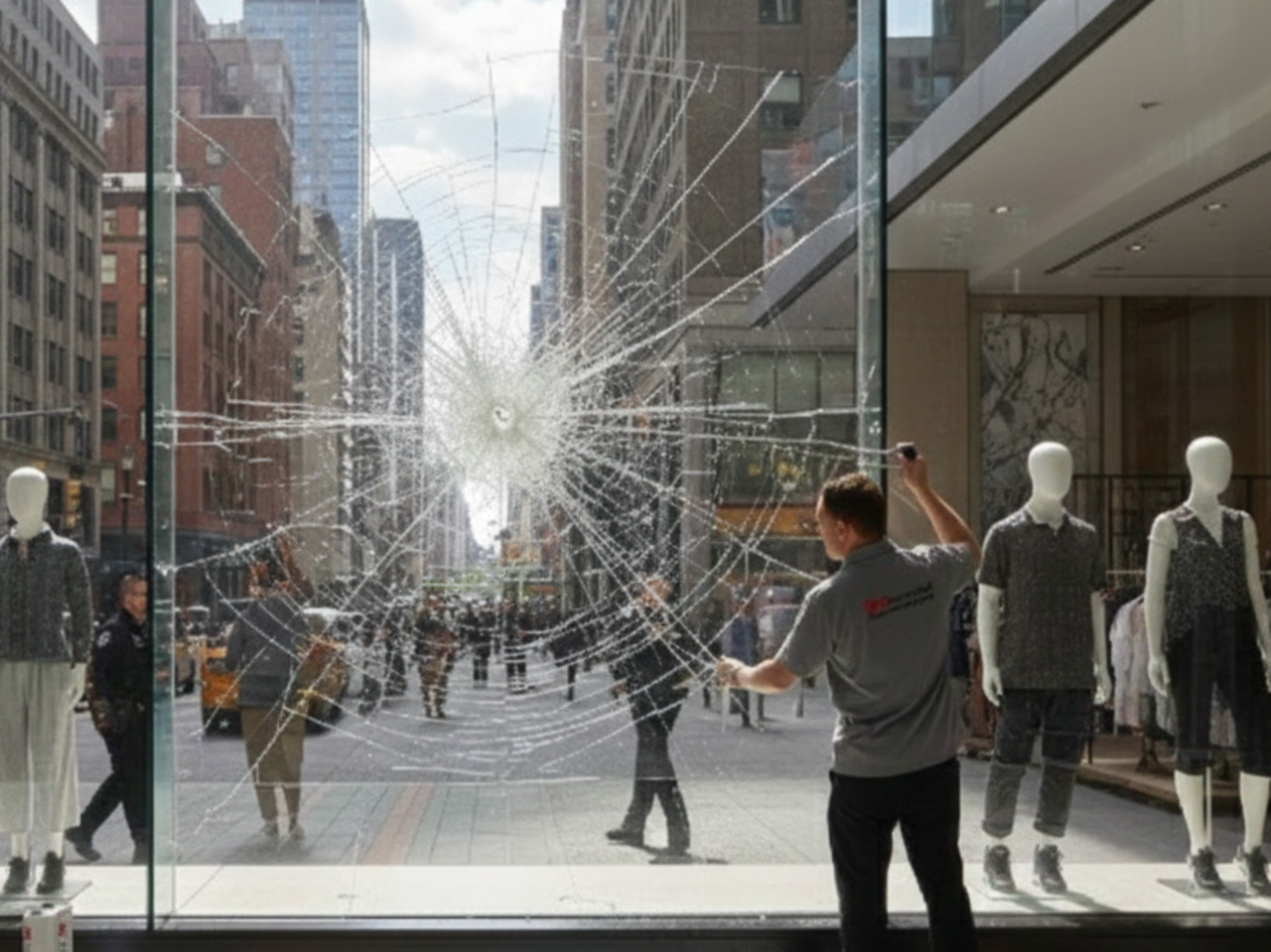
    A high-end jewelry store, vulnerable to quick smash-and-grab attempts, installed 3M Ultra Series film. The film significantly delayed forced entry, allowing security personnel and law enforcement additional response time, ultimately deterring the thieves and preventing substantial loss.

    Schools and Universities: Enhancing Active Shooter Preparedness

    Following a comprehensive vulnerability assessment, a school district applied safety and security film to ground-level and easily accessible windows across its campuses. This enhancement created a critical barrier, slowing down potential intruders and providing precious minutes for occupants to shelter in place or evacuate, aligning with their emergency response protocols.

    Government Buildings: Mitigating Blast Threat

    A federal office building, situated in a high-risk urban area, integrated specialized blast mitigation film with an attachment system into its glazing. This upgrade was a cost-effective alternative to full window replacement, designed to contain glass fragments in the event of an explosion, thus protecting occupants from severe injury and minimizing post-event clean-up.

    Corporate Offices: Deterring Vandalism and Forced Entry

    A multi-story corporate headquarters experienced recurring issues with vandalism and attempted break-ins on its lower floors. By applying a robust security film, the company not only reduced the frequency of these incidents due to the increased difficulty of entry but also significantly minimized the damage when attempts did occur, saving on repair costs and maintaining operational continuity.

    Redefining ‘Full Safety’: A Layered, Strategic Approach to Glass Security

    The concept of ‘full safety glass coverage’ is often misconstrued as meeting a singular, minimal code requirement. However, true glass protection in commercial and institutional projects demands a far more nuanced and comprehensive perspective. It is not about a baseline compliance, but rather about a strategic layering of protective measures designed to mitigate a full spectrum of risks. This proactive approach acknowledges that vulnerabilities can range from accidental human impact and everyday vandalism to severe threats like forced entry, blast events, and natural disasters.

    Achieving genuine ‘full safety’ means moving beyond a reactive, checklist mentality. It necessitates a thorough understanding of the building’s specific risk profile, its occupancy, and the potential consequences of glass failure. By adopting a layered strategy, project managers can ensure that the installed solutions address diverse threats simultaneously, creating a robust and resilient building envelope. This perspective transforms a vague client request into a clear framework for comprehensive security.

    The Unmatched Value of 3M Security Film as the Definitive Retrofit Solution

    When evaluating options for enhancing glass safety in existing structures, the benefits of 3M Safety & Security Window Film become unequivocally clear. Total glass replacement, while offering new glass, is often cost-prohibitive, time-consuming, and highly disruptive to ongoing operations. In contrast, 3M films provide an efficient, high-performance retrofit solution that seamlessly integrates into existing infrastructure without demanding extensive downtime or significant capital investment.

    The value proposition of 3M security film extends beyond mere cost-effectiveness. These films are engineered with advanced technology to:

    • Mitigate Human Impact: Significantly reduce the risk of injury from broken glass by holding shards together upon impact.
    • Deter Forced Entry: Create a barrier that makes it harder and more time-consuming for intruders to breach glass, buying critical response time.
    • Contain Blast Events: Help contain dangerous glass fragments in the event of an explosion, minimizing injuries and property damage.
    • Protect Against Natural Disasters: Reinforce glass against windborne debris and seismic activity, maintaining the building envelope’s integrity.
    • Offer Integrated Solutions: Many films also provide additional benefits like UV protection, energy savings, and glare reduction, enhancing overall building performance.

    This multi-faceted capability positions 3M security film as the most practical and effective method to upgrade existing glass to meet a broad array of safety and security demands. It provides a definitive solution for achieving true comprehensive glass protection.

    Your Action Plan: Translating Ambiguity into a Concrete Security Strategy

    For project managers, translating a client’s request for what is full safety glass coverage from an ambiguous desire into a concrete, actionable project plan is paramount. This process requires a structured approach that leverages expert knowledge and proven technology.

    Here are the key steps to develop a robust glass security strategy:

    1. Conduct a Comprehensive Risk Assessment: Partner with security consultants and film specialists to evaluate the specific threats and vulnerabilities of the building. This assessment should consider factors like location, building usage, asset value, and potential attack vectors.
    2. Define Performance Objectives: Based on the risk assessment, clearly articulate what specific threats the glass protection needs to address. Is it primarily human impact, forced entry, blast mitigation, or a combination? Quantify desired performance where possible, for example, delay time for forced entry.
    3. Specify Appropriate 3M Film Solutions: Consult with authorized 3M dealers and certified installers. They can recommend the precise film series and attachment systems, for example, Impact Protection Adhesive, that align with your defined performance objectives and budget, ensuring optimal protection without over-engineering.
    4. Plan for Professional Installation: The effectiveness of any security film is highly dependent on expert installation. Ensure that the chosen installer is 3M certified and has a proven track record with complex commercial projects.
    5. Educate Stakeholders: Clearly communicate the benefits and limitations of the proposed film solution to all relevant stakeholders. Demystify the concept of ‘full safety’ by explaining how the layered approach with 3M film addresses specific risks.

    By following these steps, project managers can confidently translate vague security demands into a tangible, cost-effective, and highly effective protection strategy, securing both the building and the project’s success.

    Frequently Asked Questions

    What does “full safety glass coverage” mean for a commercial building?

    “Full safety glass coverage” for a commercial building goes beyond basic code requirements for human impact. It typically implies a comprehensive, layered approach to mitigate a wide range of threats, including forced entry, blast events, natural disasters, and accidental breakage. It focuses on keeping occupants safe and preserving the building’s integrity.

    How can existing glass be upgraded to meet advanced security demands?

    Existing glass can be significantly upgraded using high-performance retrofit security glazing, such as 3M Safety & Security Window Film. This technology strengthens glass, provides glass fragment retention film capabilities, and enhances resistance against various threats without the prohibitive cost and disruption of full glass replacement.

    What are the key benefits of using 3M Safety & Security Window Film for commercial properties?

    3M Safety & Security Window Film offers multiple benefits, including superior glass fragment retention, increased forced entry resistance, proven blast mitigation capabilities, enhanced protection against natural disasters, and the ability to maintain the building’s aesthetic appeal due to its optical clarity. It’s a cost-effective, non-disruptive solution.

    Does security film meet building safety codes for windows?

    Yes, certain safety and security window films can upgrade ordinary annealed glass to meet minimum building safety codes for windows, such as ANSI Z97.1 and CPSC 16 CFR 1201, which primarily address human impact protection. This allows buildings to comply with foundational safety requirements without replacing existing glass.

    Is retrofit security glazing a cost-effective alternative to new safety glass?

    Retrofit security glazing is significantly more cost-effective than replacing entire window systems with new laminated glass or tempered glass. It involves lower material and labor costs, minimal operational disruption during installation, and avoids the need for structural modifications, making it an economically prudent choice for enhancing commercial building security.

  • What is Better Tempered Glass or Screen protector?

    What is Better Tempered Glass or Screen protector?

    Bridging the Gap: From Consumer Queries to Commercial Imperatives

    When addressing glass security, the initial questions often arise from a consumer perspective. Many might wonder which is better: tempered glass or a screen protector for personal devices or residential applications. For a commercial project manager overseeing a large-scale renovation, however, the conversation shifts dramatically. This moves beyond individual product features to focus on system-level integration and comprehensive risk mitigation. It also addresses the logistical implications of implementation across numerous glazing units within the property. This necessitates a strategic reframing from a simple product comparison to an evaluation of overall project impact. Security enhancements must align with broader business objectives and the specific operational realities of the site. Such an approach ensures that the chosen solution provides maximum value for the entire commercial enterprise.

    The Project Manager’s Dilemma: Enhancing Security Without Derailing Budgets or Timelines

    For Project Manager Paul and his peers, the challenge is not merely identifying a more secure glass option. It is about executing significant security upgrades within tight fiscal constraints and demanding schedules. Integrating security measures often means navigating existing infrastructure and minimizing operational downtime for occupants. It also requires managing a workforce across multiple locations during the installation process. The dilemma centers on achieving robust, reliable security without the prohibitive costs of full glass replacement. Extensive lead times and disruptive installation processes often make total replacement unviable for large properties. This balance between elevated performance and project viability drives decision-making in large commercial environments.

    Why a Strategic Approach to Glazing Security is Non-Negotiable

    A reactive or piecemeal approach to glazing security simply does not meet the standards required for modern commercial assets. In today’s landscape, a strategic approach is non-negotiable for several compelling reasons. It directly addresses the evolving threat landscape, safeguards valuable assets, ensures occupant safety, and protects against potential liabilities. Beyond immediate security, robust glazing solutions contribute to business continuity by reducing the risk of downtime. These upgrades minimize potential losses from breakage, theft, or vandalism within the commercial facility. A well-planned security upgrade can align with insurance requirements and mandatory regulatory compliance. This strategy solidifies the long-term integrity and operational resilience of any modern building project.

    Understanding the Core Technologies: How Each Option Works

    Tempered Glass: The Foundation of Baseline Safety and Its Limitations

    Tempered glass is a common safety solution created by heating annealed glass to over 1,200°F. Rapid cooling creates high compressive stresses on the surface and tensile stresses in the core. This process makes the glass approximately four to five times stronger than standard annealed glass. When it breaks, tempered glass shatters into small, relatively blunt granular pieces. This fragmentation significantly reduces the risk of severe injury from jagged shards. These characteristics make it a baseline requirement in many modern building codes. Such safety standards apply to doors, doorways, and large storefront applications where human impact is likely.

    However, while tempered glass excels in mitigating injury upon breakage, it presents significant limitations as a security barrier. Once its structural integrity is compromised, whether by impact or thermal stress, the entire pane fails almost instantaneously. This provides no significant delay against forced entry or a barrier against ballistic threats, creating an immediate, unhindered breach. Its “all or nothing” failure mode means that while safer to break, it offers minimal resistance against deliberate intrusion attempts.

    The Evolution of Glazing: From Standard to Laminated Glass Security

    Laminated glass represents a significant step forward in glazing technology for enhanced security. It is constructed by bonding two or more panes of glass together with one or more interlayers, typically made of polyvinyl butyral (PVB) or SentryGlas® Plus (SGP). This interlayer is key to its performance. Upon impact, the glass may crack or break, but the interlayer holds the fragments securely in place. This maintains the overall integrity of the glazing unit, preventing a clean breach and offering substantial delay against forced entry or smash-and-grab incidents.

    Laminated glass is widely used in hurricane zones to resist windborne debris and high-impact forces. It offers a higher level of protection than tempered glass in many specialized security applications. This material also provides significant benefits in sound attenuation and ultraviolet radiation protection for interiors. However, retrofitting existing structures with laminated glass involves replacing entire glass units. This process can be expensive, labor-intensive, and highly disruptive for building occupants.

    Retrofitting often necessitates new framing systems to accommodate increased glass thickness and weight. This requirement poses significant logistical challenges for large-scale projects aiming for cost-effective upgrades. Evaluating security window film versus laminated glass is crucial for determining the overall viability of a retrofit.

    Security Window Film: An Advanced Layer of Commercial Glass Security

    Security window film offers a sophisticated and effective solution for enhancing commercial glass security in retrofit scenarios. This advanced layer is typically a multi-layered polyester film applied to the interior surface of existing glass. Its primary function is to increase resistance to impact, tearing, and puncture through a robust shield. This layer holds shattered glass firmly together upon breakage to maintain the integrity of the opening. This capability transforms a vulnerable pane into a resilient barrier that delays forced entry effectively. It also mitigates the dangers of flying glass shards from blasts or severe weather events. Such protection ultimately safeguards both building occupants and valuable assets from harm.

    Performance metrics such as break strength, tear resistance, and puncture resistance are critical indicators of a film’s protective capabilities. A high-performance security film does not prevent glass from breaking, but it significantly prolongs the time it takes to create an accessible opening, providing precious minutes for occupants to react and for security personnel to respond. This non-disruptive installation, compared to full glass replacement, makes security film an exceptionally attractive option for large-scale commercial upgrades.

    3M™ Scotchshield™ Safety & Security Window Film Ultra Series: Technology and Design Explained

    The 3M™ Scotchshield™ Safety & Security Window Film Ultra Series stands out in the market due to its patented micro-layered construction, a significant advancement over conventional single-layer or thicker laminated films. Unlike traditional films that achieve strength through sheer thickness, the Ultra Series utilizes dozens of micro-thin, tear-resistant layers. This innovative design allows the film to be incredibly strong yet remarkably flexible and optically clear, maintaining excellent light transmission without visual distortion. This innovative technology provides superior 3m security film for buildings.

    Micro-layered technology provides exceptional resistance to tearing and puncture during real-world impact scenarios. When subjected to significant force, the Ultra Series film stretches and flexes to absorb tremendous energy. The integrated multi-layer adhesive system securely bonds the film to the glass surface. This bonds broken fragments within the frame to maintain the integrity of the opening. This durable membrane effectively delays intruders and mitigates dangerous flying glass hazards. These films reduce overall property damage from attempted forced entry or extreme weather events. For project managers, specifying 3M Scotchshield Ultra Series ensures high performance and superior security. This solution installs efficiently within existing building envelopes to minimize disruption and maximize investment returns

    Performance Metrics That Matter: A Head-to-Head Comparison

    When evaluating commercial security upgrades, you must analyze verifiable performance metrics. Modern security window film presents a compelling alternative to full glass replacement. It often outperforms traditional methods in specific, critical areas. Understanding these distinctions allows for a strategic and cost-effective specification process.

    Assessing Resistance: Forced Entry, Impact Durability, and Tensile Strength

    Security window film fundamentally alters existing glass performance without requiring its removal. Unlike standard glass, security film creates a robust membrane. This membrane holds glass fragments together within the frame upon impact.

    • Forced Entry Resistance: This is where security film truly shines. Instead of an immediate breach, a 3M™ Safety & Security Window Film transforms the glass into a formidable barrier. Attackers are forced to expend significant time and effort to create an opening large enough for entry, often exceeding critical response times and acting as a strong deterrent. The film’s robust nature drastically increases the “attack time” required for a breach, a key metric in security assessments.
    • Impact Durability: The film significantly boosts the glass’s resilience against blunt force impacts. While the glass itself may crack or shatter, the film layer absorbs and disperses energy, preventing catastrophic failure and maintaining the integrity of the glazed opening. This is a considerable upgrade over standard glazing, which offers minimal resistance to repeated impacts.
    • Tensile Strength: Security films are engineered with multi-layered polyester constructions, offering exceptional tensile strength. This inherent strength prevents the glass from separating into dangerous, jagged shards, even under extreme stress. The film’s ability to maintain a strong bond with the glass surface is paramount in preventing large-scale fragmentation.

    Blast Mitigation Film and Glass Fragmentation Control for Enhanced Safety

    In scenarios involving explosive events or extreme weather, the primary danger from glass is not the initial impact, but the subsequent uncontrolled fragmentation. Standard glass can turn into deadly projectiles, causing severe injuries or fatalities.

    Blast mitigation film is specifically designed to address this critical vulnerability. By securely bonding to the glass and the window frame through a robust attachment system, the film absorbs the shockwave and retains glass fragments. This prevents the glass from “showering” into occupied spaces, drastically reducing the risk of impact-related injuries and property damage. The goal is to keep the entire glazed unit intact within the frame, or at least to contain all fragments, thereby maintaining a safe envelope around occupants.

    Spall Protection: A Critical Consideration for Occupant Safety

    Beyond fragmentation, another significant hazard in high-energy impacts or blasts is “spall.” Spall refers to tiny fragments of glass that are ejected from the non-impacted side of the window, often at high velocities, due to the pressure wave propagating through the glass. These micro-shards can cause severe injuries, particularly to the eyes and skin, even if the primary glass unit remains largely intact.

    High-performance security films virtually eliminate spall. By creating a unified, elastic layer across the glass surface, the film prevents these minute particles from detaching and becoming secondary projectiles. This crucial safety feature significantly enhances occupant protection, especially in close proximity to windows, and is often a non-negotiable requirement in high-security environments.

    Meeting Industry Standards: ASTM Testing and Glazing Security Compliance

    Claims of enhanced security must be backed by rigorous, independent testing against established industry standards. This provides project managers with verifiable data and ensures compliance with building codes and security specifications.

    • ASTM F1642 (Standard Test Method for Glazing and Glazing Systems Subjected to Airblast Loading): This standard specifically evaluates the performance of glazing under explosive forces. Films with high F1642 ratings demonstrate their effectiveness in blast mitigation, indicating superior ability to retain glass fragments and protect occupants.
    • ASTM F1915 (Standard Test Methods for Glazing for Forced Entry Resistant Systems): This standard assesses a system’s resistance to forced entry attempts, simulating real-world attack scenarios using specific tools and methods. Films that pass these tests provide a quantified measure of their ability to deter and delay unauthorized access.
    • GSA Standard Test Method: For government buildings, the General Services Administration (GSA) has its own stringent blast mitigation standards, categorized by performance levels (e.g., GSA Level 2, GSA Level 3). Adherence to these standards is often a prerequisite for federal projects, and specialized films are engineered to meet these exacting requirements.

    Specifying films that meet or exceed these ASTM standards and GSA standards guarantees that the security solution is not just an arbitrary upgrade, but a proven, performance-driven enhancement that fulfills defined security objectives.

    The Project Management Angle: Cost, Timeline, and Disruption

    While performance metrics are paramount, the practicality of implementing security upgrades hinges on project management considerations. These include budget, schedule, and operational impact. From a project manager’s perspective, security window film offers distinct advantages over full glass replacement, directly addressing common pain points related to cost overruns and business continuity.

    Need More Info?

    The Window Film Depot team is happy to help.

    Unpacking the Financial Implications: Initial Investment vs. Long-Term Value and ROI

    The financial comparison between retrofitting with security film and full glass replacement is often a decisive factor.

    • Initial Investment: Full glass replacement entails substantial costs beyond just the glass itself. These include specialized demolition, disposal of old materials, high labor rates for glass handlers, crane rentals, scaffolding, and potential structural modifications to accommodate heavier or thicker units. Security film, conversely, leverages existing glazing. Its primary costs are the film material and skilled installation labor, which are typically a fraction of glass replacement expenses. For large-scale projects, the material cost savings alone can be substantial, often reducing the per-square-foot investment by 50% or more compared to full replacement.
    • Long-Term Value and ROI: Beyond the upfront savings, security film contributes to long-term value and a robust return on investment (ROI). Enhanced security directly correlates with reduced risk, potentially leading to lower insurance premiums. Advanced films can also offer energy efficiency benefits, reducing HVAC loads and operating costs. The extended lifespan of existing windows, now fortified against various threats, also defers the much higher cost of future full replacements.

    Project Timelines: Installation Speed and Minimizing Operational Downtime

    Time is a critical resource in any construction project. Significant delays can quickly erode budgets and disrupt operations.

    • Installation Speed: Full glass replacement is inherently a time-consuming process. It involves precise measurements, custom fabrication lead times (which can extend weeks or months for specialized glass), removal of old units, and meticulous installation of new ones. Security film installation is significantly faster. Experienced installation crews can often complete thousands of square feet per day, minimizing the overall project duration. This rapid deployment capability means projects that might take months with glass replacement can be completed in weeks with film.
    • Minimizing Operational Downtime: The disruption caused by full glass replacement often necessitates closing off sections of a building, relocating personnel, or even temporarily ceasing operations. This leads to lost productivity and revenue. Security film installation, being a non-invasive process, allows for business continuity. Installations can often be scheduled during off-hours or performed in occupied spaces with minimal impact, maintaining full operational capacity throughout the project.

    Logistical Complexities: Material Handling, Disposal, and Permitting for Building Envelope Upgrades

    Large-scale building envelope upgrades involving glass present numerous logistical hurdles.

    • Material Handling and Disposal: The transportation, storage, and handling of large, heavy, and fragile glass panels are complex and costly. Old glass disposal can also be problematic, especially for specialized glass types, often requiring specific waste management protocols. Security film is shipped in rolls, easily transported, stored with minimal space, and generates significantly less waste, simplifying site logistics.
    • Permitting: Replacing an entire building’s glazing system often triggers extensive permitting requirements, including structural reviews, energy code compliance, and potentially historical preservation considerations, leading to lengthy approval processes. Retrofitting with security film, as it does not alter the structural integrity or fundamental design of the window system, typically involves a much simpler, or sometimes even no, permitting process, drastically streamlining project initiation.

    Retrofit Advantages: Maintaining Business Continuity During Security Enhancements

    The ability to maintain uninterrupted operations during a security upgrade is often the single most important factor for many organizations. Security window film excels in this regard.

    • Minimal Disruption: Installation is quiet, clean, and contained. There is no need for major demolition, heavy machinery, or prolonged cordoning off of large areas. This means tenants and employees can continue their work with minimal interference, avoiding the costly and disruptive impact associated with full window replacement.
    • Phased Implementation: Security film projects can be easily phased by floor, section, or even individual offices, allowing for a strategic rollout that aligns with the organization’s operational schedule and budget availability. This flexibility is a significant advantage for large, active facilities seeking to enhance security without grinding operations to a halt.

    Strategic Selection: When to Choose Tempered Glass, When to Embrace Security Film Retrofits

    Navigating the landscape of building security upgrades requires a clear understanding of the tools at your disposal and when to deploy them effectively. While tempered glass serves as a fundamental safety component, a strategic project manager recognizes that its application differs significantly from the targeted, advanced protection offered by security window film retrofits. The decision hinges on several critical factors, from project scope and budget to the specific threats you aim to mitigate.

    New Construction vs. Existing Building Retrofits: Defining Project Scope

    The initial defining factor in glazing security solutions is whether the project involves new construction or the retrofit of an existing structure. In new builds, specifying tempered glass is standard practice for locations requiring enhanced breakage resistance, particularly in doors, large windows, and areas prone to impact. This is often driven by building codes and initial design considerations, where the entire window system can be integrated from the ground up.

    For existing building retrofits, the scenario shifts dramatically. Replacing entire tempered glass units in an operational facility is a labor-intensive, disruptive, and costly undertaking. It often necessitates deconstruction of framing, disposal of old materials, and significant operational downtime. This is precisely where security window film retrofits present a strategic advantage, offering a high-performance security upgrade without the logistical complexities of full glass replacement.

    Budgetary Constraints and Leveraging Cost-Effective Commercial Window Tinting Solutions

    Budget is consistently a primary driver for large-scale projects, and the cost differential between full glass replacement and security film retrofits is substantial. Full glass replacement involves material costs for new glass, often requiring specialized fabrication, coupled with significant labor expenses for removal, installation, and associated finish work. This can quickly escalate project totals, especially across multiple locations or extensive fenestration.

    In contrast, commercial window tinting solutions, particularly high-performance security films, offer a vastly more cost-effective approach. Material costs for film are typically a fraction of new tempered glass, and installation times are significantly reduced. This translates to lower overall labor expenditure and minimal disruption to ongoing operations. For example, a multi-story building might see a 50-70% reduction in glazing security upgrade costs by opting for advanced security film over replacing all non-tempered glass with tempered units, while achieving or exceeding the desired security performance. This budget efficiency allows for broader application of security enhancements across more windows within the same financial envelope.

    Mitigating Specific Threats: Targeted Solutions for Forced Entry and Blast Mitigation

    Understanding the specific threats your facility faces is crucial for selecting the right solution. Tempered glass, while shatter-resistant, is designed to break into small, blunt pieces upon impact, reducing injury risk. However, it does not inherently offer sustained resistance against forced entry or significant protection against blast events beyond its initial breakage. Once tempered glass shatters, it creates a large, immediate opening.

    Security window film, especially when anchored with a robust attachment system, transforms existing glass into a formidable barrier. It holds shattered glass together, preventing rapid ingress and turning a quick smash-and-grab into a sustained, noisy attack that deters intruders. For forced entry scenarios, films can extend the breach time from seconds to several minutes, providing critical response time for security personnel. For blast mitigation, high-performance security films significantly reduce the likelihood of flying glass shards, which are the primary cause of blast-related injuries, by retaining glass fragments within the window frame. Films can be engineered to meet stringent government and military blast mitigation standards, offering quantifiable protection levels far beyond what standard tempered glass alone can provide.

    Optimizing Existing Infrastructure: The Strategic Advantage of Security Film Over Full Glass Replacement

    The most compelling argument for security window film in retrofit projects lies in its ability to optimize existing infrastructure. Instead of discarding functional window systems, security film leverages them, enhancing their performance without structural overhaul. This offers several strategic advantages for project managers:

    • Reduced Installation Time: Film application is significantly faster than glass replacement. A skilled installation team can complete hundreds of square feet of film installation daily, drastically shortening project timelines.
    • Minimal Disruption: Operations can often continue uninterrupted during film installation, as it typically requires only internal access and less intrusive tools. This avoids the noise, debris, and potential downtime associated with glass removal and replacement.
    • Preserved Aesthetics and Energy Performance: Security films are virtually undetectable once installed, maintaining the building’s original aesthetics. Many films also incorporate solar control properties, enhancing energy efficiency and occupant comfort by reducing heat gain and UV exposure, adding another layer of value to the retrofit.
    • Sustainability: Retrofitting with film avoids the environmental impact of manufacturing new glass and disposing of old units, aligning with corporate sustainability initiatives.

    By embracing security film retrofits, project managers can achieve superior security outcomes while adhering to strict budgets and timelines, proving it to be the more strategic choice for most large-scale renovation projects.

    Conclusion: Key Takeaways and Future-Proofing Your Commercial Assets

    Reaffirming the Strategic Value of Security Window Film for Commercial Retrofits

    Throughout our analysis, the strategic value of high-performance security window film for commercial retrofits has become clear. For projects demanding enhanced security without the extensive costs, time, and disruption associated with full glass replacement, security film presents a superior solution. It delivers robust protection against a spectrum of threats, from forced entry and blast mitigation to natural disasters, by significantly increasing the glass’s break strength and tear resistance. This performance is achieved while maintaining operational continuity, avoiding the structural modifications and prolonged downtime inherent in glass replacement projects. The capacity to upgrade existing glazing quickly and efficiently, often at a fraction of the cost, directly addresses critical project management objectives such as budget adherence and timeline optimization. This makes security window film the clear choice when considering what is better tempered glass or security film for a commercial renovation.

    Empowering Project Managers with Informed Decisions and Data-Backed Solutions

    Project managers balance security imperatives with practical project constraints. Understanding the nuances of security window film empowers informed choices. This knowledge moves beyond simple material costs to encompass total project value. You must consider installation efficiency, occupant safety, and long-term asset protection. We provide the performance data and real-world examples to support your decisions.

    Key advantages for your decision-making process include:

    • Cost-Effectiveness: Substantially lower material and installation costs compared to glass replacement.
    • Rapid Deployment: Significantly reduced installation times, minimizing operational disruption.
    • Enhanced Safety: Proven performance in blast mitigation, forced entry deterrence, and natural disaster protection.
    • Sustainability: Extending the life of existing glass and reducing waste associated with full replacement.
    • Operational Continuity: Minimal impact on facility operations and occupant comfort during installation.

    These factors demonstrate that specifying security window film is not merely a compromise but a strategic enhancement that optimizes security investments.

    Moving Forward: Evaluating Your Project’s Unique Security Needs with an Expert Partner

    Large-scale security upgrades require more than just technical knowledge. They demand meticulous planning, precise execution, and a specialized vendor. For multi-site rollouts, consistent quality and adherence to specifications remain paramount. Window Film Depot stands as your expert partner. We understand glazing systems, building codes, and precise application techniques. Our team provides comprehensive site assessments and tailors solutions to your specific threat profiles. We manage all logistics to ensure seamless national deployments. This collaborative approach meets your security objectives efficiently and on budget. We future-proof your commercial assets with absolute confidence.

    Frequently Asked Questions

    What is better, tempered glass or a screen protector for commercial buildings?

    For commercial buildings, the question of what is better tempered glass or screen protector needs to be reframed as a comparison between tempered glass and security window film. Tempered glass offers baseline safety by breaking into blunt pieces, but security window film provides significantly enhanced forced entry resistance, blast mitigation, and glass fragmentation control, making it a superior choice for commercial security upgrades, especially in retrofits.

    How does security window film compare to laminated glass for building security?

    Security window film vs laminated glass both enhance security by holding broken glass fragments together. However, security window film offers a more cost-effective and less disruptive retrofit solution. Laminated glass requires full window replacement, often involving significant demolition, increased material weight, and extended timelines. Security film applies directly to existing glass, providing similar or superior forced entry and blast protection with minimal operational disruption.

    Can 3M security film for buildings truly prevent forced entry?

    Yes, 3M security film for buildings, particularly the 3M Scotchshield Safety & Security Window Film Ultra Series, significantly enhances forced entry resistance. While no glass is unbreakable, the film’s patented micro-layered construction and strong adhesive bond transform existing glass into a formidable barrier. It holds broken fragments together, drastically increasing the “attack time” an intruder needs to create an opening, providing crucial minutes for response and acting as a strong deterrent.

    Is commercial window tinting the same as security window film?

    While some security window films also offer tinting properties, “commercial window tinting” is a broader term that can include films primarily designed for solar control or aesthetics. Security window film is specifically engineered for strength, impact resistance, and glass fragmentation control, often requiring greater thickness and advanced construction like micro-layering. When seeking security, it is crucial to specify a film explicitly designed and tested for security applications, not just general tinting.

    What are the key benefits of using security window film for a large-scale renovation project?

    For large-scale renovation projects, security window film offers critical benefits including significant cost savings (often 50% or more compared to full glass replacement), minimal operational disruption and faster installation times, enhanced occupant safety through blast mitigation and spall protection, and the ability to upgrade existing infrastructure without major structural changes. It provides a strategic, cost-effective path to bolster commercial glass security while maintaining business continuity.

  • What is Safety Glass? Navigating Safety and Security in Commercial Construction

    What is Safety Glass? Navigating Safety and Security in Commercial Construction

    The Evolving Landscape of Building Security and Project Demands

    The demands placed on commercial construction and renovation projects are continually escalating, particularly in terms of safety and security. Today’s building environments must contend with a broader spectrum of threats and vulnerabilities, from accidental impacts to intentional security breaches. This evolving landscape necessitates a proactive approach to glazing specifications, moving beyond mere compliance towards strategic risk mitigation. For project managers, this translates into a complex balancing act: integrating robust security measures without compromising budget, timeline, or aesthetic objectives.

    Addressing Project Manager Paul’s Core Challenge: Balancing Security, Budget, and Aesthetics

    Paul often struggles to deliver high-security facilities while meeting tight budgets and maintaining design integrity. Clients demand occupant safety and protection against forced entry, vandalism, or blast scenarios. Meeting these needs traditionally required replacing existing glass with specialized safety glass. That process is costly and disruptive, often leading to significant project delays and increased labor costs. These expenses hurt the financial bottom line and conflict with efficient project delivery goals. For Paul, this often means sacrificing one critical project aspect for another.

    The Thesis: Why Advanced Window Film is the Strategic Alternative to Full Replacement

    Retrofitting windows with advanced window security film is a cost-effective way to achieve modern safety standards. This method is more strategic and less disruptive than full glass replacement. Traditional safety glass is vital, but understanding its limitations is crucial for project managers. Advanced film technology often offers a more practical solution for existing structures. Knowing the core characteristics of shatterproof glass helps in choosing the best technology.

    Understanding Safety Glass: The Cornerstone of Building Security

    What Constitutes Safety Glass? Official Definitions for Commercial Projects

    Safety glass includes glazing materials engineered to reduce injury risks or provide enhanced breakage resistance. Standard annealed glass shatters into sharp shards, but safety glass breaks in a much safer manner. It is designed to remain largely intact or crumble upon impact. Building codes require safety glass to protect occupants in hazardous locations. This definition is essential for understanding the requirements of a safety glass window. Such standards guide its use in commercial applications like storefronts and curtain walls.

    Tempered Glass: Characteristics, Strengths, and Limitations for Commercial Use

    Tempered glass undergoes a process of intense heating followed by rapid cooling, creating compressive stresses on its surface and tensile stresses in its core. This unique structure gives it several distinct characteristics and strengths.

    Strengths:

    • Enhanced Strength: It is approximately four to five times stronger than annealed glass of the same thickness, offering superior resistance to blunt impacts and thermal stress.
    • Safe Breakage Pattern: Upon breaking, tempered glass shatters into small, relatively harmless, blunt-edged fragments, often referred to as “dicing.” This significantly reduces the risk of laceration injuries compared to annealed glass.
    • Thermal Resistance: Its robust structure makes it highly resistant to temperature fluctuations, making it suitable for applications where thermal shock is a concern.

    Limitations:

    • Vulnerability to Edge Impact: While strong, tempered glass is highly vulnerable to impacts on its edges, which can cause the entire pane to shatter instantly.
    • Complete Loss of Integrity: Once broken, tempered glass offers virtually no residual barrier or containment. The entire pane will disintegrate, leaving a completely open void. This characteristic makes it less suitable for security applications where maintaining the integrity of the opening after impact is critical, such as resisting forced entry or containing blast fragments.
    • Cannot Be Modified After Tempering: Any cutting, drilling, or edge work must be performed before the tempering process.

    Laminated Glass: Construction, Benefits, and Advanced Security Applications

    Laminated glass is constructed by bonding two or more panes of glass together with one or more interlayers, typically made of polyvinyl butyral (PVB), ethylene-vinyl acetate (EVA), or a specialized SentryGlas Plus (SGP) interlayer. This assembly is then heated and compressed to create a single, durable unit.

    • Construction: The interlayer acts as a structural adhesive, holding the glass plies together even after breakage.

    Benefits:

    • Fragment Retention: When broken, the glass fragments adhere to the interlayer, maintaining the overall integrity of the pane and preventing dangerous shards from flying. This is a crucial safety benefit.
    • Enhanced Security: The interlayer provides a significant delay to forced entry attempts, as an assailant must not only break the glass but also penetrate the tough, resilient interlayer. The glass may crack, but the opening remains largely obstructed.
    • Acoustic Control: The interlayer also dampens sound, providing excellent acoustic insulation properties, which is valuable in commercial environments.
    • UV Protection: Most interlayers effectively block 99% or more of harmful UV radiation, protecting interior furnishings and occupants.
    • Blast Mitigation: With appropriate design and thicker interlayers, laminated glass can be engineered to resist blast pressures, containing glass fragments and preventing them from becoming dangerous projectiles.
    • Advanced Security Applications: Higher-performance laminated glass, often incorporating multiple glass plies and specialized interlayers, is used in applications requiring advanced security, such as bullet-resistant glazing, hurricane-resistant windows, and high-security zones. While highly effective, these specialized assemblies are considerably thicker, heavier, and more expensive than standard glass.

    Key Regulatory Standards: ANSI Z97.1 and CPSC 16 CFR 1201 Explained for Project Managers

    For project managers specifying glazing, understanding the applicable regulatory standards is paramount. The primary standards governing safety glazing in the United States are ANSI Z97.1 and CPSC 16 CFR 1201. Both focus on impact safety to protect building occupants.

    • ANSI Z97.1 (Safety Glazing Materials Used in Buildings – Safety Performance Specifications and Methods of Test):
    • This is a voluntary industry standard, though it is widely referenced and adopted by various building codes across jurisdictions.
    • It defines test methods and safety performance criteria for various glazing materials intended for hazardous locations.
    • Testing involves dropping a specific weight (e.g., a shot bag) from set heights onto the glass.
    • CPSC 16 CFR 1201 (Safety Standard for Architectural Glazing Materials):
    • This is a mandatory federal regulation enforced by the Consumer Product Safety Commission (CPSC).
    • It specifies the performance requirements for glazing materials used in “hazardous locations” within residential and commercial buildings.
    • Category I (Cat I): Specifies resistance to impact from a 100 lb shot bag dropped from a height of 18 inches. This is generally for smaller panes.
    • Category II (Cat II): Requires resistance to impact from the same 100 lb shot bag dropped from a height of 48 inches. This is typically for larger panes and higher-risk areas.

    Both standards primarily ensure that glass, when broken by human impact, either does not create large, dangerous shards (like tempered glass) or remains in the opening to prevent passage and injury from flying fragments (like laminated glass). Project managers must recognize that while these standards address impact safety for occupants, they do not inherently define or guarantee resistance against forced entry, ballistic attacks, or blast events. Achieving those higher levels of security often requires additional specifications beyond basic safety glazing compliance, which is where the strategic application of advanced film technology becomes particularly relevant.

    The Inefficiencies of Traditional Glass Replacement: Why Modern Projects Demand More

    The High Costs of Full Window Replacement: Materials, Labor, and Hidden Expenses

    For many commercial projects, the decision to fully replace existing glass windows often appears straightforward, yet it frequently carries substantial and often underestimated financial implications. Beyond the obvious material costs of new insulated glass units (IGUs) and framing systems, the labor involved in removal, disposal, and precision installation of these heavy components is significant. This process often necessitates specialized equipment, such as scaffolding or cranes, adding further to direct project expenditures.

    Hidden costs can quickly escalate the budget. These include expenses related to hazardous material abatement if old window sealants contain PCBs, the logistics of waste disposal for large volumes of glass and frames, and the potential need for temporary structural bracing during removal. Furthermore, the administrative overhead for managing a complex replacement project, from procurement to site supervision, significantly impacts the overall project budget.

    Navigating Disruptive Timelines and Logistics in Active Commercial Environments

    Replacing windows in an occupied commercial building presents considerable logistical challenges and can severely disrupt ongoing operations. The process is inherently noisy, dusty, and requires extensive access to building perimeters and interiors, often necessitating temporary relocation of staff or even complete shutdowns of affected areas. This directly impacts productivity and can lead to client inconvenience, eroding goodwill.

    Project timelines extend significantly due to the lead times for custom-fabricated glass, complex scheduling of specialized trades, and the need to work around the building’s operational hours. The coordination required for site access, safety protocols, and waste management in a live environment adds layers of complexity rarely encountered with less invasive solutions. Such extensive work also introduces potential security vulnerabilities during the replacement phase.

    Environmental and Operational Impacts of Extensive Construction and Demolition

    Full window replacement is not without its environmental footprint. The manufacturing and transportation of new glass units require significant energy inputs. Once on-site, the demolition and disposal of old windows contribute substantial amounts of non-recyclable waste to landfills, aligning poorly with modern sustainability goals. This extensive construction and demolition activity also impacts the immediate operational environment.

    Increased noise levels, dust generation, and potential air quality issues can affect building occupants and surrounding communities. For project managers aiming for LEED certification or other green building accreditations, minimizing construction waste and operational disturbances is a key consideration. The carbon footprint associated with manufacturing, shipping, and installing new windows often outweighs the benefits of marginal energy efficiency gains from replacement, especially if existing frames are sound.

    Limitations of Traditional Safety Glass for Evolving Security Threats and Building Envelope Security

    While traditional safety glass, such as tempered or laminated glass, offers improved protection over annealed glass, it possesses inherent limitations when confronting modern security threats. Tempered glass shatters into small, blunt pieces upon impact, reducing injury risk but failing to maintain the integrity of the opening against forced entry. Laminated glass, while holding shards together, can delaminate or tear under repeated assault, especially in perimeter attack scenarios.

    Traditional solutions primarily mitigate impact injuries rather than deterring or delaying intruders for long periods. They often fail to withstand sophisticated blast events effectively. Relying solely on conventional safety glass leaves critical vulnerabilities in building security. This necessitates additional, often costly, security measures elsewhere. As threats evolve, static safety glass may not provide the dynamic protection required today.

    When Aesthetic and Energy Efficiency Goals Clash with Replacement Constraints

    Specific aesthetic and energy goals often conflict with the practicalities of full window replacement. Replacing windows in historical buildings can be prohibitively expensive or even impossible. This is especially true if original aesthetics must be preserved at all costs. Sourcing exact matches for glass profiles or frame materials is a significant challenge. These difficulties lead to visual inconsistencies that detract from a building’s appearance.

    While new glass units improve performance, replacing an entire system for marginal gains rarely justifies the cost. This is especially true if the existing window frames remain structurally sound. Project managers must balance energy efficiency and aesthetics against immense costs and disruption. Such pressure often leads to compromises that fail to satisfy project objectives or client demands.

    Elevating Window Security: The Strategic Advantage of Advanced 3M Window Film

    Introducing Security Window Film: A Modern Retrofit Solution for Existing Windows

    Advanced security window film is a modern retrofit solution for enhancing existing window performance. This technology addresses the inefficiencies and limitations of traditional glass replacement. Instead of installing new units, technicians apply film directly to the interior glass surface. This approach upgrades safety and security without the need for extensive construction. Operational downtime is minimized while achieving high-performance results for commercial buildings.

    Security window film creates a robust, invisible barrier that improves resistance to impact and shattering. This capability is particularly advantageous for renovation projects and historic structures. Managers can meet safety requirements while preserving architectural elements and minimizing budgets.

    How 3M Safety & Security Window Films Work: Understanding the Technology and Polyester Film Construction

    3M Safety and Security Window Films use advanced materials to provide superior protection. These films feature multiple layers of high-tensile polyester and strong proprietary adhesives. This construction forms a secure bond directly to the glass surface. The multi-layered design is critical for performance. Upon impact, the film works dynamically with the glass to maintain structural integrity.

    The film absorbs and distributes impact energy across its surface instead of letting shards disperse. It holds broken glass fragments together within the frame to maintain the opening’s integrity. This prevents injuries from flying glass and deters intruders by denying immediate access. It significantly slows forced entry attempts, buying critical time for occupants and security personnel.

    The Specific Edge of 3M Ultra Series Films: Enhanced Tear Resistance and Superior Performance

    The 3M Ultra Series stands apart due to its patented micro-layer technology. Standard films usually comprise several thick layers of polyester. In contrast, 3M Ultra Series films feature hundreds of ultra-thin, tear-resistant micro-layers. This unique construction provides an exceptional balance of strength and flexibility. It results in significantly enhanced tear resistance compared to standard films.

    This micro-layering allows the film to absorb more impact energy and resist tearing even after the glass has fractured, making it extraordinarily difficult to penetrate. For project managers, this translates into superior performance against severe weather, forced entry attempts, and bomb blast mitigation. The 3M Ultra Series offers a higher level of protection, ensuring the building envelope remains secure under more extreme conditions, thus providing robust security where it matters most.

    Strategic Benefits for Project Managers: Cost-Effectiveness, Speed, and Minimal Operational Disruption

    The strategic advantages of deploying advanced security window films, particularly 3M solutions, are compelling for project managers. The initial and overall project costs are significantly lower compared to full window replacement, as it bypasses the expensive materials, specialized labor, and disposal fees associated with new glass units. This cost-effectiveness is a primary driver for many renovation budgets.

    Beyond cost, the speed of installation is a critical benefit. Films can be applied quickly and efficiently, often without requiring extensive site preparation or specialized heavy equipment. This translates directly into minimal operational disruption for commercial tenants or building occupants. Noise and dust are significantly reduced, and businesses can often continue operations with little to no downtime.

    • Cost Efficiency: Drastically reduces material, labor, and disposal costs compared to full replacement.
    • Rapid Deployment: Quick installation minimizes project timelines and accelerates safety upgrades.
    • Minimal Disruption: Less noise, dust, and intrusion into occupied spaces, preserving business continuity.
    • Versatility: Addresses security, safety, and sometimes solar control needs in a single application.
    • Preserves Aesthetics: Maintains the existing architectural appearance of the building.

    Meeting Commercial Building Safety Standards Through Efficient Retrofit Solutions

    Advanced security window films offer an efficient and often superior method for meeting stringent commercial building safety standards without the extensive overhaul of full glass replacement. These films can upgrade existing annealed or tempered glass to meet impact resistance codes, such as those for hurricane zones, by enhancing the glass’s ability to resist shattering and remain within the frame. This is a critical factor for occupant safety and building integrity during severe weather events.

    Furthermore, specialized security films, particularly those with enhanced tear resistance like 3M Ultra Series, are increasingly recognized for their ability to provide advanced protection against more serious threats. They can help buildings comply with stricter security requirements for forced entry and bomb blast mitigation, aligning with standards set by organizations like the General Services Administration (GSA). By retrofitting existing windows, project managers can achieve compliance strategically, ensuring high safety and security performance while optimizing project budgets and timelines.

    Beyond the Surface: Comparing Security Film Performance Against Traditional Glass Standards

    When evaluating options for enhancing building envelope security, construction and renovation managers often weigh the merits of traditional safety glazing against advanced window film technologies. While laminated glass has long been a benchmark for safety, modern security films offer a highly effective and often more strategic alternative, particularly when retrofitting existing structures. Understanding their comparative performance is critical for informed decision-making, offering a nuanced perspective on security window film vs safety glass.

    Direct Comparison: Security Window Film vs. Laminated Glass for Impact Resistance and Anti-Intrusion

    Both security window film and laminated glass are designed to enhance the integrity of a glass pane upon impact, preventing dangerous shattering and deterring forced entry. Laminated glass achieves this through a polyvinyl butyral (PVB) or SentryGlas Plus (SGP) interlayer bonded between two panes of glass. When broken, the interlayer holds the glass fragments in place, maintaining a barrier.

    Advanced security films, such as those from 3M, operate on a similar principle but are applied to existing glass. These films, typically constructed from robust polyester film, form a strong, transparent membrane that bonds to the glass surface using powerful acrylic adhesives. Upon impact, the film holds the broken glass shards together, anchoring them to the window frame when properly installed. This system significantly slows down or prevents forced entry, providing a crucial delay for security personnel to respond. For Project Manager Paul, this means upgrading security without the extensive cost and disruption of removing and replacing entire window units.

    Mitigating Threats: Understanding Blast Mitigation and Forced Entry Capabilities with Advanced Film

    Beyond basic impact resistance, advanced security films excel in mitigating more severe threats, including blast events and sophisticated forced entry attempts. In a blast scenario, the primary danger often comes from flying glass fragments, which can cause severe injury or death far from the blast origin. Security films are engineered to absorb and dissipate blast energy, keeping the glass within the frame and preventing it from becoming lethal shrapnel. This fragment retention capability is paramount for occupant safety in government buildings, corporate offices, and other high-risk environments.

    For forced entry, the film acts as a formidable deterrent. While an intruder might break the glass, the film prevents immediate access through the opening. The continuous effort required to breach the film-reinforced glass creates noise and extends the entry time, often exceeding the critical few seconds intruders typically allow themselves. This delay is invaluable for activating alarms, alerting occupants, and allowing security forces to intervene, making it a powerful component of an anti-intrusion strategy.

    Achieving and Exceeding Safety Standards with 3M Film (Referencing ANSI Z97.1, CPSC 16 CFR 1201)

    Meeting safety glazing standards is a non-negotiable requirement for many commercial projects. The American National Standards Institute (ANSI) Z97.1 and the Consumer Product Safety Commission (CPSC) 16 CFR 1201 standards define the performance criteria for safety glazing materials designed to protect against human impact. These standards classify materials based on their ability to resist breakage and contain fragments when subjected to specific impact tests.

    Many advanced security films from 3M are rigorously tested and certified to meet or even exceed these stringent safety standards when applied to standard annealed glass. This means that existing, non-safety-rated glass can be transformed into code-compliant safety glazing without the need for expensive and disruptive window replacement. For Project Manager Paul, this presents a streamlined, cost-effective pathway to regulatory compliance and enhanced occupant safety, particularly relevant in schools, hospitals, and public areas where impact hazards are a concern.

    Durability and Longevity: The Lifespan and Maintenance Considerations of Advanced Window Films

    Many people worry about the durability and longevity of window films. Modern advanced films are engineered for extended performance in diverse environmental conditions. High-quality security films use robust, optically clear polyester materials. They feature scratch-resistant coatings and advanced adhesive systems. These components resist delamination, bubbling, and yellowing over time.

    Advanced security films typically last 10 to 15 years. They often include comprehensive manufacturer warranties covering material defects and performance. Maintenance is straightforward, requiring only standard, non-abrasive cleaning methods. This long operational life makes security film a durable and practical long-term solution. It integrates seamlessly into any building’s maintenance schedule. The film offers a favorable return on investment compared to repeated glass replacement cycles.

    The Role of Adhesives and Professional Installation in Overall Building Envelope Security

    The efficacy of a security window film system hinges not only on the film material itself but equally on its adhesive bond to the glass and, critically, its mechanical attachment to the window frame. Advanced acrylic adhesives used in 3M films are designed for long-term bond strength, ensuring the film remains securely affixed to the glass, even under extreme stress.

    However, for comprehensive building envelope security, especially in blast mitigation or high-security applications, the entire system must perform as a single unit. This often necessitates the use of an edge retention system, such as a wet glaze or mechanical attachment, which anchors the film directly to the window frame using structural silicone or a mechanical batten. This prevents the entire film-and-glass composite from being dislodged from the frame upon severe impact.

    Professional installation is therefore non-negotiable. Certified installers possess the expertise, specialized tools, and training required to:

    • Properly clean and prepare the glass surface.
    • Apply the film without defects (e.g., bubbles, creases).
    • Correctly integrate edge retention systems where specified.

    These steps ensure optimal performance, validate manufacturer warranties, and guarantee that the installed security film system will perform as intended to protect assets and occupants.

    Transforming Project Outcomes: Illustrative Applications of Security Film in Commercial Environments

    The versatility and efficacy of advanced security window films extend across a wide spectrum of commercial applications, offering tailored solutions that address specific client demands for safety, security, and operational efficiency. For Project Manager Paul, understanding these diverse applications illustrates how security film can meet complex requirements without the typical drawbacks of full glass replacement.

    Enhancing Retail Security: Protecting Assets and Occupants from Smash-and-Grab Incidents

    Retail environments are particularly vulnerable to “smash-and-grab” incidents, where intruders rapidly break glass storefronts to access merchandise. Security window films act as a critical deterrent and defense mechanism in these scenarios. By reinforcing the glass, the film denies quick entry, frustrating intruders and increasing the time required to gain access. This extended entry time dramatically raises the risk for perpetrators, often leading them to abandon their attempts.

    Beyond asset protection, the film also safeguards customers and staff by preventing broken glass from shattering inward during an attack. This translates to reduced property damage, minimized inventory loss, and enhanced safety for everyone inside, all while avoiding the significant downtime and expense associated with replacing large storefront windows.

    Fortifying Educational Institutions: Comprehensive Safety, Security, and Incident Deterrence

    Educational institutions, from K-12 schools to universities, face complex challenges related to student safety, active threat situations, and accidental impacts. Security films offer a multifaceted solution:

    • Active Threat Deterrence: By delaying forced entry into classrooms or common areas, films provide critical minutes for students and staff to implement lockdown protocols and for first responders to arrive.
    • Accidental Impact Protection: In high-traffic areas, films transform standard glass into safety glazing, protecting against injuries from accidental collisions.
    • Natural Disaster Resilience: During severe weather, films help windows withstand wind-borne debris, maintaining the building envelope and preventing widespread damage from water intrusion.

    Implementing security film allows for rapid, non-disruptive upgrades across an entire campus, ensuring comprehensive protection without interrupting the academic calendar or incurring prohibitive costs.

    Securing Corporate Offices and Government Buildings: Privacy, Protection, and Peace of Mind

    For corporate offices and government facilities, security needs often extend beyond basic intrusion. These environments demand robust protection against a range of threats while maintaining a professional aesthetic. Security films provide:

    • Blast Mitigation: Protecting personnel and critical infrastructure from the devastating effects of explosive devices.
    • Forced Entry Resistance: Delaying sophisticated attempts to breach security, safeguarding sensitive data and valuable assets.
    • Visual Privacy: Certain security films can be combined with privacy features, obscuring views into sensitive areas without sacrificing natural light.
    • Enhanced Surveillance Support: By keeping glass intact longer, films provide additional time for security cameras and personnel to identify and respond to threats.

    This comprehensive approach allows organizations to reinforce their physical security posture discreetly and effectively, contributing to a secure working environment and peace of mind for occupants.

    Addressing Specific Client Demands: Custom Solutions for Unique Security and Safety Needs

    One of the most compelling advantages of advanced security window films is their exceptional versatility in addressing highly specific client demands. Unlike traditional glass replacement, which offers limited customization without significant cost escalation, films can be tailored to meet a unique combination of requirements. Project Manager Paul often encounters clients with distinct needs that go beyond simple security:

    Need More Info?

    The Window Film Depot team is happy to help.

    • Combined Performance: A client might require robust anti-intrusion alongside solar heat rejection to reduce energy costs, or UV protection to prevent fading of interior furnishings.
    • Aesthetic Integration: Decorative films can be integrated with security features to provide privacy, enhance branding, or add architectural interest while maintaining a protective barrier.
    • Regulatory Compliance: Projects in older buildings often need to bring existing glazing up to modern safety codes (e.g., impact resistance) without full-scale renovation.

    This adaptability allows construction managers to propose precise, multi-functional solutions that optimize performance, manage costs, and satisfy complex client specifications with a single, integrated product.

    Integrating Security Film for Holistic Energy Efficiency and Aesthetic Upgrades

    The strategic application of security window film frequently extends beyond its core protective function to encompass broader building performance improvements. Many advanced security films are designed with integrated solar control properties. These films can significantly reduce solar heat gain, blocking a substantial percentage of infrared and ultraviolet radiation. This leads to:

    • Improved Energy Efficiency: Lowering heating and cooling costs, reducing the load on HVAC systems, and contributing to sustainability goals.
    • Enhanced Occupant Comfort: Mitigating hot spots near windows and reducing glare, creating a more comfortable interior environment.
    • UV Protection: Shielding interior furnishings, artwork, and occupants from harmful UV rays, which can cause fading and skin damage.

    Furthermore, security films can be combined with various aesthetic options, including, translucent or patterned designs and frosted film for glass, allowing for privacy, branding, or decorative enhancements. This integrated approach offers a holistic upgrade to building envelopes, simultaneously addressing security, energy efficiency, and aesthetic requirements through a single, cost-effective installation, providing a superior solution compared to individual, disjointed renovations.

    Ensuring Flawless Execution: Partnering with Security Film Experts for Your Commercial Project

    Having established the technical merits and strategic advantages of advanced security window films, the successful implementation of this solution hinges critically on selecting the right partner. For construction and renovation managers, ensuring flawless execution means collaborating with specialists who possess not only the product but also the profound expertise to integrate it seamlessly into complex commercial projects. This strategic partnership directly translates into meeting client demands for enhanced security and operational efficiency without incurring the cost and disruption associated with full glass replacement.

    Key Considerations When Selecting a Security Film Provider for Commercial Applications

    Choosing a security film provider for your commercial project extends beyond comparing product specifications. It involves evaluating their comprehensive capabilities to deliver a solution that aligns with your project’s unique constraints and objectives. The ideal partner offers more than just film. They provide a service rooted in experience and a deep understanding of commercial construction dynamics.

    • Proven Commercial Experience: Prioritize providers with an extensive portfolio of commercial projects, demonstrating their capacity to handle the scale, complexity, and specific regulatory requirements typical of such endeavors. Their understanding of project timelines, logistical challenges, and the need for minimal operational disruption is paramount.
    • Manufacturer Certifications and Training: Ensure the provider’s technicians are factory-certified by leading manufacturers, particularly for the specific film technologies being considered. This guarantees that installation protocols are meticulously followed, which is crucial for product performance and warranty validation.
    • Comprehensive Site Assessment and Consultation: A reputable specialist will conduct a thorough on-site evaluation of existing glazing, assess security vulnerabilities, and provide data-driven recommendations tailored to your project’s budget and performance goals. This consultative approach helps identify the most appropriate film solution and installation strategy.
    • Logistical Acumen and Scheduling Flexibility: In commercial environments, timely execution and minimal interference with ongoing operations are critical. Inquire about their project management capabilities, including their ability to coordinate with other trades, adhere to strict schedules, and offer flexible installation times outside peak operating hours.

    The Value of Expertise: Why Professional Installation is Paramount for Optimal Performance

    The inherent strength and protective qualities of security window film are directly contingent upon the precision and quality of its installation. Even the most advanced film technology will underperform if applied incorrectly. Professional installation is not merely a service; it is an investment in the system’s integrity and its ability to withstand significant forces during an incident.

    Expert installers use specialized tools and knowledge to ensure proper adhesion and defect-free application. They understand glass types, environmental conditions, and the critical adhesive curing process. Correct installation ensures the film bonds uniformly with the glass. This forms a robust composite structure designed to resist impact effectively. Rushed installations can lead to bubbling, peeling, or incomplete adhesion. These flaws compromise security benefits and may void the manufacturer’s warranty.

    Leveraging National Partnerships: The Advantage of Working with a #1 U.S. 3M Window Film Installer

    For construction and renovation managers, collaborating with a top-tier national partner, such as a #1 U.S. 3M Window Film Installer, offers distinct advantages that extend beyond local capabilities. This level of partnership signifies a profound commitment to excellence, deep technical knowledge, and unparalleled access to cutting-edge technology.

    • Access to Premium Products and Innovation: A leading national installer provides direct access to 3M’s full range of advanced 3M safety and security film, including their latest innovations and specialized products. This ensures that your project benefits from the most effective and appropriate technology available.
    • Consistent Quality and Service: National partnerships often mean standardized training and quality control processes across multiple locations, guaranteeing consistent installation quality and service levels, which is particularly beneficial for multi-site projects or phased renovations.
    • Robust Technical Support and Warranty: Working with a top installer provides enhanced technical support directly from the manufacturer. Furthermore, their installations are typically backed by comprehensive manufacturer warranties that cover both the film and the installation labor, offering significant long-term peace of mind for the project owner.
    • Scalability and Resource Availability: A national leader possesses the resources and logistical networks to handle projects of virtually any scale, ensuring timely completion even for extensive commercial installations, reducing project risk and managing unforeseen challenges efficiently.

    Project Planning and Integration: Seamlessly Incorporating Film into Your Renovation Schedule

    One of the primary benefits of security window film for renovation projects is its ability to integrate with minimal disruption, a key concern for Project Manager Paul. Unlike full glass replacement, which often entails significant demolition, structural alterations, extended lead times for custom glazing, and potential exposure to weather elements, film installation is a comparatively swift and contained process.

    Effective planning with your film specialist will involve detailed scheduling that considers other trades, operational hours, and specific site conditions. Installation can frequently be phased or performed during off-hours, ensuring that building occupants experience minimal interruption. The process typically generates far less noise, dust, and waste, allowing for quicker clean-up and a faster return to normal operations. This strategic integration capability helps project managers maintain stringent timelines and budgets, directly addressing the pain point of meeting client demands for security without escalating project costs or extending schedules.

    Long-Term Support and Comprehensive Warranty for Project Manager Peace of Mind

    The decision to install security window film is a long-term investment in a building’s safety and security infrastructure. Therefore, the long-term support and warranty provided by your installation partner are critical components of project success and peace of mind for project managers and building owners alike. A robust warranty reflects the manufacturer’s and installer’s confidence in their product and workmanship.

    A comprehensive warranty typically covers defects in the film, such as peeling, bubbling, cracking, or delaminating, and often includes the installation labor for a specified period. This protection safeguards the initial investment and ensures the film’s ongoing performance. Beyond the warranty, reputable providers offer ongoing support, which may include maintenance advice, cleaning recommendations, and responsive service for any post-installation inquiries. This commitment to long-term client satisfaction ensures that the security solution remains effective and that any potential issues are addressed promptly, protecting the building asset and its occupants for years to come.

    Conclusion: Key Takeaways and Strategic Next Steps for Project Managers

    As construction and renovation managers navigate the complex demands of modern building projects, the strategic choices made regarding safety and security solutions have far-reaching implications for budget, timeline, and long-term performance. Advanced security window film presents a compelling and often superior alternative to traditional methods, delivering enhanced protection with remarkable efficiency.

    Reaffirming the Strategic Advantage of Security Window Film in Modern Construction

    Throughout this discussion, we have highlighted how security window film offers a distinct strategic advantage in today’s construction and renovation landscape. It provides a robust defense against various threats, including forced entry, blast mitigation, and natural disasters, by reinforcing existing glazing. Its ability to achieve or exceed safety standards on existing glass without the costly and disruptive process of full window replacement positions it as an invaluable tool for project managers seeking innovative, practical, and budget-conscious solutions. The versatility of film technology also allows for integration with other performance benefits, such as UV protection and energy efficiency, further enhancing its value proposition.

    Empowering Project Managers with Modern, Cost-Effective Security Solutions

    Project managers must deliver high-performance, secure environments within strict financial and temporal constraints. Security window film addresses these pain points with a modern, cost-effective solution. This choice empowers managers to meet stringent client demands effectively. By choosing film, managers proactively manage risks and reduce project timelines. This approach optimizes budgets while ensuring superior protection for occupants and assets. It transforms existing vulnerabilities into resilient and reliable security barriers. Advanced protection does not always require prohibitive costs or extensive disruption.

    Preparing for a Consultation: What to Discuss with a Security Film Specialist

    To maximize the benefits of a security film consultation, preparation is key. Project managers should be ready to articulate the specific security objectives, project budget, and timeline. Consider discussing:

    • Existing Glazing Analysis: Type and condition of current windows, including frame materials and glass thickness.
    • Threat Assessment: Specific security concerns (e.g., crime rates, potential for vandalism, blast risks, natural disaster vulnerability).
    • Desired Performance Standards: Any relevant building codes, security certifications, or client-specific performance criteria.
    • Operational Impact: How the installation schedule can be coordinated to minimize disruption to building occupants or operations.
    • Long-Term Goals: Expectations for product lifespan, warranty coverage, and ongoing maintenance.

    Approaching the consultation with this information facilitates a tailored recommendation and ensures the proposed solution aligns perfectly with your project’s unique requirements.

    Future Trends in Building Security and Glass Technology for Forward-Thinking Project Managers

    The landscape of building security and glass technology is continuously evolving, driven by advancements in materials science and an ever-changing threat environment. Forward-thinking project managers should remain apprised of emerging trends. These include the development of even stronger, thinner films, multi-functional films that integrate enhanced security with smart glass features, and improved installation techniques that further reduce project timelines. As security threats become more sophisticated, the role of advanced film technology in creating resilient and adaptive building envelopes will only grow. By embracing these innovative solutions today, project managers can future-proof their projects and deliver buildings that are not only secure but also adaptable to tomorrow’s challenges.

    Frequently Asked Questions

    What is safety glass window, and how does it compare to security film?

    A safety glass window is engineered to reduce injury risk upon breakage. This includes tempered glass, which shatters into small, blunt pieces, and laminated glass, which holds fragments together with an interlayer. Security film, such as 3M safety and security film, is a retrofit solution applied to existing glass. It works by bonding a strong polyester film to the glass, holding shattered pieces together within the frame, thereby enhancing impact resistance and offering anti-intrusion benefits similar to, or exceeding, some types of laminated glass, but without full window replacement.

    Can security window film prevent forced entry or mitigate blast impact?

    Yes, advanced security window film, especially the 3M Ultra Series, significantly enhances a window’s resistance to forced entry and can mitigate blast impact. The film’s strong shatter-resistant film construction prevents immediate access by holding glass fragments together, creating a formidable barrier that delays intruders. In a blast event, the film keeps the glass within the frame, preventing dangerous flying shrapnel, crucial for blast mitigation.

    Is installing security film compliant with commercial building safety standards?

    Many advanced security films, including those from 3M, are rigorously tested to meet or exceed commercial building safety standards like ANSI Z97.1 and CPSC 16 CFR 1201 for impact resistance. Applying these films can upgrade existing annealed or tempered glass to meet current code requirements, providing a cost-effective path to compliance without the need for disruptive full glass replacement.

    Will installing security film disrupt our business operations?

    One of the key advantages of security window film is its minimal operational disruption. Installation is typically quick, quiet, and generates far less dust and waste compared to full window replacement. For Project Manager Paul, this means installations can often be phased or scheduled during off-hours, allowing businesses to maintain continuity and minimizing inconvenience for occupants.

    How does the longevity of security film compare to traditional safety glass?

    Advanced security films are engineered for durability, typically lasting 10 to 15 years, often backed by comprehensive manufacturer warranties. They feature scratch-resistant coatings and powerful adhesives to resist delamination or yellowing. While traditional safety glass (like laminated glass) also has a long lifespan, security film offers a way to enhance the safety and security of existing glass without the initial high cost and disruption of replacing entire window units, providing a durable and practical long-term solution.

  • How to Secure Glass Doors and Windows: Why Standard Glass is Your Building’s Weakest Link

    How to Secure Glass Doors and Windows: Why Standard Glass is Your Building’s Weakest Link

    Beyond Aesthetics: The Functional Role of Glazing in Commercial Security

    For commercial and public facilities, glazing systems often represent a significant architectural feature, contributing to natural light, aesthetic appeal, and energy efficiency. However, beyond these obvious benefits, glass serves a critical, often underestimated, functional role in a building’s security envelope. Standard annealed or tempered glass meets basic building codes for thermal performance and wind loads, but it offers minimal resistance to intentional or accidental impacts.

    By its very nature, glass is the weakest link in a building’s perimeter defense. It provides a direct and easily accessible point of failure for intruders or environmental hazards. Understanding how to secure glass doors and windows is fundamental to a comprehensive protection strategy. Relying solely on standard glass leaves a property vulnerable to forced entry, debris impact, and accidental breakage. Upgrading these vulnerable points is the first step in hardening a building’s envelope.

    The Dynamics of Forced Entry: Common Threats and Attack Vectors

    The ease with which standard glass can be compromised makes it a primary target for various threat actors. In a forced entry scenario, the objective is often swift access. Plain glass shatters almost instantaneously upon impact from a blunt object, a rock, or even a simple crowbar. This creates immediate, unobstructed access for intruders. Attack vectors are diverse, ranging from smash-and-grab retail incidents to more deliberate breaches targeting data centers or corporate offices. The vulnerability is not just about the glass breaking, but the speed at which entry is gained, often leaving insufficient time for security personnel to respond effectively.

    Mitigating Broader Risks: From Natural Disasters to Blast Events

    Standard glass fragility exposes commercial properties to unpredictable risks beyond intentional forced entry. Natural disasters can transform windows into dangerous, cascading shards. These fragments cause severe injuries and extensive internal damage from wind or debris. In blast events, unprotected glass becomes a primary source of high-velocity shrapnel. Such explosions turn containable events into catastrophic injury hazards. Effective mitigation must address these complex dynamics to secure glass doors and windows properly.

    The Hidden Costs of Compromised Glass: Disruptions and Liabilities

    The repercussions of compromised glass extend far beyond immediate repair costs. For commercial operations, a breach or failure can trigger a cascade of hidden expenses and liabilities. Consider the operational downtime following a security incident or a weather event. Business interruption, lost revenue, and the logistical nightmare of securing a facility with shattered windows can quickly outweigh the cost of proactive measures. Furthermore, incidents involving broken glass can lead to significant liability claims from injured employees or customers, reputational damage, and potential loss of sensitive assets or data. Project managers must factor in these broader implications, understanding that upfront investment in robust glazing solutions is a hedge against far greater long-term financial and operational costs.

    A Spectrum of Protection: Understanding Security Solutions for Commercial Glazing

    Deterrence vs. Delay vs. Containment: Defining Your Security Objectives

    Effective commercial glass security begins with a clear understanding of your specific objectives, which can generally be categorized into deterrence, delay, and containment.

    • Deterrence aims to discourage an attack altogether. This often involves visible security measures that signal a facility is a difficult target.
    • Delay focuses on extending the time it takes for an intruder to gain entry, providing critical minutes for security personnel or law enforcement to respond. This is paramount in high-value or high-risk environments where rapid access could lead to significant loss.
    • Containment prioritizes preventing the dangerous dispersal of glass fragments upon impact or blast, protecting occupants from injury and maintaining the building envelope against environmental ingress. This is particularly crucial in areas susceptible to severe weather or targeted threats. Defining these objectives is the first step in selecting the appropriate security solution for how to secure glass doors and windows.

    Exploring Traditional Approaches: Laminated Glass vs. Full Replacement

    For decades, traditional approaches to enhancing glass security have centered on either installing laminated glass or undertaking full glass replacement. Laminated glass, comprised of two or more panes bonded by a polyvinyl butyral (PVB) interlayer, is designed to remain intact when shattered, holding fragments together. While offering inherent security and acoustic benefits, its implementation often involves significant material cost and a complex installation process, especially when retrofitting existing structures.

    Full glass replacement involves installing new tempered or factory-laminated units. While comprehensive, it carries a high price tag for materials, labor, and disposal. These projects are highly disruptive, requiring long lead times and impacting daily operations. For managers overseeing multi-site rollouts, the logistical complexity and downtime are often prohibitive. While the goal is to provide forced entry-resistant glass, traditional replacement methods present substantial financial and operational hurdles.

    The Retrofit Advantage: Why Advanced Film Technology Stands Apart

    In contrast to the disruption and expense of traditional methods, advanced security window film technology offers a compelling retrofit advantage. This innovative solution applies directly to existing glass, transforming its performance characteristics without the need for removal or extensive frame modification. The process is significantly less invasive, minimizing operational interruptions and allowing businesses to maintain continuity.

    Modern security films, particularly those from leading manufacturers like 3M, are engineered with proprietary micro-layering technology. This dramatically enhances the glass’s tear resistance and tensile strength, causing it to hold together even after severe impact. This “retrofit advantage” means a project manager can implement a robust security upgrade across multiple facilities with unparalleled efficiency and cost-effectiveness, sidestepping the logistical bottlenecks associated with full glass replacement. This directly addresses the critical question of how to secure glass doors and windows effectively and efficiently.

    The Core Argument: Effectiveness, Efficiency, and Cost-Benefits of Security Film

    Advanced security film offers a superior blend of effectiveness, efficiency, and cost-benefits for commercial projects. These films reinforce glass integrity to significantly delay forced entry attempts. This critical delay allows security protocols to engage and respond effectively. For blast mitigation, the film prevents dangerous glass fragmentation. It contains shards within the frame to safeguard occupants from injury. Standard glazing often fails to provide this essential level of containment.

    3M security window film offers exceptional efficiency for commercial projects. Installation is quick, clean, and allows businesses to remain fully operational. Rapid deployment is perfect for large-scale, multi-location projects requiring consistent quality. A single expert installer ensures uniform performance across all your national sites.

    Financially, the cost-benefits of high-performance security film are substantial. Retrofitting costs a fraction of full glass replacement. It eliminates expensive new units, heavy labor, and waste disposal fees. This approach minimizes downtime and liability while maximizing your return on investment. It is the most strategic choice for enhancing commercial glass resilience.

    The Science of Security: How 3M Security Window Film Elevates Protection

    Implementing effective glass security for commercial properties demands a deep understanding of the underlying technology and its performance characteristics. Far beyond simple plastic sheeting, professional-grade security window films, particularly 3M solutions, are engineered composites designed to withstand significant impacts and pressures. Their efficacy stems from advanced material science, precisely formulated to enhance the resilience of existing glazing without requiring structural overhauls.

    Proprietary Micro-Layer Technology: Engineering for Strength with 3M Ultra Safety & Security Window Film

    3M’s superior performance stems from its proprietary micro-layer technology. Unlike conventional films that rely on thickness for strength, the 3M Ultra Series utilizes dozens of micro-thin layers. This innovative construction results in a film that is thinner yet stronger and more tear-resistant than thick, single-layer alternatives.

    For project managers, this means a high-performance solution that integrates seamlessly with existing windows. It maintains clear visibility and aesthetic integrity while providing unparalleled protection against various threats. This technology offers a cutting-edge method for securing glass doors and windows without the bulk of traditional security materials.

    The Mechanics of Resistance: Tensile Strength, Tear Resistance, and Impact Absorption

    Security film uses tensile strength, tear resistance, and impact absorption to hold shattered glass within the frame. These films prevent punctures from spreading during forced entry attempts. They dissipate energy from blunt impacts, explosions, or ballistic events. Broken shards adhere to the film, creating a flexible, protective membrane. This persistent barrier delays intruders and effectively achieves forced entry resistance.

    Enhancing Performance: The Role of Attachment Systems in Building Envelope Security

    While security film significantly upgrades glass integrity, achieving comprehensive building envelope security often requires the integration of an attachment system. These systems mechanically or chemically bond the film-reinforced glass to the window frame, preventing the entire film-glass unit from being dislodged under extreme force.

    Common attachment systems include:

    • Wet Glaze (Sealant-Based) A structural silicone sealant is applied around the perimeter of the filmed glass, bonding the film directly to the frame. This creates a continuous, flexible barrier that absorbs shock and maintains the integrity of the opening.
    • Mechanical Attachment This system uses metal batons or plates secured to the window frame, clamping the film-edge and creating a robust physical barrier.

    The choice of attachment system is critical and depends on the specific threat assessment and the window’s construction. For high-risk applications such as blast mitigation or extreme forced entry resistance, an integrated attachment system is often mandatory to ensure the film performs to its maximum potential.

    Independent Validation: Adherence to ASTM Standards and GSA Testing Protocols for Forced Entry and Blast Mitigation

    For commercial-scale projects, performance claims must be backed by rigorous, independent testing. 3M security window films are subjected to and meet stringent industry standards, providing project managers with validated performance data. Key standards include:

    • ASTM F1642: This standard evaluates the performance of window systems under explosive blast loading, categorizing protection levels based on standoff distances and blast overpressures.
    • ASTM F1233: This test method assesses the forced-entry resistance of window systems, simulating various attack scenarios with different tools and durations.
    • GSA Testing Protocols: For government and critical infrastructure projects, films often need to meet specific General Services Administration (GSA) standards, which are among the most demanding for blast and forced-entry protection.

    Adherence to these protocols ensures that the specified film provides a predictable and documented level of protection, moving beyond anecdotal assurances to deliver certified security for large-scale deployments. This objective validation is crucial for managing risk and ensuring compliance in complex projects.

    Strategic Implementation: Specifying the Right Security Film for Your Project

    Selecting and implementing the appropriate security film is a nuanced process that extends beyond simply choosing a product. It involves a strategic assessment of threats, existing infrastructure, and project-specific constraints to deliver a tailored, cost-effective solution. This consultative approach is essential for large-scale commercial, retail, and educational environments looking to enhance their commercial glass security.

    Assessing Risk Profiles: Tailoring Solutions for Commercial, Retail, and Education Environments

    Effective security begins with a precise understanding of the potential threats and vulnerabilities unique to each property type. A retail establishment might prioritize deterring smash-and-grab theft and protecting valuable merchandise, requiring a film that significantly delays access. Educational facilities, conversely, might focus on containing threats during active assailant events, necessitating a solution that delays entry into classrooms and creates safe zones. Commercial offices and data centers may require advanced blast mitigation in addition to forced entry resistance. A detailed risk assessment informs the film specification, ensuring that resources are allocated to address the most pertinent security challenges.

    Matching Film to Threat: Selecting Appropriate Thicknesses and Technologies for Commercial Glass Security

    Security films come in various thicknesses, typically measured in mils. Common options include 4 mil, 7 mil, 8 mil, 12 mil, and 14 mil. Thickness correlates directly with the level of resistance against specific threats. A 4 mil film provides basic shard retention and minor entry delay. Thicker films like 14 mil offer robust forced entry and blast mitigation. Some films include solar control or anti-graffiti properties for multi-functional benefits. These technologies address broader building performance goals alongside critical security needs.

    Need More Info?

    The Window Film Depot team is happy to help.

    Integration with Existing Infrastructure: Considering Fenestration and Glazing Types

    One of the significant advantages of retrofitting with security film is its compatibility with diverse existing infrastructure. Unlike full glass replacement, which necessitates new frames and structural considerations, film can be applied to most standard glass types, including annealed, tempered, and laminated glazing. However, the existing fenestration type, frame material, and the overall condition of the window system must be carefully evaluated. An experienced installer will assess factors like frame integrity, glass thickness, and sealant conditions to ensure optimal film performance and proper adhesion. This detailed assessment ensures that the retrofit solution is not only effective but also seamlessly integrated, avoiding costly and time-consuming replacements. This pragmatic approach is key to understanding how to secure glass doors and windows in diverse settings.

    Navigating Project Timelines and Budgetary Constraints: A Manager’s Perspective

    Project managers must navigate strict timelines and budgetary constraints effectively. 3M security film offers faster deployment compared to full glass replacement. Installation involves minimal disruption to ongoing operations and avoids demolition. This method eliminates the logistical challenges of sourcing new glazing units. Using a single national installer ensures consistent quality and streamlined management. This centralized approach simplifies vendor coordination across multiple locations. It guarantees a uniform security posture while meeting critical budget parameters.

    Beyond the Product: The Indispensable Role of Expert Installation for National Rollouts

    While the selection of a high-performance material like 3M security window film is foundational, its efficacy is inextricably linked to the quality and precision of its application. For large-scale commercial projects and national rollouts, the installation phase is not merely an afterthought. It is a critical determinant of the system’s overall performance, longevity, and return on investment. The advanced engineering of security films demands an equally advanced approach to deployment, particularly when consistent protection across multiple geographically dispersed sites is paramount for building envelope security.

    Ensuring Consistent Performance: The Criticality of Manufacturer-Certified Installation

    The sophisticated multi-layer construction of 3M security films, designed to absorb impact and hold shattered glass together, relies heavily on meticulous installation techniques. Manufacturer-certified installers undergo rigorous training programs that cover specific application methodologies, proper surface preparation, precise film cutting, and adherence to environmental conditions. This certification ensures that every installation meets the stringent performance specifications required to effectively mitigate risks from forced entry attempts or blast events. Deviations from these standards, common with uncertified or inexperienced applicators, can compromise the film’s adhesive bond, lead to premature delamination, or reduce its capacity to perform under stress, ultimately undermining the project’s security objectives. This is crucial for maximizing the effectiveness of forced entry resistant glass solutions.

    Streamlining Logistics: The Value of a Single, National Partner for Multi-Site Projects

    For project managers overseeing national or multi-site rollouts, coordinating multiple local installers introduces significant logistical complexities and inconsistencies. A single, national installation partner offers a streamlined approach, centralizing project management, communication, and resource allocation. This model ensures uniform quality control, standardized scheduling, and consistent pricing across all locations, significantly reducing administrative burden and potential delays. This is key to addressing the challenge of how to secure glass doors and windows across a broad portfolio.

    Key advantages of a national partner include:

    • Centralized Project Management: A single point of contact for planning, execution, and reporting across all sites.
    • Consistent Quality Control: Adherence to uniform installation standards and protocols, regardless of location.
    • Simplified Invoicing and Budgeting: Consolidated billing and predictable costs across the entire project scope.
    • Scalability and Resource Mobilization: Efficient deployment of specialized teams and equipment to multiple sites simultaneously or sequentially.

    This integrated approach directly addresses the challenge of sourcing reliable, specialized vendors by providing a proven, cohesive solution for commercial glass security.

    Quality Assurance and Warranty Adherence: Protecting Your Investment in Building Envelope Security

    The integrity of a security film installation is not only about immediate performance but also about long-term reliability and adherence to warranty terms. 3M offers comprehensive warranties covering both the product and, crucially, the installation when performed by certified professionals. Engaging an uncertified installer can inadvertently void these warranties, leaving the client exposed to potential costs for repairs or re-installation should defects arise. A reputable national partner incorporates robust quality assurance protocols throughout the installation process, from initial site assessment to final inspection. This commitment to quality ensures that the investment in building envelope security is protected over its entire lifecycle, guaranteeing the specified level of protection for years to come.

    Unmatched Experience and Authority: Partnering with the #1 U.S. 3M Window Film Installer

    The intricacies of large-scale security film deployments demand more than just technical skill. They require extensive experience and a deep understanding of commercial project dynamics. Partnering with the #1 U.S. 3M Window Film Installer offers an unparalleled advantage. This level of authority is built on years of successfully navigating complex logistical challenges, adhering to strict timelines, and delivering consistent, high-quality results across diverse building types and operational environments. Such a partner brings a wealth of institutional knowledge, proven methodologies, and a track record of reliability that is essential for ensuring successful project outcomes for demanding commercial, retail, and educational facilities. Their expertise translates into minimized disruption, optimized installation efficiency, and guaranteed performance that aligns with the highest industry standards.

    Conclusion: Elevating Building Security with Advanced Film Technology

    Recapping the Strategic Advantages of 3M Security Window Film

    Retrofitting existing glazing with advanced 3M security window film stands as a strategically superior solution for enhancing building security in commercial, retail, and educational sectors. This approach provides a cost-effective alternative to full glass replacement, significantly reducing project timelines and operational disruptions. It delivers robust protection against forced entry, mitigates blast hazards, and offers ancillary benefits like UV radiation blockage and energy efficiency improvements. The combination of cutting-edge material science and precise, manufacturer-certified installation ensures that these protective properties are fully realized and consistently maintained across all deployment scales. It truly represents the most effective answer to how to secure glass doors and windows.

    Future-Proofing Your Assets: A Proactive Approach to Risk Mitigation

    In an evolving threat landscape, the ability to proactively secure assets and protect occupants is paramount. Implementing 3M security window film represents a forward-thinking investment in resilience, adapting existing infrastructure to meet contemporary security challenges. This proactive stance not only enhances safety but also contributes to business continuity, potentially reducing insurance liabilities and safeguarding long-term asset value. It ensures that facilities are prepared for unforeseen events, reinforcing a strong commitment to safety and operational integrity.

    Taking the Next Step: Engaging with Specialized Security Glazing Experts

    Construction and renovation managers should engage with specialized security glazing experts for their next upgrade. Professionals conduct thorough site assessments using a deep understanding of 3M film technology. They provide tailored recommendations and detailed project planning for large-scale execution. Seamless installation services ensure your investment in building security is optimized. Consulting with a proven national partner guarantees access to expert product knowledge. This partnership provides the logistical support necessary for the successful deployment of films. Your commercial glass security will be handled with the utmost professionalism.

    Frequently Asked Questions

    What is the most effective way to secure glass doors and windows?

    The most effective way to secure glass doors and windows without full replacement is by retrofitting existing glazing with advanced security window film, such as 3M security window film, often combined with an attachment system. This enhances resistance to forced entry, blast impacts, and natural disasters.

    How does security window film compare to traditional glass replacement in terms of security?

    Security window film offers a more cost-effective, less disruptive, and faster solution than full glass replacement. It transforms existing glazing performance, providing similar or superior forced entry resistant glass properties at a fraction of the cost and with minimal operational downtime.

    What are the key benefits of using 3M security window film for commercial properties?

    Key benefits include significant delay against forced entry, blast mitigation (preventing dangerous glass fragmentation), protection against smash-and-grab incidents, UV protection, and enhanced security of the building envelope. Its proprietary micro-layer technology provides superior strength without excessive thickness.

    Do I need an attachment system with security window film?

    For high-risk applications, such as significant blast mitigation or extreme forced entry resistance, an attachment system is often mandatory. This system mechanically or chemically bonds the film-reinforced glass to the window frame, preventing the entire unit from being dislodged under extreme force and ensuring the film performs to its maximum potential.

    Why is a national installer important for multi-site security film projects?

    A single, national installer provides consistent quality control, standardized scheduling, uniform pricing, and centralized project management across all locations. This streamlines logistics, reduces administrative burden, and ensures a cohesive security posture, directly addressing the challenges of sourcing reliable, specialized vendors for large-scale rollouts.

  • The Hidden Risks of Generic UV Film Claims: What Project Managers Need to Know

    The Hidden Risks of Generic UV Film Claims: What Project Managers Need to Know

    Beyond the “99% UV Block”: Unpacking Common Misconceptions in Film Performance

    Project managers often encounter product specifications that tout “99% UV block.” While this figure may seem reassuring, it can be a misleading simplification that masks critical performance gaps. A generic UV rejection claim often refers only to a narrow light spectrum. These claims frequently neglect the differences between UV-A and UV-B rays. Both ray types have distinct impacts on materials and health. Simple claims rarely account for a film’s long-term performance stability. Optical clarity can degrade significantly after years of sun exposure. Maintaining adhesive integrity is vital for sustained protection from harmful rays. High-quality specifications ensure protection remains effective over the entire product lifespan.

    The True Cost of Inadequate Protection: Asset Depreciation, Fading, and Health Implications

    Failing to specify a high-performance quality UV protection film for house windows carries significant, often hidden, costs for building owners and occupants. Inadequate protection leads to accelerated asset depreciation, as interior furnishings, flooring, artwork, and retail merchandise fade and degrade prematurely. This necessitates costly replacements or refurbishments far sooner than anticipated, directly impacting the project’s long-term value proposition. Beyond material damage, prolonged exposure to unfiltered UV radiation through glazing can pose health risks to occupants, contributing to skin and eye damage over time, which introduces potential liability concerns. The perceived initial saving from selecting a cheaper, lower-performing film can quickly be overshadowed by these extensive and avoidable expenses.

    Setting a Higher Standard: A Commercial Expert’s Guide to Superior UV Film Specification

    To mitigate these risks and deliver genuine, lasting value, project managers must move beyond superficial product claims. A superior UV film specification demands a detailed understanding of key performance metrics and the underlying material science. This approach ensures that the chosen film not only blocks harmful UV radiation effectively but also contributes positively to energy efficiency, occupant comfort, and the aesthetic integrity of the building. Specifying quality means evaluating a film’s complete technical profile, not just a single, isolated percentage.

    Decoding the Spec Sheet: Critical Performance Metrics for High-Quality UV Film

    Understanding UV Rejection: Differentiating Harmful UV-A and UV-B Rays

    Effective UV protection requires a comprehensive block of both UV-A and UV-B wavelengths. UV-B rays are largely responsible for sunburn and skin cancer. UV-A rays penetrate deeper, contributing to skin aging and material fading. High-performance films specify rejection percentages across both critical ranges. They often achieve near 100% block for both types of radiation. This detailed specification provides a clear indication of total protective capabilities. It ensures your property is shielded from the full spectrum of ultraviolet light.

    Total Solar Energy Rejected (TSER): The Benchmark for Energy Efficiency and Comfort

    Total Solar Energy Rejected (TSER) is a comprehensive metric that quantifies the total percentage of solar energy (visible light, infrared, and ultraviolet) that is prevented from passing through the glass. Unlike a simple UV block, TSER directly correlates with a building’s energy efficiency and internal comfort. A higher TSER value indicates a greater reduction in heat gain, which directly translates into lower air conditioning loads and associated energy consumption, offering substantial operational savings over the building’s lifespan. This solar window film performance data is critical for assessing energy savings.

    Visible Light Transmission (VLT): Balancing Natural Light with Glare Reduction

    Visible Light Transmission (VLT) measures the percentage of visible light that passes through the film and glass system. This metric is crucial for balancing the desire for natural illumination with the need to control glare and maintain optical clarity. For many commercial and residential applications, a VLT between 50% and 70% is often ideal, allowing ample natural light while effectively reducing eye strain from excessive brightness. Specifying VLT ensures that interior spaces remain bright and inviting without compromising visual comfort.

    Solar Heat Gain Coefficient (SHGC): Managing Internal Temperatures and HVAC Load

    The Solar Heat Gain Coefficient (SHGC) measures the fraction of solar radiation entering through a window. This includes directly transmitted heat and energy absorbed then released inward. A lower SHGC value indicates less solar heat gain for the building. This metric is vital for managing internal temperatures and reducing HVAC workloads. It is particularly important in warm climates with high cooling demands. SHGC directly impacts energy consumption, carbon footprints, and overall efficiency. It remains a key factor in a building’s climate control strategy.

    The Science of Durability: Material Composition, Adhesive Systems, and Optical Clarity

    The long-term performance and aesthetic integrity of a UV protection window film are rooted in its fundamental design and engineering.

    • Material Composition: Premium films are typically constructed from multiple layers of optical-grade polyester film, often incorporating advanced materials like ceramics or precious metals through nanotechnology. These sophisticated compositions provide superior solar rejection, durability, and color stability, preventing the film from discoloring or degrading over time.
    • Adhesive Systems: The quality of the adhesive systems is paramount for both installation and longevity. High-grade adhesives ensure a strong, bubble-free bond to the glass, resist peeling or cracking, and maintain their optical clarity for decades. A robust adhesive also facilitates clean removal should the film ever need replacing, minimizing damage to the glazing.
    • Optical Clarity: High-performance films are engineered to maintain exceptional optical clarity, ensuring no distortion, haze, or rainbow effects when looking through the glass. This is critical for preserving outward views and ensuring the film remains virtually invisible, contributing to a seamless aesthetic integration with the building’s design.

    Advanced Film Technology: The 3M Advantage in Superior UV Protection

    Engineering for Excellence: The Core Principles Behind 3M Window Films

    Achieving superior UV protection in architectural window film is not merely about applying a tinted layer. It is the culmination of decades of material science research and precision engineering. 3M’s approach to window film development is rooted in a deep understanding of polymer chemistry, adhesive technology, and optical physics. This involves creating multi-layered constructions that selectively block harmful UV radiation without compromising visible light transmission or clarity. The films are designed for durability, resisting delamination, bubbling, and color change over extended periods, which is crucial for long-term asset protection.

    Patented Technologies and Their Impact on Measurable Performance

    3M leads the film industry through patented technologies that offer measurable performance advantages. Their proprietary spectrally selective films use microscopic layers to reflect heat while maintaining transparency. Regarding UV protection, 3M Window Films are engineered to block a verified 99.9% of rays. This leap from 99% to 99.9% provides a significant increase in total protection. This critical difference reduces cumulative damage to interiors and occupants over time. It prevents premature fading of artwork, flooring, and expensive custom furnishings. The Skin Cancer Foundation even recognizes specific 3M products for their enhanced skin protection.

    Data-Backed Performance: Why 3M Exceeds Industry Standards for Solar Window Film

    Generic film products often cite broad performance statistics that lack specific test data or adherence to recognized industry standards. In contrast, 3M films are rigorously tested and validated by independent third parties, providing project managers with verifiable solar window film performance data. Beyond exceptional UV rejection, these films also deliver superior Total Solar Energy Rejected (TSER), glare reduction, and emissivity ratings. These comprehensive data points allow for precise energy modeling and cost-benefit analyses, ensuring that the specified film delivers on its promise for both energy efficiency and occupant comfort. This commitment to data-backed performance sets a higher benchmark than many conventional alternatives.

    Leveraging Best 3M UV Window Film for Unparalleled Asset and Occupant Protection

    Selecting the appropriate best 3M UV window film for a project requires careful consideration of specific building needs and performance objectives. It involves understanding the differences between films designed for maximum heat rejection, those optimized for optical clarity, and specialized products offering enhanced security or privacy. For project managers, this means moving beyond a simple “UV block” percentage and evaluating the film’s full technical specification sheet, including:

    Need More Info?

    The Window Film Depot team is happy to help.

    • UV Rejection: Verifying the actual percentage, such as 99.9%.
    • Total Solar Energy Rejected (TSER): Indicating overall heat reduction.
    • Visible Light Transmitted (VLT): Ensuring desired daylighting levels.
    • Glare Reduction: Quantifying reduction in visual discomfort.
    • Shading Coefficient (SC) and Solar Heat Gain Coefficient (SHGC): Essential for energy performance calculations.
    • Warranty: Understanding the film’s expected lifespan and coverage.

    By focusing on these comprehensive metrics, project managers can specify a 3M solution that precisely matches their project’s requirements, guaranteeing unparalleled protection for both building assets and occupants.

    The Imperative of Professional Installation: Protecting Your Investment and Warranty

    Beyond the Product: How Expert Installation Impacts Film Longevity and Efficacy

    Technologically advanced window film will fail prematurely if not installed correctly. Professional installation is a critical component that influences film longevity. Expert installers ensure proper surface preparation and precise cutting for every window. This flawless application prevents trapped air bubbles, dust contamination, or uneven adhesion. These elements are fundamental to maintaining optical clarity and preventing premature peeling. Professional standards maximize the film’s lifespan and safeguard the client’s investment. This expertise makes professional installation a non-negotiable standard for any project.

    Common Pitfalls and Risks Associated with Substandard or Inexperienced Application

    Opting for an inexperienced or uncertified installer introduces a range of significant risks that can lead to costly rework and project delays. Project managers should be acutely aware of pitfalls such as:

    • Inconsistent Adhesion: Leading to bubbling, peeling, or cracking over time, particularly at edges.
    • Contamination: Dust, lint, or other particulates trapped beneath the film, creating permanent visual defects.
    • Improper Sizing and Cutting: Resulting in gaps, overlaps, or unsightly trim lines that compromise both aesthetics and performance.
    • Damage to Glass or Frames: Inexperienced installers can inadvertently scratch glass or damage window seals during application.
    • Premature Film Failure: Substandard installation often voids manufacturer warranty, leaving the project owner responsible for replacement costs.

    These issues not only diminish the aesthetic appeal and performance of the film but can also necessitate expensive remediation, negating any initial cost savings from choosing a less qualified installer.

    The Role of Certified Installers in Guaranteeing Performance and Honoring Warranties

    A certified installer brings a level of expertise and accountability that is invaluable to any large-scale project. Certification typically involves comprehensive training programs directly from the film manufacturer, ensuring installers are proficient in the latest techniques, product specifications, and troubleshooting. Crucially, manufacturer warranties for high-performance films often stipulate that installation must be performed by a certified professional. Engaging a certified installer guarantees:

    • Adherence to Manufacturer Guidelines: Ensuring the film is applied precisely as intended.
    • Proper Tools and Techniques: Utilizing specialized equipment and best practices for a flawless finish.
    • Warranty Validation: Protecting the client’s investment by ensuring the warranty remains intact.
    • Reduced Risk of Rework: Minimizing post-installation issues and associated costs.
    • Consistent Quality: Delivering uniform results across all windows in a building.

    Window Film Depot: Establishing Authority as the #1 U.S. 3M Window Film Installer

    For project managers seeking the highest standard of product and installation, partnering with a proven leader is essential. Window Film Depot stands as the #1 U.S. 3M Window Film Installer, a distinction earned through consistent quality, extensive experience, and unwavering commitment to client satisfaction. This authority is not just a title, it reflects a deep understanding of 3M’s diverse product lines, rigorous adherence to their installation protocols, and a track record of successful, large-scale project implementations. Their expertise ensures that every installation meets 3M’s stringent performance criteria, providing project managers with confidence that their investment is fully protected and will deliver its intended benefits for decades to come.

    From Single Panes to High-Rise Projects: Scaling Quality UV Protection Principles

    Tailoring Solutions for Diverse Architectural Needs: Commercial, Education, and Retail

    The application of UV protection film extends far beyond simple residential windows. It forms a critical component of asset protection across diverse architectural landscapes. Each sector—commercial offices, educational institutions, and retail spaces—presents unique requirements and performance priorities that necessitate a tailored approach. For example, a high-rise commercial building might prioritize energy efficiency, occupant comfort to attract tenants, and a subtle aesthetic, demanding films with high TSER (Total Solar Energy Rejected) and neutral visible light transmittance.

    A retail environment requires protection for valuable merchandise displays from fading, often balancing UV rejection with maintaining a vibrant storefront and natural light. Educational facilities, such as schools and universities, might focus on glare reduction for learning environments, safety features against glass breakage, and robust UV protection to safeguard interior furnishings and reduce heat load, creating a more conducive study environment. Understanding these nuanced demands is fundamental to specifying a solution that delivers optimal performance and long-term value, rather than a generic application.

    Strategic Planning for Large-Scale Deployments: Ensuring Consistency and Efficiency

    Deploying UV protection film across hundreds or thousands of windows, common in large commercial or institutional projects, requires meticulous strategic planning. This is where the difference between a high-quality product and expert installation becomes most apparent. A comprehensive plan accounts for detailed site assessments, precise measurement protocols, and phased installation strategies designed to minimize disruption to building occupants or operations.

    Ensuring consistency across an entire facade or campus is paramount. This involves standardized installation techniques, rigorous quality control checks at every stage, and efficient logistical coordination for material delivery and waste management. Such a systematic approach prevents variations in film application that could compromise performance or aesthetic uniformity, ensuring the specified technical benchmarks are met consistently across every pane.

    The Long-Term Value Proposition: Enhancing Building Performance and Occupant Well-being

    Investing in superior UV protection film is not merely a short-term upgrade, it is a strategic enhancement to a building’s long-term performance and the well-being of its occupants. Beyond the immediate benefit of preventing UV-induced fading of interior assets like flooring, artwork, and furnishings, high-performance films contribute significantly to a building’s overall operational efficiency. By rejecting solar heat, these films reduce the load on HVAC systems, leading to measurable energy savings and a reduced carbon footprint.

    Improved occupant comfort, stemming from reduced glare and more stable indoor temperatures, translates into enhanced productivity in commercial settings and better learning environments in educational institutions. This holistic approach positions UV protection film as a foundational element in modern asset management, contributing to both environmental sustainability and human comfort, which directly impacts tenant satisfaction and property value over its lifecycle.

    Integrating Fading Protection Window Film into Comprehensive Asset Management Strategies

    For project managers, integrating high-performance fading protection window film into comprehensive asset management strategies is a non-negotiable step toward proactive building stewardship. This film acts as a critical, often underestimated, barrier against environmental degradation, preserving the integrity and aesthetic appeal of interior spaces. It moves beyond a simple aesthetic consideration to become a protective layer that extends the life of capital investments within the building envelope.

    Consider the replacement cycles of carpets, furniture, and internal finishes. Exposure to unfiltered UV radiation significantly accelerates their deterioration. By proactively applying advanced film technology, these assets retain their quality and appearance for longer, deferring costly replacement cycles and reducing operational expenditures. This strategic integration reinforces the film’s role as a durable, value-adding component of a resilient and well-maintained property portfolio.

    A Project Manager’s Blueprint: Specifying and Verifying High-Performance UV Protection Film

    Developing a Comprehensive Specification Checklist for Superior Film Solutions

    To move beyond generic claims and truly specify high-performance UV protection film, project managers need a detailed checklist that addresses critical technical and performance metrics. This ensures that the chosen film aligns precisely with project goals and long-term expectations.

    • UV Rejection (UVR): While 99% is a common claim, verify the spectral range blocked (e.g., UVA and UVB up to 380nm or 400nm) and request independent third-party test data conforming to industry standards.
    • Total Solar Energy Rejected (TSER): This is a crucial metric for energy efficiency, indicating how much total solar energy (UV, visible light, and infrared) is rejected. Higher TSER values contribute to reduced cooling costs.
    • Visible Light Transmittance (VLT): Specify the desired VLT percentage to balance natural light entry with glare reduction and privacy requirements.
    • Shading Coefficient (SC) / Solar Heat Gain Coefficient (SHGC): These metrics quantify the film’s ability to block solar heat gain, directly impacting HVAC load. Lower values indicate better performance.
    • Adhesive Technology: Inquire about the adhesive systems type (e.g., pressure-sensitive, dry adhesive, clear distortion-free) and its expected lifespan and bond strength under varying environmental conditions.
    • Scratch Resistance: Verify the film’s surface hard coat technology (e.g., SR coating) to ensure durability against everyday wear and cleaning.
    • Warranty: Detail requirements for both product and labor warranty, including duration, coverage specifics (e.g., peeling, bubbling, delamination, discoloration), and the issuing entity (manufacturer and installer).

    Evaluating Proposals and Understanding Performance Guarantees for Transparency

    The evaluation of proposals for UV protection film must extend beyond the quoted price. Project managers must scrutinize the technical specifications, performance guarantees, and supporting documentation to ensure transparency and prevent future discrepancies. Request full performance data sheets, not just marketing summaries, along with third-party certification of these figures.

    A critical aspect is understanding the nuances of performance guarantees. What specific failures are covered by the warranty? For how long? Is it a pro-rata warranty or a full replacement? Clarity on these points mitigates risk. Comparing proposals should involve a thorough review of how each vendor substantiates their claims with verifiable data and a clear, unambiguous warranty statement that outlines the responsibilities of both the manufacturer and the installer.

    Partnering for Success: What to Look for in a Trusted Film Provider and Installer

    The integrity of a UV protection film installation is as critical as the film technology itself. Partnering with a reputable and experienced film provider and installer is paramount to achieving the specified performance and long-term durability.

    • Manufacturer Certifications: Confirm that installers are certified by the film manufacturer, ensuring they possess the specific training and expertise for the chosen product.
    • Project Experience: Assess their track record with projects of similar scale and complexity, particularly within the commercial sector.
    • Insurance and Bonding: Verify comprehensive liability insurance and bonding, which provides crucial protection against unforeseen issues during installation.
    • Installation Protocols: Inquire about their detailed installation plan, including surface preparation, application techniques, quality control measures, and waste disposal.
    • Post-Installation Support: Understand their warranty claim process and availability for post-installation inspections or maintenance.
    • References: Request and diligently check references from other project managers or property owners who have utilized their services for large-scale applications.

    Leveraging Experience from Unmatched National Commercial Project Expertise

    For projects requiring high standards, a national provider with commercial expertise offers distinct advantages. These partners manage complex logistics while adhering to stringent project timelines. They ensure consistent quality across multiple sites or large-scale glazing installations. An extensive portfolio proves their ability to scale operations and navigate diverse architectural challenges. This expertise ensures reliable delivery and strict adherence to technical specifications. Specified UV protection films will perform as intended for their entire warranted lifespan. This professionalism safeguards long-term value and avoids the need for costly rework.

    Conclusion: Key Takeaways for Proactive Asset Management

    Reaffirming the Value of Technical Due Diligence in UV Film Selection

    The performance of UV protection film extends far beyond a singular percentage claim. Our exploration into the nuanced technical specifications has underscored that true asset protection and occupant well-being are rooted in the film’s foundational material science, its measurable optical properties, and its proven durability. Relying solely on a generic “99% UV block” claim, without scrutinizing the underlying data for UV-A, UV-B, Total Solar Energy Rejected (TSER), and visible light transmission (VLT), introduces a significant, avoidable project risk. Specifying a quality UV protection film for house windows demands this level of detail.

    Due diligence in this domain means understanding that films are not interchangeable commodities. It demands a critical evaluation of manufacturer specifications, independent testing certifications, and the specific application requirements of a given project. The financial and reputational costs associated with premature film degradation, inadequate protection, or optical distortion far outweigh the initial effort required for a thorough technical review. This proactive approach ensures that the specified film delivers on its promise of sustained protection and performance.

    Empowering Project Managers to Demand Superior Protection and Performance

    Project managers are now equipped with the technical lexicon and critical understanding necessary to specify high-performance UV protection films with confidence. This knowledge empowers you to move beyond superficial claims and engage with suppliers and installers from a position of informed authority. You can now articulate precise performance requirements and validate proposed solutions against quantifiable metrics, not marketing jargon.

    To ensure superior protection and performance, consider the following:

    • Request Detailed Specifications: Always ask for data sheets that clearly delineate UV-A and UV-B rejection rates, TSER, VLT, and optical clarity measurements.
    • Verify Independent Certifications: Look for proof of compliance with industry standards and certifications from reputable third-party testing agencies.
    • Prioritize Material Longevity: Inquire about the film’s construction, adhesive systems, and expected service life, especially concerning resistance to yellowing or delamination.
    • Mandate Professional Installation: Recognize that even the most advanced film technology will underperform without expert, certified professional installation. This is a critical component of the overall solution.

    By applying these principles, project managers can safeguard against costly rework and ensure that the film chosen truly meets the project’s long-term objectives for asset protection and environmental control.

    The Future of Building Performance, Occupant Safety, and Sustainable Asset Value

    The strategic selection of high-performance UV protection film is not merely a reactive measure against sun damage, it is a proactive investment in the future of building performance, occupant safety, and sustainable asset value. Superior films contribute significantly to energy efficiency by reducing solar heat gain, which in turn lowers HVAC demands and operational costs. This directly aligns with modern sustainability goals and green building certifications.

    The comprehensive UV protection offered by advanced films creates healthier indoor environments. By mitigating UV radiation, they protect sensitive interior furnishings, artwork, and equipment from fading and degradation. More importantly, they provide an invisible shield for occupants, reducing exposure to harmful UV rays without compromising natural light or views. This dual benefit of preserving assets and enhancing occupant well-being solidifies UV protection film as an indispensable component of contemporary, high-value building design and maintenance strategies.

    Frequently Asked Questions

    What’s the real difference between generic “99% UV block” claims and advanced UV films?

    Generic “99% UV block” often refers only to a narrow spectrum of UV light, potentially neglecting harmful UV-A and UV-B rays. Advanced films, such as those from 3M, offer a verified 99.9% block across both UV-A and UV-B, providing comprehensive protection against fading and health risks.

    Why is professional installation crucial for quality UV protection film for house windows?

    Professional installation ensures the film’s longevity, aesthetic integrity, and performance. Expert installers prevent issues like bubbling, peeling, contamination, and improper sizing, which can void the warranty and lead to premature film failure, ultimately safeguarding your investment.

    How do I evaluate solar window film performance data effectively?

    Look beyond simple UV block percentages. Key metrics include Total Solar Energy Rejected (TSER) for overall heat reduction, Visible Light Transmission (VLT) for balancing light and glare, and Solar Heat Gain Coefficient (SHGC) for managing internal temperatures and HVAC load. Request independent third-party test data for verification.

    What are the long-term benefits of installing quality UV protection film?

    Installing quality UV protection film offers multiple long-term benefits. It prevents premature fading and degradation of interior assets, reduces energy costs by lowering HVAC demand, improves occupant comfort and well-being by reducing glare and harmful UV exposure, and contributes to the building’s overall sustainability and asset value.

    What are the long-term benefits of installing quality UV protection film?

    Installing quality UV protection film offers multiple long-term benefits. It prevents premature fading and degradation of interior assets, reduces energy costs by lowering HVAC demand, improves occupant comfort and well-being by reducing glare and harmful UV exposure, and contributes to the building’s overall sustainability and asset value.

  • UV Film Protection for Windows: Why Unprotected Windows Cost Your Commercial Projects More

    UV Film Protection for Windows: Why Unprotected Windows Cost Your Commercial Projects More

    Beyond Aesthetics: The Pervasive Damage of Solar Radiation on Interiors

    For commercial project managers, the integrity and longevity of a building’s interior assets are critical components of client satisfaction and long-term value. However, the silent, pervasive damage inflicted by solar radiation often goes underestimated. This extends far beyond simple fading. Unfiltered sunlight, comprising ultraviolet (UV) radiation, visible light, and infrared (heat) energy, acts as a relentless agent of degradation on nearly every interior surface.

    This exposure directly impacts high-value assets such as hardwood flooring, designer carpets, bespoke furniture upholstery, sensitive artwork, and even the structural integrity of display merchandise in retail environments. Over time, materials chemically break down, leading to discoloration, embrittlement, cracking, and premature wear. This compromises both appearance and functional lifespan. The perceived aesthetic damage is merely a visible symptom of a deeper material degradation process.

    Quantifying the Erosion of Value: Long-Term Costs of Asset Degradation and Replacement

    The cumulative effect of solar degradation translates directly into substantial long-term operational costs for building owners and managers. Consider the lifecycle of high-traffic commercial flooring, which might typically have a projected lifespan of 10-15 years. In areas exposed to direct, unprotected sunlight, this lifespan can be drastically cut to 5-7 years, necessitating premature replacement. This accelerated depreciation extends to all sun-exposed interior elements.

    The financial implications are significant, encompassing not only the direct cost of new materials but also labor for removal and installation. This also includes potential business interruption during renovations and the logistical challenges of replacing custom or large-scale installations. For Project Manager Paul, these accelerated replacement cycles directly erode return on investment (ROI) for the client. They increase maintenance budgets and can potentially reduce tenant satisfaction due to visible wear and tear. Proactive protection minimizes these hidden, yet quantifiable, expenses.

    The Project Manager’s Dilemma: Balancing Initial Spend with Long-Term Performance and Client Demands

    Project managers frequently face the challenge of optimizing initial construction or renovation budgets while simultaneously ensuring exceptional long-term performance and meeting stringent client specifications. The upfront cost of high-performance materials, like advanced UV film protection for windows, can sometimes appear as an additional line item during the initial tender phase. Framing this decision purely on initial expenditure, however, overlooks the strategic advantage it provides.

    The dilemma resolves when UV film protection for windows is viewed not as an optional add-on, but as a critical risk mitigation strategy. It is an investment that safeguards existing assets, extends their useful life, and reduces future operational expenditures. By proactively protecting interior finishes and furnishings, managers address client demands for durable, high-quality spaces. They also enhance property value and avoid costly remediation projects down the line. This approach aligns the initial investment with sustained long-term performance and client satisfaction objectives.

    Unveiling the Science: How High-Performance UV Protection Film Safeguards Commercial Spaces

    Understanding the Solar Spectrum: Distinguishing Harmful UVA and UVB Rays from Visible Light

    To effectively mitigate solar damage, it is essential to understand the components of the solar spectrum and how they interact with materials. Sunlight reaching Earth’s surface is comprised of ultraviolet (UV) radiation, visible light, and infrared (IR) radiation. While all three contribute to heat and some degree of degradation, UV radiation is the primary culprit behind material fading and breakdown.

    The Invisible Culprits: UVA and UVB Radiation

    Ultraviolet radiation is categorized into ultraviolet A (UVA) and ultraviolet B (UVB) rays, each with distinct wavelengths and damaging properties. UVB rays (280-315 nm) are largely responsible for sunburn and some fading. UVA rays (315-400 nm) penetrate deeper into materials and are the predominant cause of long-term fading, discoloration, and structural degradation in fabrics, plastics, wood, and other organic compounds. Standard architectural glass offers significant protection against UVB but is largely ineffective against UVA, allowing the majority of these harmful rays to pass through unimpeded into interior spaces.

    The Mechanics of Protection: Selective Filtration Technology in 3m UV Window Film

    High-performance UV film protection for windows, such as those engineered by 3M, operate on a principle of selective filtration. Unlike traditional commercial window tinting that often indiscriminately blocks light and heat, these advanced films are designed to precisely target and reject specific wavelengths of the solar spectrum, while maintaining optimal visible light transmission.

    This is achieved through sophisticated multi-layer optical film (MLOF) technology. These films incorporate hundreds of micro-thin layers, each tuned to reflect or absorb particular UV wavelengths. This effectively acts as a highly efficient UV barrier. For example, many 3m uv window film products are engineered to block over 99% of both UVA and UVB rays, significantly reducing the primary cause of fading and material deterioration without noticeably altering the aesthetics or natural light levels within a space. This precision engineering provides comprehensive protection that conventional glass cannot deliver.

    Debunking Myths: Clarity, Commercial Window Tinting, and Comprehensive Protection

    Several misconceptions often arise when discussing window film, particularly regarding its appearance and protective capabilities. It is crucial for project managers to differentiate between general commercial window tinting and specialized high-performance uv film protection for windows.

    • Not all window tints offer comprehensive UV protection. While many tinted films do block some UV, their primary function is often glare reduction or heat rejection, achieved by absorbing or reflecting visible light and infrared. Not all commercial window tinting products are engineered to block over 99% of the full spectrum of harmful UVA and UVB rays. A dedicated UV protection film prioritizes this specific function, often with minimal impact on visible light.
    • UV protection film does not necessarily make windows dark. This is often true for traditional, darker-tint films. However, advanced UV films, particularly clear options, are virtually undetectable once installed. They are designed to maintain the natural brightness of a space, allowing maximum Visible Light Transmission (VLT) while providing robust UV rejection. This optical clarity is a key differentiator for commercial applications where natural light is valued.
    • Standard architectural glass does not provide sufficient UV protection. As previously noted, standard glass effectively blocks most UVB rays, but it offers minimal to no protection against UVA radiation. This leaves interior assets vulnerable to the deep-penetrating, long-term damaging effects of UVA. High-performance UV film protection for windows addresses this critical deficiency, providing a complete protective envelope against the sun’s most damaging rays.

    Beyond Basic UV Rejection: Critical Performance Metrics for Commercial Film Specification

    For project managers evaluating window film, the term “UV rejection” is often the first metric considered. While crucial, it represents only one facet of a film’s overall performance profile. A comprehensive specification for commercial and renovation projects demands a deeper understanding of additional, interconnected performance metrics. These data points provide a holistic view of a film’s impact. They enable managers to predict and deliver tangible benefits for budget adherence, asset preservation, and client satisfaction.

    The 3M Difference: Understanding 99.9% UV Rejection for Uncompromised Asset Preservation

    The claim of “UV protection” can vary significantly across products. High-performance films, particularly those from 3M, distinguish themselves by offering near-total ultraviolet light rejection, often reaching 99.9%. This is not merely an incremental improvement. It is a foundational safeguard for the integrity and longevity of a building’s interior assets.

    • Preventing Material Degradation: UV radiation is the primary catalyst for fading, discoloration, and structural breakdown of fabrics, flooring, artwork, and wood finishes. Achieving 99.9% rejection fundamentally mitigates this damage, preserving the aesthetic and material value of costly interior fit-outs.
    • Reducing Replacement Cycles: By protecting assets from premature degradation, professional-grade UV film extends their lifespan. This directly translates into reduced capital expenditure on replacements and refurbishment, offering a clear return on investment for the client.
    • Maintaining Aesthetic Value: In commercial spaces like retail showrooms, offices, or hospitality venues, the visual appeal of interiors directly impacts brand perception and customer experience. Uncompromised UV protection ensures that interiors remain vibrant and professionally maintained for years.

    Total Solar Energy Rejected (TSER): A Holistic View of Heat Gain and Energy Efficiency

    Beyond UV, solar radiation encompasses visible light and infrared (IR) heat. Total Solar Energy Rejected (TSER) is a critical metric that quantifies a window film’s ability to block the entire solar spectrum that contributes to heat gain within a building. TSER provides a comprehensive measure of a film’s contribution to energy efficiency.

    Understanding TSER is vital for several reasons:

    Need More Info?

    The Window Film Depot team is happy to help.

    • Direct Impact on HVAC Load: Higher TSER values indicate less solar heat entering the building, directly reducing the workload on heating, ventilation, and air conditioning (HVAC) systems. This translates to lower electricity consumption, particularly during peak cooling periods.
    • Predictable Operational Cost Savings: For project managers needing to justify upfront costs, TSER data, combined with local energy rates and building specifications, can project significant, quantifiable savings on utility bills over the lifetime of the film.
    • Improved Thermal Comfort: A reduction in solar heat gain contributes to more consistent and comfortable indoor temperatures, minimizing hot spots near windows and enhancing the overall occupant experience.

    Visible Light Transmission (VLT) and Glare Reduction: Optimizing Comfort and Interior Brightness

    Visible Light Transmission (VLT) specifies the percentage of visible light that passes through the film. While maximizing natural light is generally desirable for occupant well-being, excessive glare can be detrimental to productivity and comfort. High-performance films offer a nuanced approach, balancing light entry with glare mitigation.

    • Maintaining Natural Illumination: Films with appropriate VLT values allow ample natural light, reducing the reliance on artificial lighting during daylight hours. This contributes to energy savings and creates a more pleasant interior environment.
    • Enhancing Occupant Productivity: Glare from direct sunlight can cause eye strain, headaches, and reduce visibility on screens or printed materials. Glare reduction properties improve working conditions in offices, classrooms, and retail spaces.
    • Aesthetic Integration: The choice of VLT can also influence the exterior appearance of a building, allowing for a consistent, professional aesthetic that complements architectural design.

    The Role of Low-E Coatings and Other Advanced Film Technologies in Integrated Solutions

    Modern window film technology extends beyond simple tinting. Low-emissivity (Low-E) coatings, for instance, are designed to reflect long-wave infrared (heat) radiation, improving a window’s insulation properties. This is especially beneficial in climates with both heating and cooling seasons.

    Other advanced technologies further enhance the versatility and performance of window films:

    • Multi-Layer Construction: Many high-performance films utilize multiple micro-layers to achieve superior UV, TSER, and glare control without excessive darkening.
    • Spectrally Selective Films: These advanced films are engineered to selectively block significant amounts of heat-producing infrared light and UV radiation while allowing a high percentage of visible light to pass through. This provides superior energy efficiency without significantly altering interior brightness.
    • Security and Safety Integration: Some films combine solar control properties with robust security features, offering protection against breakage, forced entry, or severe weather, creating an integrated solution for comprehensive window performance.

    Strategic Film Selection: Aligning 3M UV Protection with Your Project’s Goals

    Selecting the appropriate window film is a strategic decision that directly impacts a project’s budget, longevity, and end-user satisfaction. For project managers, aligning film specifications with overarching project goals ensures that the investment delivers maximum value.

    Prioritizing Asset Preservation: How to Stop Furniture Fading from Sun Exposure

    The fading of interior furnishings, flooring, and artwork is a widespread problem in commercial spaces with significant sun exposure. This degradation leads to premature wear, requiring costly replacements or repairs. Strategic film selection with a focus on high UV rejection offers a preventative solution for how to stop furniture from fading from the sun.

    • Longer Asset Lifespan: By blocking up to 99.9% of harmful UV rays, specialized films drastically slow the fading and deterioration process, extending the useful life of interior assets by years.
    • Cost Avoidance: The investment in quality UV film is often dwarfed by the cost of replacing faded carpets, discolored upholstery, or damaged wooden surfaces. It represents a proactive cost-avoidance strategy.
    • Maintaining Property Value: Preserving the pristine condition of interiors contributes to the overall perceived value and marketability of a property, a significant factor for property owners and asset managers.

    Optimizing Energy Efficiency: Reducing HVAC Load and Operational Costs

    Energy consumption, particularly related to heating and cooling, constitutes a significant portion of a building’s operational costs. Window films with strong TSER ratings offer a proven method for substantial energy savings and a reduced carbon footprint.

    • Quantifiable ROI: By calculating the reduction in HVAC run time and energy usage, project managers can present a compelling return on investment to clients, often demonstrating payback periods that align with typical project amortization schedules.
    • Contribution to Green Building Certifications: Many high-performance films can contribute to points towards LEED certification and other green building standards, enhancing a project’s environmental profile and market appeal.
    • Sustainable Operations: Reducing energy consumption is a core component of sustainable building management, aligning with corporate social responsibility goals and long-term operational efficiency.

    Enhancing Occupant Well-being and Productivity through Controlled Environments

    Beyond tangible asset preservation and energy savings, window films significantly contribute to the intangible benefits of occupant comfort and productivity. A well-controlled indoor environment fosters a more positive experience for tenants, customers, and employees.

    • Thermal Comfort: Eliminating uncomfortable hot spots near windows and maintaining more stable indoor temperatures enhances the physical comfort of occupants.
    • Visual Comfort: Reduced glare means less eye strain and improved visibility for tasks, leading to higher productivity in workspaces and a more enjoyable experience in retail or hospitality settings.
    • Access to Natural Light: Spectrally selective films allow for abundant natural light without the associated heat and glare, contributing to a sense of openness and connection to the outdoors, which is known to boost mood and focus.

    Leveraging the 3M Prestige Series and Other Specialized Films for Diverse Architectural Needs

    The breadth of 3M’s window film portfolio means that project managers have access to solutions tailored for almost any architectural challenge or performance requirement. The 3M Prestige Series exemplifies this, offering high performance with minimal impact on aesthetics.

    • 3M Prestige Series: Renowned for its spectrally selective technology, the 3M Prestige Series rejects significant heat and UV without noticeable reflectivity or tint. This is ideal for projects where preserving the building’s original aesthetic is paramount, such as historical renovations or high-end architectural designs.
    • Safety and Security Films: For projects requiring enhanced protection against forced entry, shattered glass, or extreme weather, 3M’s Ultra Series or Safety & Security films can be integrated with solar control properties for a multi-functional solution.
    • Privacy and Decorative Films: In areas where privacy or aesthetic enhancement is needed, such as conference rooms or ground-floor offices, decorative or privacy films offer functional and design benefits.

    By considering these diverse options, project managers can select films that not only meet technical performance benchmarks but also perfectly align with the specific functional, aesthetic, and financial objectives of each unique project.

    Mitigating Project Risk: The Indispensable Role of a Certified 3M National Installer

    The efficacy of a high-performance UV film protection for windows hinges not solely on the product’s technical specifications, but equally on the expertise and accreditation of its installer. For project managers, selecting a certified 3M National Installer transforms a material specification into a comprehensive risk mitigation strategy, safeguarding both the investment and the project’s reputation.

    The Value of Expertise: Precision Installation, Manufacturer Warranties, and Quality Assurance

    Precision in film application is paramount for achieving the stated performance characteristics and aesthetic integrity. Certified installers undergo rigorous training specific to 3M products, mastering the nuanced techniques required for flawless adhesion, edge sealing, and the absence of visual defects. This technical proficiency ensures the film performs as designed. It provides consistent UV protection and maintains visual clarity without compromising interior views.

    Furthermore, proper installation by a certified professional is a prerequisite for validating the robust manufacturer warranties offered by 3M. This warranty coverage protects against common issues like bubbling, peeling, or demetallization, offering critical long-term assurance for the building owner and directly reducing future liabilities for the project manager. This level of quality assurance is an invaluable asset. It guarantees that the installed film meets exacting standards and contributes to overall project success.

    Scaling Solutions: The Advantage of Unmatched National Reach for Large-Scale Rollouts

    For project managers overseeing geographically dispersed portfolios or large-scale, multi-phase developments, the national reach of a premier 3M installer provides an unparalleled advantage. This infrastructure ensures consistent product availability, standardized installation protocols, and unified quality control across all sites. This translates into the following:

    • Streamlined Logistics: A single point of contact and consolidated procurement simplifies complex project management.
    • Uniform Quality: Adherence to consistent 3M certification standards across all installations, regardless of location.
    • Expedited Timelines: Efficient coordination and deployment of installation teams optimize project schedules.
    • Cost Efficiency: Potential for economies of scale and centralized management reduces administrative overhead.

    This capacity for scalable deployment minimizes variability and ensures that every window across every property benefits from the same high level of protection and professional application.

    The #1 U.S. 3M Window Film Installer: A Commitment to Excellence and Trust for Your Project

    Entrusting a project to the leading 3M window film installer in the U.S. is a strategic decision that reflects a commitment to excellence and reliability. This distinction is earned through a proven track record of successful project delivery, an unparalleled depth of product knowledge, and a robust operational infrastructure. Such an installer brings these advantages:

    • Deep Technical Acumen: Expertise in recommending the precise 3M film for specific environmental conditions and performance objectives.
    • Operational Efficiency: The capability to manage complex installations within tight deadlines and budget parameters.
    • Industry Leadership: A partner that stays abreast of the latest advancements and best practices in film technology and installation.

    Choosing a market leader offers project managers the confidence that their specifications will be met with precision, the project timeline will be respected, and the final installation will perform optimally for its intended lifespan.

    Integrating Film Specifications into Master Planning: A Seamless, Collaborative Process

    Successful integration of high-performance UV film protection for windows begins well before installation. Engaging a certified 3M installer early in the master planning phase facilitates a seamless and collaborative process. This early involvement allows for the following:

    • Optimized Product Selection: Matching specific film properties to daylighting strategies, thermal performance goals, and asset preservation requirements.
    • Precise Budget Allocation: Accurate cost estimations based on detailed site surveys and material requirements.
    • Efficient Scheduling: Coordinating film installation with other trades to prevent conflicts and ensure a smooth workflow.
    • Proactive Problem Solving: Identifying potential challenges related to window types, access, or environmental factors and developing effective solutions upfront.

    This collaborative approach ensures that the UV film is not merely an add-on but an integral component of the building envelope, contributing significantly to the project’s overall value proposition and performance.

    Integrating High-Performance UV Film: Timeline, Budget, and Justifying Return on Investment

    For project managers, the decision to incorporate high-performance UV film protection for windows is often driven by a need to justify initial costs against tangible long-term benefits. This requires a comprehensive understanding of how the film integrates into the project timeline, impacts the budget, and delivers a measurable return on investment (ROI).

    Developing a Comprehensive Budget: Cost Justification and Long-Term Savings Analysis

    While there is an upfront investment in professional-grade UV film protection for windows, a comprehensive budget analysis reveals compelling long-term savings. The initial cost is systematically offset by the preservation of interior assets, reduction in operational expenses, and enhancement of building value. Key areas for cost justification include these points:

    • Reduced Replacement Cycles: Protecting high-value assets such as hardwood floors, fine art, custom furnishings, and designer textiles from UV-induced fading and degradation significantly extends their lifespan, avoiding premature replacement costs.
    • Minimized Renovation Expenses: Maintaining the aesthetic integrity of interiors defers the need for costly refurbishments or redecorating cycles.
    • Potential Energy Savings: Certain high-performance UV films also offer solar control properties, reducing solar heat gain and lowering HVAC energy consumption.

    By presenting these verifiable savings, project managers can effectively articulate the financial prudence of this investment to stakeholders and clients.

    Seamless Integration: Planning for Film Installation within Existing Project Phases

    Integrating UV film protection for windows installation into a complex project timeline requires meticulous planning to ensure seamless execution with minimal disruption. Professional installers are adept at coordinating with other trades and project phases. Typically, film installation occurs at a stage when exterior window glazing is complete, and interior spaces are clean but prior to the placement of high-value furniture or sensitive equipment. This strategic timing offers several benefits:

    • Minimizes Interference: Avoids conflicts with other construction activities.
    • Optimizes Quality: Ensures a clean environment for application, preventing contamination.
    • Reduces Risk: Protects newly installed film from damage by subsequent trades.

    Effective communication and scheduling with a certified installer ensure that this critical step enhances the project without impeding progress.

    Illustrative Scenarios: Demonstrating ROI Through Reduced Replacement Cycles and Energy Savings

    To concretely demonstrate ROI, consider illustrative scenarios that quantify the benefits of UV film. For instance, in a commercial office space, a quality hardwood floor might have an expected lifespan of 10-15 years before significant UV damage necessitates costly refinishing or replacement. With UV film protection for windows, that lifespan can be extended by 50% or more, directly deferring a major capital expenditure. Similarly, high-end retail displays or museum exhibits containing light-sensitive materials benefit from prolonged integrity. This avoids damage and maintains their value.

    Furthermore, if the selected film incorporates solar control features, the energy savings can be quantified. For a large commercial building, a 10-15% reduction in cooling loads translates to substantial operational cost savings over a building’s lifecycle. These verifiable financial benefits provide a clear case for the strategic investment in high-performance UV film.

    Meeting Sustainability Mandates: Contributing to LEED Certification and Green Building Goals

    Beyond financial returns, high-performance UV film protection for windows plays a vital role in meeting contemporary sustainability mandates and green building goals. By mitigating UV damage and potentially contributing to energy efficiency, these films can help projects qualify for various LEED certification credits across multiple categories, including:

    • Materials & Resources (MR): By extending the lifespan of interior materials, films reduce the demand for new resources and minimize waste.
    • Indoor Environmental Quality (EQ): Maintaining consistent indoor temperatures and protecting occupants from harmful UV radiation enhances occupant comfort and well-being.
    • Energy & Atmosphere (EA): Films with solar control properties directly contribute to energy performance optimization.

    Integrating UV film positions a project to achieve higher sustainability ratings, enhancing its marketability, tenant appeal, and long-term environmental stewardship.

    Conclusion: High-Performance UV Film as a Strategic Imperative for Modern Commercial Projects

    Reaffirming the Thesis: Asset Preservation, Cost Reduction, and Client Satisfaction

    The integration of high-performance UV film protection for windows into commercial projects transcends a mere aesthetic enhancement. It stands as a fundamental risk mitigation strategy. For project managers tasked with delivering both immediate results and long-term value, this technology directly addresses critical concerns around asset depreciation, operational expenditures, and occupant experience. By significantly blocking harmful UV radiation, these films safeguard high-value interior assets, such as custom flooring, bespoke furniture, and sensitive artwork, from premature fading and degradation, thereby extending their service life and deferring costly replacements.

    This proactive preservation directly translates into demonstrable cost reductions over the building’s lifecycle. Beyond asset preservation, the thermal performance improvements offered by select high-performance films can contribute to lower energy consumption for HVAC systems. This further solidifies the financial justification. Ultimately, a building that maintains its aesthetic integrity, operates efficiently, and offers a comfortable indoor environment enhances tenant satisfaction and secures long-term client loyalty. This alignment of protection, fiscal prudence, and human comfort underpins the strategic value of professional-grade UV film protection for windows.

    Future-Proofing Commercial Buildings: A Proactive Approach to Performance and Value

    In an era of increasingly stringent performance standards and evolving tenant expectations, commercial building development demands foresight. Specifying high-performance UV film protection for windows is a key component of future-proofing a property. It ensures its sustained relevance and marketability. This proactive measure guards against the environmental stressors that accelerate wear and tear, maintaining the building’s structural and interior integrity for decades.

    • Long-term Asset Protection: Prevents premature aging of interior materials, preserving the initial investment in finishes and fixtures.
    • Enhanced Energy Performance: Contributes to a more stable interior climate, potentially impacting building energy ratings and operational costs.
    • Occupant Comfort and Well-being: Reduces glare and hot spots, fostering a more pleasant and productive environment for tenants and customers.
    • Sustained Property Value: A well-maintained and efficiently operating building commands higher market value and attracts premium tenants over its lifespan.

    Implementing such technology from the outset avoids the significant costs and disruptions associated with reactive repairs or replacements. It positions a commercial property as a high-performing, resilient asset, ready to meet the demands of tomorrow’s market.

    Your Next Steps: Consulting with a 3M Certified Expert for Tailored Solutions

    Understanding the multifaceted benefits of high-performance UV film protection for windows is the first step. Translating this understanding into a tangible project specification requires expert guidance. Each commercial project presents unique architectural considerations, operational requirements, and budget parameters. Engaging with a 3M Certified expert ensures that these specific variables are thoroughly assessed.

    These specialists provide these key services:

    • Comprehensive Site Analysis: Evaluating sun exposure, window types, and interior assets to recommend the optimal film solution.
    • Data-Driven Recommendations: Leveraging technical specifications and performance data to justify the investment in your project’s context.
    • Precision Installation: Ensuring correct application for maximum performance and warranty adherence.
    • Long-Term Support: Offering advice on maintenance and addressing any future needs.

    By partnering with a certified professional, project managers can confidently select and implement the ideal UV film protection for windows, securing a solution that is precisely tailored to their project’s unique demands. This collaborative approach ensures that the strategic investment in advanced film technology yields its full potential for asset preservation, cost efficiency, and client satisfaction.

    Frequently Asked Questions

    What is the primary benefit of UV film protection for windows in commercial settings?

    The primary benefit of UV film protection for windows is asset preservation. It significantly reduces fading, discoloration, and material degradation of interior assets like flooring, furniture, and artwork by blocking harmful ultraviolet rays. This extends their lifespan, reduces replacement costs, and maintains the aesthetic value of the space.

    How does 3m uv window film contribute to energy efficiency?

    Certain 3m uv window film products, especially spectrally selective films, are designed to block a significant portion of solar heat (infrared radiation) while allowing visible light to pass through. This reduces the heat load on a building’s HVAC system, leading to lower energy consumption, reduced operational costs, and improved thermal comfort for occupants.

    Can UV film protection for windows make my commercial property eligible for LEED certification?

    Yes, high-performance UV film protection for windows can contribute to LEED certification credits. By extending the lifespan of materials, improving indoor environmental quality (through glare reduction and thermal comfort), and enhancing energy performance, these films support various LEED categories, including Materials & Resources, Indoor Environmental Quality, and Energy & Atmosphere.

    Is commercial window tinting the same as specialized UV film protection for windows?

    No. While many commercial window tinting products offer some UV protection, their primary functions often include glare reduction or heat absorption/reflection. Specialized UV film protection for windows is engineered specifically for maximum UV rejection, often blocking over 99% of both UVA and UVB rays, without necessarily darkening the windows or compromising visible light transmission.

    What is Total Solar Energy Rejected (TSER), and why is it important for project managers?

    Total Solar Energy Rejected (TSER) is a key metric that quantifies a window film’s ability to block the entire spectrum of solar energy that contributes to heat gain within a building. For project managers, a higher TSER value is crucial for predicting quantifiable energy savings from reduced HVAC loads, contributing to lower operating costs, and demonstrating a clear return on investment.

  • UV Light Protection for Windows: How UV Damages Commercial Interiors and Devalues Assets

    UV Light Protection for Windows: How UV Damages Commercial Interiors and Devalues Assets

    Unseen Costs of UV Exposure in Commercial Spaces

    Project managers often focus on immediate deliverables and visible quality. Yet, a silent, insidious threat to long-term asset value lurks within every sun-drenched commercial space: ultraviolet (UV) radiation. While not always immediately apparent, the cumulative effect of UV exposure constitutes a significant financial liability. It directly impacts project budgets, client satisfaction, and the overall longevity of commercial properties.

    Ultraviolet radiation causes gradual, unceasing degradation in commercial interiors over months or years. This silent deterioration impacts high-end merchandise, artwork, and everyday furnishings. Textile fading and material embrittlement represent premature wear and tangible value loss. These issues lead to increased maintenance and accelerated replacement cycles. Such unexpected expenses strain operational budgets and reduce overall asset longevity. Protecting interiors is essential to maintaining aesthetic standards and financial efficiency.

    Understanding the True Cost: Beyond Aesthetic Damage to Structural Integrity

    The true cost of UV damage extends far beyond mere cosmetic deterioration. While faded carpets or discolored drapes are visible signs, UV radiation systematically attacks the molecular structure of materials. This can lead to:

    • Material Breakdown: Polymers become brittle, natural fibers weaken, and pigments degrade, compromising the structural integrity of fabrics, plastics, and composites.
    • Adhesive Failure: Prolonged UV exposure can break down the chemical bonds in adhesives and sealants. This potentially leads to delamination of finishes, failure of window seals, or loosening of fixtures.
    • Reduced Lifespan: Assets that should last for decades, such as flooring, wall coverings, and display cases, experience significantly shortened lifespans, necessitating costly early replacement.
    • Compromised Resale Value: A commercial space showing signs of widespread UV damage can deter prospective tenants or buyers, directly devaluing the property asset itself.

    These hidden damages translate into higher lifecycle costs for the building and its contents. This represents an underestimated financial drain that impacts project profitability and client investment.

    The Urgency of Action: Why Proactive UV Protection is a Smart Financial Move for Project Managers

    Recognizing UV radiation as a significant financial risk transforms proactive UV light protection for windows from an optional amenity into a critical, strategic investment. For project managers, integrating professional-grade UV blocking solutions offers a clear return on investment by:

    • Extending Asset Lifespans: Protecting interior finishes, furniture, and critical equipment significantly delays replacement cycles, reducing capital expenditure over time.
    • Preserving Property Value: Maintaining pristine interiors and preventing material degradation helps uphold the aesthetic appeal and structural integrity of the property, safeguarding its market value.
    • Reducing Operational Costs: Minimizing repairs and replacements lowers ongoing maintenance expenses and avoids operational disruptions.
    • Enhancing Client Satisfaction: Delivering a building that actively protects their investments and preserves their assets translates directly into higher client satisfaction and long-term partnerships.

    For national projects, using a single expert vendor simplifies procurement and guarantees uniform protection standards. This centralized approach eliminates the difficulty of sourcing reliable, specialized vendors for every individual site. It ensures consistent quality and leads to predictable project outcomes across all locations.

    Understanding the Spectrum: The Science of Effective UV Light Protection for Windows

    Effective UV protection hinges on a clear understanding of what ultraviolet radiation is and how it interacts with materials. Simply stating “UV protection” without specific performance metrics can lead to inadequate solutions and continued asset degradation.

    Demystifying Ultraviolet Radiation: UVA, UVB, and Their Destructive Power

    Ultraviolet radiation is a segment of the electromagnetic spectrum invisible to the human eye, categorized into UVA, UVB, and UVC. While UVC rays are largely absorbed by Earth’s atmosphere, both UVA and UVB reach ground level and pose significant threats to commercial interiors.

    • UVA (320-400 nm): These are longer wavelength rays that penetrate deep into materials, contributing significantly to fading, discoloration, and the breakdown of molecular bonds in fabrics, plastics, and wood finishes. UVA is present consistently throughout the day and year, even on cloudy days.
    • UVB (280-320 nm): These shorter, higher-energy rays cause more surface-level damage and are a primary factor in material embrittlement and degradation. While often associated with human sunburn, UVB also contributes to the decay of interior components.

    Both UVA and UVB rays are relentless in their destructive potential, systematically deteriorating assets over time. A comprehensive UV protection strategy must effectively block both types of radiation.

    The Science of Fading: How UV Accelerates Degradation of Interior Finishes and Furnishings

    The process of fading and degradation initiated by UV radiation is a photochemical reaction. When UV photons strike materials, they possess sufficient energy to break the molecular bonds within dyes, pigments, polymers, and natural fibers. This molecular damage leads to:

    • Color Fading: Dyes lose their chemical structure, resulting in a visible loss of color intensity. This effect is a primary driver for the need for anti-fade window film.
    • Material Weakening: The structural integrity of materials like textiles and plastics is compromised, making them brittle, prone to cracking, and reducing their tensile strength.
    • Chemical Alteration: The chemical composition of surfaces can change, leading to discoloration, yellowing, or chalking, particularly in plastics and paints.

    While visible light and heat also contribute to degradation, UV radiation acts as the primary catalyst, dramatically accelerating these destructive processes and shortening the functional lifespan of interior assets.

    Beyond Fading: Exploring UV’s Impact on Material Longevity and Indoor Environmental Quality

    Beyond the visible signs of fading, UV radiation systematically erodes the long-term longevity of materials within a commercial space. This includes:

    • Structural Material Integrity: UV can degrade components like sealants, adhesives, and even some composite materials, leading to premature failure and costly repairs. Over time, this can affect the performance and safety of building elements.
    • Reduced Performance of Functional Materials: Performance fabrics might lose their stain-resistant or fire-retardant properties as their chemical structure is altered by UV exposure. Similarly, the functional lifespan of window coverings, floorings, and upholstery is directly curtailed.
    • Indoor Environmental Quality (IEQ) Considerations: The degradation of materials can sometimes contribute to off-gassing or particulate release. Professional-grade films, however, primarily focus on asset preservation by protecting the longevity and value of the physical assets within the space.

    The continuous exposure to UV accelerates material breakdown, necessitating more frequent replacements and generating waste, increasing the overall environmental footprint and lifecycle costs of a property.

    Quantifying the Threat: Performance Metrics and Industry Standards for UV Exposure

    Effective UV protection is not an arbitrary claim. It is a measurable performance metric that demands precise specification. Industry standards and rigorous testing quantify a film’s ability to block UV radiation. Standard glass, while effective at blocking most UVB, typically allows a significant portion of harmful UVA rays to penetrate.

    Professional-grade window films are engineered to block virtually all, typically 99.9%, of both UVA and UVB rays. This near-total blockage is a critical specification for projects where asset preservation is paramount. When evaluating solutions, project managers should look for:

    • Specific UV Rejection Percentages: Films should clearly state their rejection rates for UVA and UVB, often presented as a single “UV Rejection” figure.
    • Third-Party Certifications: Reputable manufacturers provide data backed by independent laboratory testing, adhering to standards from organizations such as the National Fenestration Rating Council (NFRC) or the American Society for Testing and Materials (ASTM).
    • Long-Term Performance Guarantees: The film’s ability to maintain its UV blocking performance over its warranted lifespan is essential.

    By understanding and specifying these quantifiable metrics, project managers can ensure they are implementing a genuinely protective solution, transforming a potential financial liability into a safeguarded asset.

    Comparing Solutions: Why Professional-Grade Window Film Outperforms Standard Glazing

    The Limitations of Standard Glass and Low-E Coatings for Comprehensive UV Blockage

    Modern architectural glass provides only partial protection against the full spectrum of Ultraviolet radiation. Standard glass blocks some UVB but is largely ineffective against deep-penetrating UVA rays. Low-E coatings primarily improve thermal performance but only reject 50% to 70% of UV. This level of protection is insufficient for comprehensive asset preservation in commercial settings. Unchecked UVA exposure leads to accelerated fading of furnishings, artwork, and retail merchandise. Standard glazing solutions fail to mitigate these tangible financial losses over time.

    Evaluating Alternatives: From Blinds to Specialized Coatings and Their Inefficiencies

    When considering solutions for solar control and UV protection, project managers often review a range of options. Mechanical solutions like blinds, shades, and drapes offer immediate privacy and light obstruction. These come with significant drawbacks: they block natural light and views, require manual operation or costly automation, collect dust, and contribute to ongoing maintenance expenses. Critically, they do not address solar heat gain at the glass surface, meaning heat still penetrates the building envelope.

    Factory-applied specialized coatings present another alternative. However, they lack the flexibility and performance metrics of advanced film solutions. These coatings are an integral part of the glass unit, meaning any damage or desire for an upgrade necessitates full window replacement, incurring substantial costs and project disruption. Their performance, particularly in terms of high UV rejection combined with optical clarity, often falls short of post-applied, professional-grade films.

    The Core Advantage of Advanced Window Films: Superior Performance and Versatility

    Professional-grade commercial UV window film offers a distinct advantage by providing a proactive, comprehensive solution directly at the point of entry for solar radiation, the glass surface. Unlike alternatives, these films deliver a multi-faceted approach to building performance: they block nearly 100% of harmful UV rays, significantly reduce solar heat gain, control glare, and, in some cases, enhance safety and security. Their post-application nature allows for flexible specification and installation without disrupting existing structural components, making them an ideal retrofit solution for both new constructions and large-scale renovations. This “set and forget” characteristic, once installed by certified professionals, provides consistent, year-round protection with minimal ongoing maintenance requirements.

    Distinguishing Professional-Grade Film from Consumer-Level Solutions

    Project managers must understand the fundamental differences between professional-grade window films and consumer-level products readily available. Consumer films are typically single-ply, often dyed for color, and possess inferior adhesive systems. These characteristics make them prone to bubbling, peeling, rapid fading, and a significantly shorter lifespan, often exhibiting poor optical clarity and compromised UV rejection over time.

    In contrast, professional-grade films are engineered solutions. They feature:

    • Multi-layer Construction: Often involving dozens to hundreds of micro-layers for precise spectral control.
    • Advanced Adhesives: Designed for strong, long-lasting adhesion and optical clarity without degradation.
    • Scratch-Resistant Coatings: Enhancing durability and maintaining pristine aesthetics.
    • Performance Longevity: Engineered for decades of consistent performance without visible changes.
    • Comprehensive Warranties: Backed by manufacturers for extended periods, covering performance and material defects.

    Specifying professional-grade solutions, installed by certified technicians, ensures consistent quality across all project locations, directly addressing the need for reliable, specialized vendors in national rollouts.

    The 3M Advantage: Technical Breakdown of 99.9% UV Rejection for Asset Preservation

    Engineering Excellence: The Proprietary Technology Behind 3M’s Superior UV Filtration

    The superior performance of 3M window films is rooted in decades of material science innovation and proprietary engineering. Unlike conventional films that use dyes or metalized layers, 3M’s advanced solutions, particularly their spectrally selective films, leverage multi-layer optical film technology. This involves stacking hundreds of ultra-thin, non-metallic layers, each designed to reflect or absorb specific wavelengths of the solar spectrum. This intricate construction allows for precise management of light and energy, enabling the film to effectively block harmful UV radiation without significantly altering visible light transmission or interior aesthetics. This is not simply a tint. It is an optically engineered building component.

    Spectrally Selective Performance: How 3M Films Target Harmful UV Without Sacrificing Light

    Spectrally selective films represent a significant leap in solar control technology. Their core innovation lies in their ability to selectively filter specific wavelengths of the solar spectrum. This means they are highly effective at rejecting invisible components like UV radiation and infrared heat, while allowing a high percentage of visible light to pass through. For commercial properties, this translates into brighter, more natural interior environments without the drawbacks of excessive solar heat gain, glare, or damaging UV exposure. It enables daylight harvesting benefits while preserving outdoor views, a critical consideration for occupant comfort and productivity.

    Spotlight on Specifics: Understanding the Performance of 3M Prestige Series and Other Commercial Films

    The 3M Prestige Series stands as a prime example of this engineering prowess. These films are non-metalized, eliminating concerns about corrosion in coastal environments or interference with cellular and GPS signals. They achieve exceptional solar performance, including significant heat rejection and up to 99.9% UV blockage, while maintaining remarkable optical clarity and low interior/exterior reflectivity. Beyond Prestige, 3M offers a comprehensive portfolio of commercial films, including:

    • Night Vision Series: Designed to reduce glare and enhance daytime privacy while offering strong UV protection.
    • Ceramic Series: Incorporates ceramic particles for durable, non-metalized heat and UV rejection.
    • Safety & Security Films: Provide an added layer of protection against breakage, forced entry, and blast mitigation, all while offering UV benefits.

    Each series is engineered for specific performance targets, allowing for precise specification based on project requirements. This includes options for 3m sun control window film tailored to diverse needs.

    Quantifiable Benefits: Achieving 99.9% UV Blockage and Enhanced Sun Protection Factor (SPF)

    The most compelling quantifiable benefit of professional-grade 3M window films is their verified ability to block up to 99.9% of the sun’s harmful UVA and UVB rays. This near-total blockage is a critical performance metric for asset preservation, drastically slowing the Fading and deterioration of interior finishes, merchandise, and sensitive equipment. From a health perspective, this level of UV protection translates to a Sun Protection Factor (SPF) of 1000 or greater, providing significant skin and eye protection for occupants. This is a robust, data-backed claim that underscores the film’s role as a vital component in modern building performance and occupant well-being.

    Long-Term Reliability: Durability, Warranty, and Maintaining Performance Over Time

    The long-term reliability of a building material is paramount for any project manager. 3M window films are designed for exceptional durability, incorporating scratch-resistant coatings and advanced adhesive systems that ensure sustained performance without degradation. They resist bubbling, peeling, and delamination, maintaining their optical clarity and protective properties for decades. A key factor in their specification is the comprehensive warranty offered by 3M, which typically covers peeling, bubbling, cracking, crazing, and discoloration for an extended period, often 10 to 15 years for commercial applications. This warranty provides invaluable peace of mind, assuring clients of the investment’s longevity and consistency. Partnering with an authorized dealer and installer like Window Film Depot further guarantees that products are correctly specified and installed, ensuring the warranty remains valid and the film performs as engineered throughout its service life.

    A Project Manager’s Checklist for Specifying UV Light Protection for Windows Film

    Identifying Project Needs: Assessing Commercial Interior Vulnerabilities and Client Expectations

    Before specifying any UV light protection for windows film, a thorough assessment of interior vulnerabilities is paramount. This involves identifying which assets are most susceptible to UV degradation, such as retail merchandise, artwork, flooring, or office furnishings in commercial interiors. Understanding the material composition of these items, their exposure levels, and their replacement costs provides a data-driven basis for justifying the investment. Concurrently, it is crucial to align with client expectations regarding asset preservation, energy efficiency goals, and desired aesthetic outcomes. A clear understanding of these parameters informs the selection process, ensuring the chosen film addresses specific risks and delivers tangible value.

    Budgeting and ROI: Calculating the Financial Benefits of Proactive UV Protection

    From a project management perspective, the initial cost of professional-grade UV protection film must be weighed against the significant financial liabilities of accelerated asset depreciation. Calculating the Return on Investment (ROI) involves quantifying potential savings from reduced furniture replacement cycles, diminished energy consumption due to solar heat gain rejection, and avoided costs associated with faded merchandise or damaged interior finishes. While the upfront investment is a line item, failing to implement 99.9% UV-blocking film incurs ongoing, often unbudgeted, expenses related to premature asset wear and tear. Proactive protection becomes a strategic financial decision, safeguarding client investments and ensuring the long-term integrity of the building’s interior.

    Technical Specification Requirements: Key Performance Indicators for High-Performance Film

    When specifying UV light protection for windows films, focusing on objective technical specifications is essential. Beyond the critical 99.9% UV rejection rate, project managers should evaluate several key performance indicators to ensure optimal film selection.

    • UV Rejection: A minimum of 99.9% UV-A and UV-B rejection is the gold standard for comprehensive protection.
    • Visible Light Transmission (VLT): This metric dictates how much natural light passes through, impacting interior brightness and glare. Solutions range from virtually clear films to those with moderate tint.
    • Solar Heat Gain Coefficient (SHGC): A lower SHGC indicates superior solar heat gain rejection, directly contributing to energy efficiency and reduced HVAC load.
    • Glare Reduction: Films can significantly reduce uncomfortable glare without compromising natural light, enhancing occupant comfort and productivity.
    • Warranty: A robust manufacturer’s warranty, covering both the film and its installation, provides long-term assurance of performance and durability.

    These specifications ensure the chosen film delivers maximum asset preservation, energy savings, and occupant comfort without compromising the building’s aesthetic or functionality.

    Navigating Procurement: Streamlining the Selection and Sourcing Process

    Efficient procurement for UV protection film involves more than just selecting a product. It requires streamlining the entire sourcing process, especially for large-scale or national projects. Identifying a single, reliable vendor capable of handling comprehensive needs, from initial consultation and product specification to installation and warranty management, significantly reduces administrative overhead and project complexity. This approach mitigates risks associated with inconsistent product quality, varied installation standards, and fragmented communication that can arise from engaging multiple suppliers across different project sites.

    Integration with Existing Systems: Compatibility with Glazing, HVAC, and Building Management

    Successful implementation of UV protection film necessitates careful consideration of its integration with existing building systems. Compatibility with various Glazing types, including single-pane, double-pane, and low-e glass, is crucial to prevent issues such as thermal stress fractures. The film’s impact on a building’s Heating, Ventilation, and Air Conditioning (HVAC) system is equally important, as reduced solar heat gain can decrease cooling loads, leading to energy savings and potentially allowing for optimized HVAC system operation. For projects with sophisticated Building Management Systems (BMS), understanding how film application contributes to overall energy performance metrics and reporting can be an added benefit.

    Need More Info?

    The Window Film Depot team is happy to help.

    Embracing Sustainability: How UV Film Contributes to LEED and Green Building Initiatives

    Specifying high-performance UV protection film aligns directly with modern sustainability objectives and green building initiatives like LEED certification. By significantly reducing solar heat gain, these films contribute to improved energy efficiency, decreasing the carbon footprint associated with heating and cooling. Furthermore, preserving interior assets extends their lifespan, reducing material waste and the demand for new resources. Films that offer glare reduction and improved occupant comfort also contribute to indoor environmental quality, a key component of sustainable design. Incorporating professional-grade UV film is not merely a protective measure. It is a strategic element in achieving a building’s environmental and operational sustainability goals.

    Strategic Deployment: Achieving Consistent UV Protection Across National Portfolios

    The Challenge of Scale: Ensuring Uniform Quality and Performance in Large-Scale Projects

    Deploying UV protection film across multiple locations or a national portfolio presents unique challenges regarding consistency and quality control. Varying environmental conditions, local building codes, and the logistical complexities of managing numerous installation teams can lead to disparities in product application and overall performance. The risk of inconsistent UV protection levels or substandard installations across a large project can undermine the intended benefits and create potential liabilities for asset depreciation in specific locations. Maintaining a uniform standard of 99.9% UV block and installation quality is paramount for safeguarding a client’s entire asset base.

    The Single-Source Advantage: Simplifying Logistics and Coordination for National Rollouts

    For project managers overseeing national or large-scale rollouts, the single-source advantage is a critical factor in simplifying procurement and ensuring project success. Engaging one expert partner capable of managing all facets of a multi-site project, from initial site assessments and material procurement to standardized installation and post-completion oversight, significantly streamlines logistics and coordination. This approach eliminates the complexities of vetting multiple vendors, negotiating disparate contracts, and managing varied installation schedules, thereby reducing administrative burden and minimizing project risks. A single, dedicated partner ensures uniform application quality, consistent product performance, and a consolidated point of contact for all project-related communications.

    Expertise in Execution: Partnering with the #1 U.S. 3M Window Film Installer

    The selection of an installation partner is as critical as the film itself. Partnering with the #1 U.S. 3M Window Film Installer provides an unparalleled level of expertise in execution. This designation signifies not only extensive experience with 3M’s advanced film technologies but also adherence to the highest standards of installation practices and technical proficiency. Such a partner brings a deep understanding of product specifications, application nuances for various glazing types, and proven methodologies for achieving flawless, durable installations. Their expertise translates directly into reliable 99.9% UV protection, consistent across all project sites, and a minimization of common installation issues.

    Project Management Support: From Site Assessments to Installation and Post-Completion Oversight

    Comprehensive project management support is essential for successful, large-scale window film deployments. A leading partner offers end-to-end services designed to facilitate a smooth and efficient project lifecycle.

    • Site Assessments: Detailed evaluations of existing glazing, light exposure, and interior vulnerabilities at each location.
    • Specification Development: Collaborative process to select the optimal film type and technical parameters for each specific need.
    • Logistics Management: Coordinated scheduling and material delivery to ensure timely execution across all sites.
    • Professional Installation: Execution by certified, experienced teams adhering to stringent quality protocols.
    • Post-Completion Oversight: Verification of proper application, performance checks, and addressing any post-installation concerns.

    This structured support system ensures consistent quality and adherence to project timelines and budget.

    Maintaining Standards: Guaranteeing Consistent Application and Adherence to Specifications

    Maintaining rigorous standards across all project locations is vital for achieving the intended long-term benefits of UV protection film. This involves a commitment to consistent application techniques, utilizing manufacturer-recommended tools and processes, and strictly adhering to film specifications. A single-source partner with a national presence typically employs standardized training programs and quality control protocols for all installation teams. This ensures that whether the installation is in New York or Los Angeles, the 99.9% UV-blocking film is applied with the same precision, meeting the exact technical requirements specified in the project brief and delivering uniform performance across the entire portfolio.

    Long-Term Partnership: Ongoing Support and Maintenance for Enduring Protection

    The value of professional-grade UV protection film extends far beyond its initial installation. A true long-term partnership includes ongoing support and maintenance, ensuring the film’s enduring protection and maximizing its operational lifespan. This can involve providing clear guidelines for cleaning and care, addressing any warranty-related issues that may arise over time, and offering proactive consultations for future building modifications or expansions. Such a partnership guarantees that the initial investment in comprehensive UV protection continues to deliver its benefits for years to come, preserving assets and contributing to the sustained performance of the building.

    Conclusion: Key Takeaways and Next Steps

    The detailed analysis of UV radiation’s impact and the performance characteristics of professional-grade window films leads to clear, actionable conclusions for project managers. Integrating 3M 99.9% UV-blocking window film is not merely a design choice. It is a critical specification that directly impacts the long-term financial health and operational integrity of commercial assets. Failing to account for this protection constitutes a significant financial liability, risking accelerated depreciation of interiors and compromising the client’s investment.

    Key Takeaways for Project Planning

    The data unequivocally supports the strategic imperative of professional UV protection. By proactively specifying high-performance window films, project managers secure multiple benefits that extend far beyond initial installation costs.

    • Asset Preservation: A 99.9% UV block rate directly translates to dramatically extended lifespans for furnishings, flooring, artwork, and valuable merchandise. This prevents premature fading and material degradation, safeguarding the client’s capital investments.
    • Mitigation of Financial Liability: The cost of replacing sun-damaged assets far outweighs the proactive investment in professional window film. This makes specifying robust UV protection an essential risk management strategy, directly addressing potential future claims or renovation expenses.
    • Enhanced Building Performance: Beyond UV, professional films contribute to improved energy efficiency by reducing solar heat gain, maintaining comfortable interior temperatures, and often qualifying projects for sustainability certifications. This creates a superior indoor environment without sacrificing natural light.
    • Meeting Modern Standards: Today’s commercial projects demand solutions that are not only aesthetically pleasing but also functionally superior and sustainable. Professional window film aligns with these modern standards, delivering tangible, measurable value.

    Strategic Partnership for Project Success

    For project managers navigating the complexities of national or large-scale rollouts, sourcing reliable and specialized vendors across diverse geographic locations presents a significant logistical and quality control challenge. Disparate suppliers can lead to inconsistent application quality, varying product performance, and unforeseen project delays.

    Partnering with a single, expert provider like Window Film Depot addresses this critical pain point directly. Our established national network ensures standardized product delivery and installation protocols across all project sites. This streamlines procurement, guarantees consistent quality and performance metrics (e.g., the specified 99.9% UV block), and simplifies project oversight. Such a partnership mitigates execution risks, keeps projects on budget and on schedule, and ultimately delivers a unified, high-quality solution to the end client.

    Next Steps for Proactive Specification

    The path forward involves integrating advanced UV protection into your project’s foundational specifications from the outset.

    • Proactive Consultation: Engage with window film specialists early in the project lifecycle. This allows for a thorough assessment of specific needs, solar exposure, and interior assets, leading to the most effective and cost-efficient film selection for UV light protection for windows.
    • Performance-Based Specifications: Insist on detailed specifications that highlight key performance indicators, particularly the UV rejection rate (e.g., 99.9% UV block), solar heat gain coefficient (SHGC), and visible light transmission (VLT).
    • Strategic Partner Selection: Prioritize partners with a proven track record in large-scale commercial projects, offering comprehensive technical support, standardized installation practices, and a robust product warranty. This ensures long-term performance and accountability.

    By taking these decisive steps, project managers can ensure their developments are not just visually appealing but also technically superior, financially sound, and sustainably resilient against the persistent threat of UV radiation.

    Frequently Asked Questions

    Why is UV light protection for windows considered a financial necessity, not just an aesthetic choice, for commercial projects?

    Unchecked UV exposure causes accelerated asset depreciation, leading to premature fading of furnishings, degradation of materials, and reduced lifespan of interiors. This results in significant financial liabilities through increased maintenance, repair bills, and early replacement costs, directly impacting project profitability.

    How do professional-grade window films differ from standard glass or consumer-level UV protection products?

    Professional-grade films, such as 3m sun control window film, offer a near-total block (typically 99.9%) of both UVA and UVB rays, unlike standard glass or Low-E coatings that provide only partial protection. They feature multi-layer construction, advanced adhesives, scratch-resistant coatings, and come with comprehensive warranties, ensuring long-term performance and optical clarity that consumer films cannot match.

    What are spectrally selective films, and how do they benefit commercial interiors?

    Spectrally selective films, like the 3M Prestige Series, use advanced multi-layer optical technology to selectively filter the solar spectrum. This means they efficiently block harmful UV radiation and infrared heat while allowing a high percentage of visible light to pass through. This provides superior UV light protection for windows, reduces solar heat gain, and maintains bright, natural interiors without significant tint or glare.

    How does partnering with a single, expert vendor simplify national or large-scale window film rollouts for project managers?

    For national projects, a single-source partner, such as the #1 U.S. 3M Window Film Installer, streamlines logistics, ensures consistent quality, and provides standardized installation across all locations. This approach simplifies procurement, mitigates risks of inconsistent product application, and provides comprehensive project management support from site assessment to post-completion oversight, guaranteeing uniform UV light protection for windows and performance.

    Can commercial UV window film contribute to green building initiatives like LEED certification?

    Yes, high-performance commercial uv window film significantly reduces solar heat gain, which improves energy efficiency by lowering HVAC loads and decreasing a building’s carbon footprint. By extending the lifespan of interior assets, it also reduces material waste. These benefits align with sustainable design principles and can contribute positively to achieving LEED certification and other green building goals.

  • UV Protection Film for House Windows

    UV Protection Film for House Windows

    The Invisible Threat: Understanding UV-A and UV-B Radiation

    Your home’s windows are designed to bring in natural light and offer views, but they often fall short when it comes to comprehensive protection against the sun’s most damaging elements. For homeowners seeking advanced UV protection film for house windows, specialized solutions are not just an upgrade, but a necessity.

    While glass offers some barrier, it’s typically insufficient to shield your interiors and occupants from the pervasive threat of ultraviolet (UV) radiation. This hidden danger can compromise the integrity of your belongings and even impact health over time.

    Ultraviolet radiation, a component of sunlight, is broadly categorized into two primary types that affect your home and its occupants: UV-A and UV-B. UV-B rays are primarily responsible for sunburn and contribute to skin cancer, but they are largely absorbed by standard window glass. The more insidious threat comes from UV-A rays. These longer wavelengths penetrate typical glass almost unimpeded, reaching deep into your home and affecting skin and materials. Unlike UV-B, UV-A is consistent throughout the day and year, making it a constant, invisible adversary.

    The Cumulative Damage: How UV Rays Fade Valuables and Affect Health

    UV radiation effects are cumulative, causing significant damage through small, prolonged exposures. This manifests as irreversible fading and degradation of valuable household assets. Hardwood floors, upholstery, artwork, and heirlooms gradually lose their color and structural integrity. Beyond material damage, indoor UV-A exposure contributes to premature skin aging and wrinkles. It also increases the risk of skin cancers, directly impacting your family’s health.

    Standard Glass Limitations: Why Untreated Windows Offer Minimal Protection

    Most residential windows provide only partial UV protection, even with modern insulated glass units. Standard clear glass blocks some UV-B rays but allows harmful UV-A rays to pass through. Low-emissivity glass improves filtration but focuses primarily on thermal insulation rather than comprehensive UV blocking. Untreated glass leaves home interiors and occupants vulnerable to long-term solar radiation damage.

    Recognizing the Signs: When Your Home is Vulnerable to Sun Damage

    Identifying early signs of sun damage in your home can indicate a lack of adequate UV protection. These indicators often serve as a visual cue that your current window setup is not meeting the protective demands of your property:

    • Fading Fabrics: Carpets, rugs, curtains, and upholstery on furniture showing discoloration, particularly in areas consistently exposed to sunlight.
    • Discolored Wood: Hardwood floors or wood furniture developing lighter or darker patches where sunlight regularly hits them.
    • Degraded Artwork: Paintings or photographs losing vibrancy, appearing bleached, or showing brittle textures.
    • Sun-Kissed Skin: Family members, particularly those working or relaxing near windows, experiencing more frequent sunburn or noticing signs of premature skin aging.

    Observing any of these signs suggests your home requires a more robust and professional approach to UV mitigation.

    Decoding the Specs: How Advanced UV Protection Film for House Windows Delivers Long-Term Protection

    When evaluating solutions for sun protection, moving beyond generic “sun blocking” claims to understanding specific performance metrics is crucial. True protection for your home’s interior, its value, and your family’s well-being relies on measurable, scientifically backed specifications. Understanding these technical terms empowers you to make informed decisions that align with the long-term quality and investment you expect.

    Beyond “Sun Blocking”: Differentiating Basic Claims from Scientific Performance

    The term “sun blocking” can be misleading, as it lacks precise definition. Many basic products claim to block the sun, yet their effectiveness varies dramatically. Professional-grade window films, particularly those from industry leaders like 3M, offer a level of transparency and performance verification that sets them apart. They are engineered with specific capabilities to address different components of solar energy, not just a vague reduction in brightness. This distinction is vital for a comprehensive solution.

    The Science of UV Rejection: Measuring True Protection Levels

    UV Rejection refers to the percentage of harmful ultraviolet rays that a film blocks from entering your home. For professional-grade films, this metric is typically very high, often exceeding 99% for both UV-A and UV-B rays. This near-total rejection is the cornerstone of protecting interior furnishings from fading and occupants from UV-related health risks. When selecting a film, a high UV Rejection percentage is non-negotiable for preserving your home’s assets and safeguarding health.

    Total Solar Energy Rejected (TSER): A Key Indicator for Comfort and Efficiency

    Total Solar Energy Rejected (TSER) is a comprehensive metric that quantifies how much of the sun’s total energy – including UV, visible light, and infrared – a window film prevents from entering your space. Expressed as a percentage, a higher TSER value indicates superior heat rejection. This directly translates to:

    • Enhanced Indoor Comfort: Rooms stay cooler, reducing hot spots near windows.
    • Reduced Energy Consumption: Less reliance on air conditioning, leading to lower utility bills.
    • Consistent Temperatures: A more stable indoor environment throughout the day.

    For the homeowner focused on return on investment and long-term efficiency, TSER is a critical performance indicator for any window film solution.

    Visible Light Transmission (VLT): Maintaining Your Home’s Aesthetic and Natural Light

    Visible Light Transmission (VLT) measures the percentage of visible light that passes through the window film. A higher VLT means more natural light enters the room, preserving the bright, open feel of your home. Professional-grade films are designed to offer significant UV and heat rejection while maintaining a high VLT, allowing you to enjoy natural light without the associated drawbacks. This is crucial for homeowners who prioritize both protection and aesthetic appeal, ensuring their views and interior brightness remain largely unaffected.

    The Role of Infrared Rejection: Minimizing Heat Gain Without Sacrificing Views

    Infrared (IR) rejection measures a film’s ability to block the primary source of solar heat. Unlike UV rays, infrared radiation does not cause fading but causes significant heat buildup. High IR rejection allows films to reduce solar heat gain while maintaining high light transmission. This means rooms stay cooler without becoming noticeably darker. Such specialized performance is a hallmark of advanced film technologies. It offers superior comfort and energy efficiency, especially in sunny climates.

    Beyond DIY: Why Professional-Grade Films Offer Superior Performance and Lasting Value

    Achieving true UV protection for your home requires more than a simple film application. Many off-the-shelf products promise UV blocking but fail to meet professional performance standards. Their longevity rarely matches the rigorous quality of professionally installed, commercial-grade films. Understanding these distinctions is crucial for making an informed investment. High-quality films provide superior, long-term safeguards for your home’s interior and occupants.

    The Limitations of Off-the-Shelf Solutions: A Performance and Longevity Comparison

    Off-the-shelf window films, often marketed for DIY installation, typically represent a compromise in material quality and technological sophistication. These films usually consist of basic polyester layers, sometimes with a dyed or metallized coating for nominal heat or glare reduction. While they may claim to block a percentage of UV rays initially, their construction often limits their effectiveness and lifespan.

    Common issues associated with these films include rapid degradation of UV inhibitors, leading to diminishing protection over time. They are also prone to bubbling, peeling, fading, or discoloration within just a few years, diminishing aesthetic appeal and requiring costly reinstallation. Critically, their ability to reject heat and maintain optical clarity often falls short, leading to inconsistent indoor temperatures and an altered view from your windows.

    Engineered for Excellence: The Advanced Material Science Behind Commercial-Grade Films

    In stark contrast, professional-grade window films are products of advanced material science and engineering. These films are often constructed with multiple, micro-thin layers, sometimes hundreds deep, incorporating sophisticated technologies like nanotechnology or spectrally selective materials. This multi-layer approach allows for precise control over the solar spectrum.

    Professional films are engineered to selectively reject specific wavelengths of energy, such as infrared (IR) for heat and UV, while allowing desirable visible light to pass through. This spectral selectivity minimizes heat gain and UV exposure without significantly darkening rooms or creating a mirrored exterior appearance. Such precision engineering ensures maximum protection for furniture, flooring, and skin, coupled with lasting clarity and performance.

    The Unseen Differences: Adhesive Technology and Film Durability

    One of the most critical, yet often overlooked, components distinguishing professional films is their adhesive technology. DIY films typically use less durable adhesives that are prone to breakdown, causing bubbling, delamination, or premature peeling. This not only compromises the film’s protective capabilities but also creates an unsightly appearance and can damage the window glass upon removal.

    Professional-grade films utilize proprietary, pressure-sensitive adhesives that form a strong, optically clear bond with the glass. These adhesives are designed to withstand thermal expansion and contraction of glass, resisting degradation from UV exposure and environmental factors for decades. Furthermore, the film itself is often coated with scratch-resistant layers, enhancing its durability against everyday wear and tear, ensuring pristine clarity and performance for years to come.

    Understanding Warranty: Protecting Your Investment Over Decades, Not Years

    The confidence a manufacturer has in its product’s performance and longevity is often reflected in its warranty. DIY window films typically offer very limited warranties, often covering only material defects for a short period, and rarely extending to cover the cost or quality of installation. This leaves homeowners vulnerable to both product failure and the expense of removal and replacement.

    In contrast, professional-grade films, particularly those from leading manufacturers like 3M, come with comprehensive, manufacturer-backed warranties. These warranties often cover material defects, peeling, bubbling, cracking, and discoloration for extended periods, frequently up to a lifetime for residential applications. This robust coverage provides peace of mind, assuring that your investment is protected and that the film will perform as specified for decades.

    The True Cost of “Saving Money”: Reinstallation, Damage, and Ineffective Protection

    The initial allure of “saving money” with DIY window films often proves to be a false economy. While the upfront material cost may be lower, several hidden costs quickly accumulate. Poor installation frequently leads to bubbles, creases, or misalignment, necessitating removal and reinstallation, which can be time-consuming and frustrating. Worse, low-quality films can leave behind stubborn adhesive residue or even damage window glass upon removal.

    Beyond the aesthetic and labor costs, the most significant “true cost” is the ineffective protection itself. If a film fails prematurely or does not block UV rays as advertised, your valuable interior furnishings, artwork, and flooring remain exposed to damaging sunlight. This leads to irreversible fading, degradation, and the continued risk of skin damage for your family. Ultimately, the cost of replacing faded items or managing health impacts far outweighs the initial savings, reinforcing the value of a professional, long-term solution.

    Learning from the Pros: How Commercial-Grade 3M Window Film Safeguards Your Home’s Most Valuable Assets

    The standards for protecting invaluable assets in commercial settings provide a clear benchmark for what your home deserves. When it comes to safeguarding your most cherished possessions and your family’s well-being, mirroring commercial best practices ensures superior outcomes. Professional-grade 3M Window Films, honed in demanding commercial environments, offer precisely this level of performance and reliability for your residential space.

    The Commercial Standard: Protecting Priceless Artifacts and Retail Inventory

    Museums and art galleries require stringent UV protection to safeguard irreplaceable paintings and ancient manuscripts. High-end retail stores must protect luxury merchandise from fading to maintain value. These environments rely on advanced window films to meticulously filter harmful rays and solar heat. This prevents irreversible damage and preserves the integrity of their most valuable assets. Such commercial-grade performance directly addresses the needs of discerning homeowners seeking long-term protection.

    The 3M Advantage: Innovation and Quality as a Benchmark for Residential Applications

    3M stands as a global leader in innovative material science, with a legacy spanning decades in developing high-performance films for diverse applications, from aerospace to commercial buildings. Their relentless commitment to research and development has led to patented technologies that push the boundaries of what window film can achieve. This extensive expertise, initially deployed to solve complex challenges in commercial sectors, now forms the bedrock of their residential offerings. Choosing 3M means leveraging this benchmark of innovation and quality for your home.

    Introducing the 3M Prestige Series: Unparalleled UV Protection and Clarity

    Among 3M’s premium residential offerings, the Prestige Series exemplifies the pinnacle of window film technology. Unlike traditional films that use metals or dyes, Prestige films are constructed with hundreds of micro-layers. This advanced, non-metallized, multi-layer optical film effectively rejects up to 97% of the sun’s infrared heat-producing rays and an impressive 99.9% of damaging UV rays, all while maintaining superior optical clarity. It achieves this without significant reflectivity or altering your home’s exterior appearance, providing exceptional performance while remaining virtually invisible.

    Unveiling Specific Product Lines: Tailoring Performance to Your Home’s Needs

    Beyond the Prestige Series, 3M offers a comprehensive portfolio of professional-grade films, each engineered to address specific needs while delivering foundational UV protection. This allows for a tailored approach, ensuring optimal comfort and preservation for every unique situation within your home.

    • 3M Ceramic Series: These films provide excellent heat rejection and glare reduction with a subtle, non-reflective finish, ideal for maintaining a natural aesthetic. They use nano-ceramic technology to block significant solar heat.
    • 3M Night Vision Series: Designed to enhance daytime privacy and significantly reduce glare, these films offer a darker tint while allowing for clearer views at night compared to many other reflective films. They combine good heat rejection with improved night visibility.
    • 3M Scotchtint Series: A versatile range offering various levels of solar control, including solutions for basic heat and glare reduction with reliable UV blocking, catering to a broader spectrum of residential requirements.
    • 3M Safety & Security Films: While primarily focused on protecting against broken glass hazards, these films also incorporate robust UV protection, adding an invaluable layer of safety and asset preservation.

    Partnering with the Experts: Our Unmatched Experience as a #1 U.S. 3M Window Film Installer

    The ultimate performance of any high-quality window film hinges significantly on expert installation. Even the most advanced 3M film can underperform if not applied with precision and adherence to manufacturer guidelines. As a leading 3M Window Film installer in the U.S., our expertise guarantees that your investment yields its full potential. Our certified technicians possess an unparalleled understanding of 3M product specifications and advanced installation techniques, ensuring a flawless application that maximizes UV protection, heat rejection, and the film’s overall longevity. We provide a meticulous, professional service that upholds the integrity of your 3M warranty and delivers lasting peace of mind.

    Beyond UV: The Added Advantages of High-Performance Window Film and Professional Installation

    Professional-grade window films offer benefits beyond UV protection, enhancing home comfort, efficiency, and safety. These features are integral components of a comprehensive residential solution for any homeowner. They mirror the rigorous performance standards typically found in large-scale commercial applications. High-quality films contribute significantly to a property’s long-term value and operational efficiency. Choosing professional-grade solutions ensures your home receives the same protection as high-security buildings.

    Enhanced Energy Efficiency: Reducing Cooling Costs and Carbon Footprint

    High-performance window films are engineered to significantly reduce solar heat gain through your windows. By rejecting a substantial percentage of the sun’s infrared energy, these films keep your home cooler, especially during peak summer months. This directly translates to a reduced reliance on air conditioning, lowering your energy consumption and, consequently, your utility bills. For the discerning homeowner, this represents a tangible return on investment and a measurable reduction in their home’s carbon footprint, aligning with modern sustainability goals.

    Need More Info?

    The Window Film Depot team is happy to help.

    Glare Reduction: Improving Comfort and Productivity in Your Home

    Uncontrolled glare can be a significant disruption in any living or working space, making screens difficult to view and creating discomfort. High-quality window films effectively diffuse harsh sunlight, reducing glare without sacrificing natural light. This enhancement improves visual comfort in common areas, home offices, and media rooms, allowing for better focus on tasks, clearer screen visibility, and a more pleasant overall environment. It transforms bright, unusable spaces into comfortable, functional areas throughout the day.

    Increased Safety and Security: Reinforcing Glass Against Breakage

    Beyond their optical properties, many advanced window films incorporate safety and security features. These films, once applied, create an invisible shield that holds shattered glass together in the event of accidental breakage from impacts or severe weather. This significantly reduces the risk of injury from flying shards, a crucial consideration for families. In security applications, these films can also deter smash-and-grab attempts by making forced entry more difficult and time-consuming, adding an extra layer of protection to your home.

    Protecting Your Health: The Skin Cancer Foundation’s Endorsement of Quality Film

    Superior UV rejection directly benefits personal health by reducing long-term exposure to harmful rays. UV-A and UV-B exposure through windows contributes to skin aging and cancer risks. The Skin Cancer Foundation endorses high-quality films for blocking up to 99.9% of rays. This endorsement underscores the critical role professional film plays in indoor safety. These solutions protect your furnishings and, more importantly, your family’s skin health.

    Maintaining Aesthetic Integrity: Preserving Views While Maximizing Benefits

    A common concern among homeowners is that window film might obstruct their views or alter their home’s appearance. However, modern high-performance films are designed with aesthetic integrity in mind. Many options are virtually clear and undetectable, allowing for maximum light transmission and crystal-clear views while still providing robust UV and heat rejection. For those desiring subtle enhancements, films are available with various 3M window tints that can improve curb appeal, reduce interior reflectivity, and even add an element of daytime privacy, all without compromising the natural beauty or outward visibility from your home.

    A Project Manager’s Playbook: Selecting the Right UV Film and Expert Partner

    Just as with any significant home improvement project, selecting the right window film and, critically, the right installer requires a structured, informed approach. For the homeowner who values quality, longevity, and optimal performance, adopting a project manager’s mindset is invaluable.

    Assessing Your Home’s Unique Needs: A Comprehensive Site Evaluation

    A generic “one-size-fits-all” solution rarely delivers optimal results. The first step in selecting the ideal window film is a comprehensive, professional site evaluation. An expert will assess several key factors unique to your home:

    • Window Types: Different glass types (single-pane, double-pane, low-e coatings) react differently to film.
    • Sun Exposure: Orientation of windows (north, south, east, west) and peak sun hours dictate heat and UV load.
    • Interior Furnishings: Specific concerns about fading on particular fabrics, artwork, or flooring.
    • Desired Outcomes: Priorities for heat reduction, glare control, privacy, safety, or purely UV protection.

    This detailed analysis ensures the recommended film is precisely tailored to your home’s specific requirements, maximizing its effectiveness and your satisfaction.

    Navigating Film Options: Matching Performance with Your Priorities

    The market offers a diverse range of window films, each engineered with specific performance characteristics. Understanding these options is key to making an informed decision:

    • Clear Films: Primarily focus on high UV rejection and moderate heat reduction, maintaining natural light and view.
    • Tinted Films: Offer enhanced glare reduction and heat rejection, with varying degrees of light transmission.
    • Reflective Films: Provide superior heat rejection and privacy, often with a mirrored exterior appearance.
    • Spectrally Selective Films: Target specific wavelengths of solar energy, rejecting heat while allowing visible light to pass through.
    • Safety and Security Films: Thicker, more resilient films designed to reinforce glass against impact and breakage.

    An expert partner will guide you through these options, explaining the technical specifications in plain terms and matching film properties to your stated priorities and the unique demands of each window in your home.

    The Importance of Professional Installation: Precision, Cleanliness, and Optimal Adhesion

    The finest tint for house windows will underperform if not installed correctly. Professional installation is not merely an aesthetic preference; it is fundamental to the film’s durability, performance, and warranty validity.

    • Precision Cutting: Films are custom-cut to exact window dimensions, ensuring seamless coverage.
    • Meticulous Preparation: Surfaces are thoroughly cleaned and prepped to prevent dust, debris, or imperfections from being trapped under the film.
    • Bubble and Streak-Free Application: Skilled technicians use specialized tools and techniques to achieve a flawless, optically clear finish, free from air bubbles, creases, or streaks.
    • Optimal Adhesion: Proper squeegeeing and edge sealing ensure the film adheres perfectly to the glass, preventing lifting or peeling over time, which can compromise both appearance and performance.

    This level of meticulous attention to detail is a hallmark of commercial-grade expertise, directly impacting the longevity and effectiveness of your residential window film investment.

    What to Expect from an Expert Consultation: From Analysis to Recommendation

    A professional consultation with a qualified installer should be a comprehensive and educational experience, leaving you fully informed and confident in your decision. You should expect:

    • A thorough on-site assessment of your windows and discussion of your specific needs and concerns.
    • Clear explanations of different film technologies and their benefits, without overly technical jargon.
    • Presentation of actual film samples, allowing you to see and feel the difference and observe how they look through your windows.
    • Transparent pricing and a detailed, written estimate outlining the proposed solution.
    • Information on warranty coverage, installation process, and expected timelines.

    The goal is a consultative partnership, where the expert helps you understand the options and arrive at the best solution for your home, not simply to sell a product.

    Questions to Ask: Ensuring You Choose a Qualified and Experienced Installer

    To safeguard your investment and ensure a high-quality outcome, asking pertinent questions is essential when evaluating potential installers. Consider these critical inquiries:

    • Are you a 3M Authorized Dealer/Applicator? This indicates a direct relationship with 3M, access to genuine products, and adherence to manufacturer training standards.
    • How long have you been installing window film, specifically 3M products? Experience is paramount for complex applications.
    • What specific training and certifications do your installers hold? Look for ongoing professional development and manufacturer-specific certifications.
    • Can you provide local references or examples of residential projects you’ve completed? Seeing their work firsthand or hearing from past clients offers valuable insight.
    • What is the warranty on the film and your installation? Understand what is covered and for how long.
    • Are you fully licensed and insured? This protects you in case of accidents or issues during installation.
    • What is your process for surface preparation and post-installation care? A detailed response indicates thoroughness.

    By adopting this proactive approach, you can confidently select a qualified, experienced partner who will deliver the same high standard of performance and peace of mind demanded by commercial projects, directly to your home.

    Conclusion: Protecting Your Investment and Enhancing Your Home’s Future

    Reaffirming the Value: Why Commercial-Grade UV Film is a Smart Residential Investment

    The discussions presented have underscored a critical truth: the performance standard required to protect valuable assets in a commercial environment is precisely the benchmark homeowners should demand for their most cherished personal investments. While readily available DIY films might offer a superficial barrier, they fundamentally lack the engineering precision, durability, and comprehensive protection found in professional-grade solutions. Investing in commercially proven 3M UV protection film for house window tint for your residence is not merely an aesthetic choice; it is a strategic decision to secure your home’s integrity, preserve its contents, and enhance its long-term value. This commitment reflects a discerning approach to home management, prioritizing lasting quality over temporary, often insufficient, alternatives.

    The Long-Term Benefits: Peace of Mind, Property Value, and Family Well-being

    Choosing professional 3M window film installation transcends immediate protection; it delivers a suite of enduring advantages that resonate with the priorities of a homeowner focused on quality and longevity. These benefits extend beyond simple UV blockage, impacting daily comfort and future financial considerations.

    • Preservation of Interior Assets: High-performance films block up to 99.9% of harmful UV rays, virtually eliminating the primary cause of fading for furniture, flooring, artwork, and cabinetry. This proactive measure significantly extends the lifespan and aesthetic appeal of your home’s interior, maintaining its original vibrancy and reducing the need for costly replacements or restorations.
    • Enhanced Energy Efficiency: Beyond UV protection, these films often contribute to improved thermal performance by reducing heat gain in summer and heat loss in winter. This can translate into noticeable savings on energy bills, a tangible return on investment over the film’s extensive lifespan.
    • Increased Property Value: A home protected by high-quality window films signals an owner’s commitment to maintenance and longevity. This can be an attractive feature to potential buyers, contributing positively to resale value by showcasing a well-preserved interior and a thoughtful approach to home care.
    • Improved Family Well-being: By filtering out damaging UV radiation, these films offer an invisible shield against the sun’s harsh effects on skin and eyes. This contributes to a healthier indoor environment, allowing natural light to be enjoyed without the accompanying health risks, thus enhancing the overall comfort and safety of your living space.

    Making an Informed Decision: Elevating Your Home with Expert Protection

    Superior UV protection begins with making informed decisions between superficial solutions and lasting performance. Understanding technical specifications like UV rejection, glare reduction, and shatter resistance is paramount. Engaging a certified installer ensures sophisticated materials are applied correctly for optimal performance. Professional installation also guarantees the manufacturer’s warranty and protects your long-term investment. This approach transforms window protection into a carefully managed project focused on excellence. Reliable results depend on combining advanced 3M technology with expert application standards.

    Next Steps: Securing Your Home with a Trusted 3M Window Film Specialist

    To translate these benefits into a tangible reality for your home, the next crucial step is to connect with an authorized 3M window film specialist. These professionals possess the in-depth product knowledge and installation expertise required to assess your unique needs and recommend the optimal film solution.

    • Consultation and Assessment: A reputable specialist will conduct a thorough evaluation of your home, considering window types, sun exposure, and specific concerns regarding fading, heat, or glare.
    • Product Selection: Based on this assessment, they will guide you through the range of 3M films, explaining the technical differences and benefits of each option.
    • Professional Installation: Certified installers ensure precise application, which is vital for the film’s performance and longevity. This also guarantees adherence to warranty standards.
    • Long-Term Support: A trusted specialist provides ongoing support, including maintenance advice and warranty assistance, safeguarding your investment for years to come.

    By partnering with an expert, you secure not just a film application but a comprehensive solution designed to protect your most valuable asset, enhance its comfort, and preserve its beauty for decades.

    Frequently Asked Questions

    What is the difference between DIY and professional UV window film?

    DIY UV films offer basic protection but often compromise on material quality, adhesive durability, and longevity, leading to issues like bubbling, peeling, and diminished UV protection over time. Professional-grade films, like those from 3M, use advanced material science, proprietary adhesives, and come with comprehensive warranties, ensuring superior performance, optical clarity, and decades of lasting protection for your home.

    How does UV protection film for house windows prevent fading of furniture and floors?

    Professional UV protection film for house windows blocks up to 99.9% of harmful ultraviolet (UV) rays, which are the primary cause of fading and degradation in interior furnishings, hardwood floors, and artwork. By significantly reducing UV exposure, these films help preserve the original color and structural integrity of your valuable assets, extending their lifespan and maintaining your home’s aesthetic appeal.

    Does installing window film reduce energy costs and improve comfort?

    Yes, high-performance window films significantly contribute to energy efficiency by rejecting a substantial percentage of the sun’s infrared energy, which is responsible for heat gain. This keeps your home cooler in summer, reduces reliance on air conditioning, and lowers utility bills. Many films also reduce glare, improving visual comfort and creating a more stable, pleasant indoor environment year-round.

    Are professional 3M window films noticeable on my windows, or do they block my view?

    Modern professional 3M window films, especially series like the 3M Prestige Series, are engineered for superior optical clarity and are virtually invisible once installed. They are designed to reject heat and UV rays without significantly darkening rooms, adding reflectivity, or altering your home’s exterior appearance, thus preserving your natural light and clear views.

    What should I look for when choosing a professional installer for UV protection film for house windows?

    When choosing an installer, look for a 3M Authorized Dealer/Applicator with extensive experience, certified technicians, and a strong track record of residential projects. Ensure they provide a comprehensive site evaluation, transparent pricing, detailed warranty information, and excellent customer references. Professional installation is crucial for maximizing film performance and ensuring warranty validity.