Table of Contents:
- Why Homeowners Search for “Home Window Privacy Film Installers Near Me”
- Types of Home Window Film: Privacy, Security, Solar & Decorative
- How Residential Window Film Installation Works (Step-by-Step)
- Key Benefits: Energy Savings, Glare Reduction & UV Protection
- How to Compare Home Window Tinting Services Near You
- Why Choose Window Film Depot for Your Residential Window Film Project
- FAQs About Home Window Privacy Film & Installation
Why Homeowners Search for “Home Window Privacy Film Installers Near Me”
As neighborhood density increases and new construction brings homes closer together, street-facing bedrooms, bathrooms, and ground-level living spaces lose the privacy homeowners once took for granted. Rather than replacing glass windows entirely or covering them with heavy blinds, more people in 2026 are turning to residential window film as an HOA-friendly upgrade that keeps natural light flowing while blocking unwanted views from outdoors.
Searching for home window privacy film installers near me connects you with vetted local professionals who understand your climate, sun exposure, and even local code restrictions. A qualified installer can recommend the right home window film for each room based on orientation, glass type, and your unique requirements rather than guessing from a catalog.
Privacy window films allow light to enter while obscuring visibility into bedrooms, bathrooms, home offices, and ground-floor rooms. Window Film Depot, a family-owned 3M-certified dealer founded in 1992 and headquartered in Marietta, Georgia, provides residential window film installation through local teams across the U.S. The rest of this article will help you understand your options, know what to ask installers, and decide if home window tinting is the right solution for your privacy, comfort, and energy costs.
Types of Home Window Film: Privacy, Security, Solar & Decorative
The term window film covers a wide range of products, and the best home window film often combines privacy, energy savings, glare reduction, and uv protection in a single layer. Many installers offer expertise in window film for privacy and heat control, so understanding the categories helps you have a sharper conversation with any professional you contact.
Privacy window films
- Daytime reflective (mirrored) films hide views into homes while maintaining outdoor visibility, but reflective films provide daytime-only privacy depending on lighting conditions. Households should consider visible light transmission percentages for privacy when choosing these products.
- Dual-reflective films balance the mirror effect outside with a softer interior appearance.
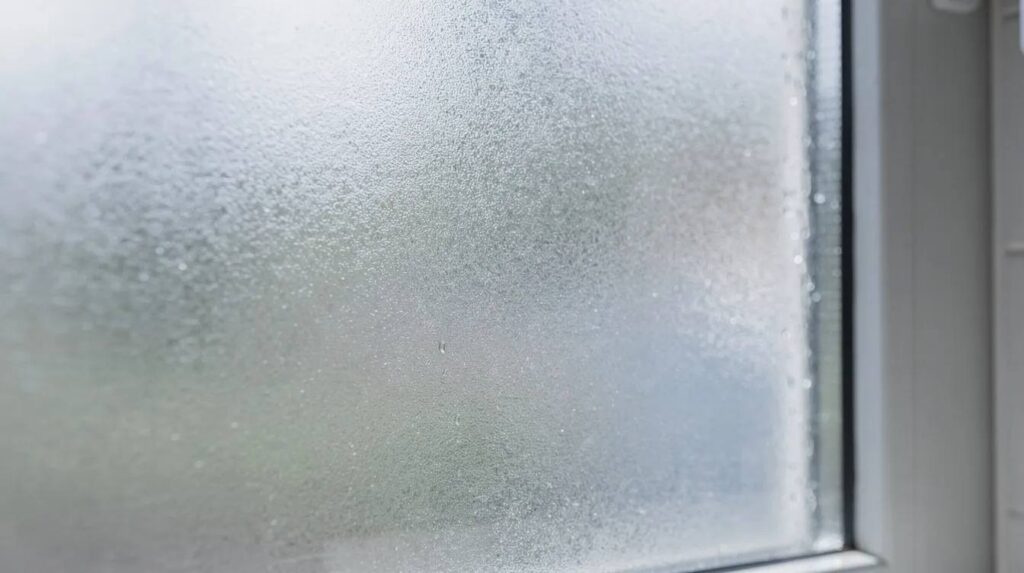
- Frosted films block visibility while allowing light to enter, making them ideal for bathrooms and sidelights that need 24-hour privacy and are often recommended as one of the best window film options for nighttime privacy.
- Privacy window films provide daytime privacy without blocking light, and privacy films can be customized to suit various design needs. Some privacy window films block up to 99% of UV rays, offering skin and furnishing protection alongside concealment.
- Window film provides varying levels of privacy and heat reduction, so matching the right product to each room matters.
Security window film
- Security window film prevents forced entry into homes by reinforcing glass doors and vulnerable first-story windows. Security films hold shattered glass in place during break-ins, storms, or accidental impact, reducing flying debris hazards.
- Security window film enhances glass strength and durability, and some security window films resist ballistic impacts when paired with specialized attachment systems.
- These security films range from 4-mil to 15-mil thickness and serve as a deterrent against forced entry and smash-and-grab attempts that can prevent break-ins and are part of broader window protection film solutions to reinforce glass.
Solar control and energy-saving films
- High-performance solar control films block unwanted heat, with 3M residential window film capable of blocking up to 79% of excess heat. Architectural window film blocks a significant portion of solar heat, easing HVAC system strain and cutting energy costs.
Decorative films
- Decorative window films can enhance privacy and aesthetics with patterns, gradients, and custom-printed designs for sidelights, entry doors, conference rooms, and interior glass in offices. 3M decorative window films can be customized for various design needs. Decorative films are ideal for bedrooms, bathrooms, and offices where you want to create a polished look without heavy drapes. Decorative window films can block up to 99% of UV rays and provide a modern look while maintaining natural light. Decorative window films can enhance privacy in bedrooms and bathrooms without sacrificing the open feel of a space.
A professional 3M window film installer can combine multiple film types across different rooms so each home window gets a film tuned to its orientation and function.
How Residential Window Film Installation Works (Step-by-Step)
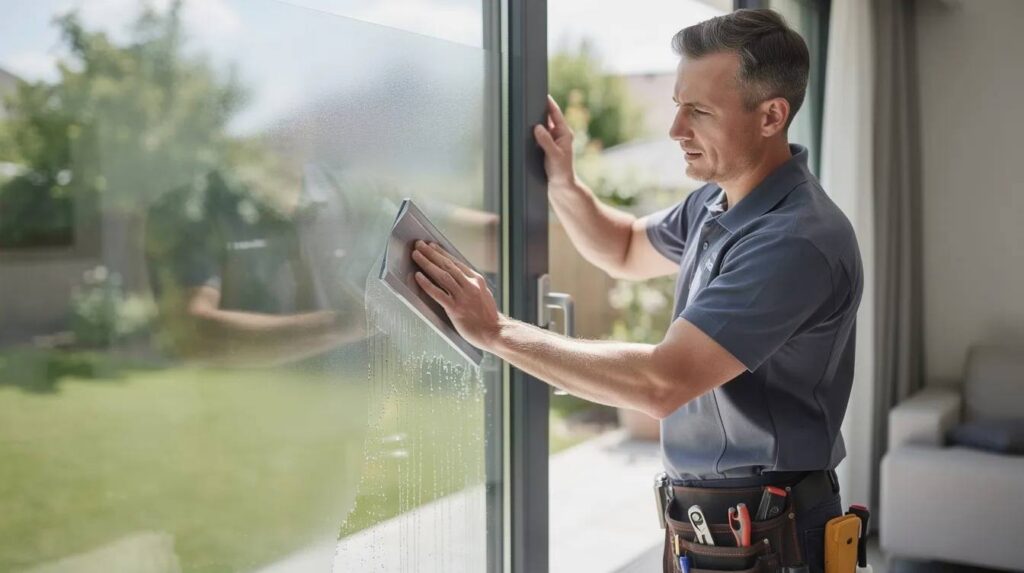
Professional residential window film installation is fast, non-invasive, and done from the interior side of the glass. No demolition, no disruption to your house structure, and no mess beyond a little water.
The process follows a clear sequence:
- Initial consultation and on-site assessment of every window, glass type, and sun exposure
- Product selection using sample swatches placed on your actual home window so you see real performance in your own light
- Accurate measuring of each residential window and door lite
- Film cutting, thorough glass cleaning, and preparation
- Wet application, squeegee to remove air, and precise edge finishing
- Final inspection and homeowner walk-through
Before the installer arrives, move furniture 3–4 feet from windows, take down fragile décor, and provide access to power and water. A typical 2,000 sq ft house with 20–30 windows can be completed in one working day. Larger or complex decorative projects may take 1–2 days.
After installation, expect a 30-day curing period for full clarity. Minor moisture bubbles near edges are normal and will disappear. Avoid cleaning for at least 48–72 hours, then use non-ammonia, non-abrasive cleaners. Proper installation techniques are essential to avoid issues like bubbles or peeling down the line. Installers should conduct a thermal stress analysis for glass compatibility before applying any film because window films can increase the risk of thermal stress on certain glass types, especially older or coated glass.
A warranty should cover both the film material and the installation labor. Reputable home window tinting services provide manufacturer-backed warranties, often lifetime, for residential UV protection window film on owner-occupied homes, when films are installed by certified professionals.
Key Benefits: Energy Savings, Glare Reduction & UV Protection
Hot rooms, TV glare, fading floors, and lack of privacy are the pain points that drive homeowners to explore innovative window films. Here is where modern residential window film delivers measurable advantages.
Energy savings: Window films can reduce heating and cooling costs significantly. High-quality window films can improve energy efficiency in homes by rejecting solar heat in summer and improving insulation in winter. Window films help hvac systems operate more efficiently, and one Palm Springs case study showed a 57% drop in summer electric bills after film installation. Typical homeowners see 10–20% annual energy savings depending on climate.
Glare reduction: Home window film cuts glare on TVs and computer screens by 70–80% in bright south- or west-facing rooms while preserving your view. That means no more closing blinds at 3 p.m. just to watch a screen.
UV protection: Many 3M residential window film products block up to 99% of harmful UV rays, slowing sun damage and fading on hardwood floors, artwork, rugs, and furniture. For anyone who sits near bright windows for work, this also provides meaningful skin protection.
Comfort and aesthetics: Film eliminates hot spots near large glass doors and creates an energy-efficient, consistent temperature room to room. Uniform tinting across a home window row also improves curb appeal.
Safety: Security window film reduces flying shattered glass hazards during storms or accidents and deters break-ins by making entry through glass slower and louder.
How to Compare Home Window Tinting Services Near You
Not all home window tinting services are equal, and choosing the right installer matters more than picking the lowest quote. Here is what to evaluate:
- Certifications and brands: Choose installers authorized to sell and install leading brands like 3M. Certification ensures installers are trained in handling premium materials and protects your manufacturer’s warranty.
- Experience: Look for years in business, volume of residential projects, and whether the company handles privacy film, security window film, and decorative applications rather than just auto tinting. Reviewing a portfolio can verify an installer’s capability in residential projects.
- Proposals: Detailed quotes should outline labor, type of film, and cleanup requirements. Good proposals include performance specs like TSER, visible light transmission, and UV rejection alongside clear pricing per square foot. Typical professional installation runs $5–$12 per sq ft, with premium security or solar films reaching $18–$24 per sq ft.
- Reviews and references: Check before-and-after photos and consistent Google reviews from customers in your area.
- Service area: Choosing someone truly near you means faster site visits, warranty service, and follow-up.
- Red flags: No written warranty, refusal to show film samples on your glass, vague product descriptions without brand or performance data, or only offering very dark tints that might violate HOA requirements.
Why Choose Window Film Depot for Your Residential Window Film Project
Window Film Depot was founded in 1992, is family-owned, headquartered in Marietta, Georgia, and stands as one of the leading 3M residential and commercial window film dealers in North America. WFD serves homeowners across the U.S. through regional offices and traveling installation teams, making near-me service accessible even in smaller markets.
WFD offers access to the full line of premium 3M solar control films, privacy films, decorative glass films, and security window film solutions. Their consultants measure light, heat, and orientation on-site, show live samples on your glass, and provide clear side-by-side options with performance data rather than a one-size-fits-all tint. Every project includes manufacturer-backed warranties plus Window Film Depot’s own labor guarantees and post-installation support.
WFD’s track record spans high-profile government, commercial, and institutional projects, and that same precision carries into every residential property job.
Ready to get started? Schedule a free in-home consultation or remote estimate by calling 1-866-933-3456 or visiting the Window Film Depot contact page.
FAQs About Home Window Privacy Film & Installation
How long does home window film last on residential windows?
Most professionally installed residential window film lasts 15–25 years or longer. Premium 3M films on owner-occupied homes often carry lifetime warranties against peeling, bubbling, and discoloration, provided the film was installed by a certified dealer and maintained with approved cleaning products.
Will window film make my home too dark?
Not necessarily. Modern spectrally selective films reject heat and UV while allowing high visible light transmission, so rooms stay bright. Frosted and decorative films diffuse light rather than block it. Your installer should help you choose a film that balances privacy with the natural light level you prefer.
Can privacy window film be removed or replaced later?
Yes. Professional-grade film can be removed without damaging glass. If your needs change or you want to upgrade to a newer product, any qualified installer can strip the old film and apply a replacement.
Is home window tinting better than blinds for privacy?
Film provides a lower-maintenance, always-on privacy layer that does not collect dust, block airflow, or require daily adjustment. Blinds offer adjustable control but add visual clutter and ongoing upkeep. Many homeowners use film as a base layer and add minimal window treatments for style.
Does security window film really help prevent break-ins?
Security window film significantly slows forced entry by holding glass together after impact. It does not make glass unbreakable, but it turns a quick smash-and-grab into a loud, time-consuming effort, which deters most intruders.
How much does professional residential window film installation cost per square foot in 2026?
Most homeowners pay $5–$12 per sq ft for standard privacy or solar films. Premium security or high-performance solar films can reach $18–$24 per sq ft. Total project costs for a typical house range from roughly $317 to $942, depending on window count and film type.
How far do home window privacy film installers near me typically travel?
Most local installers serve a 25–50-mile radius. Window Film Depot covers a broader range through regional teams nationwide, and minimum project sizes vary, so contact them directly to confirm scheduling and availability in your area.
For questions specific to your home layout, glass type, or local climate, contact Window Film Depot at 1-866-933-3456.