Table of Contents:
- Introduction: Fast Answers About Anti-Glare Window Film
- How Anti-Glare Window Film Works (Without Making Your Space Feel Dark)
- Key Benefits of Anti-Glare Window Film for Buildings
- Types of Anti-Glare Window Films and Where to Use Them
- Installation: Professional vs DIY for Anti-Glare Window Film
- Common Problems with Anti-Glare Window Film and How to Avoid Them
- FAQs About Anti-Glare Window Film
- Why Choose Window Film Depot for Anti-Glare Window Film Projects
- Next Steps: How to Get the Right Anti-Glare Window Film for Your Property
Introduction: Fast Answers About Anti-Glare Window Film
If you are struggling with harsh sunlight washing out screens, forcing blinds closed, and turning west-facing offices into greenhouses every afternoon, anti-glare window film is likely the most effective retrofit solution available. It is a thin, engineered film applied to existing glass that can reduce glare, reject the sun’s heat, and block damaging UV rays – all without replacing your windows or sacrificing natural light.
Window Film Depot has been installing glare-reducing window films nationwide since 1992 for commercial, government, education, and residential projects. In this guide, you will learn how the technology works, what types of films are available, how installation differs between professional and DIY approaches, and how to choose the right one for your space. Consider this: a call center in Atlanta reduced afternoon screen glare by more than 70% with a neutral 3M solar control film, without making offices feel dark.
How Anti-Glare Window Film Works (Without Making Your Space Feel Dark)
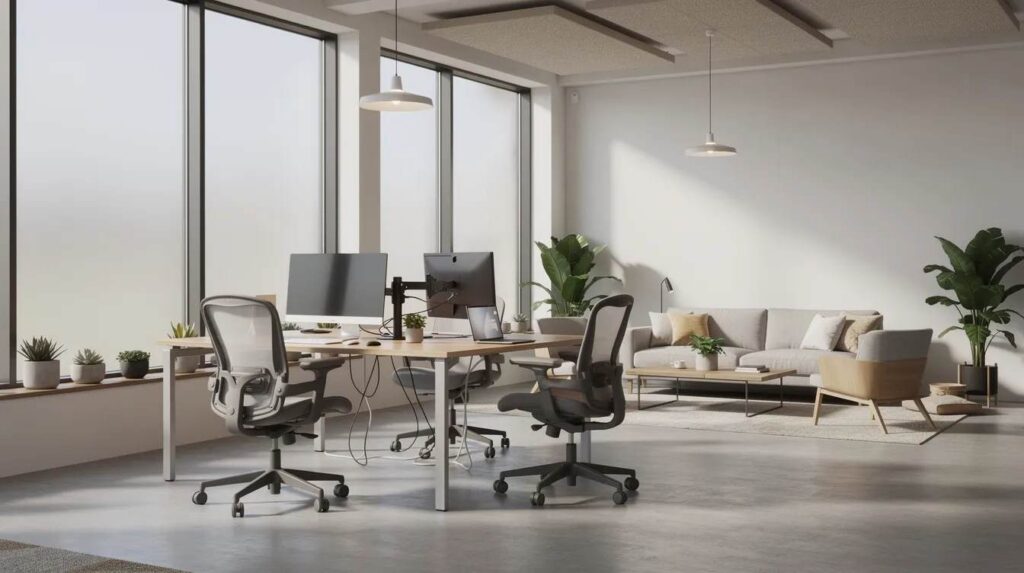
Glare happens when intense, uncontrolled visible light bounces off glass and interior surfaces, making it difficult to see screens or look outside comfortably. Anti-glare window film reduces harsh sunlight and improves visibility on screens by modifying how light passes through and reflects off your windows.
The installation location for most performance window films is the interior side of the glass. These films use multi-layer constructions – sometimes ceramic coatings, sometimes metallic or dyed layers – to filter specific pieces of the light spectrum. Matte finish films scatter incoming light to reduce glare by 80–95%, while spectrally selective films block specific wavelengths while allowing visible light to pass through largely unchanged. The science behind these coatings means you can cut glare with 3M anti-glare window film without compromising your view.
Key performance metrics you will encounter in specs include Visible Light Transmission (VLT), Total Solar Energy Rejected (TSER), glare reduction percentage, and UV rejection. VLT affects glare reduction directly: a lower VLT reduces glare more. Visible Light Transmission ratings for window films range from 5% to 70%, giving specifiers a wide range to work with.
Here is what the difference looks like in practice: approximately 8% of light reflects back from untreated clear glass with roughly 90% VLT and zero glare reduction. Apply a 35–50% VLT anti-glare film, and glare reduction jumps to 60–80%. In a conference room or classroom, that means you can comfortably read screens and whiteboards without curtains or blinds drawn shut. Anti-glare film reduces reflections on glass and screens while still allowing occupants to enjoy outside views and daylight – something blinds and shades simply cannot do.
Key Benefits of Anti-Glare Window Film for Buildings
Anti-glare window film is a building performance upgrade that delivers more comfortable spaces, better screen visibility, and lower cooling costs – without an expensive glass replacement. Here is what it addresses:
Glare reduction and visual comfort. Anti-glare films can enhance visual comfort by minimizing bright reflections on screens. In offices, schools, banks, and retail environments, improving visibility on monitors, digital signage, and POS screens directly supports productivity. Anti-glare films reduce eye strain and headaches caused by screen glare, which is a common health concern wherever people focus on screens for extended periods.
Heat control and energy efficiency. Many anti-glare films reduce solar heat gain by up to 50–80%, stabilizing interior temperature on exposed façades. Total Solar Energy Rejected values reach 50–60% in premium films. Anti-glare films can reduce cooling costs significantly – the Embarcadero Center in San Francisco, for example, achieved roughly 59% solar heat block and an estimated $350,000 per year in energy savings after film installation.
UV protection and asset preservation. Premium window films can block up to 99% of UV radiation, cutting the fading risk for flooring, merchandise, artwork, and furnishings, and outperform standard double-glazed windows for UV protection. Window anti-glare films block up to 99% of UV radiation, which also helps protect occupant health over time, especially in residential homes needing UV protection.
Daylight and aesthetics. Anti-glare window films allow natural daylight into homes while reducing direct sunlight intensity. Instead of relying on blackout shades, occupants can keep blinds open and save on artificial lighting. Modern films come in neutral, reflective, and low-reflective options to fit any brand style or local design standard – no need to deal with a dark, cave-like environment.
Occupant satisfaction. For Class A offices, universities, and large tenants, glare control contributes directly to comfort surveys, employee satisfaction, and fit-out compliance. You create a workspace people want to be in.
Types of Anti-Glare Window Films and Where to Use Them
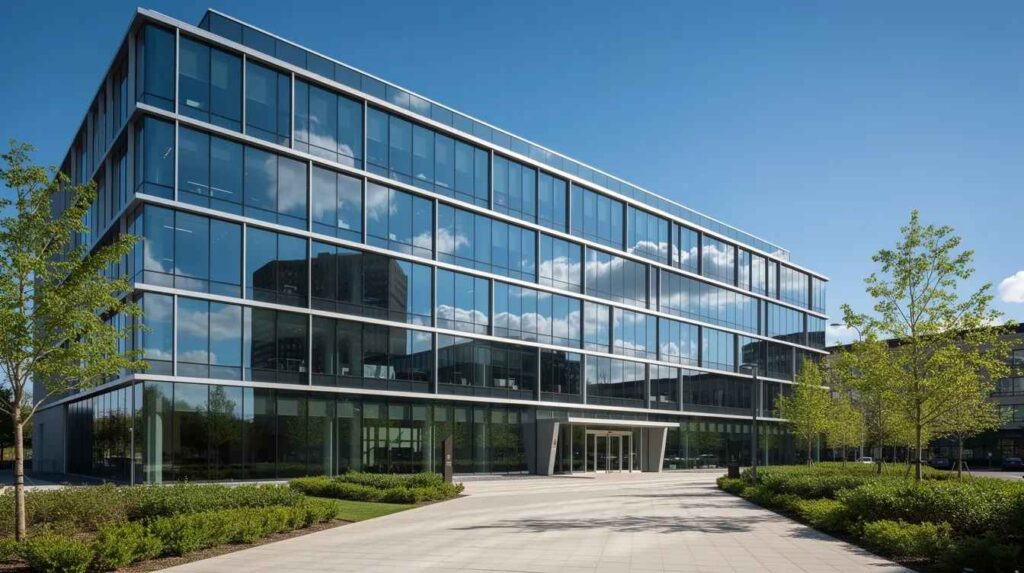
There is no one-size-fits-all film. Different types of anti-glare films include ceramic, reflective, tinted, and spectrally selective options, each suited to specific glazing, exposures, and project goals. Window Film Depot works with major manufacturers like 3M window film products to match products to each use case.
Neutral and lightly tinted solar control films sit in the 35–70% VLT range. They provide noticeable glare reduction while keeping a natural look – ideal for open-plan offices, classrooms, libraries, and healthcare waiting rooms where you want to reduce glare without making the space feel closed off.
Dual-reflective window films and reflective films provide maximum glare reduction and daytime privacy. These are effective for back-of-house areas, warehouses, and retail spaces where a reflective exterior appearance is acceptable. Some dual-reflective products achieve over 90% glare reduction at very low VLT.
Low-reflective ceramic and spectrally selective films reject infrared heat and UV while maintaining high visible light transmission. Premium ceramic window films last 20–25 years under normal conditions, making them a strong long-term purchase for historic districts, high-end residential, and buildings with strict façade rules.
Specialty applications include display-specific anti-glare films, which have lower haze values than window films and suit digital signage near storefront windows and retail entrances. For glass conference rooms and interior partitions facing atriums, films can be combined with privacy or security glazing. Note that automotive anti-glare films must comply with strict regulatory constraints – a separate consideration for vehicles, which is a market ranging from the Netherlands to North America with varying tint laws.
Code considerations such as dual-pane glass compatibility, tempered glass, and regional energy codes all influence film choice. A professional site survey is critical before specifying a product.
Installation: Professional vs DIY for Anti-Glare Window Film
High-performance films require professional installation, while DIY options are available for simpler situations. Here is how the two approaches compare.
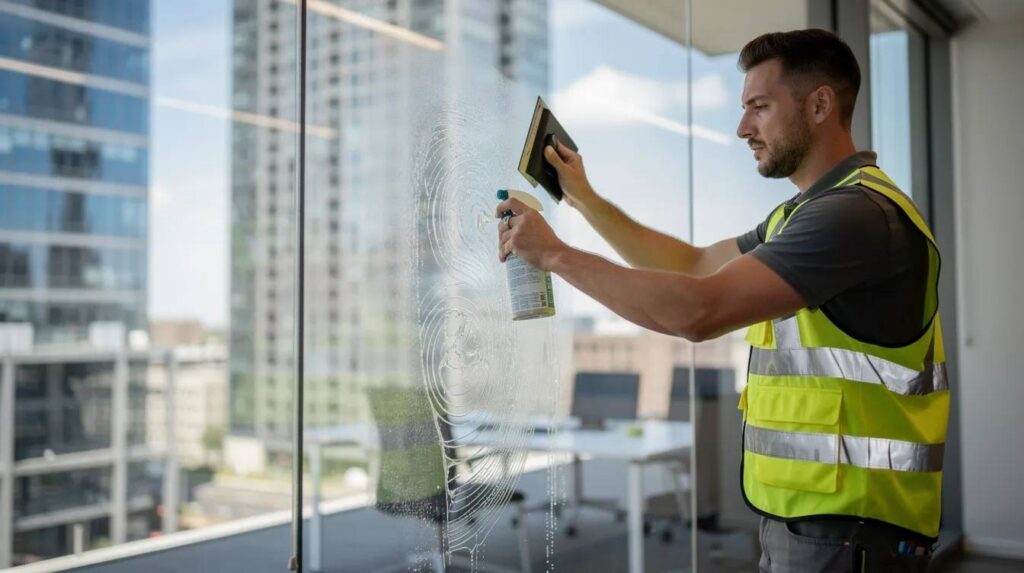
Professional installation follows a clear process. It begins with a site assessment: measuring glass, identifying glazing type, checking seal condition, and reviewing sun exposure for each elevation. Product selection matches film performance (VLT, TSER, glare reduction) to project goals. Surface preparation is critical for successful film installation – technicians clean glass with non-ammonia solutions, remove any residue or contaminants, and protect frames. Film is applied using slip solution, precision cutting, and professional squeegees to eliminate bubbles and ensure clean optical quality. Professional installation is recommended for complex projects, multi-floor buildings, and any space where schedule coordination matters.
DIY installation suits flat screens and simple windows – small residential panes or a single office with accessible glass. The risks of larger work include visible seams, bubbles, edge lifting, and scratch damage to the film. Most manufacturer warranties require professional installation, so a DIY approach on commercial panes can void coverage entirely. Not every film is compatible with all window types; some may not be suitable for double-pane or Low-E windows, making professional glass assessment essential.
Window Film Depot coordinates multi-site rollouts for retailers, banks, and institutional clients across the U.S. with consistent crews and quality control, leveraging its nationwide locations and service coverage. WFD also supplies wholesale film rolls to trade partners who need high-quality window films and wholesale supply with reliable sourcing and technical support. For a recent university campus project, phased weekend installation kept disruption to occupants near zero – something homeowners and facility managers alike appreciate.
Common Problems with Anti-Glare Window Film and How to Avoid Them
Most issues people associate with window film – bubbles, peeling, haze – result from poor product selection or improper installation, not the technology itself.
Initial haze and moisture. A light cloudy appearance for the first several days is normal as installation moisture evaporates. Curing time for anti-glare film cannot be rushed. Expect one to two weeks in warm, dry weather; longer in cool or humid conditions, such as July or winter months. If haze persists beyond that window, contact your installer.
Bubbles and edge lifting. Small moisture bubbles typically dissipate naturally during curing. True air bubbles or contamination will not. Edge lifting usually indicates contamination, improper trimming, or incompatible sealants. A professional installer can remove and replace affected panes under warranty.
Glass compatibility. Some films are not recommended for specific insulated or low-E glass due to thermal stress risk. Using manufacturer-approved films for large double-pane units prevents issues like glass breakage or seal failure.
Maintenance. Keep it simple: clean with soft cloths and mild, non-abrasive cleaners. Avoid razor blades and harsh chemicals that could scratch hard coats. Reputable installers like Window Film Depot back projects with manufacturer warranties covering film performance and adhesion when installed to spec.
FAQs About Anti-Glare Window Film
These questions come from real facility managers, building owners, and homeowners across the U.S. who need to understand their options before making a decision.
How much glare reduction can I expect from window film?
Typical anti glare solar control films reduce glare by 50–80%, depending on the chosen VLT and existing glass conditions. Going from bare glass to a 35% VLT film in an office often cuts perceived screen glare well over half, allowing employees to work without closing blinds. Very light films still offer meaningful relief for spaces where a bright, open feel must be preserved.
Will anti-glare window film make my office or home too dark?
Film selection can be tailored: light, medium, or darker options depending on orientation, climate, and preference. In many south- and west-facing spaces, reducing harsh sunlight actually makes the room feel more balanced rather than dark. Request samples and on-site mockups from Window Film Depot to see the effect in real conditions before you choose.
Does anti-glare film also help with heat control and energy savings?
Yes. Most modern anti-glare window films are also solar control films. Many commercial-grade products reject 40–70% of total solar energy, and anti-glare films can achieve Total Solar Energy Rejected values around 50–60% in premium products. For large portfolios, Window Film Depot can coordinate energy modeling or utility rebate support in certain markets to help you save on operational costs.
How long does anti-glare window film last?
Quality interior-applied commercial films commonly last 10–20 years. Premium ceramic window films last 20–25 years under normal conditions. Reputable manufacturers back interior commercial installations with long limited warranties on adhesion, peeling, and discoloration when installed by authorized dealers. Exterior-applied films have shorter but still substantial lifespans.
Can I install anti-glare window film on any type of glass?
Most standard clear and tinted annealed or tempered glass is compatible. However, certain laminated, wired, or specialty low-E units require film types tested and approved for thermal stress. Window Film Depot performs a glass and frame assessment before specifying film, especially for larger insulated units and skylights.
Will anti-glare film change the exterior appearance of my building?
Appearance depends on the film chosen. Neutral and low-reflective ceramics maintain a subtle look, while reflective films create a more mirror-like façade. Films can be matched to existing glass or corporate standards, and many property managers use film proactively to modernize dated brown or green glass. Review appearance samples from both inside and outside before final selection.
Why Choose Window Film Depot for Anti-Glare Window Film Projects
Window Film Depot is a family-owned, national installer and wholesale supplier specializing in high-performance window films since 1992. WFD manages projects across all 50 states – ideal for multi-location retailers, banks, healthcare systems, and universities that need consistent results without juggling multiple vendors.
With deep experience across 3M window film products and installation, and other premium manufacturers, WFD tailors specs to each project’s glass type, orientation, and budget. From site surveys and film selection through installation, quality control, and warranty support, every project receives turnkey management. When glare reduction needs to be combined with security glazing, privacy film, decorative branding, or anti-graffiti solutions, WFD handles it under one roof. The company also supplies wholesale film rolls to glazing contractors and tint shops across North America who want reliable sourcing and technical support.
Next Steps: How to Get the Right Anti-Glare Window Film for Your Property
Effective glare reduction starts with a proper assessment of your building’s glass, orientation, and occupancy patterns. Here is the path forward:
- Schedule a site visit or virtual consultation with Window Film Depot to review problem areas using photos, floor plans, or a walkthrough.
- Receive a tailored recommendation with film options, performance data (glare reduction, heat control, UV blocking), and estimated ROI.
- Approve a phased installation plan that respects business hours, tenant schedules, and security constraints.
- Trade partners: contact WFD’s wholesale team to discuss film supply, pricing, and technical support.
Gather your building location, glazing types if known, key problem rooms, and any existing shading systems beforehand. Then reach out to Window Film Depot by phone or through the website to discuss anti-glare window film solutions tailored to your space. The right film makes every room in your building a place people can work, shop, or live in comfortably.