Table of Contents:
- What Is Blast Resistant Window Film and Why It Matters in 2026
- How Blast Resistant Window Film Works to Control Shattered Glass
- Key Features, Standards, and Real-World Performance
- Where Blast Mitigation Films Are Used and When to Consider Them
- How the Blast Resistant Window Film Installation Process Works
- Frequently Asked Questions About Blast Resistant Window Film
- Why Choose Window Film Depot for Blast Mitigation Projects
- Next Steps: Talk to a Blast Resistant Window Film Specialist
What Is Blast Resistant Window Film and Why It Matters in 2026
Glass is typically the weakest element in any building envelope. During a bomb blast or explosion, a shock wave can shatter window panes in milliseconds, turning ordinary glass into flying glass shards that cause the majority of blast-related injury and death inside a structure. Whether the threat is a vehicle-borne device near a downtown courthouse or an accidental detonation near a municipal building, unprotected glazing puts occupants and interior furnishings at serious risk.
Blast resistant window film is a multi-layer polyester film engineered for blast mitigation and fragment retention. It does not make glass “blast-proof,” but it is designed to strengthen glazing and mitigate damage from explosions by holding broken glass together and reducing the velocity of debris. These films also mitigate the hazards from blast pressure waves, providing a protective barrier that helps protect occupants from harm. Beyond explosions, they provide natural disaster protection by preventing window shattering during high winds or earthquakes.
Consider a street-level bank branch in a busy urban corridor. A risk assessment identifies the large storefront windows as a vulnerability. Rather than ripping out and replacing all existing windows, blast resistant film can be retrofitted to existing glazing as a cost-effective upgrade, minimizing downtime for the occupied space. Window Film Depot works nationwide, regularly installing blast mitigation films on facilities following DHS, GSA, or corporate security recommendations-from single buildings to multi-site rollouts-as part of comprehensive 3M window film installation projects.
How Blast Resistant Window Film Works to Control Shattered Glass
When an explosion occurs, it generates an overpressure wave that strikes the building facade. Glass flexes under compression, then fails catastrophically under tensile stress. Without protection, shattered glass becomes a storm of high-velocity projectiles. Most blast casualties inside buildings come from flying glass, not the explosive event itself.
Blast films vary in thickness from 4 mils to 24 mils (with common thickness options including 300 and 450 microns), constructed from multiple micro-layered polyester plies bonded with pressure-sensitive adhesives and finished with UV-stable hard coats. Thicker films absorb and disperse explosion energy better. For example, 3M’s S2400 film has a 560% elongation at break, meaning it stretches dramatically before failing, giving it an exceptional ability to retain glass fragments under dynamic loading. The film absorbs energy from explosions or forced entry attempts to enhance safety across a range of threat scenarios. It also offers UV protection, reducing glare and protecting interiors from fading.
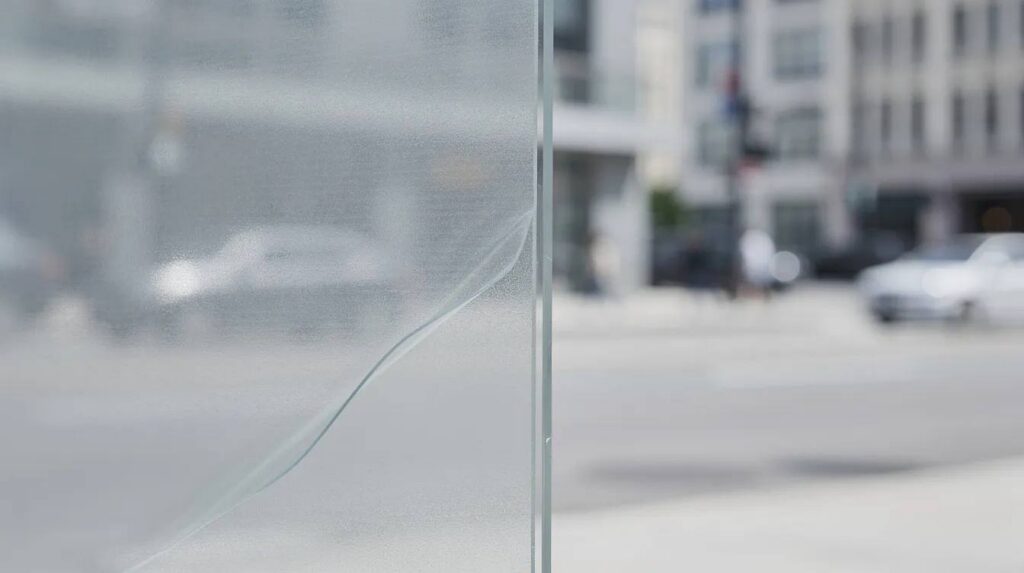
Fragment retention is the core function: blast resistant films hold shattered glass together, preventing shards from becoming projectiles. But film alone is only part of the system. A proper framing system and attachment method-whether wet-glazed structural silicone at the perimeter, mechanical anchoring with batten strips, or adhesive-based systems-keeps the filmed glass pane seated in the frame during a blast. Without that attachment, the entire filmed pane can eject inward even if the glass shards stay bonded to the film.
Films can improve the performance of existing glazing systems as part of a broader security design. This differentiates blast film from basic safety and security window film used for accidental impact, and from full laminated glass replacement. For retrofit budgets and timelines, security window film applied to existing windows is often the most practical path. Modern films remain nearly transparent, maintaining natural light with visible light transmittance typically around 85–88% and UV blocking above 99%.
Key Features, Standards, and Real-World Performance
A serious blast resistant solution must be rigorously tested, not just marketed with vague claims. Blast resistant window film is tested to meet standards such as ASTM F1642 and GSA criteria, which evaluate glazing system response under airblast loading, measuring fragment throw distance, hazard to occupants, and overall glazing retention. ISO 16933 classifies explosion-resistant glazing against standardized blast scenarios. Blast films must comply with relevant safety standards, and the best products carry documented test data. 3M films comply with GSA security criteria, while Madico films meet U.S. CPSC safety glazing standards, each tested against different performance benchmarks.
Blast films are tested against high-level explosive events in open arena and shock tube simulations at specified charge weights and standoff distances. Film thickness selection depends on risk level and window size:
| Film Thickness | Typical Application |
|---|---|
| 4–7 mil | Low-risk sites, smaller panes, forced entry deterrence |
| 8–12 mil | Medium-risk commercial, schools, street-facing offices |
| 12 mil and above | Maximum protection against high-intensity events, critical infrastructure |
| Films 12 mil and above are recommended for maximum protection against high-intensity events, and multi-ply systems above 14 mil are reserved for very close standoff distances. After the 1995 Oklahoma City bombing, federal office glazing upgrades demonstrated that fragment retention films reduce injury risk during explosions-a finding that accelerated adoption across government and institutional facilities nationwide and helped establish demand for a broad range of window glass film products and brands. Performance expectations should be realistic: blast resistant window film significantly reduces glass-related injury and property damage but does not fully eliminate all risk from a large explosive event under extreme conditions. |
Where Blast Mitigation Films Are Used and When to Consider Them
Threat assessments, insurance requirements, and updated security codes in 2024–2026 have pushed adoption of commercial security and solar control window films well beyond embassies and federal buildings. Common facility types now include courthouses, police stations, schools, hospitals, airports, transit hubs, energy facilities, data centers, banks, and street-facing retail. They are commonly used in government, military, and educational facilities for safety, but the private sector is catching up fast.
Triggers for action include new DHS or GSA guidelines, a corporate risk review identifying large unprotected lobbies, or a university hardening its student union. Blast films enhance security against forced entry attempts and can delay potential intruders during smash-and-grab scenarios-an added layer of protection that often justifies the budget even before blast risk is factored in. When combined with complementary window protection film solutions and solar control films, they can also deliver energy savings and glare reduction, protecting lives and property simultaneously.
Signs it’s time to act: large expanses of unprotected glass near public streets, previous break incidents, upcoming renovation, or a new lease with security requirements. Blast resistant films do not make windows bulletproof-that requires ballistic window glazing systems-but they address the most common glazing vulnerability in occupied buildings. Window Film Depot works with security consultants, architects, and property owners nationwide to translate a risk report into a specific blast film and attachment specification.
How the Blast Resistant Window Film Installation Process Works
Performance depends on proper specification and professional installation, not just film thickness. Professional installation ensures optimal performance of blast films, and trained professionals adhere to industry standards during installation. Proper installation maximizes the protective properties of the film, while compliance with safety standards is ensured through professional installation by certified crews.
A typical project follows these steps:
- On-site survey and glass audit – measure pane dimensions, identify glass type (annealed, tempered, laminated), assess frame material and condition, evaluate threat profile
- Film and attachment system selection – match film thickness and anchoring method to applicable standards and risk level
- Installation – surface cleaning, wet application of film to interior glass, squeegee technique to remove water and air, curing period, then installation of structural silicone perimeter anchoring or mechanical attachment where specified
- Documentation – post-install photographs, manufacturer warranty, test reports, and certification letters for compliance or insurance records
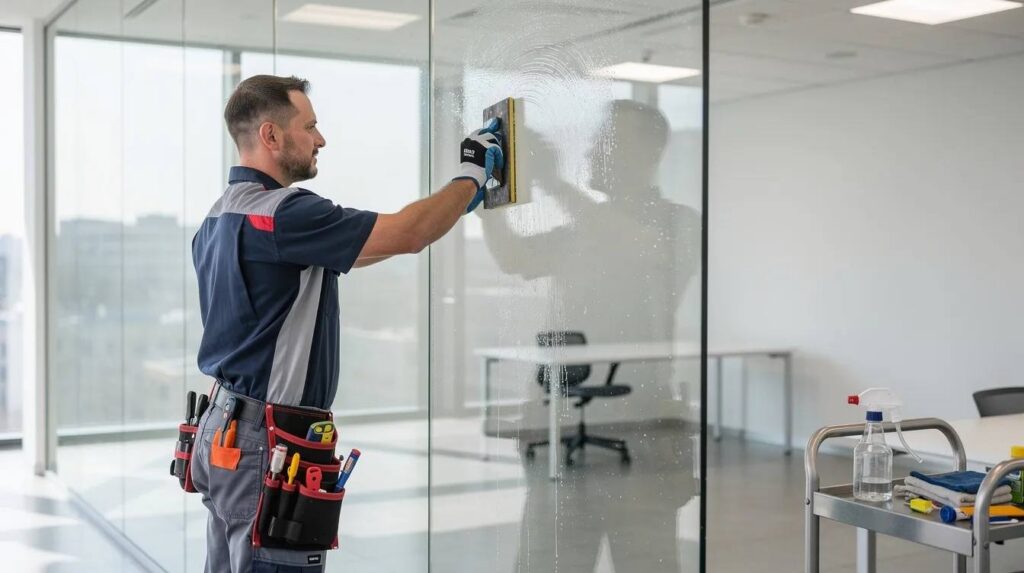
Timeframes vary: a small retail or bank branch can be completed in one day, while a mid-size office floor or school wing may require several nights or weekends to avoid disruption. Window Film Depot deploys multiple crews for national rollouts. Expected service life is often 10+ years for quality films when properly maintained with simple cleaning (no abrasives or ammonia). Periodic inspections after any blast, storm, or significant impact event are recommended. Appearance and clarity are left unchanged by high-quality clear films installed correctly.
Frequently Asked Questions About Blast Resistant Window Film
How much does blast resistant window film cost per square foot in 2026?
Commercial projects typically range from $8 to $25 per square foot, including film, attachment system, and labor. Variables include film thickness, glass type, building height and access, and whether frame modifications are needed. Mechanical anchoring at the high end of threat requirements increases cost.
Is blast resistant window film the same as bulletproof glass?
No. Blast resistant film is engineered to retain glass fragments and reduce the hazard from overpressure events. Bulletproof (ballistic) glazing is designed to stop projectiles and requires entirely different materials and test standards. Blast film is not a substitute for ballistic protection.
Will security window films change the look of my glass?
High-quality clear blast film maintains visible light transmittance around 85–88% with low reflectance, appearing nearly invisible day and night. Bomb blast films can be 300 or 450 microns thick and still remain optically clear. They can also be combined with tinted or reflective solar control films if desired.
Can we install blast mitigation films ourselves?
DIY installation is inappropriate for blast performance. Bubbles, poor adhesive curing, or incorrect edge treatment can severely degrade protection. Warranties and compliance with ASTM, GSA, or ISO standards may be voided without professional installation.
How do I know which blast standard my building should meet?
This depends on threat scenarios, occupancy, and regulatory requirements. Window Film Depot coordinates with security consultants and architects to match your building’s risk profile to the correct GSA performance condition, ASTM hazard rating, or ISO classification.
Does blast film work on tempered or laminated glass?
Yes, but each glass type behaves differently under blast. Tempered glass shatters into small cubes that are still dangerous without film to retain them. Laminated glass already has an interlayer but may still benefit from an added film and anchoring system. Frame condition also matters-weak or corroded frames reduce overall system effectiveness regardless of film quality.
Why Choose Window Film Depot for Blast Mitigation Projects
Window Film Depot is a family-owned company based in Marietta, Georgia, with over 30 years of experience in security window film and blast mitigation solutions. As a 3M-authorized national dealer and installer, we have completed projects for federal agencies, school districts, banks, and Fortune 500 portfolios across the country.
Our turnkey capabilities include partnering with specifiers on security assessments, recommending the right film and attachment system from premium brands like our 3M window film installation services, managing projects with union or non-union labor, and coordinating national rollouts for multi-site clients. We are fluent in GSA, ISC, ISO, and ASTM blast and safety standards, and we design film-plus-attachment systems that align with engineering recommendations and real-world budgets. Every installation is documented with photographs, warranty records, and certification letters-so your compliance and insurance files are concerned with facts, not guesswork.
Next Steps: Talk to a Blast Resistant Window Film Specialist
If you are evaluating blast mitigation options for your building, contact Window Film Depot for a site assessment or project quote. Share your building type, location, approximate glass area, and security concerns, and our team will provide a clear recommendation tailored to your threat profile and budget.
We serve commercial, institutional, and government clients nationwide through our extensive window film service locations across the U.S., supporting both one-off high-risk facilities and multi-location portfolios. We coordinate directly with your existing security consultant, architect, or general contractor to integrate blast resistant window film into broader safety and security upgrades.
Protecting people, property, and operations starts with properly specified and professionally installed blast mitigation film and complementary window film solutions from Window Film Depot. Reach out to Window Film Depot to take the next step.