Table of Contents:
- Introduction: Why Use Window Film to Block the Sun in 2026?
- How Window Film Blocks Sun, Heat, and UV Rays While Preserving Natural Light
- Types of Sun Control Window Films: From Nearly Invisible to Reflective
- How to Choose the Right Window Film to Block Sun for Your Building
- Why Facility Managers and Owners Choose Window Film Depot
- FAQs About Using Window Film to Block the Sun
- Plan Your Window Film Project with Window Film Depot
Introduction: Why Use Window Film to Block the Sun in 2026?
If you manage a building or own a home in 2026, you already know the math is working against you. Cooling costs keep climbing, summer heat waves are longer, and every south- or west-facing window is essentially an open door for solar energy that drives up your utility bill and wears out your HVAC system. Meanwhile, the sun’s rays quietly damage everything they touch inside: flooring warps, furniture fades, artwork loses its color, and merchandise on display loses its appeal before it sells.
Modern window film to block sun solves these problems without replacing your existing glass. Today’s films are precision-engineered to reject heat and block up to 99% of harmful ultraviolet rays while still letting natural light fill a room. You keep the view, you keep the daylight, and you cut the solar load that makes your space uncomfortable. For many homeowners, the difference is immediately noticeable-less glare on screens, cooler rooms in summer, and furnishings that hold their color for years longer.
Window Film Depot is a family-owned, nationwide 3M dealer and installer that has been delivering solar control, security, and decorative window film projects since 1992. Headquartered in Marietta, Georgia, the company serves facility managers, building owners, architects, and homeowners across the country with turnkey project management and the full range of 3M window films.
Here is what you will learn in this guide:
- How window films manage solar energy at the glass surface-and why that matters for comfort, fading, and energy efficiency
- The differences between the major 3M product families (Prestige, Night Vision, Affinity, Traditional, Safety & Security, and decorative films)
- How to select the right window film based on your glass type, building orientation, climate, and budget
- What professional installation involves and what kind of results to expect
- Why companies across the U.S. trust Window Film Depot for their glazing projects
How Window Film Blocks Sun, Heat, and UV Rays While Preserving Natural Light
Not all window tint is the same. The dark, reflective films of the 1990s have been replaced by multi-layer, spectrally selective technology that can sort solar energy by wavelength-blocking what you do not want while transmitting what you do. Understanding this makes it much easier to find the film that fits your project.
The Three Parts of Sunlight
Solar energy arriving at your glass breaks down into three ranges:
- Visible light (roughly 380–700 nm): what your eyes perceive as daylight
- Infrared radiation (roughly 700–2,500 nm): invisible energy you feel as heat
- Ultraviolet radiation (roughly 280–380 nm): invisible energy that causes skin damage and material fading
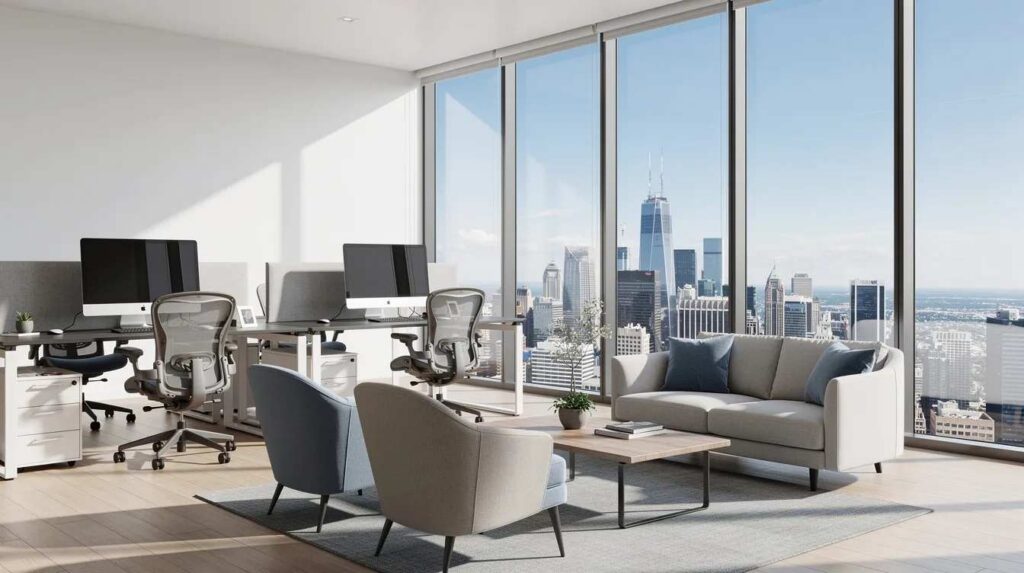
Window film blocks sunlight, heat, and UV exposure in buildings by using nano-layers, ceramic particles, carbon, or dyed polyester to reflect or absorb specific wavelength ranges. The result is a glass surface that lets you see outside but rejects a large portion of the sun’s heat and nearly all harmful UV rays before they enter the room.
What Each Layer Does for You
- UV protection: Films block up to 99% of harmful ultraviolet rays, and top-tier 3M window films block up to 99.9% of UV rays. This helps protect skin, furniture, flooring, and artwork from fading due to sunlight. Curtains, shades, and blinds reduce UV exposure too, but they do it by blocking your view and cutting off daylight entirely.
- Heat rejection: Solar films can reduce incoming heat by 50 to 75%, depending on film type and glass combination. Some products reject even more, up to 79% of solar heat. That translates directly into cooler interior temperatures, less heat radiating off the glass, and reduced load on cooling systems. 3M window films help keep indoor temperatures steady rather than spiking every afternoon.
- Glare control: Window film reduces glare by 50 to 75%, making screens in offices and living rooms far easier to read. This is especially valuable for west-facing conference rooms, retail checkout areas, and any bedroom or apartment where late-day sun makes the space unusable.
- Daylight preservation: Spectrally selective films reject infrared and UV but allow high visible light transmission. A film with 60–70% visible light transmittance keeps rooms bright and filled with natural light-no cave effect, no need to add artificial lighting during the day.
Real-World Results
Window film can significantly reduce indoor temperatures in summer. At Embarcadero Center in San Francisco, applying 3M Night Vision 25 film across approximately 345,000 square feet of glass reduced solar heat gain enough to achieve a payback period of less than one year through HVAC energy savings. Occupant comfort improved immediately, and the building’s cooling system ran under less strain.
In a winery project at Niagara College, data loggers recorded measurable drops in peak interior temperature near large sun-facing windows after film installation. The radiant heat load from the glass dropped, and occupants reported a noticeably more comfortable environment.
Exterior films are designed to manage heat before it passes through glass surfaces, but most sun control window films are retrofits applied to the inside face of existing glass. This avoids the cost and disruption of full window replacement-a critical advantage for occupied buildings where work needs to happen around tenants and operations.
Types of Sun Control Window Films: From Nearly Invisible to Reflective
Window Film Depot installs multiple 3M solar control window film families, each designed for different performance, appearance, and budget needs. The right choice depends on what you are trying to achieve and how you want your building to look. Below is a breakdown of the major product categories to help you compare quickly.
3M Prestige Series
The 3M Prestige Series is a premium, spectrally selective window film engineered with non-metallic, multi-layer optical technology. 3M Prestige Series blocks up to 99.9% of UV rays and 3M Prestige films reject up to 97% of infrared heat-the wavelength range responsible for the hot spots you feel near windows.
Depending on the variant, Prestige films reject roughly 50–66% of total solar energy while allowing anywhere from about 21% to 69% visible light transmission. The PR70, for example, lets nearly 70% of daylight through while still rejecting around half of all solar energy. Because it is non-metallic, it will not interfere with cellular signals or Wi-Fi, and it keeps windows looking clear from both inside and outside.
Ceramic films like those in the 3M Prestige Series for commercial buildings line are excellent at blocking infrared heat while remaining non-metallic. This makes the series ideal for street-facing retail, Class A offices, museums, and high-end homes where maximum sun control with minimal change to glass appearance is the priority.
3M Night Vision Series
The 3M Night Vision Series is a tinted, dual-reflective film that balances strong heat rejection with good nighttime views. The 3M Night Vision Series rejects up to 71% of solar heat (Night Vision 15 achieves roughly 72% total solar energy rejection with an SHGC of approximately 0.28). Interior reflectivity is kept low so that when the sun goes down, you can still see outside without staring at your own reflection.
Night Vision films are well suited for offices with many screens, conference rooms with afternoon sun, and residential living rooms facing west. The warm, smoke-tinted hue adds daytime privacy without the heavy mirror look. Glare reduction on the 3M Night Vision residential window films NV15 variant reaches about 85%, which makes it a strong choice for any space where the sun creates a harsh, uncomfortable corner of light.
3M Affinity and Traditional Reflective Films
For projects where budget and maximum heat reduction matter more than keeping the glass appearance completely unchanged, the 3M Affinity Series and 3M Traditional Series offer proven, cost-effective performance.
The 3M Affinity Series filters out up to 99% of UV rays and can reduce solar heat by up to 79% in its most aggressive variants. The 3M Traditional Series blocks up to 99% of UV rays and delivers strong total solar energy rejection through a recognizable reflective finish. Reflective or tinted films offer daytime privacy, and these products are commonly applied on mid-rise office buildings, schools, and industrial facilities where a “tinted building” look is acceptable or even preferred, drawing on Window Film Depot’s broader window glass film products and brands portfolio.
Window films can reduce solar heat by up to 79%, and these reflective and metallic families sit at the top of that range. The trade-off is a more noticeable exterior appearance and potential signal attenuation for cell and Wi-Fi in metallic versions-something to discuss with your installer before selecting a product.
3M Safety & Security Sun Control Films
Some projects need more than solar control. The 3M Safety & Security Series helps hold glass together if it breaks, whether from an attempted break-in, an accidental impact, a blast event, or severe weather. These multi-benefit films combine UV blocking and heat rejection with thick, tear-resistant polyester layers and aggressive adhesives that keep shattered glass in place.
Typical use cases include ground-floor storefronts, schools, government buildings, and facilities that must meet specific security glazing standards. These films can be paired with attachment systems for enhanced performance in code-driven projects, and they deliver meaningful solar control (roughly 50–65% total solar energy rejection depending on variant) alongside their safety benefits.
Decorative and Privacy Films with Sun Control
While primarily used for branding, privacy, and interior design, certain frosted and patterned films also diffuse light and cut glare. These are frequently applied on conference room glass, interior office partitions, and entry sidelights where you want to cover the view without blocking all daylight.
Decorative films are typically combined with dedicated solar control films on exterior glass when stronger heat and UV performance is required. On their own, they may reject 30–50% of solar energy depending on pattern density and substrate-enough to add comfort but not enough to replace a high-performance sun control film on a hot facade.
How to Choose the Right Window Film to Block Sun for Your Building
There is no single best film for every project. The right window film depends on what your glass looks like today, where your building sits relative to the sun, what your occupants need, and how much you want to invest. Here is how to work through those decisions.
Performance Priorities
Start by ranking your goals. Ask yourself:
- Is the primary problem heat? A data center or server room with south-facing glass needs aggressive heat rejection (low SHGC, high TSER).
- Is it fading? A retail storefront or museum gallery needs maximum UV protection with high visible light to keep products and artwork visible and protected.
- Is it glare? An open-plan office or apartment living room where people live and work on screens all day benefits most from films that reduce visible light transmission and manage reflectivity.
- Is it all three? Most projects involve some combination: prioritize what hurts the most, then select a film that covers the rest.
Glass and Building Considerations
Your existing glass type determines which films are compatible and which could cause problems:
- Single-pane glass absorbs more heat from film than double-pane windows with low-E coatings, so it can accept a wider range of films without thermal stress concerns.
- Double-pane windows (insulated glass units) are more sensitive. Some films can absorb enough solar energy to increase the risk of thermal stress on the inner pane, especially if seals are aging or if the glass is tinted.
- Tempered and laminated glass may have restrictions. Some manufacturers void warranties if third-party window film is installed, so confirm compatibility before selecting a product.
- Building orientation matters enormously. South- and west-facing glass absorbs the most solar energy in the Northern Hemisphere. East-facing glass gets strong morning sun. North-facing glass rarely needs aggressive film. Trees, overhangs, and neighboring structures all change the equation.
Aesthetics and Occupant Comfort
A nearly invisible film like 3M Prestige Series residential window film PR70 is the right fit for a corporate headquarters lobby, a medical office, or a multifamily building where tenants expect bright, open interiors. Darker films like Night Vision 15 or 25 work well in conference rooms and west-facing living rooms where glare is the main complaint. Reflective films on a mid-rise office tower may be exactly the right look, but they would stand out awkwardly on a historic residential block.
Darker films may significantly reduce the amount of natural light entering a room, so avoid them in spaces that are already dim-north-facing rooms, basement-level offices, or healthcare environments that rely on bright daylight for patient well-being. For a bedroom where you want it dark for sleeping, that same low-VLT film might be exactly what you need. The color and reflectivity of the film should complement the building’s architecture, and in some jurisdictions, HOA or historic district rules regulate exterior appearance.
Energy Savings and ROI
Quality films may reduce cooling energy use by around 15% or more, and window films can lower energy costs by easing cooling system load across every sun-exposed facade. In commercial settings, typical payback ranges fall between 3 and 7 years depending on glass area, film type, climate, and utility rates. Large-scale projects in hot climates, like the Embarcadero Center example, can pay for themselves in under a year.
To estimate savings for your building, gather 12–24 months of utility data, identify peak cooling months, and work with your installer to model the expected reduction. Some utility companies offer rebates for solar control films that meet specific SHGC thresholds, which can shorten payback further, especially when using high-performance options like 3M Prestige Exterior Series for commercial applications. Energy efficiency gains from film also contribute to LEED credits and ESG reporting metrics that many facility managers now track.
Professional Consultation and Installation
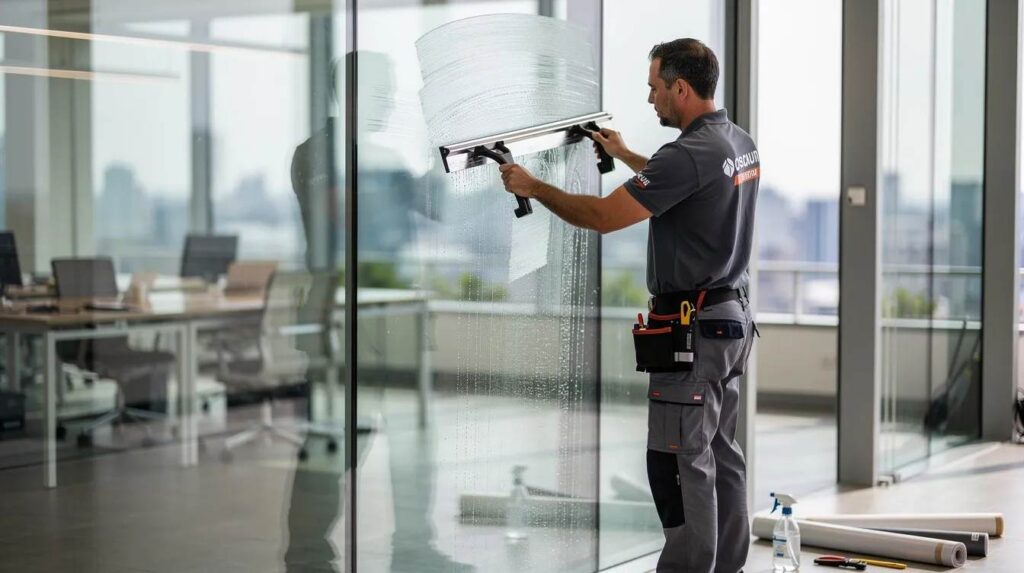
Installation quality is important to prevent issues like air bubbles or misalignment that compromise both appearance and performance. A site assessment from Window Film Depot includes measuring glass, mapping sun exposures, checking existing coatings, documenting problem areas, and discussing occupant complaints while identifying the right 3M window film products and installation services for each area.
The installation process itself involves surface preparation (cleaning with water and a mild solution), precise film application, squeegee work to remove moisture and air, trimming to fit, and a curing period of several days before the film reaches full adhesion. Work can be phased across floors or zones to minimize disruption, and off-hours scheduling is standard for occupied buildings like schools, hospitals, and offices.
Why Facility Managers and Owners Choose Window Film Depot
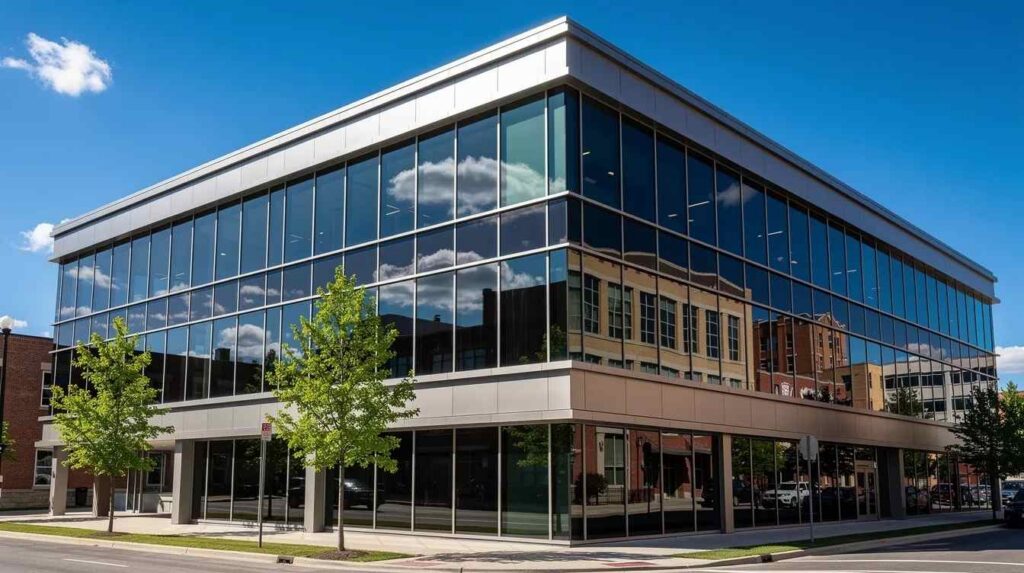
Window Film Depot is a family-owned, nationwide 3M window film dealer and installer, founded in 1992 and headquartered in Marietta, Georgia. For more than three decades, the company has delivered turnkey window film projects for government agencies, national retail chains, schools, hospitals, and Class A office portfolios across the United States.
Experience and Scale
Window Film Depot handles everything from a single storefront to multi-site national rollouts covering hundreds of locations. The team coordinates directly with general contractors, glaziers, and facility teams to keep projects on schedule. That kind of scale matters when you need consistent results across a portfolio-same products, same installation standards, same appearance at every location.
Comprehensive Product Offerings
The company provides the full range of 3M products: solar control films, security glazing films, privacy and decorative films, anti-graffiti solutions, architectural surface finishes, and commercial graphics. Wholesale rolls are available for trade partners across North America. This breadth makes it easy to mix solutions within a single project: sun control film on upper floors, security film on street-level glazing, decorative film on interior partitions.
Quality, Warranties, and Compliance
Most 3M window films come with a lifetime residential warranty, and commercial warranties typically cover 10–12 years depending on product and exposure, as detailed in 3M residential and commercial window film warranty information. Window Film Depot’s installers are trained and certified to meet 3M standards, and the company adheres to local building codes and safety glazing requirements. For occupied spaces like schools and hospitals, safety protocols include off-hours work, dust control, and thorough site cleanup.
Service Coverage and Support
Window Film Depot serves clients nationwide, with particular strength in large metro areas and multi-location portfolios, supported by service locations across all 50 states. The consultative sales process includes needs analysis, product recommendations, on-site samples so you can see how the film looks on your actual glass, clear proposals with pricing and timelines, and post-installation support long after the project wraps.
FAQs About Using Window Film to Block the Sun
How much heat can window film actually block?
Depending on the film type and glass combination, solar control window films reject between 40% and 79% of incoming solar energy. A spectrally selective film like 3M Prestige PR40 rejects roughly 60–66% of total solar energy on clear single-pane glass, while a reflective film can cut up to 79%. The less heat that enters through the glass, the less your cooling system has to work to keep the space comfortable.
Will window film make my rooms too dark or block natural light?
It depends entirely on the film you select. High-VLT options like 3M Prestige PR70 transmit about 69% of visible light-most people cannot tell the film is there. Darker films like Night Vision 15, with roughly 13–15% VLT, significantly reduce brightness and are better suited for conference rooms, west-facing spaces, or any room where glare is the primary complaint. If you live in an apartment with limited light, stick with higher-VLT films to avoid making the space feel like a cave.
Can window film stop the fading of furniture and flooring?
Window films dramatically slow fading by blocking the UV component of sunlight, which is the single largest contributor to material degradation. Films blocking 99% or more of UV rays reduce UV-driven fading substantially, but visible light and heat also contribute to fading over time. The result is that your furniture, flooring, and artwork last significantly longer-not indefinitely, but years longer than they would behind unprotected glass. Think of it as sunscreen for your interiors, not a black curtain.
Is window film installation disruptive for my business or tenants?
For most commercial projects, installation takes hours to a few days, depending on the total glass area. Film is applied to the inside surface of existing windows using water-based adhesive-no construction noise, no dust, no exterior scaffolding. Work can be scheduled during off-hours or phased floor by floor. The film needs a curing period of roughly 30 days before aggressive cleaning, but windows are functional immediately after installation.
Does window film void my existing window warranty?
This is an important question to ask before any film goes on. Some manufacturers void warranties if third-party window film is installed, particularly on double-pane windows or glass with factory-applied low-E coatings. A reputable installer like Window Film Depot checks glass specifications and manufacturer guidelines before recommending a product. 3M film warranties are designed to complement-not conflict with-existing glazing warranties when the right film is matched to the right glass.
How long does sun-blocking window film last?
Professionally installed, high-quality solar control films typically last 10 to 20 years or more. Lifespan depends on film quality, sun exposure, climate, and maintenance. Cleaning with mild soap and a soft cloth (no ammonia, no abrasive pads) keeps films performing well. Most 3M window films come with a lifetime residential warranty, and commercial warranties generally run 10–12 years, with options like the 3M Prestige Exterior Series for residential homes offering robust coverage alongside performance.
Should I buy DIY film from Amazon or hire a professional?
Window films range from budget-friendly DIY options to premium professionally installed types. DIY films are generally easier to apply than professional installation films and can work on a small home window or a single room. But for larger projects, commercial buildings, or any situation where appearance, warranty coverage, and long-term performance matter, professional installation delivers far better results. A poorly applied film with bubbles, creases, or gaps will underperform and look bad long before a professionally installed film shows any wear.
Plan Your Window Film Project with Window Film Depot
The right window film to block sun makes every room in your building more comfortable, protects interiors from fading, reduces glare on screens, and lowers cooling costs-all without sacrificing natural light or replacing a single pane of glass. Whether you need to cover a handful of windows in a home or coordinate a multi-site rollout across a national portfolio, the first step is understanding what your glass needs.
Contact Window Film Depot to schedule a site survey, request a heat-gain analysis, or get a detailed proposal for your building. The team works with single-property owners, national brands, architects, and trade partners. Installation can be coordinated around business hours, tenant schedules, and school calendars to keep disruption to a minimum.
Reach out by phone, email, or online form. Design professionals and wholesale trade partners are welcome to request product specifications, samples, and bulk pricing. After more than 30 years in the industry, Window Film Depot makes the process straightforward-from the first conversation to the final inspection.