Table of Contents:
- What Is Nano Ceramic Tint?
- How Does Ceramic Tint Work?
- Benefits of Ceramic Tint for UV Protection
- Ceramic Tint vs. Other Types of Window Film
- Residential Ceramic Tint
- Commercial Ceramic Tint
- How Much Does Ceramic Tint Cost?
- Professional Ceramic Tint Installation
- Frequently Asked Questions About Ceramic Tint
Ceramic tint is a nano ceramic window film that uses microscopic ceramic particles to reduce heat, block UV rays, and control glare on glass without sacrificing daylight or views. For facility managers, architects, building owners, commercial retail and institutional teams, and glass and glazing partners evaluating retrofit glazing options, it can improve comfort, lower cooling costs, and protect interiors on properties with large areas of sun-exposed glass.
This guide explains how ceramic window film works, where it fits in residential and commercial applications, what it costs, how it compares with other film types, what installation involves, and how to choose the right ceramic film for your property.
What Is Nano Ceramic Tint?
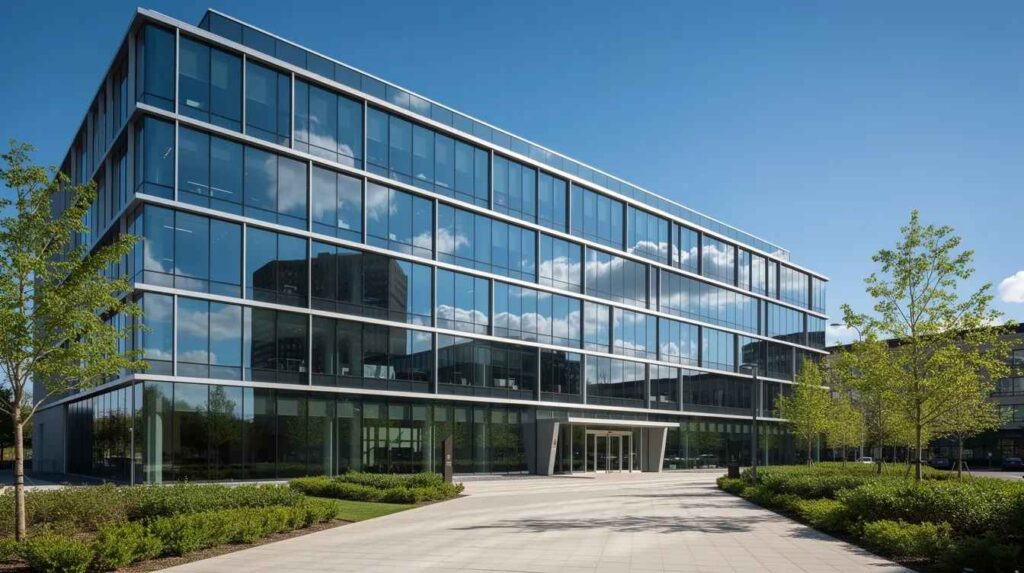
Ceramic window tint is a non-metal, nano ceramic window film that uses microscopic ceramic particles to control heat, glare, and UV transmission through glass. Unlike older film technologies that rely on dyes or metallic layers, ceramic tint utilizes microscopic, non-conductive ceramic nanoparticles embedded in a clear polymeric layer. These particles target infrared and ultraviolet energy rather than visible light, which makes it possible to reject solar heat without turning rooms dark.
The technology works at the molecular level. Nano ceramic particles (often oxide-based compounds like titanium dioxide) absorb or reflect infrared radiation while allowing visible wavelengths to pass through. The result: ceramic tint provides crystal clear visibility and aesthetics while filtering the parts of the solar spectrum that cause heat buildup and material damage.
Compared to traditional dyed films, which rely on organic colorants that fade to purple within 3 to 8 years, ceramic films use advanced nano-ceramic particles that maintain color stability for 15 years or longer. Compared to metalized films, which embed thin layers of aluminum or silver, ceramic avoids the mirror-like exterior appearance and the signal interference that metal creates inside buildings. For a broader look at how different types of window film compare, ceramic sits at the top of the performance tier.
Common applications include commercial building facades built from the 1990s through the 2020s, school glazing, healthcare facilities, retail storefront glass, and residential windows and sunrooms. Any property with large glass area and high sun exposure is a candidate.
How Does Ceramic Tint Work?
Ceramic tint selectively blocks parts of the solar spectrum. It targets infrared (IR) and ultraviolet (UV) energy while allowing visible light to pass, improving comfort without turning rooms into dark spaces. Ceramic tint can provide substantial heat rejection without excessive darkness, and it maintains visibility while rejecting high levels of solar energy.
Heat rejection: Ceramic films achieve Total Solar Energy Rejected (TSER) values between 60% and 80%, depending on the VLT shade and film construction. Nano-Ceramic films provide high heat rejection of 51% TSER even at lighter shades. Ceramic tint blocks 80% to 90% of infrared heat in most configurations, and ceramic films can block up to 99% of infrared heat in the 900 to 1,000 nm range. Some ceramic tints achieve 92% near infrared rejection at specific wavelengths. Ceramic tint also rejects up to 99% of infrared heat without needing a dark shade, which makes it possible to keep windows looking nearly clear while blocking the energy you feel as warmth.
UV protection: Most quality ceramic films block over 99% of UVA and UVB rays, protecting both occupants and interiors from harmful UV rays.
Glare reduction: Films with mid-range VLT (30 to 50%) cut glare by roughly 50 to 60%, making monitors, whiteboards, and screens easier to read without closing blinds.
Visible Light Transmission (VLT) describes the percentage of visible light a film allows through. A 70% VLT ceramic film looks nearly clear and works well for an office lobby or retail showroom. A 20 to 40% VLT film offers more privacy and glare control for conference rooms or street-facing offices. Ceramic tint blocks infrared heat without needing a dark shade at any VLT level.
Because ceramic tint does not interfere with GPS or mobile signals, it is the preferred choice for commercial buildings, government facilities, and hospitals where Wi-Fi, cellular, and RF communications cannot be disrupted.
Benefits of Ceramic Tint for UV Protection
Ceramic tint is a premium window film solution that delivers measurable improvements in building performance over a long timeline. Ceramic tint can enhance energy efficiency in buildings when used as window film, and the benefits compound over years of use.
Heat reduction and stable indoor temperatures. Ceramic film with 65 to 75% TSER applied to south- and west-facing glass can lower peak interior surface temperatures by 10 to 15°F. Advanced ceramic tints enhance infrared blocking capabilities beyond what standard films can deliver. In a south-facing office building in Atlanta with 10,000 sq ft of glass facade, installing ceramic film with 35% VLT and approximately 70% TSER dropped interior temperatures by about 12°F, cut HVAC peak loads by 18%, and building managers noticed energy savings that paid for the film in roughly 5 years.
UV protection for occupants and assets. Ceramic tint rejects up to 99% of UV rays, and Nano-Ceramic Plus film offers over 99% UV rejection. This level of uv protection helps protect hardwood floors, rugs, artwork, and merchandise from the fading that UV causes over time. UV is responsible for 80 to 90% of fading damage to interior materials.
Glare control without blackening glass. Ceramic tint reduces glare from sunlight and oncoming headlights, making screens and displays visible in offices, classrooms, and healthcare settings without requiring a heavy sun shade or blackout curtain. Ceramic films resist fading, discoloration, scratching, and bubbling longer than standard films, so the performance holds for years. Ceramic tint also enhances safety and shatter resistance by holding shattered glass together in the event of impact.
Energy efficiency. Buildings in hot climates see cooling cost reductions of 10 to 20% after ceramic film installation. Payback windows range from 3 to 7 years depending on climate, energy rates, and glass area. That saves a lot over the life of the film compared to replacing glass or running HVAC harder.
Natural light and views. High-VLT ceramic films (60 to 70%) let daylight in while filtering heat and UV. You keep the view, skip the blinds, and still feel comfortable near the glass.

Ceramic Tint vs. Other Types of Window Film
Not all window film is ceramic, and understanding the difference between film categories helps buyers avoid paying too much for too little or too little for too much. Window Film Depot installs premium 3M ceramic and solar control films, which serve as the benchmark in the comparisons below.
Ceramic vs. Dyed Tint
Dyed tint is the lowest-cost option. It uses organic dyes to absorb visible light, provides modest UV blocking, and offers limited IR rejection (typically 20 to 40%). Over time, dyed film fades; the color often shifts to purple within 3 to 8 years on sun-exposed facades. Warranties for dyed film in commercial settings rarely exceed 3 to 5 years.
Ceramic tint delivers IR rejection of 80 to 95%, maintains color indefinitely, and offers better optical clarity. For storefronts and office lobbies where appearance matters, the difference is obvious. Dyed film costs less upfront but delivers less energy savings and shorter service life.
Ceramic vs. Metalized Tint
Metalized films use microscopic metallic layers (aluminum, silver, titanium) to reflect heat. They perform well on TSER, but the reflective exterior often creates a mirror-like appearance that architects and building owners reject for high-visibility facades. Metal content can corrode in coastal or humid climates.
The bigger issue: metalized layers block or degrade cellular, GPS, and radio signals. A hospital that installed metalized film on patient room windows, for example, would risk dropping signals for medical staff devices. Ceramic avoids both the reflective look and the signal interference, which is why healthcare and government facilities specify it.
Ceramic vs. Carbon Tint
Carbon tint embeds carbon particles instead of dyes or metal. It resists fading better than dyed film and delivers decent IR rejection, often in the 60 to 70% range. Carbon films block 99% of UV rays, making them a good mid-tier option for smaller residential projects or areas with limited sun exposure. But carbon tint provides less heat rejection than ceramic tint. When building performance targets, occupant comfort, or LEED energy credits drive the decision, ceramic is preferred. Ceramic films reject up to 99% of infrared heat, while carbon falls short of that mark.
Ceramic vs. Hybrid Tint
Hybrid films blend technologies: dyed and metalized, or carbon and ceramic. Some carbon-ceramic hybrids approach pure ceramic in IR blocking, but pure nano ceramic film provides superior optical clarity and consistent signal-friendly performance. For large institutional or government projects covering thousands of square ft, specifying pure ceramic or high-ceramic-content hybrids reduces the risk of color shift and signal interference across the building.
Ceramic vs. Standard Solar Film
Standard solar film includes non-ceramic films focused on reducing solar gain. These products often achieve TSER in the 40 to 60% range. For budget-conscious retrofits on warehouses or low-visibility glazing, standard solar film still works. Ceramic provides meaningful upgrades for glass-heavy offices, healthcare facilities, schools, and high-visibility facades. Window Film Depot provides side-by-side performance data (TSER, VLT, UV rejection) so facility managers can check whether standard or ceramic is the right call for each area of a building.
Residential Ceramic Tint
Homeowners who want comfort and protection without replacing existing double-pane or low-E windows find ceramic tint to be the most practical retrofit. If you live in hot-summer markets like Georgia, Florida, Texas, or Southern California, solar heat gain through glass drives afternoon cooling loads hard. Ceramic films with TSER in the 65 to 75% range on west- or south-facing windows can reduce peak cooling energy use by 15 to 25%, which translates directly to lower utility bills over years of use.
Privacy options range from lighter 60 to 70% VLT ceramic films that preserve views in living rooms and kitchens, to slightly darker shades for bedrooms or street-facing windows where you want less visibility from outside. State laws vary regarding visible light transmission percentages, so check local codes before going too dark.
UV protection matters for stuff inside your home, too. Without UV-blocking film, hardwood flooring near west-facing windows can fade noticeably within 5 to 7 years. With ceramic film blocking over 99% of UV, that aging slows to near-unnoticeable levels for 10 to 15 years.
Ideal rooms for installation: sunrooms built between 2000 and 2020 with expansive glass, west-facing family rooms, large bay windows, and skylights that overheat in the afternoon. These are the spaces where you feel the sun most, and ceramic film makes the biggest difference.
Ceramic tint is also a high-performance type of window film for car glass. Installation takes 2 to 4 hours for a complete car, and ceramic tint enhances vehicle comfort by reducing heat while also enhancing vehicle appearance. Windshield tint uses similar ceramic technology, though automotive and architectural glass have different specs. On a vehicle, windows should remain rolled up for 6 days post-installation to let the adhesive cure. Ceramic tint reduces glare from both sunlight and oncoming headlights, which can help you drive more comfortably. But don’t forget: Window Film Depot focuses on architectural applications, not automotive.
Commercial Ceramic Tint
Window Film Depot specializes in nationwide commercial ceramic tint projects, from single office floors to multi-building campuses. The company manages turnkey roll-outs from its Marietta, Georgia headquarters.
For office buildings, ceramic film eliminates perimeter hot spots near windows, reduces complaints from employees who sit close to glass, and cuts HVAC cycling. An office window tinting project on south and west elevations typically reduces peak cooling loads by 10 to 18%.
Retail stores and glass storefronts benefit from cooler display windows, reduced merchandise fading, and more comfortable shopping environments. Ceramic film preserves clear views into the store while filtering the heat and UV that damage inventory.
Healthcare facilities and educational institutions need glare control on monitors, whiteboards, and diagnostic screens. Ceramic film keeps daylight consistent without interfering with medical devices or communication signals. Schools gain classroom comfort and protect interior finishes from UV degradation.
Hotels and resorts with glass curtain walls use ceramic film to improve guest comfort and reduce energy costs. Government buildings require both aesthetic uniformity and signal integrity; ceramic meets both requirements. In addition to ceramic solar control, Window Film Depot can pair ceramic film with paint protection film or surface protection films on doors, elevators, and interior surfaces for a complete building envelope upgrade.
Ceramic Tint Applications for Windshield Tint
Ceramic tint is versatile enough for most flat glass in commercial, institutional, and residential settings.
Homes: Living areas, bedrooms, glass entry doors, and sun-facing facades. Double-pane homes built 2000 to 2020 with large glass but no IR filtering are prime candidates.
Commercial buildings: Curtain walls, perimeter offices, and lobby glazing covering thousands of square ft of glass area.
Large windows: Boardrooms, showrooms, and open-plan offices with floor-to-ceiling glass where daylight and visibility are priorities.
Glass storefronts: Retail brands that need natural light to display merchandise but want to protect inventory and reduce cooling costs.
Conference rooms: Maintain daylight while controlling glare on displays. Optional privacy films can be layered where needed.
Sunrooms and atriums: Post-2000 glazed volumes that overheat due to extensive glass exposure. Ceramic film can make these spaces usable year-round.
Skylights: Specialty films and access equipment may be required. Window Film Depot provides both the product and the installation capability for difficult overhead access.
Limitations exist: certain specialty glass types, insulated glass units with existing low-E coatings, or dual-pane units with seal failures may require specific film pairings or a professional review before installation.
Is Ceramic Tint Worth It?
For properties struggling with heat, glare, or fading, ceramic tint is typically worth the investment. This is especially true in sunbelt climates and in buildings with extensive glass.
Performance advantages translate to measurable reductions in solar heat gain, improved occupant comfort, and extended life of interior finishes. A 50,000 sq ft office building installing ceramic film on 15,000 sq ft of south and west glass at $12 to $15 per sq ft (total cost around $180,000 to $225,000) and saving 12% on annual cooling energy at $0.12/kWh can see payback in 4 to 6 years. After that, savings go straight to the bottom line.
Compared to full glass replacement, ceramic film costs roughly 10 to 20% as much for similar solar performance. Compared to relying on blinds or shades, ceramic film blocks heat at the glass rather than just blocking your view. Best use cases include buildings from the 1980s through 2010s with large glass areas, properties with high energy bills, frequent hot or cold complaints, and buildings where replacing glazing is cost-prohibitive. Request an on-site survey from Window Film Depot to model savings for your specific building.
How Much Does Ceramic Tint Cost?
Pricing varies based on project size, glass type, film selection, access conditions, and region.
Residential pricing: Professional ceramic film installation for a typical single-family home runs $7 to $15 per sq ft. A home project covering 150 to 200 sq ft of glass (10 to 20 windows) might cost $1,050 to $3,000 depending on film tier and complexity.
Commercial pricing: Installed cost for ceramic films on mid-rise offices or retail storefronts averages $12 to $18 per sq ft. Large projects on schools, hospitals, or corporate campuses often benefit from economies of scale. Specialty roll sizes, after-hours work in occupied hospitals, lift or swing-stage access for high windows, and security clearances for government facilities all influence cost.
Ceramic tint has a higher upfront cost but offers longevity and superior thermal insulation compared to dyed or standard films. Over 15 to 20 years of service, ceramic film often costs less per year than cheaper alternatives that need replacement every 5 to 8 years. Contact Window Film Depot for a tailored estimate.
Professional Ceramic Tint Installation
Window Film Depot is a family-owned company founded in 1992 with decades of experience installing 3M and other high-performance architectural films across government, commercial, retail, and institutional facilities nationwide.
The consultation process starts with a site visit or virtual review. Installers assess existing glazing type, solar exposure, orientation, glare issues, and occupant feedback. Sample film patches applied to actual windows let decision-makers see the appearance under real light conditions. Front door window installation usually takes 30 to 45 minutes, and larger projects are phased to minimize disruption.
Film selection involves evaluating ceramic film options by VLT, IR rejection, exterior appearance, interior reflectivity, and compatibility with existing glass and coatings. Each product is recommended based on the building’s specific conditions.
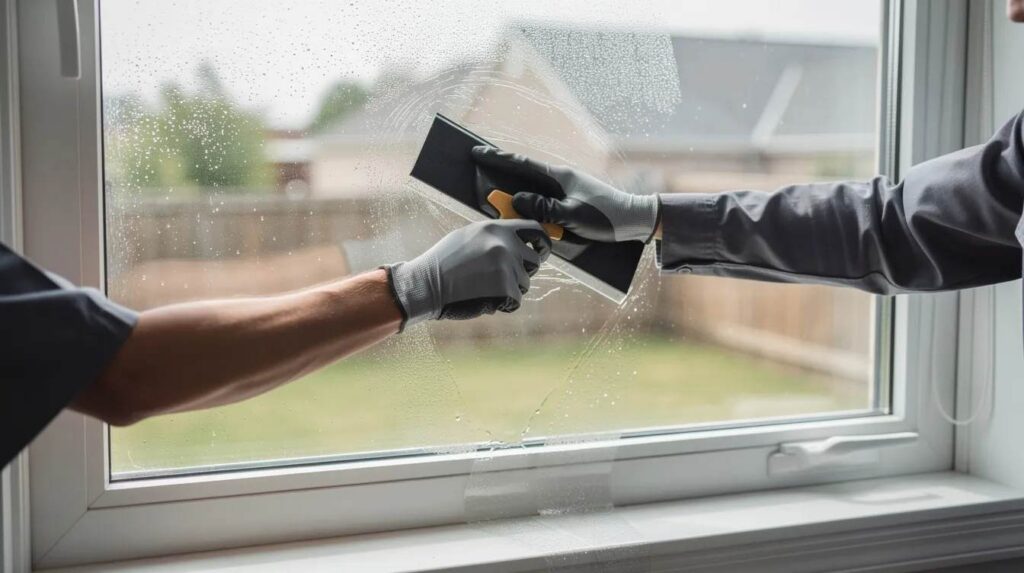
Installation follows a clear sequence: thorough surface cleaning, film cutting, application with slip solution, squeegee work to remove air and moisture, edge trimming, and finishing. Curing takes up to 30 days; small moisture dimples flatten as adhesive dries. The installation quality of window tint is crucial for optimal performance, so professional installation by trained crews is the recommended approach.
Warranties on ceramic films from manufacturers like 3M cover color stability, adhesive performance, and peeling for 15 years on commercial applications. Residential warranties often extend to lifetime coverage for the original homeowner. Maintenance is straightforward: use mild, non-abrasive cleaners and soft cloths. Avoid ammonia-based products and abrasive tools.
How to Choose the Right Ceramic Tint
Selecting the right ceramic film involves balancing performance, aesthetics, budget, and local building codes.
Start by investigating the heat rejection ratings. Choosing the right film includes checking TSER for overall performance; this number tells you what percentage of total solar energy the film rejects. IR rejection in the 900 to 1,000 nm band correlates with how much heat reduction you feel near the glass.
VLT options determine how the film looks. High VLT (60 to 70%) suits lobbies and retail windows where daylight and visibility are essential. Mid-range VLT (30 to 50%) works for offices and classrooms. State laws vary regarding visible light transmission percentages, so verify local codes before finalizing a shade.
Building orientation and climate matter. West- and south-facing glass in hot climates benefits from higher-performance or darker films. Cooler or mixed climates may call for lighter tints that preserve winter daylight.
Working with an authorized brand dealer like Window Film Depot matters for warranty validity. Manufacturer warranties can be voided if film is installed by uncertified crews or on incompatible glass substrates.
Consider whether security, privacy, or decorative needs can be combined with ceramic solar control. Pairing ceramic tint with security glazing film or decorative privacy film on certain floors can address multiple building requirements in a single project, making it less difficult to manage than separate upgrades.
Frequently Asked Questions About Ceramic Tint
Read through these common questions to find quick answers about ceramic window film performance and installation.
What is ceramic tint?
Ceramic tint is a nano ceramic window film that blocks heat and UV using non-conductive ceramic nanoparticles. It provides heat and UV rejection without heavy darkening or signal interference.
Is ceramic tint better than regular window film?
In most cases, yes. Ceramic delivers higher heat and IR rejection, superior clarity, and a longer lifespan. Basic films may still suit low-priority areas like storage rooms or utility windows where performance is less critical.
Does ceramic tint block heat?
Ceramic tint blocks 80% to 90% of infrared heat in typical configurations. TSER values of 60 to 80% are common across the product range.
Does ceramic tint block UV rays?
Ceramic films block over 99% of UV rays, including both UVA and UVB, protecting skin and interior materials.
Does ceramic tint affect indoor lighting?
High-VLT ceramics (60 to 70%) preserve natural daylight and views. Darker shades reduce brightness proportionally but can be chosen where more glare control or privacy is desired.
How long does ceramic tint last?
With professional installation, ceramic films typically last 15 to 25 years in residential settings and 10 to 15 years in commercial use. Manufacturer warranties range from 6 to 15 years commercially and up to lifetime for residential.
Can ceramic tint be installed on any window?
Most flat glass qualifies, but specialty glass, existing low-E coatings, and insulated glass units with seal issues require professional evaluation. A site survey determines compatibility.
Is ceramic tint worth the investment?
For properties with high glass area and sun exposure, ceramic tint pays for itself through energy savings, occupant comfort, and asset protection. The ROI is strongest in sunbelt states and glass-heavy buildings.
Explore Professional Ceramic Tint Solutions
Window Film Depot provides ceramic tint solutions for residential, commercial, and institutional properties nationwide.
For homes, condos, and multifamily properties, residential ceramic tint delivers heat reduction, uv protection, and glare control. For commercial clients, Window Film Depot handles office towers, schools, government buildings, healthcare facilities, retail chains, and multi-site national roll-outs from its Marietta, Georgia headquarters.
Architects, facility managers, and trade partners (glaziers, contractors) can contact Window Film Depot for specification support and wholesale window film supply. The company also integrates complementary solutions like security glazing film, decorative and privacy film, and architectural surface finishes as part of broader building envelope upgrades.
Request a consultation to start your project. Schedule an on-site survey, review energy analysis modeling for your facility, and find the right ceramic tint for your property.