Table of Contents:
- Introduction: Why Every Modern Storefront Needs Security Film
- How Security Window Film Protects Storefront Glass
- Security Film Thickness (Mil Ratings) and What They Really Mean
- Common Security Film Thickness Options for Storefront Windows
- How Security Film Helps Against Real-World Threats
- Installation, Edge Attachment Systems, and Performance Standards
- Cost, Insurance, and ROI of Security Film for Storefronts
- How to Choose the Right Security Film for Your Storefront
- FAQs About Security Film for Storefront Windows
- Why Choose Window Film Depot for Storefront Security Film
- Next Steps: Protecting Your Storefront Windows with Security Film
Introduction: Why Every Modern Storefront Needs Security Film
Large, ground-level glass windows are among the weakest points of any commercial building. Between the surge in smash-and-grab incidents across U.S. cities from 2020 through 2025 and recurring hurricane seasons that shatter unprotected facades, many business owners have learned the hard way that standard glass simply is not enough. Security film prevents glass from shattering during natural disasters and significantly slows forced entry during break-in attempts, addressing two of the most common and costly threats retailers face.
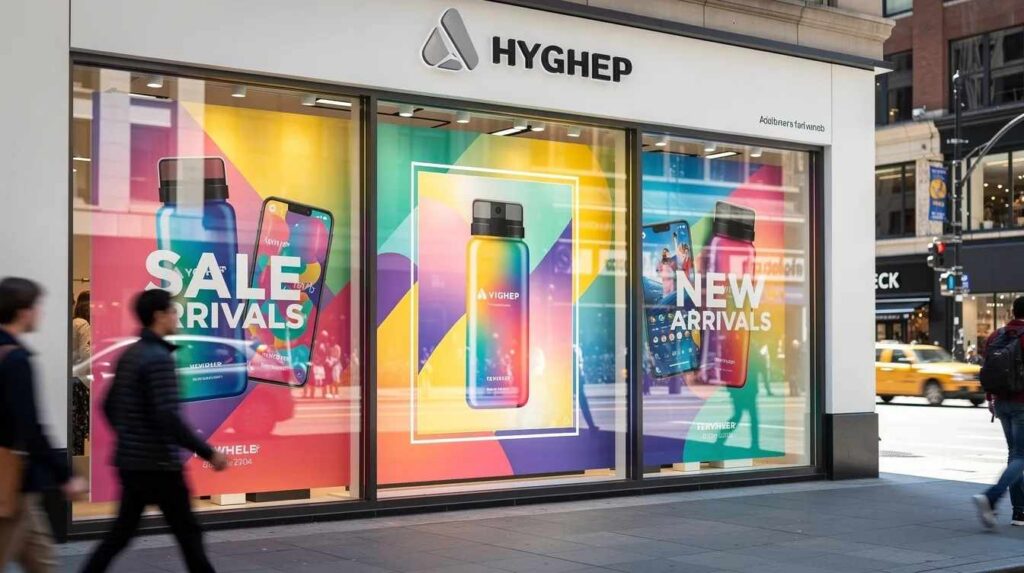
Security window film is a clear, retrofit polymer layer applied to existing storefront glass. It bonds to the interior surface with a high-tack adhesive and holds shattered glass together on impact, delaying intruders and reducing glass-related injuries. The film is clear and transparent, maintaining storefront aesthetics so your displays stay visible. Typical users include national retail chains, pharmacies, electronics stores, luxury boutiques, cannabis dispensaries, banks, restaurants, schools, and government facilities.
Window Film Depot has been installing safety and security films nationwide since 1992, including 3M Safety & Security Films and other high-performance options. In this guide, you will learn how security films work mechanically, what film thickness ratings actually mean, which mil ratings match different risk levels, what professional installation involves, and how to evaluate cost versus protection for your property.
How Security Window Film Protects Storefront Glass
Understanding how security film works helps you evaluate whether it is the right fit for your location. Here is what happens at a mechanical level when film is in place:
- Security film is installed on the interior surface of existing storefront windows and glass doors, bonding to the glass with a pressure-sensitive adhesive. This adhesive is what allows the film to hold broken glass in place after impact rather than letting shards scatter.
- When a hammer, brick, or flying debris strikes the glass, the film layer stretches and absorbs impact energy. Instead of the entire glass pane instantly shattering out of the frame, the glass cracks into a spider-web pattern but stays bonded to the film. This is a critical distinction: security film’s primary job is to delay entry rather than prevent breakage.
- Security film deters burglars by making forced entry more difficult and time-consuming. Most smash-and-grab criminals expect to gain entry in one or two strikes. When the glass does not fall away, many intruders abandon the attempt.
- For staff and customers, the film reduces flying glass hazards. Broken glass stays contained rather than becoming dangerous projectiles during storms or impacts.
- Modern clear security films preserve natural light and visibility. Security window film blocks up to 99% of UV rays, which helps prevent fading of merchandise and furnishings. Reducing UV exposure also enhances customer comfort and reduces glare inside the store.
- Complementary film types add even more functionality. Anti-graffiti film protects graffiti-prone glass, while combined window protection film solutions address hot, sun-exposed facades, forced entry, and vandalism by cutting heat gain alongside providing added security.

Security Film Thickness (Mil Ratings) and What They Really Mean
Film thickness is the first specification most people look at, but it does not tell the whole story. Here is what you need to know:
- Security film thickness is measured in mils, where one mil equals one-thousandth of an inch. A thickness of 4 mil to 15 mil is recommended for maximum protection, depending on the threat level and glass configuration.
- Thicker films generally absorb more impact and stretch further before tearing, which keeps broken glass bonded longer during a break in or severe storm. Thicker security film increases resistance during repeated strikes and against sustained break in attempts.
- Safety film and true security window films serve different purposes. Thinner safety film (around 4 mil) primarily addresses injury reduction from accidental glass breakage and code compliance under ANSI Z97.1 or CPSC 16 CFR 1201 standards. Security film at 8 mil and above is engineered specifically to delay forced entry and resist intentional attacks.
- Multi-ply construction matters. Many security films laminate multiple polyester layers together with adhesives, creating higher tensile and tear strength than a single-ply film of the same thickness. Adhesive quality, tear resistance, and glass-to-frame attachment all influence performance beyond just the mil number.
- Relevant performance standards include ASTM F3561 (forced-entry resistance), ASTM F1642 (blast), and GSA TS01 (blast hazard). Window Film Depot typically recommends films that have been third-party tested to hold glass together under specific impact or blast conditions, not just marketed with generic claims.
Choosing the right film thickness should be based on risk level, glass type, and verified test data, not simply picking the thickest product available.
Common Security Film Thickness Options for Storefront Windows
Common security film thickness options range from 4 mil to 12 mil and beyond. Each tier serves a different purpose:
4 mil safety film is the most affordable option with limited security. It holds broken glass together during accidental impacts, spontaneous glass breakage, and minor vandalism. However, 4 mil security film offers basic safety but limited break-in resistance. Under a sustained attack, an intruder can breach the glass relatively quickly, making this tier best suited for low-risk suburban locations or where code compliance is the primary goal.
8 mil security film is the most popular choice for storefronts in moderate-risk areas. It balances cost and performance by significantly slowing intruders while maintaining optical clarity and straightforward retrofitting. An 8 mil film can add valuable seconds of delay during break-ins, which is often enough to trigger alarm response or force the attacker to give up. Security film can delay entry for 30 to over 90 seconds depending on thickness and the attachment system used.
12 mil and thicker films are recommended for high-risk environments such as urban retail corridors with repeated break ins, jewelers, pawn shops, cannabis dispensaries, and government facilities. These thicker films paired with specialty edge attachment systems produce significantly longer delay times during an attempted break in than film alone.
Window Film Depot’s team evaluates each facade individually, matching film thickness to storefront windows, sidelights, transoms, and entry doors based on real-world conditions. Very thick films can slightly increase installation time and cost but may be required where corporate security standards or insurers call for tested, high-performance systems.
How Security Film Helps Against Real-World Threats
Security film addresses several distinct threat categories that affect commercial storefronts:
- Smash-and-grab crime. Most burglars rely on fast glass failure and quick entry. When security film holds broken glass in place, the break in takes dramatically longer, increasing noise, risk of detection, and the likelihood that intruders flee. Documented forced-entry tests show that film with proper attachment can resist sustained manual attacks for 35 seconds or more, even against determined attackers using tools.
- Civil unrest. During the widespread incidents of 2020 through 2024, retailers in cities like Minneapolis, Washington D.C., and Los Angeles experienced massive window breakage. Brands that had storefront security window film installed reported that their glass cracked but held, limiting looting and reducing downtime. Security films function best when used in combination with other security measures such as alarms, cameras, and upgraded locks.
- Natural disasters. Security film can protect storefronts during hurricanes and earthquakes. It minimizes injury risks from flying glass during storms and keeps openings partially sealed against rain and wind intrusion. Thicker security film increases resistance against high winds. Note that in regulated coastal zones like those covered under Florida statute requirements, film alone may not replace code-approved hurricane glazing, but it still provides meaningful added protection for existing glass. Security film also helps businesses comply with safety regulations in many jurisdictions.
- Seismic events and spontaneous breakage. In large-pane storefronts, sudden temperature shifts or pressure changes can cause glass to fail. Films retain shards and prevent them from falling onto sidewalks or injuring people inside.
Window Film Depot frequently works with loss-prevention teams and risk managers to integrate 3M™ Scotchshield™ Safety & Security Window Films, Ultra Series and other security film products alongside broader security measures for a layered protection strategy.
Installation, Edge Attachment Systems, and Performance Standards
Professional installation ensures security film adheres properly to glass and performs as tested. Here is what the process involves and why it matters:
- Installation requires cleaning glass and cutting film to size. The glass must be meticulously prepped to remove any residue, coatings, or contaminants. Film is applied wet using a water-surfactant solution, then squeegeed to remove air and water, trimmed precisely at edges, and inspected. Proper installation eliminates bubbles and creases in security film that could create weak points under impact.
- For true forced-entry resistance, film is paired with a structural edge attachment system that bonds the filmed glass to the window frame. Options include wet-glaze systems (structural silicone beads) and mechanical retention systems (profiles, rails, or clamps). Edge attachment systems improve security film performance during impacts by preventing the entire glass pane from being kicked or pushed out after breakage. Without edge attachment, even thicker films can fail at the perimeter as shown in various window protection film systems.
- Curing times vary. Security films can take several days to weeks to reach full bond strength depending on film thickness, climate, and glass orientation. A slight haze or small water pockets during this period are normal and will clear as the adhesive cures.
- Installation quality is critical. Contamination, poor trimming, or air bubbles can create tear-initiation points that compromise the system under load. Window Film Depot’s professional installers are factory-trained and follow manufacturer specifications to ensure each installation matches the tested assembly.
- Key industry standards include ASTM F3561 (forced-entry resistance), ASTM F1642 (blast), and GSA TS01. Storefront owners should ask for product data sheets, test summaries, and installation warranties. Professional installers can provide warranties and aftercare services that give you documented assurance of what your security film system is designed to withstand.
Cost, Insurance, and ROI of Security Film for Storefronts
Security film is a capital improvement designed to reduce loss, liability, and downtime. Typical window security film installation costs are often lower than replacing glass panes, making it one of the more accessible upgrades for commercial properties.
Several factors drive project cost:
- Total square footage of glass, film thickness, and whether specialty attachment systems are specified
- Installation complexity, including glass doors, mullions, high-reach requirements, and after-hours scheduling to avoid disrupting operations
- Whether the project is a single location or a phased multi-site rollout
The ROI case is straightforward. Consider a boutique in Atlanta that replaces a large storefront panel at significant expense every 12 to 18 months due to repeated break ins. A one-time security film installation on those vulnerable openings can eliminate or drastically reduce those recurring costs over three to five years. Thicker security film can reduce long-term repair costs after break-ins, and 8 mil security film is the most popular choice for cost-effectiveness across most retail applications.
Investing in security film can lower insurance premiums for businesses. Security film can lower insurance premiums by reducing theft risk, and some insurers recognize it as a qualifying risk-mitigation measure, especially when documented as part of a broader security package.
Some films offer storefront window tinting and solar control to reduce heat gain and lower energy costs, blocking UV rays that fade merchandise and increasing interior comfort. These added value streams contribute to ROI well beyond security alone, reducing property damage from sun exposure and cutting cooling bills.
Window Film Depot provides budget ranges, helps value-engineer solutions by prioritizing vulnerable entry doors and ground-level glass first, and coordinates phased projects across multiple locations for national retailers.
How to Choose the Right Security Film for Your Storefront
Selecting the right security film starts with understanding your specific situation. Here is a practical decision framework:
- Assess your risk. Consider local crime rates, prior break in attempts at your location, visibility of high-value inventory, proximity to high crime areas or protest-prone downtown corridors, and exposure to natural disasters. Higher risk demands thicker films with edge attachment.
- Evaluate your glass and frames. Glass type (annealed, tempered, or laminated), panel size, and frame condition all influence which film thickness and attachment methods are appropriate. Weak or corroded frames may need reinforcement before attachment systems can be effective.
- Define aesthetic goals. Some clients want completely clear films that are virtually invisible to preserve merchandise displays and natural light. Others opt for tinted or reflective security films for glare control, privacy at cash wraps, or brand-specific appearance.
- Match thickness to threat level. Use 4 mil for low-risk, primarily safety-focused applications. Choose 8 mil for most retail storefront windows seeking meaningful break-in delay and better protection. Specify 12 mil or thicker with edge attachment for locations in high crime areas or with very high-value contents.
- Involve stakeholders early. Facility managers, security consultants, and corporate real estate teams should be part of the planning process for multi-site rollouts. Window Film Depot specializes in national programs with consistent specifications across dozens or hundreds of locations.
Schedule an on-site or virtual survey with Window Film Depot to receive expert guidance and a tailored proposal mapping specific products and film thicknesses to each elevation, door, and vulnerable glass area so you can make informed decisions.
FAQs About Security Film for Storefront Windows
Is security window film visible on my storefront windows?
High-quality security films are optically clear and virtually invisible when professionally installed, preserving storefront transparency and merchandising appeal. If you prefer added privacy or glare reduction, tinted or reflective versions are available, but standard clear security film does not noticeably change the appearance of your glass windows.
How much does security film actually slow down a break-in?
Unprotected annealed glass can fail in one or two hits, giving intruders near-instant access. Properly specified film systems require many more blows and sustained effort, with tested configurations delaying entry from 30 seconds to well over 90 seconds. Results depend on film thickness, attachment method, and tools used, so film should be viewed as a delay and deterrent rather than an impenetrable barrier.
Can security film help during storms and natural disasters?
Yes. Security films help keep broken glass together during high winds, flying debris impacts, and pressure changes, reducing dangerous shards and limiting openings that let in rain and wind. In some regulated coastal zones, film alone may not replace code-approved hurricane glazing, but it provides meaningful impact resistance and storm damage reduction for existing glass.
Will security film make my store darker or affect product displays?
Clear security films have very high visible light transmission, allowing most natural light through without noticeably darkening the space. Optional tinted or reflective versions work well for strategic glare control or privacy, but Window Film Depot typically designs solutions that preserve or enhance the shopping experience for customers.
How long does security window film last on storefront glass?
Quality safety and security films from major manufacturers have a lifespan of roughly 15 to 20 years when installed indoors on properly prepared glass. Most products include manufacturer warranties against peeling, bubbling, and discoloration. Window Film Depot can explain specific coverage terms for each recommended film.
Do I need to replace my windows to add security film?
No. One of the primary advantages of security film is that it is a retrofit solution applied to existing storefront windows and glass doors, so there is usually no need to replace the glass. Exceptions include severely damaged glass or structurally compromised frames, where additional glazing work may be recommended before film installation.
Why Choose Window Film Depot for Storefront Security Film
- Window Film Depot is a family-owned business founded in 1992 and based in Marietta, Georgia, with over three decades of hands-on experience installing security window film in retail, government, healthcare, education, and corporate environments across the United States.
- WFD is one of the country’s leading 3M window film dealers and installers, with access to 3M Safety & Security Window Films, Impact Protection Attachment systems, and other top-tier products that meet verified industry standards.
- National project capability sets WFD apart. The company routinely manages multi-location rollouts across its nationwide locations for major brands, coordinating surveys, professional installation crews, and quality control so facility directors have a single point of contact.
- Every project starts with a consultative approach: on-site risk assessments, glass audits, detailed recommendations by film thickness and performance level, and clear explanations of what each security film system is designed to withstand.
- WFD also offers wholesale supply of Window Film Depot security and specialty films to glazing contractors and trade partners who manage their own installations, providing product expertise and support across North America.
- All installers are background-checked, insured, and trained to work in occupied retail environments with minimal disruption to operations and customers, ensuring an extra layer of professionalism on every job.
Next Steps: Protecting Your Storefront Windows with Security Film
Security window film is a proven, cost-effective way to harden storefront windows against break-ins, vandalism, natural disasters, and everyday glass hazards without replacing existing glazing. It delivers an added layer of protection that pays for itself through reduced losses, lower repair costs, and fewer disruptions.
Before reaching out, gather basic information: your store location, approximate glass square footage, known problem areas, and any corporate security standards. This allows Window Film Depot to quickly provide a tailored recommendation.
Contact Window Film Depot by phone or through the website to schedule a security film assessment, request a quote, or discuss multi-location rollout needs. Acting before the next smash-and-grab or storm season typically costs less and prevents disruption compared to reacting after repeated broken glass incidents.