Table of Contents:
- Introduction: Why Window Film Matters for Retail Security in 2026
- How Security Window Film Works to Protect Retail Stores
- Key Security Benefits of Window Film for Retail Environments
- Types of Security Films for Retail: Thickness, Tints, and Performance
- Where to Use Security Film in Retail Stores: Glass Doors, Storefronts, and Beyond
- Professional Installation Process: What Retailers Can Expect
- Cost, ROI, and Insurance Considerations for Retail Security Film
- Common Mistakes Retailers Make with Security Films (and How to Avoid Them)
- FAQs About Window Film for Retail Security
- Why Choose Window Film Depot for Retail Security Film Projects
- Next Steps: Assessing Your Storefront and Getting a Security Film Quote
Introduction: Why Window Film Matters for Retail Security in 2026
Retail theft losses in the U.S. now exceed $112 billion annually, and roughly 16% of thieves use violent tactics like smashing through glass doors and storefront windows to grab merchandise. From boutique shops to national chains, the glass that displays your products is also the weakest link in your building’s security envelope.
Security film is a clear, multi-layer polyester membrane applied to existing glass that holds fragments together under attack or impact, reducing flying glass shards and slowing forced entry. In a 2025 Atlanta convenience store smash-and-grab, 8–14 mil film on the glass doors delayed intruders long enough for police to respond-the attackers cracked the glass but never made it through. Security window films should not be considered bulletproof or burglar-proof, but they convert what would be a seconds-long breach into a noisy, drawn-out ordeal that most opportunistic criminals abandon.
Compared with ripping out and replacing all your storefront glass with laminated safety glass or polycarbonate, security film is a faster, less disruptive retrofit. Security films improve storefront appearance without obstructing visibility, so your merchandising stays intact. Window Film Depot, a family-owned company founded in 1992 in Marietta, Georgia, has been helping retailers, facility managers, and national brands across the U.S. protect their property with professional-grade window film for retail security for over three decades.

How Security Window Film Works to Protect Retail Stores
Security window film is a multi-layer polyester membrane-typically 4 to 15 mil thick-bonded with strong adhesives to form a flexible safety membrane over the glass surface. Installers apply window film on the interior surface of glass, where it stays virtually invisible while creating a tough, tear-resistant barrier.
Here’s what happens during an attempted break-in: the glass fractures on impact, but the bonded film holds the shattered fragments in place. Safety films hold shattered glass together during breakage rather than letting it fall away. The attacker has to strike again and again, each blow noisy and slow, to create a hole large enough for entry. Security films hold shattered glass together to delay entry, often buying enough time for an alarm system to trigger and responders to arrive.
Film does not make glass unbreakable. However, an 8 mil thickness is sufficient to deter most criminals because they expect quick, quiet access-not a drawn-out fight with a window that won’t give way. Thicker films like 8 mil are also easier to handle during installation, making them a popular choice among professionals. Understanding the difference between shatterproof and true security window films is essential because performance depends on film thickness, adhesive quality, and edge anchoring to the window frame, which keeps the filmed glass from being peeled or pushed out of the opening. Tear resistance and tensile strength (some films exceed 25,000 psi) determine how much punishment the membrane can absorb before an intruder can prevent entry.
Key Security Benefits of Window Film for Retail Environments
Retailers select window films for layered protection against crime, accidents, and environmental hazards-all without having to replace existing glass. Using window film reinforces vulnerable glass points in retail environments, from front display panels to side-alley windows.
Smash-and-grab resistance is the headline benefit. When thieves target high-value displays behind storefront glass, the extra protection provided by filmed glass forces them to work hard and loud. A Houston strip center with 86 ground-floor windows experienced four break-ins over 18 months. After installing 8-mil film with structural anchoring, that number dropped to zero over the next 14 months-even though attackers tried again, they abandoned the attempt within seconds.
Safety films protect against flying glass shards during impacts, whether from a forced entry, a customer accidentally walking into a panel, or windborne debris during natural disasters. This reduces injury risk to both customers and employees. Many retailers near coastal areas or busy city streets use the same films for storm and blast mitigation, keeping shattered glass contained in the frame during severe weather or accidental blasts as part of a broader suite of window protection film solutions to reinforce glass doors and windows.
Beyond security, these films deliver energy performance. Safety films can block up to 99% of UV rays, protecting merchandise from fading. Security window films can block 99% of UV rays as well, while security film can improve energy efficiency by reducing heat gain through sun-facing glass. Solar control films help to reduce heat and glare in storefronts, making the space more comfortable for shoppers.
Film works best as part of a layered strategy combined with an alarm system, cameras, reinforced hardware, and staff training-not as a standalone cure-all.
Types of Security Films for Retail: Thickness, Tints, and Performance
Not all security films are the same. Security films are typically classified by thickness and specific features, and retailers need to match the product to their risk level and brand requirements. Thickness ranges from 4 to 15 mil for different protection levels:
| Thickness Range | Typical Use | Risk Level |
|---|---|---|
| 4–6 mil | Basic safety upgrades, code compliance, lower-risk shops | Low–Moderate |
| 7–8 mil | Mall stores, pharmacies, quick-service restaurants | Moderate |
| 10–15 mil | Jewelry stores, electronics retailers, cannabis dispensaries, urban flagships | High |
Avery Dennison offers safety films in thicknesses from 4 to 15 mil, and 3M’s Scotchshield Ultra Prestige S70 and other Ultra Series commercial safety and security window films deliver roughly 8 mil of film with tested impact resistance up to 400 ft-lb on annealed glass. Standard 8 mil security window film is 30 inches wide, which covers most storefront door lites and sidelites in a single roll. SF Clear i films offer high levels of UV protection for retailers concerned about merchandise fading.
Clear film preserves full merchandising visibility-ideal where storefront transparency is critical. Tinted or reflective security films add solar control (cutting heat and glare) while maintaining impact resistance. Privacy films enhance security by limiting visibility into stores, useful for back offices or stockrooms where you don’t want passersby scouting inventory.
Anti-graffiti films protect glass from vandalism and can be easily replaced when damaged, peeled off and re-applied without touching the security layer beneath. These are different from structural security films but are often installed together in urban retail settings. Window Film Depot typically specifies a wide range of 3M safety, security, solar, and graphics film products for commercial clients, selecting products tested to ANSI Z97.1 and CPSC 16 CFR 1201 standards with compatibility across tempered, annealed, and laminated glass.
Where to Use Security Film in Retail Stores: Glass Doors, Storefronts, and Beyond
Security film delivers the most value when applied strategically to the most vulnerable glass in and around the store, not just the front façade.
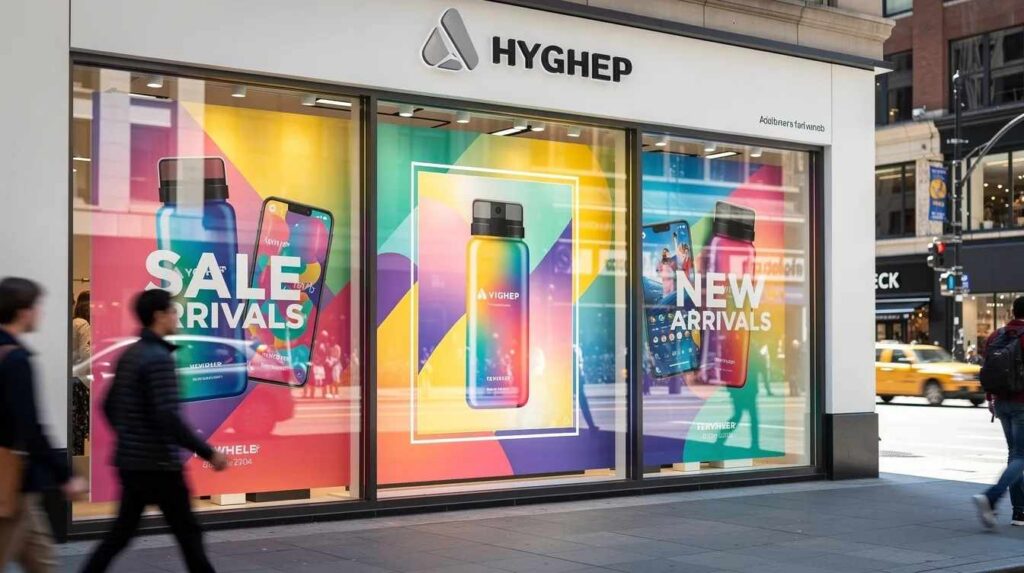
Glazed entrance glass doors are almost always the first attack point in burglaries. Reinforcing door lites, sidelites, and transoms with security window film- and, where appropriate, edge anchoring-makes that primary entry point dramatically harder to breach. Large storefront windows and display glass are next: burglars target these to reach through and grab merchandise quickly, so film on full-height panels near high-value displays or cash wraps is essential.
Don’t overlook interior glass. Doors to back offices, cash rooms, and stock areas benefit from the same protection, and glass partitions near customer queues or escalators reduce accidental impact injury risk in busy retail environments, while storefront window tinting and retail window film solutions can also address glare, heat, and UV concerns at the same time.
Consider this real-world pattern: a strip mall retailer in Houston secured its street-facing glass after repeated break-ins but initially left rear employee entrance door lites and side alley windows unprotected. After a similar store nearby was breached through a side window, they completed full coverage-exterior and interior-and have had zero incidents since.
Professional Installation Process: What Retailers Can Expect
Professional installation is non-negotiable for security performance, code compliance, and warranty coverage. Here’s the typical workflow Window Film Depot follows for retail clients:
Site evaluation: Technicians measure existing glass, check frame condition, identify risk areas, and review any prior break-in history. This glazing audit covers every accessible glass surface-not just the front of house—and is supported by Window Film Depot’s nationwide window film products and services.
Product selection: Based on risk level, the team helps you select film thickness and type (clear vs. tinted), decide which glass doors and window areas to prioritize, and confirm any corporate brand guidelines or landlord requirements, often recommending 3M Scotchshield Ultra Series safety and security films for commercial storefronts where higher impact resistance is needed.
Installation logistics: Work is scheduled off-hours or overnight to avoid disrupting customers. Crews coordinate with mall management or facility teams and protect inventory and fixtures during the project.
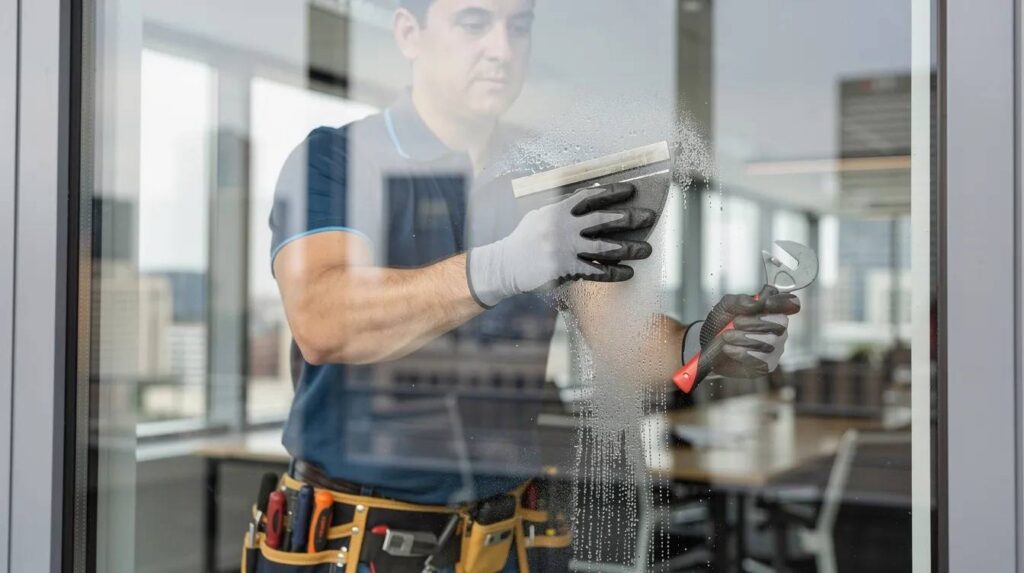
The hands-on process starts by ensuring the window surface is completely clean before applying film-any debris trapped underneath compromises adhesion. Technicians cut film slightly smaller than window dimensions for easier installation and precise edge finishing. After applying the film with a mounting solution, they use a squeegee to remove water from under the film during installation, eliminating air pockets. Installers then use silicone around the glass edge 24 to 48 hours after installation to anchor the film to the frame for forced-entry resistance.
Cure times run 30 to 60 days depending on film thickness and climate. Store managers may notice slight haziness or moisture pockets during this period-both resolve on their own. For national roll-outs, Window Film Depot ensures consistent spec, documentation, and quality standards across all sites, whether that’s 5 locations or 500.
Cost, ROI, and Insurance Considerations for Retail Security Film
Security window film typically costs a fraction of full glass replacement and involves far less downtime. Key cost drivers include glass type and access, film thickness, whether anchoring systems are required, and project size; retailers can review detailed window security film installation cost and price estimates when budgeting for upgrades.
Realistic 2026 ranges for installed security film on standard retail storefronts:
| Film Type | Approximate Installed Cost |
|---|---|
| 4–6 mil clear (basic safety) | $10–$20 per sq ft |
| 8–10 mil with anchoring | $20–$40+ per sq ft |
| Ultra-security / blast-rated | Higher, project-dependent |
ROI comes from several angles: prevented theft losses, avoided glass replacement and boarding costs, reduced downtime, and lower liability exposure from customer and employee injuries caused by flying glass shards. Installing security film can lower commercial insurance premiums, though reductions vary by carrier. Facility managers should discuss upgrades with their insurance brokers and provide documentation-spec sheets, invoices, photos of installed film-to support any premium review. In high-risk zones, insurers increasingly view security film as part of a required comprehensive security plan.
Common Mistakes Retailers Make with Security Films (and How to Avoid Them)
Security film performs well when properly specified and installed. But a few common mistakes can leave gaps that defeat the purpose.
The biggest error is assuming any window film is a security film. Decorative tint and solar control products are not designed or tested for impact resistance. Always verify ANSI or CPSC test data before committing. A second frequent mistake is partial coverage-protecting front glass doors but leaving sidelites, transoms, or side windows exposed. Thieves will always find and attack the weakest point, similar to water finding a crack in a dam.
DIY installation on critical storefront glass is another risk. Poor adhesion, bubbling, and edge lift from amateur work compromise security performance and can void manufacturer warranties. Professional commercial window tinting and safety film installation helps ensure proper adhesion, performance, and warranty coverage. Code and legal compliance matters too: some landlords and mall operators require approval before glass modifications, and certain glass types need compatible film to avoid stress fractures.
The fix is straightforward. Work with an experienced company like Window Film Depot that provides manufacturer-backed specs and documentation. Request a full glazing audit of every accessible glass surface-front, sides, rear, and interior. A friend in the jewelry trade learned this the hard way when thieves bypassed a filmed front window and entered through an unprotected side panel. Don’t guess at coverage; plan it.
FAQs About Window Film for Retail Security
These FAQs address the most common questions retail store owners, facility managers, and loss-prevention teams ask before investing in security window films.
How much protection does security window film really provide against break-ins?
Security film significantly slows forced entry by holding broken glass together, often requiring many more blows to create a hole large enough for access. It does not make glass completely unbreakable, but in many documented cases the extra time and noise cause criminals to abandon the attempt-especially when alarms and cameras are also present.
Will security film change the look of my storefront or glass doors?
Most retail installations use optically clear security films that are nearly invisible once cured, preserving merchandise visibility and brand presentation. If desired, films with mild tint or reflective properties are available to cut glare and block heat. Window Film Depot helps retailers select options that match brand guidelines.
Can I apply security film only to the bottom half of my windows?
For real security performance, film should cover the entire glass pane because burglars will attack the weakest accessible area. Partial coverage is better suited to decorative or privacy projects, not forced-entry resistance. Full panel coverage of storefront glass and glass doors is the standard recommendation.
How long does installation take, and will my store need to close?
Many small-to-medium retail stores can be completed in a single evening or over one to two nights. Window Film Depot works outside normal business hours, coordinating access with store and mall management so retail locations stay open and customer disruption is minimal.
How long do security window films last in a retail environment?
Quality films with professional installation typically last 10 or more years. Performance depends on glass orientation, sun exposure, and cleaning practices. Leading manufacturers like 3M offer warranties when films are installed by authorized dealers, and periodic visual inspections as part of routine store maintenance keep everything in safe condition.
Can security film be removed or replaced if my store remodels?
Security films can be professionally removed and replaced, though the process requires specialized tools and trained technicians to protect the glass underneath. Many retailers upgrade to newer films during remodels or branding refreshes. Window Film Depot can coordinate removal, surface prep, and reinstallation as part of a planned project-check YouTube for video demonstrations of the removal process to see how straightforward it is with the right team.
Why Choose Window Film Depot for Retail Security Film Projects
Window Film Depot has been a national leader in security film and storefront glazing upgrades since 1992, serving retail, government, institutional, and commercial clients with a focus on delivering results that matter-peace of mind knowing your store, your employees, and your customers are safer- with installation teams and locations serving all 50 states.
What sets the company apart:
- Deep retail expertise: Experience with big-box stores, specialty retail, pharmacies, restaurants, and mall tenants across the U.S., with a clear understanding of store operations, merchandising, and after-hours work requirements.
- Turnkey national roll-outs: The ability to standardize specs, manage logistics, coordinate with landlords and facility teams, and deliver consistent installation quality across dozens or hundreds of locations.
- Certified 3M partnership: Access to a broad portfolio of safety, security, solar, privacy, and anti-graffiti films that can be combined to meet both security and branding goals.
Window Film Depot also supports wholesalers and glass/glazing trade partners with film supply, helping keep projects on schedule. Every job is backed by safety-trained, background-checked installers and documented project reporting that loss-prevention teams and risk managers can share with confidence. When it comes to hard problems like protecting a house of cards-fragile retail glass in a tough environment-experience and quality are what count.
Next Steps: Assessing Your Storefront and Getting a Security Film Quote
Don’t wait for shattered glass and a police report to add security to your most vulnerable surfaces. Take these steps now:
- Walk your store and list all exterior and interior glass that could be used for entry or poses a safety risk.
- Gather recent incident reports-theft attempts, vandalism, storm damage-and photos to share with a security film consultant.
- Contact Window Film Depot by phone or through the online form to schedule a site assessment, or to discuss national deployment for multiple locations. Add your cart of priorities and let the team build a plan around them.
Whether you manage a single boutique or oversee security for a 200-location retail chain, Window Film Depot can deliver a tailored window film for retail security plan that matches your risk profile, budget, and branding requirements. Reach out today to request pricing or coordinate a pilot installation at your highest-risk stores. Your next step could be the one that prevents the next break-in.