Table of Contents:
- Why Storefront Window Tinting Matters in 2026
- Types of Commercial Window Film for Storefronts
- Energy Savings, UV Protection, and Comfort
- Security Window Film and Loss Prevention for Storefronts
- How Storefront Window Tinting Works (Step‑by‑Step Installation)
- Maintenance, Lifespan, and Warranty of Storefront Window Film
- Why Choose Window Film Depot for Your Storefront Window Tinting
- FAQs About Storefront Window Tinting
- Next Steps: Schedule Your Storefront Tint Consultation
Why Storefront Window Tinting Matters in 2026
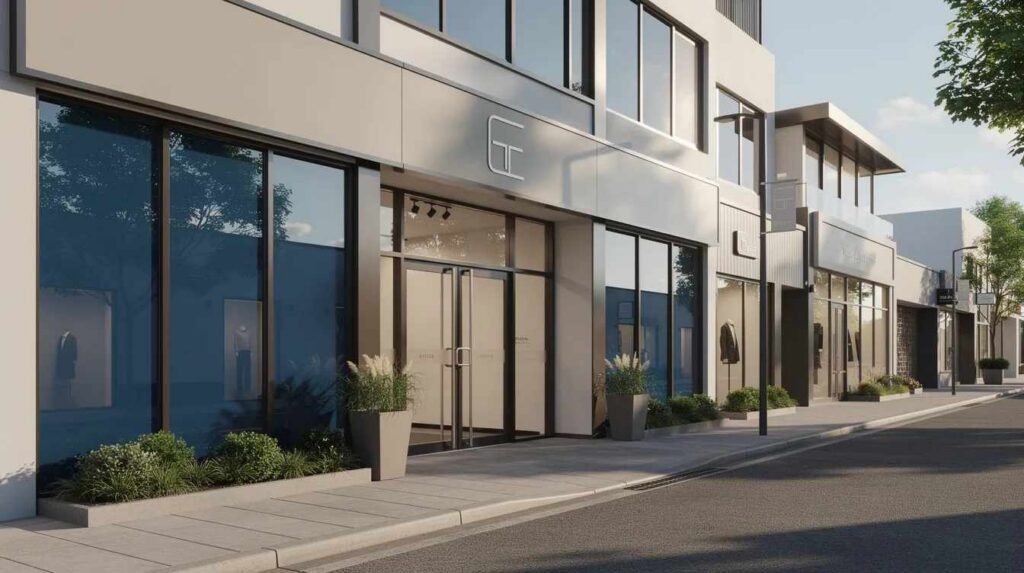
Storefront window tinting is the application of a thin, engineered film to existing glass on retail shops, restaurants, banks, clinics, and street-level offices. Rather than replacing expensive glazing, commercial window film upgrades the performance of the glass you already have-addressing heat, glare, fading, security, and rising energy costs in a single retrofit.
If you manage or own a storefront, the problems are familiar: excessive heat at the front of the store during peak sun hours, glare washing out POS screens and digital signage, merchandise fading under constant UV exposure, and utility bills that have climbed steadily since 2022. Storefront window tinting improves energy efficiency and reduces energy bills, while window tinting can stabilize indoor temperatures, making the space more inviting for everyone who walks in. Window films can also create a uniform look to the building exterior, strengthening curb appeal.
This isn’t just an aesthetic decision. It’s a business decision tied to customer dwell time, employee comfort, and how your property presents itself from the sidewalk. Storefront window tinting can enhance the overall customer experience in retail environments-and tinting reduces indoor temperatures, leading to a more comfortable shopping environment. Window Film Depot, America’s leading 3M window film installation company based in Marietta, Georgia, specializes in exactly these kinds of commercial window projects for chains and independent businesses alike.
Types of Commercial Window Film for Storefronts
“Storefront window tinting” is an umbrella term. The right film depends on whether your priority is solar control, branding, privacy, or security-and often, it’s a combination.
Solar control film is the most common starting point. These window films focus on heat rejection, reducing glare, and blocking harmful UV rays. Many 3M solar control films reject 40–70% of solar heat, and solar control films block up to 99% of UV rays. The result is a cooler interior without sacrificing natural light. Ceramic films offer superior heat rejection without affecting electronic signals, making them a strong choice for stores that rely on wireless POS or Wi-Fi.
Privacy and decorative films serve storefronts where visibility needs to be managed, and retailers can choose from multiple types of decorative film for interior and exterior glass to balance branding, privacy, and aesthetics. Frosted films can create a professional appearance and improve brand image-think dental clinics, spas, or financial offices that want natural light in the upper portion of the glass while keeping the lower section private. Decorative films can mimic frosted glass for aesthetic appeal, and custom graphics or branded wraps turn storefront windows into marketing surfaces. Privacy films limit outside visibility while allowing natural light, and decorative films can enhance branding and aesthetics for businesses. Anti-graffiti films protect glass surfaces from vandalism on street-facing panes.
Security window film adds a thick polyester layer that reinforces glass against breakage and impacts, making it a core component of storefront window tinting and retail window film installation. For businesses concerned about smash-and-grab crime, combination films provide both solar control and security on the same glass. Reflective films provide daytime privacy and reduce glare, giving a polished, mirror-like look from outside during daylight hours.
When selecting the right window film, consider orientation (east and west-facing glass takes intense low-angle sun), climate zone, and your brand’s appearance standards. Visible light transmission ranges from around 10% for dark, privacy-focused shades to 70–80% for nearly clear options. The right film balances performance with how your store looks from the street.
Energy Savings, UV Protection, and Comfort
For glass-heavy retail and restaurant spaces, storefront tinting translates directly to lower utility bills and a more stable interior environment.
Window films reduce solar heat gain by up to 80%, which eases the load on air conditioning systems significantly, and high-performance films are specifically engineered so tinted windows have meaningful UV protection. Solar window film can block up to 80% of solar heat, and tinted windows can lower air conditioning costs significantly-some commercial case studies show annual HVAC savings of $19,000 or more after retrofitting with solar window film. Solar control films reduce air conditioning costs by blocking heat before it reaches the interior. Low-E films improve insulation and year-round HVAC efficiency, and certain films help retain indoor heat during winter months, cutting heating costs in cooler climates. Energy savings from window tinting can start immediately after installation, and window films can help buildings achieve green certifications like LEED.
Commercial window tinting blocks up to 99% of UV rays, protecting merchandise like apparel, furniture, flooring, and signage from fading, and professional-grade tinted windows that provide UV protection help preserve valuable inventory over time. That UV protection also benefits staff who work near glass all day, reducing UV exposure and associated health concerns. Most films deliver this level of protection regardless of how light or dark the tint appears.
Storefront window tinting improves customer comfort by reducing glare on screens, digital signage, and product displays. Tinted windows can reduce glare, improving employee productivity and making the space easier to work in. The result is fewer hot spots near the glass, more even temperatures from front to back, and a comfortable environment that encourages shoppers to linger.
Security Window Film and Loss Prevention for Storefronts
Since 2020, smash-and-grab incidents at retail chains, pharmacies, and electronics stores have increased across U.S. urban areas. Exposed storefront glass is often the weakest point in a building’s perimeter.
Security window film works by bonding a thick, clear polyester layer to the glass, and leading dealers that offer a full range of window glass film products and brands can match the right safety and graphics solutions to each storefront. When struck, the film helps hold broken glass together, preventing shattering into flying glass shards and slowing forced entry. It won’t make glass unbreakable, but it increases the time, noise, and effort required to break through-often enough to deter criminals or allow alarms to activate before access is gained. The film can also prevent shattering from accidents or wind-borne debris.
Typical use cases include jewelry shops, wireless and electronics stores, dispensaries, pharmacies, luxury boutiques, and street-level offices with sensitive documents or equipment near windows. Break-ins at these locations often target the glass itself because it’s the fastest path inside.
Window Film Depot installs 3M safety and security films, and where appropriate, combines them with attachment systems and solar control films so business owners get both energy savings and loss prevention from a single investment, drawing on its experience with 3M window film products and installation across commercial properties. Maintaining clear visibility into the store for merchandising and code compliance is always part of the conversation-security doesn’t have to mean dark or opaque glass.
How Storefront Window Tinting Works (Step‑by‑Step Installation)
Professional installation is critical for performance, appearance, and warranty coverage-especially on large, street-facing commercial windows.
Consultation: An onsite or virtual assessment covers glass type (tempered, laminated, insulating units), solar exposure, local code or lease requirements, and the business’s goals-whether that’s energy savings, enhanced privacy, security, or custom designs.
Preparation: Work is scheduled to minimize disruption. Displays and fixtures are moved away from the glass. Old tint, decals, and adhesive residue are removed. Windows must be thoroughly cleaned before film application to ensure a flawless bond to the film surface.
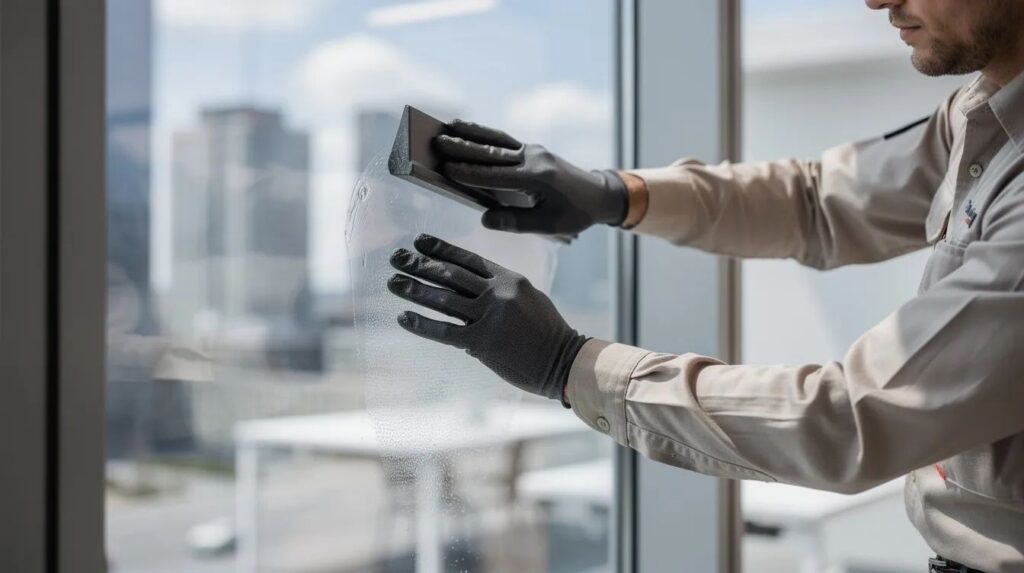
Installation: Film is cut to size and applied with a slip solution that allows precise positioning on each pane. Installers use squeegees to remove dust, water, and air bubbles. Large panes and storefront doors require careful handling so seams and sightlines stay clean. Professional installation minimizes disruption to business operations, and installation typically takes a few days depending on window quantity.
Curing: Moisture haze may appear after installation but will clear over time-typically within 30 days depending on film type and weather. Thicker security films may take longer to reach full clarity.
Window Film Depot provides turnkey project management, coordinating with store managers and facility teams for both single locations and multi-site roll-outs nationwide.
Maintenance, Lifespan, and Warranty of Storefront Window Film
Commercial window tinting is low-maintenance, but basic care extends clarity and lifespan.
After installation, wait approximately 30 days before cleaning. Then use a soft cloth or rubber squeegee with a mild, non-ammonia cleaner. Avoid abrasive pads, blades, and harsh chemicals that can scratch or degrade the film surface.
Commercial window films can last between 10 and 20 years, with most 3M solar control films rated for 10–15+ years in typical U.S. climates. Signs it’s time to replace: edge lifting, persistent bubbling, noticeable discoloration, or uneven appearance between adjacent panes.
Manufacturer warranties typically cover peeling, cracking, demetallization, and discoloration. Warranty coverage stays valid when film is installed by an authorized dealer. Some cities have specific rules on tint darkness; permits may be required before installation in certain areas, historic buildings may have restrictions on window tinting, and window films must meet safety certifications for shatter resistance-your installer should confirm all of this before the project begins.
Window Film Depot can remove and replace aging or failed films from older installations-including those done by other companies-and upgrade them to current high-performance window film products.
Why Choose Window Film Depot for Your Storefront Window Tinting
Window Film Depot is a family-owned window film company founded in 1992 in Marietta, Georgia, serving commercial and retail clients across the United States. With decades of experience in 3M solar control, security, decorative, and privacy films, the team has completed thousands of storefront projects for national retail brands, restaurants, banks, schools, and government facilities.
What sets Window Film Depot apart is turnkey service: consultation, product selection, professional installation, and ongoing support-including large multi-location roll-outs coordinated with facility managers and architects. The company also supports trade partners with wholesale film supply, making it a resource for glass and glazing contractors who need dependable commercial window film materials.
Certified installers bring deep knowledge of building codes, lease requirements, and glass compatibility, ensuring the right film for every project. Retailers working with Window Film Depot have achieved measurable energy savings and improved security, delivered on time and on budget.
FAQs About Storefront Window Tinting
These answers are based on Window Film Depot’s experience with commercial window tinting projects nationwide. If your situation is unique, a consultation will give you specifics for your glass, climate, and goals.
Will storefront window tint make my business look too dark from the street?
Modern commercial window tint comes in a wide range of visible light transmission options, from nearly clear to darker shades. Most retailers choose neutral films that maintain bright, welcoming views while reducing glare and heat. You can improve comfort and cut energy costs without sacrificing natural light or making your store look closed.
How much energy can storefront window film really save?
Savings vary by climate, glass area, and HVAC system, but many businesses see noticeable reductions in summer cooling loads. Some achieve double-digit percentage drops in air conditioning costs after installing solar control film. In documented case studies, annual savings have ranged from several thousand to over $30,000 depending on the building and film type.
Can I still use window displays and graphics after tinting?
Films can be installed behind or around existing graphics, and custom graphics or decorative films can become part of your storefront design. Planning displays with your installer ensures everything works together visually-from branding to light control.
Is security window film enough to stop a break-in?
Security film is designed to slow and frustrate forced entry by holding broken glass in place, not to make glass unbreakable. When combined with alarms, cameras, and proper lighting, it significantly improves overall storefront security and buys critical response time.
How long does storefront window film installation take?
Most single-location storefronts can be completed in a day or two depending on glass size and film scope. Window Film Depot typically phases work to keep the store open and safe for customers throughout the process.
Will window film void my glass warranty?
Reputable installers match films to glass type and follow manufacturer guidelines. Many 3M films include warranties that work alongside or supplement existing glazing warranties when installed by authorized dealers. Always confirm compatibility during your consultation.
Next Steps: Schedule Your Storefront Tint Consultation
Storefront window tinting is one of the most practical upgrade options available for retail and commercial spaces-delivering measurable improvements in comfort, security, appearance, and energy costs without replacing a single pane of glass. It’s an investment that pays back in lower bills, protected inventory, and a better environment for customers and staff.
If you’re a facility manager, franchise owner, or independent retailer ready to explore what the right window film can do for your property, Window Film Depot can help. Request a site assessment or quote by calling, filling out an online form, or sharing plans and elevations for larger projects so the team can recommend the best solar control, security, or decorative solutions for your space.
Whether you need a single storefront handled or a multi-state portfolio rolled out on schedule, Window Film Depot has the experience, the products, and the installation network to deliver.