Table of Contents:
- Exterior window protection film: what it is and why it matters in 2026
- How exterior window film protects glass and people
- Key benefits of exterior window protection film for commercial and institutional buildings
- Best use cases for exterior window film in 2026
- How the exterior window film installation process works
- Choosing the right exterior window film for your building
- Frequently asked questions about exterior window protection film
- Why facility managers choose Window Film Depot for exterior window film projects
- Next steps: talk with Window Film Depot about exterior window protection film
Exterior window protection film: what it is and why it matters in 2026
Exterior window protection film is a weather-resistant layer applied to glass panes on the outside surface of existing windows. It delivers solar control, safety reinforcement, and surface protection without replacing a single pane. For facility managers and building owners dealing with rising energy costs, more frequent severe weather events, smash-and-grab break-ins, glare complaints, and aging glazing, this retrofit addresses multiple problems at once.
This article is written from Window Film Depot’s perspective as a national 3M and multi-brand installer and wholesale supplier serving commercial, government, education, and retail clients since 1992.
Exterior window protection film is especially valuable when interior access is limited-think hospital patient rooms, museum galleries, high-rise curtain walls with built-in millwork, or storefront displays that cannot be dismantled. It is also the go-to solution when existing interior film has failed and applying new material from the outside is more practical. These films are engineered to withstand harsh UV rays and extreme temperatures, along with rain, wind, pollutants, and freeze-thaw cycles for years of reliable service when professionally installed.
How exterior window film protects glass and people
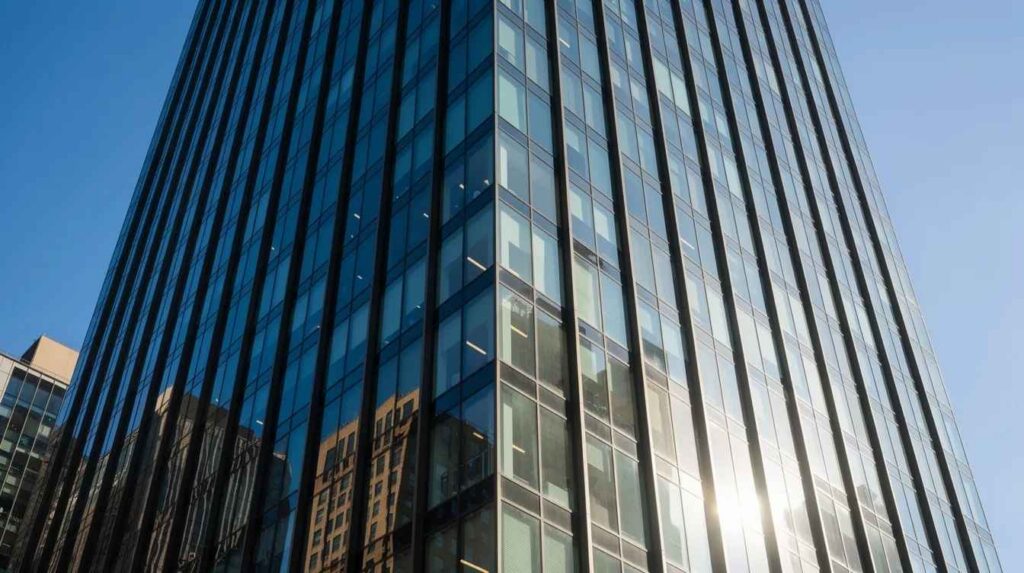
Exterior window film is not just “tint.” It combines solar control, safety, and surface protection in a single retrofit layer built from multi-layer polyester or nano-ceramic construction with a pressure-sensitive adhesive and a scratch-resistant hardcoat on the weather-facing surface. Many exterior window films incorporate advanced technology like anti-scratch coatings that resist abrasion from cleaning, debris, and environmental exposure.
Safety and shatter mitigation. Security films hold shattered glass together after impact, improving safety for occupants in lobbies, classrooms, and retail storefronts. When paired with proper edge attachment systems, these films meet standards for windstorm, forced-entry, and blast resistance.
Solar control. Exterior solar films reflect or absorb incoming infrared and visible light before it reaches the insulated glass unit. Exterior window protection film can reflect or absorb up to 78% of solar energy, dramatically reducing heat gain and cooling loads. Some high-performance reflective products push total solar energy rejected even higher on certain glass types.
UV protection. Exterior films block up to 99% of harmful UV rays, protecting interior merchandise, flooring, textiles, and museum exhibits from premature fading. Quality films block up to about 99% of UV rays, contributing to less fading across virtually every interior surface exposed to sunlight.
Surface protection. Certain exterior films protect glass from scratches and graffiti damage, and the film protects glass from atmospheric contaminants and acid rain. The product acts as a sacrificial barrier to protect glass-when the film layer is damaged, it can be stripped and replaced at a fraction of glass replacement cost.
Window Film Depot selects specific film products and brands-solar, safety, anti-graffiti, or hybrid-based on each building’s risk profile and performance goals rather than a one-size-fits-all approach.
Key benefits of exterior window protection film for commercial and institutional buildings
Here are the measurable outcomes that matter to facility managers and building owners:
- Energy savings and comfort. Commercial window tinting and solar-control films help keep interiors cooler and reduce air-conditioning demand. Exterior films can also enhance energy efficiency in residential buildings, not just commercial ones. Many projects deliver noticeable utility reductions in the first cooling season and support ESG or sustainability reporting goals.
- Glare reduction. Exterior window protection film can provide daytime privacy and reduce glare, freeing south- and west-facing offices, classrooms, and call centers from permanently drawn blinds while preserving useful daylight.
- Extended glass and IGU lifespan. Exterior films engineered for compatibility with older insulated glass units and certain low-E coatings can delay or eliminate the expense of full window replacement.
- Enhanced security posture. Thicker safety films with proper edge attachment harden ground-floor glass against forced entry, civil unrest, and smash-and-grab theft in schools, government buildings, and retail environments.
- Vandalism and graffiti protection. Anti-graffiti films on street-level glass and transit stations allow quick, low-cost film replacement after scratching, acid-etching, or tagging.
- Aesthetic upgrades. Neutral or reflective films can add a modern, uniform appearance to dated façades-even when glazing has been replaced in phases over many years.
- Operational convenience. Most exterior window film projects are completed from the outside with minimal disruption to tenants, making them ideal for hospitals, 24/7 operations, and secure facilities.
Best use cases for exterior window film in 2026
Not every glass application is ideal for interior film. These scenarios are where exterior window film consistently outperforms interior alternatives:
- High-rise and curtain wall buildings where interior access is blocked by tenant improvements, furniture, or security barriers. Swing-stage or rope-access crews install film from the exterior with far less disruption.
- Retail storefronts and national chains needing to reduce merchandise fading, cut shopper glare, and harden glass against break-ins. Window Film Depot frequently manages multi-site, multi-state retail roll-outs with centralized coordination.
- Schools, colleges, and government campuses driven by security audits to add safety film at entrances and ground-floor glazing as part of broader hardening programs.
- Hospitals and healthcare facilities where patient rooms, operating suites, and imaging areas are heavily restricted. Exterior application is the safest, fastest approach in this environment.
- Historic and architecturally significant properties where interior finishes and original windows must remain untouched.
- Problem glazing and failed interior film where previous coatings, seal failures, or degraded interior film make a new interior application risky. A purpose-designed exterior window film is often the safer retrofit path.
How the exterior window film installation process works
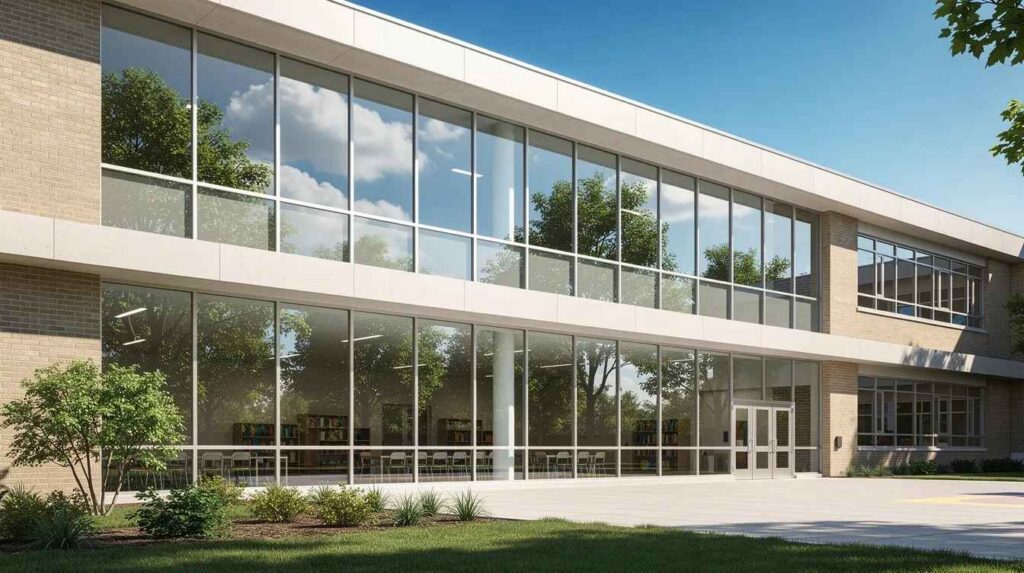
Professional 3M window film installation ensures optimal performance of window film and is the single biggest factor in long-term results. Expert installation can enhance the longevity of window films significantly. Window Film Depot operates nationwide with trained crews who specialize in exterior projects, including difficult access conditions. LLumar Select Pro Dealers also provide professional installation services for their exclusive product lines.
- Site assessment and glass analysis. The process begins with a survey of glass types (tempered, laminated, IGUs, wired), measurements, coating identification, and documentation of existing conditions using BTU meters and spectrometers.
- Film selection and specification. Project teams match 3M window film products and installation options to goals-TSER, SHGC, visible light transmission targets, safety ratings, warranty coverage, and glazing compatibility.
- Access planning and safety. Crews coordinate with building management on swing stages, boom lifts, roof anchorage, and scheduling around tenants-often working nights or weekends to minimize disruption.
- Surface preparation. Exterior glass is washed, decontaminated of construction dust, silicones, and pollutants so the adhesive bonds properly and sheds water at the edges as designed.
- Installation technique. Technicians cut, wet-apply, squeegee, and detail the film with special attention to edges and seals, ensuring neat sight lines and consistent seams across large façades.
- Cure, inspection, and warranty. Cure timelines vary by climate. Minor haze or water pockets during curing are normal. Window Film Depot performs final inspections, delivers documentation, and registers manufacturer warranties.
Choosing the right exterior window film for your building
Not all window films are suitable for exterior use. Film choice should be driven by objectives, glass type, and local climate-not just price or darkness.
- Performance priorities. Rank your goals: energy savings vs. security, privacy vs. daylight, aesthetics vs. reflectivity. This determines the family of window films-high-performance solar, safety-solar hybrids, anti-graffiti, or spectrally selective products with visible light transmittance ranging from as low as 5% to over 70%.
- Glass and climate compatibility. Insulated glass, low-E coatings, and spandrel panels require exterior-rated films tested to avoid thermal stress or seal damage. Hot markets like Atlanta, Phoenix, and Dallas demand higher heat-rejection films than northern or coastal climates. Some product lines, like Vista exterior film, are exclusive to LLumar SelectPro dealers; Vista exterior film enhances energy efficiency in buildings, provides UV protection for interiors, and improves comfort by reducing glare. Window Film Depot evaluates the full market-including 3M and other leading brands-to find the best match for each project.
- Durability and warranty. Quality exterior films use UV-stable hardcoats and weather-resistant adhesives designed to last 7–15 years depending on exposure. Pay attention to warranty terms for vertical glass vs. spandrel vs. specialty applications.
- Appearance. Compare neutral, reflective, and tinted options. Mock-ups on representative windows let decision-makers see the aesthetic impact before committing.
- Budget and payback. Exterior film typically costs a fraction of full window replacement. Window Film Depot helps clients model ROI against energy savings, avoided replacement, and damage reduction.
Window Film Depot’s window film solutions team helps architects, facility managers, and security consultants write project-specific specs, provide mock-ups, and support bidding to ensure the right exterior window film is installed the first time correctly.
Frequently asked questions about exterior window protection film
Does exterior window film void my glass or window warranty?
Some original equipment warranties have limitations, but many major film manufacturers back their products with glass breakage and seal failure coverage when installed according to guidelines. Window Film Depot reviews existing warranties and provides documentation before installation.
How long does exterior window film last?
Quality commercial-grade exterior films typically last 7–15 years depending on climate, exposure, and film type. South- and west-facing glass in intense sun may age faster. Professional installation and proper maintenance maximize service life.
Can exterior films be installed on low-E or insulated glass units?
Many exterior solar and safety films are engineered specifically for these glazing systems, but correct product selection is critical to avoid thermal stress. Window Film Depot evaluates glass makeup, coating position, and climate before recommending any window film.
Will exterior window film change the look of my building?
Some films are designed to be nearly invisible, while others add a reflective or tinted appearance. Mock-ups on several representative windows are standard practice so stakeholders can evaluate the aesthetic impact in real conditions before a full-building commitment.
How much does an exterior window film project typically cost?
Pricing depends on film type, total square footage, access complexity, and site conditions. While exterior window film is a significant investment, it is usually a fraction of the cost and disruption of full window replacement. Window Film Depot provides detailed, line-item proposals and multi-site pricing for national accounts.
Can you install exterior film while my building is occupied?
Most projects proceed with normal operations in place. Crews work from the exterior, coordinating around entrances, loading docks, and patient or classroom schedules. Window Film Depot frequently works nights or weekends for high-traffic retail, healthcare, and transportation hubs.
Why facility managers choose Window Film Depot for exterior window film projects
The market includes many regional installers, but Window Film Depot offers a rare combination of national coverage, technical depth, and project management experience for exterior window protection film.
- Experience. Focused exclusively on window film and architectural surface solutions since 1992, with thousands of completed commercial, government, retail, and institutional projects.
- National reach, local execution. Centrally managed teams coordinate multi-site 3M window film roll-outs across North America while deploying local, factory-trained crews who meet site-specific requirements, union rules, and safety standards.
- Multi-brand, performance-first approach. As a leading 3M dealer, WFD also evaluates products from other high-performance manufacturers to meet each project’s engineering and design requirements-never forcing a single product line.
- Turnkey project management. Services extend beyond installation: portfolio surveys, spec writing, phasing plans around tenant priorities, access equipment coordination, and close-out packages with warranty and performance documentation.
- Security and government experience. Proven work for schools, federal agencies, and municipal facilities, including familiarity with procurement processes, background checks, and elevated security protocols.
- Wholesale and trade support. Window Film Depot supplies wholesale window film rolls, DIY window film products, and installation guidance to glass shops and specialty contractors who need exterior-rated films and expert technical support.
Next steps: talk with Window Film Depot about exterior window protection film
Now is a practical time to evaluate your building’s glass-energy use, comfort complaints, security risks, or visible aging-and consider whether exterior window protection film could address multiple issues in one retrofit.
Start with a no-obligation site assessment where Window Film Depot documents existing glazing, discusses goals with stakeholders, and recommends appropriate film options with budget ranges. Before reaching out, gather approximate glass square footage, building height, primary concerns, and any history of glass breakage or seal failure.
Contact Window Film Depot by phone or website form to schedule a consultation, request a written proposal, or coordinate a pilot installation on one façade before rolling out across your portfolio. Exterior window protection film remains one of the most practical, scalable ways to upgrade building performance and resilience-without the cost and disruption of full window replacement.