Table of Contents:
- Introduction: What Is One Way Window Film and Why It Matters in 2026
- How One Way Window Film Works: The Science Behind Daytime Privacy
- Daytime Privacy vs. Nighttime Limitations
- Performance Benefits: Heat Reduction, Glare Control, and UV Protection
- Types of One Way Window Privacy Films Available
- Where One Way Window Film Works Best (Commercial and Residential Use Cases)
- Professional Installation vs. DIY One Way Window Film
- How the Window Film Installation Process Works with Window Film Depot
- Common Mistakes and Misconceptions About One Way Window Films
- Why Choose Window Film Depot for One Way Window Privacy Film
- FAQs About One Way Window Film and Window Privacy Film
- Next Steps: Get Expert Help with One Way Window Film
Introduction: What Is One Way Window Film and Why It Matters in 2026
One-way window film is a reflective privacy film applied to glass that lets you see out while preventing outside people from seeing in during daylight hours. The concept is simple: the film creates a mirror-like surface on the exterior side of your window, bouncing sunlight back at passersby while you maintain a clear view from the interior. One way window film provides daytime privacy without sacrificing natural light or turning your space into a cave.
This matters whether you manage a ground-floor office on a busy Atlanta street, run a retail store where merchandise needs UV protection, or live in a townhome where neighbors can see straight into your living room. Schools, government facilities, and commercial lobbies use it daily to control who sees what during business hours.
Window Film Depot has been installing solar control and privacy window film nationwide since 1992. Over three decades, we’ve seen every glass condition, building orientation, and client expectation imaginable. This guide covers how one way window films actually work, where they fall short (especially at night), their heat reduction and UV performance, the installation process, and how to choose the right product for your specific facility or home.
How One Way Window Film Works: The Science Behind Daytime Privacy
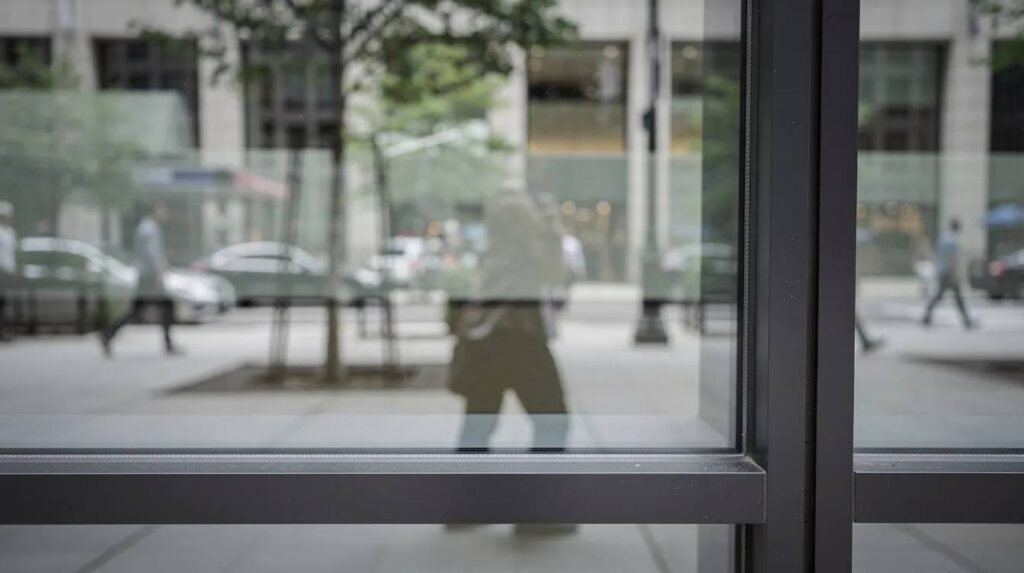
One way window film is a reflective window film that uses light balance – not magic – to create the mirror effect, similar to how one-way mirror systems work in real projects. The functionality of the film relies on lighting intensity and the difference between how much light hits each side of the glass.
Here is how privacy film works in practice:
- The brighter side of the glass always becomes the “mirror” side, while the darker side can be seen through. During the day, outdoor sunlight is far stronger than indoor lighting, so the exterior acts as a mirror.
- People walking past see mostly their own reflection. Inside, the view remains relatively clear, similar to looking through a lightly tinted window.
- The effectiveness of one-way privacy film depends on the light differential. Research suggests a brightness ratio of roughly 5–10× between outside and inside produces a strong mirror effect.
- Higher reflectivity in the film offers better mirror-like privacy, but it also reduces visible light transmission into the room.
Think of it like sunglasses versus mirrored sunglasses. Regular sunglasses (like a standard window tint) reduce glare and heat, but people can still see your eyes. Mirrored sunglasses bounce light back at onlookers – that is exactly what one way window privacy film does to your glass.
One way window film works on flat, clean surfaces. It is different from frosted glass or decorative privacy films, which obscure the view from both sides. It is also different from traditional window tint, which primarily targets glare and heat reduction without creating a directional privacy layer.
A concrete example: a south-facing office in Atlanta at 2 p.m. in July has intense sun hitting the exterior glass. The film works effectively when the outside is brighter than the inside during the day, so occupants enjoy privacy and a clear outward view. The external mirror effect depends on sunlight intensity – the stronger the sun, the stronger the reflection.
Daytime Privacy vs. Nighttime Limitations
Here is the straight talk: one way window film provides daytime privacy only. It does not stop nighttime visibility when interior lights are on and it is dark outside.
Understanding this matters before you spend money on film for any space. Here are three scenarios that describe exactly what happens:
- Bright sun, midday: People outside see mostly their reflection. The mirror effect is at its strongest. Occupants inside see out with clarity. This is the ideal condition during daylight hours.
- Cloudy or overcast day: The glass becomes more “smoky” or semi-reflective. Some interior outlines and silhouettes may be visible from outside, though details remain obscured. Light sources near the window (desk lamps, monitors) can create hot spots that weaken privacy.
- Night, interior lights on: The performance of one-way privacy films typically reverses at night when interior lights are on. People outside can now see in, while occupants see their own reflection. Nighttime privacy is compromised completely.
For sensitive environments – healthcare facilities, behavioral health rooms, school nurse offices, government security areas – where 24/7 privacy is non-negotiable, one way film alone is not the right solution.
To maintain nighttime privacy, additional coverings like blinds or curtains are recommended. The most practical approach is a dual-solution setup: one way film handles daytime privacy, heat control, and UV protection, while you close curtains, blinds, or shades in the evening when lights come on. For areas where outward visibility is less important, the best window film options for nighttime privacy provide frosted or opaque blocking from both sides around the clock.
We would rather spell out this limitation clearly at the beginning than have you discover it after installation. No film manufacturer has solved the physics of light differential – and anyone who claims otherwise is overselling.
Performance Benefits: Heat Reduction, Glare Control, and UV Protection
High-quality one way window films are not just about privacy. They are solar control window films that impact building performance across several measurable dimensions.
Heat Reduction
Reflective window film can reject a significant portion of solar heat gain. One-way privacy film rejects up to 80% or more of solar heat, depending on the product, glass type, and orientation. Many one-way films offer heat rejection properties to keep rooms cooler, which directly affects occupant comfort in west- and south-facing offices, storefronts, and living spaces in hot climates like Texas, Florida, and Georgia.
For commercial buildings, this translates to reduced peak cooling loads. In some documented cases, energy demand dropped by 10–30% depending on orientation and volume of glazing – real money saved on utility bills without replacing the glass itself.
Glare Control
The film helps reduce glare on computer screens and televisions, which is a practical concern for any modern workspace. It reduces glare on screens for better visibility without darkening the space as heavily as opaque or very dark tints would. A lower visible light transmission provides more privacy and glare reduction, but there is always a balance to strike between controlling sun glare and maintaining a bright interior.
Picture an open-office floor plan with a wall of west-facing glass. By mid-afternoon, employees near that glass are squinting, adjusting monitors, and losing productivity. After film installation, harsh glare drops dramatically while the room still feels bright and connected to the outdoors.
UV Protection
Quality window films can block 90–99% of UV rays. Many professional-grade films block 93% of harmful UV rays or more, protecting interior finishes, flooring, artwork, and retail merchandise. One-way privacy film provides UV protection to mitigate fading of interior features, which helps reduce fading of carpets, furniture, and store displays over the life of the film.
Energy Savings at a Glance
| Benefit | Typical Performance Range |
|---|---|
| Solar heat rejection | 60–80%+ depending on film and glass |
| UV ray blocking | 90–99% |
| Glare reduction | 50–94% depending on VLT |
| Visible light transmission | 15–70% depending on film type |
| These are not abstract numbers. They represent real differences in how a room feels, how much the HVAC runs, and how long interior furnishings last before fading. |
Types of One Way Window Privacy Films Available
Not all one way window films are the same. They vary in reflectivity, color, and intended use across residential, commercial, and specialty applications.
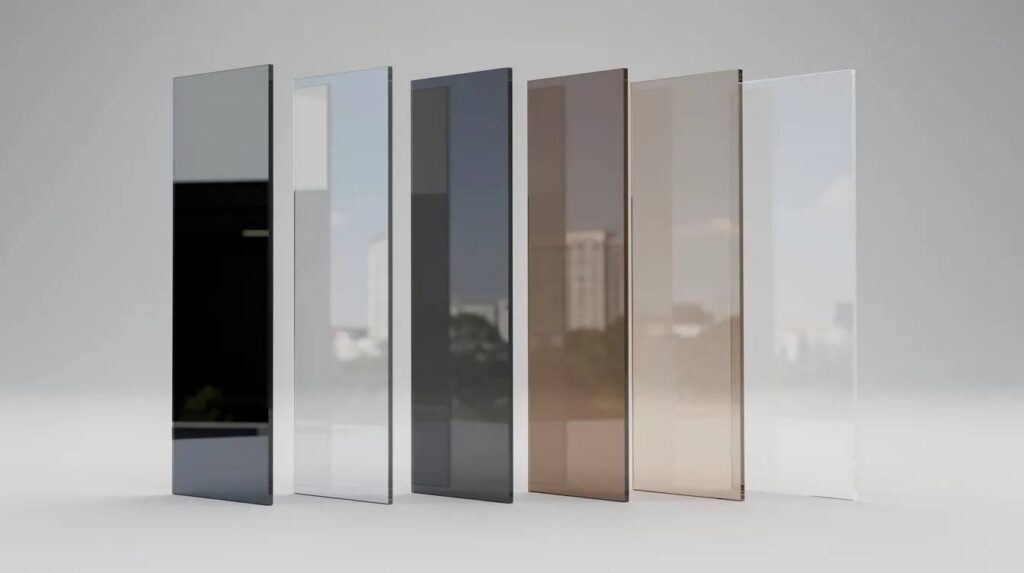
Highly reflective “mirror” films: These produce a bold mirror effect, typically in silver or bronze finishes. Popular for commercial buildings and institutional facades where strong daytime privacy is the priority. Exterior appearance is noticeably reflective.
Neutral or subtle reflective films: Softer exterior mirror, more neutral interior view. Gray and bronze tints are common. These work well for homes, storefronts, and design-sensitive projects where you want privacy without a bold mirror appearance. They maintain a more natural look for neighbors and streetscapes.
Dual-reflective films: Engineered with different reflectivity levels on each side. Films such as dual-reflective window film maintain a clear view while providing exterior privacy. They reduce the interior “mirror” effect you experience at night, making the reversed reflection less harsh from inside. A good compromise for mixed residential-commercial needs.
Specialty combination films: Some products layer security glazing, anti-graffiti protection, or decorative elements with the reflective privacy layer, drawing from a wide range of innovative privacy and decorative window film systems. These serve transit hubs, schools, and high-vandalism areas where multiple problems need one solution.
Color options include silver, bronze, gray, and blue tints, each influencing exterior appearance and interior light quality differently. One way window film can be used decoratively in various spaces, matching film to existing facade design. Window Film Depot works with leading manufacturers such as 3M to select the right film technology and environment match, drawing from a broad portfolio of window glass film products and brands.
One important point: “one way window films” sold online in small rolls for DIY applications often differ in durability, warranty, and optical clarity compared with professional-grade films installed on large panes and curtain walls. If you choose the home-improvement route, follow a structured do-it-yourself window film installation process rather than assuming it will perform like architectural-grade products. The stuff you find at a store for a quick door or bathroom fix is not the same product going on a 20-story commercial building.
Where One Way Window Film Works Best (Commercial and Residential Use Cases)
Proper application is about matching film type to the space and orientation of the glass. Here is where one way film delivers the highest value.
Commercial and Institutional
- Ground-floor offices and lobbies that want privacy from sidewalks while maintaining a bright, welcoming interior for visitors
- Retail storefronts that need to protect inventory from UV and heat but still want visibility for merchandising and signage
- Schools, universities, and municipal buildings using reflective film on exterior glass to reduce heat gains and add daytime privacy in corridors and administrative areas
- Government and security facilities needing a high level of daytime visual control without permanently blocking views
Residential
- Street-level living rooms, home offices, and bedrooms that face busy sidewalks or neighboring homes – especially in dense neighborhoods where other windows look directly into your space
- High-rise condos and apartments where residents want daytime privacy without closing blinds every morning
- Sunrooms and large patio door glass that get hot in summer and need heat reduction plus some covering from outside views
Glass Conditions to Know
Quality one way film is designed for flat, smooth glass surfaces. It cannot be installed on heavily textured glass, broken panes, or non-glass substrates. For older insulated glass units and tempered vs. annealed glass, installation should follow manufacturer guidelines to avoid thermal stress issues. A professional survey before installation prevents costly surprises.
Professional Installation vs. DIY One Way Window Film
There are two broad paths: static-cling DIY privacy film rolls you pick up at a store versus professionally installed adhesive-backed window film systems.
DIY One Way Film
Pros:
- Low upfront cost
- Static cling technology allows for easy installation without glue – super easy for small bathrooms or rental windows
- Static cling films are easier to install and reposition without residue
- The film can be repositioned and removed easily
Cons:
- Limited sizes, visible seams on large panes
- More prone to bubbling, edge lifting, and optical distortion
- Shorter lifespan (typically 1–3 years)
- Little to no warranty
When going the DIY route, spray plenty of water on glass before applying the film and remove the backing film before applying the window film. One way window film uses static cling technology for easy application on smaller projects.
Professional Installation
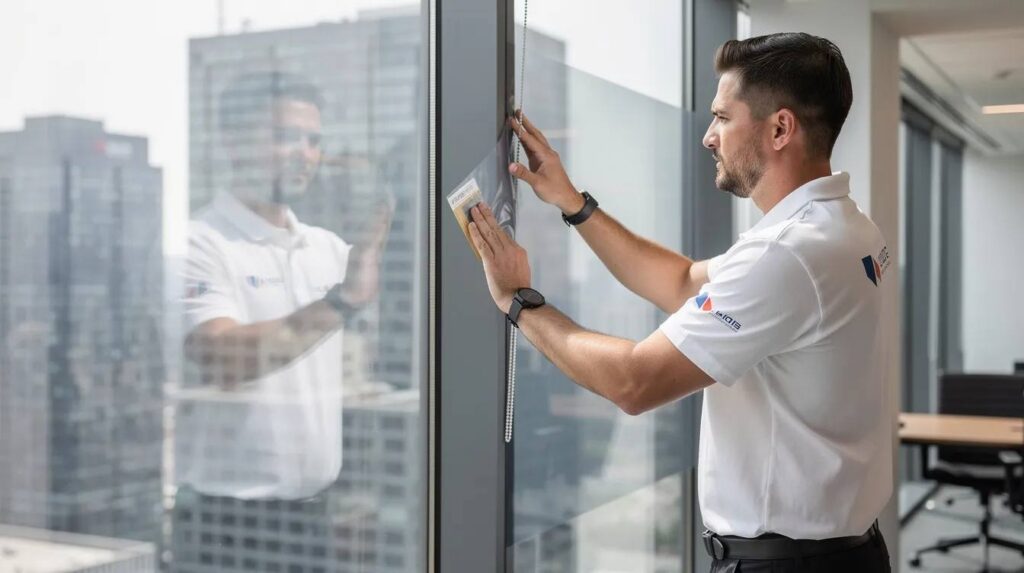
Adhesive-backed films are more permanent and often more durable. Window Film Depot’s process includes consultation, film selection, on-site measurement, surface prep, precise cutting, expert installation, and final inspection. You get cleaner optical clarity, minimized bubbles, consistent appearance across large facades, and manufacturer-backed warranties up to 10–15 years.
Installation quality directly affects appearance and durability of one-way privacy films. For offices, schools, hospitals, or retail chains with multiple locations, professional installation is essential for code compliance, uniformity, and long-term performance.
For a single bathroom window, DIY is fine. For a line of storefront glass or a school campus, you need professional installation – full stop.
How the Window Film Installation Process Works with Window Film Depot
Window Film Depot offers turnkey service across the U.S., from site survey through installation and post-project support, backed by nationwide installation locations and coverage. Here is what to expect.
- Consultation and assessment: We review your goals – daytime privacy, heat reduction, glare control – and assess glass type, orientation, and existing conditions.
- Product selection: We recommend specific one way window films (such as 3M solar control series) matched to performance and aesthetic requirements for your environment.
- Proposal and scheduling: You receive clear pricing, scope, and timeline. We coordinate around business hours or school schedules to minimize disruption.
- Installation day: Our installers thoroughly clean the glass surface, apply the film with professional tools, finish edges cleanly, and leave the space ready to use.
- Post-install review: We provide care instructions, explain curing times, and detail what to expect in the first few days as the adhesive fully sets.
For multi-location retail or institutional roll-outs, Window Film Depot provides centralized project management, consistent film specifications, and national installer coverage – one point of contact for every site.
Common Mistakes and Misconceptions About One Way Window Films
Many online listings and videos oversimplify how one way window films work, leading to disappointed buyers. Here are the mistakes we see most often.
Misconception: One way privacy works 24/7. It does not. As covered above, it is primarily a daytime solution. Anyone who tells you otherwise is selling hope, not physics.
Misconception: All reflective films are “one way.” Some mirrored films may not provide sufficient privacy at certain angles or in mixed lighting. The angle of view, nearby shade from trees, and cloud cover all affect performance.
Installing on the wrong glass type. Putting highly reflective film on incompatible insulated glass units can cause thermal stress and even crack the glass, potentially voiding warranties.
Expecting store-bought film to perform like architectural-grade product. One-way privacy film can be more economical than installing specialized privacy glass, but only when you choose the right quality. Cheap static-cling films do not deliver the same clarity, durability, or heat rejection as professional-grade films.
Installation errors that ruin results:
- Not thoroughly cleaning the glass, leading to visible debris and bubbles trapped under the layer
- Overlapping seams on large panes, creating visible lines unacceptable for storefronts or corporate offices
- Ignoring manufacturer guidelines on glass size, orientation, and climate conditions
The bottom line: consult a specialist before committing to large areas of glass. A bad install costs more to fix than doing it right the first time.
Why Choose Window Film Depot for One Way Window Privacy Film
Window Film Depot is a family-owned company founded in 1992 and based in Marietta, Georgia, with more than three decades of experience across commercial, government, education, retail, and residential projects, as detailed in our company background and history.
What sets us apart:
- Authorized installer for leading manufacturers, including 3M, with access to high-performance solar control, security, and privacy films not available through DIY channels
- National installation network servicing multi-site brands and institutions with consistent standards and single-point project management
- Deep expertise in complex projects: security glazing for schools, anti-graffiti film for transit stations, decorative and branded graphic films for retail environments
- Trained, insured installers who follow building and fire codes – no shortcuts
We do not just sell film. We help you protect your space, control your environment, and maintain the appearance and power efficiency of your building for years.
FAQs About One Way Window Film and Window Privacy Film
Does one way window film work at night?
No. One way window film provides daytime privacy only. At night, when it is dark outside and interior lights are on, the mirror effect reverses. People outside can see in. To maintain privacy in the evening, use blinds, curtains, or shades alongside the film.
Will one way window film make my windows too dark inside?
It depends on the film you choose. Films with higher visible light transmission (40–70%) keep rooms brighter while still offering a degree of privacy. Films with lower VLT (15–20%) provide stronger privacy and more glare reduction but darken the space noticeably. We help you find the right balance for your room.
Can one way window films be installed on all types of glass?
They work best on flat, smooth glass. Heavily textured glass, curved surfaces, and certain older insulated glass units may not be compatible. A professional survey identifies any issues before installation.
How long does privacy window film last?
Professional-grade films typically last 10–15+ years with proper care. Lifespan depends on film quality, sun exposure, and maintenance. DIY static cling films generally last 1–3 years before fading or delaminating.
Is window film removable if I change my mind?
Yes. Professional films can be removed by trained installers without damaging glass. Static cling films peel off even more easily, leaving no residue.
How much does one way window film cost?
Cost varies by film type, access conditions, and project size. Residential DIY films may run a few dollars per square foot. Professional installation for commercial or institutional projects typically ranges from $8–$15+ per square foot for material and labor. Exact pricing depends on the scope – contact us for a detailed quote specific to your project.
Next Steps: Get Expert Help with One Way Window Film
The right one way window film, properly selected and installed, delivers years of daytime privacy, meaningful heat reduction, and UV protection for your facility or home. It is one of the most cost-effective ways to upgrade building performance without replacing your glass.
Ready to take the next step? Window Film Depot serves clients across the United States, from single facilities to national retail chains and institutional campuses.
- Call our team to discuss your project
- Request a quote through our website contact form
- Send your plans or glass schedules for review on upcoming construction or renovation projects
Whether you need a single office covered or a 200-location roll-out managed from start to finish, we have the experience, the product access, and the national reach to get it done right.