Table of Contents:
- Introduction: Why Commercial Glass Security Solutions Matter in 2026
- Commercial Glass Threats: How Attackers Actually Target Your Windows
- Security Glass and Film Options for Commercial Buildings
- Building Codes, Safety Standards, and Liability Considerations
- Retrofit vs. Replacement: How to Upgrade Existing Commercial Windows
- Multi-Functional Benefits: Security, Energy Savings, and Occupant Comfort
- FAQs About Commercial Glass Security Solutions
- Why Choose Window Film Depot for Commercial Glass Security
Introduction: Why Commercial Glass Security Solutions Matter in 2026
Commercial glass is one of the most exploited vulnerabilities in building security today. From retail storefronts and school vestibules to healthcare facilities and government buildings, most forced entry events and smash-and-grab thefts begin at the glass-not at locks or alarm panels. The civil unrest waves of 2020–2024, rising retail theft, and growing active threats in public-facing buildings have made this reality impossible to ignore.
This guide covers practical, modern commercial glass security solutions for commercial buildings, with emphasis on retrofitting options like security film and glazing upgrades that avoid full window replacement. Window Film Depot, a national installer specializing in security glazing since 1992, has built this resource around real project experience across retail chains, schools, and government facilities. You’ll learn how common threats actually play out, which glass solutions match which risk levels, what building codes require, and how these upgrades integrate with your existing commercial security plan-including access control, alarms, and cameras.
Commercial Glass Threats: How Attackers Actually Target Your Windows
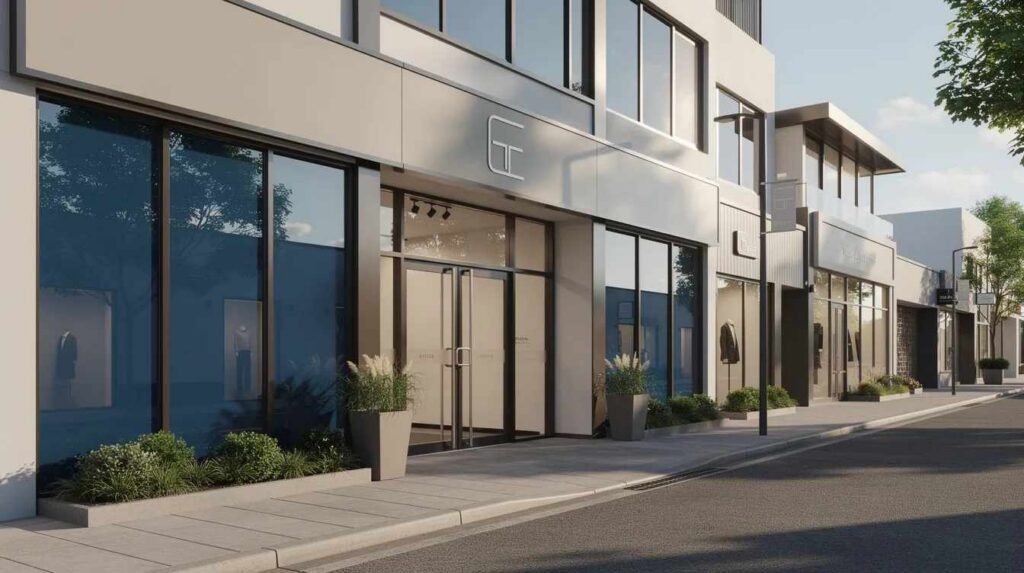
Attackers target commercial glass because it offers speed, minimal tools, and the ability to gain access before alarms trigger or security responds. Threat profiles vary by commercial property type, but the common threats are remarkably consistent across regions.
Forced entry remains the most frequent scenario. Most break-ins start with a rock through a window-unprotected glass can be breached in seconds, giving intruders access before anyone responds. Standard glass on glass doors and storefronts offers almost no resistance to a brick or hammer.
Smash-and-grab thefts are common in retail facilities, especially jewelry stores, electronics outlets, pharmacies, and cannabis dispensaries. Attackers exploit the fact that standard glass and even tempered glass shatter quickly, allowing them to reach high-visibility merchandise and leave within moments.
Vandalism can leave storefronts shattered and unprotected-a pattern seen repeatedly during the 2020–2024 unrest, where dense urban corridors faced recurring board-up costs and lost revenue. Ballistic threats are a growing concern for public-facing buildings such as schools, courthouses, and healthcare facilities, where windows are now part of formal risk mitigation plans alongside access control systems that help manage entries and eliminate risks from lost keys. Roll-down security shutters provide strong after-hours defenses for storefronts, but they don’t address daytime vulnerability, which is better mitigated with window protection film solutions that reinforce glass against forced entry and vandalism.
These real-world scenarios underscore that alarms and cameras react after damage. Layered commercial glass security solutions that delay, deny, or deflect attacks are essential to meaningful physical protection.
Security Glass and Film Options for Commercial Buildings
Today’s commercial security windows can be achieved through several material systems, each suited to different types of threats and budgets, supported by a wide range of window glass film products and brands. Effective commercial glass security solutions include reinforced windows and high-strength retrofits matched to your threat level.
| Solution | Best For | Key Limitation |
|---|---|---|
| Laminated safety glass | Storefronts, glass doors, partitions | Heavier; less ballistic protection alone |
| Tempered safety glass | Code-required safety locations | Minimal forced entry resistance |
| Bullet-resistant glazing | Banks, government buildings, high-risk retail | Thick, heavy, high cost |
| Glass clad polycarbonate | High-threat ballistic environments | Requires deeper framing systems |
| Security window film + attachments | Retrofit forced entry resistance | Not rated for ballistic protection |
| Polycarbonate panels | Transaction windows, vestibules | May reduce optical clarity |
Laminated glass holds together when broken, enhancing safety by keeping shards bonded to its interlayer. Polycarbonate security glass resists forced entry and impacts and is harder to break than tempered glass. Glass-clad polycarbonate offers ballistic resistance for high-threat environments, while acrylic is suitable for low- to moderate-threat environments where cost matters. Laminated polycarbonate is ideal for forced entry resistance in school vestibules and transaction barriers.
Bullet resistant glass meets UL 752 standards for security, ranging from Level 1 (three 9mm handgun rounds) through Level 8 (five 7.62mm rifle rounds). Typical thickness ranges from 20–25mm for handgun threats up to 50–60mm or more for rifle-rated panels. Bullet-resistant glass is essential for high-risk environments like federal facilities or banks.
Security film delays forced entry but lacks ballistic protection compared to BulletShield retrofit ballistic window glazing systems. However, when Window Film Depot applies 3M safety and security films with structural attachment systems to existing glass, the combination can meaningfully slow intruders and reduce flying glass hazards. Multiple glass security solutions can be combined for better protection-for example, existing tempered storefront glass with security film and mechanical anchors creates cost-effective forced entry resistance without full replacement. Backglazing reinforces security without replacing existing windows, using interior panels mounted behind existing glazing as an invisible shield.
Building Codes, Safety Standards, and Liability Considerations
Commercial glass security solutions must comply with safety standards and building codes to protect occupants and reduce liability, while also leveraging commercial window tinting and film installations for added energy savings and comfort. Commercial glass services help meet strict safety standards when products carry proper third-party certification.
Key standards affecting commercial glass include:
- ANSI Z97.1 and CPSC 16 CFR 1201 – safety glazing for human impact near doors, floors, and stairwells
- International Building Code (IBC) – hazardous location requirements, fire-rated glass zones, and occupancy-specific mandates
- UL 752 – bullet-resistant glazing levels (now using UL-HG, UL-RF, and UL-SG designations in the 12th edition)
- ASTM F1233 and ASTM F3561 – forced entry and simulated active shooter resistance
Local building codes dictate where safety glass is mandatory in commercial buildings, and renovations or change of use can trigger new requirements. Since 2022, several states and school districts have adopted guidelines referencing forced entry resistance at entry vestibules-Delaware’s HB49 is one example.
Properly installed glass can deter unauthorized access, but untested or poorly anchored products expose owners to legal risk if glass fails during an incident. Routine inspections can identify weaknesses in glass structures before they become liabilities. Early coordination with architects, security consultants, and code officials helps ensure both compliance and performance-especially in complex or historic buildings. Always confirm your installer is qualified and insured.
Retrofit vs. Replacement: How to Upgrade Existing Commercial Windows
Most commercial properties need to improve security on existing glass without shutting down operations, often by leveraging a broad portfolio of 3M window film products and professional installation services. Commercial glass services enhance building security and safety through several approaches:
Full replacement means removing existing glazing and installing new commercial security windows with laminated or ballistic glass and reinforced framing systems. This suits major renovations, new construction, or end-of-life windows where existing glazing can’t support retrofit solutions.
Retrofit security film is the primary lower-disruption approach, typically delivered by a specialized 3M window film installation company for commercial properties. Window Film Depot applies 3M safety and security films to existing commercial glass, paired with attachment systems that tie film to the frame for enhanced forced entry resistance. This is the most popular retrofitting option for retail spaces, schools, and healthcare facilities.
Secondary glazing uses polycarbonate or laminated panels mounted behind existing windows-effective for pharmacies, government buildings, and high-risk lobbies where exterior replacement isn’t practical.
A typical Window Film Depot project follows this process for commercial window film installation projects in markets like Washington, DC, and nationwide:
- On-site security assessment and glazing inventory
- Identification of vulnerable locations and threat level
- Product recommendations matched to risk and budget
- Mock-ups for stakeholder review when needed
- Phased installation around operating hours
- Final testing and documentation for code officials
For a small retail storefront, installation typically completes in a single day. Multi-building school districts or hospital wings are phased over nights and weekends to minimize disruption.
Choose film-only for moderate risk, film plus attachments for higher forced entry resistance, secondary glazing for high-threat commercial applications, or full replacement when framing and existing glass are beyond salvage.
Multi-Functional Benefits: Security, Energy Savings, and Occupant Comfort
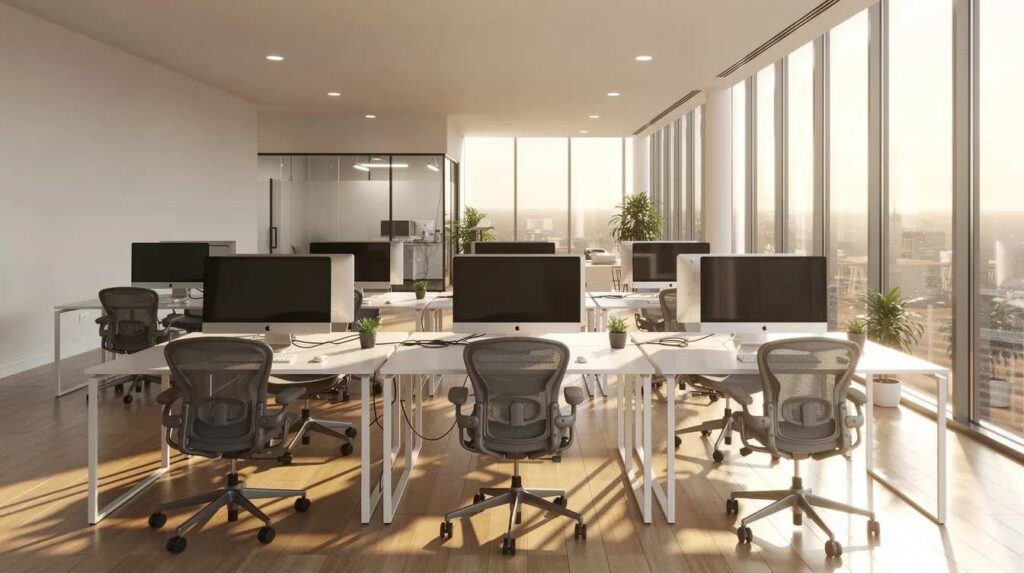
Modern commercial glass security solutions deliver value beyond impact resistance, especially when paired with professional 3M window film installation for security, solar control, and privacy. The global market for glass services is expected to reach $15 billion by 2025, driven partly by these multi-functional benefits.
Security glazing reduces heat transfer by insulating layers and, when combined with solar control coatings, can meaningfully cut peak cooling loads and support energy efficiency targets. Glass security solutions often help reduce noise and block UV rays simultaneously. Security glazing can significantly reduce noise levels indoors-a meaningful upgrade for buildings near highways, rail lines, or airports. UV filtering in security glazing protects interiors from fading of merchandise, flooring, and furnishings across high-exposure commercial spaces.
For employees and customers, reduced glare and more stable temperatures improve comfort and productivity. Privacy films can shield sensitive operations or high-value inventory from high-visibility exterior views without sacrificing natural light.
Security glazing can increase property value and rental rates-buildings with upgraded commercial security windows attract tenants with strict security policies, from banks to government agencies. These layered benefits improve payback calculations: energy savings and reduced glass replacement costs offset upfront investment over the long-term performance of the building.
FAQs About Commercial Glass Security Solutions
These FAQs address the most common questions from facility managers, retail loss prevention teams, and school or government administrators evaluating security measures.
How do I know what level of glass security my commercial property needs?
Assess your risk based on location, local crime data, business type, and whether you handle cash, pharmaceuticals, or sensitive data. A formal risk assessment-often in coordination with law enforcement or a security consultant-maps which openings are most vulnerable and what threat level to design for.
Is security window film enough, or do I need bullet-resistant glass?
Security film is ideal for forced entry delay, smash-and-grab mitigation, and injury reduction from flying glass. It does not stop bullets. When ballistic threats are a defined risk, bullet-resistant glazing rated to UL 752 or glass-clad polycarbonate systems are required for ballistic protection.
Can I upgrade glass security without changing the appearance of my building?
Yes. Clear safety and security films and interior secondary glazing are virtually invisible from the street. Even laminated glass solutions with modern interlayers preserve aesthetic appeal and existing storefront branding.
How long does installation usually take for an average commercial building?
A small retail store with a few glass units can be completed in one day. Larger projects-schools, hospitals, multi-site retail-are phased over nights or weekends, sometimes spanning several weeks. Window Film Depot stages work to minimize disruption to your operations.
Will commercial glass security solutions affect my building’s natural light?
Clear safety films maintain 70–80% or higher visible light transmission. Laminated glass with modern PVB or ionoplast interlayers is highly transparent. Tinted or reflective options are available where solar control is also a priority-these are selected strategically, not applied blanket-fashion.
Do commercial glass security upgrades help with insurance or compliance?
Many insurers view professionally installed, standards-documented security glazing favorably in underwriting. Upgrades also support compliance with internal corporate security policies, school safety mandates, and grant requirements. Proper documentation from a qualified installer is key.
Why Choose Window Film Depot for Commercial Glass Security
Window Film Depot has been delivering commercial glass security solutions since 1992-a family-owned company with national reach and deep expertise across different types of commercial buildings, from single retail spaces to Fortune 500 corporate campuses.
As a specialized window film and architectural surface solutions provider, Window Film Depot offers 3M safety and security films, advanced security glazing, anti-graffiti films, and custom graphics. This means you get a single source that can protect and brand your commercial property in one project, maintaining a secure and polished appearance.
What sets Window Film Depot apart:
- Turnkey project management for multi-site rollouts with consistent quality
- Nationwide installation teams experienced with building codes and facility protocols across states
- Deep retrofit expertise – assessing glass types in older buildings, designing attachment systems, and working around your operating hours
- Decades of experience with federal, state, education, and healthcare clients
Window Film Depot doesn’t just sell film-we assess your risk, recommend the right solution for each opening, install to recognized standards, and provide the documentation your code officials and insurers require.
Ready to enhance the security of your commercial property? Contact Window Film Depot for a site assessment, security glazing consultation, or budgetary quote tailored to your building’s risk profile and operational needs. The right glass solutions start with the right partner.