Table of Contents:
- Introduction: Why Retail Window Film Matters in 2026
- Types of Retail Window Film and Where Each Works Best
- 3M Window Films for Retail: Comfort, Security and Energy Savings
- Core Business Benefits: Security, Energy Efficiency, and Customer Experience
- Creative Retail Applications: Custom Graphics, Branding and Seasonal Campaigns
- Real-World Retail Examples and Outcomes
- How to Choose the Right Window Film and What to Expect from Installation
- Compliance, Local Codes and Landlord Requirements
- FAQs About Retail Window Film
- Why Choose Window Film Depot for Your Retail Window Film Project
- Conclusion and Next Steps
Introduction: Why Retail Window Film Matters in 2026
Every retailer with street-facing glass knows the problems: solar heat turning the front of the store into an oven, merchandise fading near windows, glare washing out POS screens and digital signage, and the ever-present risk of after-hours smash-and-grabs. Fixing these issues with full glass replacement or façade renovation means big money and long timelines most budgets cannot absorb.
Retail window film offers a different path. These are thin, retrofit polyester or nano-ceramic films professionally applied to existing storefront glass to improve performance, security, and branding. Window film can address high energy bills or uncomfortable temperatures without structural work. In 2026, national and regional retailers are adopting window films as part of building envelope upgrades to meet tighter energy codes, ESG goals, and loss-prevention strategies.
Window Film Depot, a family-owned company founded in 1992 and based in Marietta, Georgia, has been installing commercial window films nationwide for over three decades, with deep experience in retail roll-outs for malls, big-box stores, and boutiques. This guide covers types of films, how security window film works, where custom graphics fit in, expected energy savings, real store examples, and what to budget.
Types of Retail Window Film and Where Each Works Best
Not all window films solve the same problem. Each category targets a different storefront challenge, from heat and safety to branding and privacy. Common types of commercial window films include solar control, security, and decorative films.
Here are the main categories:
- Solar control / energy-saving films – Cut solar heat gain, reduce cooling load, and stabilize temperatures in south- and west-facing storefronts, especially in hot climates like Texas, Florida, Georgia, and Arizona. Solar control films help significantly reduce infrared light while still letting sunlight and natural light into the space.
- Security window film – Multilayer, thicker films (typically 4–15 mil) designed to keep glass intact under impact. Security films hold glass together if it breaks, enhancing safety and mitigating smash-and-grab theft, forced entry, spontaneous glass breakage, and storm damage. A popular choice for jewelry, electronics, cannabis, and pharmacy locations.
- Privacy and decorative films – Frosted films mimic the look of etched or sandblasted glass at a fraction of the cost. Privacy films provide a sense of privacy while allowing natural light, making them ideal for fitting rooms, clinic areas inside retailers, and street-level glass. Frosted films can limit visibility while maintaining light entry.
- Anti-graffiti films – Sacrificial layers applied to exterior glass in high-traffic urban environments. Anti-graffiti films are sacrificial layers that can prevent vandalism to glass. When tagged or scratched, crews peel off the damaged layer and replace it, protecting expensive glass underneath.
- Custom graphics films – Printed or perforated films that turn windows into branding tools. Perforated films allow visibility inside while displaying graphics outside, and one-way vision films allow visibility from inside only.
UV protection films block up to 99% of harmful rays, a feature available across solar control and security categories to protect merchandise from fading due to sunlight exposure.
3M Window Films for Retail: Comfort, Security and Energy Savings
Window Film Depot is a leading 3M Authorized Dealer and installer. 3M’s retail-focused lines are engineered for both performance and visual clarity, making them a strong fit for retailers who need results without compromising storefront appearance.
Solar control options like the 3M Prestige Series sun control films use spectrally selective technology to reject up to 97% of infrared light while maintaining visible light transmission as high as 70%. High-quality films allow natural light into the store while controlling glare and heat. That means storefronts stay bright and inviting instead of dark or mirror-like. Solar control films can reduce energy costs by lowering heat gain, and energy-saving films reduce reliance on air conditioning. Typical HVAC savings range from 5–15% on total cooling costs in glass-heavy stores, with payback periods often in the 2–5 year range depending on orientation and climate.
Safety and security films from 3M, such as 3M Scotchshield Ultra Series, come in thicknesses from 8 to 15 mil and are combined with attachment systems that anchor film to the window frame. This combination delays forced entry long enough for alarms and law enforcement response, which is why national retail security teams frequently request it. Storefront window film blocks up to 99% of UV rays in these configurations as well.
Decorative and privacy films span a wide catalog of frosted, gradient, and patterned options, giving the appearance of etched glass at significantly lower cost, with multiple types of decorative glass film available for both interior and exterior applications. Films are rigorously tested for shatter performance, UV rejection, and long-term durability, which is critical for multi-site portfolios planning 7–10+ years of service life. Energy-saving films reduce indoor heat and cooling costs across every location in a portfolio.
Core Business Benefits: Security, Energy Efficiency, and Customer Experience
The same retail window film upgrade can simultaneously improve loss prevention, utility costs, brand perception, and shopper comfort.
Security and loss prevention. Safety films can deter theft and reduce risks from weather, and specialized window protection film solutions can further reinforce glass against forced entry and impact. When glass is struck, security film keeps it from collapsing into an easy opening, preventing flying glass shards from injuring employees or customers. Holding glass in place after impact means thieves can no longer grab and go within seconds, supporting corporate risk-mitigation policies.
Energy efficiency and operating cost control. Solar control films, including 3M Prestige Exterior sun control films, eliminate hot spots near windows, cut complaints from cashiers or associates standing by the glass, and reduce energy costs substantially. Studies have documented perimeter HVAC savings of up to 29% compared to untreated single-pane glass. Solar control film reduced a retail chain’s cooling costs significantly in documented Southeast U.S. deployments. Businesses can recover window film costs through energy savings over a predictable timeline.
Merchandise protection. Blocking up to 99% of UV protects apparel, wood fixtures, printed signage, flooring, and packaging from fading, extending the life of visual merchandising investments, and many 3M commercial window films carry long-term warranties that back this performance. Retail window film can protect merchandise from fading due to sunlight exposure, saving money on display turnover.
Customer comfort and dwell time. Storefront window tinting and retail window film can improve customer experience by minimizing glare on digital signs and displayed merchandise, creating a comfortable environment that encourages longer visits. Retailers in cafés, salons, restaurants, and showrooms see particular benefits.
Brand image. Window films enhance storefronts with a polished appearance and can create a modern, high-end appearance for businesses compared with mismatched blinds or taped paper. Window film can enhance curb appeal and branding across every location in a chain, and a wide range of window film products and brands makes it easier to standardize that look.
Creative Retail Applications: Custom Graphics, Branding and Seasonal Campaigns
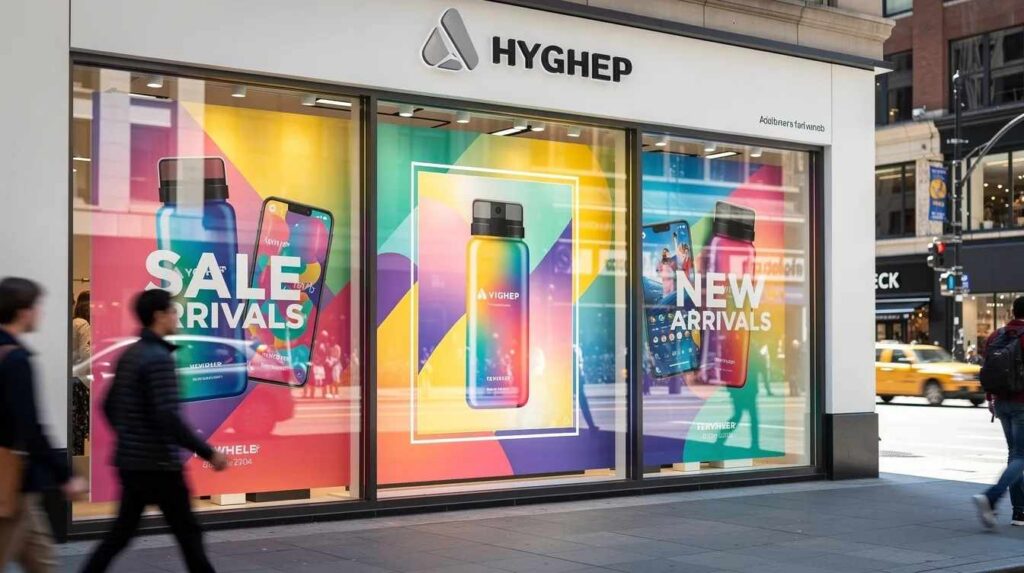
Retail windows are high-value real estate for branding and storytelling. They face passersby all day, every day. Companies can use decorative films for branding and promotions, turning glass into a large-format canvas, while day and night privacy window films provide consistent privacy in fitting rooms, treatment areas, or back-of-house spaces.
Custom graphics on window films attract more attention from passersby than static signage, drawing on the same families of decorative and custom window graphics films used in interior architecture. Full-color printed graphics can showcase logos, hero products, and promotional messaging while perforated window films allow staff inside to maintain visibility outward. Decorative films can improve branding and curb appeal for retail stores of any size.
A combination of multiple film types can help achieve various goals in retail environments. For example, a clear energy-saving film applied directly to the glass with a branded graphic installed over select portions of the window gives both performance and aesthetics. Decorative films can add aesthetic value without permanently altering glass, and they can give older buildings a fresh look without renovation.
Seasonal and temporary films work well for holiday windows, back-to-school, or Black Friday campaigns, and Window Film Depot’s wholesale and custom solutions make it easier to source and deploy these across multiple locations. These short-term films install and remove cleanly without damaging underlying glass or permanent films. For designers and marketing teams, plan for sightlines, check local code compliance on coverage percentages, and request color-managed printing so brand colors remain consistent across every location.
Window Film Depot can manage national campaigns, coordinating custom graphics printing and synchronized installation across dozens or hundreds of stores by a specific date through its nationwide installation network.
Real-World Retail Examples and Outcomes
Results vary by store type and climate. Here are three concise scenarios that illustrate practical outcomes.
Boutique apparel store. A small boutique on a busy main street applied frosted film with subtle custom graphics for fitting room privacy, plus clear UV/solar film on front windows to protect fabrics. Staff reported fewer complaints about glare, and merchandise turnover due to sun damage dropped noticeably. The store’s appearance improved with consistent, professional glazing treatments that replaced mismatched paper signs.
National chain energy savings. A chain of 50 locations across the Southeast installed 3M solar control film on west-facing glass. Within the first cooling season, stores reported an estimated 8–12% reduction in annual cooling costs and more even temperatures. Employees near windows experienced fewer hot spots, and thermostat settings across zones became more balanced, saving money on utilities.
Urban electronics retailer security. A city-center electronics store installed 3M security window film designed to prevent shattering and intrusion with a frame-anchoring system after repeated smash-and-grab attempts. In subsequent incidents, glass cracked but remained intact, and merchandise stayed protected behind the filmed glazing. The investment reduced risk and lowered the store’s insurance exposure.
How to Choose the Right Window Film and What to Expect from Installation
Selecting the right window film is part technical and part strategic. Glass type, climate, orientation, security priorities, branding goals, budget, and lease terms all factor into the decision.
Key selection factors:
- Glass type and width (single pane vs. insulated, annealed vs. tempered)
- Interior vs. exterior film placement
- Existing glare and heat levels
- Desired visible light transmission and tint
- Corporate security or insurer requirements
Window films should be compatible with specific glass types to avoid damage, particularly thermal stress on tinted or dual-pane glass, and selecting the right window protection system is part of that specification process.
Budget and ROI. Decorative films cost less per square foot than advanced solar or security films, but the investment calculation should weigh upfront cost against long-term energy savings, theft reduction, and fewer merchandise replacements, particularly when working with an experienced 3M window film installation company that can model payback. Most retailers treat this as a capital improvement with measurable payback.
Window Film Depot’s process for a retail project typically includes site survey or remote plan review, energy and security assessment, product recommendations with sample viewing, proposal and phasing by store or region, and coordinated installation.
Installation day. Most single-storefront installations finish within a day or overnight, scheduled outside peak trading hours. Crews protect fixtures and displayed merchandise while working. Professional installation ensures a smooth finish and longevity, while DIY installation can lead to bubbles and uneven edges that undermine both appearance and performance.
Maintenance. Cure time varies by film thickness: thinner films achieve full optical clarity within about 30 days, while thicker security films may take 60–140 days. Use a soft cloth and mild soap for cleaning window films. Most high-quality films last between 10 and 15 years, and window films can be removed without damaging the glass when it is time to update, but for sensitive areas you may want window film designed specifically for nighttime privacy that will look consistent over the product’s lifespan.
Compliance, Local Codes and Landlord Requirements
Many municipalities, shopping centers, and historic districts regulate how much of a window can be covered and how dark or reflective storefront glass can appear. Ignoring these rules leads to costly rework.
Common restrictions include limits on overall window coverage for signage, bans on mirror-like reflective films in certain downtown corridors, and requirements to maintain visibility into the property for safety, which is why true day-and-night privacy films are often specified instead of highly reflective tints. Mall operators and REITs often set design criteria for street-facing glass, such as no opaque film above a certain height.
Professionally specified window films can usually meet code requirements for visible light transmission and reflectivity while still delivering energy savings, privacy, or branding, especially when they’re installed by a national 3M window film installation company familiar with regional codes. Daytime privacy can be provided through reflective films that still comply with local standards.
Window Film Depot routinely works with facility managers, architects, and code officials to pre-approve film specs before rollout, whether for a single market such as Washington, DC commercial installations or for nationwide programs. Collect any signage guidelines, façade standards, or historic district requirements before requesting a quote so the project can be designed for smooth approval.
FAQs About Retail Window Film
Below are the questions retail owners, facility managers, and franchisees ask most often before moving forward.
How long does retail window film typically last?
Storefront window film can last between 10 and 15 years for quality interior-installed solar and security films, with proper care. Exterior-applied films in harsh climates may have a slightly shorter lifespan. 3M-backed warranties and professional installation from Window Film Depot help ensure films perform as expected over the long term.
Will window film make my store too dark or change the look of my storefront?
Modern spectrally selective films significantly reduce heat and UV while remaining very light and non-reflective, preserving product visibility and street appeal. Tint levels and film finishes (clear, tinted, frosted, patterned) are customizable to align with brand standards and landlord criteria. Retail window film can enhance the overall storefront appearance rather than diminish it.
Can I combine energy-saving film with custom graphics or branded designs?
Yes. Typically, a performance film goes directly on the glass and a removable custom graphic installs over part of the window. Window Film Depot’s team coordinates with brand and design agencies to ensure both aesthetics and performance are achieved without compromising warranties.
How much does retail window film cost, and what affects pricing?
Pricing depends on glass area, film type (decorative vs. security vs. advanced solar), access conditions, and whether work happens during or after business hours. Factors like building height and curved or irregular panels also affect cost. Most retailers view the project as a capital investment with payback derived from energy savings, reduced theft, and longer-lasting merchandising.
Will installation disrupt my store operations?
Most projects can be scheduled during slower hours, early mornings, or overnight. Crews work around fixtures and displays to minimize downtime. Disruption is typically limited to the immediate window area being treated, and Window Film Depot coordinates with store managers to protect merchandise and maintain a safe environment throughout the process.

Why Choose Window Film Depot for Your Retail Window Film Project
Window Film Depot brings over 30 years of experience delivering turnkey window film solutions for national retailers, franchises, offices, and independent stores across the United States. The company can handle multi-state, multi-location roll-outs with consistent specs, project management, and quality control, which is critical for chains and corporate portfolios.
As a 3M Authorized Dealer and installer, Window Film Depot gives clients access to industry-leading solar control, security, decorative, and graphics films backed by manufacturer warranties. The team specialize in retail operations, from working in open stores to coordinating with corporate facilities, loss prevention, and marketing teams.
Additional capabilities include security glazing upgrades, anti-graffiti programs, architectural surface finishes, and wholesale film supply for glass and glazing partners who support regional retailers, including retail window film and graphics installation in Dallas/Fort Worth. A proven track record with government, commercial, and institutional clients demonstrates reliability, accuracy, and technical competence that retailers can browse and verify through Window Film Depot’s product and brand portfolio.
Conclusion and Next Steps
Retail window film transforms existing glass into a strategic asset, improving safety, energy efficiency, and branding without major construction. The right window film helps retailers achieve measurable results from the tools already in their building envelope.
Rising energy costs, increased concern about storefront crime, pressure to protect merchandise, and the need to keep storefronts visually compelling are driving retailers to act now. Installing the right solution means working with a company that understands both the technical and operational sides of retail.
Contact Window Film Depot for a site assessment or portfolio review. Upload store photos or plans for a remote consultation, or request a quote for security window film, solar control film, or custom graphics. Start with your highest-heat or highest-risk locations for the fastest impact. Visit the Window Film Depot website to take the next step.