Table of Contents:
- Introduction: Why Home Window Film Matters in 2026
- How Home Window Film Works and the Benefits You’ll Notice First
- Types of Home Window Films and Where Each One Works Best
- DIY vs Professional: How to Install Window Film the Right Way
- Renter-Friendly Window Film and Temporary Solutions
- What to Consider Before Choosing a Window Film
- Common Mistakes to Avoid with Home Window Film
- Why Choose Window Film Depot for Your Home or Small Building
- FAQs About Home Window Film and Window Tint
- Next Steps: Talk to a Window Film Expert
Introduction: Why Home Window Film Matters in 2026
Home window film has moved from a niche product to a mainstream solution as energy costs climb and summers grow more intense across the U.S. From record-breaking heat waves in Phoenix and Atlanta to rising electricity bills in Florida and Texas, homeowners and building managers are looking for ways to keep indoor spaces comfortable without replacing every window in the building.
A home window film is a thin, retrofit layer-typically polyester-based with optical coatings-applied to the inside of existing smooth glass. It can reduce glare, block harmful UV rays, improve privacy, strengthen security, and cut cooling costs, all without the disruption or expense of new windows. Unlike curtains, blinds, or shades, window tint works at the glass surface itself, addressing the root problem rather than masking it.
In this guide, you will learn how window films work, which types solve which problems, how to install window film yourself versus hiring a professional, what renter-friendly options exist, and how Window Film Depot supports residential and light commercial projects nationwide. Whether you want to keep your home cool on a south-facing wall or protect furniture from fading, the right film delivers measurable payback-often within three to five years for sun-exposed homes.
How Home Window Film Works and the Benefits You’ll Notice First
Modern window films are engineered layers of polyester, ceramic, or metalized coatings and adhesives designed to upgrade your existing glass. When applied to the inside surface of a window, these layers selectively filter portions of the solar spectrum, blocking infrared heat and UV radiation while allowing the natural light you actually want.
Here are the core benefits homeowners notice first:
- Solar heat control. High-quality films can significantly reduce energy consumption by blocking solar heat and UV rays. Premium spectrally selective films reject up to 97% of infrared light, making a sun-drenched room noticeably cooler without darkening it. Home window films improve energy efficiency by reflecting solar heat in summer, and they also help retain indoor heat during winter, meaning window films can reduce energy costs year-round.
- Glare reduction. Window films reduce glare for more comfortable living spaces. Screens, TVs, and monitors become readable in bright rooms without having to close blinds or shades every afternoon.
- UV protection. Window films block 98% of harmful uv rays, dramatically slowing the fading of hardwood floors, artwork, and furniture. Heat-rejecting films also help maintain indoor temperatures year-round, contributing to steadier comfort across seasons.
- Privacy. Window films enhance privacy without blocking natural light. Whether you choose a one-way reflective film for street-facing windows or a frosted film for a bathroom, your space stays bright while the view from outside is obscured.
- Safety and security. Safety and security films are thicker and designed to hold glass together if broken, helping protect against break-ins and accidental impact on ground-floor windows and glass doors.
Films range from nearly clear options that preserve your view and keep interiors bright to darker tints ideal for media rooms. Professionally installed films are designed to last 10–15 years or more in residential settings, with manufacturers like 3M offering limited lifetime warranties covering peeling, bubbling, and discoloration when applied by an authorized installer.
Types of Home Window Films and Where Each One Works Best
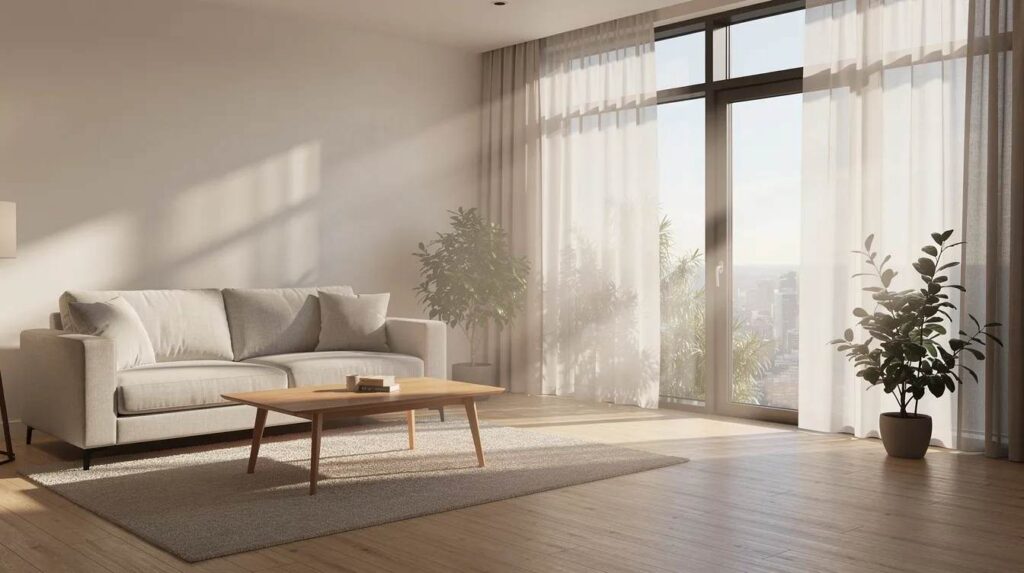
Not all window films are the same, and choosing the right type matters more than simply selecting the darkest tint on the shelf. Here is how the main categories break down:
- Solar control and heat-rejecting film. Solar control films are ideal for south- and west-facing windows to reduce cooling costs. These films target infrared heat while maintaining visible light transmission, keeping your living room, sunroom, or west-facing bedroom comfortable. Visible light transmission ranges from about 15% for heavy tints to 70–80% for spectrally selective options that look nearly clear.
- Privacy window films. Reflective films provide excellent daytime privacy while allowing visibility outside, making them a perfect solution for street-facing rooms. For 24-hour coverage, frosted films provide complete obscuration while allowing diffused light-ideal for bathrooms, bedrooms, and entry doors. Privacy films can obscure interior views while allowing light to pass through.
- Security and safety films. Measured in mils (thousandths of an inch), these films range from 4 to 20+ mil thickness. An 8-mil film can meet ANSI Z97.1 safety glazing criteria, while 14-mil films paired with attachment systems approach forced-entry protection levels. They are commonly used on ground-floor windows, sidelights, and glass doors.
- Decorative and architectural films. Decorative window films for interior and exterior glass can enhance aesthetic appeal and privacy. Available in pattern, gradient, and custom designs, they add style to home offices, glass partitions, and front doors while diffusing light in a beautiful way.
- Low-E and insulating films. Low-emissivity (Low-E) films can improve insulation and energy efficiency, making them a strong solution for older single- or double-pane windows that lack factory Low-E coatings. Window film can help reduce heating and cooling costs by minimizing heat transfer through the glass.
- Anti-graffiti films. These sacrificial exterior layers protect against scratching and tagging on street-level glass. When damaged, the film is removed and replaced instead of the glass itself.
When you select a film, tie the desired outcome-a cooler room, better privacy, stronger security-to the right category. Note that some films are designed for specific glass types (double-pane, low-E coated), and manufacturer compatibility should always be confirmed before purchase.
DIY vs Professional: How to Install Window Film the Right Way
Static-cling and adhesive films sold in pre-cut rolls make DIY projects accessible for small windows and temporary needs. For whole-home performance upgrades, professional installation ensures correct film selection, warranty coverage, and long-term quality.
Basic DIY Process
- Clean the glass thoroughly with a non-ammonia cleaner and use a razor scraper to remove any paint, glue, or debris from the surface.
- Measure the window and cut the film slightly larger than the pane to allow overlap for trimming.
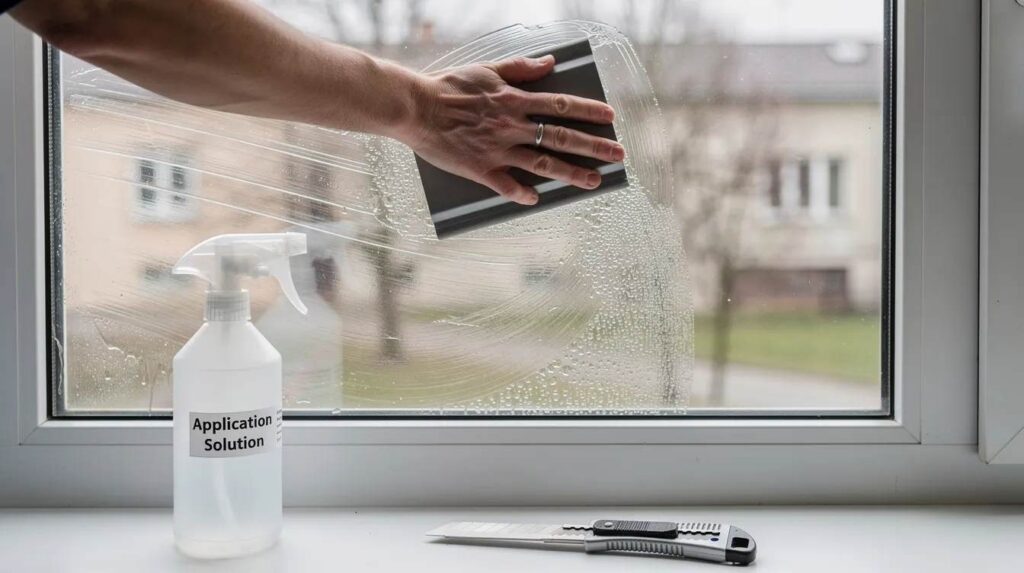
- Fill a spray bottle with water and add a few drops of baby shampoo or dish soap to create a slip solution.
- Wet the glass, peel the film’s liner, and apply the film from the top down. Use a squeegee from the center outward to push out bubbles and excess water.
- Trim the edges with a sharp utility knife. Allow 7–30 days of curing time before judging final appearance-some haze is normal during this period. Follow the manufacturer’s instructions for first cleaning, and note that abrasive tools or ammonia-based cleaners can damage the film.
When Professional Installation Is the Right Step
- Large picture windows, high or hard-to-access glass, and multi-story homes where safety and precision matter.
- Security glazing projects that must be tested and meet building codes, school standards, or government specs.
- Homes with insulated or low-E glass, where the wrong film choice can cause thermal stress cracks or seal failure.
Window Film Depot’s process follows a clear order: on-site or virtual consultation to identify hot spots, fading, and privacy concerns; 3M window film product selection and installation with performance modeling for energy savings and glare metrics; scheduled installation with furniture protection and minimal disruption; and post-installation inspection with care instructions so you know exactly how to maintain results.
Renter-Friendly Window Film and Temporary Solutions
If you live in an apartment or rented home, permanent window tint may not be an option without written permission from your landlord. Fortunately, renter-friendly films exist that let you solve comfort and privacy problems without risking your security deposit.
What makes a film renter-friendly:
- Static-cling and non-adhesive films stick to glass using static charge alone. Static cling window films leave no residue when removed, so there is nothing to clean up at move-out.
- These films do not permanently alter or etch glass, making them generally acceptable under standard U.S. lease terms-though you should always check your specific lease language before you install.
Practical tips for renters:
- Use privacy film on street-facing windows and bathroom glass to block the view inside while allowing natural light.
- Choose light-transmitting films that keep a rental bright rather than dark tints that make a small space feel smaller.
- Before move-out, simply peel the film from a corner and remove it. No special tools required-just watch for any trapped moisture and wipe the glass clean.
- Pre-cut rolls (such as 17.5 × 78.7 inch sizes commonly sold online) work well for standard windows. For larger or custom panes, consider having film cut to size.
- Property owners and multifamily managers can work with Window Film Depot to establish bulk film standards so tenants use approved products that contribute to building-wide comfort and a consistent look.
Permanent, high-performance solar or security films are better suited to property owners, but even renters benefit from the comfort and protection that a simple static-cling film provides.
What to Consider Before Choosing a Window Film
Choosing the right window film depends on factors such as location and desired benefits. A quick checklist can help you navigate the options and prevent costly mistakes:
- Orientation and climate. South- and west-facing glass in hot states like Georgia, Texas, Arizona, and Florida absorbs the most solar energy. Investing in film on these exposures yields the fastest payback. Northern climates still benefit, especially from Low-E films that reduce heat loss in winter.
- Glass type. Single-pane, double-pane, tempered, annealed, and existing Low-E coatings all affect which film is safe to use. Installing window film can preserve existing warranties on insulated glass when the correct product is specified.
- Desired appearance. Neutral, reflective, or tinted-each changes how your home looks from the street. Consider your interior design and whether the film complements your style.
- Privacy expectations. Understand how one-way mirror films rely on light balance: they work when the sun is brighter outside, but daytime privacy films often lose effectiveness at night when interior lights are on. For nighttime needs, the best window films for consistent privacy after dark are typically frosted or decorative options rather than standard reflective tints.
- Local codes and HOA rules. Many HOAs restrict visible reflectivity or the darkness of window film. Always check CC&Rs and local building codes before you select a product.
- Budget and payback. A small DIY project might run under $100. A whole-home professional installation typically falls in the low-to-mid four-figure range depending on square footage, with high-quality films often paying for themselves through reduced cooling and heating costs within three to five years.
- Warranty and manufacturer reputation. Tested, manufacturer-backed warranties (such as 3M’s limited lifetime residential coverage) ensure you are not left without recourse if something goes wrong.
If you are unsure which film fits your reference criteria, request a professional assessment. A 15-minute consultation can save hours of guesswork and help you find the perfect match.
Common Mistakes to Avoid with Home Window Film
Most problems with window film-peeling, bubbles, distortion-stem from incorrect film selection or poor installation, not from the technology itself. Here are the mistakes worth avoiding:
- Wrong film on insulated or Low-E glass. Metallic films on certain double-pane units can trap heat between panes, causing thermal stress cracks or seal failure. Always confirm compatibility.
- Choosing automotive-grade dark tint for a home. Extremely dark films can violate local codes, ruin natural light inside a room, and make interiors feel cave-like. A vibrant, well-lit space is almost always preferable.
- Skipping surface prep. Dust, debris, and soap residue trapped under the film create permanent bubbles that no amount of squeegeeing will fix later.
- Applying film in direct sunlight or on hot glass. The adhesive sets prematurely, causing wrinkles and making repositioning impossible. Work on shaded or cooled glass when you can.
- Cutting the film too small. Visible light gaps around the edges look sloppy and reduce performance. Cut slightly oversized and trim to ensure full coverage.
- Ignoring cleaning guidelines. Many warranties require waiting 30 days before the first cleaning. Abrasive tools and ammonia-based cleaners can scratch or degrade the film surface.
- Assuming privacy film works the same at night. One-way reflective films depend on exterior light being stronger than interior light. At night, with lights on inside, the effect reverses. If nighttime privacy is a key concern, day-and-night privacy window film solutions such as frosted or etched films are the better solution.
Why Choose Window Film Depot for Your Home or Small Building
Window Film Depot is a family-owned company founded in 1992 in Marietta, Georgia, with over three decades of specialization in window and surface film. That depth of experience means homeowners get commercial-grade quality and expertise applied to residential projects.
- National reach, local execution. Window Film Depot services homes, small multi-family properties, and mixed-use buildings across major U.S. metros with dedicated local teams.
- Deep product expertise. From 3M solar control film, safety, security, and commercial graphics products to decorative privacy solutions and anti-graffiti films, the product portfolio covers virtually every use case in the world of architectural glazing.
- Turnkey project management. Consultation, product selection, installation, and post-install support all come from a single provider-no need to coordinate multiple vendors.
- Commercial standards for residential projects. Experience with schools, government agencies, and retail chains means strict performance specs and quality benchmarks carry over to every home project.
- Wholesale supply for trade partners. Glass shops, contractors, and glazing professionals can access window film products and technical support from Window Film Depot nationwide.
- Proven results. In one project, Window Film Depot, a leading 3M window film installation company, installed exterior weatherable film across 20,000 square feet of glass for Premier Business Centers, delivering over $19,000 per year in cooling cost savings. That same rigor applies whether the project is a sunroom in a three-bedroom home or a condo building lobby.
Every installation is backed by manufacturer warranties and performed by installers trained on current film technologies, supported by a family-owned window film company with nationwide experience.
FAQs About Home Window Film and Window Tint
These questions come directly from homeowners, facility managers, and trade partners. Here are straightforward answers based on current product capabilities.
How long does home window film last, and will it peel or bubble over time?
Professionally installed high-quality films typically last 10–15 years or longer. Many 3M residential films carry a limited lifetime warranty. Peeling and bubbling are almost always caused by poor installation or using a film not designed for the glass type, not by the film aging under normal conditions.
Will window film make my house too dark or change the view from inside?
It depends on which film you choose. Spectrally selective films maintain 60–80% visible light transmission, keeping rooms bright. Darker tints (10–30% VLT) are available for media rooms or spaces where light control is the priority.
Can I install window film on low-E or double-pane windows safely?
Yes, provided you select a film specifically rated for that glass. Many modern films are designed for use on insulated and Low-E units. An incorrect match, however, can cause thermal stress, so always verify compatibility.
Does window film really lower energy bills, and by how much on average?
Yes. Case studies show cooling cost reductions of 20–40% for sun-exposed areas, with typical residential payback in three to five years. High-quality films reduce energy consumption by blocking both solar heat and UV radiation.
What is the difference between static-cling window film and professionally installed adhesive film?
Static-cling film uses no glue; it adheres through static charge, is easy to remove, and is ideal for renters or temporary needs. Adhesive film bonds permanently for superior durability, heat rejection, and longevity, making it the better choice for homeowners seeking long-term performance.
Is home window tint legal, and are there restrictions I should know about?
Residential window film is legal across the U.S., but some HOAs and local codes restrict visible reflectivity or darkness. Always check your community’s rules and, if you rent, get written permission before showing up with a roll of film.
How do I clean my windows after film is installed?
Wait at least 30 days after installation. Then use a soft cloth or squeegee with a mild, non-ammonia cleaner. Avoid abrasive pads or tools that could scratch the surface.
Can Window Film Depot help with both my home and a small office or storefront in the same project?
Absolutely. Window Film Depot regularly handles projects that combine residential and commercial specs under a single scope of work, with access to the full range of solar, security, and decorative films for every space.
Next Steps: Talk to a Window Film Expert
If you are dealing with a room that is too hot, glare that makes your server monitor or TV unwatchable, or windows that leave your home showing everything to the street, it is time to talk to someone who solves these problems every day.
- Request a free assessment and quote from Window Film Depot by phone, web form, or email. It is an easy first step with no obligation.
- Before you reach out, gather a few basics: the number of windows, approximate sizes, floor level, and your main problem-whether that is heat, fading, privacy, or security.
- Window Film Depot supports single homes and multi-site portfolios alike and can coordinate installations across multiple properties or locations through its nationwide window film service locations.
Most homes are completed in a single day with minimal disruption to your daily life. Instead of spending tens of thousands on full window replacement, upgrading your glass with professionally installed 3M window film delivers measurable comfort, protection, and savings-starting the day the film is applied.