Table of Contents:
Introduction: Why Hotel Window Film Matters in 2026
Since 2022, U.S. utility rates have climbed sharply, ESG reporting expectations have tightened, and guests increasingly expect consistent comfort in every room they book. These pressures have made hotel window film one of the fastest-returning upgrades available to hospitality properties-whether a 400-room convention tower or a 60-room motel on a coastal highway. Modern solar control window film and other window tinting options can be retrofitted directly onto existing hotel windows without expensive glass replacement, structural permits, or months of disruption.
The benefits for any hotel are hard to ignore: energy savings that frequently reach 15–30% cooling reduction on treated façades, year-round energy efficiency, a more enjoyable experience for guests in every room, UV protection that slows fading of furnishings, daytime privacy in urban settings, and enhanced safety at street-level entries. Window Film Depot is a national 3M window film dealer-installer that has served hotels, resorts, and hospitality brands since 1992, with completed projects for major flags including Marriott, Hilton, IHG, and independent boutique properties.
This article will cover how hotel window films work, what options exist-solar, security, decorative, and privacy-how installation works in occupied hotels, expected ROI, and how to choose the right partner. Use the table of contents below to jump to the section most relevant to your property.
How Hotel Window Film Delivers Energy Savings, Comfort & Safety
Modern window films upgrade existing hotel windows by improving solar control, energy efficiency, and safety-all without altering the building’s architecture or requiring the passage of heavy equipment through guest corridors. These same performance benefits are central to commercial window tinting and office building window film installations, where businesses seek to reduce solar heat gain, improve comfort, and enhance security across large glass façades. For hotel renovations today, window film is one of the few envelope upgrades that can be completed in weeks rather than months, with measurable returns that show up on the very next utility bill.
Cutting Cooling Loads and Energy Costs
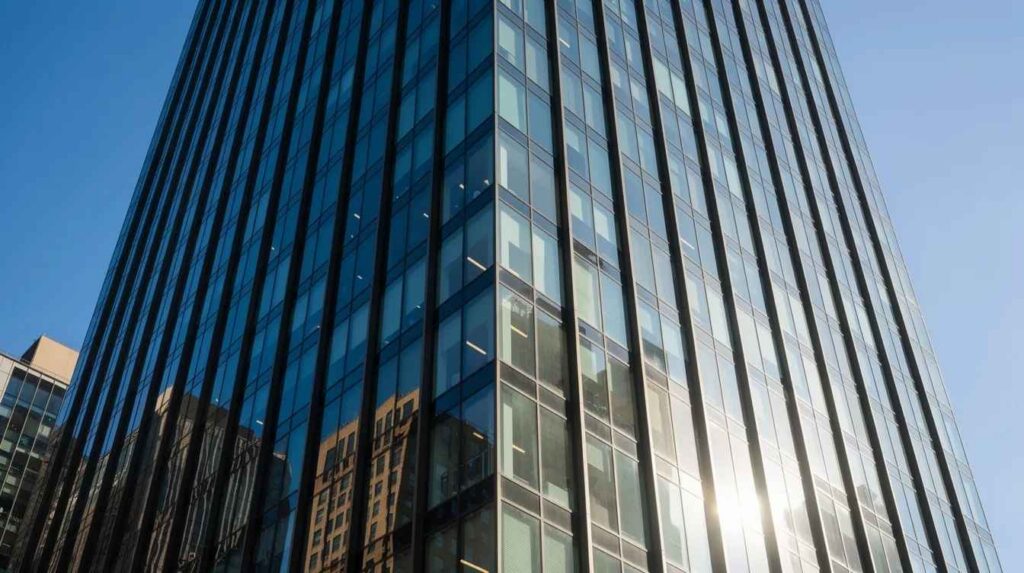
Solar control window film works by reflecting and absorbing incoming solar radiation before it passes through the glass. High-performance 3M films can reject up to 79% of total solar energy on certain glass combinations, which directly reduces excess solar heat gain on south- and west-facing elevations-the walls that punish HVAC systems hardest during summer afternoons.
Using window film can reduce solar heat gain by 50% to 75%, depending on the product selected and the existing glazing. Here is what hotels typically see after installing energy-saving window film:
- 10–20% cooling energy reduction in moderate climates (Chicago, Boston, Denver) on treated façades
- 20–30% cooling energy reduction in hot, sun-dominant markets (Phoenix, Dallas, Orlando, Miami)
- Payback periods of 2–5 years, with some high-exposure properties recovering costs in under 36 months
Hotels can achieve up to 30% cooling reduction on the most heavily sun-loaded elevations, and energy savings from window films can reach up to 30% overall for cooling-related consumption. Energy-efficient window film reduces HVAC workload significantly because the system no longer has to compensate for superheated glass surfaces pushing heat into every room on the top and west-facing floors.
A concrete example: Window Film Depot installed approximately 10,000 square feet of 3M P18 energy film on the Downtown Hilton in Atlanta, GA. The project targeted all south and west elevations of the 14-story property. Results included measurable kWh savings, reduced guest complaints about hot rooms, and ROI in under 36 months-with utility rebates factored in. Providing a high return on investment can occur within 3 to 4 years on projects like this, and window film installation typically pays for itself in 2-5 years across most U.S. climates.
Winter Performance and Year-Round Efficiency
Energy efficiency is not only a summer story. Low-emissivity (Low-E) window films reduce heat loss through hotel windows during winter by lowering the U-value of the glazing assembly. In markets like Denver, Minneapolis, and Toronto, Low-E films help keep heated air inside guest rooms instead of radiating through cold glass overnight. GSA studies have documented average HVAC perimeter savings of roughly 29% compared to untreated single-pane clear glass when Low-E films are applied. This makes Low-E film an especially smart choice for hospitality buildings in mixed or heating-dominant climates where you need to save money on both heating and cooling throughout the year.
Guest Comfort: Fewer Hot Spots, Less Glare
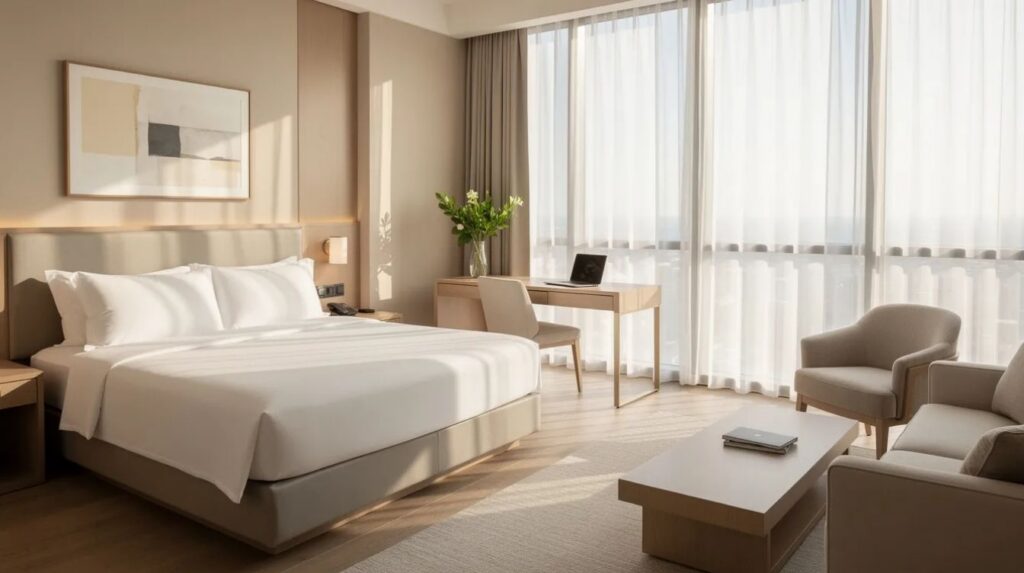
Window film enhances guest comfort in hotel environments in ways that go well beyond the thermostat. Treated hotel rooms maintain a more comfortable temperature from check-in through checkout because window film helps stabilize indoor temperatures-eliminating the hot spots near south- and west-facing hotel windows that force guests to crank the AC or close the drapes just to sit at the desk.
Window films can reduce glare by 50% to 75%, which means guests can work on laptops, watch TV, or simply enjoy the view without squinting through harsh afternoon sun. Top-floor rooms and corner suites-often the most expensive rooms in the house-become far more usable. In many cases, hotels gravitate toward dual-reflective window film solutions that combine strong daytime privacy with reduced interior reflectivity at night. Window films can help manage guest comfort and privacy simultaneously, which translates directly into fewer temperature complaints at the front desk and a more enjoyable experience for visitors who are paying premium rates.
UV Protection for Furnishings and Guests
The sun’s uv rays are responsible for the majority of fading damage inside hotels. UV rays can damage floors, furniture, and artwork in hotels-steadily degrading carpets, hardwood floors, upholstered furniture, drapes, and lobby artwork season after season. High-performance window films block up to 99% of UV radiation, and window film can block harmful UV rays effectively across virtually every wavelength that causes material degradation.
UV protective window film slows fading of hotel furnishings, which means replacement cycles for soft goods, flooring, and art stretch significantly. Blocking UV radiation can extend the replacement cycles of interior finishes by years, protecting an investment that hotel owners have already made in their FF&E budget. Window film also protects guests’ skin and eyes from UV rays-a detail that matters to health-conscious travelers and adds a quiet hotel benefit that differentiates your property.
Window films can protect interior furnishings from fading in every space where sun hits glass: guest rooms, lobbies, restaurants, office suites, and fitness areas.
Privacy and Exterior Appearance
Reflective and dual-reflective films provide daytime privacy for urban hotels where neighboring buildings or busy streets look directly into guest rooms and public spaces. Reflective window film enhances privacy in hotel lobbies, allowing natural light in while preventing passersby from seeing inside during daylight hours. For luxury properties that prioritize clear views-beachfront resorts, mountain lodges-low-reflective neutral and 3M™ Sun Control Ceramic Series films achieve heat rejection without altering the image of the glass from either side.
On older façades where glass panels have been replaced over the years, film can visually unify mismatched windows, giving the entire building a consistent, refreshed appearance. Hotels can also use a wide range of decorative glass film types to add patterns, gradients, and branded graphics that further enhance both interior and exterior aesthetics.
Security and Safety Film
Multi-layer security films help hold glass together on impact, whether from attempted break-ins, vandalism, or windborne debris during natural disasters. When paired with proper attachment systems, safety films slow forced-entry speed and reduce injury risk from flying shards. Combining solar control films and safety films can improve guest safety on treated elevations. Similar technology is widely used in storefront window tinting and retail window film installations to protect display glass, merchandise, and occupants. Window films can improve security in hotel entries and public areas-particularly ground-level hotel windows, porte-cochère glass, street-facing restaurants, and conference centers in high-traffic downtowns.
Hotel window film is a recognized energy conservation measure that can contribute to LEED points (up to 9 credits across multiple categories) and support corporate sustainability and green reporting for hospitality brands pursuing ESG targets. As a leading dealer of window glass film products and brands, Window Film Depot can align film specifications with both performance and sustainability goals across diverse property types.
Cost-effective upgrades can be made with window films across all of these categories, making them a practical first step in any hotel renovation strategy. Next, let’s look at specific window tinting options available and how installation works without disrupting your guests.
Choosing the Right Hotel Window Films & How Installation Works
Not all window films are the same, and every individual hotel has its own mix of challenges-sun exposure, brand standards, guest demographics, and budget constraints. Hotel owners must balance energy performance, appearance, guest experience, and franchise compliance when selecting the right solution. Here is how the most popular options break down and how the installation process works in practice.
Solar Control Films
Solar control films are the most popular options for hotels focused on reducing heat and glare. They come in several styles:
- Reflective films deliver the highest solar energy rejection (up to 80–85% TSER) and work best on sun-exposed façades in cities like Las Vegas, Houston, and Orlando where excess solar heat gain is the dominant cost driver. Reflective window films can enhance a hotel’s modern aesthetic, but they alter the exterior look more noticeably.
- Dual-reflective films offer strong heat rejection on the exterior while maintaining a lower reflectivity on the interior, preserving views from inside the room. The Dallas Parkway Hilton used Vista dual-reflective film across 30,000 square feet of guest room glass, cutting solar heat by 60% and glare by 57%.
- Neutral films minimize visible change to the façade and are preferred by luxury properties where view quality is critical-think beachfront resorts and scenic mountain hotels.
- Spectrally selective films block glare without reducing visible light by targeting infrared wavelengths specifically, keeping rooms bright while still effectively cutting heat.
Low-E Films
For hotels in mixed or cold climates, Low-E films provide all-season energy efficiency by reducing both summer heat gain and winter heat loss. They are especially valuable in markets where heating costs are as high as cooling costs.
Security and Safety Films
Thick, multi-layer security films installed with anchoring systems protect ground-level glass, lobby entries, restaurant windows, and office spaces from forced entry and storm damage. These films are frequently specified for properties in hurricane zones or high-crime urban corridors.
Decorative and Privacy Films
Window films come in various decorative patterns and styles that go well beyond simple tinting. Hotels often use a combination of solar control and decorative films for energy savings and comfort in different areas of the property:
- Frosted films provide privacy while maintaining natural light-ideal for spa, fitness center, and bathroom windows. Frosted films provide daytime privacy while allowing natural light to fill the space.
- Patterned films create visual interest on meeting room sidelites and restaurant partitions, available in an extensive variety of designs.
- Branded graphics and customizable films can include hotel logos for branding on entryway glass, F&B outlets, and event spaces.
Decorative films can improve exterior appearance and branding while also improving privacy throughout the property. Decorative films can be customized for branding and privacy, making them a dual-purpose tool that enhances both aesthetics and function.
Matching Film to Brand Standards
Window Film Depot works directly with corporate design teams and franchise guidelines to ensure that treated hotel windows still perfectly match Hilton, Marriott, IHG, or boutique brand standards. Mock-up panels can be installed on a test room or floor so ownership and brand teams can evaluate the style, color tone, and reflectivity before committing to a full rollout. This step is particularly important for properties where the exterior image of the building is part of the guest’s first impression.
How Window Film Depot’s Installation Process Works
Installing window film in an occupied hotel requires careful coordination. Here is the typical process:
- On-site survey – Technicians assess existing glass type, orientation, and condition across all elevations. They identify which windows will deliver the greatest return.
- Energy modeling and ROI projection – Using recent utility bills and hotel window specifications, Window Film Depot builds a 3–5 year savings estimate tailored to the property, including available utility rebates.
- Film sampling – Sample installations in a few guest rooms or a test floor let the ownership group and brand representatives see the tint in person at different times of day.
- Project phasing plan – Crews work floor-by-floor or wing-by-wing during low-occupancy periods or in blocked rooms to avoid disturbing guests. A typical installer can complete several rooms per day.
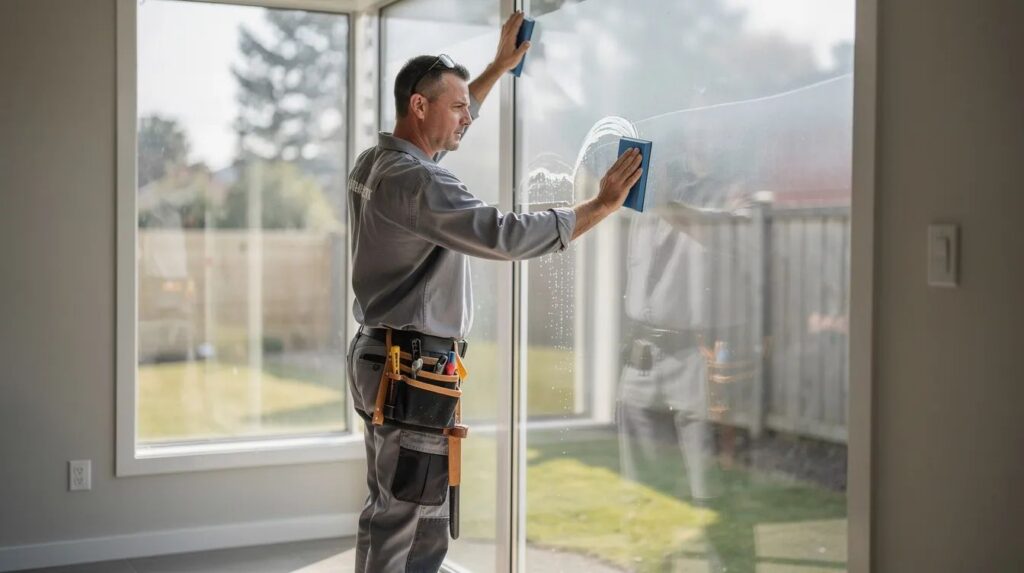
- Professional installation – Installers use drop cloths, low-odor solutions, and safety protocols suitable for occupied hotels. Daily cleanup and punch-list sign-offs with hotel engineering keep the project on track.
- Final inspection and documentation – Asset managers receive warranty documentation, installed product specs, and as-built records for their files.
Window Film Depot offers turnkey service nationwide: product selection, material supply, union or non-union labor as needed, scheduling coordination, and final inspection documentation. Backed by nationwide window film service locations, crews can mobilize quickly to support both single-property and portfolio-wide rollouts. Whether you manage a single property or need to cover a multi-property portfolio, the process is designed to be seamless.
Hotel owners, GMs, and facility managers interested in exploring window tinting options can request detailed ROI projections and utility rebate guidance before they commit to installing window tint on their property.
Below, you will find answers to the questions we hear most frequently from hotel teams evaluating window film.
FAQs About Hotel Window Film & Window Tinting
These FAQs are based on questions Window Film Depot receives frequently from hotel owners, asset managers, and engineers across North America.
How much energy can a hotel save by installing window film?
Many hotels see 10–30% reductions in cooling-related energy use on treated façades. Properties with significant south and west glass exposure in hot climates often land at the higher end of that range and can achieve payback in 2–5 years, depending on HVAC configuration, utility rates, and climate zone. Window Film Depot can run property-specific savings estimates using your recent utility bills and hotel window specifications to provide a realistic ROI range before any work begins.
Will hotel window tint make guest rooms too dark?
Modern hotel window films come in a wide range of visible light transmission levels. Many high-performance solar control films still transmit 40–60% of visible light, which keeps rooms bright and inviting while cutting heat and glare. Spectrally selective options push VLT even higher-into the 60–70% range-for properties where views are critical. We recommend sample installs in a few guest rooms so ownership and brand teams can compare tint levels at different times of day before a full rollout.
Can window film be installed in an occupied hotel without disturbing guests?
Yes. Window Film Depot coordinates directly with hotel operations to block rooms temporarily, work during off-peak hours, and stage materials discreetly so most guests never notice the installation. Large hotel window film projects are phased by floor or wing to minimize disruption, and a typical crew can complete several rooms per day. Housekeeping, front desk, and engineering teams are briefed before each phase to maintain a seamless guest experience.
How long does hotel window film last, and what about warranty coverage?
Quality 3M solar control films installed on vertical hotel windows typically last 10–15 years or longer. Many products are backed by manufacturer warranties against peeling, bubbling, and discoloration. Window Film Depot provides documentation for both product and labor warranties-an important detail for asset managers and hotel ownership groups who need to maintain clear records across property portfolios.
Will window film change the exterior appearance of my hotel?
It depends on the film selected. Low-reflective neutral films barely alter the exterior look, while more reflective tints add a subtle mirror effect that provides daytime privacy and can modernize a dated façade. Mock-up panels let you see exactly how the hotel will appear from the street, from the lobby, and from inside a guest room before you commit. Window Film Depot regularly works within strict brand guidelines to maintain-or even improve-a hotel’s exterior appearance while upgrading performance.
Is window film cheaper than replacing hotel windows?
Significantly. Installing window film on existing hotel windows is often 70–80% less expensive than full window replacement, while still delivering major gains in energy efficiency, comfort, and UV protection. Film can usually be installed in days or weeks, not months, with little to no structural work. For many properties, window film is the smartest first investment before considering full glazing replacement down the road.
Why Hotels Choose Window Film Depot & Next Steps
Window Film Depot is a family-owned window film business founded in 1992 and now one of the largest 3M window film dealers and installers in North America. Hospitality businesses from coast to coast trust us with their properties because we bring a combination that is hard to find elsewhere:
- Nationwide coverage for multi-property portfolios-one partner, one standard, every market
- Deep hospitality experience with projects ranging from airport hotels and convention-center towers to coastal resorts requiring salt-resistant, durable films
- Full 3M product access across solar control, safety, decorative, and privacy film lines-an extensive variety that lets us match the right film to every window and every brand standard, supported by our role as a leading 3M window film installer and product expert
- Turnkey project management from survey through final inspection, including phasing plans that keep your hotel running and your guests comfortable
We routinely handle the use cases that matter most to hospitality teams: retrofitting sun-exposed guestroom windows, upgrading lobby curtainwalls, protecting street-level glass from smash-and-grab incidents, adding privacy film to spas and meeting spaces, and producing branded decorative film for F&B outlets. Every project is designed to achieve measurable results-lower energy costs, happier guests, and a longer lifespan for the finishes you have already invested in.
Upgrading hotel windows with professional window film is one of the fastest, least disruptive ways to improve energy efficiency, guest comfort, and security in 2026. Whether you manage a single boutique property or a national portfolio, the right window film solution is a smart investment that pays for itself.
Ready to take the next step? Contact Window Film Depot for a free consultation, on-site survey, and customized energy savings analysis for your specific hotel windows. Call our dedicated hospitality project team, submit your plans and specs through our website, or schedule a virtual walk-through to discuss feasibility-whatever works best for your timeline. We are ready to help you design and install the right solution.