Table of Contents:
- What Is Home Window Tinting?
- Benefits of Home Window Tinting for Glare Reduction
- Types of Home Window Tint
- How Home Window Tinting Works
- Is Home Window Tinting Worth It?
- How Much Does Home Window Tinting Cost?
- Professional Home Window Tinting Installation
- Frequently Asked Questions About Home Window Tinting
If your home feels like a greenhouse every summer afternoon or your hardwood floors are slowly fading near the windows, you’re not alone. Home window tinting has become one of the most practical upgrades homeowners are making in 2026, and for good reason. This guide covers everything you need to know – from how window film works and what it costs to which rooms benefit most and how to choose the right product.

What Is Home Window Tinting?
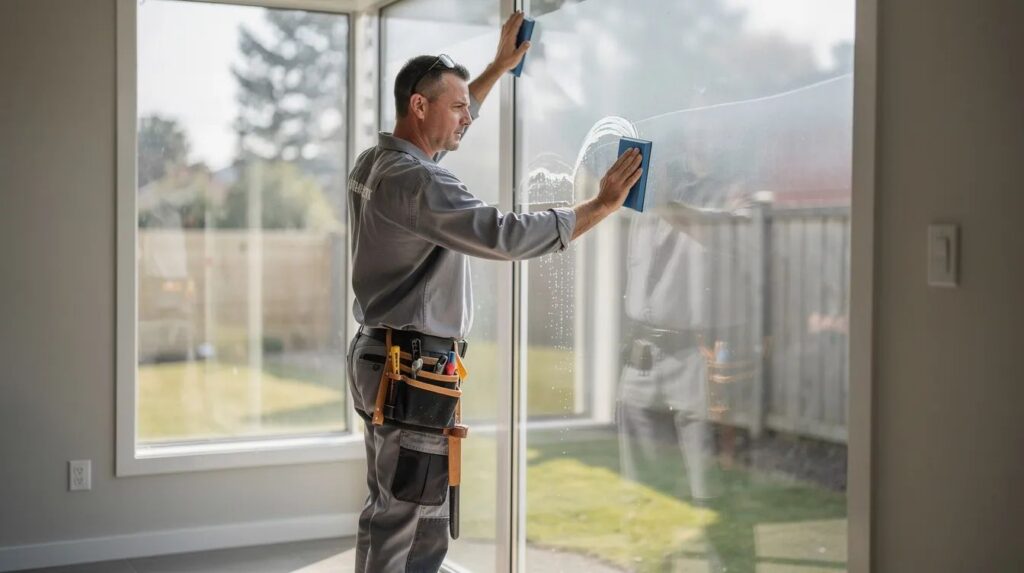
Home window tinting involves applying a thin laminate film to glass surfaces on existing residential windows. These films are applied to the interior surface of the glass and are designed to control how solar heat and UV rays pass through glass, while also managing glare, privacy, and security.
The films themselves are polyester-based layers, typically 1–2 mils thick for standard solar and UV products, and up to 4–15 mils for heavy-duty safety films. Depending on the product, films may incorporate dyed, metalized, or nano-ceramic technology to achieve different performance goals. Unlike full window replacement, film installation requires no construction, no framing changes, and can usually be completed in a single day.
It’s worth noting the difference between automotive tint and architectural window film. Films made for cars are engineered for curved glass conformability and legal tint levels that vary by state. Architectural films for homes focus on performance specs like Total Solar Energy Rejection (TSER), Solar Heat Gain Coefficient (SHGC), infrared heat rejection, and long-term warranties – along with compliance with building codes and HOA rules. The performance expectations, adhesive systems, and warranty structures are distinct.
Homeowners choose window film over full window replacement for several reasons: lower upfront cost, faster installation, no disruption to the home’s structure, and the flexibility to target specific performance needs – whether that’s solar control, privacy, security, or aesthetics. For families with original 1990s or 2000s double-pane glass that still functions but underperforms thermally, film is often the smartest upgrade path.
Window Film Depot has been installing residential window films nationwide since 1992 and partners with 3M and other leading manufacturers to deliver certified, warranty-backed solutions.
Here’s a quick summary of what home window tinting delivers:
- Lower energy costs through reduced cooling and heating loads
- Reduce glare on screens, TVs, and workspaces
- Increase privacy from street-level and neighboring views
- Improve thermal comfort room by room
- Protect floors, furnishings, and artwork from UV fading
Benefits of Home Window Tinting for Glare Reduction
Window films deliver measurable, homeowner-focused benefits that go well beyond making windows look darker. Here are the key ones:
- Heat reduction: Modern solar control and ceramic films can reduce heat gain by up to 88%, with premium options cutting solar heat gain by 40–80%. In practice, a south-facing living room with ceramic film might drop 5–10°F during peak summer afternoons. Proper window tinting can lower air conditioning needs significantly, keeping less heat inside during the hottest months.
- UV protection: Quality window films can block up to 99.9% of UV rays – both UVA and UVB. Ultraviolet Rejection indicates the percentage of UV rays blocked by window films, and top-tier products consistently test above 99%. This level of uv protection helps protect hardwood floors, artwork, and fabrics from fading over 5–10 years.
- Glare reduction: Window films can reduce glare by up to 94%, making it possible to watch TV or work at a computer without closing curtains or blinds. Films reduce glare and improve comfort in bright settings, turning a washed-out room into a functional space.
- Increased privacy: Reflective and tinted films restrict visibility from outside while allowing outward views during the day. Tinted windows create a mirrorlike effect for privacy, while frosted and decorative options offer full-time screening for bathrooms and entry sidelights. Window tinting reduces visibility into homes from outside – a simple way to increase privacy without sacrificing sunlight.
- Energy savings: Tinted windows can reduce household cooling costs by blocking solar heat gain, and window films can reduce energy costs by insulating windows against both summer heat and winter chill. In hot climates, cooling savings of 10–30% per season are typical. Window tinting helps retain indoor heat during winter as well, contributing to lower heating costs year-round.
- Fade protection: UV radiation, visible light, and heat are the three main drivers of fading. Window films can protect furniture from fading by blocking UV rays, extending the life of flooring, furnishings, and window treatments.
- Improved comfort: Films eliminate hot and cold spots near large glass areas, making sunrooms and rooms with floor-to-ceiling windows comfortable throughout the day. Window films can help keep homes cooler in summer and warmer in winter.
- Enhanced curb appeal: Window films can enhance the aesthetic appearance of a home with subtle neutral tints, reflective finishes, or decorative patterns that modernize the look from the street – all without replacing glass.
Multi-performance films, especially nano-ceramic products, can deliver several of these benefits simultaneously. A single film might offer high heat rejection, glare reduction, and UV shielding while staying nearly clear.
Types of Home Window Tint
The term “window tinting” is used loosely, but there are specific categories of window films tailored to different performance needs. Choosing the right type starts with understanding what each one does best.
Window Film Depot supplies and installs a full range of residential films, including 3M solar control, safety, decorative, and privacy options.
Solar Window Film
Solar films are designed primarily to reduce heat, glare, and UV while improving energy efficiency. They come in various shades – from nearly invisible to darker tints – and can be reflective, neutral gray, or warm bronze in tone. Solar films can reduce glare by up to 94% and typically block 99%+ of uv rays.
These films are the go-to solution for rooms with strong sun exposure: large west- or south-facing glass, sunrooms, and picture windows that overheat in summer. If your ac runs nonstop from June through September, solar film on your most exposed windows is the logical first step.
Ceramic Window Tint
Nano-ceramic window tint is a premium, non-metalized film that uses microscopic ceramic particles to reject infrared heat. Ceramic films effectively block heat and UV rays without signal interference, making them ideal for homes where WiFi, cell phones, and GPS need to work without disruption.
The 2025–2026 generation of ceramic films features multi-layer IR technology with IR rejection of 95–98% at peak wavelengths and TSER values of 50–70% – even at visible light transmission levels above 60%. This means windows stay bright while the room stays noticeably cooler. Clear view films in this category filter visible light while blocking infrared heat, delivering comfort without heavy darkening.
Privacy Window Film
Privacy films limit outside views into the home. Reflective films offer daytime privacy but may not maintain privacy at night when interior lights are on and exterior light fades. True one-way mirror performance depends on the light balance between inside and outside.
Privacy films come in various colors and patterns, from subtle silver reflective to darker bronze tints. Common applications include street-level windows, bathrooms, home gyms, and glass entry doors. Window Film Depot can combine privacy needs with solar or decorative performance in a single product where appropriate.
Decorative Window Film
Decorative film includes patterned, frosted, etched, or colored films used to add style and privacy without replacing glass. Design examples include frosted bands on sidelights, matte white for bathroom windows, simulated etched patterns on entry doors, and gradient patterns for open-concept interior partitions.
These films are popular for glass doors, bathroom windows, kitchen cabinets, and interior glass walls. Privacy films come in various colors and patterns to match any interior design direction. And because they’re applied rather than built into the glass, they can be swapped out later to refresh the look – no glazing changes needed.
Security & Safety Window Film
Security and safety films are thicker laminates (often 4–15 mil) designed to help hold glass together upon impact. Security films help hold glass together during impacts, and security film helps hold glass together during natural disasters like hurricanes or severe storms. While no film makes glass unbreakable, it can delay intruders attempting to gain entry and reduce hazardous shards.
Tinting increases home security against intruders by making forced entry more difficult and time-consuming. Dyed films provide basic glare reduction and privacy but may fade over time, whereas metalized films embed metallic particles to reflect heat and UV rays – though both can serve limited security roles. For serious protection, Window Film Depot frequently pairs dedicated safety film with attachment systems to anchor film to window frames on vulnerable doors and entry points.
How Home Window Tinting Works
Window films modify glass performance by adding layers that reflect, absorb, or transmit different wavelengths of sunlight. Here’s how each mechanism works in practice:
- Solar heat rejection: Films reflect and absorb portions of solar energy before it enters the room, reducing the sun’s heat load on your HVAC system. This directly translates to less energy spent cooling interior spaces. Solar Heat Gain Coefficient measures how much solar heat passes through glass – films can reduce SHGC from ~0.70 (untreated) to 0.30–0.50.
- UV blocking: Special UV-absorbing layers filter out up to 99% of UV radiation in the 300–380 nm range, protecting interior surfaces and skin from damage. Tinted windows can block up to 99% of uv rays across both UVA and UVB spectrums.
- Visible Light Transmission (VLT): Visible Light Transmittance measures the percentage of light allowed through glass. Common residential VLT ranges include 20% (darker), 35% (moderate), 50% (balanced), and 70% (nearly clear). Premium ceramic films achieve high heat rejection even at 60–70% VLT, preserving natural light and views.
- Infrared (IR) heat rejection: Advanced ceramic and multi-layer films target IR wavelengths (700–2500 nm) responsible for radiant heat. This is the key to reducing heat without making a room dark. Films with high IR rejection keep sunshine from overheating a space while maintaining transmission of visible light.
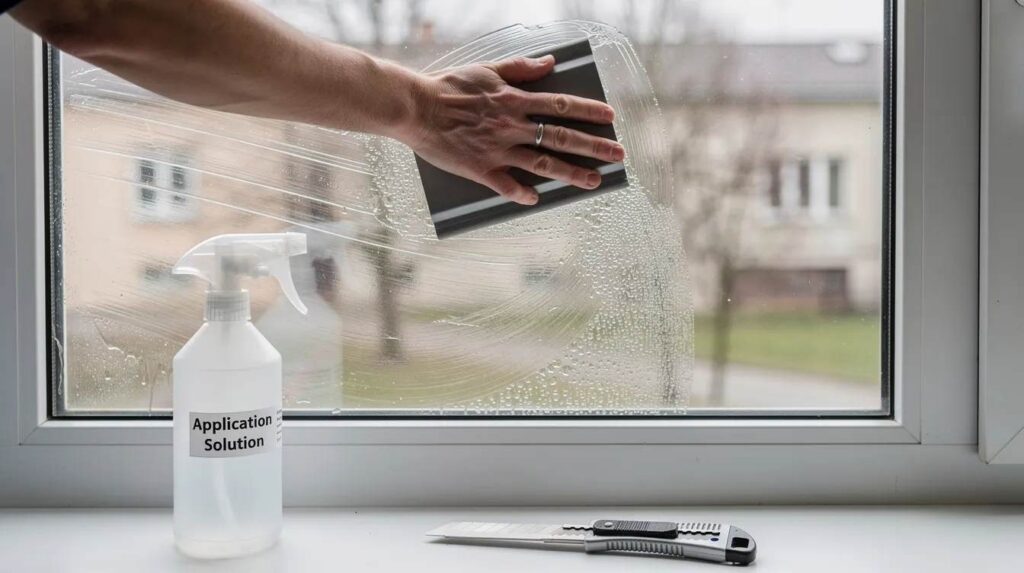
Professionally installed films are optically clear, bonded to the glass surface with a water-based adhesive (not a permanent glue that damages glass), and designed not to bubble or peel when quality products and proper technique are used. Installation tools include a spray bottle, knife, and squeegee – simple equipment in skilled hands.
Is Home Window Tinting Worth It?
Yes – for most homeowners with sun-exposed glass, window tinting can reduce energy costs significantly while making the home more comfortable day to day. Here’s the case:
- Long-term energy savings: In climates with high cooling demand, payback periods typically fall between 3–7 years based on reduced ac usage. The U.S. GSA found ~29% average HVAC load savings in perimeter zones when applying low-E film over single clear glazing. DOE data shows 18–24% energy savings in cooling-dominated locations.
- Increased home comfort: South-facing rooms become usable all afternoon. Sunrooms go from seasonal to year-round. Home offices function without closing blinds against screen glare. The everyday difference in how a home feels is often the benefit homeowners notice first and value most.
- Return on investment: While home window tinting isn’t typically itemized in resale appraisals, it contributes to perceived quality and comfort. In hot or sunny regions, energy-efficient upgrades are increasingly a selling point. Buyers search for homes that feel comfortable without running the ac at full blast.
- Best use cases: Film is especially cost-effective for homes with original double-pane windows (no low-E coating), large glass walls, sliding doors, skylights, and rooms with consistently high energy bills. If full window replacement costs $15,000–$40,000 and film achieves 60–80% of the performance benefit at a fraction of the price, the math speaks for itself.
Window Film Depot can model projected energy savings for larger residential projects – discover whether tinting is worth it for your specific home and climate.
How Much Does Home Window Tinting Cost?
Cost depends on several variables, but here are realistic ranges for 2026:
- Factors affecting cost: Total square footage of glass, window access (ground level vs. second story vs. skylight), film type (standard solar vs. premium ceramic vs. thick security), removal of existing film, and regional labor rates all influence pricing. Community rules may restrict window tinting colors or reflective finishes, which can also affect film selection and cost.
- Cost by window size: | Window Type | Approx. Glass Area | Installed Cost Range | |—|—|—| | Small bathroom window | ~6 sq ft | $40–$80 | | Standard double-hung | ~15 sq ft | $75–$225 | | Large picture window | ~20 sq ft | $200–$400+ | | Sliding glass door | ~30–40 sq ft | $300–$600 | | Skylight (with access challenges) | Varies | $15–$20+/sq ft |
- Film type considerations: Basic solar/dyed films run $7–$12 per square foot installed. Premium ceramic or spectrally selective films cost $12–$20+ per square foot. Security and safety films range from $7–$15 per square foot for standard grades, with heavy-duty options reaching $20–$40+.
- Professional installation vs. DIY: DIY film rolls sold at retail often cost $1–$5 per square foot for materials only. However, DIY installations frequently result in bubbles, miscuts, edge lift, and no warranty coverage. Professional installers deliver clean edges, correct film-to-glass matching, full manufacturer warranties, and better optical quality. The cost difference buys you peace of mind and performance that lasts.
Window Film Depot offers detailed written estimates and can phase projects – starting with the hottest or most exposed area first – to fit household budgets.
Professional Home Window Tinting Installation
Here’s what to expect when a professional crew handles your project:
- Consultation: A Window Film Depot specialist assesses your glass – either in-person or virtually – measuring windows, discussing goals (reduce glare, lower energy costs, add privacy), reviewing film samples, and checking glass type compatibility. This step ensures the right product for every window.
- Film selection: Technicians help match specific films to window orientation (north vs. south), existing glass type (single pane, double pane, low-E, tempered), and your aesthetic preferences. Installing window film requires ensuring compatibility with existing glass type – the wrong film on the wrong glass can cause thermal stress.
- Installation process: The crew preps by moving nearby furniture and thoroughly cleaning glass. Film is applied using a soap-and-water slip solution, then precisely trimmed and squeegeed to remove air and moisture. Window tint installation can take 30–45 minutes for large windows, with smaller panes going faster. Quality checks follow every pane.
- Curing time: Films typically dry and fully cure over 30–60 days depending on film type, climate, and season. During this period, slight haziness or small water pockets are normal and dissipate on their own. Avoid touching or cleaning the film during initial curing.
- Maintenance and care: Clean with non-ammonia solutions and soft cloths. Wait at least 30 days before first cleaning. Avoid sharp tools or abrasive materials on the film surface. Properly maintained film will deliver performance for years with limited upkeep.
Window Film Depot crews are trained, insured, and experienced in working in occupied homes with minimal disruption to daily family routines.
How to Choose the Right Home Window Tint
Proper film selection depends on climate, window orientation, and personal goals. Use this checklist before requesting a quote:
- Climate considerations: In hot, sunny regions, prioritize high-TSER and high-IR-rejection films. In cooler or mixed climates, choose moderate films with higher VLT to avoid losing free winter solar gain. The wrong film can block beneficial sunshine in winter and increase heating costs.
- Privacy needs: Daytime-only privacy calls for reflective or tinted films. Nighttime privacy requires frosted or decorative options. For sidelights and entry areas needing partial screening, explore one-way privacy film options and understand their limitations.
- Energy efficiency goals: Homeowners focused on lowering energy costs should prioritize films with strong SHGC values and verified IR rejection data. Look for NFRC or ASTM test results on spec sheets – not just marketing claims.
- Aesthetic preferences: Consider exterior appearance (reflective vs. neutral), interior tone (cool gray vs. warm bronze), and how the film’s aesthetics will coordinate with existing trim and décor. Watch for HOA restrictions on reflective finishes.
- Warranty and durability: Choose reputable brands with manufacturer-backed warranties covering peeling, bubbling, discoloration, and adhesive failure. Not all window films are compatible with every type of glass, and window tinting can void some window manufacturers’ warranties if the wrong product is used. Window Film Depot specifies manufacturer-approved products to protect both glass and existing window warranty coverage.
Bring specific problem rooms to the consultation – for example, “the upstairs bonus room is unusable after 3 p.m. in July” – so solutions can be targeted rather than generic.
Common Areas to Install Home Window Tint
Every room has different challenges. Here’s where film makes the biggest impact:
- Living rooms: Large picture windows invite glare on TVs and fading of rugs and furniture. A balanced solar or ceramic film preserves views while cutting heat and protecting interior finishes. This is where most homeowners discover the benefit of film first.
- Bedrooms: Early morning or late afternoon sun disrupts sleep and comfort. Higher-privacy tints or neutral solar films keep the room private and comfortable. For windows facing neighbors, a darker VLT can make the space feel more secure and private at any hour.
- Kitchens: East or west exposure over sinks and breakfast nooks creates harsh glare and extra heat while cooking. Films that reduce glare while keeping the area bright make a meaningful difference during morning and evening hours.
- Bathrooms: Privacy is primary. Frosted or decorative films allow diffuse light while fully blocking views – no need for blinds in a high-moisture environment. Choose films rated for humid conditions.
- Sunrooms: These rooms have glass on multiple sides and often overhead, creating enormous solar loads. Films can transform a seasonal sunroom into a year-round space by cutting the sun’s heat and glare while still letting in natural light that makes the room appealing in the first place.
- Sliding glass doors: Major sources of heat gain and glare, these large glass areas benefit from durable films that maintain easy operation and clear views to patios or decks. Film applied to sliding doors can make an adjacent room noticeably more comfortable.
- Skylights: Overhead glass receives intense direct sunlight, including UV and IR. Specialty films reduce heat from above without fully blocking daylight, though installation requires additional safety measures and access equipment for elevated glass.
Frequently Asked Questions About Home Window Tinting
Here are answers to the questions homeowners ask most often:
How long does home window tint last?
Quality residential films typically last 10–20+ years depending on orientation, film type, and climate. Premium ceramic and spectrally selective films often carry lifetime warranties when installed by certified professionals. Dyed films provide basic glare reduction and privacy but may fade over time compared to ceramic alternatives.
Does home window tint reduce heat?
Yes. Modern films significantly reduce solar heat gain, with performance varying by product. Premium ceramic films reject 40–80% of incoming solar heat, while even mid-range solar films make a noticeable difference in room temperature during summer.
Can window tint improve privacy?
Absolutely. Options range from reflective daytime privacy films to full-privacy frosted options. However, reflective films depend on light balance – at night with interior lights on, the effect can reverse. For 24-hour coverage, frosted glass film or opaque decorative film is the right choice.
Will window tint darken my home?
Not necessarily. Homeowners can choose lighter, high-VLT films (60–70% visible light transmission) that maintain openness and views while still cutting heat and UV. The perception that all tint makes windows dark is outdated – modern ceramic films stay nearly clear.
Can window film be removed?
Yes. Professional-grade films can be removed and replaced without damaging glass when done correctly. Static cling films are renter-friendly and leave no residue, though they offer limited performance compared to adhesive-backed products. Adhesive films may leave minor residue that professionals clean during removal.
Does window tint save money on energy bills?
It does. Reduced cooling loads and, in some cases, improved winter insulation lower monthly energy costs over time. The energy savings compound year after year, often paying for the film within 3–7 years.
Is window film safe for double-pane or low-E glass?
This depends on film compatibility. Not all window films are compatible with every type of glass – certain products can cause thermal stress on coated or sealed units. Window Film Depot specifies manufacturer-approved products to protect glass integrity and preserve existing warranties. Always verify with your installer before a film is applied.
Get Started with Professional Home Window Tinting
If you’ve read this far, you already know whether your home could benefit from window film. Here’s how to move forward:
- Why choose professional installation: Expert film selection, clean installation without bubbles or edge lift, full warranty protection, and proper film-to-glass matching. The difference between a DIY attempt and a professional job is visible from day one – and it lasts for the life of the film.
- Schedule a consultation: Contact Window Film Depot for a free residential assessment. Both in-person and virtual consultations are available depending on your location. Visit the website or call to get started.
- Request a free estimate: Gather approximate window counts or photos of your most problematic rooms to streamline the quoting process and timeline planning. Permission to access all areas of the home helps the team measure accurately.
- Explore additional solutions: Beyond solar and privacy films, Window Film Depot offers security glazing upgrades, anti-graffiti films for exterior doors and server room glass, and decorative films for interior glass – a full range of architectural surface solutions.
Start with your most uncomfortable or exposed rooms first, then expand to the rest of the home as you experience the results. Most homeowners who tint one room end up doing the whole house within a year.