Table of Contents:
- Introduction: What Is Tenant Improvement Window Film & Why It Matters in 2026
- Core Benefits of Tenant Improvement Window Film for Property Owners & Managers
- Security & Safety: Using Security Window Films in Tenant Improvements
- Comfort, Privacy & Tenant Retention: Making Spaces More Livable
- Energy Efficiency: Low-E Window Films to Control Window Heat & Lower Energy Bills
- How a Tenant Improvement Window Film Project Works with Window Film Depot
- FAQs About Tenant Improvement Window Film
- Why Choose Window Film Depot for Tenant Improvement Window Film
- Next Steps: Plan Your Tenant Improvement Window Film Project
Introduction: What Is Tenant Improvement Window Film & Why It Matters in 2026
Picture a 1990s-era multi-tenant office building that needs upgrades but can’t justify tearing out every window. That’s the exact scenario driving demand for tenant improvement window film in 2026. This polyester-based laminate is applied directly to existing glass surfaces as part of TI or capital improvement projects, delivering solar control, security, privacy, and decorative upgrades without full window replacement. It offers a cost-effective upgrade during office renovations.
Property owners and facility managers are turning to this solution because energy codes, ESG reporting, and tenant expectations for comfort and added privacy in rental properties keep rising. Below, you’ll find how these films protect your building, improve tenant satisfaction, cut energy costs, and how Window Film Depot manages the entire process.
Core Benefits of Tenant Improvement Window Film for Property Owners & Managers
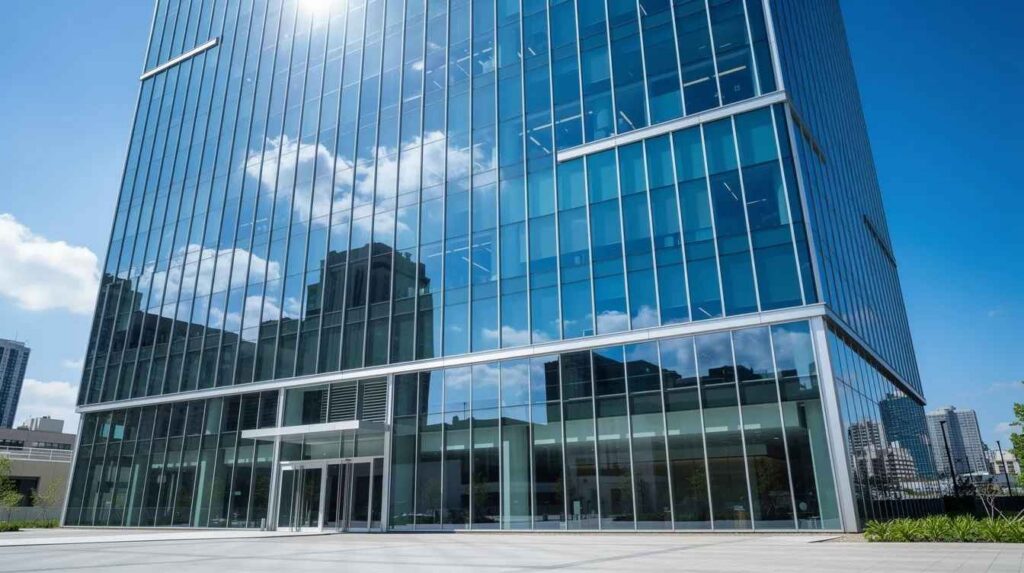
Films upgrade existing glass at a fraction of replacement cost – often $150–$350 per window versus $800–$1,200 for new glazing. For property owners running value-add strategies, that difference is crucial. Installation of window films is fast and minimizes disruption compared to full window replacements, making them ideal for occupied commercial buildings.
Key outcomes include:
- Curb appeal: Modern window films can enhance the visual appeal of buildings, and window films offer a sleek, uniform appearance across floors and tenants. Custom designs on window films can attract tenants effectively, while decorative window films add a stylish touch to properties.
- UV protection: Window films can block up to 99% of UV rays, preserving interiors. UV rays can fade carpets, upholstery, and artwork over time, so films help extend the lifespan of interior finishes and protect furnishings. UV protection reduces maintenance costs for landlords and helps protect against the risk of skin cancers indoors.
- Asset value: Installing solar control film can increase building value by up to $700,000, directly supporting NOI for property owners.
Specific use cases range from office towers and medical office buildings to higher education facilities, retail chains, and multifamily rental properties across multiple states. Films are non-invasive – installed from the interior, often outside business hours, so tenants pay no productivity penalty.
Security & Safety: Using Security Window Films in Tenant Improvements
Security window films serve as a first line of defense for street-level glass, lobbies, and vulnerable tenant suites. These films protect against burglary and theft, and they enhance safety and deter break-ins in retail, pharmacies, and ground-floor offices by providing window protection film solutions that reinforce vulnerable glass.
The core mechanism is simple but effective: certain security window films hold shattered glass together during accidents, forced entry attempts, storms, or impacts. This reduces injury risk, limits property damage, and cuts downtime after an event. Rather than glass scattering across a space, the film keeps shards in place so occupants and customers stay safer.
Films integrate with existing glazing and storefront systems. For higher threat levels, wet-glaze or mechanical anchoring delivers forced-entry or blast-grade performance. Security window films also support life-safety goals and can help meet building or glazing safety standards – a meaningful risk management tool for property owners who need to withstand real-world threats and maintain liability coverage.

Comfort, Privacy & Tenant Retention: Making Spaces More Livable
Comfortable, private spaces translate directly into tenant satisfaction, fewer complaints, and longer lease terms. Day and night privacy window film options can improve tenant comfort by reducing glare on monitors, and solar window films reduce heat and glare effectively – evening out hot and cold spots that make perimeter offices unusable in summer or winter.
Tenants experience immediate comfort improvements with window films. Window films can reduce tenant complaints about temperature fluctuations, and that means fewer work orders about indoor temperatures for your maintenance team. When tenants no longer need curtains or blinds to block harsh light, they keep their views and natural light.
For added privacy, reflective, tinted, and frosted options work in conference rooms, glass-fronted offices, medical exam rooms, and residential units. Privacy window films ensure privacy while allowing natural light, and window films enhance tenant privacy while allowing natural light – a feature that static cling or snap-on solutions can’t match at the same performance level. One property manager used decorative and privacy films to rebrand a dated lobby and subdivide glass offices without major construction, creating an attractive, sleek space that helped lease agreements close faster.
The measurable outcomes matter: window films can increase tenant retention by 10%. Comfortable tenants are more likely to renew leases, higher tenant satisfaction leads to lower vacancy rates, and that directly protects your property’s revenue. Tenant retention and tenant comfort are not soft metrics – they demonstrate real financial value.
Energy Efficiency: Low E Window Films to Control Window Heat & Lower Energy Bills
The Department of Energy identifies window film as a top-tier technology for energy conservation. Solar and low-e window films control window heat gain and loss, helping commercial buildings meet modern energy performance goals without replacing glass. Thermal performance of existing windows can be improved without replacement by applying window films.
Here’s how low-e window films work: they reduce the Solar Heat Gain Coefficient (how much solar heat passes through) and improve U-value (insulation performance), acting like an extra pane of glass on your existing single-pane or double-pane windows – approaching the performance of triple-pane units. Window films enhance insulation, improving energy efficiency significantly.
Seasonal performance is balanced. Films block up to 79% of solar heat in summer, keeping cooling loads manageable. Modern Low-E window films retain interior heat during colder months, improving insulation during cold weather. The result: fewer hot and cold complaints year-round.
The numbers hold up in practice:
- Solar control film reduces cooling costs by 20 to 30%.
- High-quality window film can cut energy bills by up to 30%.
- Typical window upgrades can achieve a 4-6% reduction in site energy use in commercial buildings.
- Window films can block up to 99% of UV radiation, protecting interiors and reducing cooling load simultaneously.
These savings show up in common-area energy bills – meaning property owners see lower energy bills and improved NOI. 3M window film products and installation also help achieve sustainability goals and can contribute to LEED certification, which matters for buildings pursuing ESG reporting or energy benchmarking compliance. As a national 3M dealer-installer, Window Film Depot can model energy savings using your building data and help pursue rebates or incentives where available, making the entire project more energy efficient from day one.
How a Tenant Improvement Window Film Project Works with Window Film Depot
Here’s how a typical project runs from assessment to final punch list:
- Consultation and site survey: Review glazing types, tenant complaints, sun exposure, security concerns, and any lease or design constraints. Thermographic imaging may be used to document problem areas.
- Solution design: Select specific solar, low-E, security, and decorative films. Provide samples and mockups. Coordinate with architects, GC, and tenant reps to maintain a uniform appearance.
- Professional installation: Phase work by floor or tenant. Schedule nights and weekends if needed. Protect floors, furniture, and furnishings. Communicate with tenants about short-term access.
- Post-install: Inspection, warranty documentation, and cleaning. For national accounts and multi-site rollouts, everything is managed centrally for consistent specs and performance.
FAQs About Tenant Improvement Window Film
These answers are based on Window Film Depot’s experience serving commercial and institutional customers across the U.S. since 1992.
How long does commercial window film typically last in a tenant space?
Most commercial-grade films last 10–20 years depending on film type, sun exposure, glass type, and cleaning practices. Premium nano-ceramic and low-E films typically carry manufacturer warranties of 15 years or more. Avoid ammonia-based cleaners and abrasive tools to maintain film integrity over time.
Will window film void my window warranty or violate my lease?
Professional installation includes evaluating glass type to avoid thermal stress issues that could void warranties. Films are considered a reversible, non-structural upgrade and can usually be aligned with lease agreements. Most landlords treat them as a building improvement, not a modification requiring special approval, and dedicated window security film installation cost estimates can help them budget accurately for these upgrades.
Can different tenants in the same building choose different films?
Yes. A common approach is base-building solar or security film on all exterior glass for a uniform appearance, with tenant-specific privacy or decorative films inside suites. The property manager coordinates to maintain the building’s overall look and range of options.
How much can low-E and solar films reduce energy costs?
Results vary by climate zone and building orientation, but solar control film typically reduces cooling costs by 20–30%. In the right conditions, high-quality film can cut total energy bills by up to 30%. Window Film Depot can provide building-specific projections using your glazing and HVAC data.
Is window film installation disruptive for occupied rental properties?
Installation happens from the interior with minimal noise and limited odor. Most projects can be scheduled during off-hours. Furniture and floors are protected, and cleanup is quick. Tenants typically notice the comfort difference before they notice the work was done.
Can tenants remove window film at the end of a lease?
Films are removable by professionals without damaging glass. That said, many landlords prefer to keep them in place as a permanent building improvement, since they enhance the property’s value, efficiency, and safety for the next tenant.
Why Choose Window Film Depot for Tenant Improvement Window Film
Window Film Depot is a family-owned, national window film contractor based in Marietta, Georgia, operating since 1992. We specialize in B2B and commercial work – office portfolios, government buildings, universities, healthcare facilities, and national retail chains needing turnkey project management.
Our commitment to quality means access to leading 3M solar control, low-E, decorative, and security window films, backed by certified installers and real experience with energy modeling, multi-state rollouts, and construction schedules, all supported by robust 3M residential and commercial window film warranty information. You get a single point of contact whether you’re managing one building or a portfolio across the country. We also support trade partners with wholesale film supply, making us a resource for glaziers, contractors, and facility service providers.
Next Steps: Plan Your Tenant Improvement Window Film Project
Window film is a fast, cost-effective solution to boost energy efficiency, security, and tenant comfort without replacing glass. Before reaching out, gather basic information: building type, glass type if known, and main issues like heat, glare, security, or privacy.
Contact Window Film Depot for a site assessment, budget pricing, or specification support on your next TI project. Reach us by phone, online form, or share your plans and elevations for early-stage design assistance. Let’s make your next tenant improvement window film project the one that makes a measurable difference.