Table of Contents:
- Introduction: Why Window Film Matters for Retail Stores in 2026
- Key Benefits of Window Film for Retail Stores
- Types of Window Film for Retail Stores (and When to Use Each)
- Security Window Film for Retail: Protecting People, Glass, and Inventory
- Energy Efficiency, Comfort, and UV Protection in Retail Environments
- Design, Branding, and Privacy: Using Decorative & Frosted Window Films Creatively
- Professional Installation: What Retailers Should Expect from Start to Finish
- FAQs About Window Film for Retail Stores
- Why Choose Window Film Depot for Retail Store Projects?
- Next Steps: How to Get Window Film Installed on Your Retail Storefront
Introduction: Why Window Film Matters for Retail Stores in 2026
Retail store owners in 2026 face a trifecta of pressure: rising smash-and-grab crime, climbing utility rates, and the relentless need to keep storefronts looking fresh and inviting. Window film for retail stores addresses all three challenges as a retrofit solution applied directly to existing glass, delivering security, privacy, decorative design, and energy efficiency without tearing out windows or shutting down for construction.
Security window film deters break-ins. Solar films slash energy costs. Decorative window films and frosted window films turn plain glass into branded, functional surfaces. Window Film Depot has been installing commercial films nationwide since 1992, working with products like 3M window film products and installation services to deliver turnkey solutions for single locations and multi-site retail chains. In this article, you will learn the types of film available, how they help retail shops day-to-day, what projects cost and how long they last, and how professional installation works.
Key Benefits of Window Film for Retail Stores
Window film is one of the fastest, least disruptive upgrades a retail store can make to storefronts and interior glass. For retail managers, district managers, and franchise owners weighing their options, here is what a single retrofit delivers:
- Reduced smash-and-grab risk with security films on doors, sidelites, and display windows
- Measurable energy savings from solar control films that cut heat gain and reduce HVAC run-time
- UV protection that slows fading of apparel, signage, flooring, and furniture by blocking up to 99% of uv rays
- Enhanced privacy at POS areas, stock rooms, and offices using frosted films and tinted privacy films
- Stronger brand presence using decorative window films and custom graphics that turn glass into advertising space
Window film helps protect merchandise from fading due to sunlight exposure, and window films can create a more comfortable shopping environment by controlling temperature. Films are a fraction of the cost of replacing glass and typically install overnight, so customers never see scaffolding or caution tape during business hours.
Types of Window Film for Retail Stores (and When to Use Each)
Choosing the right window film depends on whether the priority is security, energy efficiency, privacy, or aesthetics. Many stores layer solutions, combining storefront window tinting and solar control on sun-facing windows with security film on entry doors and decorative film on interior partitions.
Security window film uses multi-layer, thick safety and security films (8–15 mil) paired with attachment systems to keep broken glass in the frame. These films protect against forced entry, flying glass shards during natural disasters, and spontaneous glass breakage. Best for jewelry stores, electronics retailers, pharmacies, and high-crime urban storefronts.
Solar control and energy-saving films are spectrally selective films that reduce solar heat and glare while maintaining natural light and visibility into displays. Low-E films improve energy efficiency by regulating heat transfer, making them effective in hot-summer and four-season climates alike. Solar control window film blocks heat from the sun without making the store look dark.
Decorative window films and frosted films mimic sandblasted glass or etched glass on interior partitions and front doors, and retailers can choose from multiple types of decorative film to match their brand and privacy needs. Gradient and pattern films support branding, wayfinding, and subtle privacy in fitting rooms and consultation areas.
Custom graphics and perforated window films allow full-color graphics facing the street while preserving views from inside. Product lines like 3M Prestige solar films, 3M Safety & Security, and 3M Fasara decorative films illustrate the range available for every film type and goal.
Security Window Film for Retail: Protecting People, Glass, and Inventory
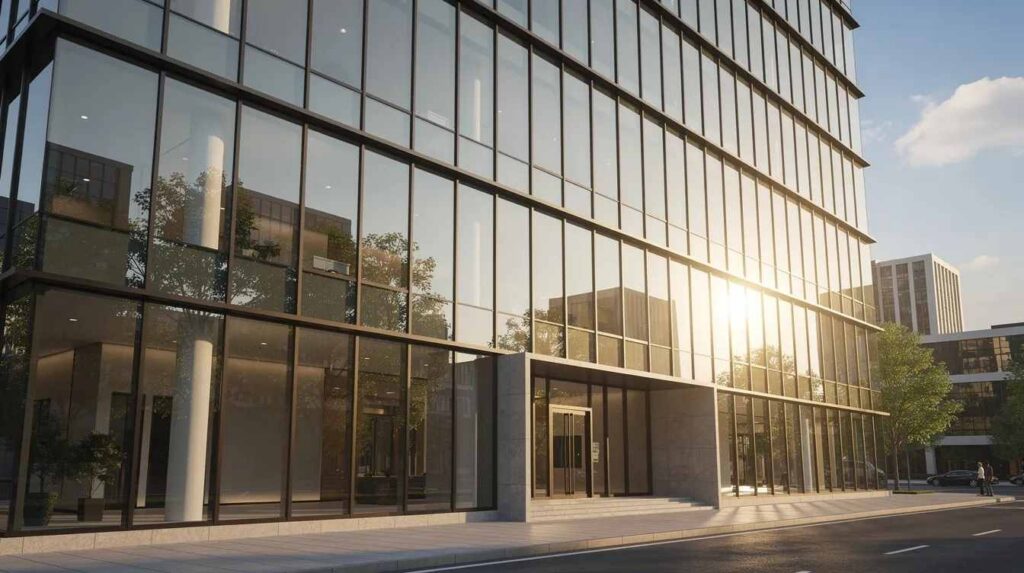
A smash-and-grab incident shatters storefront glass in seconds, exposing inventory and putting customers and employees at risk from flying glass. Security window film holds glass together if it breaks, creating a protective layer that forces intruders to work far longer to breach the opening.
Films in the 8–15 mil range, combined with anchoring systems bonded to the frame, hold glass fragments in place and slow intruders, and it’s important to understand the difference between shatterproof window film and true security window films when selecting a solution. Thicker security films can delay forced entry by up to 6 minutes. 3M™ Scotchshield™ Ultra Series security film provides a 2-minute breach delay, while Riot Glass security film passed Miami Dade impact testing for storm-zone applications. No film makes glass unbreakable, but it buys precious minutes and often causes criminals to abandon attempts.
Practical applications include glazed doors, street-facing display windows, pharmacy counters, high-value display cases, and restaurants or convenience stores open late. Many risk managers and insurers now recommend security glazing upgrades for high-risk locations. Retail stores can also benefit from using window protection films to protect glass surfaces at ground level. Security window film protects against smash-and-grab thefts, and professional installation with correct glass assessment is critical to both performance and warranty coverage.

Energy Efficiency, Comfort, and UV Protection in Retail Environments
Rising utility rates since 2022 and Inflation Reduction Act incentives have made energy efficiency upgrades more attractive than ever for commercial spaces. Solar window films reduce interior heat and glare significantly by rejecting infrared energy before it passes through large storefront windows.
Energy-saving films lower heat inside retail spaces, helping stabilize temperatures so HVAC systems cycle less and last longer. Reduced reliance on air conditioning lowers monthly bills, and solar window film can reduce utility expenses significantly. Retailers with south- or west-facing exposures in summer see the biggest gains. Typical payback periods for solar films fall in the 1–4 year range, with cooling cost reductions of 5–15% reported across retail chains depending on climate, building design, and operating hours.
Window film can reduce glare on digital signage, POS screens, and customer devices, improving visibility for customers and creating a comfortable environment even near hot spots along the glass line, and retailers can choose from a wide range of window glass film products and brands to match their performance goals. UV protection films block up to 99% of harmful rays, the primary cause of fading for fabrics, packaging, flooring, and displays. A boutique applying solar film to front windows can extend the life of apparel displays by several seasons. Window film can improve indoor comfort for customers while delivering measurable energy savings on every utility cycle.
Design, Branding, and Privacy: Using Decorative & Frosted Window Films Creatively
Glass is valuable real estate for storytelling. Window films improve the look of plain glass instantly, turning it into a branded, functional surface without permanent construction.
Decorative window films can enhance brand presence and advertising through patterns, textures, and gradients that create a high-end look for lifestyle brands, salons, and specialty retailers. Decorative films mimic etched glass at a lower cost, and 3M Fasara-style films emulate linen or rice-paper glass for a fraction of full glass replacement. Decorative films create the look of etched glass affordably for any commercial setting.
Frosted films provide privacy while allowing natural light, making them ideal for fitting rooms, consultation areas, offices, and back-of-house zones. Frosted privacy films create a modern, high-end appearance and frosted films add a modern, high-end appearance to storefronts without blocking daylight. Privacy window films limit visibility while maintaining natural light for spaces like cafés and restaurants, where privacy films help create a cozy atmosphere in dining spaces and enhance customer experience. 3M offers a variety of privacy window film options annually to match evolving design trends.
Custom graphics on window film enhance brand visibility with full-color printed logos, product imagery, and seasonal campaigns that can be swapped without damaging glass. Perforated one-way films let national QSR, wireless, and automotive brands present large street-facing images without making the interior feel closed-off or dark. Films can be removed or updated during remodels, rebrands, or landlord changes with minimal disruption, giving retailers and many business owners flexibility that blinds and permanent fixtures cannot match.
Professional Installation: What Retailers Should Expect from Start to Finish
Professional installation is non-negotiable in commercial retail. It minimizes downtime, preserves warranties, and avoids bubbles, contamination, or thermal stress from selecting the wrong film for a given glass type.
The typical process follows four stages:
- Site assessment – measurement, glass type identification (tempered, laminated, IGU), and review of security, energy, and branding goals to determine the best solution
- Film recommendation – samples placed directly on glass so merchandisers can evaluate how films affect visibility, color rendering, and appearance before committing
- Scheduled installation – work performed during off-hours, overnight, or before opening to protect sales and minimize disruption to employees and customers
- Curing and aftercare – films may appear hazy for several days to a few weeks; avoid abrasive cleaners, wait approximately 30 days before the first cleaning, and use a soft cloth with a non-ammonia solution
Window Film Depot brings a national installation footprint, union and non-union flexibility, and decades of experience coordinating multi-location rollouts for retail chains, banks, and big-box stores.
FAQs About Window Film for Retail Stores
How long does window film last in a busy retail environment?
High-quality films installed professionally last 10–15 years. Interior decorative and security films often exceed that when properly maintained. Exterior films typically carry 7–10 year warranties due to greater UV and thermal exposure.
Will security window film stop burglars entirely?
No film makes glass impenetrable. It delays and deters, holding glass in the frame and buying time for alarms and law enforcement response. Many criminals abandon the attempt when the glass refuses to give way.
Will window film make my retail store too dark?
Not if you choose the right window film. Modern spectrally selective films maintain bright interiors while cutting heat and offering glare reduction. Visible light transmission options range from nearly clear to heavily tinted, so you can balance light and solar rejection.
How much does window film cost for a retail storefront?
Installed cost typically runs $7–$12 per square foot for basic solar film, $12–$18 for ceramic or spectrally selective, and $15–$25+ for security window film. Factors like glass height, access, old film removal, and location influence final pricing.
Can I install window film myself on my store windows?
DIY on large commercial panes risks bubbles, contamination, and mismatched film-to-glass compatibility. Commercial insurers, landlords, and film manufacturers typically require professional installation to honor warranties and ensure performance.
Is window film allowed by my landlord or local codes?
Most shopping centers already use storefront window film, but signage and visibility rules vary by municipality. Some cities limit opaque coverage to 25% of window area. Coordinate with property management and rely on installers familiar with local regulations. A consultation will help determine what is permitted at your specific location.
Why Choose Window Film Depot for Retail Store Projects?
Window Film Depot is a family-owned specialist in commercial and retail window film, headquartered in Marietta, Georgia, with a national reach built over more than three decades since 1992. The company brings deep experience with security glazing, 3M solar control film, and decorative and privacy solutions deployed across national retail portfolios.
Turnkey project management covers surveys, logistics, install scheduling, and post-installation support for multi-site rollouts. Trained, certified installers follow manufacturer specs to preserve warranties and performance. Whether the project is a single boutique or a chain spanning hundreds of locations, facility managers, loss-prevention teams, store design teams, and franchisees gain a single partner who manages the entire process across multiple states.
Next Steps: How to Get Window Film Installed on Your Retail Storefront
The fastest path to clarity on options and pricing is a professional assessment of your store’s glass, sun exposure, and security or branding goals.
- Contact Window Film Depot by phone or online form with basic store details: location, approximate glass size, and primary concern (security, energy, glare, or branding)
- Schedule an on-site or virtual consultation where films, samples, and ROI considerations are discussed
- Approve a written proposal covering scope, film types, estimated savings or security benefits, and installation schedule
- Install after hours or in phases to avoid sales interruptions, followed by a walkthrough and care guidance
Multi-location retailers and franchise groups can request a standardized program rolled out regionally or nationwide with consistent pricing and specifications. Partner with Window Film Depot to make your retail shops safer, more energy-efficient, and more visually compelling-starting with a single conversation.