Table of Contents:
- Introduction: Why Condo Window Film Matters in 2026
- Key Benefits of Condo Window Film for Residents and Associations
- Types of Window Film for Condos
- Condo Board Rules, Building Codes, and Getting Approval
- Professional Installation vs. DIY for Condo Window Tinting
- Typical Costs of Condo Window Film and What Affects Pricing
- Energy Savings, Comfort, and Return on Investment
- Glare Reduction, UV Protection, and Everyday Comfort
- Privacy, Daylighting, and Condo Aesthetics
- Safety, Security, and Code-Driven Upgrades
- Maintenance, Cleaning, and Expected Lifespan
- Common Myths and Misconceptions About Condo Window Tinting
- How to Choose a Condo Window Film Installer
- Why Choose Window Film Depot for Condo Window Film Projects
- Frequently Asked Questions About Condo Window Film
- Next Steps: Talk with Window Film Depot About Your Condo Windows
Introduction: Why Condo Window Film Matters in 2026
Modern condos and high-rise condos are designed around glass. Floor-to-ceiling windows sell units, but they also create problems that every condo resident eventually confronts: summer heat that overwhelms the AC, blinding glare on a computer screen, fading hardwood floors, and a total lack of privacy from neighboring towers. If you live on a south- or west-facing upper floor in a city like Chicago, Atlanta, or Seattle, you already know what direct sunlight does to a living room by 2 PM on a July afternoon.
Condo window film is a thin, retrofit layer applied to existing glass that modifies how your windows handle heat, light, and UV radiation. Think of it as an upgrade for the glass you already have. Rather than spending tens of thousands of dollars on full window replacement, a well-chosen window film can deliver comparable performance improvements with minimal disruption and at a fraction of the cost.
Window Film Depot has been providing professional installation of high-performance window films nationwide since 1992, including projects tailored specifically for condo buildings and their unique challenges. In this guide, we’ll walk through the benefits of condo window tinting, the types of films available, how to work with your condo board, what installation costs look like, and how to choose the right partner for the job.

Key Benefits of Condo Window Film for Residents and Associations
Condo window tinting solves several problems simultaneously, which is part of why it has become a standard retrofit in so many buildings. Here are the core benefits worth understanding:
- Heat reduction – Window films can reduce heat gain by up to 84% and cut solar heat gain by as much as 60%, keeping living spaces noticeably cooler. Reflective window films can lower interior temperatures by up to 10°F on sunny days.
- Lower cooling costs – By reducing the HVAC workload, window films can reduce cooling energy consumption by 5–17%, translating to real financial savings on monthly utility bills.
- Glare control – Films reduce glare on televisions and computer screens, making home offices and media rooms usable without closing curtains or blinds.
- UV protection – Quality films block up to 99% of harmful uv rays, slowing fading of furniture, floors, and artwork.
- Daytime privacy – Tinted or reflective films limit what passersby and neighboring buildings can see into your space.
- Consistent appearance – A uniform film across units improves the aesthetic appeal and exterior look of the entire building.
Window films also lower overall energy usage by maintaining consistent indoor temperatures, which means your HVAC system cycles less and runs quieter. For condo boards and property managers, the result is fewer comfort complaints, a more polished building facade, and potential improvements in building energy efficiency ratings.
Beyond the obvious, residents report better sleep quality in bedrooms, reduced eye strain for remote workers, and significant protection of furnishings from sun damage that would otherwise require costly replacement.
Types of Window Film for Condos
Not all films perform the same, and most condo buildings benefit from a mix of film types matched to different exposures, room uses, and association rules. The right choice depends on your goals, your local climate, and your building’s design standards.
Solar control film is the most common starting point. It blocks uv rays and reduces glare, using materials like dyed polyester, metallized layers, ceramic, or nano-ceramic constructions. These films often appear lightly tinted but can be nearly neutral in tone. Some can reject up to 97% of infrared light in summer while keeping rooms bright.
Spectrally selective and ceramic films deliver high heat rejection with minimal darkening. They target infrared and UV wavelengths rather than visible light, preserving natural light and clear views. This matters in buildings with strict aesthetics rules.
Low-E film improves thermal insulation in cold climates by reflecting interior heat back into the room during winter while still controlling solar heat in summer. For condo residents in cities with dynamic weather, Low-E film addresses both seasons.
Privacy film can make glass opaque or mirrored, offering options from subtle neutral tints to one-way reflective finishes that behave differently at night. Frosted or decorative films obscure the view while allowing natural light through, and decorative film includes etched designs and colors that can transform plain glass.
Security film reinforces glass to prevent shattering and provides enhanced protection beyond basic shatterproof window film. Thicker laminates (4–8 mils or more) hold glass fragments together on impact, reducing injury risk and deterring forced entry.
Window Film Depot works with manufacturers like 3M to match film performance to specific condo glass types – annealed, tempered, double-pane, low-iron – so there are no warranty or breakage surprises.
Condo Board Rules, Building Codes, and Getting Approval
The single most important step before installing condo window film is securing permission from your condo board or building management. Skip this, and you risk fines, forced removal, or complications when you try to sell your unit.
Condo boards may require written approval before film installation. Their concerns typically center on maintaining a uniform exterior appearance, limiting reflectivity and tint levels, fire safety compliance, impact on existing glass warranties, and access for window washing crews. Some CC&Rs explicitly ban reflective or mirrored coatings while allowing tinted but non-reflective films.
Before you submit a request, review your governing documents – CC&Rs, bylaws, and any design guidelines. Prepare a formal request that includes manufacturer spec sheets, performance data, and physical samples. Before installing window film, check HOA rules regarding exterior appearance so you know exactly what parameters you need to meet.
One effective approach: a condo association standardized a single approved film across all south-facing elevations. This avoided a patchwork look while giving every unit the comfort benefits of solar control. Window Film Depot routinely helps condo boards and property managers by preparing submittal packages, arranging small mockup installations on selected windows, and providing documentation that satisfies both board concerns and local building codes.
Professional Installation vs. DIY for Condo Window Tinting
DIY window film kits are widely available, and for a single residential window they can seem appealing. But high-rise condos and multi-unit buildings present specialized requirements that almost always call for professional installation.
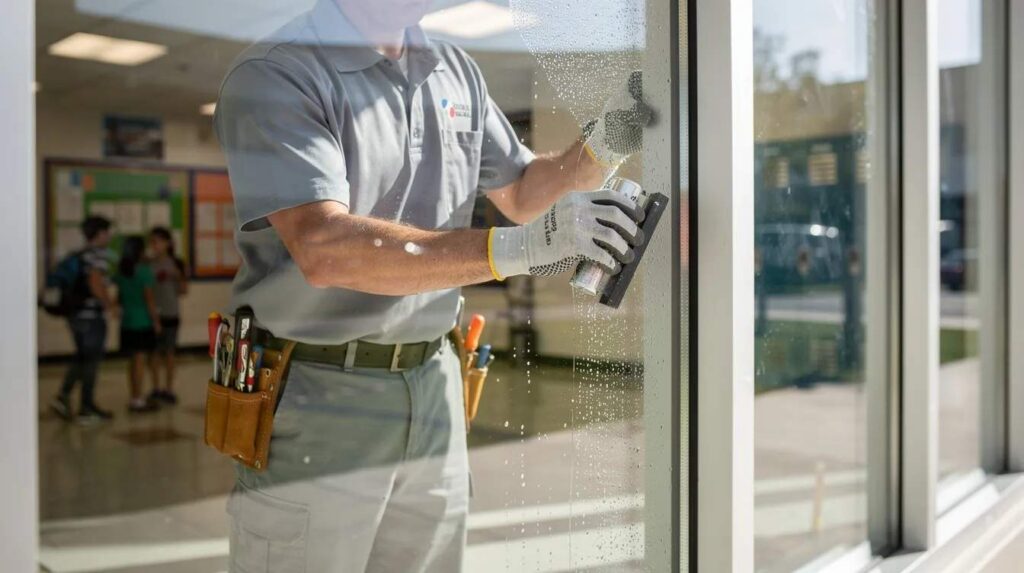
Professional window tinting includes on-site evaluation of glass type and condition, exact measurements, safety planning for upper floors, thorough surface prep, precision cutting, and careful application to avoid contamination and edge failures. Proper installation prevents bubbling and peeling of window film – the two most common complaints from DIY attempts. Certified professionals also ensure the film is compatible with your glass (especially insulated or Low-E units) and that the manufacturer’s warranty remains valid.
By contrast, DIY installation can take 30–45 minutes for large windows, but the results are unpredictable. Films not rated for insulating glass can cause thermal stress. Working on tall or oversized panes increases the risk of creasing, debris under the film, or bubbles that won’t come out. And if something goes wrong, there’s no warranty to fall back on.
Many condo boards require insured, certified contractors and may restrict residents from doing their own window tinting due to safety and liability concerns. Window Film Depot’s installers are manufacturer-trained, experienced in high-rise logistics, and accustomed to coordinating with building management for elevator access, staging, and scheduling to keep disruption to a minimum for everyone in the building.
Typical Costs of Condo Window Film and What Affects Pricing
Condo window film costs depend on film type, total square footage, glass accessibility, and whether the project covers a single unit or an entire building. Here are realistic 2026 price ranges per square foot, installed:
| Film Type | Installed Cost (per sq ft) |
|---|---|
| Standard solar control (dyed/metalized) | $7–$12 |
| Premium ceramic or spectrally selective | $12–$18+ |
| Low-E retrofit film | $12–$18 |
| Privacy / decorative film | $10–$18 |
| Safety/security film | $15–$25+ |
| For a one-bedroom high-rise condo with roughly 150 square feet of glass, a mid-grade solar control film might run $1,050–$1,800 installed, while premium ceramic film could land in the $1,800–$2,700 range. |
Cost drivers specific to condos include high-floor access (swing stages or interior-only restrictions), union building requirements, limited installation windows in occupied units, and additional labor for removing old film. Building-wide projects – covering all units or entire facades – typically qualify for significantly better per-square-foot pricing compared to one-off unit installations.
Window Film Depot provides detailed written proposals that break out materials, labor, and optional add-ons like safety film, so residents and boards can budget accurately and compare options without guesswork.
Energy Savings, Comfort, and Return on Investment
Solar control and Low-E window films reduce both cooling and heating loads by limiting unwanted heat transfer through condo windows. In hot climates, the cooling savings dominate. In mixed or cold climates, certain films help retain indoor warmth, offsetting the winter heating penalty that comes with reduced solar gain.
The numbers are meaningful. High-performance window films can reduce cooling energy consumption by 7% to 12%. Many ceramic and spectrally selective films reduce solar heat gain by 40–60%, and top-tier options push even higher. On peak summer days, indoor heat drops by 2–3°C (roughly 4–5°F) in sun-exposed rooms, which directly reduces AC run-time and energy costs.
Installing window film can lead to significant financial savings on cooling costs, with typical payback periods of 2–5 years depending on climate, exposure, and energy rates. In one well-documented multi-tower retrofit, annual energy savings exceeded $350,000, with payback estimated at 3–5 years. Some utility companies and local energy efficiency programs offer rebates for qualifying film installations – ask Window Film Depot to check current opportunities in your region.
Beyond hard dollar savings, the softer ROI matters too: fewer hot and cold spots across your space, quieter HVAC operation, improved resale appeal, and protection of furnishings from fading that can delay expensive replacement of flooring and furniture.
Glare Reduction, UV Protection, and Everyday Comfort
Afternoon glare on a TV, a laptop screen washed out by direct sunlight, squinting through a video call – these are daily frustrations in glass-heavy condos. Closing curtains or blinds solves glare but kills the view and natural light you paid for.
Modern spectrally selective and ceramic window films offer meaningful glare reduction without sacrificing natural light. Solar control film blocks uv rays and reduces glare, targeting the infrared and UV wavelengths that cause heat and discomfort while letting visible light pass through. The result: a room that feels bright and open without the harsh, blinding quality of unfiltered sun.
UV protection window film is where the data is especially compelling. Window films can block up to 99% of UV rays, and many quality films block 95–99.9% of UV rays, protecting interiors from fading. That means your hardwood floors, rugs, artwork, and upholstery are shielded from the sun damage that silently degrades them year after year.
Consider a home office corner with floor-to-ceiling glass on west-facing windows. Without film, a resident might need to close blinds by 2 PM or relocate their desk entirely. With a spectrally selective film installed, the same space stays comfortable all afternoon – no shades pulled, no desk relocation, and no eye strain.
Window Film Depot can demonstrate glare and UV reduction with light meters or small sample panels during a consultation, so residents and boards can see the effect before committing.

Privacy, Daylighting, and Condo Aesthetics
Privacy is a constant concern in condos – neighboring towers just a few hundred feet away, ground-floor units visible from sidewalks, bathrooms with glass near walkways. Window films can protect from unwanted views without sacrificing natural light, and there are more options than most residents realize.
Understanding the difference between daytime privacy and nighttime privacy window film performance is critical. One-way reflective films create a mirror effect during the day for privacy, making it nearly impossible for outsiders to see in when the exterior is brighter than the interior. But reflective films are ideal for daytime privacy but not for nighttime – once interior lights come on and it’s dark outside, the effect reverses. For nighttime privacy, blinds or curtains remain necessary.
Privacy films allow natural light in while limiting outside visibility. Popular options include subtle neutral tints for street-facing glass, frosted films that provide high privacy while still allowing daylight through, gradient films for balcony railings, and static cling films that provide daytime privacy without adhesive. Privacy film can make glass opaque or mirrored, depending on the product selected. High-quality window films can reduce interior visibility during the day to near zero from outside.
For condo associations concerned about aesthetics, films can be chosen to maintain a uniform exterior look. A single approved tint across all units keeps the building’s facade clean and consistent, while individual residents add interior sheer treatments as desired. Decorative glass films can also upgrade plain interior glass into “etched” or patterned designs at a fraction of the cost of custom glass – and they can be removed or updated later without damaging the glass.
Window Film Depot provides sample boards and installs small mockup sections on selected units so boards can evaluate both privacy and aesthetics in real conditions before approving a full rollout.
Safety, Security, and Code-Driven Upgrades
Safety and security window films are thicker, more robust products designed to help hold glass together on impact, and there are multiple window protection film solutions to reinforce glass. Safety films hold shattered glass in place during an accident or break-in, reducing the risk of injury from flying shards.
In condo buildings, this matters most in high-traffic common areas: lobbies, corridors, fitness centers, ground-floor amenity spaces, and parking garage entries. For property managers, adding an extra layer of security film to these areas reduces liability and makes cleanup far easier if glass does break.
The range of products spans basic 4–8 mil safety film to advanced systems that combine film with wet-glaze anchoring to the window frame. The anchored systems deliver higher performance in forced-entry or storm scenarios. A practical use case: ground-level lobby doors and retail-facing glass in mixed-use condo buildings where security film deters smash-and-grab incidents.
Safety films are also used to help older buildings meet updated glass safety guidelines without full glass replacement, subject to local code requirements. Window Film Depot has extensive experience with security glazing upgrades for commercial and government projects – the same expertise applies directly to condo common areas, retail levels, and parking structures.
Maintenance, Cleaning, and Expected Lifespan
Professionally installed window films are low-maintenance. Once applied and cured, they require no special treatment beyond standard window cleaning.
Premium interior-applied films in condo settings typically last 15–25 years, depending on film type, sun exposure, and the manufacturer. Many come with long-term warranties covering color stability, adhesion, and performance. Some manufacturers also offer glass-breakage coverage for approved applications.
For cleaning, wait the recommended cure time – often 30 days – before the first cleaning. After that, use soft cloths or squeegees with a mild soap solution. Avoid abrasive pads, razor blades, or ammonia-based cleaners that can scratch or degrade the film surface.
Normal aging looks like slight edge wear over many years and a very gradual decline in performance. Signs of actual problems – bubbles, peeling, discoloration – are rare with quality products and professional installation but should be addressed promptly if they appear. If a film panel is ever damaged, individual panes can usually be stripped and re-filmed without replacing the glass, keeping cost and disruption minimal.
Window Film Depot can provide building-wide maintenance guidance for property managers and, for large installations, periodic inspections to confirm films are performing as expected over time.
Common Myths and Misconceptions About Condo Window Tinting
Many condo residents still picture window tinting as the dark, mirror-like films from the 1990s. Modern films are dramatically different, and several persistent myths deserve correction.
“Film will make my condo feel like a cave.” Spectrally selective technology targets heat and UV more than visible light. Many of today’s best-performing solar films maintain 50–70% visible light transmission – rooms stay bright and open.
“Reflective privacy film works 24/7.” Reflective films provide high privacy during the day but may not at night. When interior lights are on after dark, the mirror effect reverses. Blinds or curtains are still needed for full nighttime privacy.
“Film will crack my insulated glass or void my warranty.” Reputable manufacturers test films on various glass types and publish safe-to-use compatibility charts. Professional installers follow these guidelines to protect both the glass and the warranty.
“Film always peels or gets bubbles.” This is almost exclusively a DIY problem. Professional-grade adhesives, proper surface prep, and skilled application prevent these issues. Applying window film offers enhanced privacy and improved energy efficiency when the job is done right.
When installed correctly by experienced professionals, condo window film is a code-compliant, proven building-performance upgrade that has been deployed in commercial towers, government buildings, and institutions for over three decades.
How to Choose a Condo Window Film Installer
The installer’s experience with condos and high-rise projects matters as much as the film brand. A great product applied poorly will underperform and may damage your glass.
Key selection criteria to evaluate:
- Years in business and track record with similar buildings
- Manufacturer certifications (e.g., 3M Authorized Dealer status)
- Adequate insurance, licensing, and bonding
- Experience navigating condo board approvals
- A portfolio of completed high-rise or multi-unit projects
Ask potential installers specific questions: How do they determine film compatibility with your existing glass? What warranties do they provide on both product and workmanship? How do they handle scheduling in occupied units? How do they protect floors and furnishings during the job?
Request product samples and, when feasible, a test installation on one or two panes. This lets residents and boards evaluate appearance, glare reduction, and privacy before proceeding building-wide.
Clear documentation matters – written scope of work, timelines, access requirements, and cleanup expectations – especially in buildings with strict rules. Window Film Depot operates nationally across all 50 states, bringing consistent professional installation standards to condo projects across multiple cities, and can coordinate both individual-unit upgrades and large multi-building rollouts.
Why Choose Window Film Depot for Condo Window Film Projects
Window Film Depot is a family-owned company founded in 1992, specializing in high-performance window film solutions for commercial, institutional, and residential clients across the United States.
For condo and high-rise work specifically, Window Film Depot brings national coverage, deep familiarity with occupied-building logistics, and a proven track record of coordinating with property managers, condo boards, and facility teams. The company works with premium product lines including 3M solar control, Low-E, safety and security, privacy, and decorative window film products – recommendations are driven by performance needs, not a single product line.
The typical process for condo customers includes an initial consultation (onsite or virtual), goals assessment covering glare reduction, privacy, energy savings, and security, followed by product recommendations, sample review, support with board submittals, and scheduled professional installation. For multi-unit installations, Window Film Depot offers turnkey project management, wholesale film supply for trade partners, and deep experience with specialty applications for building common areas.
What sets Window Film Depot apart is longevity, expertise, and accountability: over three decades in business, a national portfolio of completed projects, manufacturer-backed warranties, and a focus on long-term performance and resident satisfaction rather than quick one-off installations.
Frequently Asked Questions About Condo Window Film
Below are the questions condo residents, boards, and property managers ask most often about condo window tinting and professional installation.
Does my condo association have to approve window film before I install it?
In most condo buildings, any change to exterior-facing glass requires association or management approval to maintain a uniform look and comply with building rules. The typical process involves submitting a written request with film specifications, manufacturer data sheets, and physical samples. An experienced installer like Window Film Depot can prepare the technical documentation and even arrange a mockup installation to support your request.
Will window film make my condo too dark or ruin my view?
Modern films can significantly block heat and glare while preserving high visible light transmission and clear views. Ceramic and spectrally selective options are specifically designed for this balance. Residents can choose lighter or darker films within their board’s approved range, and mockups help visualize the change before committing to a full installation.
Is window film safe for double-pane or Low-E condo windows?
Yes, when properly selected. Films are engineered to work with insulated and Low-E glass – the key is matching film type to glass type using manufacturer compatibility charts. Professional installers assess glass construction, orientation, and coatings before recommending any product, which helps protect the glass and maintain existing warranties.
How long does condo window film last, and what warranties are available?
Interior-applied films in condo settings typically last 10–20+ years. Premium brands include manufacturer warranties covering color stability, adhesion, and performance. Window Film Depot also backs installations with workmanship warranties, and glass-breakage and seal-failure coverage is available on many approved applications.
Can I tint just my unit, or does the whole building need to participate?
Policies vary. Some associations allow individual units to install approved films, while others mandate building-wide standards to keep the exterior consistent. Talk with your board first. Window Film Depot can help boards evaluate options that satisfy both individual comfort needs and building aesthetics requirements.
How long does installation take, and will I need to move out?
Most individual-unit installations are completed in a single day or less, depending on the amount of glass. Residents can usually stay home during the process. Installers protect floors and furniture, clean each pane of glass thoroughly, apply the film, handle cleanup, and provide brief post-install care instructions before leaving.
Next Steps: Talk with Window Film Depot About Your Condo Windows
Condo window film is one of the most cost-effective ways to improve comfort, reduce glare, enhance privacy, protect interiors from fading, and upgrade safety in your building – all without replacing a single pane of glass. Whether you’re dealing with hot afternoons in a sun-drenched unit or planning a building-wide energy efficiency improvement, the right film makes a measurable difference.
Here’s what to do next:
- Review your condo rules – check CC&Rs and design guidelines for any restrictions on tint or reflectivity.
- Note your problem areas – which rooms, which times of day, and which exposures cause the most discomfort.
- Schedule a consultation – contact Window Film Depot for a no-obligation assessment, product samples, and a written proposal tailored to your building.
For multi-unit or building-wide projects, boards and property managers should reach out early so Window Film Depot can assist with technical submittals, budgeting, phasing plans, and mock installations that make the approval process smoother for everyone.
Smarter glass solutions like professional window film are a key part of modernizing condo buildings for years to come. The technology is proven, the products are better than ever, and the right installation partner makes the entire process straightforward. Reach out to Window Film Depot today and find out what your windows can really do.