Table of Contents
Introduction to One Way Window Privacy Film
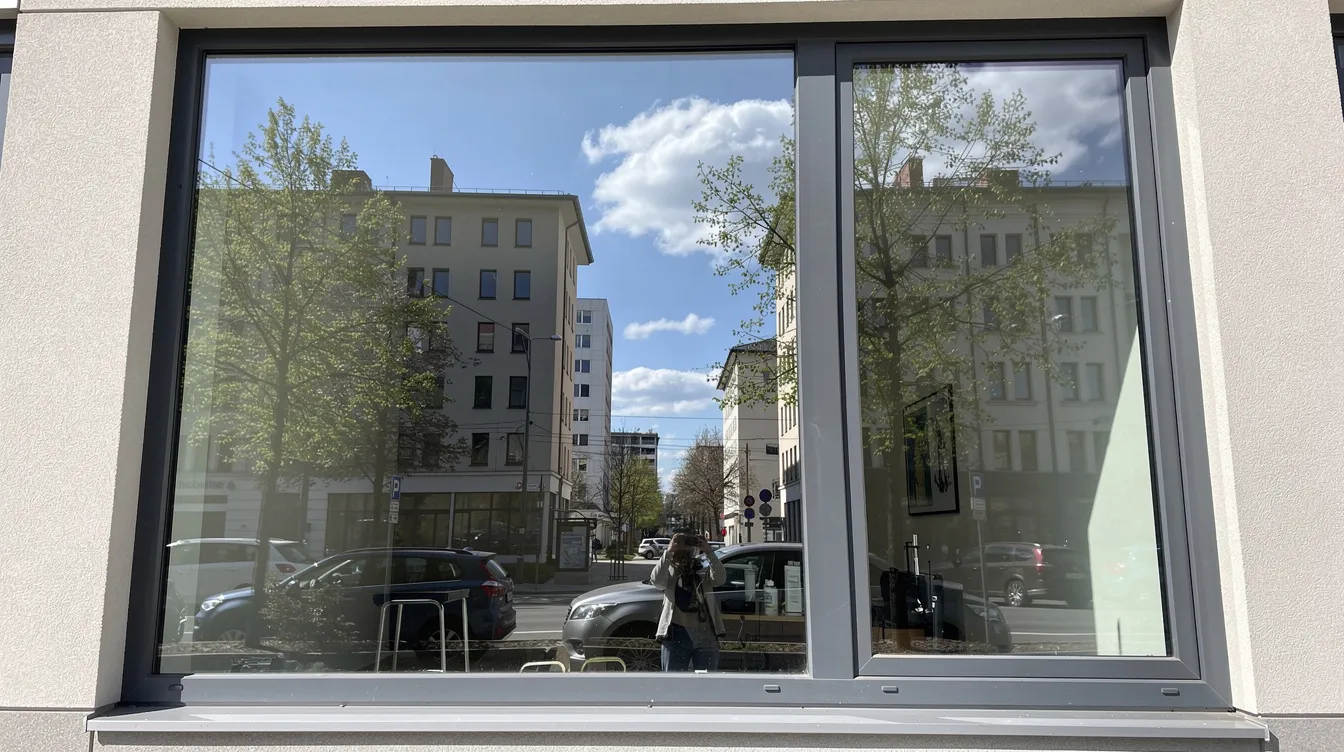
One way window privacy film creates a mirror effect on your windows during daylight hours, blocking outside viewers from seeing inside while you maintain a clear view of the exterior. This reflective window film solution addresses the fundamental challenge of achieving daytime privacy without sacrificing natural light or installing permanent fixtures like curtains or blinds.
This guide covers the complete scope of one way window film technology—from how the mirror effect works to installation methods, performance limitations, and cost considerations. The content targets homeowners seeking privacy for street-facing windows, office managers protecting conference room visibility, and anyone wanting to balance privacy with natural light in their space. Understanding these films matters because they offer security enhancement, improved comfort, heat control, and energy efficiency without requiring window replacement or structural modifications.
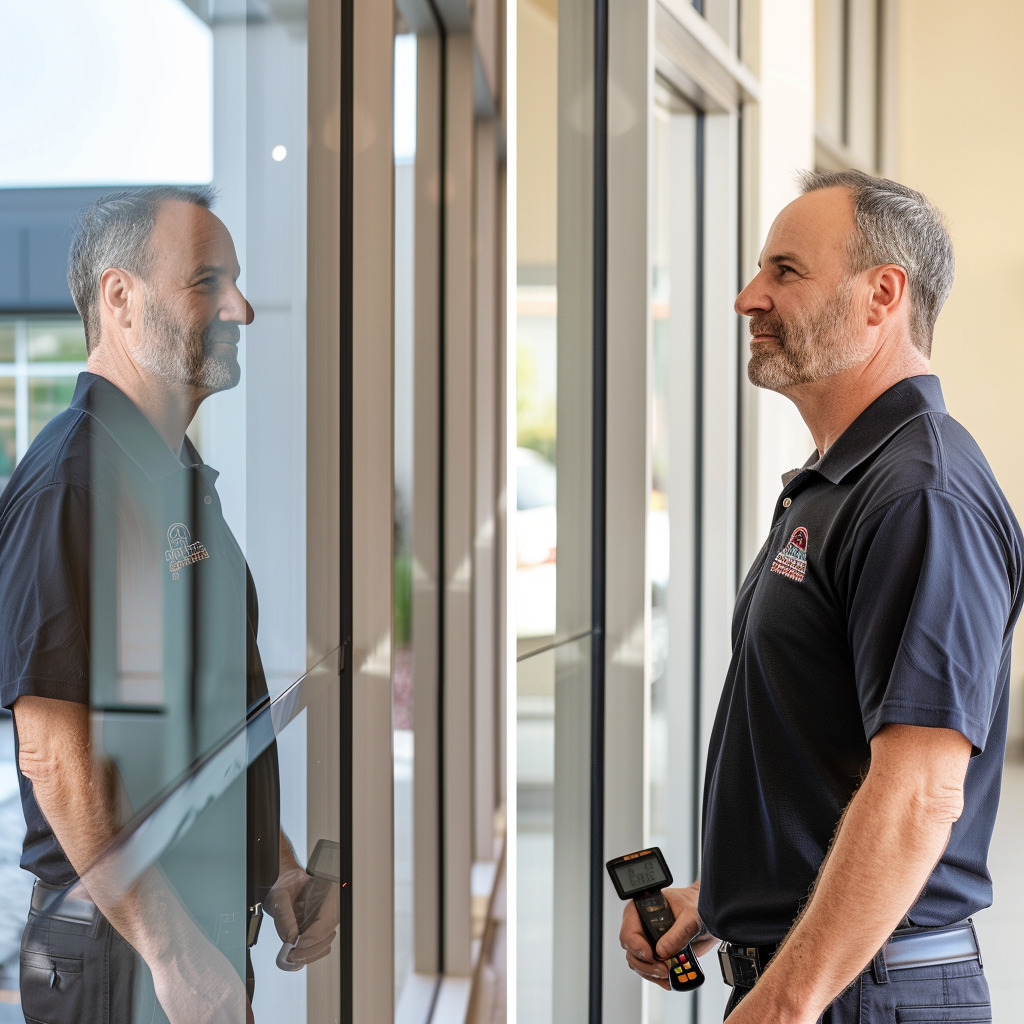
Direct answer: One way window film uses a reflective metallic or ceramic coating that exploits the brightness differential between outdoor sunlight and your darker interior, creating a mirror-like surface that blocks exterior observation while allowing you to see outside clearly during daytime hours.
By reading this guide, you will gain:
- Clear understanding of how mirror effect technology functions and its limitations
- Knowledge of static cling versus adhesive film types and their durability differences
- Practical installation guidance for DIY and professional options
- Solutions for addressing nighttime privacy concerns
- Cost expectations and alternative privacy film options for different situations
Understanding One Way Window Privacy Film Technology
The science behind reflective window film relies on precise optical principles and material engineering. Understanding how these films create one way visibility helps you select the right product and set realistic expectations for performance in your specific environment.
How Mirror Effect Technology Works
One way window film contains a reflective metallic layer—typically aluminum, silver, or nano-ceramic particles—sandwiched between protective and adhesive layers. This reflective surface creates the mirror effect through a principle called differential brightness.
During daytime, sunlight makes the exterior significantly brighter than your interior space. When outside light hits the film’s reflective surface, it overwhelms any transmitted light coming from inside your room. Outside viewers see their own reflection rather than your interior because the sun’s power dominates the visual equation.
Meanwhile, you maintain clear view outward because sufficient light passes through the film from the brighter exterior. The film’s effectiveness depends on measurable specifications: Visible Light Reflectance (VLR) determines how strong the mirror effect appears, while Visible Light Transmittance (VLT) indicates how much natural light reaches your interior. High-performance films often feature exterior VLR above 60% and Total Solar Energy Rejected (TSER) ratings of 70-80%.
Static Cling vs Adhesive Film Types
Two primary installation types exist for privacy window film: static cling and adhesive films. Each serves different needs based on permanence requirements and installation preferences.
Static cling films adhere through molecular attraction and surface tension rather than glue. These films offer easy removal, repositioning, and replacement without residue—making them ideal for renters or those wanting temporary solutions and comfortable with do-it-yourself window film installation. However, static cling durability typically ranges from 1-3 years, with performance degrading faster in hot, humid, or high-UV environments.
Adhesive films use pressure-sensitive adhesives for permanent installation. These products resist edge lifting, handle extreme temperature swings better, and last 10-20 years under proper conditions. The trade-off involves more difficult removal and potential adhesive residue if you later decide to change or remove the film.
Daytime vs Nighttime Performance
The mirror effect works exclusively when exterior brightness exceeds interior lighting—a critical limitation every buyer must understand. When darkness falls and you turn on interior lights, the brightness differential reverses completely.
At night, your illuminated room becomes brighter than the dark outside world. The same optical principle that protected your privacy during daytime now works against you: outside viewers can see into your space while you see mainly your own reflection in the glass. This reversed effect makes night time privacy impossible with reflective film alone.
Some dual-reflective window films or micro-perforated films reduce interior reflection and partially maintain nighttime privacy, but no one way film provides complete day and night protection. Planning supplemental treatments like blinds or curtains addresses this inherent limitation and ensures 24-hour coverage.
Benefits and Applications for Home and Office
Understanding the technology behind one way window tint naturally leads to exploring its practical advantages. These films deliver multiple benefits beyond privacy, making them a comprehensive solution for residential and commercial spaces alike.
Privacy Enhancement
Reflective window film excels at protecting ground-floor windows, street-facing façades, and glass doors from unwanted observation. Neighbors, pedestrians, and passersby see only a reflective surface rather than your interior activities during daytime hours.
Unlike frosted alternatives that block visibility in both directions, privacy window film solutions for glass windows and doors maintain your ability to enjoy outside view while blocking exterior viewers. Your space retains its connection to the outdoor environment—you can watch street activity, monitor your property, or simply enjoy natural scenery without feeling exposed.
This one way visibility proves particularly valuable for street-level offices, reception areas, and residential rooms facing sidewalks or neighboring properties. The film creates psychological comfort and security without the enclosed feeling that comes from opaque window treatments.
Energy Efficiency and Heat Control
Many reflective films deliver significant heat control benefits alongside privacy. High-performance products reject 40-70% of solar energy, substantially reducing cooling loads on air conditioning systems during summer months.
UV protection typically reaches 99% blocking of harmful UV-A and UV-B rays, protecting flooring, furniture, artwork, and fabrics from sun damage and fading. This preservation extends the lifespan of interior furnishings and maintains their appearance over years of use.
Glare reduction improves screen visibility for computers, televisions, and other displays. Office workers experience less eye strain, and home entertainment areas function better even with direct sun exposure. These combined benefits often justify film installation costs through reduced energy bills and preserved interior investments.
Specific Room Applications
Bathrooms benefit significantly from privacy window film, allowing natural light to enter while blocking views into private spaces. Ground-floor bathrooms facing streets or neighboring windows become comfortable without requiring permanent frosted glass replacement.
Bedrooms—especially those on lower floors or facing busy areas—gain daytime privacy without darkening the room. You wake to natural light while maintaining protection from outside viewers during morning routines.
Home offices and conference rooms with exterior glass maintain professional appearances while preventing outsiders from observing sensitive work, documents, or meetings. Retail storefronts reduce glare that washes out merchandise displays while deterring visual theft assessment during peak sunlight hours.
Installation Process and Methods
Proper installation determines how well your window film performs and how long it lasts. Whether you choose DIY application or professional service depends on your skill level, window complexity, and performance expectations.
DIY Installation Steps for Static Cling Film
Static cling film suits DIY installation when you have straightforward, single-pane windows and prefer temporary or replaceable solutions. The process requires patience and attention to detail but involves no specialized tools.
- Clean the window surface thoroughly using lint-free cloths and non-ammonia glass cleaner. Remove all dust, grease, fingerprints, and residue—any contamination creates bubbles or prevents proper adhesion.
- Measure and cut film to your window dimensions plus 1-2 inches of overlap on all sides. This extra material allows for positioning adjustments and clean edge trimming.
- Apply soapy water solution generously to the glass surface. Use approximately one teaspoon of dish soap per quart of water. This slip solution enables film repositioning before final placement.
- Position film with the reflective side facing outward (toward exterior) and slide into proper alignment. Work from top to bottom, ensuring square placement within the window frame.
- Remove air bubbles using a squeegee or credit card wrapped in cloth. Work from center toward edges using firm, overlapping strokes. Take time with this step—rushed squeegee work leaves bubbles that become permanent.
- Trim excess material using a sharp utility blade and straightedge. Cut precisely along the window frame edge for clean appearance. Allow 24-48 hours before cleaning for adhesive films to cure completely.
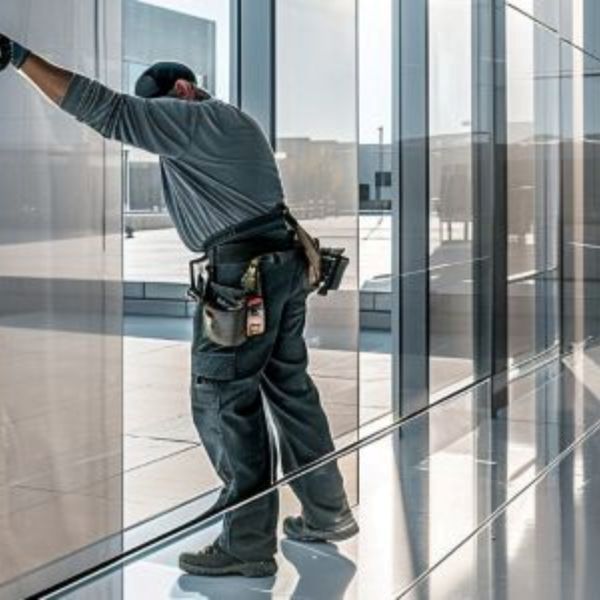
Professional vs DIY Installation Comparison
| Factor | DIY Installation | Professional Installation |
|---|---|---|
| Cost | $1-5 per square foot (materials only) | $6-14 per square foot (materials + labor) |
| Time Investment | 30-60 minutes per window | Same-day completion for entire home |
| Warranty Coverage | Manufacturer warranty only | Often includes installation warranty |
| Quality Consistency | Variable based on skill | Consistent professional results |
| Best For | Single-pane, accessible windows | Double-pane, large, or difficult windows |
| Professional installation makes sense for adhesive films, double-pane windows, large glass surfaces, or when warranty compliance matters. 3M window film products and installation services assess glass type compatibility, manage heat buildup risks, and provide warranties covering both product and workmanship. |
Common Limitations and Solutions
One way window privacy film delivers excellent daytime performance but comes with inherent limitations, especially when it comes to nighttime privacy window film solutions. Understanding these challenges and their solutions helps you create a complete privacy strategy.
Nighttime Privacy Loss
The reversed mirror effect at night leaves your interior visible to outside viewers when interior lights exceed exterior brightness. The perfect solution combines reflective film with supplemental window treatments.
Pair your privacy film with blinds, curtains, or shades that you close after sunset. For bathrooms or bedrooms requiring consistent privacy, consider applying frosted film to lower window portions while using reflective film on upper sections that provide daytime views.
Reduced Natural Light
Darker tint levels (lower VLT percentages) provide stronger mirror effect and more light blocking but reduce interior brightness. A 15% VLT film creates a darker interior than 35% VLT film.
Choose lighter tint percentages (25-35% VLT) when natural light matters more than maximum privacy. Alternatively, apply film only to lower window portions where outside viewers have direct sightlines, leaving upper sections clear to admit more light.
Installation Bubbles and Peeling
Poor surface preparation causes most installation failures. Trapped dust creates permanent bubbles, inadequate cleaning prevents proper adhesion, and rushed squeegee technique leaves air pockets.
Thoroughly clean glass using appropriate solutions, work in moderate temperatures (50-90°F), and take time removing bubbles methodically. For adhesive films, edge sealing prevents peeling in humid or variable-temperature environments.
Ineffectiveness on North-Facing or Shaded Windows
North-facing windows and heavily shaded glass may never receive enough sunlight to create effective brightness differential. The mirror effect relies on exterior brightness—without direct sun, the film cannot function as designed.
For these locations, consider alternative solutions: day and night privacy window films such as frosted and decorative options provide 24-hour privacy regardless of lighting conditions, decorative films add visual interest while obscuring views, or traditional window treatments may serve better than reflective options.
Need More Info?
The Window Film Depot team is happy to help.
Conclusion and Next Steps
One way window privacy film delivers effective daytime privacy through reflective surface technology that exploits natural brightness differentials. You maintain clear outward visibility and natural light while blocking outside viewers during daylight hours. The technology cannot provide nighttime privacy alone but combines well with supplemental treatments for complete coverage.
Immediate next steps:
- Measure your windows and calculate total square footage for cost estimation
- Assess lighting conditions—determine which windows receive direct sunlight versus shade
- Choose between static cling (temporary, 1-3 year lifespan) or adhesive film (permanent, 10-20 year lifespan)
- Plan nighttime privacy solutions such as blinds or curtains for occupied rooms
- Decide between DIY installation or professional service based on window complexity and budget
Related topics worth exploring include frosted window films for 24-hour privacy in bathrooms, decorative privacy options for aesthetic enhancement, professional window tinting services for complex installations or commercial applications, as well as learning more about Window Film Depot’s nationwide installation expertise and window security film installation cost estimates.
Frequently Asked Questions
How long does one way window privacy film last?
Adhesive films professionally installed typically last 10-20 years depending on sun exposure, climate conditions, and film quality. Static cling films generally require replacement every 1-3 years, with faster degradation in hot, humid, or high-UV environments.
Can I see out clearly during the day with privacy film installed?
Yes—daytime visibility depends on the film’s Visible Light Transmittance (VLT) rating. Higher VLT percentages (25-35%) allow clearer outward views, while lower percentages (15-20%) reduce clarity but provide stronger mirror effect. Dual-reflective films specifically improve interior-to-exterior visibility.
Will one way film work on double-pane windows?
Most quality films are approved for both single and double-pane glazing. However, some films may increase heat buildup between panes, potentially stressing seals. Check manufacturer specifications for double-pane compatibility and warranty coverage before installation.
Does privacy film void window warranties?
Some window manufacturers restrict surface modifications and may void warranties if unapproved films are applied. Always verify compatibility with your window manufacturer before installation. Professional installers often know which films maintain warranty compliance.
Can I remove static cling film without damage?
Yes—static cling films remove cleanly without adhesive residue since they rely on molecular attraction rather than glue. Simply peel from one corner and the film releases from the glass. Adhesive films require more careful removal and may leave residue requiring solvent cleaning.
What’s the difference between 15% and 35% tint levels?
The percentage indicates Visible Light Transmittance—how much light passes through. A 15% VLT film appears darker, provides stronger privacy and glare reduction, but admits less natural light. A 35% VLT film is lighter, admits more light, but creates weaker mirror effect and less privacy protection.
How much does professional installation cost?
Professional installation typically costs $6-14 per square foot including materials and labor. Premium or high-performance films may run $15-24 per square foot. A standard home with 10-15 windows might total $500-2,000 depending on window sizes and film selection.
Will the film affect my home’s resale value?
Quality window film generally adds value through energy efficiency benefits and UV protection. However, some buyers may prefer unaltered windows. The reflective exterior appearance may also conflict with HOA regulations or neighborhood aesthetic requirements—verify local rules before installation.