Table of Contents:
Introduction to Privacy Film for Windows
Privacy film for windows is a thin, light-transmitting layer applied directly to glass surfaces that blocks outside visibility while preserving natural light inside your home or office. These window films serve as a practical alternative to curtains, blinds, or complete window replacement when you need privacy without sacrificing daylight.
This guide covers residential and commercial applications of privacy window film, including frosted, decorative, tinted, reflective, and switchable options. We’ll walk through material technologies, installation methods, and troubleshooting—everything from bathroom windows to glass doors in conference rooms. Topics like automotive window tinting or specialized security glazing fall outside this scope.
Direct answer: Privacy film for windows is a polyester-based, vinyl, or polymer sheet with adhesive or static cling backing that obscures views from outside while allowing 10–95% of visible light to pass through, depending on the film type selected.
By the end of this guide, you will understand:
- How different film materials affect privacy levels and light transmission
- Which film types work best for specific spaces like bathrooms, offices, and front doors
- Step-by-step DIY installation techniques and when to hire professionals
- Solutions for common problems like air bubbles and film peeling
- Performance metrics including UV protection (≥99%), energy savings, and product lifespan
Understanding Privacy Window Film Technology
Privacy window film works by either diffusing, absorbing, or reflecting light that passes through glass. The film creates a barrier that prevents clear views while still allowing illumination—addressing modern concerns about both privacy and energy efficiency in residential and commercial buildings.
Film Construction and Materials
The foundation of most privacy window films is polyester (PET), valued for its optical clarity, tensile strength, and dimensional stability. This base layer supports additional coatings that determine the film’s specific properties.
Key material components include:
- Adhesive layer: Pressure-sensitive adhesive bonds permanently to glass, while static cling options use no adhesive and can be removed easily
- UV-absorbing agents: Dyes or additives that block harmful UVA and UVB rays
- Reflective coatings: Thin metal layers (aluminum, nickel-chromium) or ceramic nano-particles for heat control
- Scratch-resistant overcoat: Protective top layer extending product lifespan
Ceramic and nano-ceramic films represent the premium segment, using non-conductive particles like titanium nitride to reject infrared heat without creating signal interference—a common problem with metalized window films that can disrupt cell phones and GPS devices.
Light Transmission vs Privacy Balance
The relationship between visible light transmission (VLT) and privacy creates the central trade-off in film selection. VLT measures the percentage of visible light passing through the film and glass combined.
- High VLT (50–95%): Brighter interiors but potentially allows views in both directions
- Medium VLT (25–50%): Balanced privacy with adequate natural light
- Low VLT (10–25%): Maximum privacy but darker room interiors
Premium spectrally-selective films resolve this trade-off by rejecting 78–95% of infrared heat while maintaining 34–68% visible light transmission. These products deliver heat control without excessive darkening—a significant advancement over older dyed films.
Most quality privacy films block ≥99% of UV rays regardless of their visible tint level, protecting furnishings, fabrics, and flooring from sun damage.
Understanding these material properties helps you select the right film for your specific privacy needs and lighting preferences.
Types of Privacy Films and Applications
Building on the technology fundamentals, privacy films divide into distinct categories based on their visual effect and functional properties. Your choice depends on the balance between complete opacity, decorative style, energy performance, and whether you need permanent or switchable privacy.
Frosted and Etched Glass Effects
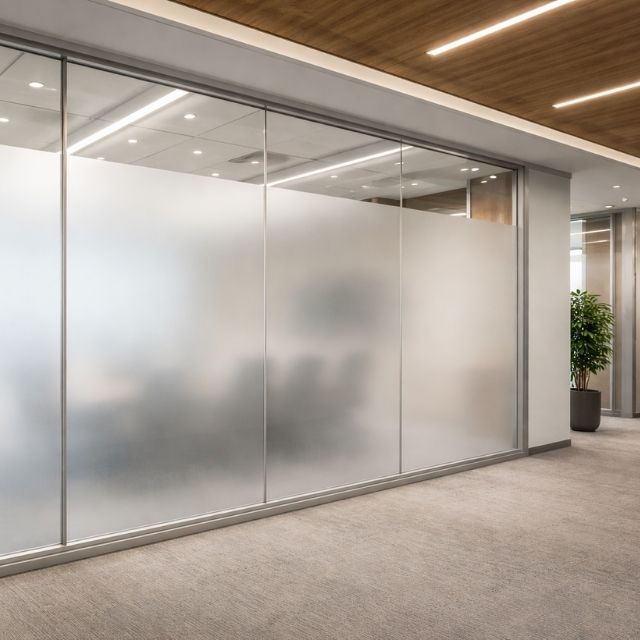
Frosted privacy film mimics the appearance of sandblasted or acid-etched glass, creating a soft, diffused light that obscures shapes while maintaining interior illumination. These films range from translucent white to various opacity levels with VLT typically between 10–40%.
Primary applications include:
- Bathroom windows requiring permanent privacy
- Office conference room partitions
- Front door sidelights and transoms
- Bedroom windows facing neighbors
Static cling frosted films work well for renters or seasonal applications—they peel off cleanly without residue. Adhesive versions provide more permanent, durable installations that resist peeling at edges. The frosted design creates an elegant, professional aesthetic in both home and office environments.
Decorative and Patterned Films
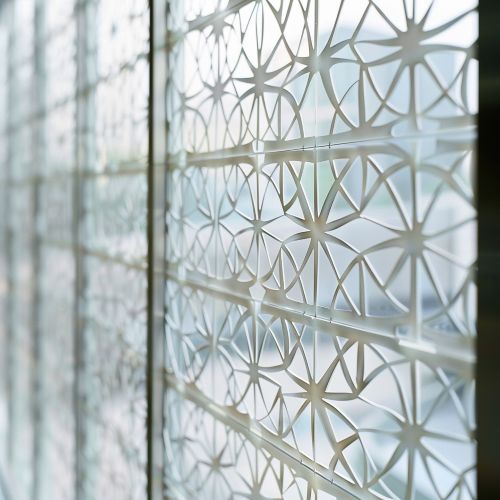
Stained glass window film and geometric patterns combine privacy with visual interest. These decorative options partially obscure views through their texture and design rather than complete opacity, and they belong to a broader family of decorative film types for glass windows and doors.
Pattern categories include:
- Stained glass effects: Colorful designs that transform plain windows into artistic features
- Geometric patterns: Modern lines and shapes suited to contemporary office spaces
- Textured films: Rice paper, linen, or gradient effects that add dimension
- Custom designs: Brand logos or specific patterns for commercial applications
These films work particularly well for glass doors, room dividers, and storefronts where you want to hide interior details while maintaining an open, welcoming atmosphere. One consideration: textured surfaces can be harder to clean than smooth frosted options.
Tinted and Reflective Films
One-way mirror films and tinted options provide privacy through reflectivity or light absorption rather than diffusion. Understanding how one-way mirror films work in real projects is essential because these products offer significant energy benefits alongside privacy.
Reflective films create a mirror effect during daylight—viewers outside see their reflection while occupants inside maintain clear outward views. However, this effect reverses at night when interior lighting is brighter than outside light. Dual-reflective window films are engineered to balance daytime privacy with improved nighttime views. Bronze, gray, and silver tints are common color options.
Spectrally-selective films represent the advanced segment, engineered to reject 70–97% of infrared heat while maintaining 40–70% visible light transmission. These films reduce glare, lower cooling costs, and protect against UV damage simultaneously.
Important consideration: reflective window films may face restrictions from homeowners associations or commercial building codes due to their mirror-like exterior appearance.
The connection between film type and installation method significantly affects long-term performance—proper application technique varies based on whether you’re working with adhesive, static cling, or specialized reflective products.
Installation Methods and Best Practices
Successful installation determines whether your privacy film performs as intended or develops problems like bubbling, peeling, or uneven coverage. The complexity of your project and film type should guide your decision between DIY and professional work.
When DIY works well: Small to medium windows, static cling films, simple frosted or decorative adhesive films, and situations where precision isn’t critical.
When to hire professionals: Large glass surfaces, reflective or metalized films, switchable PDLC films requiring electrical connections, curved surfaces, or installations where warranty coverage matters.
DIY Installation Process
For smaller projects and standard films, many homeowners choose a do-it-yourself window film installation approach to save on labor costs while still improving privacy and UV protection.
Before beginning, gather your tools: spray bottle with soapy water solution, squeegee, utility knife, clean lint-free cloths, measuring tape, and cutting mat.
- Surface preparation: Clean the window thoroughly using ammonia-free glass cleaner. Remove all dirt, grease, and residue. Ensure the glass is completely dry before proceeding with static cling films, or appropriately wet for adhesive films.
- Measurement and cutting: Measure the interior glass dimensions precisely. Cut your film sheet approximately 1 inch larger on all sides to allow for trimming and alignment adjustments.
- Application: For adhesive films, spray the glass surface generously with your soapy water solution (slip solution). Peel the backing from the film and spray the adhesive side lightly. Position the film at the top of the window and work downward.
- Bubble removal: Use your squeegee firmly, working from the center outward toward edges. Multiple passes with firm pressure remove water and trapped air. Work methodically to avoid creating new bubbles.
- Trimming and finishing: Once positioned, use a sharp utility knife to trim excess film along the edges. Apply final squeegee pressure at borders. Allow 24–72 hours for adhesive films to cure completely—avoid cleaning or touching during this period.
Film Performance Comparison
| Characteristic | Static Cling Films | Adhesive Films |
|---|---|---|
| Ease of removal | Very high—leaves no residue | Moderate—may require solvents |
| Durability | 3–5 years typical | 10–20+ years for premium |
| Visual clarity | Good, may shift slightly | Excellent when properly applied |
| Upfront cost | Lower ($3–6/sq ft) | Higher ($6–18/sq ft) |
| Best use cases | Renters, temporary, seasonal | Permanent installations |
| Edge performance | Prone to peeling over time | Superior when properly sealed |
| For long-term privacy needs with heat control benefits, adhesive ceramic or spectrally-selective films justify their higher cost through extended lifespan and consistent performance. Static cling options suit renters or anyone wanting easy removal without commitment. |
Understanding potential problems before they occur helps you avoid installation mistakes and maintain your film’s appearance.
Common Challenges and Solutions
Even careful installations can develop issues. Recognizing problems early and applying correct fixes prevents permanent damage and extends your film’s useful life.
Bubble Formation and Air Pockets
Air bubbles typically result from trapped dust, insufficient squeegee pressure, or incorrect slip solution concentration. Small bubbles often disappear within 2–4 weeks as adhesive cures and water evaporates.
Solution: For persistent bubbles, use a pin to create a tiny hole at the bubble’s edge, then apply squeegee pressure to push air out. Prevent bubbles during installation by cleaning glass meticulously, using proper solution ratios, and maintaining firm, overlapping squeegee strokes from center to edges.
Film Peeling or Poor Adhesion
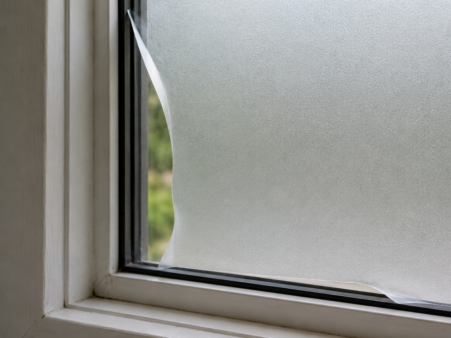
Edges lifting or corners curling indicate adhesion failure, usually caused by surface contamination, extreme temperatures during installation, or low-quality adhesive.
Solution: Clean any residue from the peeling area with alcohol. Apply edge sealant designed for window films to re-secure borders. For severe peeling, removal and reinstallation may be necessary. Install films when ambient temperature exceeds 50°F (10°C) for optimal adhesive bonding. Avoid installation during high humidity conditions.
Uneven Privacy Coverage
Inconsistent opacity, visible installation lines, or gaps in coverage create both aesthetic and functional problems.
Solution: Ensure consistent film orientation during application—most films have a specific side facing outward. Overlap seams minimally on large installations and use a straight edge for clean cuts. For reflective films that appear uneven at night, consider supplemental window treatments or interior lighting adjustments.
Proper maintenance extends your film’s lifespan—clean with soft cloths and non-abrasive cleaners, avoiding ammonia-based products that can degrade adhesive over time.
Conclusion and Next Steps
Privacy window film delivers a practical combination of enhanced privacy, UV protection (≥99%), energy savings through heat control, and improved aesthetics—all without replacing existing glass. Whether you choose frosted films for bathroom windows, decorative stained glass patterns for a front door, or spectrally-selective options for whole-home energy efficiency, the technology adapts to diverse needs.
Your immediate action steps:
- Measure your windows to calculate square footage needed
- Determine your priority: maximum privacy, decorative style, energy savings, or a balance
- Choose between static cling (removable) or adhesive (permanent) based on your situation
- Decide whether DIY installation suits your project scope or professional help is warranted
- Purchase film from reputable sellers offering warranty coverage
For projects involving large glass surfaces, switchable smart films, or energy code compliance, consulting a professional installer ensures proper application and maintains product warranties—investment that pays off through years of reliable performance.
Related topics worth exploring include window security film installation costs for shatter resistance, advanced privacy window film solutions for commercial spaces, and 3M frosted glass decorative films for architectural design, as well as solar control films for maximum energy savings and smart home integration options for switchable privacy solutions.
Need More Info?
The Window Film Depot team is happy to help.
Frequently Asked Questions
How long does privacy window film last?
Lifespan varies significantly by film type. Basic dyed films typically last 5–8 years before fading or developing purple discoloration. Premium ceramic and spectrally-selective films last 15–25 years with many manufacturers offering lifetime limited warranties. Static cling films generally require replacement every 3–5 years due to edge curling and reduced adhesion.
Can privacy film be removed without damaging windows?
Static cling films remove cleanly without residue—simply peel from one corner. Adhesive films can be removed but may require heat application, solvents, or professional assistance. Films left in place for many years may leave adhesive residue requiring scraping and cleaning. Early removal typically causes fewer problems than removal after extended installation.
Does privacy film work at night?
Frosted and etched films maintain consistent privacy regardless of lighting conditions—they diffuse light equally in both directions. Reflective and one-way mirror films lose their privacy effect at night when interior lighting exceeds exterior brightness, essentially reversing the mirror effect. For guidance on products that address this limitation, see options designed as window film for nighttime privacy. For nighttime privacy with reflective films, use interior window treatments or keep rooms dimly lit.
Will privacy film affect my home’s resale value?
High-quality, professionally installed film that improves energy efficiency and UV protection can add value. Visible installation problems—bubbles, peeling, discoloration—detract from appearance and may concern buyers. Transferable warranties from premium manufacturers help demonstrate value to potential purchasers.
Can I install privacy film on double-pane windows?
Yes, most privacy films are compatible with insulated glass units (IGUs). Install film on the interior surface only—exterior application can void window warranties and cause seal failure. Verify that your chosen film won’t interfere with Low-E coatings already present on your windows. Some dark or reflective films can increase heat absorption between panes, potentially stressing seals.
How much does professional installation cost?
Professional installation costs range from $5–15 per square foot for standard frosted or tinted films, $12–25 per square foot for premium ceramic or spectrally-selective options, and $40–80+ per square foot for switchable PDLC smart films requiring electrical work. Total project costs typically run $200–$1,500 for single-room applications and $1,500–$5,000+ for whole-home installations.
Does privacy film provide UV protection?
Quality privacy films block ≥99% of harmful UVA and UVB rays regardless of their visible tint level. This protection prevents fading of furniture, flooring, artwork, and fabrics. Clear UV-blocking films are available if you want protection without any visible change to your windows.
Can privacy film help with energy savings?
Films with high infrared rejection and Total Solar Energy Rejection (TSER) significantly reduce cooling loads. Premium spectrally-selective films reject 70–97% of solar heat while maintaining adequate visible light transmission. Homeowners in warm climates often see measurable reductions in air conditioning costs. The energy savings compound over the film’s 15–25 year lifespan, potentially offsetting initial purchase and installation costs.