Table of Contents:
Introduction
Window privacy film offers a practical solution for anyone who wants to block unwanted views into their home or office while still enjoying natural light. This thin covering applies directly to glass surfaces—windows, glass doors, and partitions—creating an instant privacy barrier without the need for heavy curtains or blinds.
This guide covers residential and commercial applications of privacy window film, from bathroom windows to office partitions. Automotive window tinting falls outside our scope. Whether you’re a homeowner looking to add privacy to your front door, a renter seeking a removable solution, or a business owner wanting to create private meeting spaces, you’ll find relevant guidance here.
Direct answer: Window privacy film is a translucent or decorative covering that reduces visibility into a space while allowing light transmission, available in static cling, adhesive, and switchable varieties to match different installation needs and privacy levels.
By the end of this guide, you will:
- Understand the differences between static cling and adhesive films
- Learn proper installation methods for bubble-free application
- Choose appropriate styles from frosted to stained glass patterns
- Solve common privacy challenges in bathrooms, offices, and living spaces
- Enhance both function and décor throughout your home or workplace
Understanding Window Privacy Film Fundamentals
Window film serves dual purposes: it protects your privacy while adding decorative value to plain glass surfaces. Beyond blocking outside view, quality privacy films can provide UV protection, reduce glare from sun, and even offer heat control benefits, while specialized window protection film solutions reinforce glass against impact and vandalism. The variety of options available today means you can find film that matches any style preference while meeting your specific privacy requirements.
Static Cling vs Adhesive Films
Static cling films attach to glass through electrostatic attraction rather than adhesive. This makes them super easy to remove and reposition—ideal for renters or anyone wanting a temporary privacy solution. You can peel these films off, clean them, and apply them again in a different location. The tradeoff is lower durability; static cling options typically last 1-3 years and may lose their grip under intense heat or UV exposure.
Adhesive films use pressure-sensitive bonding that creates a more permanent installation. These films seal tightly at edges, preventing light leakage and creating a cleaner look. They offer superior durability, often lasting 5-10 years with proper care. However, removal requires more effort and may leave residue on the glass. Professional installation is sometimes recommended for large or complex applications, which is where an experienced nationwide window film installation company can be valuable.
Light Transmission and Privacy Levels
Opacity levels range from nearly transparent films that simply add texture to completely opaque options that block all visibility. The key technical measure is Visible Light Transmission (VLT)—the percentage of light that passes through. A film with 80% VLT appears relatively clear, while one with 20% VLT creates a darker room.
Haze refers to how much the film diffuses or scatters light. Low-haze films (under 5%) maintain clarity for objects viewed through them, while high-haze films create the frosted appearance that obscures shapes and details. Most privacy films balance these factors—blocking view while still brightening your space with diffused natural light.
Understanding this relationship helps you match film to room requirements: bathroom windows may need maximum privacy with lower light transmission, while office partitions might prioritize maintaining brightness with moderate privacy.
Types of Window Privacy Films and Applications
With fundamentals established, let’s examine specific film varieties and where they work best. Each type offers unique aesthetics and privacy characteristics to fit different spaces and design preferences, whether you’re sourcing materials directly or working with a full-service window film provider for privacy, security, and solar control.
Frosted and Etched Glass Effects
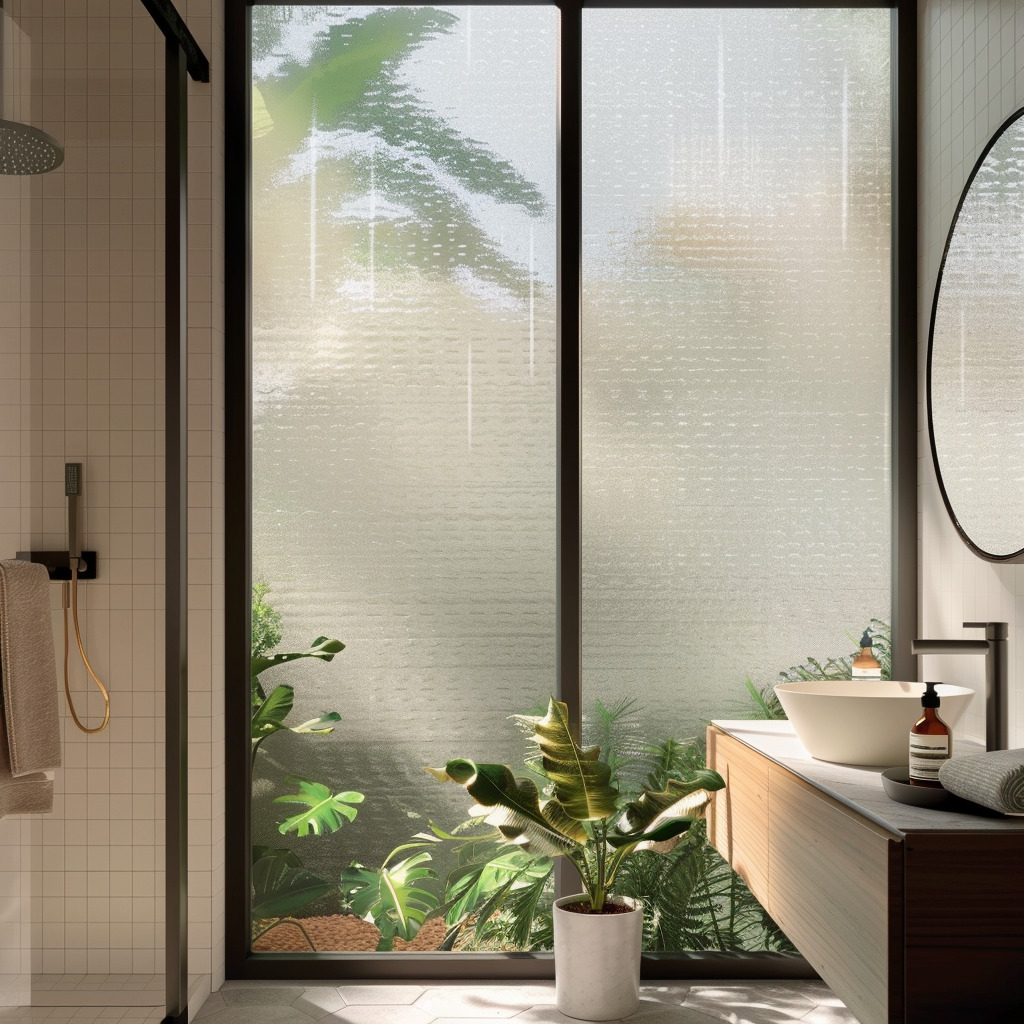
Frosted film creates a uniform translucent surface that mimics sandblasted glass. This classic look provides full visual privacy while allowing soft, diffused light to fill your room. It’s the most popular choice for bathroom windows, shower doors, and office partitions where complete visual blocking is essential.
Etched glass effect films feature decorative patterns with some areas opaque and others crystal-clear. These designs simulate acid-etched glass at a fraction of the cost. You might choose an etched border pattern that provides privacy in the center while leaving decorative clear sections at top and bottom. These films add elegant style to front door sidelights, interior glass doors, and office entry windows.
Decorative Stained Glass Patterns
Stained glass window film brings color and artistry to any space without the expense of genuine stained glass. These films feature multicolor designs—from traditional cathedral patterns to modern geometric shapes—that refract light into beautiful colors throughout your room.
When sun passes through stained glass film, it creates shifting light effects that change throughout the day. This makes these films perfect for entryway windows, transoms, and any location where you want both privacy and visual inspiration. Color quality varies by product; look for films with UV-protective top coats to prevent pattern fading over weeks and months of sun exposure.
Textured and Geometric Designs
Texture options include bamboo, floral patterns, and abstract designs that create themed privacy solutions. A tropical-inspired bathroom might feature bamboo texture film, while a spa setting could use subtle wave patterns that hide the view while adding to the décor.
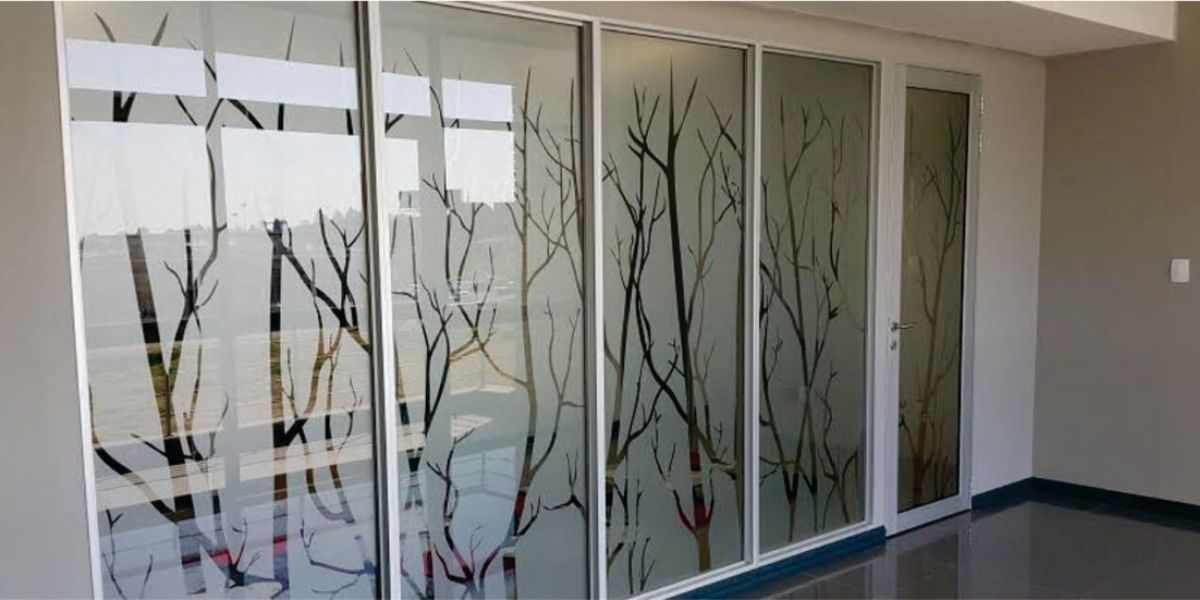
Geometric patterns—rhombus, mosaic, chevron—suit modern aesthetics and work especially well in contemporary office spaces. Some geometric films offer partial privacy through stripe or dot patterns that obscure detail while allowing some visibility. One-way mirror films create daytime privacy by reflecting light from the brighter outside while allowing you to watch the world from inside—though this effect reverses at night when interior lights are on; for continuous coverage, many people instead choose day and night privacy window film solutions.
Key considerations: Match film style to existing room colors and design elements. High-gloss or mirror-effect films may clash with matte interiors, while heavy textures might conflict with minimalist style; commercial projects often turn to privacy and decorative window films and coatings to balance aesthetics with function.
Installation Methods and Film Comparison
Proper installation determines whether your privacy film looks professional and lasts for years or develops bubbles and peeling edges within weeks. Partnering with experienced 3M window film installers and products can help ensure a clean, warrantied result for larger or more complex projects. Here’s how to apply your chosen film successfully.
Step-by-Step Installation Process
Before starting, gather your tools: measuring tape, sharp utility knife or cutting blade, squeegee, spray bottle with water and a few drops of dish soap, lint-free cleaning cloth, and the film roll, or follow a dedicated do-it-yourself window film installation guide if you prefer step-by-step visual support.
- Measure and cut film: Measure your window dimensions precisely, then add ¼ to ½ inch extra on all sides for trimming. For patterned films, watch where the pattern falls and plan your cut to create the best look.
- Clean glass surface thoroughly: Remove all dust, fingerprints, and residue from the glass. Any particles trapped under the film create permanent bubbles. Use your cleaning solution and lint-free cloth, then let the glass dry completely. This step is critical—skip it and you’ll work twice.
- Apply film using water spray technique: For adhesive films, spray slip solution (water with a drop of soap) on both the glass and the adhesive side of the film. This allows repositioning before the adhesive sets. For static cling films, lightly mist the glass with clean water. Peel the backing sheet and place the film against the glass, starting at one corner.
- Remove air bubbles and trim excess: Starting from the center, use your squeegee to push water and air toward the edges. Work systematically across the entire surface. Once positioned correctly, use a sharp blade to cut along the window frame, removing excess film from each corner. Allow adhesive films to cure for 24-48 hours before cleaning.
Film Type Comparison
| Criterion | Static Cling | Pressure-Sensitive Adhesive | Switchable Smart Film |
|---|---|---|---|
| Installation Ease | Super easy; DIY-friendly | Moderate; requires technique | Complex; professional recommended |
| Removal Process | Peel off with no residue | May leave residue; requires cleaning | Requires electrical disconnect |
| Durability | 1-3 years | 5-10+ years | 80,000+ hours rated |
| Cost Range | Low ($5-15/sq ft) | Moderate ($15-30/sq ft) | High ($50-100+/sq ft installed) |
| Best Applications | Renters; temporary privacy; decorative accents | Permanent installations; bathrooms; offices | Conference rooms; healthcare; luxury residential |
| Choosing your option: If you rent or want flexibility, static cling films from sellers on Amazon or HomeDepot fit perfectly. For permanent home installations, adhesive films offer better longevity. Smart switchable films suit high-end applications where you need privacy on demand—they switch from transparent to opaque at the touch of a button. |
Common Challenges and Solutions
Even careful installation can encounter problems. Here’s how to address the most frequent issues that arise when working with window film.
Air Bubbles During Installation
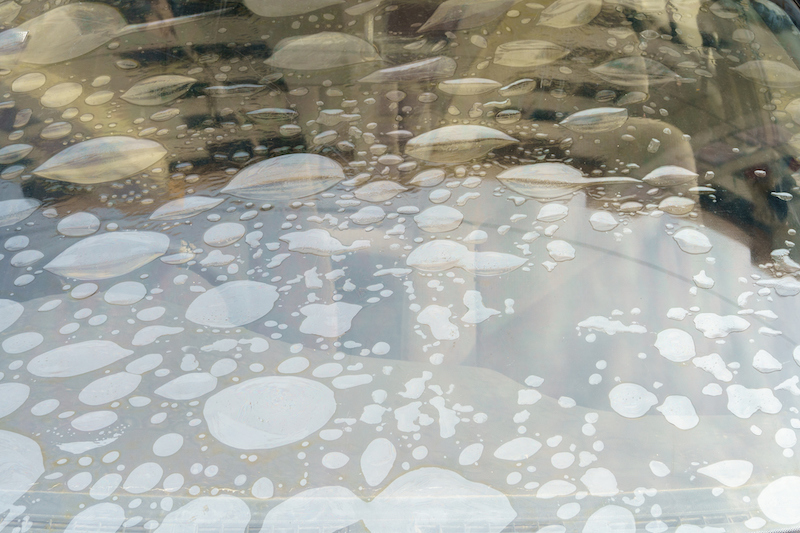
Small bubbles often work themselves out as the film cures over several days. For persistent bubbles, use a pin to create a tiny hole, then squeegee the air toward that opening. Prevention works better than repair: ensure your glass is perfectly clean, use adequate slip solution, and work the squeegee from center to edges with overlapping strokes. A soft-edged squeegee prevents scratching while providing enough pressure to push out trapped air.
Film Not Adhering Properly
Adhesion failures typically trace back to surface contamination. Oils from fingerprints, residue from previous films or stickers, and even cleaning product buildup prevent proper bonding. If your film won’t stick, remove it, clean the glass with isopropyl alcohol, rinse thoroughly, and try again.
Textured or patterned glass presents special challenges—the uneven surface creates air pockets that prevent full contact. Either choose films designed for textured glass or consider whether these windows truly need film treatment, especially if nighttime privacy performance is a primary concern.
Choosing Wrong Opacity Level
Ordering based on product photos often leads to disappointment. Films look different once installed, and lighting conditions dramatically affect appearance. Request sample swatches before making a large purchase. Apply a small piece to your window and observe it at different times of day.
Consider your room’s orientation and natural light levels. North-facing rooms receive less direct light, so highly opaque film may create a dark space. South-facing windows with strong sun can handle darker films while still maintaining adequate brightness. For spaces where you want outside view with daytime privacy, one-way mirror films work—but remember they’ll hide nothing once you turn on interior lights at night.
Conclusion and Next Steps
Window privacy film delivers an affordable, versatile solution for transforming glass surfaces throughout your home or office. By understanding the differences between static cling and adhesive options, selecting appropriate opacity levels, and following proper installation techniques, you can achieve professional-looking results that balance privacy, light, and aesthetics.
Take action now:
- Measure your windows and glass doors requiring privacy treatment
- Order sample swatches from 2-3 film options before committing to full rolls
- Gather installation tools: squeegee, spray bottle, cutting blade, lint-free cloths
- Schedule installation for a clean, dust-free day
- Apply film following the step-by-step process, allowing adequate curing time
Related topics worth exploring include window insulation films for energy efficiency, UV protection options that prevent furniture fading, and safety films that add security to vulnerable glass areas. Each builds on the fundamentals covered here while addressing additional performance requirements.
Additional Resources
- Installation videos: Watch manufacturer tutorials demonstrating proper squeegee technique and bubble removal
- Measurement guides: Calculate film quantity needed based on window dimensions plus waste allowance
- Removal techniques: Learn safe methods for removing old adhesive films without damaging glass
- Professional installer directory: Find certified installers in your area through the International Window Film Association for complex applications or commercial projects in the USA and worldwide
Need More Info?
The Window Film Depot team is happy to help.
Frequently Asked Questions
What is window privacy film, and how does it work?
Window privacy film is a thin covering applied directly to glass surfaces such as windows, glass doors, and partitions. It reduces visibility into a space while still allowing natural light to pass through. The film works by scattering or reflecting light, obscuring the view from outside without the need for bulky curtains or blinds. Depending on the type, it can be static cling, adhesive, or switchable, each offering different levels of permanence and privacy.
What are the differences between static cling and adhesive window films?
Static cling films attach to glass using electrostatic attraction, making them easy to install, remove, and reposition without leaving residue. They are ideal for renters or temporary privacy needs but tend to last 1-3 years and may lose grip under intense heat or UV exposure. Adhesive films use pressure-sensitive bonding for a more permanent installation, providing superior durability (5-10 years) and a cleaner look but require more effort to remove and may leave residue behind.
Can window privacy films block UV rays and protect furniture from fading?
Yes, many high-quality window privacy films block up to 99% of harmful UV rays. This helps protect furniture, flooring, and artwork from fading caused by prolonged sun exposure. Additionally, some films offer solar heat control by reflecting up to 80% of solar heat in summer and helping retain warmth in winter, improving energy efficiency while maintaining privacy.
Are there different styles of window privacy films available?
Absolutely. Window privacy films come in a variety of styles, including frosted, etched, stained glass, textured, and geometric patterns. Decorative films can transform ordinary glass surfaces into stylish features that enhance your room’s décor while providing privacy. Options range from classic frosted films ideal for bathrooms and shower doors to colorful stained glass designs perfect for entryways and office spaces.
How difficult is it to install window privacy film?
Installation is generally straightforward, especially for static cling films. The process involves cleaning the glass thoroughly, measuring and cutting the film to size, spraying water mixed with a little soap on the glass and film, applying the film, and using a squeegee to remove air bubbles and excess water. Adhesive films require more precision and patience, and professional installation is recommended for large or complex projects to ensure a bubble-free, lasting finish.
Can window privacy film be removed or repositioned?
Static cling films are designed to be removable and repositionable without damaging the film or glass surface, making them renter-friendly and flexible for changing décor. Adhesive films are more permanent; removing them can be challenging and may leave residue that requires cleaning. Switchable smart films, which change from transparent to opaque with electrical control, are generally fixed installations.
Does window privacy film provide privacy at night?
Some films, like reflective or one-way mirror films, provide daytime privacy by reflecting light from the brighter outside. However, at night, when interior lights are on, this effect reverses, potentially compromising privacy. For continuous day-and-night privacy, frosted or opaque films are preferable as they obscure views regardless of lighting conditions.
What are common installation challenges, and how can they be avoided?
Common issues include air bubbles, poor adhesion, and choosing the wrong opacity level. To avoid bubbles, ensure the glass is perfectly clean, use adequate slip solution, and work the squeegee systematically from center to edges. Adhesion problems often result from surface contamination, so clean the glass with isopropyl alcohol before installation. To select the right opacity, test sample swatches on your windows at different times of day to see how light and privacy balance in your specific environment.