Introduction
One way privacy window film is a reflective material applied to glass that creates a mirror effect on the exterior side during daytime hours, allowing you to see outside while preventing outside people from seeing into your space. This window film provides daytime privacy without sacrificing natural light or your outside view, making it a practical solution for ground floor windows, office environments, and any room where visibility control matters.
This guide covers residential and commercial applications of one way window film, installation methods for both DIY and professional approaches, and the critical effectiveness factors you need to understand before purchase. The target audience includes homeowners seeking privacy for street-facing windows, office managers looking to reduce glare on computer screens, and anyone wanting non-permanent window solutions that maintain clear views outward.
One way privacy window film creates a one way mirror effect during daytime that blocks inward visibility while allowing clear outward views—but this effect reverses at night when interior lighting becomes brighter than the outside environment.
By reading this guide, you will understand:
- How mirror effect technology creates one way visibility through light differential
- Why daytime privacy works and night time privacy requires supplementary measures
- Installation processes for adhesive and static cling film options
- How to choose between silver tint, black tint, and perforated film types
- Solutions for common challenges including textured glass and dual pane windows
Understanding One Way Privacy Window Film
One way privacy window film is a multilayered reflective material applied to glass surfaces that creates a mirror-like appearance on the brighter side while maintaining transparency from the darker side. This privacy film operates on the same brightness differential principles that explain how one-way mirrors work in real projects, allowing occupants to maintain their view of the outside world while preventing viewers from seeing into the interior space during daylight hours.
The relevance for privacy needs is significant: unlike curtains or blinds that block natural light entirely, one way film lets sunlight enter your room while still providing a high level of privacy. For homes, offices, and commercial spaces with street-facing glass, this creates an environment where you can work, relax, or conduct business without feeling exposed to outside observation.
Mirror Effect Technology
The film contains a thin layer of reflective metal, such as silver, nickel, or aluminum, which reflects light back toward the brighter side. This metallic coating sits between an adhesive layer (or static cling surface) and a protective outer layer, creating a durable reflective surface that produces the one way mirror effect.
When sun light illuminates the exterior of your window, this reflective coating bounces much of that light back outward, making the glass appear mirror-like to anyone outside. Meanwhile, the light transmission through the film allows interior occupants to see through clearly because the dominant light source remains outside. The darker your interior relative to the bright exterior, the stronger this privacy effect becomes.
This mirror effect technology matters specifically for daytime use because it depends entirely on the light differential between interior and exterior environments. The reflective coating of one-way privacy window film helps block UV rays, reduce heat gain, and decrease glare, enhancing energy efficiency while providing privacy.
Static Cling vs Adhesive Options
Static cling films attach to glass using static electricity rather than adhesive, making them removable and repositionable without leaving residue. These films work well for renters or anyone wanting temporary privacy solutions, though they may be thinner and less durable over extended periods, and many homeowners follow do-it-yourself window film installation guides to apply them correctly.
Permanent adhesive films bond directly to the glass surface, offering better long-term durability, more consistent optical properties, and stronger adhesion at edges. However, removal requires more effort and may leave marks on the glass. Adhesive options typically provide higher quality mirror effects and longer lifespans.
The relationship between film type and installation flexibility directly affects your decision: static cling allows experimentation and seasonal removal, while adhesive film commits you to a more permanent solution with superior performance. Both types function on the same light-dependent principle—the choice depends on your permanence requirements and budget.
Understanding these film constructions prepares you for the critical factor that determines real-world performance: how light conditions affect your one way visibility throughout the day and evening hours.
How One Way Mirror Film Works
Building on the reflective metal layer construction, the practical effectiveness of one way film depends entirely on managing light conditions between your interior space and the outside environment. One way window film allows you to see outside while preventing others from seeing in during the daytime, creating a one-way mirror effect when there is more light outside than inside.
Daytime Effectiveness
During daylight hours, bright sunlight creates the ideal conditions for one way visibility. The exterior reflectance of quality privacy window film can reach 50-70%, producing a strong mirror effect that prevents outside people from seeing through your glass. Meanwhile, interior occupants maintain clear views outward because transmitted light from outside dominates what enters the room.
The effectiveness of one way window film for daytime privacy depends on the amount of light outside; the darker and more reflective the film, the stronger the one-way mirror effect. For optimal effectiveness, the outside must be significantly brighter than the inside by at least a 3:1 ratio.
Window orientation significantly affects daytime performance. South-facing and west-facing windows receive more direct sun light, creating stronger privacy effects. North-facing windows may experience reduced mirror effect during overcast conditions. Exterior shading from trees or overhangs reduces brightness and weakens the reflective surface performance.
Nighttime Limitations
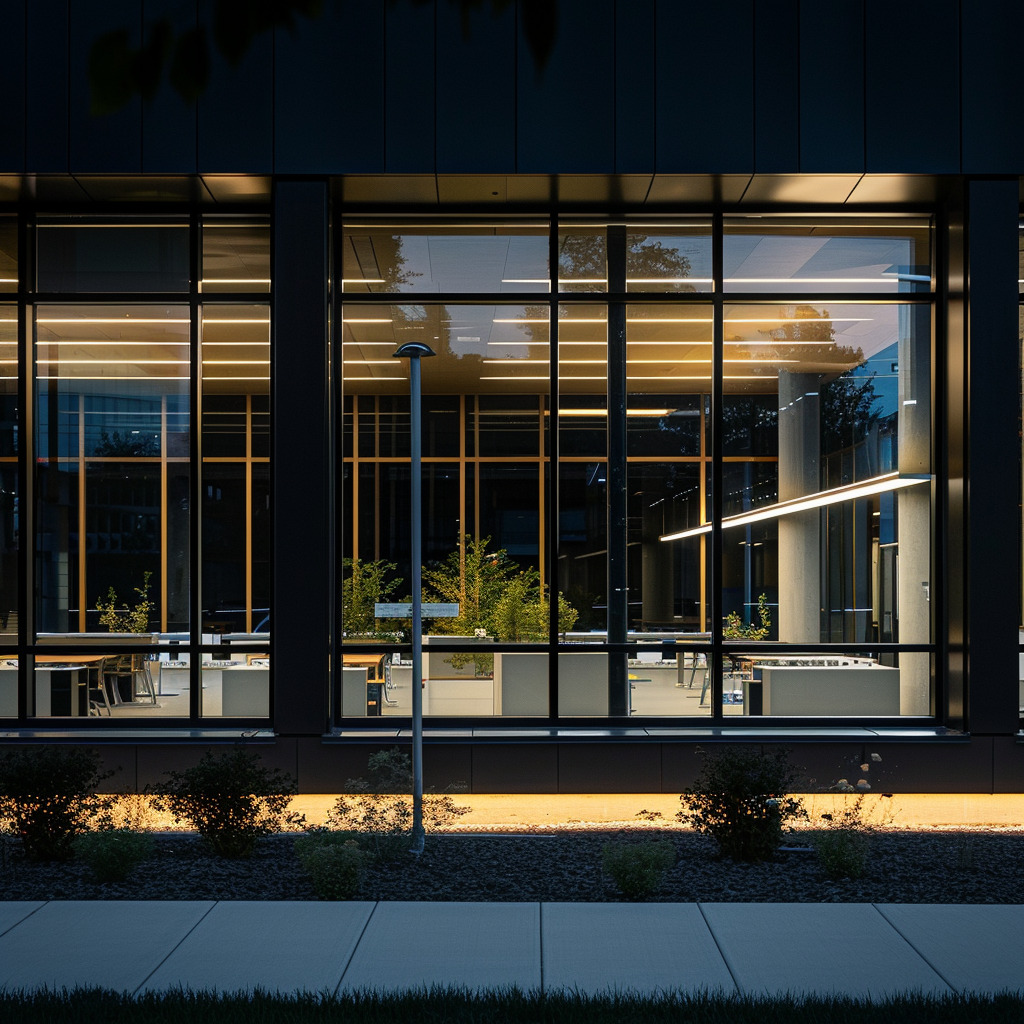
Most one-way window films only provide privacy during the daytime, as they rely on the difference in light levels between the inside and outside. When evening arrives and you turn on interior lights, the effect reverses completely.
When the interior lighting is brighter than the outside at night, one-way window films lose their effectiveness, allowing people outside to see in. Your room becomes visible while you see your own reflection in the glass—sometimes called the “fishbowl effect.” This reversal is inherent to how the physics of reflective surfaces work, not a defect in the film.
To maintain privacy at night when using one-way window film, it is recommended to close curtains or blinds, as the film does not provide sufficient privacy on its own in low light conditions. Reducing interior light sources near windows or adding exterior lighting can help, but supplementary privacy measures remain necessary after dark.
Light Condition Dependencies
Window orientation creates predictable patterns: south-facing windows maintain strong daytime privacy throughout daylight hours, while north-facing windows may show weaker effects during overcast days. East-facing windows perform best in morning hours; west-facing windows excel in afternoon.
Exterior shading from landscaping, neighboring buildings, or architectural features reduces the brightness differential and weakens film performance. When trees cast shadows on your windows, the mirror effect diminishes proportionally.
Interior lighting placement matters significantly. Bright fixtures positioned near windows create competing light sources that reduce privacy even during daytime. Position lamps and overhead lights away from windows, and consider dimmers to control brightness levels throughout the day.
Key effectiveness factors to remember: brighter exterior equals stronger privacy; darker interior enhances the effect; orientation and shading affect performance; supplementary measures remain essential for night privacy.
With these performance factors understood, you can make informed decisions about which film type to install and how to approach the application process.
Installation Methods and Film Types
Building on effectiveness factors, successful installation requires matching the right film type to your specific windows and following proper application techniques. One way window film is typically installed on the interior face of the glass to ensure the longest possible lifespan for the film, protecting the reflective coating from weather exposure.
Installation Process
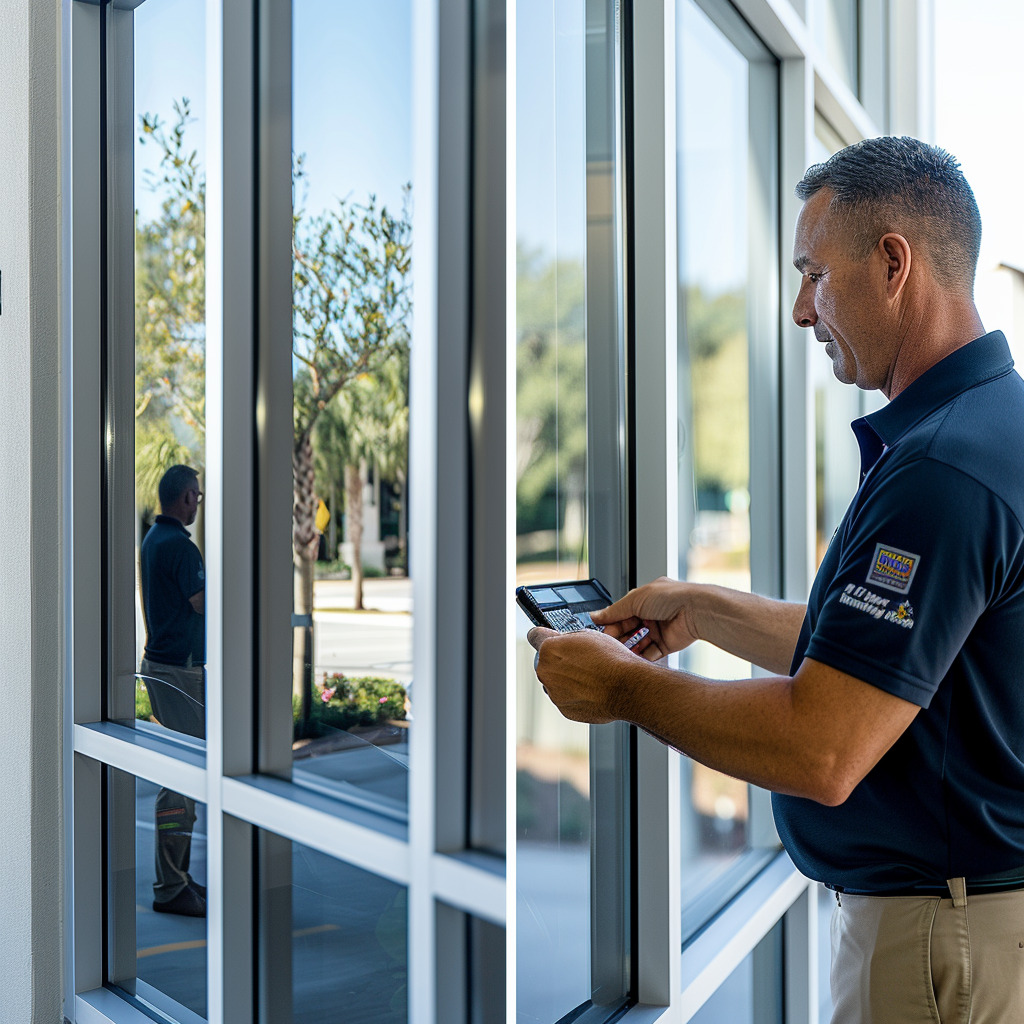
The installation process for one way window film involves using a liquid solution that allows for precise maneuvering of the film into place before using a squeegee to remove excess liquid and secure the film to the glass. DIY installation is achievable with proper preparation, though professional installers bring experience with avoiding bubbles and ensuring correct alignment.
- Surface Preparation: Clean the glass thoroughly to remove all dirt, oils, and debris. One way window film can be applied to flat, clean, and smooth surfaces, and it will not adhere to plastic, broken, or uneven surfaces. Use a lint-free cloth and appropriate cleaning solution.
- Measurement and Cutting: Measure your window precisely and cut the film slightly larger than needed (approximately 1 inch excess on each edge) to allow for final trimming after application.
- Apply Liquid Solution: Spray a generous amount of soapy water or manufacturer-recommended slip solution onto the clean glass surface. This liquid allows you to position and reposition the film before final adhesion.
- Position Film and Remove Backing: Peel the protective liner from the adhesive side while spraying the exposed adhesive with solution. Place the film against the wet glass from top down, aligning with window edges.
- Squeegee Technique: Use a squeegee from the center outward, applying firm, even pressure to push liquid and air pockets toward the edges. Work methodically to eliminate bubbles, then trim excess film with a sharp blade along window edges.
Film Type Comparison
| Criterion | Silver Reflective | Dark/Black Tint | Perforated Film |
|---|---|---|---|
| Privacy Level | High daytime mirror effect | Moderate, blocks more light | Moderate, depends on perforation density |
| Light Transmission (VLT) | 15-35% | 10-20% | Lower due to solid areas |
| UV Protection | Up to 99% | Up to 99% | Varies by product |
| Heat Reduction | 40-70% solar rejection | 40-60% solar rejection | Lower heat performance |
| Best Application | Office windows, storefronts | Bedrooms, media rooms | Decorating, signage, vehicle windows |
| Silver tint produces the strongest outward mirror effect and maintains clearer interior views. Black or dark tint films reduce light transmission more dramatically, making rooms noticeably darker while boosting privacy. Perforated films use micro-holes to create one way visibility—the white exterior reflects light while the dark interior side minimizes visibility of perforations. |
High-quality one-way privacy window films can block up to 99% of harmful UV rays, preventing furniture from fading and protecting skin. The film cuts down glare from sunlight by up to 93%, improving visibility on screens in office settings. These benefits apply across film types, though specific performance varies by product, and dedicated UV protection film for house windows can further enhance these shielding effects.
One-way privacy window film is generally a cheaper alternative to installing specialized privacy glass or full window replacements, making it an accessible option for both residential and commercial applications, especially when paired with professional 3M window film products and installation services.
Surface compatibility requirements connect directly to installation success—textured or specialty glass presents challenges that require specific solutions.
Common Challenges and Solutions
Understanding typical installation and performance issues helps you avoid problems and maintain your investment in privacy film. Most challenges relate to surface preparation, lighting management, or glass compatibility, and working with experienced window film specialists can help you specify products that match your glass type and performance goals.
Film Won’t Adhere to Textured Glass
One way window film requires smooth, flat glass surfaces for proper adhesion. Textured, patterned, or frosted glass prevents the adhesive or static cling from making full contact, resulting in poor adhesion and visible air pockets.
Solution: Test a small area before full installation. For textured surfaces, consider static cling films designed for irregular surfaces, or install film on a secondary interior glass panel. Consult manufacturers about compatibility before purchase.
Reduced Privacy at Night
For projects where consistent evening privacy is critical, many users explore the best window film options for nighttime privacy instead of relying solely on reflective one-way films.
The reversed effect when interior lighting exceeds exterior brightness remains the most common concern with one way film. This is a physics-based limitation rather than a product defect.
Solution: Combine privacy window film with curtains or blinds for evening hours. Position interior light sources away from windows and use dimmers to control brightness. Some users add exterior lighting to increase outside brightness, though this requires more power and maintenance. The film maintains daytime privacy effectively—plan for supplementary measures after dark.
Bubbles or Wrinkles During Installation
Trapped air or liquid during application creates visible imperfections that affect both appearance and adhesion longevity. Rushing the squeegee process or working on dirty glass causes most bubble problems.
Solution: Apply liquid solution liberally—more fluid allows better repositioning. Use firm, even squeegee pressure from center toward edges, working methodically rather than quickly. Allow adequate curing time (typically 30 days for full adhesion) before judging results. Small bubbles often disappear as the film cures and liquid evaporates.
Film Incompatibility with Dual Pane Windows
Applying certain films to double-pane or Low-E glass can potentially cause thermal stress cracks or void window warranties. The film traps heat between panes, creating expansion stress on sealed units, which is why some projects instead consider dual-reflective window film solutions designed to manage heat and glare more safely.
Solution: Select films specifically certified for insulated glass units (IGUs). Contact your window manufacturer to verify compatibility before installation. Choose films with lower solar absorption ratings for heat-sensitive glass. If uncertain, apply film to only one pane or consult professional installers who understand IGU specifications.
The aesthetic appearance of the film can be highly reflective, which may not suit all architectural styles. Consider your building’s exterior appearance when selecting mirror-finish products.
Proper planning addresses most challenges before they occur—understanding these issues prepares you to make informed decisions about your privacy solution.
Conclusion and Next Steps
One way privacy window film provides effective daytime privacy through a reflective surface that creates mirror effect visibility for outside people while maintaining clear views for interior occupants. The technology works reliably when exterior light significantly exceeds interior brightness—but this light-dependent function means night time privacy requires supplementary measures like curtains or blinds.
The film can help hold shattered glass in place during an impact, providing an extra layer of safety beyond privacy benefits. Combined with UV protection that helps reduce fading of furniture and flooring, heat reduction, and glare control, one way film delivers multiple functional benefits for homes and offices.
Take these actionable steps to implement your privacy solution:
- Measure your windows precisely, noting orientation (south-facing for best performance) and any exterior shading factors
- Choose your film type based on privacy needs, light transmission preferences, and whether you want permanent adhesive or repositionable static cling
- Gather installation tools: squeegee, spray bottle with soapy water, sharp cutting blade, lint-free cloths, and measuring tape
- Plan night privacy solutions by identifying curtains, blinds, or lighting adjustments for evening hours
One way window films can be applied to various windows in homes, such as ground floor windows and bathroom windows, to enhance privacy while still allowing natural light to enter; you can compare the best window film styles for bathroom privacy when planning these applications. For spaces requiring 24-hour privacy, consider combining this film with other window treatments or specifying day and night privacy window film solutions that maintain consistent opacity regardless of lighting conditions.
Need More Info?
The Window Film Depot team is happy to help.
Related topics worth exploring include privacy and decorative window films for aesthetic applications, security films for impact resistance, and frosted films for consistent privacy regardless of lighting conditions.
Frequently Asked Questions
Does one way privacy film work on dual pane windows?
Yes, but you must select films rated for insulated glass units (IGUs). Applying certain films to double-pane or Low-E glass can potentially cause thermal stress cracks or void window warranties. Check manufacturer specifications and contact your window company to verify compatibility before installation.
Can the film be installed on the exterior side?
While possible, exterior installation exposes the film to weather damage, reducing lifespan significantly. One way window film is typically installed on the interior face of the glass to ensure the longest possible lifespan for the film. Interior application protects the reflective coating while maintaining full effectiveness.
Which tint color provides the best privacy?
Silver reflective film produces the strongest outward mirror effect and maintains clearer interior views. The effectiveness of one way window film for daytime privacy depends on the amount of light outside; the darker and more reflective the film, the stronger the one-way mirror effect. Black tint reduces more light but may darken your space excessively.
How much light does the film block?
Light transmission varies by product: reflective films typically allow 15-35% visible light transmission (VLT), while darker tints may reduce to 10-20% VLT. Higher reflectivity generally means lower light transmission. Choose based on whether you prioritize maximum privacy or natural light.
Is the film safe for argon-filled windows?
Similar to dual pane considerations, ensure your film is compatible with your specific window construction. Select films certified for IGU use and monitor for any signs of thermal stress. When specifications are followed, most quality films work safely with argon-filled windows.
Can static cling film be repositioned?
Yes, static cling films attach without adhesive and can be removed and repositioned without leaving residue. This makes them ideal for renters or seasonal applications. However, static cling films may be less durable and more prone to edge lifting than permanent adhesive options.
Does the film provide any UV protection?
High-quality one-way privacy window films can block up to 99% of harmful UV rays, preventing furniture from fading and protecting skin. This UV protection applies across most film types and helps reduce fading of flooring, artwork, and furnishings near windows.
How long does properly installed film last?
Quality adhesive films typically last 10-15 years with proper installation and care. Static cling films may require replacement sooner, typically 3-5 years. Lifespan depends on sun exposure, installation quality, and film grade. Interior installation extends longevity compared to exterior application.