Table of Contents:
Introduction
Finding qualified window security film installation near me requires identifying certified installers who meet manufacturer standards, hold proper licensing, and can provide documented warranties on both materials and labor. Whether you’re protecting residential windows from break ins or reinforcing commercial buildings against forced entry, local expertise matters significantly for both performance and compliance.
This guide covers everything property owners need to know about locating professional security film installation services in their area. We’ll examine the types of local providers available, how service territories affect pricing, what certifications matter most, and how to compare quotes effectively. The scope includes residential, commercial, and specialized security applications—while excluding DIY installation methods that typically void warranties and compromise protection.
Direct answer: To find qualified security film installers near you, start with manufacturer dealer locator tools (such as 3M’s authorized installer network), verify state contractor licensing and insurance, confirm relevant certifications for your application type (UL 972 for burglary resistance, ASTM E1886/E1996 for storm protection), and request itemized quotes from at least three providers.

Key outcomes you’ll gain from this guide:
- Understanding of security film types and what professional installation ensures
- Knowledge of cost ranges ($7–$24 per square foot installed) and what drives variation
- A clear process for vetting certified installers in your service area
- Awareness of common challenges and practical solutions
- Confidence in comparing quotes and selecting the right provider
Understanding Window Security Film Installation Services
Professional security film installation involves applying thick polyester or PET laminate—typically 4 to 15 mils—to interior glass surfaces using specialized adhesive techniques. Unlike decorative window films or basic sun control films, security films are engineered to hold shattered glass together during impact events, delay forced entry, and resist storm or blast forces. The installation process includes thorough surface preparation, custom cutting, adhesive application, squeegeeing to remove air bubbles, precision edge trimming, and in many cases, anchoring systems that secure film edges to window frames.
Professional installation matters because improper application directly compromises safety and security performance. Bubbles, creases, inadequate edge sealing, or incorrect film placement can reduce a security film’s ability to prevent shattering and contain flying shards. Certified installers follow manufacturer protocols that ensure full warranty coverage and compliance with relevant testing standards—particularly important for commercial spaces and government buildings where code compliance is mandatory.
Types of Local Installation Providers
Three primary categories of local providers handle security window film installation:
Authorized dealer networks represent the highest tier of expertise. Companies holding 3M window film certifications, ShatterGARD authorization, or similar manufacturer partnerships receive product-specific training, access to full product lines, and can provide warranties backed by the manufacturer. These dealers often carry designations like “Premier Elite” or “Large Commercial Certified” that indicate advanced training levels.
Specialist security film contractors focus primarily on film installation as their core business. While they may not carry a single manufacturer’s authorization, reputable specialists maintain certifications across multiple product lines and bring deep expertise in both residential and commercial applications. Companies like Pinnacle Security Systems exemplify this category.
General window tinting companies offer security films alongside decorative films, privacy window film, and commercial window tinting services. Their security film expertise varies significantly—some employ certified installers for security applications while others lack specialized training. Always verify specific security film certifications rather than assuming general window tinting experience translates to security applications.
Service Area Coverage
Local installers typically define service territories based on project size and travel distance. For residential security film installation, most providers limit service areas to a specific radius—often 30 to 50 miles—to maintain cost effective solution pricing. Larger commercial projects may justify extended travel, with installers willing to cover substantial distances for multi-day installations in commercial buildings or institutional facilities.
Geographic location directly impacts installation costs. Metro areas typically have more certified installers competing for business, potentially lowering labor rates. Rural areas may face limited installer availability, higher travel charges, and minimum project size requirements. Urban installations in high-rise office buildings often carry premium pricing due to access challenges and specialized equipment needs.
Understanding these service area dynamics helps set realistic expectations when requesting quotes and comparing local providers—which becomes particularly important when evaluating security film applications for specific property types.
Security Film Installation Applications
Local security film installers bring distinct expertise to different application types, from protecting bedroom windows in residential properties to securing entry doors in high-traffic commercial spaces. Understanding these application categories helps you identify installers with relevant experience for your specific project.
Residential Security Film Installation
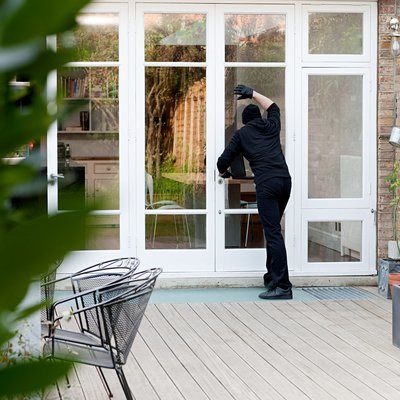
Homeowners most commonly install security films on ground-floor windows, sliding glass doors, patio doors, and basement windows—entry points most vulnerable to break ins. Professional installation on these glass surfaces creates an added protection layer that holds shattered glass together, buying time during attempted intrusions and reducing injury risk from flying shards.
In hurricane-prone regions like Florida and the Gulf Coast, residential security film installation often serves dual purposes: meeting local impact glazing codes while providing year-round protection against forced entry. Many security films also deliver meaningful heat reduction, uv protection, and glare reduction benefits, protecting furniture, floors, and interiors from sun damage while improving comfort during summer months. For older homes where window replacement would be prohibitively expensive, security film offers a cost effective solution that extends window life while adding protection.
Commercial Security Film Services
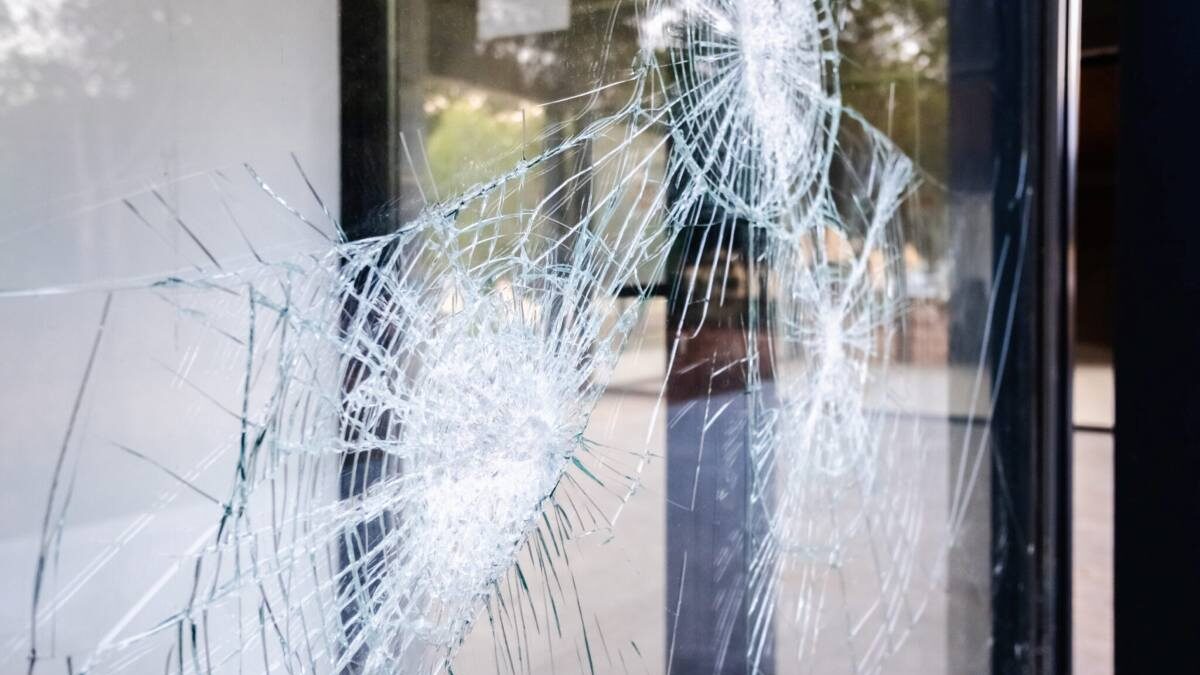
Commercial window film installation addresses different priorities than residential applications. Retail storefronts frequently require films tested under UL 972 standards for burglary-resistant glazing, often combined with anchoring systems that secure film edges to frames for maximum forced entry resistance. This smash-and-grab protection has become standard for high-value retail environments.
Schools, hospitals, and government buildings face stricter compliance requirements, typically needing films that meet ASTM F1642 standards for glazing systems under impact and pressure cycling. Professional installation in these commercial spaces requires documentation of both product certification and proper installation procedures—records often reviewed during inspections or insurance audits.
Office buildings benefit from security films that combine protection with energy efficiency. Modern tinted security films can reduce solar heat gain, provide daytime privacy for conference rooms, and eliminate hot spots near windows while maintaining natural light transmission. This multi-functional approach helps businesses justify commercial window tinting and film security investments through ongoing energy savings and improved temperature control.
Specialized Security Applications
High-security installations demand specialized local expertise beyond standard residential and commercial work. Blast-resistant glazing for government buildings or high-risk facilities requires films tested to GSA or ISO standards, plus mechanical anchoring systems engineered to resist shock waves. Finding local installers qualified for this work typically requires manufacturer referral—only a subset of authorized dealers maintain blast mitigation certifications.
Storm protection installations in coastal areas must meet specific testing protocols including ASTM E1886/E1996 and Miami-Dade TAS requirements for windborne debris resistance and pressure cycling. Installers working in these markets need documented experience with impact events compliance and relationships with local building officials.
Additional specialized applications include anti-graffiti protection, window protection film solutions to reinforce glass, privacy window film for healthcare facilities, and custom decorative security films for architectural projects. Each specialty requires distinct training and product knowledge, making installer selection particularly important for these projects.
Finding Qualified Local Security Film Installers
Selecting the right local installer determines whether your security film investment delivers lasting protection or falls short when tested. This section provides a systematic approach to identifying, vetting, and comparing certified installers in your service area.
Installer Selection Process
Use this four-step process when security film installation matters for your property’s safety and security:
Step 1: Research certified dealers and authorized installers
Begin with manufacturer dealer locator tools. 3M’s “Find a Dealer” page identifies authorized installers by location and certification level. ShatterGARD and other manufacturers offer similar directories. Cross-reference results with local business listings to identify additional specialist contractors in your area. For specialized applications like blast mitigation, contact manufacturers directly for qualified installer referrals.
Step 2: Verify licensing, insurance, and certifications
Confirm each potential installer holds required state and local contractor licensing—requirements vary by jurisdiction but are legally mandatory in most areas. Request certificates of insurance showing current general liability and workers’ compensation coverage. For security applications, ask specifically about certifications relevant to your project: UL 972 for burglary resistance, ASTM E1886/E1996 for storm protection, or manufacturer-specific advanced training for high-security installations.
Step 3: Request quotes and compare installation methods
Obtain detailed written quotes from at least three qualified providers. Quotes should itemize:
- Film type, thickness (measured in mils), and manufacturer
- Whether anchoring or frame attachment systems are included
- Surface preparation and any old film removal
- Labor costs and estimated project timeline
- Warranty terms for both materials and installation
- Cure time requirements and follow-up inspection if applicable
Be wary of quotes that seem significantly lower than competitors—they may use thinner film, skip required anchoring, or lack proper certification. A quote of $7 per square foot for basic 4-mil film differs substantially from $15 per square foot for premium 12-mil film with mechanical anchoring.
Step 4: Check references and review past security film projects
Request references for projects similar to yours—residential security differs from commercial storefront protection. Ask previous customers about installation quality, timeline accuracy, and any warranty claims. Review online ratings but prioritize verified project reviews over general testimonials. If possible, request to see completed installations locally to assess long-term performance and appearance.
Comparing Local Installation Services
| Criterion | Authorized Manufacturer Dealer | Specialist Security Contractor | General Window Tinting Company |
|---|---|---|---|
| Training Level | Manufacturer-specific certification with ongoing education | Multi-line certifications, security-focused expertise | Varies widely; verify security-specific training |
| Product Access | Full manufacturer product line, newest technologies | Multiple manufacturer relationships, broad selection | May be limited to common film types |
| Warranty Terms | Manufacturer-backed material warranty (10-15 years typical) | Contractor warranty on labor, varies on materials | Often limited warranty scope |
| Specialization | Depends on dealer focus | Often deep security expertise | Typically broader services, less security depth |
| Pricing | Generally premium pricing | Competitive for security-specific work | Often lower, but verify quality parity |
| Best For | Projects requiring manufacturer certification or specific product lines | Security-focused residential and commercial projects | Basic applications with lower performance requirements |
| When evaluating these provider types, prioritize expertise alignment with your specific project. A 3M window dealer with extensive commercial building experience may not be ideal for specialized blast mitigation, while a general tinting shop with years of residential experience may excel at straightforward home security installations. |
Common Installation Challenges and Solutions
Even well-planned security film projects encounter obstacles. Understanding common challenges helps you work effectively with local installers and maintain realistic expectations throughout your project.
Limited Local Installer Availability
In smaller markets or remote areas, finding certified installers within a reasonable service radius can prove difficult. Solutions include:
Expand your search radius and contact installers about travel policies for larger projects. Many commercial-focused installers will travel significant distances for substantial jobs, building travel costs into project quotes. Check manufacturer directories for the nearest authorized dealers—they may have relationships with sub-contractors in your area. For specialized applications, manufacturers sometimes arrange for certified installers from other regions to handle projects that local providers cannot properly execute.
Installation Timeline and Scheduling
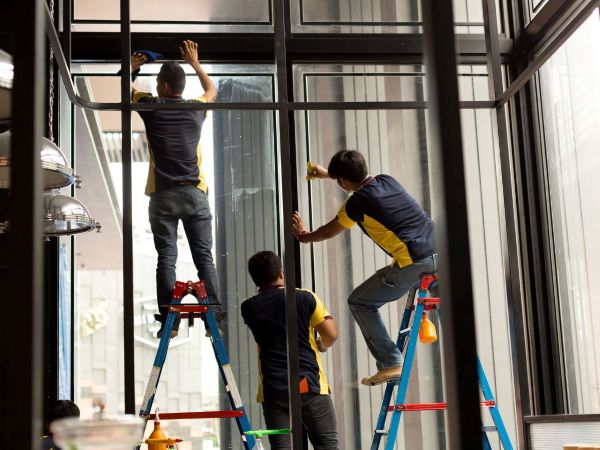
Security film installation timelines depend on project scope, film availability, weather conditions, and installer scheduling. Small residential projects (several windows) typically complete in 2-4 hours. Whole-house installations may require 1-2 full days including preparation work. Commercial projects involving dozens of windows across multiple floors can extend over several days or weeks.
Request detailed timelines during the quote process. Ask specifically about:
- Lead time for specialized film products (some may require ordering)
- Preparation requirements (old film removal, frame repairs)
- Weather constraints affecting installation or curing
- Cure time before windows can be cleaned or used normally (often 30+ days for full adhesive strength)
Schedule installations during mild weather when possible. Extreme temperatures can affect adhesive performance and extend cure times.
Cost Variations Between Local Providers
Significant price differences between local quotes often reflect genuine scope differences rather than simple overpricing. For perspective on typical residential price ranges, review detailed window security film installation cost estimates. Key factors driving cost variation include:
Film specification: Basic 4-8 mil security film runs $7-10 per square foot installed; premium 12-15 mil products with advanced features cost $13-19 or more per square foot.
Anchoring systems: Mechanical attachment to frames adds $3-5+ per square foot but dramatically improves forced entry and storm resistance.
Preparation requirements: Old film removal, frame repairs, and challenging access (upper floors, large commercial windows) increase labor costs substantially.
Warranty coverage: Comprehensive warranties covering both materials and installation from certified installers carry premium pricing compared to limited labor-only warranties.
Regional labor rates: Metro installers in high-cost markets charge more than those in lower-cost regions—$35-75 per hour for professional crews.
Evaluate quotes based on delivered value rather than lowest price. A $4,500 quote including 12-mil film with anchoring and manufacturer-backed warranty provides different protection than a $2,500 quote for 6-mil film without anchoring and limited warranty coverage.
Conclusion and Next Steps
Finding qualified security film installers near you comes down to systematic research, proper vetting, and informed comparison. Authorized dealers and certified specialists bring the expertise, product access, and warranty backing that security applications require. Understanding your specific needs—whether residential protection, commercial compliance, or specialized high-security installation—helps identify providers with relevant experience.
Need More Info?
The Window Film Depot team is happy to help.
Immediate action steps:
- Use manufacturer dealer locators (3M, ShatterGARD, etc.) to identify authorized installers in your service area
- Verify licensing, insurance, and relevant certifications for your application type
- Request detailed itemized quotes from three or more qualified providers
- Check references for similar completed projects
- Evaluate proposals based on total value—film specifications, anchoring, warranty, and installer expertise—not just price
Related topics to explore: Different security film types and the difference between shatterproof and true security window films, installation warranty requirements and what voids coverage, long-term maintenance requirements for maximizing film lifespan, and how security film integrates with other property protection measures.
Frequently Asked Questions
How do I find certified security film installers near me?
Start with manufacturer dealer locator tools—3M’s “Find a Dealer” page and similar directories from other manufacturers identify authorized installers by location or you can reference 3M window film products and installer networks offered through national providers. Cross-reference with local business searches for “security window film installation” and verify certifications directly. For specialized applications like blast mitigation or code-compliant storm protection, contact manufacturers for specific installer recommendations in your area.
What questions should I ask potential installers?
Ask about specific certifications relevant to your project (manufacturer authorization, UL 972, ASTM standards), years of experience with security applications specifically, licensing and insurance documentation, warranty terms for both materials and labor, typical project timelines, and references from similar completed projects. For larger or multi-site projects, you may prefer national window film installation companies with commercial experience. Request itemized quotes detailing film specifications, anchoring systems, preparation work, and cure time requirements.
How long does security film installation typically take?
Timeline varies significantly by project scope. Individual windows or small areas may complete in 1-2 hours. Whole-house residential installations typically require 1-2 days including preparation. Large commercial projects can extend over several days or weeks depending on window count, access challenges, and complexity, especially when using advanced systems like 3M Scotchshield Ultra Series commercial security window films. After installation, adhesives require 30+ days to reach full cure strength—during which special care is needed.
What should I expect to pay for professional installation?
Professional security film installation costs $7-24 per square foot depending on film type and thickness, anchoring requirements, and regional labor rates. Basic 4-8 mil film typically runs $7-10 per square foot installed; mid-range 8-12 mil film costs $10-13; premium 12-15+ mil products with advanced features run $13-19 or higher. A typical three-bedroom home with 250-300 square feet of glass might cost $2,500-$5,000 total. Commercial projects with anchoring requirements and compliance documentation often cost more, particularly when sourcing high-performance window film products for security, anti-graffiti, and solar control from specialized providers.
Do local installers offer warranties on their work?
Reputable installers provide warranties covering both materials and labor—typically 10-15 years for film materials when using manufacturer-authorized products. Warranty validity usually requires installation by certified professionals following documented protocols. While DIY window film installation options exist for basic privacy or sun control needs, these typically lack the comprehensive warranties available through certified security film installers. Ask specifically about what voids warranty coverage (improper cleaning, DIY repairs, frame modifications) and whether periodic inspections are required to maintain warranty status.
Can installers work on both residential and commercial properties?
Most established security film installers handle both residential and commercial work, though expertise levels vary. Some focus primarily on residential applications while others specialize in commercial buildings and institutional projects, such as regional window film installation services for homes, offices, and government buildings. For commercial installations requiring specific code compliance or testing documentation, verify the installer has relevant commercial experience and can provide required certifications for your jurisdiction.
How far will installers typically travel for projects?
Service area varies by installer and project size. Residential installers often limit routine service to 30-50 mile radius to maintain competitive pricing. Commercial installers frequently travel farther for larger projects, building travel costs into quotes. In areas with limited local availability, installers may require minimum project sizes for extended travel. Contact installers directly about travel policies for your specific location and project scope.
What certifications should I look for in an installer?
Essential certifications depend on your application. For burglary resistance, look for experience with UL 972-rated products. Storm protection requires familiarity with ASTM E1886/E1996 and Miami-Dade TAS protocols. Manufacturer authorization (3M Authorized Dealer, ShatterGARD Certified, etc.) ensures product-specific training and warranty backing. All installers should hold required state contractor licensing and carry current general liability and workers’ compensation insurance. For government or institutional projects, additional security clearances may apply.