Table of Contents:
Introduction
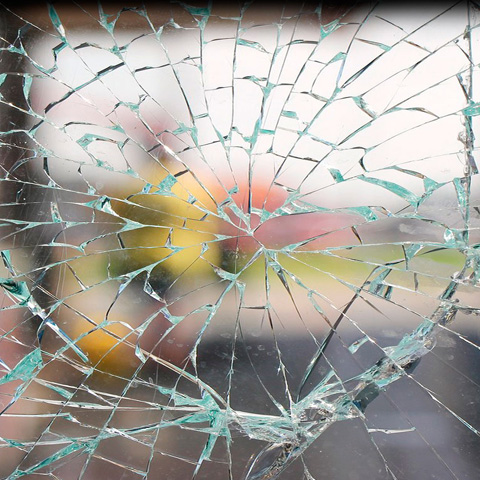
Glass security film is a polyester-based protective layer applied to glass windows and glass doors that holds shattered glass together upon impact, preventing dangerous flying glass fragments while strengthening windows against forced entry, natural disasters, and accidents. This window security film serves as a cost-effective retrofit solution for both residential and commercial properties seeking enhanced window protection without full glass replacement.
This guide covers everything you need to know about security films—from understanding film composition and thickness options to installation requirements, performance standards, and practical applications. The content addresses homeowners concerned about break ins, business owners protecting storefronts, and facility managers responsible for building safety. Whether you’re evaluating storm protection for a coastal property or considering added security for a commercial building, this resource will help you make informed decisions.
Direct answer: Glass security film works by bonding a multi-layer adhesive film to the interior surface of existing windows, creating an added layer of protection that keeps broken glass intact and significantly delays penetration during attempted forced entry or impact events.
After reading this guide, you will:
- Understand the difference between safety film and security window film classifications
- Know which film thickness matches your specific protection requirements
- Learn proper installation techniques and when professional help is required
- Evaluate cost-effectiveness compared to laminated glass alternatives
- Identify the right certifications for your application needs
Understanding Glass Security Film Technology
Glass security film transforms ordinary windows into protective barriers by adding a tough, flexible material that absorbs impact energy and holds glass fragments together when breakage occurs. This technology addresses a fundamental vulnerability in most buildings: standard annealed glass shatters into dangerous shards upon impact, creating injury risk and providing easy entry for intruders.
Film Composition and Materials
Security window film consists of multiple polyester (PET) layers laminated together, ranging in thickness from 2 mil (approximately 0.002 inches) to 15 mil or more depending on the required protection level. Thinner films around 2-4 mil provide basic safety by keeping shattered glass contained, while mid-range 8 mil films offer significant resistance to forced entry. Heavy-duty 12-15 mil films are engineered for blast protection and severe windstorm resistance.
The adhesive system is equally critical to performance. Pressure-sensitive adhesives bond the film directly to glass surfaces and must maintain integrity across temperature fluctuations, humidity exposure, and UV radiation over many years. For high-threat applications requiring blast or hurricane protection, mechanical attachment systems supplement the adhesive—structural silicone beads, anchoring bars, or wet-glazing techniques secure the film to the window frame, ensuring the entire glass assembly remains in place even under extreme forces.
Film quality varies significantly between manufacturers. Premium security films feature optically clear layers that maintain visible light transmission above 70% while blocking over 99% of UV radiation. This combination provides protection without sacrificing natural light or causing noticeable optical distortion in most installations.
Safety vs Security Classifications
The distinction between safety and security classifications determines which threats a film can address effectively.
Safety film meets standards designed to prevent injury from accidental glass breakage. ANSI Z97.1 and CPSC 16 CFR 1201 establish testing requirements for human impact safety. Category I (Class B) products withstand approximately 150 foot-pounds of impact energy, while Category II (Class A) products handle roughly 400 foot-pounds—sufficient for falls, collisions, or objects striking glass in normal use. Building codes often require safety glazing in doors, sidelights, and glass adjacent to walkways.
Security film exceeds basic safety requirements to resist intentional attacks and severe environmental forces. These films are tested under UL 972 for burglary resistance, GSA TS01 and ASTM F1642 for blast protection, and ASTM E1886/E1996 for hurricane and windstorm resistance. Security applications demand both thicker film and proper frame attachment to achieve rated performance.
Understanding these classifications helps you select appropriate protection: basic safety film addresses accident prevention, while true security window film provides meaningful resistance against deliberate threats and extreme weather events.
Types and Applications of Security Film
Building on the classification framework above, specific applications require different film types, thickness levels, and installation approaches. The right solution depends on your property type, geographic location, and primary security concerns, and many projects benefit from evaluating multiple window protection film solutions that address different threat levels.
Residential Window Protection
Home security represents the most common application for window film installations. Most residential burglaries involve entry through glass windows or glass doors, making these vulnerable points prime candidates for reinforcement. An 8 mil security film applied to standard annealed glass typically delays forced entry by 30-60 seconds—enough time for alarms to trigger and deter opportunistic intruders who rely on quick, quiet entry.
Beyond break in prevention, homeowners in coastal and storm-prone regions use security films meeting Miami-Dade TAS standards or ASTM E1886/E1996 requirements for hurricane protection, which is distinct from basic shatterproof or security window films marketed primarily for impact resistance and intrusion delay. These tested systems resist windborne debris impacts (such as 2×4 lumber traveling at 50 feet per second) and thousands of pressure cycles from high winds. For areas prone to natural disasters, properly installed window protection can mean the difference between minor damage and catastrophic property loss.
Additional benefits include UV protection and modest energy savings. Most security films block 99% or more of UV radiation, significantly reducing furniture fading and protecting interior surfaces. On older single-pane windows, films also provide some reduction in solar heat gain, potentially lowering cooling costs.
Commercial and Institutional Use
Commercial applications face different threat profiles requiring tailored solutions.
School security has become a priority application, with security window film, such as tear‑resistant commercial security films, serving as part of comprehensive active threat mitigation systems. Technical guides like FB71 from industry associations distinguish between basic safety glazing and true security glazing in educational settings. Critical areas include main entrances, vestibules, and any glass vulnerable to forced entry. Film alone provides meaningful delay; combined with reinforced frames and proper attachment systems, it can substantially extend the time needed to breach secured areas.
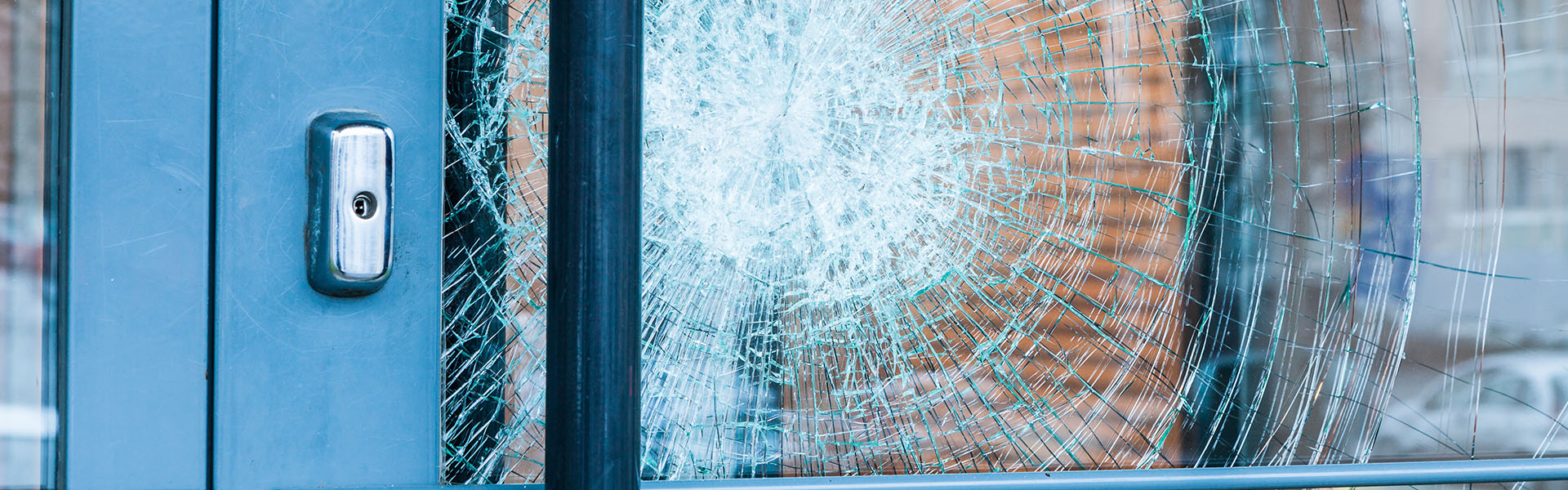
Retail storefronts frequently use 8-12 mil security films to protect against smash-and-grab theft and vandalism. The goal is delaying entry long enough for security response or police arrival. Large glass areas typical in retail present challenges—maintaining optical clarity and visibility while achieving adequate protection requires careful film selection and professional installation.
Office buildings in urban centers or near potential targets may require blast protection meeting federal standards, often relying on specialized 3M security window film products and installation to meet those performance requirements. Films tested under GSA TS01 receive hazard ratings based on fragment projection distances under specific blast pressures. A typical specification might require minimal hazard rating at 4 psi blast pressure with 28 psi-millisecond impulse—achievable with 12-15 mil films properly anchored to reinforced frames.
Specialized Applications
Government facilities and high-security installations demand the highest performance levels. GSA-rated blast protection systems undergo rigorous testing with specific glass types, frame configurations, and attachment methods. Products like 13 mil films with structural anchoring achieve ratings such as GSA TS01 very low hazard at pressures exceeding 6 psi—performance that requires precise specification matching between film, glass, frame, and attachment system.
Earthquake-prone regions present unique challenges where seismic shaking can dislodge glass from frames. Security films help contain shattered glass and maintain glass-to-frame adhesion during ground movement, reducing injury risk from falling shards. Similar principles apply to windstorm applications where Missile Level C ratings indicate resistance to large projectile impacts.
These specialized applications share a common requirement: performance depends entirely on the complete system—film, adhesive, frame attachment, and underlying glass type—being tested and installed together exactly as certified.
Installation Process and Performance Standards
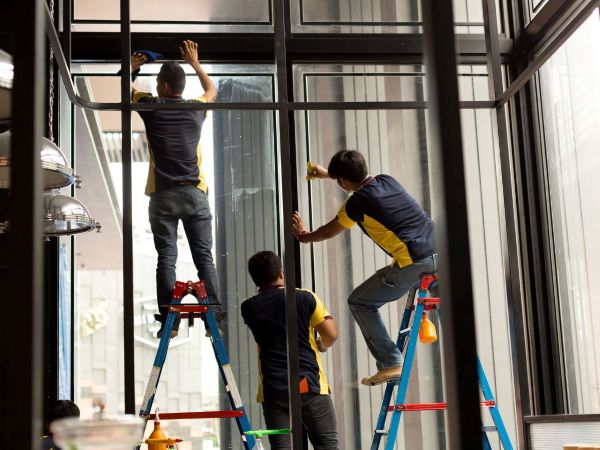
Proper installation determines whether security film achieves its rated performance or fails under stress. Working with experienced window film specialists and understanding when professional expertise is required versus when DIY approaches work helps you plan appropriately and avoid costly mistakes while also taking advantage of the broad window glass film products and brands available for different applications.
Professional vs DIY Installation
**DIY installation works for basic safety film applications on simple residential windows. Films up to approximately 8 mil can be self-installed with the right tools and technique, especially when you follow step-by-step do-it-yourself window film installation guidance. You’ll need:
- Quality film from a reputable manufacturer
- Spray bottle with soap solution
- Squeegee and lint free cloth
- Utility knife with sharp blade
- Measuring tape
The installation process follows these general steps:
- Surface preparation – Clean the interior surface of glass thoroughly, removing all dust, grease, and debris. Any contamination trapped under the film causes bubbles or adhesion failure.
- Film application – Spray window liberally with soap solution, carefully apply window film to wet glass, and position precisely before squeegeeing.
- Air removal – Work from center outward with the squeegee to remove air bubbles and excess solution, maintaining firm, consistent pressure.
- Edge trimming – Trim film precisely to the window frame edge using a sharp blade, leaving approximately 1/8 inch gap to avoid peeling.
- Curing period – Allow 24-72 hours minimum for adhesive to achieve full bond. The film may appear hazy initially; this clears as moisture evaporates.
Professional installation becomes necessary when trusted nationwide window film installers are needed for more complex or large-scale projects, including when:
- Frame attachment systems are required for security or blast ratings
- Film thickness exceeds 8 mil
- Optical quality must meet specific standards
- Certifications depend on exact installation methods
- Glass pane size creates handling difficulties
Security applications requiring edge retention—where the film must keep glass in the frame under force—demand professional systems. Installers apply structural silicone beads, anchoring bars, or wet-glazing techniques that mechanical tests have validated. Using uncertified installation methods on security-critical applications voids any performance claims.
Performance Testing and Certifications
Understanding certifications helps you specify appropriate protection levels and verify that installed products meet your requirements.
| Standard | Application | Key Requirements | Typical Film Thickness |
|---|---|---|---|
| ANSI Z97.1 Class B | Basic safety | 150 ft-lb impact resistance | 2-4 mil |
| ANSI Z97.1 Class A | Enhanced safety | 400 ft-lb impact resistance | 4-8 mil |
| CPSC 16 CFR 1201 Cat II | Architectural safety | Human impact resistance | 4-8 mil |
| UL 972 | Burglary resistance | Sustained attack delay (3-5 min) | 8-12 mil |
| GSA TS01 | Blast protection | Minimal hazard at specified pressure | 12-15 mil |
| ASTM F1642 | Blast mitigation | Fragment retention under blast | 12-15 mil |
| ASTM E1886/E1996 | Hurricane/windstorm | Missile impact + pressure cycling | 8-15 mil |
| Interpreting specifications: Beyond thickness, examine visible light transmission (typically 70-90% for clear films), UV rejection (should exceed 99%), and haze values (lower is better for optical clarity). Weathering tests per ANSI Z97.1 indicate adhesive durability under UV and moisture exposure. |
Glass type matters: Test results specify which glass type was used—annealed, tempered, or dual-pane configurations each perform differently. Applying film tested on annealed glass to tempered glass may not achieve equivalent results. Property managers should understand the difference between tempered and regular glass, since tempered glass shatters into small cubes that behave differently than annealed glass fragments.
Common Challenges and Solutions
Even quality security films can underperform if common installation and maintenance issues aren’t addressed properly.
Bubbling and Adhesion Problems
Bubbling, hazing, and delamination typically result from inadequate surface preparation or improper environmental conditions during installation. The primary causes include:
- Dust, grease, or cleaning product residue on glass surface
- Moisture trapped between film and glass
- Installation outside optimal temperature range (generally 50-90°F)
- Excessive humidity preventing proper adhesive cure
Solution: Clean glass thoroughly with appropriate cleaners, rinse completely, and ensure the surface is completely dry before application. Work in moderate temperature and humidity conditions. Use a high-quality squeegee to remove all air bubbles and excess solution during installation. Allow adequate curing time before testing adhesion.
Film Selection for Specific Threats
Mismatching film capability to threat level wastes money (over-specifying) or provides inadequate protection (under-specifying).
Solution: Match thickness and certification to your actual risk profile:
- Basic accident prevention: 2-4 mil safety film
- Residential security and break in deterrence: 8 mil security film
- Storm protection in hurricane zones: 8-12 mil with proper frame attachment
- Blast protection: 12-15 mil with structural anchorage systems
Consider the complete system: a quality film on weak frames offers limited protection. If your window frame lacks structural integrity, film alone cannot achieve security-level performance, even with advanced commercial safety and security window films. Some applications require frame reinforcement or replacement alongside film installation or the integration of complementary window protection film solutions.
Cost guidance: residential 8 mil security film typically runs $8-14 per square foot installed, though detailed window security film installation cost estimates will vary based on film type, window size, and project complexity. Heavy-duty and certified systems cost significantly more due to materials, attachment hardware, and specialized labor.
Maintenance and Replacement
Proper care extends film lifespan; neglect accelerates degradation.
Cleaning: Use mild soap and water with a soft cloth or sponge. Avoid abrasive cleaners, ammonia-based products, or rough scrubbing tools that can scratch the film surface or damage optical coatings.
Inspection: Periodically check for edge lifting, delamination, discoloration, or optical distortion. Any of these conditions indicate the film is degrading and may not perform as rated.
Lifespan expectations: Residential security films from quality manufacturers typically last 10-15 years under normal conditions with proper care. Commercial installations and films exposed to severe UV or environmental stress may require replacement sooner. Manufacturer warranties provide some guidance—most range from 10-15 years for residential applications.
Replacement triggers: Replace film when optical clarity degrades noticeably, adhesion fails at edges, or after any impact event that stressed the film. Also consider replacement when building codes change or threat assessments indicate higher protection levels are needed.
Conclusion and Next Steps
Glass security film provides a cost-effective method to strengthen existing windows against forced entry, accidents, and natural disasters without the expense of full glass replacement. By selecting appropriate film thickness, ensuring proper installation (professional when security-level performance is required), and maintaining the installation over time, property owners gain meaningful protection that addresses real vulnerabilities in glass windows and glass doors.
Immediate next steps:
- Assess your windows – Identify which glass surfaces present the greatest vulnerability based on location, accessibility, and existing glass type
- Determine protection requirements – Match your primary concerns (break in prevention, storm protection, safety compliance) to appropriate film specifications
- Get professional evaluation – For security applications, consult qualified installers who can assess frame conditions and recommend certified systems
Related considerations: A complete security assessment may identify other vulnerabilities beyond windows. Insurance carriers sometimes offer premium discounts for documented security improvements. For high-value applications, compare total cost of security film systems against laminated glass replacement—both approaches can achieve similar performance levels with different cost structures and installation requirements.
Need More Info?
The Window Film Depot team is happy to help.
Frequently Asked Questions
How thick should security film be for home protection?
For residential security focused on break in deterrence, 8 mil film represents the most common recommendation—thick enough to significantly delay forced entry while remaining cost-effective and optically clear. Basic safety against accidental breakage requires only 4 mil, while severe storm or blast threats may justify 12 mil or heavier with appropriate frame attachment.
Can security film be applied to any type of window?
Security film can be applied to most glass types including annealed, tempered, and dual-pane windows, but performance varies by glass type. Certifications specify which glass configurations were tested. Additionally, the window frame must be structurally sound to support the film system—weak or deteriorated frames limit achievable protection regardless of film quality.
Does security film affect window appearance or visibility?
Quality clear security films maintain visible light transmission above 70% with minimal optical distortion. Thickness does affect clarity slightly—heavier films may show marginally more haze. Tinted or reflective variants intentionally alter appearance for solar control. Review manufacturer specifications for haze values and VLT percentages before selecting.
How long does professionally installed security film last?
Expect 10-15 years from quality products under normal residential conditions. Commercial installations with higher UV exposure, frequent cleaning, or environmental stress may require earlier replacement. Manufacturer warranties provide baseline expectations—premium products often carry 10-15 year residential warranties.
Will security film prevent all break-ins?
No. Security film delays forced entry but cannot make glass impenetrable. A determined attacker with tools and time will eventually breach even high-performance film systems. The value lies in extending breach time long enough for alarms to trigger, witnesses to notice, or intruders to abandon the attempt. Film works best as part of layered security including locks, alarms, and monitoring.
Can I install security film myself or do I need a professional?
DIY installation works for basic safety films and thinner security films (up to approximately 8 mil) on standard-sized residential windows. Professional installation is required when security ratings depend on specific attachment methods, when films exceed 8 mil thickness, or when frame anchoring systems are needed for blast or severe storm protection.
How does security film compare to laminated glass in cost and performance?
Laminated glass integrates protective interlayers between two glass sheets during manufacturing, providing excellent and permanent protection. However, replacement costs significantly more than retrofit film—often 3-5 times higher when including frame modifications. Properly installed security film systems with frame attachment can approach laminated glass performance for forced entry and blast resistance at lower cost. Trade-offs: laminated glass offers superior optical clarity and permanence; film provides flexibility and easier upgrades.
Does security film provide UV protection as well as security benefits?
Yes. Most security films block 99% or more of UV radiation regardless of thickness. This reduces fading of furniture, flooring, and interior surfaces while providing security benefits. Some products combine security performance with solar heat reduction for additional energy savings—check specifications for solar heat gain coefficient (SHGC) ratings if energy performance matters for your application.