Table of Contents:
Introduction
Commercial window tinting service delivers measurable energy savings and enhanced building performance for businesses across industries. By applying specialty films to glass surfaces, commercial properties can reduce cooling costs by 15-30% while blocking up to 99% of harmful UV rays that damage interiors and affect occupant comfort.

This guide covers commercial window film solutions for office buildings, retail spaces, warehouses, and healthcare facilities. Facility managers, business owners, and property developers seeking cost reduction and improved building performance will find actionable information on film types, installation processes, and return on investment calculations. Understanding these options matters because window film installation costs 70-90% less than full window replacement while delivering comparable energy efficiency improvements.
Direct answer: Professional commercial window tinting reduces energy costs by 15-30% on average—with some buildings achieving up to 50% reduction in solar heat gain—while enhancing security, protecting furnishings from sun damage, and improving occupant comfort through glare reduction.
Key outcomes from this guide:
- Energy savings calculations and typical payback periods of 2-5 years
- UV protection strategies to preserve furniture and interior materials
- Security film options that increase safety against break-ins and natural disasters
- Privacy solutions for conference rooms and sensitive areas
- Installation timelines and cost expectations by building type
Understanding Commercial Window Tinting
Commercial window tinting involves applying thin laminated films to interior or exterior glass surfaces of commercial buildings to manage solar heat, block UV radiation, enhance privacy, and improve security. Unlike residential window tinting, commercial applications require films engineered for larger glass expanses, stricter regulatory compliance, uniform aesthetics across many panes, and integration with existing HVAC systems.
Businesses invest in professional window film installation for multiple reasons: immediate energy bill reduction, extended lifespan of interior furnishings, improved employee comfort and productivity, enhanced building security, and compliance with green building standards like LEED certification. Many organizations partner with specialists in commercial window tinting and office window film installation to ensure performance and warranty requirements are met.
How Commercial Window Film Works
Commercial window film consists of thin PET (polyester) layers combined with specialized coatings or embedded particles. These materials target three components of the solar spectrum to reduce heat and protect interiors.
Infrared (IR) radiation contributes most to heat gain through windows. Solar films reflect or absorb IR energy before it enters the building, reducing the workload on HVAC systems. Ultraviolet (UV) radiation causes fading, material degradation, and sun damage to furniture, carpeting, and merchandise. High quality window films block up to 99% of harmful UV rays. Visible light provides natural light for daylighting and views—well-designed films maintain adequate visible light transmission while managing heat and annoying glare.
By intercepting solar energy at the glass surface, commercial window film creates an extra layer of thermal control that directly translates to lower energy costs and more consistent interior temperatures.
Key Performance Metrics
Understanding film specifications helps businesses select products that match their specific needs.
Solar Heat Gain Coefficient (SHGC) measures the total solar heat entering through glazed surfaces on a scale of 0 to 1. A SHGC of 0.25 means only 25% of solar heat passes through—lower values indicate better heat control. High-performance solar window film typically achieves SHGC ratings between 0.20 and 0.35.
Visible Light Transmission (VLT) indicates the percentage of natural light passing through the film. A 35% VLT means 35% of visible light enters the space. Office environments typically require 30-50% VLT to maintain adequate daylighting while reducing glare.
Total Solar Energy Rejected (TSER) expresses the percentage of combined UV, IR, and visible solar energy that the film blocks. Premium ceramic and nano-ceramic films achieve TSER values of 60-80%, delivering substantial heat rejection without heavy darkening.
These metrics directly correlate with building performance and energy efficiency outcomes, making them essential criteria when evaluating film types for specific commercial applications.
Types of Commercial Window Films
Building on these performance fundamentals, commercial window films fall into distinct categories designed for specific business objectives. Selecting the right film type depends on whether the primary goal is energy savings, security enhancement, privacy improvement, or aesthetic branding.
Solar Control Films
Solar control films represent the most common choice for commercial buildings seeking to reduce energy costs and improve occupant comfort. These films target solar heat reduction while maintaining acceptable natural light levels.
Dyed films offer budget-friendly heat rejection with moderate performance and minimal exterior reflectivity. They work well for businesses prioritizing cost over maximum efficiency. Metalized films embed metal layers that strongly reflect infrared radiation, achieving high heat rejection but creating a more mirror-like appearance that may not suit all architectural styles. Ceramic and nano-ceramic films use non-metallic technology to deliver excellent heat rejection—often 60-70% of solar heat—while maintaining optical clarity and lower reflectivity. These premium options cost more but provide superior performance without the shiny appearance of metalized alternatives, with newer photochromic solutions like solar window film that tints when exposed to UV automatically adjusting to changing sunlight conditions.
For south or west-facing facades in hot climates, properly selected solar films can reduce heat gain by 40-80%, translating to 10-20% reduction in annual cooling costs. Buildings in Texas, Arizona, and similar regions with high cooling loads see the most dramatic energy savings from solar window film.
Security and Safety Films
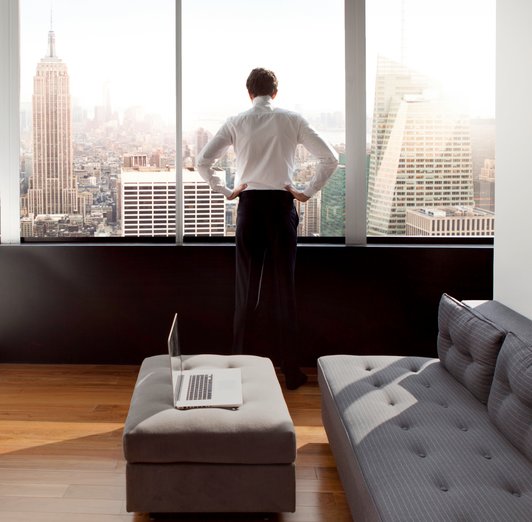
Security films strengthen glass surfaces to resist impacts from attempted break-ins, vandalism, severe weather debris, and accidents. These thicker, laminated films hold shattered glass together when windows break, preventing dangerous shards from scattering and slowing intruders, and it’s important to understand the difference between true security window films and basic shatter-resistant films when specifying products.
Retail storefronts benefit significantly from security window film on ground-floor display windows, where smash-and-grab theft poses ongoing risks. Security films create an added layer of protection that delays entry attempts, often by several minutes—enough time for alarm response. For commercial buildings in areas prone to hurricanes or severe storms, safety films protect occupants from flying glass during natural disasters, and many projects layer films with additional window protection systems to reinforce glass against more extreme threats.
Most manufacturers offer 10-15 year warranties on security films covering resistance to peeling, cracking, and delamination. Some warranties include limited glass replacement coverage for breakage caused by thermal stress under approved installation conditions.
Decorative and Privacy Films
Decorative window films transform glass doors, partitions, and windows into design elements while providing privacy for sensitive areas. Frosted, etched, patterned, and graphic films create visual separation without sacrificing light transmission, and designers can choose from multiple types of decorative glass films to align aesthetics with branding and privacy goals.
Conference rooms and executive offices frequently use decorative films to enhance privacy during meetings without blocking natural light. Healthcare facilities install privacy films to comply with patient confidentiality requirements while maintaining welcoming environments, often leveraging specialized privacy and decorative window film solutions to meet both visual and functional standards. Window graphics and whiteout film options allow businesses to incorporate logos, branding elements, or custom designs directly onto glass surfaces.
A notable example: Ericsson’s headquarters in Plano, Texas installed over 20,000 square feet of frosted decorative film in boardrooms, common areas, and stairwells. The installation achieved privacy objectives while preserving light flow, with scratch-resistant coatings ensuring long-term durability.
Film category summary: Solar films prioritize energy efficiency and comfort, security films protect property and occupants, and decorative films serve aesthetic and privacy functions. Many commercial projects combine multiple film types across different building zones to address varied requirements.
Commercial Window Tinting Installation Process
Professional installation determines whether commercial window film delivers its promised performance. With film selection complete, understanding the installation timeline and quality requirements helps businesses plan projects that minimize disruption while maximizing results.
Pre-Installation Assessment
Comprehensive building evaluation precedes every professional commercial window film installation. This assessment stage ensures proper film selection and accurate project planning.
Window measurement and glass type identification involves documenting precise dimensions and determining whether windows are single-pane, double-pane (insulated glass units), tempered, laminated, or coated with low-E or other treatments. Glass type significantly affects film compatibility and warranty coverage, especially when specifying advanced products like 3M Scotchshield Ultra Series safety and security window films for impact resistance.
Building orientation analysis identifies which facades receive the most direct sunlight throughout the day. South and west-facing windows in northern hemisphere buildings typically require films with stronger solar heat rejection capabilities.
Film recommendation matches product specifications to building needs. An office building seeking maximum energy savings might specify ceramic film with high TSER and moderate VLT, while a retail store might prioritize security film for storefront windows combined with decorative films for interior partitions. Many projects rely on dealers that offer a broad portfolio of commercial window film brands to tailor solutions for each façade and space.
Cost estimation and timeline development provides budget clarity. Commercial installations typically range from $8-25 per square foot installed, depending on film type, building complexity, window access requirements, and geographic location. Project timelines vary from single-day installations for small storefronts to 2-4 weeks for full building retrofits.
Building management coordination addresses access planning, security protocols, tenant notification, and scheduling preferences. Many commercial installations occur after business hours or on weekends to avoid disrupting daily operations.
Installation Comparison by Building Type
| Building Type | Typical Challenges | Access Requirements | Timeline Estimate | Special Considerations |
|---|---|---|---|---|
| Office Buildings (3-10 stories) | Uniform appearance requirements, tenant coordination | Interior lifts, scaffolding for exterior | 1-3 weeks | Schedule around occupancy; phased by floor |
| Retail Storefronts | Aesthetic visibility critical, business interruption concerns | Ground-level access | 1-3 days | After-hours installation preferred; security film priority |
| Warehouses/Industrial | Large glass expanses, skylights, less aesthetic concern | High lifts, specialized equipment for skylights | 1-2 weeks | Focus on heat reduction; industrial-grade films |
| Healthcare Facilities | Strict hygiene requirements, patient privacy regulations | Restricted area access, infection control protocols | 2-4 weeks | Privacy film for patient areas; HIPAA compliance |
Quality Assurance and Warranty
Post-installation inspection verifies proper adhesion, absence of bubbles or debris, edge integrity, and uniform appearance across all treated windows. Reputable installers document the completed work and provide performance verification under peak sunlight conditions when possible.
Manufacturer warranty terms for commercial window film typically span 10-15 years, covering adhesion failures (peeling, bubbling), optical clarity degradation (discoloration, purpling), and in some cases, glass breakage from thermal stress. Decorative films often carry shorter warranties of approximately 5 years due to higher wear exposure.
Service coverage details vary between manufacturers and installers. Some warranties include removal and reapplication costs for defective film; others cover materials only. Understanding whether seal failure or insulated glass unit damage falls under warranty protection is essential before installation begins.
Need More Info?
The Window Film Depot team is happy to help.
Professional commercial window tinting service providers maintain certifications from major film manufacturers, ensuring installations meet specifications required for full warranty coverage.
Common Challenges and Solutions
Commercial installations encounter obstacles that residential projects rarely face. Anticipating these challenges allows businesses to plan effectively and select installers with relevant experience.
Building Access and Scheduling
Multi-tenant commercial buildings require coordination with property management, security teams, and individual tenants. Installers must navigate restricted access hours, elevator scheduling, and workspace protection requirements, making it advantageous to work with experienced nationwide window film installers who understand complex commercial environments.
Solution: Establish clear communication channels with building management early in the project. Schedule installations during after-hours periods or weekends when possible. Phase large projects by floor or zone to minimize disruption to any single tenant. Experienced commercial installers maintain relationships with security services and understand multi-tenant logistics.
Historic Building Restrictions
Historic preservation ordinances often restrict exterior appearance changes, potentially prohibiting reflective or visibly dark films that alter building character, so owners often turn to specialty window films for commercial applications that balance performance with strict aesthetic requirements.
Solution: Select spectrally selective films with low exterior reflectivity that maintain the historic appearance while delivering heat rejection benefits. Work with preservation boards during planning to identify approved film options. Install films on interior glass surfaces rather than exterior where regulations permit. Document compliance throughout the approval process.
Multi-Story Installation Logistics
High-rise buildings present safety challenges, wind exposure concerns, and glass compatibility issues. Tempered or heat-strengthened glass at upper floors may have different thermal stress tolerances than lower-floor annealed glass.
Solution: Engage installers certified for high-rise work with proper safety equipment, insurance coverage, and experience managing wind load considerations. Verify film-glass compatibility for each window type in the building. Ensure proper edge sealing to prevent film lifting in high-wind locations. Review manufacturer guidelines regarding film selection for thermally stressed glass applications.
Understanding these common obstacles helps businesses evaluate installer qualifications and develop realistic project expectations.
Conclusion and Next Steps
Commercial reflective window tint service delivers documented energy savings of 15-30% on cooling costs, with typical payback periods of 2-5 years and film lifespans of 15-20 years. Beyond energy efficiency, professional window film installation protects interiors from harmful UV rays, enhances building security against break-ins and severe weather, and improves occupant comfort by reducing glare and hot spots.
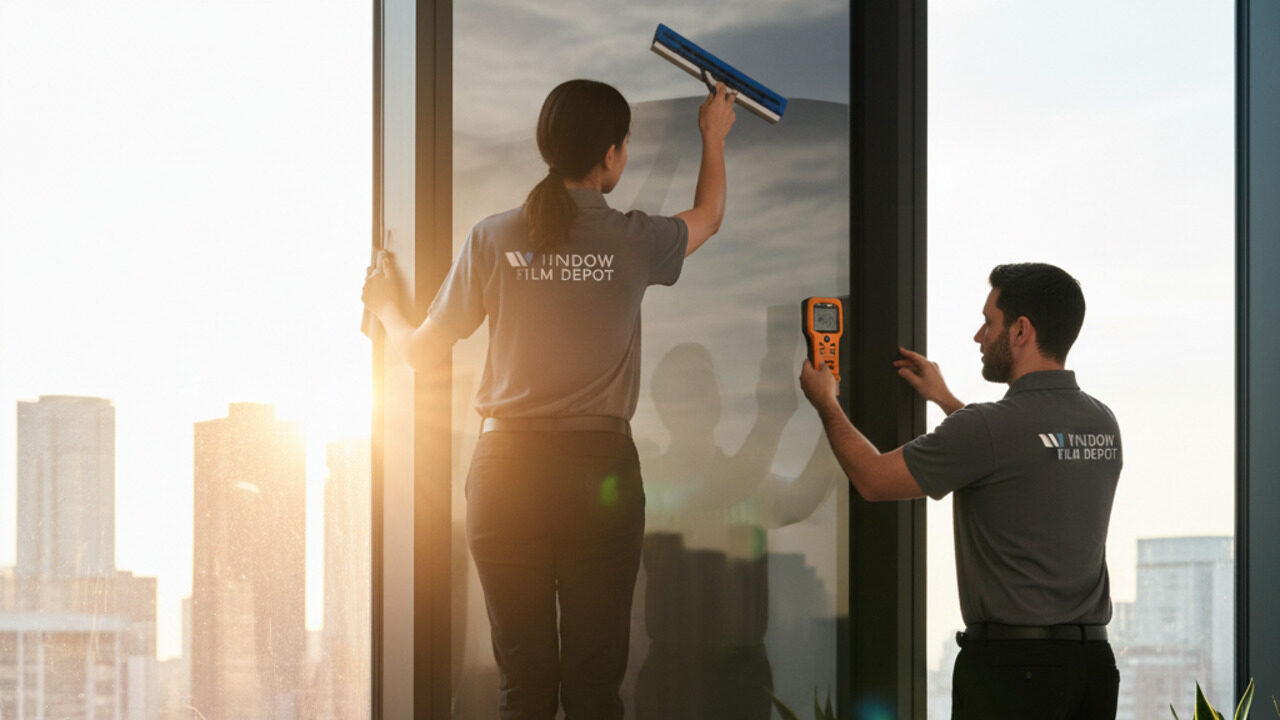
Immediate action steps:
- Conduct a building assessment — Identify high-priority windows based on solar exposure, energy costs, and security concerns
- Request professional consultations — Obtain evaluations from 2-3 certified commercial installers with documented experience in your building type
- Develop budget parameters — Plan for $8-25 per square foot installed, with film selection based on primary objectives
- Coordinate with stakeholders — Engage building management, tenants, and facilities teams early in project planning
- Review warranty requirements — Ensure selected installers maintain manufacturer certifications required for full warranty coverage
Related topics worth exploring include ongoing film maintenance protocols, periodic performance monitoring to verify energy savings, and integration with broader building efficiency upgrades as part of green building certification efforts.
Frequently Asked Questions
How much can commercial window tinting reduce energy costs?
Commercial window film typically reduces cooling costs by 15-30% in most applications. Buildings with extensive south or west-facing glass in hot climates can achieve reductions up to 40-50%. One analysis estimates typical 10-year savings of $35,000-$45,000 for mid-size commercial buildings after solar control film installation.
What is the typical payback period for commercial window film installation?
Most commercial window film projects achieve payback within 2-5 years, with many buildings recovering costs in approximately 3 years. Buildings with high cooling loads, extensive glazing, and elevated energy costs often see payback under 2 years. Utility rebates and incentive programs can further shorten payback timelines.
Do window films affect visibility or natural light in office spaces?
Modern commercial window films maintain significant natural light while reducing heat and glare. Films with 30-50% visible light transmission provide adequate daylighting for typical office environments. Ceramic and spectrally selective films reject substantial heat without heavy darkening, preserving views and reducing annoying glare that causes eye strain.
How long does commercial window film installation take?
Installation timelines vary by building size and complexity. Small retail storefronts typically complete in 1-3 days. Mid-size office buildings require 1-3 weeks. Large multi-story buildings or phased projects may extend to 2-4 weeks. Most installers schedule work to minimize business disruption through after-hours or weekend installation.
What warranty coverage comes with professional installation?
Commercial window film warranties typically span 10-15 years, covering adhesion failures, optical clarity degradation, and sometimes glass breakage from thermal stress. Decorative films often carry 5-year warranties. Coverage specifics—including labor costs, transferability, and exclusions—vary by manufacturer and installer, making warranty review essential before project commitment.
Can window films be removed without damaging glass?
Professional-grade commercial window films can be removed without damaging glass surfaces when proper techniques are used. Removal involves heating the film and carefully peeling it away, followed by adhesive cleaning. Some modern films feature quick-release adhesives designed for cleaner removal with minimal residue, particularly useful for temporary installations or future film upgrades.
Are there building codes or regulations for commercial window tinting?
Local building codes may regulate window film characteristics including exterior reflectivity, visible light transmission minimums, and fire safety compliance. Historic districts often impose additional restrictions on appearance changes. Retail storefronts may face requirements ensuring interior visibility for security purposes. Consult local building departments and work with experienced installers familiar with regional regulations.
How do you maintain and clean commercial window films?
Proper maintenance extends film lifespan and preserves warranty coverage. Clean filmed windows with soft cloths or squeegees using mild soap and water solutions. Avoid abrasive materials, ammonia-based cleaners, or harsh chemicals that can damage film surfaces. Allow 30 days after installation before first cleaning to ensure complete adhesive curing. Follow manufacturer-specific care instructions provided at installation.