Table of Contents:
Introduction
Mirror film is a reflective window film applied to glass surfaces that creates one-way visibility, allowing you to see out while preventing those on the other side from seeing in during daylight hours. This adhesive layer transforms ordinary windows into privacy barriers that simultaneously reject heat and block harmful UV rays.
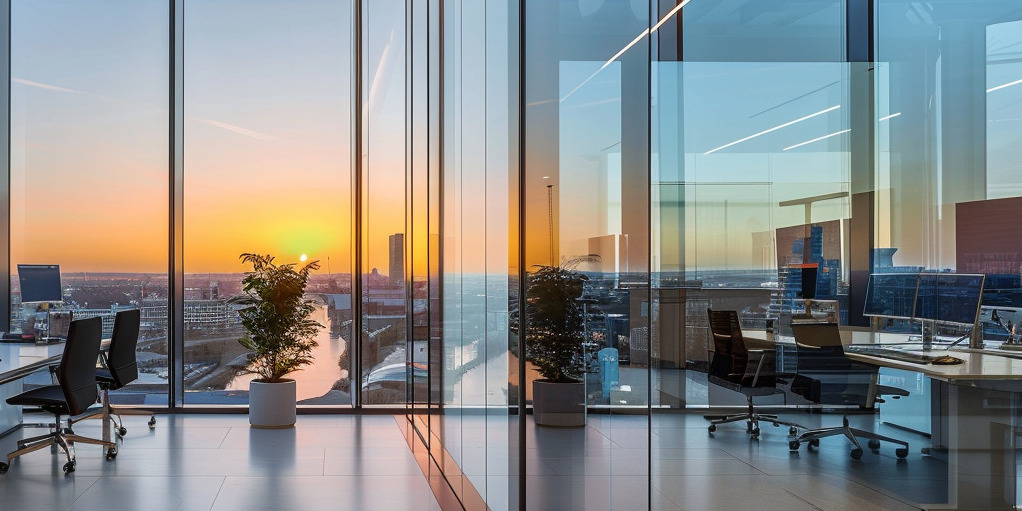
This guide covers residential, commercial, and automotive applications of reflective window film, focusing on aftermarket products applied to existing glass rather than original architectural glass manufacturing. Whether you’re a homeowner seeking daytime privacy for your house, a business owner looking to reduce glare in office spaces, or an installer comparing product specifications, this content addresses your specific needs for privacy and solar control solutions.
One-way mirror film works by exploiting the difference in light levels between the interior and exterior of a space, the same light differential principle that governs how one-way mirrors function in real projects. When the sun creates brighter conditions outside compared to the dark room inside, the mirror effect reflects light outward while maintaining transparency from within.
After reading this guide, you will understand:
- How mirror film technology creates one-way visibility through light differential principles
- The types of reflective films available and their construction components
- Specific applications across residential, commercial, and automotive settings
- Installation processes and performance metrics to compare product options
- Solutions for common challenges including night privacy limitations
Understanding Mirror Film Technology
Mirror film functions through a straightforward principle: light travels from brighter spaces toward darker ones. When applied to window glass, the reflective coating creates a mirror appearance on the side with more light while remaining transparent from the opposite direction. This technology serves customers seeking both privacy and solar control without permanently altering their windows.
Types of Mirror Film
Silver reflective films represent the most common category, featuring metallic coatings that produce a strong mirror effect on the exterior surface. These films offer high reflectivity percentages, often rejecting substantial amounts of visible light and creating excellent daytime privacy. The Silver 15 Reflective Window Film, for example, has a Total Solar Energy Rejected (TSER) of 79% and a Solar Heat Gain Coefficient (SHGC) of 0.21, indicating its effectiveness in solar control.
Dual-reflective films provide a good choice for those who want privacy without excessive interior reflection. These products feature different reflectivity levels on each side—high reflectance on the exterior facing the sun and lower reflectance on the interior. This design helps maintain clarity when looking out while still blocking visibility from outside, making dual-reflective window film a preferred solution in many commercial projects.
Neutral and colored reflective options in bronze, gray, or blue tones offer aesthetic flexibility. These films balance the mirror effect with specific visual appearances, allowing property owners to match existing architecture or personal preferences while still achieving heat rejection and privacy benefits.
Mirror Film Construction
Quality mirror film consists of multiple layers working together. The primary components include a pressure-sensitive adhesive layer that bonds to glass, a polyester substrate providing structural integrity, metallic coatings (typically aluminum or silver) applied through sputtering processes, and protective hard coats that resist scratching and UV degradation.
The adhesive layer determines how well film adheres during installation and over its life. Acrylic-based adhesives are standard, though they can degrade when exposed to excessive heat, moisture, or improper surface preparation. Protective coatings shield the metallic layer from corrosion—particularly important in coastal environments where salt air accelerates deterioration.
Understanding this construction helps set correct expectations for durability and performance. Films with multiple protective layers and quality metallic coatings typically last 10-15 years, with premium products reaching 20-25 years under proper conditions.
Mirror Film Applications and Uses
Building on the technology foundation, mirror film finds practical implementation across diverse settings. One-way mirror films can reject up to 82% of heat and 93% of glare, enhancing comfort and reducing energy costs in virtually any space with windows or glass doors.
Residential Privacy Applications
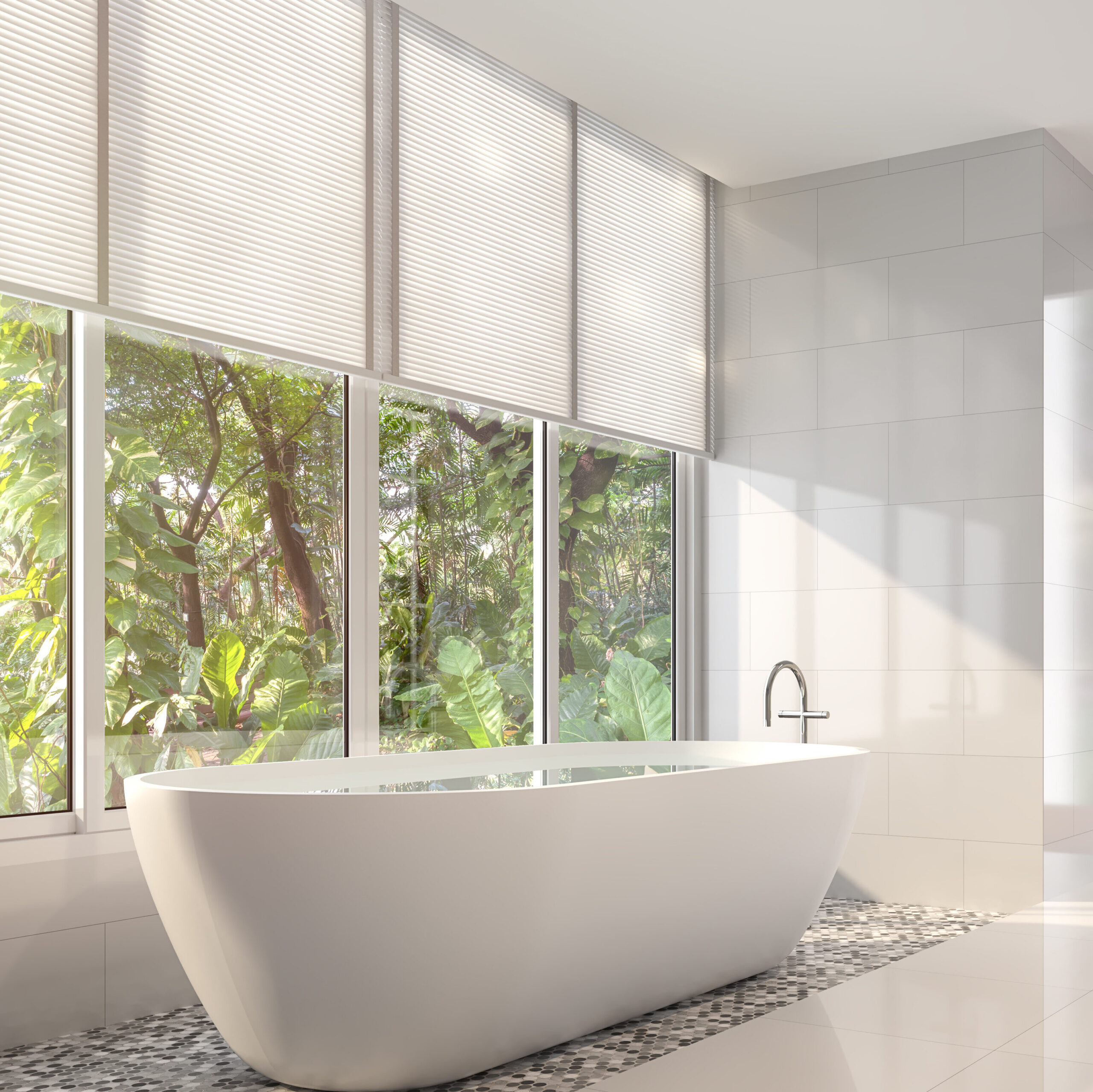
Bathroom windows represent one of the most common residential applications. One-way mirror films are designed to reflect light clearly, making them suitable for various applications such as kitchens, bathrooms, and sunrooms where privacy matters but natural light remains desirable. Rather than install blinds or frosted glass, homeowners apply reflective film to maintain visibility outward while blocking viewers from the other side.
Bedroom windows facing streets or neighboring properties benefit significantly from this technology. House window tinting creates a sense of privacy during daylight hours without darkening the room completely. Living rooms with large picture windows or sliding glass doors also gain from reduced glare—mirror film minimizes glare from sunlight, improving comfort when using electronic screens for watching movies or working.
Most window films block 99% of ultraviolet rays, which helps protect furniture and flooring from fading while also reducing heat build-up inside spaces. Dedicated UV protection film for house windows is especially valuable for preserving interior furnishings throughout the summer months when sunlight exposure peaks.
Commercial and Office Uses
Conference rooms with glass partitions utilize mirror film to create private meeting spaces while maintaining an open office aesthetic. Storefronts benefit from daytime privacy that allows employees to see customers outside while preventing passersby from observing interior operations. Mirror film is often used in interrogation rooms, banks, and government buildings for discreet monitoring where one-way visibility serves security purposes.
A case study from Great Hearts Private School demonstrates commercial effectiveness: installation of dual reflective film over approximately 3,100 square feet of glass resulted in roughly 90% blockage of infrared and visible light, with noticeable reductions in energy bills. The Holland2Stay residential complex similarly reported improved living environments and energy savings after installing reflective silver film.
Mirror films provide aesthetic appeal by creating a modern, reflective appearance on buildings and surfaces. This visual upgrade, combined with practical benefits like top-performing window films for heat reduction, makes reflective film a cost-effective choice for commercial properties seeking to improve both form and function.
Automotive Mirror Film
Vehicle window tinting with reflective film reduces cabin heat and protects interior surfaces from sun damage. However, automotive mirror films face significant regulation. Most states specify minimum visible light transmittance (VLT) percentages and restrict mirror-like reflectance on front windows or windshields. Before installation, drivers must verify local requirements to avoid failing inspection.
Performance benefits include substantial heat rejection—often 80-90% of infrared energy—combined with UV protection and glare reduction. As with buildings, it’s important to understand that not all tint offers equal UV protection from tinted windows. These improvements keep vehicles cool during summer months and protect upholstery from fading, though the trade-off involves reduced visibility in low-light conditions such as night driving or tunnel passages.
Mirror film can be applied to various surfaces to enhance privacy and reduce heat in residential and commercial settings, though automotive applications require careful attention to legal compliance and safety considerations.
Installation Process and Performance Comparison
With application contexts established, understanding proper installation techniques and performance metrics helps ensure successful outcomes. One-way mirror film is typically more affordable and easier to install than one-way mirror glass, making it a popular choice for homeowners and business owners seeking privacy solutions.
Professional Installation Process
Professional installation is recommended for large windows, complex configurations, or when warranty coverage matters. The process follows these steps:
- Surface Preparation: Remove all dust, grime, and adhesive residue using glass scrapers and cleaners. Frames should be wiped clean to prevent contamination during application.
- Measurement and Cutting: Cut film 2-3 centimeters larger than the glass pane to allow for adjustment. This margin enables precise positioning before final trimming.
- Wet Application: Spray glass heavily with soapy water or installation fluid. Remove the backing liner while wetting the adhesive side to prevent premature sticking. Position the film and slide into correct placement.
- Squeegeeing: Using a soft squeegee, press from center toward edges to remove air bubbles and excess fluid. Work systematically to avoid trapping moisture beneath the film.
- Edge Trimming: Once positioned, trim film to approximately 2mm inside the frame edge. This gap prevents the film from contacting frame materials, which can cause peeling over time.
- Curing Period: Allow film to dry undisturbed for at least three days. First cleaning should wait 1-2 weeks to ensure full adhesive bonding.
Mirror Film Performance Comparison
Selecting the correct film requires comparing key performance metrics. The following table summarizes options commonly sold for privacy and solar control:
| Criterion | Silver 15% | Silver 35% | One-Way Mirror (Dual Reflective) |
|---|---|---|---|
| Privacy Level (Day) | Very High | Medium-High | High |
| Heat Rejection | 75-80% TSER | 60-70% TSER | 65-75% TSER |
| UV Protection | ≥99% | ≥99% | ≥99% |
| Visible Light Transmission | 10-20% | 30-40% | 20-30% |
| Cost Range (per sq ft) | $15-$25 | $10-$18 | $12-$20 |
| Best Application | Commercial facades, high-sun exposures | Offices, living rooms needing natural light | Residential street-facing windows |
| Reflective window films can reject up to 82% of heat and 93% of glare, making them highly effective for solar control compared to unfilmed glass with only 19% total solar energy rejection and far less protection against UV rays that penetrate indoors. The difference in interior comfort and energy cost can be substantial—rooms near treated windows often measure 5-12°F cooler during peak sun hours, with HVAC savings frequently reaching 10-30%. |
Mirror film offers a cost-effective alternative to specialized, expensive privacy glass while delivering comparable daytime privacy and superior heat rejection in many cases.
Common Challenges and Solutions
Even quality installations encounter issues. Understanding common problems helps maintain film performance throughout its life.
Bubble Formation During Installation
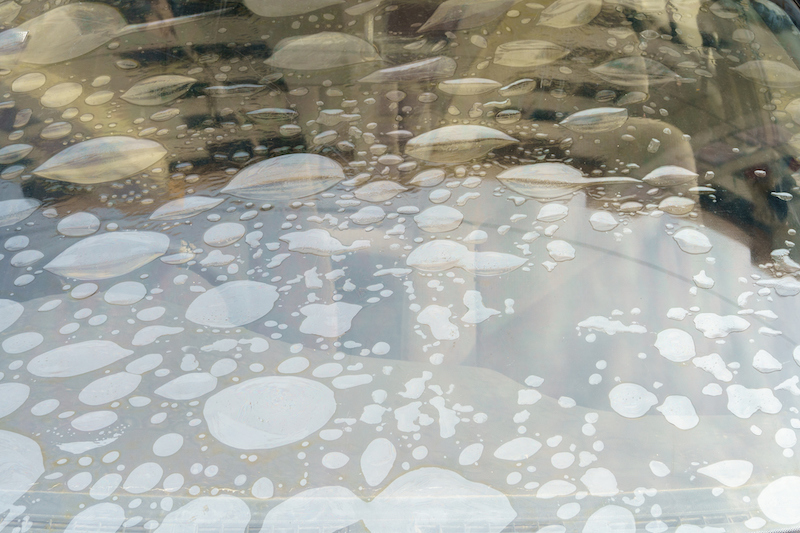
Bubbles typically result from trapped dust particles, insufficient application fluid, or uneven squeegee pressure. The solution involves thorough glass cleaning before application, generous use of soapy water during positioning, and systematic squeegeeing from center to edges. Avoid installing in dusty or windy conditions, and ensure work areas remain clean throughout the process.
Small bubbles often dissipate during the curing period as moisture evaporates. Larger bubbles may require lifting the film edge and reapplying with additional fluid.
Night Privacy Limitations
The effectiveness of mirror film is dependent on the light ratio between the outside and inside; it works effectively during the day but not at night. When interior lights are on and it is dark outside, the mirror effect reverses, allowing people outside to see in. This represents a fundamental limitation of the technology rather than a product defect.
Solutions include using dual-reflective films with reduced interior reflectance, supplementing with blinds or curtains for night use, or adjusting interior lighting to minimize brightness near windows. For projects where night privacy is critical, alternatives like window film designed specifically for nighttime privacy or even installing dimmer switches to control light levels can help maintain limited privacy after sunset.
Film Peeling and Adhesive Issues
Peeling typically occurs when film edges contact window frames, when thermal stress from temperature swings stresses the adhesive, or when moisture infiltrates edges over time. Prevention requires proper trimming to maintain a gap between film and frame, selecting films rated for sun-facing exposure, and ensuring clean, dry surfaces during installation.
Mirror films can act as a safety layer by holding shattered glass together to prevent injury and hinder forced entry, but this benefit only works when adhesion remains intact. Addressing peeling early prevents complete film failure and maintains both privacy and safety functions, especially if you’re relying on films that promise day and night privacy performance using frosted or decorative constructions rather than standard reflectives.
Conclusion and Next Steps
Mirror film delivers effective daytime privacy and solar control for residential, commercial, and automotive applications. By reflecting light from the brighter side while remaining transparent from within, quality reflective window film creates one-way visibility, rejects substantial heat, blocks UV rays, and reduces glare—all without permanently modifying existing glass.
To move forward with mirror film installation:
- Measure window dimensions in your house or commercial space to determine coverage needs
- Request quotes from professional installers, comparing both product specifications and installation warranties
- Schedule consultations to discuss specific requirements including night privacy needs and local regulations for automotive applications
Need More Info?
The Window Film Depot team is happy to help.
Both one-way mirror glass and one-way mirror film provide increased privacy, but one-way mirror film can be removed and replaced easily without damaging the underlying glass—making it a flexible, reversible choice. For those exploring additional options, security films offer impact protection while decorative window treatments provide aesthetic alternatives where privacy needs differ from what reflective film addresses.
Frequently Asked Questions
Can mirror film be applied to double-pane windows?
Yes, but with caution. Double-pane windows, especially those with Low-E coatings, may experience altered heat transfer when film is added. This can create thermal stress potentially leading to seal failure or glass cracking. Check manufacturer specifications and window warranties before proceeding—some combinations void coverage.
How long does mirror film typically last?
Standard silver reflective films last 10-15 years under normal conditions. Premium films with ceramic coatings or enhanced protective layers may reach 20-25 years. Environmental factors including UV exposure, humidity, and coastal salt air affect longevity. Signs indicating replacement include bubbling, peeling, discoloration, or reduced heat rejection.
Is mirror film removable without damaging glass?
Yes. Aged film can be removed using adhesive softeners, heat application, and plastic scrapers. The glass itself remains intact when proper techniques are used. Residual adhesive cleans off with appropriate solvents. Improper removal using metal tools or excessive force can scratch the surface.
What’s the difference between mirror film and one-way glass?
One-way mirror glass is reflective on one side and transparent on the other, requiring that the light on one side is twice as bright as the other for it to function effectively. This glass is permanently manufactured with metallic coatings. Mirror film achieves similar effects through applied adhesive layers that can be removed or replaced. One-way mirror glass is generally more durable than one-way mirror film, as it is specially manufactured to resist fading, peeling, and scratching, making it suitable for high-traffic areas.
Does mirror film work at night for privacy?
Generally no. The mirror effect depends on light differential—when interior brightness exceeds exterior darkness at night, people outside can see in. Dual-reflective films reduce but don’t eliminate this issue. Supplementary solutions include blinds, curtains, or controlled interior lighting.
Can mirror film be installed on curved surfaces?
Some films feature conformable adhesives suitable for curved glass, particularly in automotive applications. However, metallic coatings can crack when stretched excessively. Specialized products exist for curved installations; standard flat-glass films may fail on significant curves.
What tools are needed for DIY mirror film installation?
Essential tools include a spray bottle for soapy water solution, soft squeegee or plastic card, sharp utility knife, glass scraper for surface preparation, and lint-free cloths. Painters tape helps position film during application. For more structured guidance on do-it-yourself window film installation, remember that DIY approaches may also void manufacturer warranties and risk bubble formation without proper technique.
How much does professional mirror film installation cost?
Costs vary by region, film quality, and project complexity. High-reflective premium films typically run $15-$25 per square foot installed, while mid-performance options range $10-$18 per square foot. Bulk discounts apply to larger residential or commercial projects. Automotive installations depend on vehicle size and window configuration. When comparing quotes, verify whether the specified products also deliver robust UV protection beyond standard tinted windows to maximize long-term value.