Table of Contents:
Introduction
Window film is a thin polyester-based material that adheres to glass surfaces to block UV radiation, reduce solar heat gain, enhance privacy, and provide decorative enhancement for residential, commercial, and automotive applications. This versatile product transforms existing windows into high-performance barriers against the sun’s damaging effects while maintaining natural light transmission.

This guide covers the fundamentals of window film technology, explores the major categories available for homes, offices, and buildings, and provides practical guidance on selection and installation. The scope includes standard solar control, privacy, decorative window films, and safety applications, while excluding specialized military-grade or blast-resistant products. Whether you’re a homeowner looking to reduce energy bills, a business owner seeking cost-effective comfort improvements, or a facility manager evaluating retrofit options, this content addresses your core questions about window film performance and value.
Direct answer: Window film is a thin polyester material that adheres to glass surfaces to provide UV protection, privacy, energy savings, and decorative enhancement—making it a cost-effective alternative to window replacement for improving comfort and reducing energy costs.
By reading this guide, you will understand:
- How window films block up to 99% of UV rays and reduce solar heat by up to 80%
- The differences between solar, privacy, decorative, and safety film categories
- Critical factors for selecting the right film for your specific glass type and needs
- Installation approaches and when professional application is essential
- Realistic ROI expectations and common challenges to avoid
Understanding Window Film Fundamentals
Window film technology has evolved significantly, offering solutions that balance light transmission, heat rejection, and aesthetic appeal. Understanding the basic composition and function of these products helps you make informed decisions about which type best serves your space.
What is Window Film
Window film consists of a polyester (PET) base layer that provides dimensional stability and optical clarity. This base supports various functional coatings—metallic deposits, ceramic nanoparticles, dyes, or spectrally selective materials—that interact with different wavelengths of light to achieve specific performance goals. The adhesive layer bonds the film to glass surfaces, while a protective topcoat resists scratching and environmental degradation.
Window film acts as a thermal barrier that manages solar energy before it enters a home. When sunlight strikes the film, portions are reflected, absorbed, or transmitted depending on the film’s construction. This interaction determines how much heat, visible light, and UV radiation passes through your windows into the interior space.
Core Benefits and Functions
UV radiation blocking stands as one of window film’s most valuable capabilities. Window films can filter out over 99% of UV rays at 380 nm, which is a significant factor in reducing fading of interior furnishings. Basic colorless clear films can absorb some UV radiation up to 380 nm, while specialist films can offer protection up to 400 nm. This protection extends the lifespan of carpets, furniture, artwork, and flooring that would otherwise degrade from constant UV exposure.
Solar control films can block up to 78%–80% of the sun’s heat, drastically reducing the workload on air conditioning systems. Professionally installed films can reduce cooling costs by up to 30%. Window film stabilizes indoor temperatures, reducing the frequency of HVAC cycling and extending the lifespan of heating and cooling equipment. Films can reduce sun glare by up to 91%, making it easier to view TV and computer screens without needing to close blinds or curtains.
The connection between UV protection and interior preservation is direct: UV rays cause molecular breakdown in dyes, wood finishes, and fabric fibers. Tinted or metallized window films provide the greatest protection from fading by rejecting large levels of heat and visible light, in addition to UV rays.
Film Construction and Materials
The polyester base layer provides the structural foundation, typically ranging from 1 to 14 mils thick depending on application requirements. Adhesive systems vary between pressure-sensitive permanent bonds and static cling options that allow for easy repositioning. Static cling and adhesive options are both available for window films, depending on the product and application. Protective coatings on the exterior surface resist scratching, moisture intrusion, and chemical exposure.
Different materials affect performance characteristics significantly. Carbon Window Film provides excellent UV protection and good heat rejection, blocking up to 40%–50% of infrared without fading over time. Ceramic films use non-metallic nanoparticles to reject infrared heat while maintaining high visible light transmission and avoiding electronic signal interference. “Low-E” (low emissivity) or insulating films help reflect interior heat back into the room, reducing heat loss through the glass—particularly valuable in cold climates.
Understanding these material differences prepares you to evaluate the specific film types available for your application, which the following section explores in detail.
Types and Applications of Window Film
Building on the fundamentals of how window films work, the market offers distinct categories designed for specific purposes. Window films are categorized by their material composition and their intended purpose. Selecting the right type depends on whether you prioritize heat reduction, privacy, aesthetics, or safety.
Solar and Energy Films
Solar and energy films focus on heat rejection and energy efficiency. Using window film in residential spaces provides a cost-effective way to enhance comfort, protect interiors, and significantly boost energy efficiency. These products reduce solar heat gain by reflecting or absorbing infrared radiation before it enters your room.
Clear films preserve the view and maintain high natural light levels while rejecting significant IR and UV radiation. Tinted options reduce visible light transmission for enhanced glare control but create darker interiors. The trade-off between brightness and heat rejection defines your selection: higher Visible Light Transmission (VLT) percentages maintain bright spaces, while lower VLT provides greater privacy and glare reduction.
Window films can be applied to shopfront windows, office block windows, and residential windows to enhance privacy and reduce heating and cooling costs. Innovative options such as photochromic solar window film that tints when exposed to UV automatically adapt to changing sunlight levels while preserving views. Commercial applications typically see faster return on investment due to larger glass areas and higher HVAC loads, with case studies showing payback periods of 3-5 years. Residential applications commonly achieve payback in 5-7 years, particularly effective on east and west-facing windows that receive intense morning and evening sun.

Dyed Window Film is a cost-effective option that absorbs solar heat but is prone to fading over time. For longer-lasting performance, spectrally selective or ceramic options provide superior heat rejection without the degradation issues that affect dyed films.
Privacy and Decorative Films
Privacy films include frosted, mirrored, or blackout window film that provide daytime privacy. The range of options allows you to balance visibility, light transmission, and aesthetic preferences based on your specific needs.
Frosted window film is commonly used for a clean, etched-glass look that enhances privacy while still allowing light to pass through. This style works perfectly in bathrooms, offices, and conference rooms where complete opacity isn’t necessary but visual screening is essential. The uniform appearance maintains natural light levels while preventing direct visibility into the space.
One-way mirror film is often used for daytime privacy, as it has a reflective exterior that reduces visibility from the outside while allowing views from the inside when lighting conditions are favorable. This creates a unique appearance that functions well during day hours when exterior light exceeds interior illumination. However, at night when inside lighting is stronger, the effect reverses—a limitation addressed in the challenges section and one that underscores how one-way mirror and reflective films rely on light differentials.
Decorative window film features various patterns, textures, and artistic designs that can enhance the aesthetic appeal of glass surfaces while providing some level of privacy. Window films are used to apply see-through graphics to glass and other transparent surfaces for advertising, branding, signage, and decoration. Options include stained glass effects, colorful geometric patterns, and custom-printed designs that transform plain glass into architectural features, along with a wide range of decorative film types for interior and exterior glass.
Safety and Security Films
Safety and security window films are designed to perform under extreme conditions and must meet specific standard criteria such as ANSI Z.97 and BS 6206. These thicker products—often multiple mil layers with reinforced adhesives—hold glass fragments together when windows break from impact, storms, or forced entry attempts, and high-performance security window films distinct from basic shatterproof films can also help deter intrusion and mitigate blast-related hazards.
The certification standards establish performance limits through impact testing. CPSC 16 CFR 1201 is federal law governing safety glazing in doors and certain window applications, with Category I and II ratings based on impact resistance (150 ft-lb and 400 ft-lb respectively). ANSI Z97.1 includes additional weathering and thermal stress evaluations for architectural applications.
Commercial buildings in hurricane-prone regions, storefronts, schools, and hospitals commonly use safety films to reduce injury risk from broken glass and slow unauthorized entry. The film doesn’t make glass unbreakable but significantly extends the time and effort required to breach it—providing valuable minutes for emergency response, especially when specified from experienced window glass film dealers and installers that offer a broad range of safety and graphics products.
Selection and Installation Considerations
Choosing and installing window film requires careful evaluation of your existing windows, performance requirements, and local regulations. The wrong film selection or improper installation can result in glass damage, voided warranties, or disappointing performance.
Glass Compatibility Assessment
Advice on the appropriate selection of film for the glass is vital to ensure that the glass does not crack as a result of thermal stress during installation. Professional assessment becomes essential when dealing with large windows, specialized glass types, or commercial applications. Follow this evaluation process:
- Evaluate glass type: Identify whether you have single pane, double pane, low-E coating, or tempered glass. Low-E coatings already provide thermal performance, so film selection must complement rather than conflict with existing properties. Tempered glass tolerates higher thermal stress but isn’t immune to damage from inappropriate films.
- Measure window size and orientation: Large windows and those facing east, south, or west receive more direct solar exposure and experience greater thermal stress. Window size and sun exposure patterns determine how much heat the glass will absorb and whether darker films are appropriate.
- Check existing window condition: Look for cracks, seal failures in insulated units, or frame deterioration. Damaged windows may experience adhesion problems, delamination, or accelerated failure when film is applied.
- Determine building codes and HOA restrictions: Local regulations may limit reflectivity, color, or exterior appearance of window films. Some homeowner associations prohibit mirrored or dark tints that alter the building’s aesthetic.
Film Performance Comparison
| Film Type | VLT Range | Heat Rejection | Lifespan | Signal Interference | Best For |
|---|---|---|---|---|---|
| Dyed | 15-50% | Low-Moderate | 3-8 years | None | Budget applications |
| Metallized | 15-50% | High | 10-20 years | Yes | Heat control where signal isn’t critical |
| Ceramic | 30-70% | Very High | 15-20+ years | None | Premium performance with clarity |
| Carbon | 30-70% | Good | 15-20 years | None | UV protection without fading |
| Low-E/Insulating | 50-70% | Moderate (plus heat retention) | 15-20 years | None | Cold climates, winter performance |
| Ceramic and carbon films cost more upfront but deliver superior performance without the signal interference issues that affect metallized products. The investment typically proves worthwhile for primary living spaces, offices, and commercial applications where long-term performance matters. |
Installation Methods
Most window film is designed for straightforward DIY installation with the right tools and proper surface preparation. Static cling films and lighter decorative products are accessible for homeowners willing to work carefully, and many do-it-yourself window film installation guides outline step-by-step processes and tool lists. You’ll need a knife or precision cutter, squeegee, slip solution (water with surfactant), cleaning supplies (ammonia-free), and soft cloths.
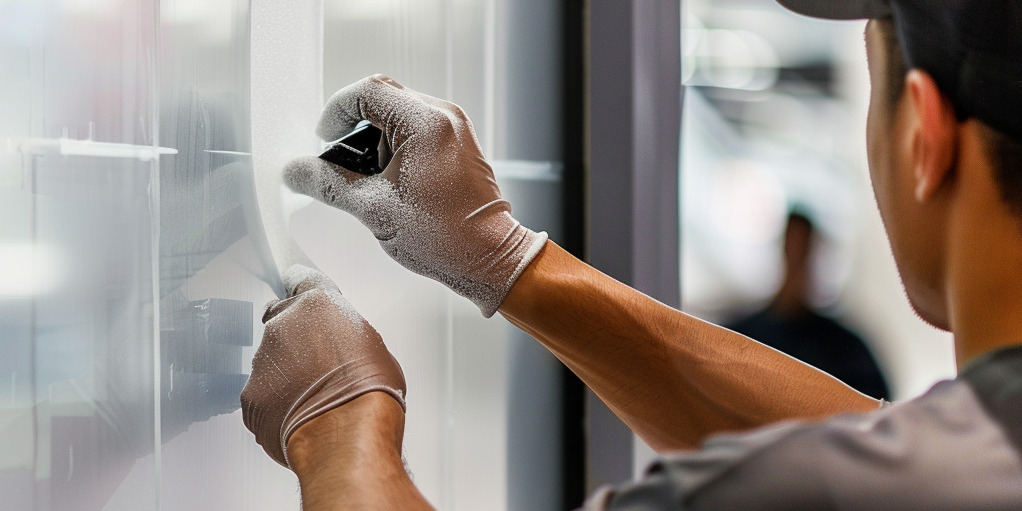
Home window films are primarily designed to improve energy efficiency, privacy, and safety. DIY installation works well for decorative films, light privacy films, and smaller windows where precision is less critical. The process involves thoroughly cleaning the glass, cutting film to size with slight overlap, applying slip solution, positioning the film, and squeegeeing out air bubbles and excess moisture.
Professional installation becomes essential for many projects, especially when you want access to 3M window film products and certified installation services that meet strict performance and warranty standards.
Professional installation becomes essential for:
- Large windows and curtain wall systems
- Safety and security films requiring proper adhesion and edge sealing
- Tempered, laminated, or low-E coated glass
- Commercial applications where warranty compliance matters
- Curved glass or skylights requiring specialized techniques
Professional installers ensure correct adhesive cure times, clean substrates, precise alignment, and proper edge sealing. Their work typically includes warranties that cover both materials and labor, and partnering with an established national window film installation company can simplify large or multi-site projects.
Common Challenges and Solutions
Understanding potential issues before they occur helps you make better decisions and set appropriate expectations for your window film investment.
Thermal Stress and Glass Breakage
Dark or highly reflective films for windows absorb significant solar energy, creating temperature differentials across the glass surface. When one area heats substantially more than another, thermal stress can cause cracks—particularly in large panes or glass with existing weaknesses.
Solution: Use films rated for your specific glass type and seek professional assessment for large or specialized windows. Choose lighter-colored, spectrally selective films that reject heat without excessive absorption. Avoid high-absorbing films on glass with factory coatings unless the manufacturer explicitly approves the combination.
Iridescence and Color Shifting
Thin-film interference creates rainbow effects under certain lighting conditions, particularly fluorescent lights or camera flashes. Color shifting or purple haze develops over time in some dyed films as the colorants degrade.
Solution: Select films with stable, non-dye-based materials such as ceramic or spectrally selective products. Request samples and view them under your actual lighting conditions before committing. Higher-quality films from established manufacturers use formulations designed to resist fading and maintain color stability throughout their lifespan.
Nighttime Privacy Limitations
One-way mirror films function by creating a reflective surface that appears opaque when exterior light exceeds interior illumination. At night when interior lights are on and it’s dark outside, the effect reverses—people outside can see inside clearly, which is why understanding the best window film options for nighttime privacy is critical for bedrooms, bathrooms, and other sensitive areas.
Solution: Combine one-way films with blinds, shades, or curtains for evening privacy. Alternatively, choose frosted films that provide constant privacy regardless of lighting conditions, though at the cost of outward visibility. For rooms requiring 24-hour privacy, frosted or opaque options eliminate the day/night limitation entirely.
Automotive Tint Regulations
Automotive tint laws vary significantly by state, with strict limits on “Visible Light Transmission” (VLT). Front side windows, rear windows, and windshields often have different legal limits, and exceeding them can result in citations and required removal.
Solution: Research your state’s specific VLT requirements before selecting automotive film. Professional installers familiar with local regulations can recommend compliant products and provide documentation proving legal compliance. Factory tint already present on the glass counts toward total VLT calculations.
These challenges are manageable with proper planning, making window film a reliable solution when approached thoughtfully.
Conclusion and Next Steps
Window film delivers measurable improvements in UV protection, energy efficiency, privacy, and glare control across residential, commercial, and automotive applications. The technology has matured to offer options ranging from budget-friendly dyed films to premium ceramic products with lifetime warranties. Your success depends on matching film type to your specific goals, glass characteristics, and installation requirements.
Immediate next steps:
- Assess your current windows—document glass types, sizes, orientations, and any existing coatings or damage
- Clarify your primary goals: heat reduction, UV protection, privacy, decorative effect, or safety
- Collect sample films and review specification sheets for VLT, infrared rejection, and warranty terms
- Research local building codes, HOA restrictions, or automotive VLT laws applicable to your situation
- Contact authorized installers for premium brands to get quotes that include warranty details and compliance confirmation
Need More Info?
The Window Film Depot team is happy to help.
Related topics worth exploring include complementary window treatments like blinds and shades, comprehensive home energy audits that identify additional efficiency opportunities, and evaluating when full window replacement makes more sense than retrofit film application.
Frequently Asked Questions
Can window film be removed without damaging glass?
Yes, when removed properly. Most interior films peel off cleanly, though adhesive residue may remain and require cleaning with appropriate solvents. Safety and security films with stronger adhesives need more effort—often heat application and specialized tools. Professional removal services handle stubborn films without risking glass damage.
How long does window film typically last?
Lifespan varies by film type: dyed films last 3-8 years before noticeable fading and degradation; metallized and ceramic films perform well for 10-20 years or longer. Premium spectrally selective products often carry lifetime warranties covering defects like hazing, cracking, and adhesive failure. Harsh sun exposure and exterior installation reduce lifespan compared to interior applications.
Will window film void my window warranty?
It can. Glass manufacturers may void warranties if film causes thermal stress fractures or damages factory coatings, particularly on low-E or laminated products. Always review your glass warranty terms and confirm with both the glass and film manufacturers that your selected product is approved for your specific window type.
What’s the difference between ceramic and metallized films?
Metallized films use metal particles to reflect heat, achieving excellent thermal performance but causing interference with WiFi, GPS, cell signals, and toll tags. Ceramic films use non-metallic ceramic nanoparticles to reject infrared radiation while maintaining high visible light transmission, minimal reflectivity, and no signal interference. Ceramic costs more but provides better long-term stability and functionality.
Can window film be applied to double-pane windows?
Yes, though performance and warranty implications differ based on installation location. Interior application is most common and least risky. Exterior application can yield greater solar control improvements but may affect the insulated glass unit warranty or cause seal degradation if improperly installed. Double-pane low-E windows already provide significant thermal resistance, so added film yields diminishing returns but still delivers valuable UV protection and heat reduction.
Does window film work on skylights and curved glass?
Curved glass and skylights accept film, but application is more complex. These surfaces receive intense UV exposure and experience greater thermal stress. Flexible films that conform without wrinkling are essential, along with adhesives suited for sloped orientations. Some films are specifically rated for sloped, curved, or exterior use—check product specifications and consider professional installation for these challenging applications.
How do I clean windows with film applied?
Use soft cloths and mild, ammonia-free cleaners—ammonia can degrade adhesives and protective coatings. Avoid razor blades, abrasive pads, or vigorous scrubbing that can scratch the surface or lift edges. Squeegees work well for routine cleaning. Wait at least 30 days after installation before cleaning to allow full adhesive cure, and follow manufacturer-specific care instructions.
What is the ROI for energy-saving window films?
Commercial applications typically achieve ROI in 3-5 years through HVAC savings, particularly in buildings with large glass areas and intense sun exposure. Residential applications commonly see payback in 5-7 years with premium films—faster in hot climates with high cooling costs. Case studies demonstrate commercial buildings reducing cooling energy consumption by over 40% with quality film installation, while residential installations save 10-30% on cooling bills depending on window area, orientation, and local energy costs.