Table of Contents:
Introduction
Office window tinting provides commercial buildings with a proven solution for controlling glare, reducing heat gain, and cutting energy costs without sacrificing natural light. As modern office architecture increasingly features floor-to-ceiling glass and curtain walls, window film has become an essential tool for creating a more comfortable environment while meeting sustainability goals.
This guide covers everything businesses need to know about commercial window films: types of films available, measurable benefits for office spaces, selection criteria, installation considerations, and maintenance requirements. Residential applications, exterior building modifications, and DIY installation methods fall outside this guide’s scope. The content is designed for office managers, facility directors, and building owners seeking practical solutions to improve workplace comfort and reduce operational costs.

What is office window tinting? Window film consists of thin polyester laminates applied to glass surfaces that modify how windows handle light, heat, and UV rays—typically blocking over 99% of harmful UV radiation while reducing solar heat gain by 40-70% depending on the film type selected.
By reading this guide, you will gain:
- Accurate cost calculations and ROI expectations for commercial installations
- Clear selection criteria for matching the right film to your office needs
- Realistic installation timelines and disruption management strategies
- Maintenance requirements for maximizing film lifespan
- Energy savings percentages backed by industry data
Understanding Office Window Tinting
Commercial window films are thin laminates—typically polyester-based—applied to the interior or exterior of glass to control how windows manage solar energy, visible light, and security concerns. Unlike residential films designed for simpler applications, commercial-grade window film must meet stricter regulatory requirements including ANSI Z.97 and CPSC 16 CFR 1201 standards for safety and glass breakage resistance.
In modern office environments featuring extensive glazing, solar heat gain, glare, and UV exposure create significant challenges: tenant discomfort, elevated energy costs for cooling, and accelerated fading of furniture and flooring. Retrofitting existing windows with high-performance film is often far more cost-effective than full window replacement while delivering substantial improvements in comfort and energy efficiency.
How Window Films Work
Window film achieves solar control through several physical mechanisms working together. Films reflect portions of the solar spectrum—particularly near-infrared radiation (780-2,500 nm)—back toward the exterior while absorbing additional energy in the film layer. This absorbed heat is then re-radiated outward rather than entering the workspace. Advanced spectrally selective films take this further by allowing high visible light transmission while blocking heat-producing wavelengths.
The key performance metrics that determine how well a film protects your office include:
- Visible Light Transmission (VLT): Percentage of visible spectrum light allowed through the window assembly
- Solar Heat Gain Coefficient (SHGC): Fraction (0-1) of solar radiation entering as heat—lower values mean less heat gain
- Total Solar Energy Rejected (TSER): Percentage of incoming solar energy blocked, essentially the complement of SHGC
- Light-to-Solar Gain Ratio (LSG): VLT divided by SHGC—higher ratios indicate more light with less heat
Modern spectrally selective films can achieve VLT above 60% while maintaining SHGC around 0.35, delivering excellent natural light without the heat penalty that darkened older films created.
Professional vs. DIY Installation
Commercial window film installation requires professional expertise that goes beyond basic application skills. Commercial buildings present unique challenges: large glass surfaces, high elevations requiring scaffolding or lifts, and the need for consistent application across many windows to maintain uniform appearance. Professional installers understand how to handle tempered glass, dual-pane units, and coated glass without voiding manufacturer warranties or causing thermal stress.
Proper installation directly affects performance and longevity. Air bubbles, uneven adhesion, or improper edge sealing compromise heat rejection capabilities and create appearance issues that reflect poorly on your business. Professional installation also ensures compliance with building codes and provides warranty coverage that protects your investment for many years.
With the foundation of how window films work established, the next section examines the specific benefits these films deliver for commercial spaces and office productivity.
Benefits and Applications for Commercial Spaces
Understanding how window film technology functions reveals why commercial buildings increasingly adopt these solutions. The practical benefits extend across three critical areas: visual comfort, energy performance, and security enhancement.
Glare Reduction and Screen Visibility
Glare on computer screens represents one of the most immediate productivity challenges in modern offices. When sunlight strikes monitors directly or creates reflections, employees experience eye strain, reduced focus, and decreased work output. Research indicates glare can reduce performance on visual tasks by 15-25%, making it a significant workplace concern.
Window film addresses glare through controlled visible light transmission. Films with VLT between 30-50% significantly reduce glare coefficient while maintaining enough natural light for a pleasant workspace. For offices where preserving daylight is critical, spectrally selective films offer an optimal solution: a film with 66% VLT and SHGC of 0.51 can reduce heat gain by approximately 49% while keeping spaces bright and screens readable.
Energy Efficiency and HVAC Load Reduction
Solar heat pouring through windows forces HVAC systems to work harder, driving up energy costs substantially. Standard clear glass typically has SHGC values between 0.70-0.84, meaning most solar energy passes directly into the building as heat. High-performance window film can reduce this to 0.25-0.40, cutting cooling loads dramatically.
Commercial buildings retrofitting with quality solar control films commonly achieve:
- 50-70% reduction in solar heat gain through treated glass
- 10-30% reduction in overall building energy consumption
- 2-5 year payback periods in climates with significant cooling demand
For west and south-facing façades receiving intense afternoon sun, the impact is even more pronounced. These energy savings translate directly to reduced operational costs while helping businesses meet sustainability goals.

Privacy and Security Enhancement
Conference rooms, executive offices, and sensitive work areas often require enhanced privacy without eliminating natural light. Decorative window films—including frosted, patterned, and one-way mirror options—block views from outside while maintaining interior brightness, and understanding how day and night privacy window film actually works is critical to specifying the right solution. This allows businesses to add privacy where needed without installing curtains or blinds that completely eliminate daylight.
Security films provide additional protection for ground-floor facades, lobbies, and high-risk areas. Measured in mils (4, 8, 12, or 15 mil thickness), these films hold glass together when broken, reducing injury risk from shattered windows and deterring break-ins; understanding the difference between shatter-resistant and true security window films helps ensure the correct level of protection. Higher-grade security films with perimeter attachments can resist forced entry attempts and storm damage while also delivering UV protection and energy savings.
The combination of comfort, efficiency, and protection makes window film a comprehensive solution for commercial spaces, especially when paired with professional commercial window tinting services. Selecting the right window tint requires understanding the different film types available.
Types of Office Window Films
Building on the benefits discussed, choosing the right film depends on your specific office needs, budget constraints, and performance requirements. The selection process should be systematic to ensure optimal results.
Selection Process for Commercial Applications
Before comparing film types, assess your building’s specific requirements through these steps:
- Assess sun exposure and heat gain: Identify which façades receive the most intense sunlight throughout the day. West and south-facing windows typically need stronger heat rejection.
- Determine privacy requirements: Map zones requiring different privacy levels—open workspaces may need minimal treatment while conference rooms and executive areas may require opaque or frosted films.
- Calculate energy efficiency goals and budget: Establish target SHGC values based on local energy codes and determine available investment considering 2-5 year payback expectations.
- Consider aesthetic and branding requirements: Evaluate how film appearance—reflectivity, color tone, visibility from exterior—aligns with building design and brand identity.
- Select appropriate film specifications: Match film type, thickness, coating technology, and warranty coverage to your prioritized requirements.
Film Type Comparison
Matching the right film to specific office needs requires understanding how different technologies perform across key criteria:
| Film Type | Heat Rejection | Privacy Level | Cost Range (Installed) | Best Applications |
|---|---|---|---|---|
| Solar Control Films (dyed/metallized) | Blocks 40-65% solar heat; SHGC 0.30-0.50 | Low to medium | $7-$12 per sq ft | Budget-conscious offices, basic glare control |
| Ceramic/Spectrally Selective Films | Up to 70% rejection; SHGC 0.18-0.35 | Medium; maintains clarity | $12-$18 per sq ft | Premium interiors, LEED-targeting buildings |
| Security Films | Moderate heat rejection; 4-15 mil thickness | High when tinted | $15-$25+ per sq ft | Ground floors, lobbies, storefronts and retail storefront window applications |
| Decorative/Privacy Films | Modest heat benefits | High; opaque or patterned | $8-$18 per sq ft | Conference rooms, branding, partition glass | | Low-E/Smart Films | Dynamic SHGC control; advanced technology | Variable based on design | $12-$20+ per sq ft | Spaces needing dynamic control, green buildings | When offices prioritize maximum natural light with VLT above 50%, ceramic sun control window films deliver the best balance. For security-focused installations, thicker safety films with perimeter attachments provide necessary protection. Budget constraints typically push toward reflective window film, though the trade-off may include a more reflective appearance or slightly reduced visible light.
Films with LSG ratios (VLT÷SHGC) approaching or exceeding 1.2 are especially valuable for hot spots receiving intense sun exposure—they deliver more light per unit of heat admitted.
With film selection criteria established, addressing the common challenges businesses face during implementation ensures smooth project execution.
Common Challenges and Solutions
Even with the right film selected, businesses frequently encounter obstacles during the selection and installation process. Addressing these challenges proactively prevents delays and ensures optimal outcomes.
Building Management Approval and Compliance
Commercial buildings often fall under energy codes (IECC, ASHRAE 90.1), green building certifications (LEED, WELL), and sometimes historical preservation regulations. Some jurisdictions also regulate visible reflectivity to prevent glare affecting neighboring buildings or traffic.
Solution: Request manufacturer data sheets with NFRC certification and relevant safety standard compliance before presenting to building management. Prepare mockups or samples showing expected appearance. Engage facility management, architects, and code officials early in the process to identify any restrictions and ensure the selected film meets all applicable requirements for building codes and HOA compliance.
Balancing Natural Light with Heat Control
A core tension exists between reducing heat gain and maintaining bright, daylight-filled workspaces. Older film technologies required significant darkening to achieve meaningful heat rejection, but this trade-off has improved substantially.
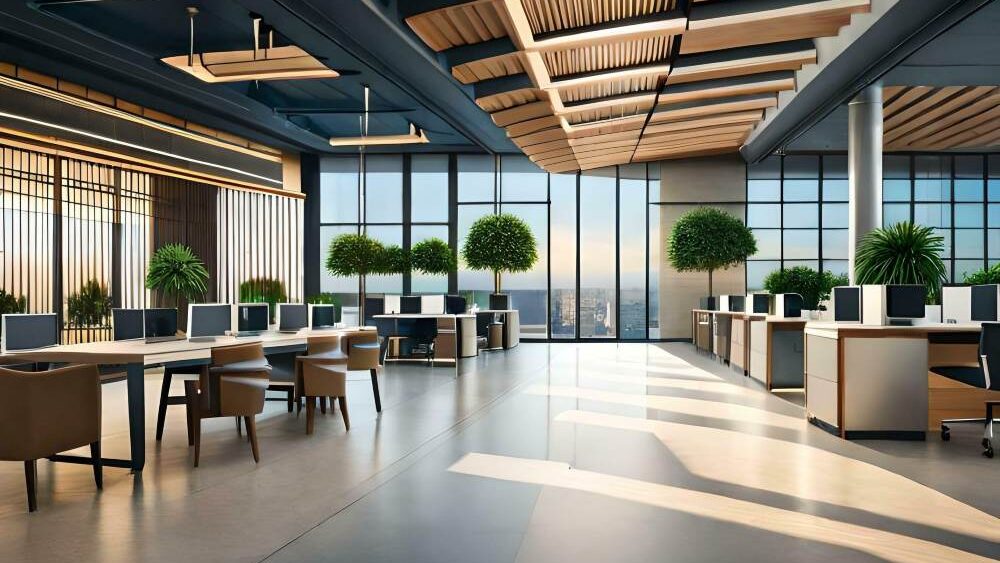
Solution: Select high VLT films (50-70%) with low SHGC using spectrally selective technology. Consider applying film only to critical façades (west, south) while leaving north-facing windows untreated. Combining film with existing blinds and daylight sensors allows further optimization without sacrificing the benefits of natural light.
Coordinating Installation with Business Operations
Commercial installations involving many windows and high elevations can disrupt normal operations. Scaffolding, lifts, and access requirements may affect tenant workflow and productivity during installation.
Solution: Schedule installations during off-hours, weekends, or planned building closures to minimize business disruption. While after-hours work may increase labor costs by 10-20%, the reduction in operational impact often justifies this premium. For large projects, phase the installation by floor or building section to maintain business continuity throughout the process.
Planning for these challenges ensures your window film project delivers expected benefits without unexpected complications.
Conclusion and Next Steps
Office window tinting delivers a comprehensive solution for commercial buildings facing challenges with heat gain, glare, energy costs, and privacy requirements. With proper film selection, businesses can reduce cooling loads by 50-70% through treated glass, protect furnishings from UV damage, create a more comfortable environment for employees, and achieve payback on their investment within 2-5 years.
To move forward with a window film project:
Need More Info?
The Window Film Depot team is happy to help.
- Audit your current conditions: Document problem areas including hot spots, glare issues on screens, and privacy needs by room or zone
- Request professional assessments: Contact qualified commercial installers for on-site evaluations and recommendations
- Compare film specifications: Evaluate options using SHGC, VLT, and cost data aligned with your priorities
- Verify compliance requirements: Confirm selected films meet local energy codes and any building-specific restrictions
- Schedule installation strategically: Coordinate timing to minimize operational disruption while ensuring quality application
For businesses pursuing broader building performance improvements, related topics worth exploring include integration with building automation systems for coordinated shade and lighting control, emerging smart film technologies that dynamically adjust transmission, and utility rebate programs that may offset installation costs through SHGC improvement incentives.
Frequently Asked Questions.
What are the typical cost ranges for commercial window film installation?
Commercial window film installation typically ranges from $6-$25+ per square foot, depending on film type and building complexity. Standard solar control films cost $7-$12 per square foot installed, ceramic/spectrally selective films run $12-$18 per square foot, and security films range from $15-$25+ per square foot. A small office with 1,000 square feet of glass might expect total costs of $6,000-$18,000 depending on film selection.
How long does commercial window film installation take?
Installation timelines vary based on project scope. Small offices with straightforward access may complete installation in 1-2 days. Larger commercial buildings with thousands of square feet of glass, high-elevation windows, or phased scheduling requirements may take 1-3 weeks. Your installer should provide a detailed timeline during project planning.
What energy savings can I expect from office window tinting?
Commercial buildings typically achieve 10-30% overall energy savings after window film installation. Solar heat gain through treated glass specifically can be reduced by 50-70%. Payback periods range from 2-5 years in climates with significant cooling demand, with west and south-facing façades showing the most dramatic improvements.
How long does commercial window film last?
Quality commercial-grade window films typically come with warranties of 10+ years and can perform effectively for 15-20 years with proper maintenance. Factors affecting lifespan include film quality, installation technique, sun exposure intensity, and maintenance practices. Professional installation is critical to achieving maximum longevity.
What maintenance do window films require?
Maintenance is straightforward: clean with neutral pH cleaners and soft cloths, avoiding abrasive materials that could scratch the surface. Periodically inspect edges for lifting or adhesion issues. Avoid ammonia-based cleaners which can damage some films. Most commercial films can be treated similarly to untreated glass during routine cleaning.
What do window film warranties typically cover?
Commercial film warranties generally cover delamination, bubbling, peeling, demetallization, and premature color fading. Coverage varies by manufacturer and product line. Review warranty terms carefully, noting any exclusions related to glass type compatibility, cleaning products, or installation requirements.
What building code compliance should I verify before installation?
Check local energy codes (IECC, ASHRAE 90.1) for SHGC requirements by climate zone and window orientation. Verify that selected films meet NFRC certification standards. For security films, confirm compliance with applicable safety standards (ANSI Z.97, CPSC 16 CFR 1201). Historic buildings or landmark districts may have additional restrictions on exterior appearance.
Can window film be removed if needed?
Yes, window film can be professionally removed, though the process requires expertise to avoid damaging glass or frames. Removal costs vary based on film type, age, and adhesive condition. Older films or those with aged adhesives may require more intensive removal processes.
Does window film interfere with Wi-Fi or cell phone signals?
Metallic window films can interfere with radio frequency signals, potentially affecting Wi-Fi and cellular reception. Ceramic and metal-free films generally do not cause signal interference. If connectivity is a concern, specify non-metallic film types during selection.
What glass types are compatible with window film?
Most commercial glass types accept window film, including single-pane, double-pane, and tempered glass. However, some coated glass, certain dual-pane units, and specialty glazing may not be compatible or may require specific film types to avoid thermal stress. Professional assessment of existing glass is essential before film selection to avoid warranty issues with either the film or the original window manufacturer.
Additional Resources
Energy Calculation Tools:
- Use building energy modeling software to estimate cooling load reductions based on current SHGC values versus proposed film specifications
- Track utility consumption before and after installation to verify projected savings
- Calculate ROI using local energy rates, installation costs, and projected HVAC load reductions
Film Specification Guidelines by Application:
- Open workspaces with computer screens: VLT 40-60%, SHGC ≤0.35
- Conference rooms requiring privacy: VLT 20-40% with frosted or decorative finish
- West/south-facing hot spots: SHGC ≤0.25 with high heat rejection
- Security-focused ground floors: 8-12 mil thickness with perimeter attachments
Maintenance Schedule:
- Monthly: Visual inspection for edge lifting or bubbling
- Quarterly: Clean with approved neutral pH solutions
- Annually: Professional inspection of adhesion and performance
- As needed: Address any damage or lifting promptly to prevent moisture intrusion