Table of Contents:
Introduction
Sun blocking window film is a multi-layered laminate applied to glass surfaces that reduces UV radiation, solar heat gain, and glare while preserving visible light transmission. This technology serves as one of the most cost-effective window coverings for protecting interior spaces from sun damage and reducing energy costs in both residential and commercial buildings.
This guide covers sun blocking window film applications for homes, offices, and commercial spaces, excluding automotive-specific products. Whether you’re a homeowner concerned about furniture fading in your sunlit bedroom, a business owner managing a hot storefront, or a facility manager seeking energy efficiency improvements, this content addresses your specific needs for UV protection and heat control.
Direct answer: Quality sun blocking window films can block up to 99% of harmful UV rays and reduce heat gain by 50-80%, depending on film type and installation conditions.
By reading this guide, you will gain:

- Understanding of how window films protect against UV damage and skin cancer risk
- Knowledge of different film types and their specific performance capabilities
- Selection criteria for matching film characteristics to your building’s requirements
- Cost-benefit analysis framework for calculating energy savings and payback periods
- Practical guidance for installation decisions and maintaining temperature consistency
Understanding Sun Blocking Window Film Technology
Sun blocking window film works by managing how solar energy interacts with your glass surfaces. Window films manage solar energy by filtering visible light, infrared heat, and UV rays through a combination of absorption, reflection, and transmission control. Understanding these mechanisms helps you select the right film for your specific protection and comfort goals.
UV Protection Mechanisms
Window films block harmful UV rays primarily through UV-absorbing additives embedded in the polymer layers. These chemical compounds absorb ultraviolet radiation in the 280-400 nm wavelength range, preventing it from passing through to your interior space.
UV window films can block up to 99% of harmful UV rays, significantly reducing the risk of skin damage and fading of interior furnishings. This level of UV blocking provides protection comparable to applying high-SPF sunscreen to your windows, guarding against both UV-A rays (which cause skin aging) and UV-B rays (associated with skin cancer risk), and directly addresses indoor UV exposure through standard glass.
The health implications extend beyond furniture preservation. Cumulative UV exposure through untreated glass contributes to premature skin aging and increases skin cancer concern, particularly for people who spend significant time near windows in their home or apartment, and it’s important to understand that standard tinted windows don’t always provide full UV protection.
Heat Rejection Technology
Heat rejection operates on different principles than UV protection. Many films contain reflective metal or ceramic layers that reflect solar infrared energy away from the window, preventing it from entering your space. The sun’s heat arrives primarily through infrared radiation, which comprises approximately 53% of total solar energy.
Window films can reflect and absorb heat, helping to maintain a comfortable indoor temperature and reduce energy costs by lessening the load on cooling systems. This solar control function works by either reflecting infrared wavelengths before they enter the glass or absorbing them within the film layers and re-radiating heat outward.
Window films help maintain temperature consistency by eliminating hot spots near windows—a critical benefit during summer months when direct sunlight can make certain areas uncomfortably warm. This thermal regulation directly connects to energy efficiency, as consistent indoor temperatures reduce HVAC cycling and associated energy consumption, especially when using window films optimized for heat reduction.
Types of Sun Blocking Window Films
Solar control window films are available in various types, including reflective, dual-reflective, and neutral films, each offering different levels of heat rejection and privacy. Selecting the appropriate category depends on balancing your priorities: UV protection, heat control, visible light transmission, appearance, and cost.
Clear UV Blocking Films
Clear UV window films are designed to block up to 99% of UV rays while maintaining the original appearance of the glass, making them an effective choice for UV protection without tint. These films provide robust fade protection for interior furnishings without altering how your windows look from either side.
Clear UV window films are designed to provide robust UV protection without altering the appearance of glass, blocking around 99% of UV radiation. This makes them ideal for historical buildings, museums, and residential windows needing UV protection where maintaining natural light and exterior appearance takes priority.
Performance limitations exist, however. Clear films offer minimal heat rejection (typically 10-30% of solar heat) because they don’t significantly block visible light or infrared radiation. If reducing the sun’s heat is your primary concern alongside UV blocking, other film types provide better solutions, especially high-performance options that combine tint with true UV protection.
Reflective Solar Control Films
Reflective window films feature a metallic or mirror-like exterior that provides maximum heat rejection, typically in the 70-80% range. This high outside reflectance creates effective solar control by reflecting infrared and visible light away from your building.
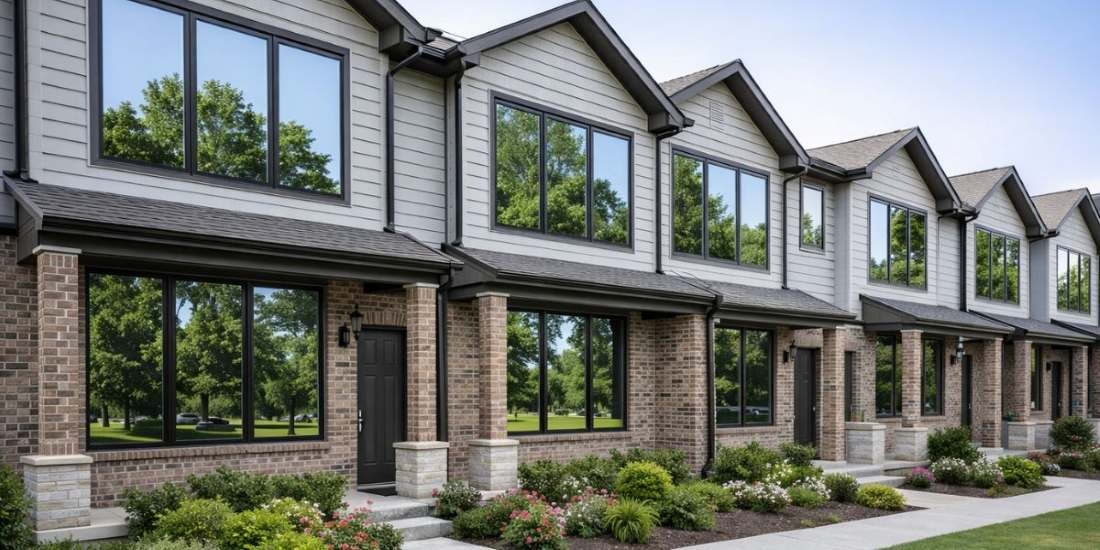
Increased privacy can be achieved with darker or reflective films, allowing residents to see out while preventing others from looking in. During daylight hours, the reflecting surface creates a one-way mirror effect that obscures interior views from outside.
Considerations include reduced nighttime visibility (the mirror effect reverses when interior lights are on), potential aesthetic restrictions in residential neighborhoods, and possible interference with cellular or Wi-Fi signals due to metallic content. These films work best for commercial applications or situations where daytime privacy and maximum heat reduction outweigh appearance concerns, and they are not ideal if you specifically need window film for nighttime privacy.
Dual-Reflective Films
Dual-reflective films combine a reflective exterior surface with a less reflective interior finish. This design provides substantial heat rejection while preserving clearer views from inside your space.
Reflective window films can provide daytime privacy by creating a one-way mirror effect, while dual-reflective window films allow for clear views both day and night without the interior mirror effect. You won’t experience the disconcerting mirror reflection when looking out your windows after dark.
These films suit residential and office applications where occupants want protection from the sun’s rays without sacrificing their connection to outdoor views. Typical visible light transmission ranges from 30-50%, providing a balanced approach between heat control and natural light.
Neutral and Spectrally Selective Films
Spectrally selective and ceramic films represent the most advanced sun blocking technology available. These products use nano-ceramic particles or specialized coatings to selectively block infrared radiation while transmitting higher percentages of visible light.
The key difference lies in their ability to reduce heat without requiring dark tint. Spectrally selective films can reject 50-70% of solar heat while maintaining 60-80% visible light transmission—a performance combination that metallized films cannot match. This technology preserves natural brightness while delivering meaningful energy savings, similar in concept to photochromic solar window films that tint on demand.
| Film Type | Visible Light | Heat Rejection | UV Blocking | Best Applications |
|---|---|---|---|---|
| Clear UV Blocking | 80-95% | 10-30% | 99% | Museums, historic buildings |
| Reflective | 15-30% | 70-80% | 99%+ | Commercial, high-heat areas |
| Dual-Reflective | 30-50% | 50-70% | 99%+ | Residential, offices |
| Spectrally Selective | 50-80% | 50-70% | 99%+ | Premium residential, retail |
Selection Criteria and Installation Considerations
Choosing the right sun blocking film requires matching product specifications to your specific building characteristics, climate conditions, and performance priorities.
Performance Measurement Standards
Understanding film ratings enables informed comparisons between products:
Visible Light Transmission (VLT) measures the percentage of visible light passing through the film and glass combination. Higher VLT means a brighter interior space; lower VLT creates a darker, more tinted appearance.
Total Solar Energy Rejected (TSER) indicates the percentage of total solar energy blocked, including UV, visible light, and infrared. Higher TSER values (50-80%) indicate better overall sun blocking performance.
UV Rejection Percentage shows protection against ultraviolet radiation. Premium films achieve 99-99.9% UV blocking, which directly affects fade protection and health benefits.
Solar Heat Gain Coefficient (SHGC) represents the fraction of solar radiation admitted through the window system. Lower SHGC values indicate better heat blocking—critical for reducing cooling loads in hot climates or on sun-exposed floor plans.
Glass Compatibility Assessment
Film selection must account for your existing glass type and window configuration:
| Glass Type | Compatible Films | Special Considerations |
|---|---|---|
| Single-pane clear | All types | Standard installation |
| Double-pane insulated | Most types | Check thermal stress ratings |
| Low-E coated | Specific products | May void glass warranty |
| Tinted glass | Neutral, ceramic | Avoid adding dark film to dark glass |
| Interior installation remains standard for most residential and commercial applications, with film lifespans typically reaching 15-20 years. Exterior installation improves heat rejection by approximately 5-10% but reduces film lifespan to 7-12 years due to weather exposure; premium options like 3M™ Sun Control Window Film Prestige Exterior are engineered specifically for these demanding applications. |
Cost-Benefit Analysis Framework
Window films can pay for themselves in about 3 years due to energy savings. This payback period makes film installation significantly more cost-effective than full window replacement, which typically costs 10-20 times more.
Certain window films can block up to 99% of UV rays and reflect a significant portion of the sun’s heat, contributing to energy efficiency in homes and offices. The fading of furniture and fabrics is primarily caused by UV rays, which are the number-one culprit, but visible light and heat also contribute to about half of the fading. This means UV blocking alone won’t completely prevent fading, but it addresses the most damaging factor.
High-performance films can reduce energy consumption by up to 19 kWh per square foot of glass. For a building with substantial glass area, this translates to measurable reductions in summer cooling costs and improved comfort without the cost of blackout curtains or other temporary measures.
Installing window films can significantly reduce heat gain in buildings, which can lead to lower energy consumption and costs associated with air conditioning. The energy savings compound year over year, while protected furniture, fabrics, and flooring avoid the beauty-diminishing effects of sun damage and premature fading.
Common Challenges and Solutions
Balancing Protection with Natural Light
The tension between heat control and maintaining brightness concerns many property owners. Spectrally selective ceramic films offer the best solution, providing 50-70% heat rejection while preserving 60-80% of natural light. Strategic placement also helps—applying film only to south- and west-facing windows that receive direct sunlight maximizes protection where needed while leaving shaded windows untreated.
Managing Expectations About Fading Prevention
While films block 99% of UV rays, they cannot completely prevent fading. Visible light and heat also contribute to material degradation—approximately half of fading comes from non-UV sources. Films significantly slow the fading process and protect against UV damage to surfaces like wood floor finishes and fabrics, but light-sensitive items in exposed locations will still experience some change over time.
Premium ceramic films maintain their UV blocking capability for 20-25 years, while lower-cost dyed films may degrade faster and require earlier replacement.
Professional vs. DIY Installation Decisions
DIY installation suits smaller projects with straightforward window configurations. However, professional installation offers several advantages: proper surface preparation prevents bubbles and peel failures, precise cutting ensures complete coverage, and manufacturer warranties often require professional installation.
Tools and techniques matter significantly for quality outcomes. Poor installation reduces both appearance and lifespan, potentially negating the cost savings of a DIY approach.
Addressing Nighttime Privacy Concerns
Reflective films reverse their privacy effect at night when interior lights illuminate your space while outside remains dark. Solutions include combining window films with shades or curtains for evening privacy, selecting dual-reflective films with lower interior reflectance, or choosing day-and-night privacy window film options that rely on frosted or decorative finishes rather than simple reflectivity.
Conclusion and Next Steps
Sun blocking window film provides measurable protection against UV damage, reduces solar heat gain, lowers energy costs, and improves indoor comfort. The right film selection depends on balancing your priorities—UV protection, heat rejection, light transmission, and appearance—against your building’s specific characteristics and local climate.
Immediate next steps:
Need More Info?
The Window Film Depot team is happy to help.
- Measure your windows and note their orientation (which direction they face)
- Assess your priorities: Is heat control, UV protection, or preserving natural light most important?
- Request quotes from at least three professional installers, including product data sheets with VLT, TSER, and UV rejection specifications
- Verify warranty terms and whether professional installation is required for coverage
- Plan installation timing to minimize disruption and allow proper curing
Expect quality installations to last 15-25 years depending on film type and exposure. Maintenance involves simple cleaning with non-abrasive, ammonia-free products. Annual inspection of edges helps catch any small failures before they spread.
Frequently Asked Questions
How much can sun blocking window film reduce my energy bills?
High-performance films typically reduce cooling energy usage by 5-15%, with some commercial installations achieving higher savings. Window films can pay for themselves in about 3 years due to energy savings, and high-performance films can reduce energy consumption by up to 19 kWh per square foot of glass.
Will window film completely prevent furniture fading?
No. The fading of furniture and fabrics is primarily caused by UV rays, which are the number-one culprit, but visible light and heat also contribute to about half of the fading. Films blocking 99% of UV rays significantly slow fading but cannot eliminate it entirely. Fabrics and surfaces exposed to direct sunlight will still experience some change over extended periods.
Can I install sun blocking window film myself?
Yes, particularly for smaller, simpler windows. However, professional installation typically delivers better results, longer lifespan, and maintains warranty coverage. DIY installations risk bubbles, misalignment, and adhesive problems that reduce both appearance and performance.
How long does window film last before replacement?
Lifespan varies by film type: ceramic and spectrally selective films last 20-25 years, carbon films 15-20 years, metallized films 10-15 years, and dyed films 5-10 years. Interior installations last longer than exterior applications.
Does window film work on double-pane or low-E glass?
Yes, but compatibility must be verified. Some films can disrupt the thermal performance of low-E coatings or void glass warranties. Always confirm that your selected film is rated for your specific glass type.
Will film affect my ability to see outside clearly?
This depends on film type. Clear UV films have minimal impact on visibility. Reflective films reduce daytime clarity somewhat but significantly affect nighttime views when interior lights create a mirror effect. Spectrally selective films preserve the clearest views while still providing protection.
Can window film be removed without damaging glass?
Quality films installed properly can be removed cleanly, though some adhesive residue may remain and require solvent cleaning. Degraded or poorly installed films pose higher risk of leaving residue or requiring more intensive removal effort.
What’s the difference between residential and commercial grade films?
Commercial-grade films typically feature higher durability ratings, stricter quality control, longer warranties, and higher performance specifications for TSER and UV blocking. They cost more but are designed for larger installations and more demanding applications. Residential films offer good performance at lower price points for home use.