Table of Contents:
- Transformative Applications: Solving Design, Branding, and Compliance Challenges
- Precision Specification: Choosing the Right Decorative Film for Performance and Aesthetics
- Elevating Brand Identity and Wayfinding Through Custom Film Designs
- Mastering Large-Scale Rollouts: Ensuring Flawless Execution Across All Locations
- Selecting Your Strategic Partner: The Advantage of a Single National Installer
- Frequently Asked Questions
- Related Posts from Window Film Depot
When considering treatments for architectural glass, traditional methods like etching or sandblasting have long been the standard. However, for the demands of modern commercial projects, decorative frosted window film consistently emerges as a superior, more strategic solution. Its advantages span critical project parameters, from financial outlay to operational agility and long-term performance.
Cost-Effectiveness: A Direct Comparison with Etched and Sandblasted Glass
The financial implications of glass treatments are a primary concern for any project manager. Here, decorative frosted film presents a compelling economic argument. The upfront cost of materials and installation for high-quality architectural film is significantly lower than that of custom-etched or sandblasted glass. Traditional methods require either purchasing pre-treated glass, which carries substantial material and shipping costs, or removing existing glass panels for off-site processing. Both scenarios lead to increased labor, transportation, and material expenses.
Furthermore, consider the cost implications of future changes. Re-etching or re-sandblasting glass is often impossible or prohibitively expensive, typically necessitating full panel replacement. In contrast, frosted film allows for updates, rebranding, or complete removal at a fraction of the cost, preserving the original glass beneath. This long-term flexibility significantly reduces lifecycle costs, providing a substantial return on investment, particularly for multi-location projects or dynamic brand environments.
Design Flexibility: Ease of Update, Removal, and Modification
The static nature of etched or sandblasted glass is a major limitation in today’s rapidly evolving commercial landscapes. Brands refresh their identities, tenants move in and out, and spatial needs shift. Traditional treatments offer permanence, but this can quickly become a liability, locking projects into outdated designs or necessitating costly glass replacement.
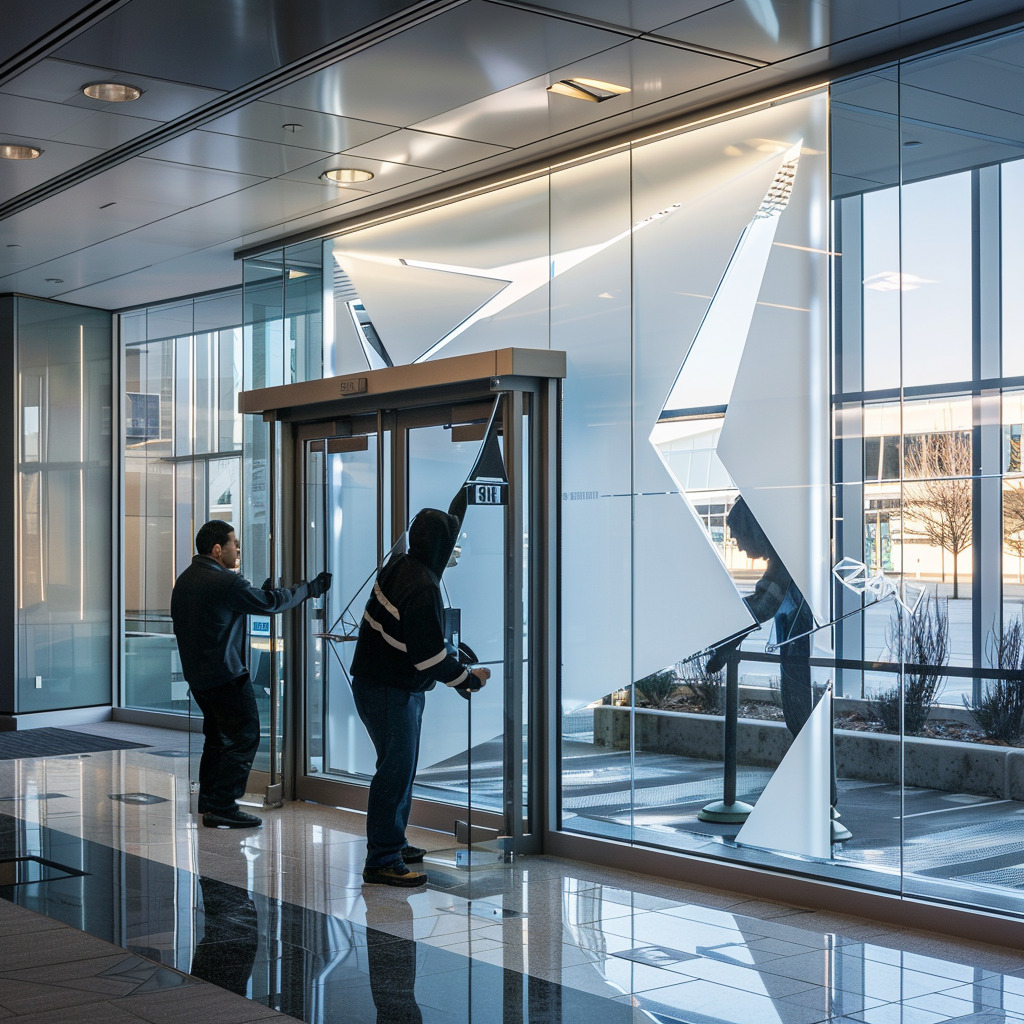
Decorative films, conversely, provide unparalleled design agility. It can be precisely cut to virtually any design, logo, or pattern. Crucially, it can be applied, removed, or updated with relative ease and minimal cost. This makes it an ideal solution for:
- Brand Updates: Seamlessly incorporate new logos or brand elements across multiple locations without replacing expensive glass.
- Tenant Turnover: Customize spaces for new occupants quickly and efficiently, then revert to a neutral design when they vacate.
- Seasonal or Promotional Displays: Introduce temporary graphics for campaigns or holidays, easily removed afterward.
- Space Reconfiguration: Adapt privacy levels or visual cues as office layouts evolve.
This inherent flexibility mitigates the risk of design obsolescence and empowers project managers to deliver adaptable spaces that serve long-term strategic goals.
Installation Efficiency and Minimal Disruption to Operations
Project timelines and the minimization of operational disruption are critical success factors. Traditional glass treatments inherently involve a more intrusive process. Etching or sandblasting typically requires glass panels to be handled off-site, leading to longer lead times, complex logistics, and often the need for temporary boarding or complete operational shutdowns during installation. The process itself can be messy, noisy, and produce hazardous dust, demanding significant site preparation and cleanup.
Window film decorative installations, by contrast, are a streamlined and far less disruptive process. A skilled installation team can apply the film directly to existing glass panels on-site. This significantly reduces:
- Lead Times: Film can be manufactured and installed much faster than custom glass.
- Labor Hours: Fewer specialized trades are involved compared to glass replacement.
- Site Impact: There’s minimal noise, dust, or debris, making it suitable for occupied spaces.
- Operational Downtime: Installations can often be scheduled during off-hours, ensuring business continuity.
For a project manager overseeing a large-scale rollout, this efficiency translates directly into meeting deadlines, controlling labor costs, and minimizing headaches associated with managing multiple, complex trades.
Durability, Maintenance, and Long-Term Performance Considerations
Modern architectural-grade frosted films are engineered for durability and long-term performance in demanding commercial environments. They are not merely temporary stickers but high-quality polymers designed to withstand daily wear and tear.
- Robustness: These films are resistant to scratching, scuffing, and fading when exposed to UV light, maintaining their aesthetic and functional properties for many years.
- Easy Maintenance: Unlike etched glass, which can trap dirt and fingerprints within its textured surface, frosted film provides a smooth, non-porous surface that is easy to clean with standard glass cleaners, making ongoing maintenance simpler and more cost-effective.
- UV Protection: Many frosted films also offer significant UV radiation rejection, which helps protect interior furnishings, flooring, and artwork from fading, while also reducing heat gain and contributing to energy efficiency.
- Safety: In some instances, film can also add a layer of safety by helping to hold shattered glass together in the event of breakage, preventing widespread fragmentation.
When specified correctly and installed by experienced professionals, decorative window films provide a reliable, low-maintenance, and long-lasting solution that outperforms traditional glass treatments in both practical and economic terms, proving its strategic value throughout the life of a project.
Transformative Applications: Solving Design, Branding, and Compliance Challenges
Decorative frosted window film, or bathroom window film when strategically applied, moves beyond simple aesthetics to address a range of functional challenges common in commercial and educational facility management. It offers construction managers a versatile tool for enhancing spaces without the structural or budgetary constraints of etched glass.
Enhancing Privacy in Commercial and Educational Environments
While often its most recognized application, enhancing privacy with privacy window film is far more nuanced than simply blocking a view. In commercial offices, films create confidential zones in meeting rooms, executive offices, and co-working spaces, allowing natural light to permeate while obscuring visual distraction. Educational settings benefit similarly, with film providing necessary discretion for administrative offices, counseling rooms, or even specialized learning areas, ensuring focus and privacy for students and staff alike without compromising the open, bright atmosphere often desired in modern facilities.
Reinforcing Corporate Identity and Branding in Office Spaces
The strategic application of decorative film offers a powerful, cost-effective method to integrate and reinforce corporate identity across diverse locations. Logos, brand patterns, and specific color schemes can be precisely cut or printed onto film, transforming interior glass partitions, reception area windows, and conference room doors into dynamic branding opportunities. This consistency in visual identity is crucial for large organizations maintaining a cohesive brand experience across multiple branches or campuses, often at a fraction of the cost of custom etched glass or permanent installations.
Need More Info?
The Window Film Depot team is happy to help.
Implementing Effective Wayfinding and Distraction Markers
Beyond branding, decorative films serve critical functional roles in navigation and safety. They can be designed with patterns or graphics that subtly guide visitors and employees through a space, acting as an integrated part of the wayfinding system. Crucially, films also function as distraction markers on full-height glass panels, meeting specific safety codes by preventing accidental collisions. These markers can be integrated artistically into the overall design, ensuring compliance without detracting from the space’s aesthetic appeal.
Meeting Building Codes and Safety Regulations with Style
A significant advantage of decorative film is its ability to help projects meet various building codes and safety regulations while simultaneously enhancing the interior design. As mentioned, distraction markers are often a requirement for large expanses of glass. Certain films also offer additional benefits, such as enhancing glass safety by holding shattered fragments in place during an impact, or providing anti-glare properties that improve occupant comfort and reduce eye strain, aligning with health and safety standards. Selecting the appropriate film ensures regulatory compliance is met with an integrated, attractive solution.
Strategic Use in Retail Storefronts and Display Areas
In retail environments, decorative frosted film becomes a dynamic marketing and operational asset. It can be used to:
- Create visual intrigue: Obscuring partial views into a store or display, drawing customers closer.
- Showcase promotions: Temporary graphics for sales, seasonal campaigns, or new product launches.
- Brand consistency: Applying corporate logos or specific brand patterns on storefronts and interior glass.
- Operational privacy: Providing discreet coverage for back-of-house areas or changing rooms while maintaining a cohesive look.
This flexibility allows retailers to adapt their storefronts quickly and affordably to market demands or branding shifts.
Illustrative Scenarios: Applying Film in Corporate, Education, and Retail Settings
Consider a multinational corporation updating its headquarters and regional offices. Frosted film, featuring a custom gradient design and the company’s emblem, is applied to all interior glass partitions, ensuring privacy in meeting rooms while maintaining an open feel and consistent brand presence across all locations. For a university undergoing campus modernization, decorative film with subtle patterns is used on classroom doors and library study carrels, enhancing privacy for students without blocking natural light, while also serving as code-compliant distraction markers on glass walls. In a retail chain, temporary branded frosted film promotes seasonal sales on storefronts, easily updated quarterly by a national installer, ensuring visual consistency and timely messaging across hundreds of stores. Each scenario highlights the film’s adaptability as a strategic solution.
Precision Specification: Choosing the Right Decorative Film for Performance and Aesthetics
Selecting the appropriate decorative film is a critical phase in project execution, moving beyond surface-level aesthetics to consider durability, regulatory compliance, and long-term performance. This requires a detailed understanding of material properties and their interaction with the specific environment.
Understanding Opacity, Light Transmission, and Visual Effects
These three factors are fundamental to achieving the desired outcome. Opacity dictates how much a film obscures vision; a highly opaque film provides complete visual privacy, while a semi-opaque film allows for blurred forms. Light transmission refers to the amount of visible light passing through the film, impacting the brightness of a space. Visual effects encompass the patterns, textures, and finishes available—from simple frosted to intricate etched, woven, or gradient designs. Understanding these properties ensures the film meets both privacy requirements and aesthetic goals.
Evaluating Durability, Adhesion, and Suitability for High-Traffic Areas
For large-scale commercial applications, the longevity and performance of the film are paramount. Durability refers to the film’s resistance to scratching, fading, and general wear, especially critical in high-traffic zones like hallways, public lobbies, or educational facilities. The adhesive quality is equally important, ensuring the film remains securely bonded to the glass over time, resisting peeling or bubbling. Project managers must specify films that are engineered for the expected use environment, including exposure to cleaning chemicals and potential abrasion.
Exploring Material Options: From Standard Vinyl to Premium 3M Fasara Glass Finishes
The market offers a diverse range of decorative films, each with distinct characteristics. Standard vinyl films provide a cost-effective solution for basic frosting or patterned applications. For projects demanding higher aesthetic quality and tactile finishes, options like 3M Fasara Glass Finishes offer a premium selection. These architectural films replicate the look of etched, cut, sandblasted, or textured glass with remarkable realism and durability, providing sophisticated design elements at a fraction of the cost of actual custom glasswork. Understanding these material differences is key to aligning budget with design intent.
Integrating Film Selection with Overall Project Design Principles
The most effective use of decorative film occurs when its selection is an integral part of the overall project design. This involves close collaboration with architects and interior designers to ensure the film’s patterns, textures, and opacity complement the existing material palette, lighting schemes, and functional requirements of the space. Consider how the film will interact with both natural and artificial light sources, how its design contributes to the spatial flow, and how it aligns with the brand identity or institutional character established in other design elements.
Addressing Specific Environmental and Usage Requirements
Beyond general durability, specific environmental factors and usage patterns must influence film selection. For instance, films in humid environments like spa areas or restrooms require different adhesive properties to prevent delamination. Areas exposed to direct, intense sunlight may benefit from films with UV-inhibiting properties to protect interior furnishings. In healthcare or food service settings, films that are easy to clean and resist microbial growth might be prioritized. Each project’s unique conditions dictate the precise technical specifications for optimal film performance and longevity.
Elevating Brand Identity and Wayfinding Through Custom Film Designs
Beyond its immediate privacy benefits, decorative frosted film serves as a powerful medium for articulating brand identity and enhancing user experience within commercial spaces. When specified strategically, it transforms utilitarian glass surfaces into dynamic elements that reinforce corporate messaging and improve operational flow.
Custom Cut Vinyl and Digitally Printed Film for Logos and Graphics
Decorative film offers unparalleled versatility for integrating brand elements directly onto glass. Custom-cut vinyl allows for precise rendering of corporate logos, mission statements, and brand-specific iconography, presenting a polished and professional image. For more intricate designs or full-color branding, digitally printed film provides the capability to reproduce high-resolution graphics, photographs, and complex patterns with exact color matching to brand guidelines. This level of customization ensures that every glass partition, office door, or storefront window consistently communicates the client’s identity, providing a cohesive aesthetic across all project sites.
Leveraging Patterns, Textures, and Gradient Films (e.g., 3M Fasara Series)
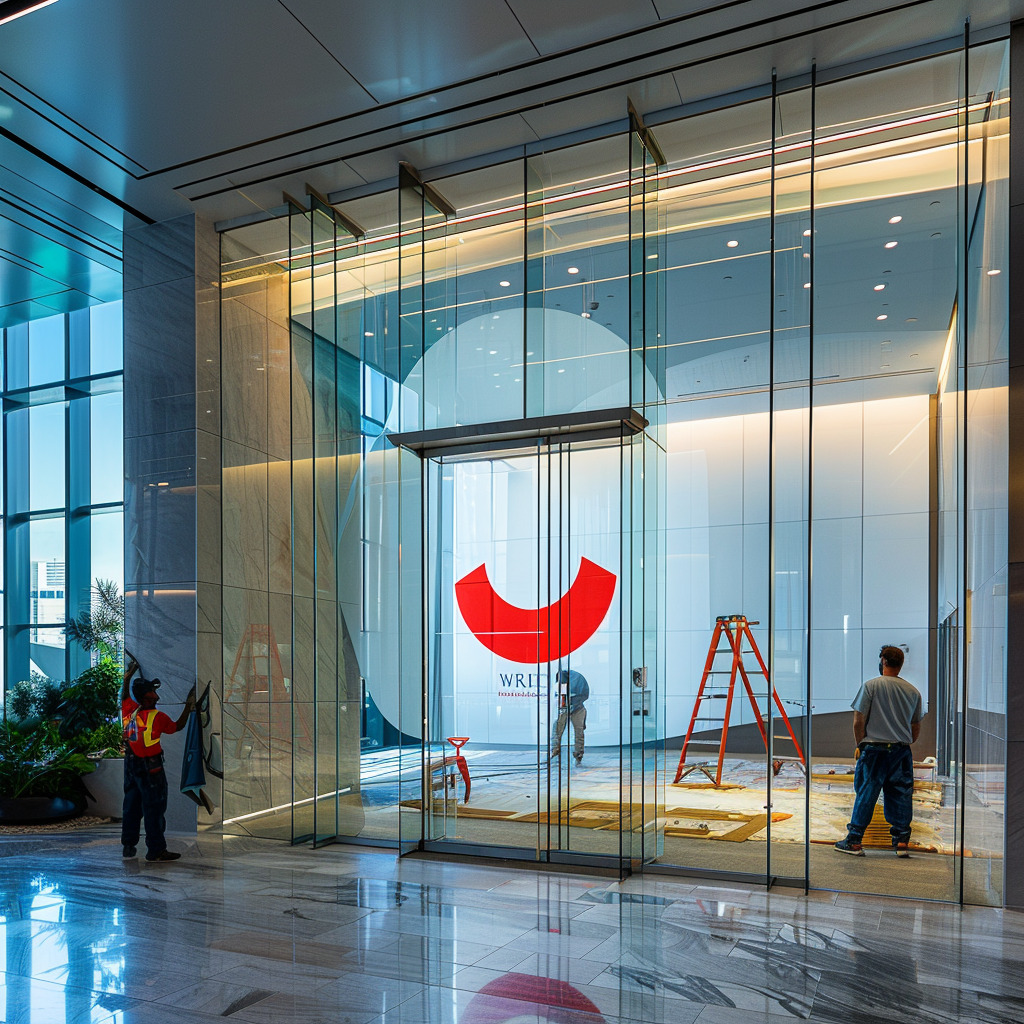
The application of patterned, textured, and gradient films extends beyond simple visual branding to address specific design and functional objectives. Films from series like 3M Fasara offer a diverse palette of options that mimic etched glass, rice paper, or woven fabrics, providing both visual depth and tactile appeal without the structural cost or permanence of actual architectural materials.
- Patterns can introduce subtle design elements, define privacy zones without completely obstructing views, or diffuse harsh light while maintaining an open feel.
- Textures add a layer of sophistication, creating intriguing visual interest and a sense of luxury in lobbies, conference rooms, or executive offices.
- Gradient films provide a seamless transition from clear to opaque, offering privacy where needed while allowing for natural light penetration at varying levels, ideal for doctor’s offices or meeting rooms requiring partial discretion.
Creating Dynamic Visual Interest and Architectural Film Statements
Decorative films enable project managers to create impactful architectural statements and dynamic visual interest. Plain glass surfaces transform into artistic features or thematic focal points through frosted or printed films. This capability allows for cost-effective aesthetic upgrades and flexible space reconfigurations. It offers a powerful alternative to traditional construction for achieving high-end design results. These films introduce movement, depth, and artistic flair to engage occupants and visitors. This strategic approach ensures commercial interiors remain memorable and visually stimulating for everyone.
Designing Integrated Wayfinding Solutions for Complex Campuses and Buildings
In large, complex facilities such as corporate campuses, healthcare networks, or educational institutions, effective wayfinding is crucial for user experience and operational efficiency. Decorative frosted film can be seamlessly integrated into wayfinding strategies, providing clear and intuitive directional cues. This can include:
- Numerals for floor and suite identification.
- Arrows and directional indicators.
- Departmental names and specific room functions.
- Branded signage that guides visitors and employees efficiently through the space.
By incorporating these elements directly onto glass partitions or doors, wayfinding becomes an inherent part of the architectural design, reducing reliance on separate, often intrusive, signage. This helps reduce confusion for occupants and visitors, contributing to a smoother, more positive experience.
The Impact of Customization on Client Perception and User Experience
Custom decorative films significantly influence client perception and the overall user experience within a facility. A thoughtfully designed solution conveys professionalism and a commitment to creating functional environments. For clients, these installations reinforce brand values and demonstrate a clear investment in quality. Occupants and visitors benefit from improved comfort, privacy, and easier navigation throughout the space. This integration fosters positive interactions and elevates the perceived value of the entire property. Ultimately, professional decorative films enhance the daily experience for everyone within the building.
Mastering Large-Scale Rollouts: Ensuring Flawless Execution Across All Locations
For construction and renovation managers overseeing multi-site projects, the true value of decorative frosted film extends beyond its aesthetic and functional benefits. It lies in the ability to consistently deliver these solutions across numerous locations without compromising quality, budget, or timeline. This requires a robust strategy for managing the entire process.
The Challenges of Multi-Site Projects for Construction Managers
Project Manager Paul understands the inherent complexities of multi-site projects. Managing diverse subcontractors, ensuring consistent material quality, navigating varying local regulations, and synchronizing schedules across multiple geographical locations can quickly become a logistical nightmare. Each additional vendor or inconsistent process introduces potential points of failure, leading to schedule delays, budget overruns, and a lack of uniformity in the final product. The risk of brand dilution due to inconsistent installations becomes a significant concern.
Ensuring Design, Product, and Installation Consistency
Maintaining uniformity in design, product specification, and installation quality is paramount for large-scale rollouts, especially when brand integrity is a key driver. A decentralized approach often results in discrepancies—different film types, varied color matches, or inconsistent installation standards—which can undermine the client’s brand image. Partnering with a single, experienced national film provider ensures:
- Centralized Design Review: All custom designs, logos, and patterns are approved against a single master specification.
- Uniform Product Sourcing: The exact same film materials, from base frosted films to specialty digital prints, are used across every site, eliminating variations.
- Standardized Installation Protocols: Highly trained installers adhere to a consistent methodology, ensuring identical application techniques and quality checks, regardless of location.
This cohesive approach guarantees that the visual and functional impact of the decorative film is identical from one site to the next, upholding brand standards effortlessly.
Streamlined Project Management and Centralized Communication
One of the most significant advantages of engaging a national partner for decorative film rollouts is the dramatically streamlined project management and communication structure. Instead of managing dozens of individual local film installers, a construction manager interacts with a single point of contact. This centralization simplifies:
- Scheduling and Coordination: A national partner can coordinate installations across all sites, aligning with each location’s specific project timeline and site access requirements.
- Progress Tracking: Regular, consolidated updates on the status of all installations are provided, offering a clear overview without requiring individual check-ins at each site.
- Problem Resolution: Any issues that arise, whether logistical or installation-related, are channeled through a single, accountable entity, leading to quicker and more efficient resolutions.
This consolidated approach dramatically reduces the administrative burden on the construction manager, allowing them to focus on broader project objectives rather than micro-managing individual film installations.
Overcoming Logistics: Scheduling, Coordination, and Material Procurement
The logistical complexities of large-scale film rollouts are often underestimated. A national film expert mitigates these challenges by managing:
- Material Procurement: Centralized purchasing ensures bulk discounts, consistent material availability, and just-in-time delivery to each site, preventing delays due to material shortages.
- Scheduling Flexibility: National teams can adapt to evolving project timelines, often deploying multiple crews concurrently or sequentially across regions to meet aggressive deadlines.
- Site-Specific Coordination: Experienced national installers understand how to coordinate effectively with other trades on-site, minimizing disruptions and maintaining a smooth workflow. This includes managing staging areas, access requirements, and post-installation cleanup.
This comprehensive logistical support removes a major headache for project managers, ensuring that film installations proceed without creating bottlenecks for other trades.
Quality Control and Adherence to Strict Timelines and Budgets
Maintaining high quality standards while adhering to stringent timelines and budgets is non-negotiable for any construction project. A national film partner implements robust quality control measures that ensure every installation meets precise specifications. This includes:
- Pre-installation Site Surveys: Thorough assessments to identify any unique challenges or requirements at each location.
- Certified Installers: Using only highly trained and certified professionals who understand the nuances of various film types and installation techniques.
- Post-Installation Inspections: Regular quality checks to verify the integrity and aesthetic appeal of the completed work.
By providing a single source of accountability, national partners minimize the risk of costly rework, project delays, and budget overruns. This comprehensive oversight ensures that the decorative frosted film contributes positively to the project’s success, functioning not just as an aesthetic enhancement but as a strategically managed component of a larger, well-executed commercial development.
Selecting Your Strategic Partner: The Advantage of a Single National Installer
For construction and renovation managers overseeing projects with multiple locations or intricate design specifications, the choice of installation partner for decorative frosted film is a critical decision. It extends far beyond simply getting a competitive bid. The right partner becomes an extension of your project team, streamlining processes and ensuring consistent quality across the board.
Why a Dedicated National Installer Minimizes Risk and Maximizes Efficiency
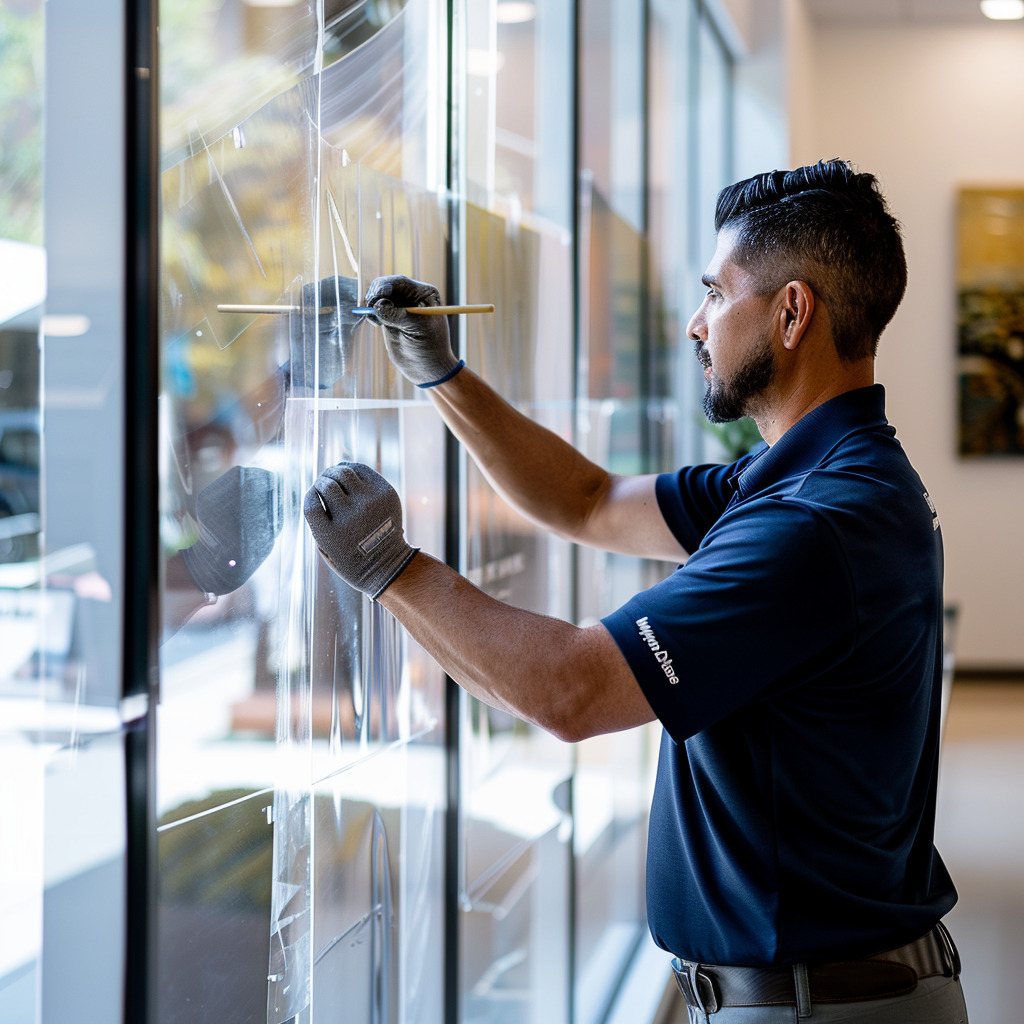
Managing a rollout of decorative frosted film across numerous sites can quickly become a logistical challenge, particularly for project managers balancing myriad other trades. Engaging multiple local subcontractors often leads to inconsistent quality, varying timelines, and fragmented communication. A dedicated national installer, however, offers a unified approach that mitigates these risks and significantly enhances efficiency. They provide a single point of contact, ensuring standardized procedures from material specification to installation. This consistency is invaluable for maintaining brand integrity and project schedules across all locations.
The Value of Extensive Experience in Commercial, Education, and Retail Projects
The specific demands of a project vary significantly based on its sector. A national installer with deep experience across commercial, education, and retail environments understands these nuances intimately. They are adept at navigating the unique challenges each presents:
- Commercial Projects: Often require solutions that blend privacy with a sophisticated aesthetic, adhering to corporate branding guidelines and strict completion deadlines.
- Education Campuses: Demand durable, safe, and code-compliant installations that can withstand high traffic while supporting learning environments, such as creating discreet administrative areas or enhancing safety in glass-walled classrooms.
- Retail Environments: Focus heavily on branding, visual merchandising, and flexible solutions that can adapt to seasonal campaigns or store remodels, all while managing customer-facing installation logistics.
This breadth of experience means the installer can anticipate potential issues, recommend appropriate film technologies, and implement best practices tailored to the project’s specific context.
Criteria for Choosing a Reputable and Certified Installation Partner
Selecting a national installer requires a rigorous vetting process that looks beyond basic capabilities. A reputable partner demonstrates their commitment to quality, safety, and continuous improvement through recognized certifications and a proven track record.
- Industry Certifications: Look for certifications such as 3M Endorsed, Preferred, or Authorized Installer status. These designations indicate that the installer’s technicians have undergone extensive training, meet stringent installation standards, and are proficient in the latest film technologies and application techniques.
- Comprehensive Insurance: Verify that the installer carries robust general liability, workers’ compensation, and property damage insurance. This protects your project from unforeseen incidents and ensures compliance with site safety requirements.
- Safety Protocols: Inquire about their safety programs and track record. A partner committed to safety minimizes risks on your job site and ensures smooth operations.
- Project Portfolio and References: Review their past projects that are similar in scope and complexity to yours. Speak with references to gauge their consistency, reliability, and problem-solving abilities.
Comprehensive Project Support: From Consultation to Post-Installation Follow-up
A strategic partner offers far more than just installation services. They provide end-to-end support that simplifies the entire process for the project manager.
- Initial Consultation and Needs Assessment: Collaborating early helps define project goals, material specifications, and design parameters.
- Design and Prototyping: Assistance with mock-ups or small-scale installations ensures the final product meets design intent before full deployment.
- Detailed Project Management: From scheduling and logistics to quality control, a national partner manages all aspects, providing regular updates and adhering to agreed-upon timelines.
- Post-Installation Support: This includes clear warranty information, guidance on maintenance and cleaning, and responsiveness for any follow-up questions or adjustments.
This holistic approach frees the project manager to focus on other critical project elements, confident that the decorative film aspect is expertly handled.
Leveraging Expertise to Navigate Technical Specifications and Installation Complexities
Decorative frosted films come with a range of technical specifications that must align with both design intent and regulatory requirements. An expert installer possesses the technical acumen to:
- Interpret Specifications: Accurately understand and implement complex film types, adhesive properties, and compatibility with various glass substrates.
- Ensure Code Compliance: Navigate building codes related to visibility, fire safety, and ADA accessibility. For instance, ensuring appropriate contrast for vision strips on glass partitions or specifying fire-rated films where necessary.
- Manage Complex Designs: Execute intricate cut patterns, custom graphics, and large-scale applications with precision, ensuring seamless integration and consistent aesthetic appeal across all installations.
- Troubleshoot On-Site: Proactively identify and address unforeseen challenges that can arise during installation, such as unique architectural features or environmental conditions, providing practical and timely solutions.
This depth of technical knowledge transforms potential obstacles into opportunities for successful, compliant, and visually striking installations.
Frequently Asked Questions
How does the cost of frosted film compare to traditional sandblasted or etched glass?
Frosted film is significantly more cost-effective, typically costing 50% to 70% less than factory-etched glass. Beyond the material price, film eliminates the high costs associated with transporting heavy glass panels for off-site treatment. Additionally, because film can be updated or removed without replacing the glass, the long-term “lifecycle cost” is substantially lower for dynamic spaces or branded environments.
Can decorative frosted window film be used to meet building safety codes, such as distraction markers?
Yes. Many building codes require “distraction markers” or “vision strips” on full-height glass partitions to prevent accidental collisions. Frosted film is the industry-standard solution for this. It allows you to meet these safety requirements with style—using custom patterns, corporate logos, or simple bands—rather than relying on intrusive, permanent signage.
Will frosted film significantly reduce the natural light in a workspace?
No. High-quality architectural frosted films, such as the 3M Fasara series, are engineered to provide visual privacy while maintaining high levels of visible light transmission. While it diffuses direct sunlight (reducing harsh glare), it allows a soft, ambient glow to permeate the space, keeping offices bright and reducing the need for artificial lighting.
Is decorative film durable enough for high-traffic areas like schools or retail stores?
Modern architectural-grade films are highly durable and designed specifically for commercial use. They are made from robust polymers that resist scratching, scuffing, and peeling. Unlike etched glass, which can trap oils and fingerprints in its texture, frosted film has a smooth, non-porous surface that is easy to clean with standard glass cleaners, making it ideal for high-touch environments.
What is the advantage of using a “gradient” film instead of a solid frost?
Gradient films offer a sophisticated “fade-to-clear” effect. This is strategically useful in spaces like medical clinics or executive offices where you need mid-level privacy (to obscure computer screens or seated individuals) but want the top of the glass to remain clear to maintain a sense of openness and architectural height. It provides a more modern, high-end aesthetic than a solid block of frost.