Table of Contents:
Introduction
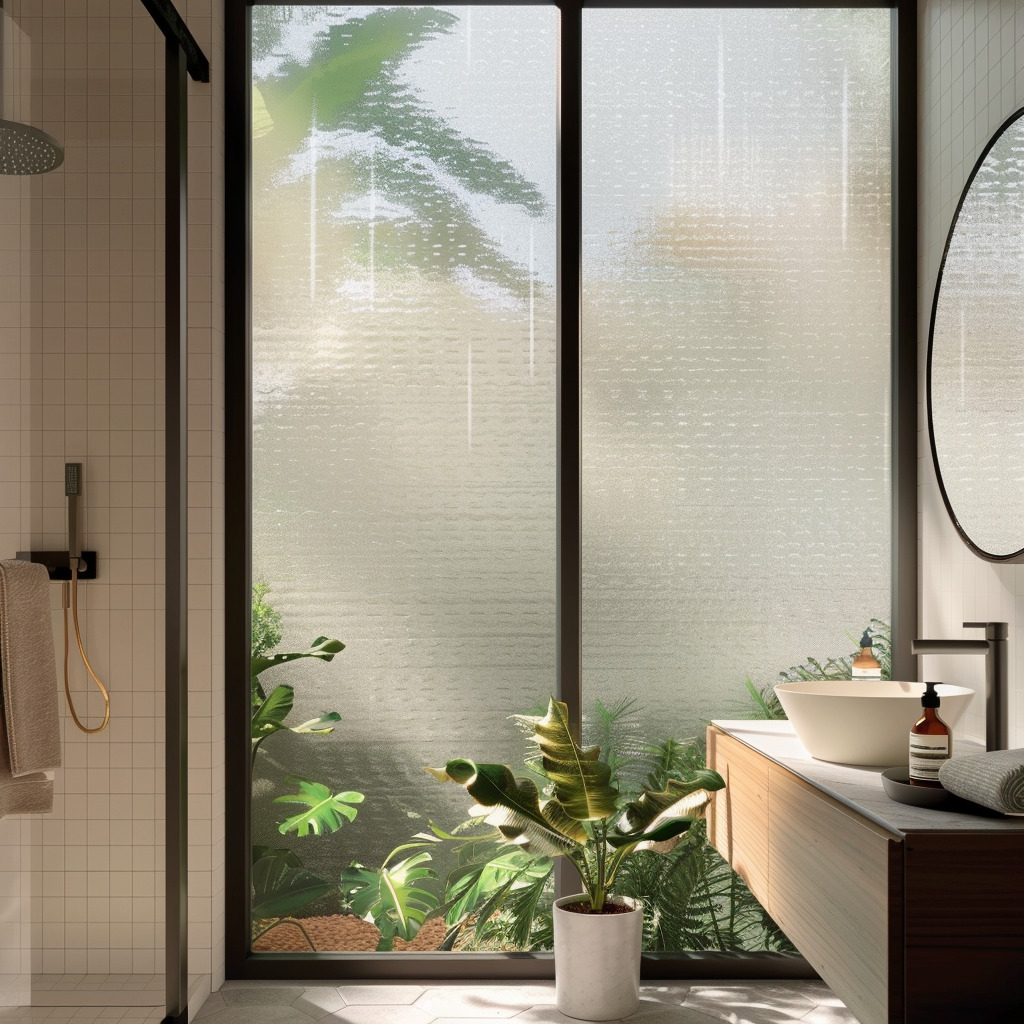
Window frosting film is a thin, translucent adhesive or static cling material applied to glass to create a sandblasted or etched appearance, obstructing visibility while allowing natural light to pass through. This privacy solution transforms ordinary windows into frosted glass surfaces without the high expense of permanent glass etching, making it an accessible option for anyone wanting to add privacy to their space.
This guide covers everything you need to know about frosted glass window film—from residential bathroom applications to commercial office partitions. Whether you’re a homeowner looking to block prying eyes from street-facing windows, a renter needing a renter friendly solution that won’t damage your deposit, or an office manager seeking to create privacy in glass conference rooms, this content addresses your specific needs.
The direct answer: Frosted glass films provide privacy from prying eyes while allowing natural light to enter the room, making them an effective solution for enhancing privacy without darkening the space. Installation typically takes less than 30 minutes and can be completed by anyone comfortable with basic DIY projects.

After reading this guide, you will understand:
- How frosted window films work and the differences between static cling and adhesive options
- Which film type matches your specific privacy and aesthetic needs
- The complete installation process for professional-looking results
- How to select products based on durability, cost, and light transmission
- Solutions for common challenges that arise during and after installation
Understanding Window Frosting Film
Window frosting film mimics the look of etched or sandblasted frosted glass by diffusing light rather than blocking it completely. The film creates a semi-opaque barrier that obscures clear views while preserving the natural light your room needs, solving the fundamental challenge of privacy without darkness.
Static Cling vs. Adhesive Films
Static cling films use surface tension, water, and electrostatic forces to adhere to glass without any glue or adhesive. This makes them completely removable with zero residue—ideal for renters or anyone who wants flexibility. You can reposition static cling films during installation and remove them when you move, making the purchase a lasting investment you can take with you.
Adhesive window films use a permanent or semi-permanent pressure-sensitive backing that bonds firmly to glass surfaces. These products offer superior durability in challenging environments, including high-humidity bathrooms or windows exposed to direct sun. While adhesive options require more careful installation and cannot be repositioned once applied, they typically last 7-15 years compared to 2-5 years for static cling alternatives.
Light Transmission and Privacy Levels
The opacity of frosted glass films determines both privacy protection and how much light enters your space. Manufacturers typically rate privacy on a 1-5 scale based on visible light transmission (VLT) percentages.
Lite frost films create a translucent privacy that allows for a very indistinct view of things near the glass, providing a balance between visibility and privacy. These films typically transmit around 90% of light, maintaining a bright room while softening the view. Traditional frosted films are opaque for maximum privacy, blocking detailed views entirely while still letting natural light filter through—usually transmitting 60-70% of visible light.
Frosted glass films can provide different levels of light transmission, allowing for varying degrees of privacy while still letting in natural light. The film you choose depends on whether you prioritize brightness or complete visual blocking. Understanding these specifications helps you select products that match your exact needs for any room.
Types and Applications of Frosting Film
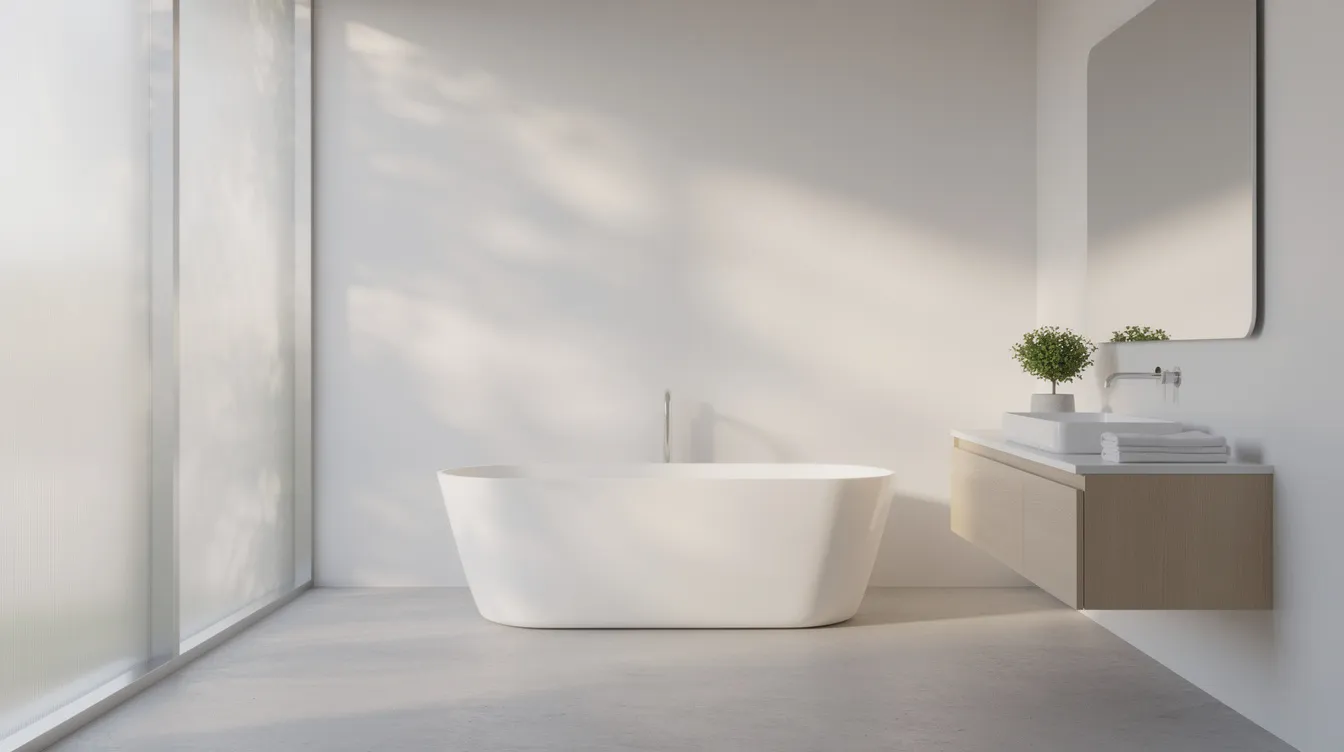
Building on the privacy level concepts above, frosted window films are available in various styles, including pure frosted, 3D diamond privacy, stained glass, and reeded glass designs. Each style serves different aesthetic and functional purposes.
Pure Frosted Films
Uniform frosted films provide a clean, consistent appearance across the entire glass surface. This classic look offers maximum privacy protection with even light diffusion—no patterns or variations to distract from your interior design.
These films work exceptionally well in residential spaces, especially when selecting the best window film for bathroom privacy, and in:
- Residential bathrooms and shower doors where complete privacy matters
- Street-facing windows on ground floors
- Bedroom windows for day and night privacy window film
- Office partitions separating workspaces that may require the best window film for nighttime privacy
A quality pure frosted adhesive film typically features specifications like 90% VLT, greater than 99% UV reduction, and a thickness around 4 mils (100 µm). These products protect furniture and flooring from sun damage while creating the privacy you wanted.
Decorative Pattern Films
Textured options like 3D diamond, reeded glass, and geometric patterns are part of the broader family of decorative film for interior and exterior glass that combine privacy with visual interest. These films add style to any space while serving the practical function of blocking views—perfect when you want your windows to make a design statement.
Frosted window films can be applied to various glass surfaces, including windows, glass doors, shower enclosures, and mirrors, providing a versatile solution for privacy enhancement. Decorative patterns work particularly well in:
- Living rooms where aesthetics matter as much as privacy
- Commercial storefronts balancing brand appearance with customer privacy
- Office conference rooms requiring both style and discretion, sometimes using advanced privacy window film and glass coatings
- Entryways with sidelight windows
The appearance of these patterned films ranges from subtle textures that look great from any distance to bold geometric designs that become conversation pieces.
Gradual and Partial Frosting
Not every situation requires full-window coverage. Frosted film can be applied to create targeted privacy zones, such as a “privacy band” across a window. This approach maintains clear views at the top while blocking visibility at eye level—common in office environments and street-facing residential windows.
Gradient films transition from opaque at the bottom to clear at the top, offering a sophisticated look that maximizes both privacy and natural light, similar in effect to many 3M frosted window film glass finishes. You can also cut any frosted film to create custom shapes and coverage patterns for specific needs.
Need More Info?
The Window Film Depot team is happy to help.
| Feature | Pure Frosted | Decorative Pattern | Partial/Gradient |
|---|---|---|---|
| Privacy Level | Maximum | Variable (depends on pattern density) | Selective coverage |
| Light Transmission | 60-90% VLT | 50-80% VLT | Varies by zone |
| Best For | Bathrooms, bedrooms | Living spaces, commercial | Offices, street-facing windows |
| Installation Complexity | Simple | Moderate (pattern alignment) | Moderate (precise cutting) |
| Understanding these differences helps you make the right purchase decision before starting your project. |
Installation Process and Product Selection
The installation process for window frosting film is super easy and accessible for DIY enthusiasts with no previous experience. Frosted window films can be easily installed using just water and a little soap, making the process straightforward for anyone willing to follow simple steps.
Installation Procedure
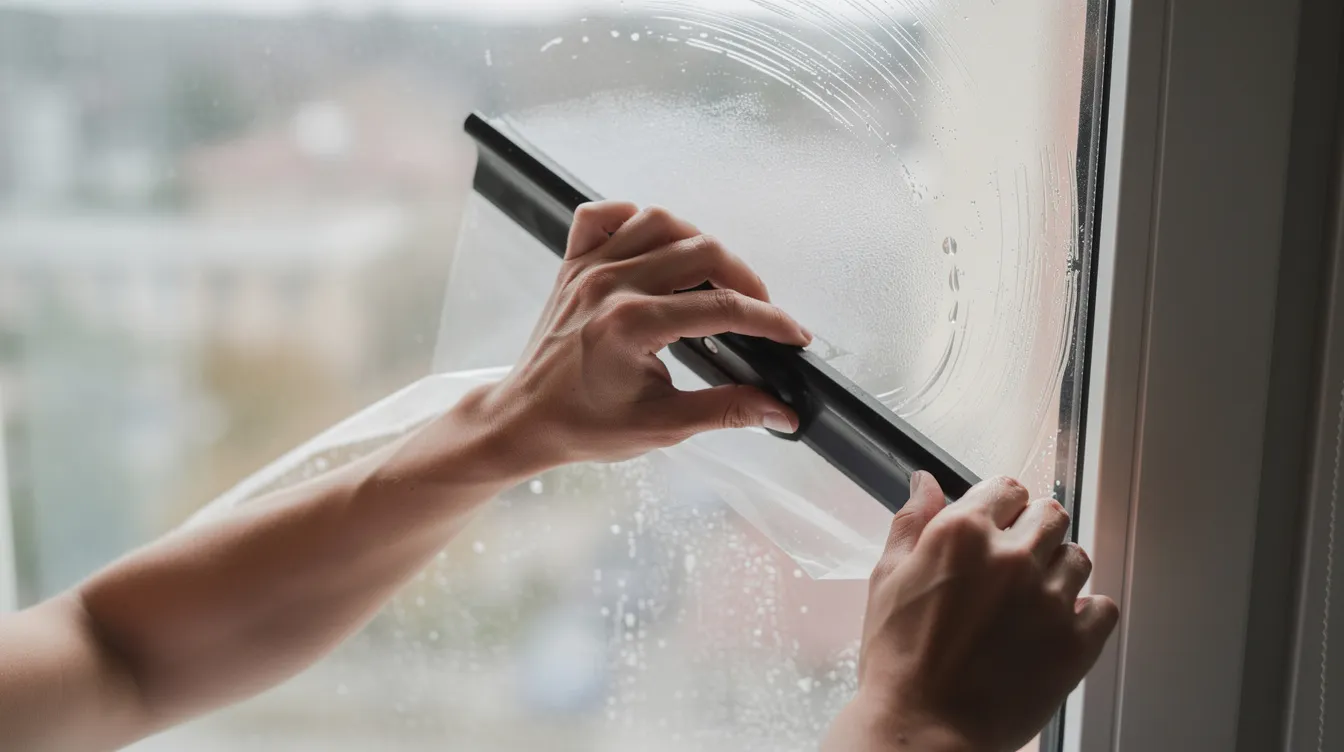
The installation of frosted window films typically takes less than 30 minutes, including measuring, cutting, and applying the film. Water-based application works for both static cling and most adhesive films, allowing repositioning during installation.
Step-by-step process:
- Clean the glass thoroughly: Remove all dust, fingerprints, and residue. Use a lint-free cloth and glass cleaner (avoid ammonia-based products for adhesive films). Any particles trapped under the film will create visible bumps.
- Measure and cut: Measure your window precisely and cut the film slightly larger than needed—about 1 inch extra on each side. Use a straightedge and sharp utility knife for clean edges.
- Prepare the surface: Fill a spray bottle with water and add a few drops of mild dish soap. Mist the glass generously; the water layer allows you to slide the film into position.
- Apply the film: For static cling, position the cling side against the wet glass. For adhesive films, peel the release liner and apply the adhesive side to the glass. Start at the top and work downward.
- Smooth out bubbles: Use a squeegee or plastic card, starting from the center and pushing outward toward the edges. Apply firm, overlapping strokes to remove all water and air.
- Trim the edges: Once the film is positioned correctly, use a sharp blade against the window frame to trim excess material. Clean edges ensure the film stays in place.
DIY options for frosted film are available and generally provide a cost-effective means of enhancing privacy and style of glass surfaces compared to hiring professional installers, especially when you follow a detailed do-it-yourself window film installation guide.
Product Comparison
Selecting the right film type depends on your specific situation. This comparison table helps you evaluate options based on key criteria:
| Film Type | Privacy Level | Expected Lifespan | Price Range (per sq ft) | Best Applications |
|---|---|---|---|---|
| Static Cling | Medium (VLT 60-90%) | 2-5 years | $2-$5 | Rentals, temporary needs, easy removal |
| Adhesive Frosted | High (VLT 50-80%) | 7-15 years | $5-$12 | Permanent installations, bathrooms, high humidity |
| Decorative Pattern | Variable | 7-15 years (adhesive) | $6-$15 | Aesthetic-focused spaces, commercial |
| Smart/Switchable | Adjustable | 10+ years | $15-$35+ | Conference rooms, high-tech homes, dynamic needs |
| How to choose: If you’re a renter or want flexibility, static cling films offer the best way forward. For permanent homes where longevity matters, adhesive products justify their higher cost over time. People seeking both privacy and style should explore decorative patterns that work with their existing décor. |
The film acts as a thermal barrier, much like the best window films for heat reduction, reducing solar heat gain in summer by up to 30–50% and helping retain warmth in winter. This heat reduction can lower energy bills, making higher-quality films a cost-effective investment over years of use.
Common Challenges and Solutions
Even simple installation projects encounter occasional issues. These solutions address the most common problems people face with frosted glass films, and for complex commercial needs many turn to full-service providers like Window Film Depot.
Bubble Formation During Installation
Air bubbles create visible imperfections that diminish the frosted glass appearance. Prevention starts with surface preparation—ensure glass is completely clean and wet before application.
Use firm, overlapping squeegee strokes from center to edges. Work slowly and deliberately; rushing creates trapped air pockets. For small bubbles that appear after installation, prick them with a pin and smooth the area flat. Larger bubbles may require lifting the film edge and reapplying with more water.
Film Peeling or Poor Adhesion
Poor adhesion typically results from inadequate cleaning or environmental factors. Oils, residue, and even fingerprints on the glass prevent proper bonding. Clean with a lint-free cloth and appropriate cleaner before installation.
For static cling films, textured glass surfaces severely reduce effectiveness—these products require smooth, non-porous glass to work properly. In high-humidity environments like bathrooms, choose adhesive films specifically rated for moisture exposure. Edge lift often indicates the film was trimmed too close to the frame; leave a small gap to prevent peeling.
Uneven Light Transmission
Inconsistent appearance usually stems from uneven application pressure or air trapped beneath the film. The squeegee technique matters: use consistent pressure across the entire surface, and ensure complete water removal.
Film that appears hazy may indicate moisture trapped in the adhesive during curing. Allow adequate drying time (typically 24-48 hours) before assessing the final appearance. Quality cast or embossed films generally provide better optical clarity than cheaper alternatives. If the frosted effect looks splotchy, the film may have been stretched during installation—proper handling without pulling or distorting prevents this issue.
Conclusion and Next Steps
Window frosting film offers a simple, cost-effective way to create privacy while maintaining the natural light that makes spaces feel open and inviting. Frosted film offers a modern, semi-privacy look suitable for both homes and businesses without the high expense of permanent glass etching. The film also reduces glare, creating a softer lighting environment that’s easier on the eyes during work or relaxation.
Your immediate action steps:
- Measure your windows accurately—length, width, and note any curves or obstacles
- Choose your film type based on permanence needs, budget, and desired privacy level
- Gather tools: spray bottle, mild soap, squeegee or plastic card, utility knife, measuring tape, and straightedge
- Block 30-45 minutes for installation and ensure the room temperature is moderate
- Plan installation for a day when you can leave windows undisturbed during curing
For those interested in expanding their window treatment knowledge, consider exploring energy-efficient window films that combine privacy with significant heat rejection, or decorative options that incorporate color and artistic patterns for unique visual effects, as well as advanced options like 3M cloaking window film installation for screen privacy. We can help answer questions like is tempered glass stronger than regular glass, privacy window film bath uv, and more. To find out more about window security film cost, contact us with any questions.
Frequently Asked Questions
Can window frosting film be removed without damage?
Static cling films remove completely without residue—simply peel from one corner and the film comes off cleanly. Adhesive films require more effort and may leave some adhesive residue requiring solvent or scraping. However, quality adhesive products designed for glass surfaces generally remove without damaging the window itself.
How long does frosting film typically last?
Static cling films typically last 2-5 years under favorable conditions, while adhesive frosted films last 7-15 years or longer depending on sun exposure and quality. Smart switchable films have electrical components that may require replacement after 10+ years of regular use.
Will frosting film work on double-pane windows?
Yes, frosted window films can be applied to various glass surfaces, including double-pane and insulated glazing units. However, consider that adding film may affect thermal characteristics. Avoid dark or reflective films on sealed units, as trapped heat can stress the seal. Standard frosted films rarely cause issues.
Can frosting film reduce energy costs?
Frosted film helps regulate indoor temperatures by reflecting solar heat in the summer and retaining warmth in winter, potentially lowering energy bills. Quality frosted films reject approximately 29% of total solar energy, while some advanced options reject 40-50%. UV protection also prevents furniture fading, protecting your investment in interior furnishings.
What tools are needed for installation?
Essential tools include a spray bottle with water and mild soap, squeegee or plastic card, sharp utility knife, measuring tape, and straightedge. Lint-free cleaning cloths help with surface preparation. No specialized equipment is required—these items are common household supplies.
How do I clean windows with frosting film?
After the film has fully cured (24-48 hours for adhesive types), clean with a soft cloth and non-abrasive cleaner. Avoid ammonia-based products near edges of adhesive films. For static cling, clean gently to avoid lifting edges. Never use abrasive pads or harsh chemicals that could scratch or degrade the film surface.
Can frosting film be applied to curved glass?
Curved glass presents challenges for all film types. Static cling films generally cannot conform to curves without wrinkling. Some adhesive films can be heat-formed to follow gentle curves, though patterns may distort. For significantly curved surfaces, consult with professional installers who have experience with specialized application techniques.
Does frosting film provide UV protection?
Most quality frosted films block 88-99% of UV radiation. For example, premium light frost films offer greater than 99% UV reduction, protecting furniture, flooring, and artwork from sun damage. This protection occurs even with high visible light transmission, allowing you to enjoy natural light while blocking harmful rays.