Table of Contents:
Introduction to Frosted Glass Film
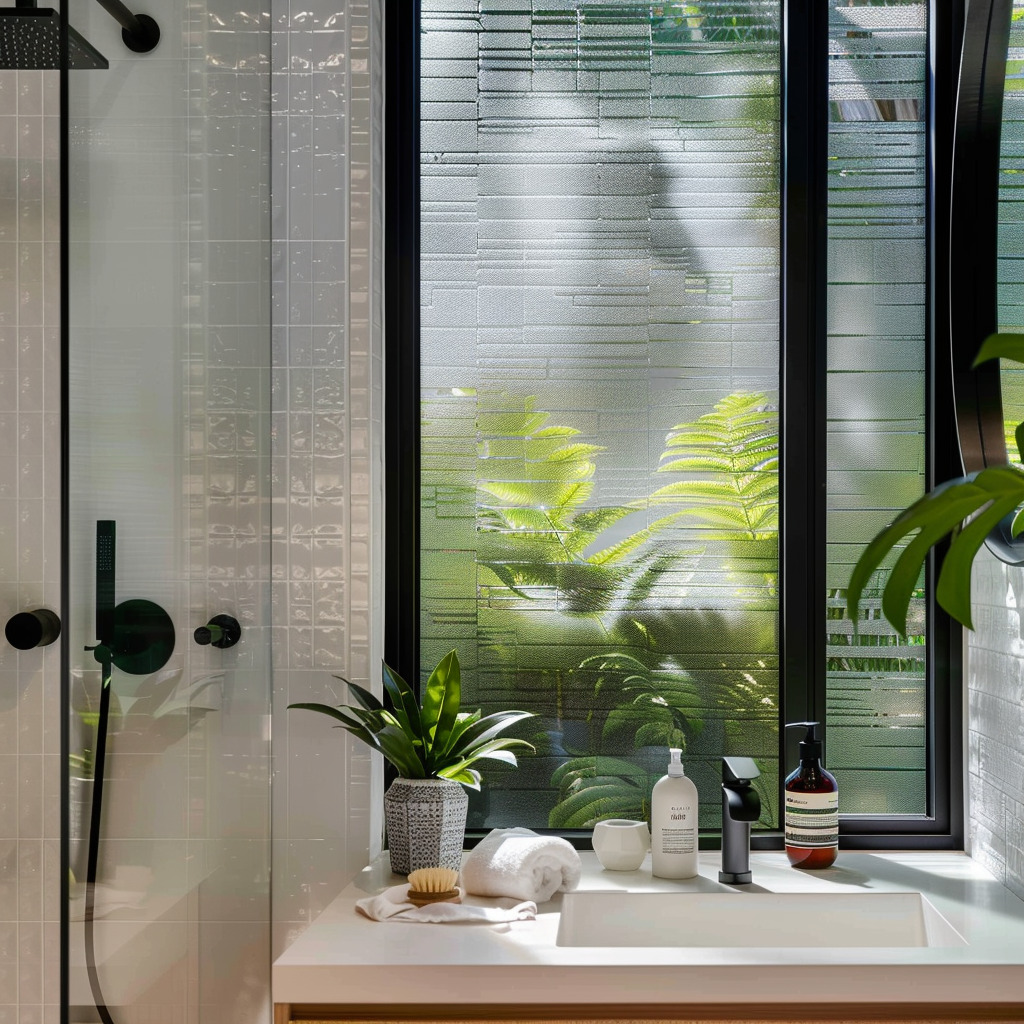
Frosted glass window film transforms clear windows into translucent surfaces that create privacy while preserving natural light—an inexpensive way to enhance any room without permanent alterations or costly glass replacement.
This guide covers everything you need to know about frosted window film for residential, commercial, and decorative applications. Whether you’re a homeowner looking to add privacy to bathroom windows, a renter seeking temporary solutions for an apartment, or an office manager upgrading conference room doors, this content addresses your specific needs. Frosted film matters because it solves a fundamental design challenge: maintaining openness and brightness while blocking unwanted views.
Direct answer: Frosted glass film is a thin vinyl or polyester layer applied to windows and interior glass surfaces that diffuses light to obscure visibility while allowing a soft glow of natural light to pass through, typically costing $8–$15 per square foot installed versus $50–$150 for replacement etched glass.
By reading this guide, you’ll learn:
- How frosted film technology works and differs from permanent glass treatments
- Which film types suit specific privacy and decorative needs
- Step-by-step installation methods for professional results
- Solutions for common problems like bubbles and edge lifting
- Performance metrics to evaluate quality and longevity
You can also read and learn more about ceramic window tint, privacy window film bath uv, home window tinting, and tempered glass here.
Understanding Frosted Glass Film Technology
Frosted glass film replicates the appearance of traditional acid-etched or sandblasted glass through a translucent layer that scatters incoming light. Unlike permanent treatments that physically roughen the glass surface, window films are removable, significantly less expensive, and allow design changes without replacing the entire pane.
The materials used include vinyl (PVC-based compounds) and polyester constructed in multiple layers: a clear polyester base, a matte frosted layer, an adhesive or static cling layer, and often a scratch-resistant topcoat. Quality films embed UV stabilizers to prevent yellowing and maintain appearance over years of sun exposure.
Static Cling vs Adhesive Films
Static cling technology uses no glue whatsoever. These films rely on molecular cohesive forces—essentially a mini-suction-cup effect—when pressed against smooth glass surfaces. This makes them ideal for renters, temporary installations, and anyone wanting to create privacy without commitment, especially for do-it-yourself window film installation projects.
The advantages are compelling: residue-free removal, repositionability during installation, and reusability across multiple locations. However, static cling films face limitations in durability, typically lasting 1–3 years before edges begin lifting. They’re sensitive to humidity and temperature extremes, making them less suitable for exterior-facing windows in harsh climates. Manufacturers like Tekra note their static cling materials carry a six-month shelf guarantee, reflecting the technology’s inherent limitations.
Adhesive films use pressure-sensitive or permanently curing adhesives that bond directly to glass. These offer superior longevity—often 15–20 years with professional installation—tighter optical clarity, and better performance in variable conditions. The trade-off is more difficult removal, potential residue, and less forgiveness for installation errors.
Opacity Levels and Light Transmission
Opacity in frosted privacy window film is measured through Visible Light Transmission (VLT) percentage—the amount of visible light passing through the material. Understanding this metric helps you balance privacy needs against brightness requirements.
Light frost films allow 60–90% VLT, maintaining nearly full brightness while providing a gentle obscuring effect suitable for decorative purposes. Medium frost options range from 30–60% VLT, offering great privacy while still illuminating interiors. Heavy frosted films drop to 5–15% VLT, delivering maximum privacy where silhouettes become barely discernible—ideal for bathroom windows or confidential office spaces.
Lower VLT correlates with greater glare reduction and heat rejection, making darker frosts suitable where sun damage to furniture or cooling costs are concerns. Most quality frosted films block over 95% of UV rays regardless of opacity level.
Types and Applications of Frosted Glass Film
Different frosted film varieties serve distinct purposes, from purely functional privacy to sophisticated design statements. Selecting the right type depends on your specific space requirements, aesthetic preferences, and performance needs.
Decorative Frosted Films
Patterned and textured options transform plain glass into design features. Diamond cuts create elegant geometric patterns suitable for traditional interiors. Bamboo and reed textures bring organic warmth to spaces seeking natural aesthetics. Geometric designs range from minimalist stripes to complex tessellations that enhance modern offices.
Decorative window film serves dual functions: they add privacy while establishing brand identity on office doors and storefronts, creates visual interest on interior glass partitions, and introduces elegance to residential entryways. Custom logo applications allow businesses to reinforce branding while blocking direct views into conference rooms. Gradient frost patterns—transitioning from clear to opaque—maintain street-level visibility while obscuring upper portions, a technique particularly helpful for retail displays and other types of decorative film for interior and exterior glass.
Privacy-Focused Films
Solid frosted films with low VLT (under 25%) deliver maximum privacy for sensitive applications. Bathroom and bedroom windows benefit from complete obscuration while maintaining that soft glow of diffused light. Conference rooms in offices require visual confidentiality without feeling enclosed.
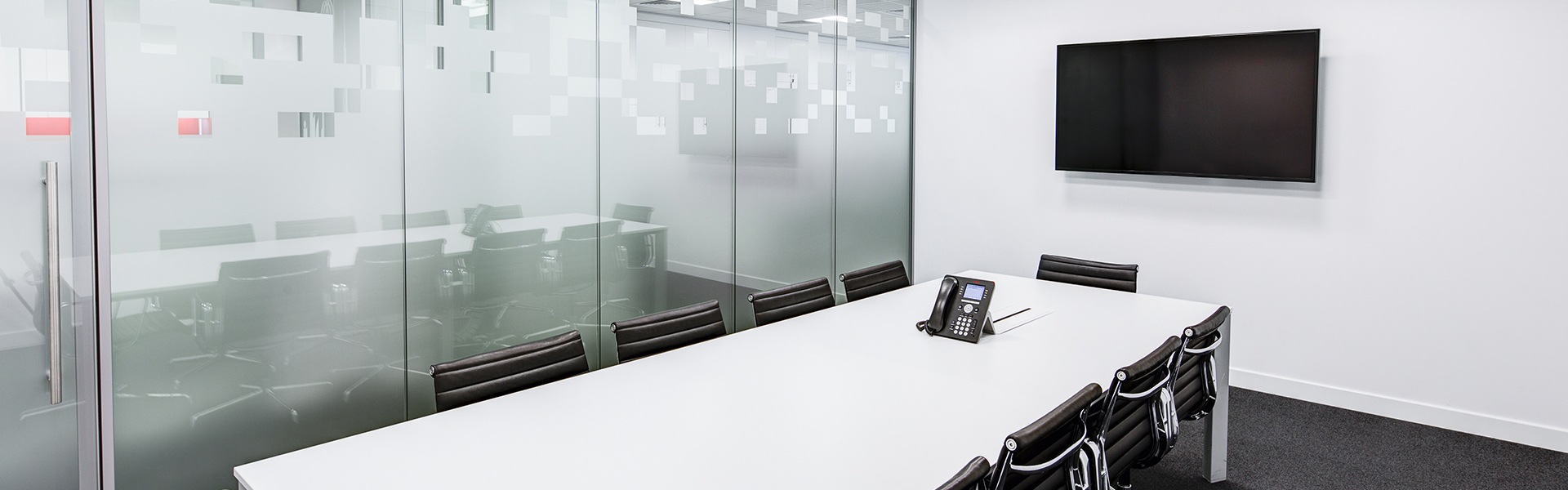
Medical offices frequently use heavy frost films to ensure patient privacy in examination rooms with glass walls, and they are often preferred over reflective films when day and night privacy window film performance is a priority. Residential front doors with decorative glass panels become secure without sacrificing light. The consistent, uniform appearance of solid frost avoids the busy look of patterns while accomplishing the core goal: making a person’s activities invisible to outside observers.
UV-Blocking Frosted Films
Dual-purpose films combine privacy functionality with solar protection capabilities. Quality options block over 99% of UV radiation while rejecting 30–80% of total solar energy, depending on darkness level, similar to photochromic solar window film that tints when exposed to UV and many other privacy and decorative window film technologies.
This UV protection prevents fading of furniture, artwork, and flooring—sun damage that accumulates invisibly until expensive replacements become necessary. Additionally, heat rejection reduces cooling loads, contributing to energy efficiency. Contra Vision’s heavy frosted products demonstrate over 70% solar energy reflection with under 1% UV transmission, representing the high end of protection available in decorative privacy films, similar to many solutions offered by specialized providers like Window Film Depot.
Installation Methods and Best Practices
Success with frosted film depends significantly on proper installation technique. While adhesive films benefit from professional application to maintain warranty coverage, static cling and light adhesive options suit confident DIY installers willing to follow careful procedures.
Step-by-Step Installation Process
This method applies to most DIY-appropriate frosted window film applications on standard flat glass surfaces:
- Measure and cut: Measure your window precisely, adding one inch to each dimension for trimming margin. Cut film with a straightedge and sharp utility knife.
- Clean thoroughly: Remove all dirt, oils, and residues using soap and water solution. A microfiber cloth prevents lint deposits. Allow the surface to dry completely for static cling; keep damp for wet application adhesive films.
- Prepare application solution: Mix approximately one tablespoon of dish soap per quart of water in a spray bottle. This slip solution enables positioning and bubble removal.
- Apply the film: Peel backing from the film carefully. Spray both the glass and adhesive side generously with solution. Position film from top edge, aligning carefully before pressing down.
- Squeegee methodically: Using a squeegee with felt or rubber edge, press from center outward in overlapping strokes. Work systematically to expel all water and air toward edges.
- Trim excess: Allow film to set briefly, then trim excess material using a sharp blade guided along window frame edges.
- Finish edges: Press edges firmly with squeegee or cloth. For adhesive films, ensure complete contact along all borders to prevent future lifting.
- Cure properly: Avoid cleaning or disturbing film for 3–7 days (adhesive types may require up to 30 days for full cure). Keep windows closed during initial curing in humid conditions.
Tools required: Squeegee, spray bottle, slip solution, straightedge ruler, utility knife with fresh blades, microfiber cloths, heat gun (optional for wrinkles or thick adhesive films). Time estimate: 30–60 minutes per standard window for careful DIY application.
Film Type Comparison
| Criterion | Static Cling | Low-Tack Adhesive | Permanent Adhesive |
|---|---|---|---|
| Durability | 1–3 years | 3–7 years | 15–20+ years |
| Removability | Excellent, residue-free | Good, minimal residue | Difficult, requires solvents |
| Cost per sq ft | $3–$6 | $5–$10 | $8–$15 installed |
| Optical Clarity | Good | Very good | Excellent |
| Edge Lift Risk | High | Moderate | Low |
| Temperature Sensitivity | High | Moderate | Low |
| Reusability | Yes | Limited | No |
| Best Application | Renters, temporary, seasonal | Semi-permanent residential | Commercial, long-term residential |
| Selection guidance: Choose static cling for apartment windows where you’ll want fast application and clean removal. Select low-tack adhesive for homeowner applications where you might want changes in 5–7 years. Install permanent adhesive films when longevity and optical quality justify the investment—particularly for commercial spaces and premium residential installations where professional application ensures warranty coverage. |
Common Challenges and Solutions
Even careful installation can encounter issues. Understanding typical problems and their solutions helps you achieve and maintain professional results.
Bubble Formation During Installation
Air or water bubbles trapped beneath film create visible imperfections that worsen over time if unaddressed. Prevention starts with generous slip solution application—more is better than less during positioning. Use overlapping squeegee strokes moving from center toward edges, never from edges inward.
If small bubbles appear after application, wait 24–48 hours; many resolve naturally as moisture evaporates. Persistent small bubbles can be punctured with a fine needle, then pressed flat. Large bubbles require lifting the nearest edge and reapplying with fresh solution and proper technique.
Edge Lifting Over Time
Edges peeling away from glass undermine both appearance and longevity. This occurs when adhesive doesn’t fully contact glass at borders, when humidity fluctuations stress the bond, or when frames expand from heat at different rates than glass.
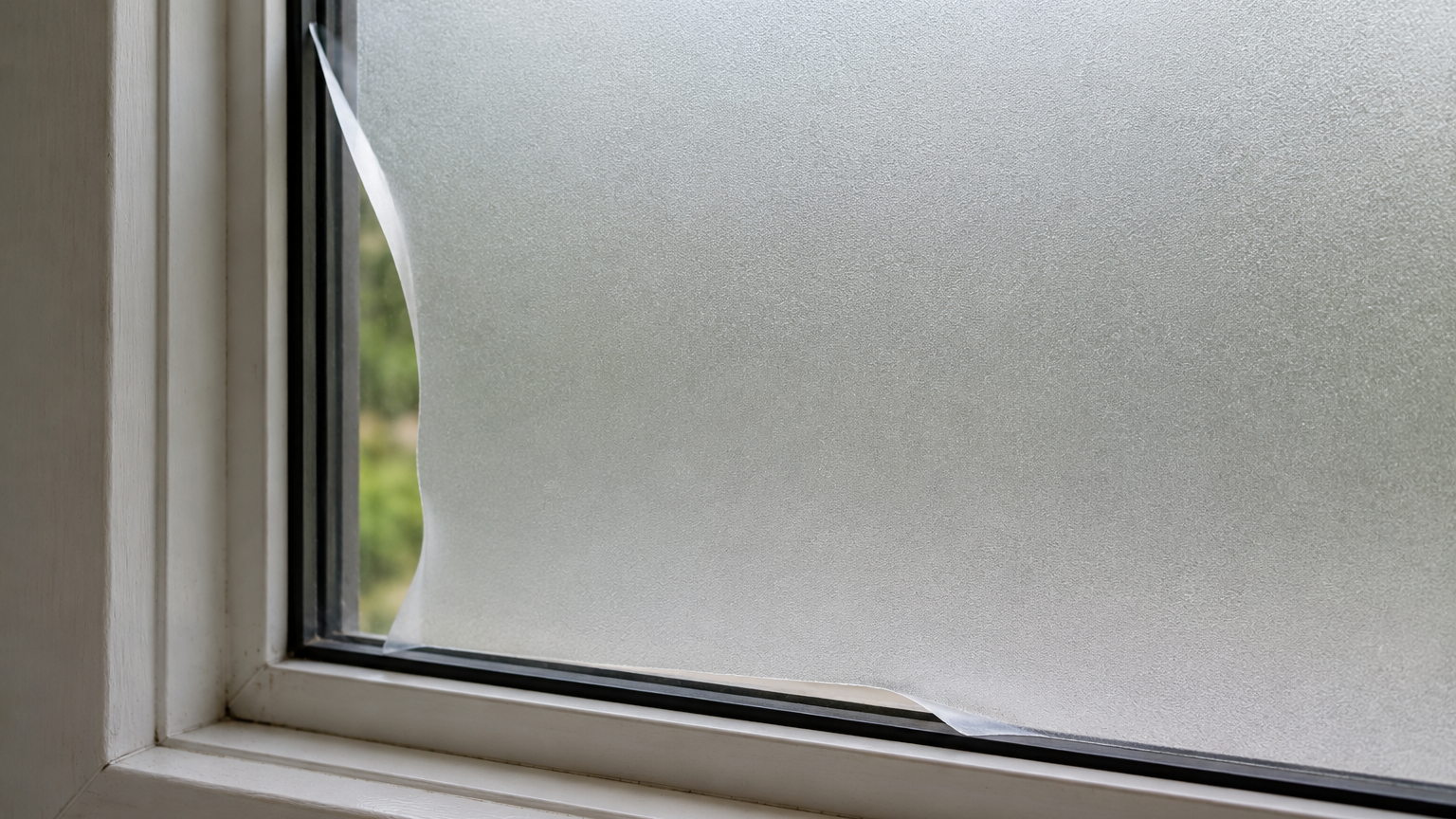
Prevention includes leaving a 1–2mm gap from metallic frames to reduce thermal stress and pressing edges firmly with multiple passes during installation. For existing lift, clean the lifted area, apply fresh adhesive or edge sealer designed for window films, and press firmly. In humid climates, consider permanent adhesive films over static cling for better edge retention, and in higher-risk areas you may want to explore window protection film solutions to reinforce glass.
Uneven Light Transmission
Patchy or cloudy appearance results from overlapping film sections, misalignment during application, uneven adhesive curing, or cleaning with inappropriate products. Ammonia-based cleaners damage many film finishes, creating permanent cloudiness.
Allow adhesive films their full cure time (up to 30 days) before judging final appearance—films often appear hazy initially. Ensure single-piece application without overlaps whenever possible. Clean only with mild soap and water using soft microfiber cloths, avoiding abrasive materials that can gloss up frosted surfaces.
Conclusion and Next Steps
Frosted glass film delivers an effective privacy solution that preserves natural light, protects interiors from UV damage, reduces glare, and costs a fraction of replacement glass or permanent treatments. With proper selection and installation, quality films provide 15–20 years of service while remaining fully removable when needs change.
Your immediate action steps:
- Measure all windows you’re considering for frosted film—length, width, and total square footage
- Determine your privacy level needs (light frost for decoration, medium for office spaces, heavy for bathrooms)
- Choose between static cling (renters, temporary) and adhesive (homeowners, commercial) based on your situation
- Gather installation tools: squeegee, spray bottle, utility knife, straightedge, microfiber cloths
- Schedule installation during moderate temperatures (avoid extreme heat or cold)
Need More Info?
The Window Film Depot team is happy to help.
For those seeking additional light control options, window tinting offers heat rejection without the frosted appearance, while decorative glass films provide patterns and colors beyond simple frost effects. Smart glass technology represents the premium alternative, allowing electronic switching between transparent and opaque states, and understanding electrochromic versus photochromic glass technologies can help you compare these options.
Frequently Asked Questions
Can frosted glass film be removed without damaging windows?
Static cling films remove completely without any residue—simply peel from corner and pull away. Adhesive films require more effort: use a heat gun or steamer to soften adhesive, peel slowly, then remove remaining residue with adhesive cleaner or rubbing alcohol. Proper removal leaves glass undamaged, though rushing can cause residue buildup requiring additional cleaning, especially with premium 3M frosted window film installations and other 3M window film products and professional installation services.
How long does frosted glass film typically last?
Lifespan varies dramatically by film type and conditions. Static cling films last 1–3 years, less in sunny or humid environments. Quality adhesive films professionally installed typically last 15–20 years, with many manufacturers offering lifetime warranties, especially when installed by a 3M window film installation company for commercial and residential projects. Interior applications without direct sunlight may exceed 20 years. Budget films or poor installation can fail within months.
Does frosted glass film provide insulation benefits?
Frosted films offer measurable solar heat reduction rather than traditional insulation. High-performance options reject 50–80% of total solar energy (TSER metric), reducing cooling costs significantly. Solar Heat Gain Coefficient (SHGC) drops from approximately 0.80 for bare glass to 0.20–0.40 with quality film. This isn’t equivalent to double-pane glass insulation but represents meaningful energy savings, particularly in cooling-dominated climates, especially when paired with professionally specified window glass film products and brands and an experienced national window film installation company.
Can you see through frosted glass film at night?
When interior lights are on and it’s dark outside, silhouettes and movement become visible through frosted film, though details remain obscured. The light differential matters—brighter inside means more visibility from outside. Heavy frost films (under 15% VLT) minimize this effect but don’t eliminate it entirely; reviewing the best window film options for nighttime privacy can clarify what to expect after dark. For complete nighttime privacy, consider blackout options or combine frosted film with blinds or curtains, or explore advanced options such as cloaking window film installations for digital privacy.
Is frosted glass film suitable for curved or textured glass surfaces?
Curved and textured surfaces present significant challenges. Static cling rarely adheres properly to curves, losing grip at tension points. Adhesive films may conform to gentle curves using heat application during installation, but tight curves cause wrinkling. Textured glass reduces adhesion and creates uneven appearance. For these surfaces, consult professional installers or consider alternative solutions like etched glass, specialized conformable films, or regional window film installation services for complex projects.
How do you clean windows with frosted glass film?
Use only mild soap and water with a soft microfiber cloth. Avoid ammonia-based cleaners (like many commercial glass cleaners), which damage film finishes and cause cloudiness. Skip abrasive pads or sponges that scratch the matte surface. Pat dry rather than rubbing vigorously. Wait until adhesive films fully cure (up to 30 days) before first cleaning. Gentle maintenance preserves the frosted appearance for the film’s full lifespan.
What’s the difference between frosted film and window blinds for privacy?
Frosted film provides continuous, maintenance-free privacy without blocking natural light—the soft glow remains constant throughout the day. Blinds require manual adjustment, block light completely when closed, collect dust, and have moving parts that wear over time. Film costs less long-term (no replacement mechanisms), works on any glass surface including doors and interior partitions, and maintains clean aesthetics without visible hardware. However, blinds offer adjustable privacy levels and complete blackout capability that film cannot match, while advanced options like transitional and switchable smart films provide dynamic control over light and privacy in ways traditional frosted films cannot.