If you live on a busy street, share a wall of glass windows with a neighbor’s sightline, or just want your bathroom to feel less like a fishbowl, window privacy film is one of the simplest upgrades you can make. No contractors, no new glass, and often no permanent commitment required.
This guide breaks down the top-performing privacy films available in 2026, walks you through every major type, and helps you match the right film to the right room in your house.
Table of Contents:
- Quick Answer: The Best Window Privacy Film in 2026
- What Is Window Film & Why It Matters for Privacy
- Our Top Picks: Best Window Films by Need
- Types of Privacy Window Film (And When to Use Each)
- Key Factors to Consider When Choosing the Best Window Film
- Room-by-Room Recommendations
- FAQ: Best Window Privacy Film & Common Questions
Looking for a specific product? Browse our best window privacy film collection to see curated options by room and style.
Quick Answer: The Best Window Privacy Film in 2026
For most homeowners and renters, a high-quality frosted static cling film delivers the strongest combination of day-and-night privacy, natural light, and easy removal. But the actual best window film depends on what you need it to do.
Here are our top category picks for 2026:
- Best overall frosted privacy film – Matte frosted static cling (e.g., Coavas-style 17.5 × 78.7 in roll). Best for bathrooms, home offices, and any room needing consistent privacy while allowing light. Static cling, renter friendly.
- Best decorative stained glass film – Lemon Cloud window film with a decorative floral pattern. Best for front doors, sidelights, and decorative window upgrades where you want to add style and create privacy simultaneously. Static cling.
- Best one way mirror film – Reflective daytime privacy film (e.g., Volcanics-style static cling). Best for street-facing living rooms and office windows that get strong sunlight. Static cling, daytime privacy only.
- Best blackout film – Velimax window film that blocks up to 99% of daylight. Best for bedrooms, nurseries, and media rooms needing total privacy. Static cling or adhesive options available.
- Best budget static cling – Basic translucent film in standard roll sizes. Best for renters wanting affordable, removable privacy on multiple windows. Static cling, residue-free.
All of these are widely available online in 2026 and sized to fit standard residential windows. Custom cuts are possible for oversized or unusual glass.
What Is Window Film & Why It Matters for Privacy
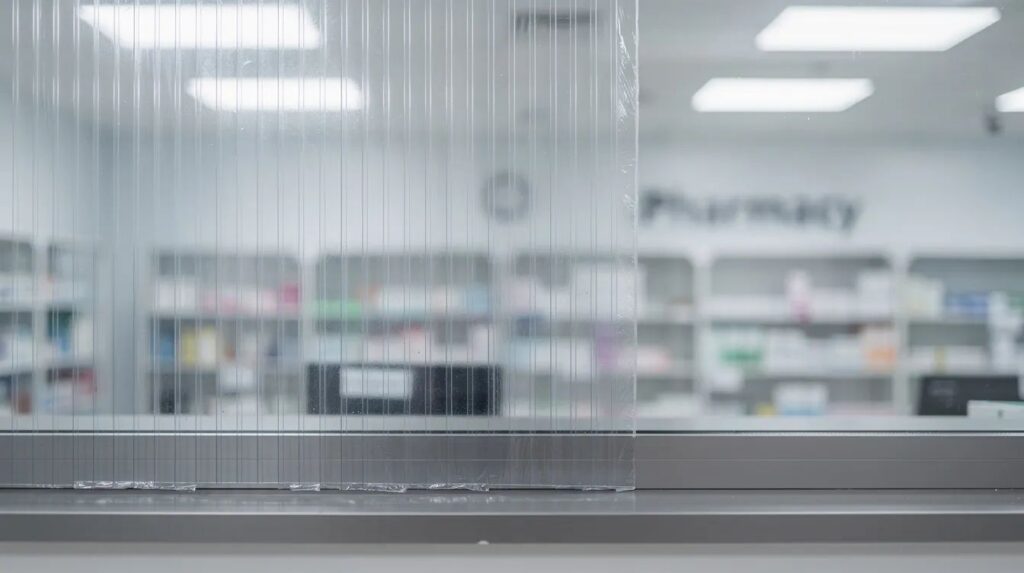
Window film is a thin laminate-usually polyester (PET) or vinyl-applied directly to glass. Modern films use coatings, dyes, metallic layers, or ceramic particles to control what passes through the glass: light, heat, UV radiation, and visibility.
Core benefits of privacy window film include:
- Privacy – Obscure interior views from outside, partially or completely.
- Light control – Diffuse harsh sunlight into soft light without total darkness.
- UV blocking – Key features of window privacy films include UV protection and glare reduction, shielding furniture and skin from damage.
- Heat reduction – Reduce solar heat gain through sun-facing windows.
- Decorative upgrades – Transform plain glass into etched glass, stained glass, or patterned surfaces without replacing the window.
Common use areas include bathrooms, street-facing living room windows, bedroom windows, home offices, entry doors, and sidelights. Window film is especially attractive for renters because most static cling versions are renter-friendly, removable, and leave no residue on glass.
Our Top Picks: Best Window Films by Need
The “best” film depends on whether you prioritize privacy level, decorative appearance, heat control, or ease of removal. Here is how leading categories stack up.
- Best overall frosted privacy film – A standard matte frosted static cling roll gives you 96% privacy protection while still allowing light to pass through. Works day and night. Super easy to install for beginners.
- Best decorative stained glass film – Lemon Cloud window film and similar 3D floral stained glass panels create a high-impact decorative window look. They add artistic designs to glass surfaces and provide moderate to high privacy depending on pattern density.
- Best one way mirror film for daytime privacy – Reflective films with a mirror effect deliver strong privacy during the day. One-way mirror film blocks 97% of UV rays, making it a popular choice for street-facing windows. Note: privacy weakens at night when interior is brighter than the exterior.
- Best blackout film for bedrooms – Velimax window film blocks up to 99% of daylight, providing nearly 100% privacy at all times. Ideal for shift workers, nurseries, or media rooms.
- Best renter friendly static cling – Any quality static cling vinyl film labeled “removable” or “repositionable.” These are generally the most affordable option and the easiest to install, requiring no adhesive.
- Best budget privacy film – Simple translucent film rolls under $40 that cover multiple windows. Won’t win design awards, but gets the job done.
Types of Privacy Window Film (And When to Use Each)
Choosing the right type of privacy film matters more than choosing a specific brand. A perfectly installed film in the wrong category will still disappoint you.
Privacy types include one-way mirror films and frosted or etched films, along with blackout and decorative options. Many top-rated products use static cling, while some permanent films are adhesive-this choice directly affects renter friendliness and longevity. Think about both your required privacy level and how much natural light you want in the room before picking a type. All types block UV to some degree, but performance varies significantly.
Frosted & Translucent Privacy Films
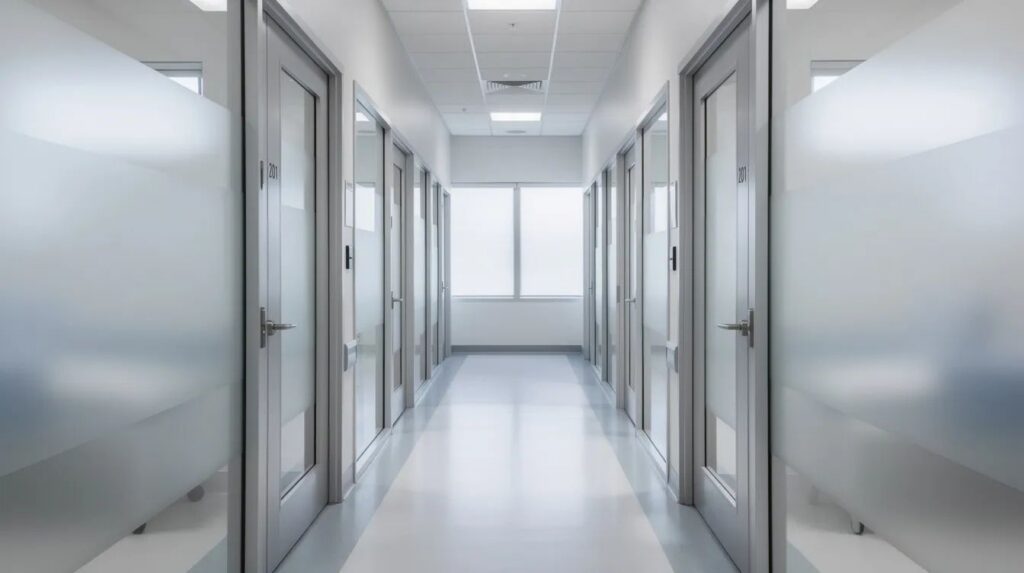
Frosted film diffuses light and blurs shapes, giving glass windows an etched glass or sandblasted appearance without the permanent commitment. It is the most common type for bathrooms, offices, and street-facing windows.
- Appearance: Matte, frosted look. Sold in rolls like 17.5 × 78.7 inches or similar standard sizes, easy to cut to fit any sheet of glass.
- Privacy: Frosted films provide 96% privacy while allowing light in-shapes become blurred silhouettes. This works both day and night.
- Light: Visible light transmission typically falls between 30–70% depending on frost density, so rooms stay bright with soft light rather than direct glare.
- Limitations: You lose a clear outdoor view. Everything beyond the glass becomes an indistinct blur.
- Installation: Many frosted films are static cling, renter friendly, and fully removable without residue.
Frosted privacy film is the single most versatile type for residential use. If you can only pick one, start here.
Blackout, Whiteout & Total-Privacy Films
Blackout and whiteout films completely block views in both directions and drastically dim or eliminate incoming light. Blackout films block up to 99% of daylight, while translucent films in this category provide total privacy but block all views.
- Ideal uses: Bedrooms for shift workers, nursery naptime, media rooms, storage or garage windows, and sidelights on front doors.
- Performance: Blackout films provide nearly 100% privacy at all times, excellent glare control, and strong UV and heat rejection.
- Downside: You lose natural light and outdoor views entirely. Not ideal for main living areas unless paired with other window treatments.
- Glass compatibility: If installing on double-pane or low-E glass windows, check manufacturer guidance to avoid thermal stress.
One Way Mirror Film for Daytime Privacy
One way mirror film creates a reflective surface on the brighter side of the glass. During the day, outsiders see their own reflection while you see through clearly from inside. One-way mirror films reflect outside views during the day, providing strong daytime privacy protection.
- Best for: Street-facing windows, home offices, and spaces where you want to maintain your outdoor view during daylight hours.
- Critical limitation: Reflective films provide privacy during the day but fail at night with interior lights on. When your room is brighter than the exterior, the mirror effect reverses and people outside can see in. Blinds or curtains are still needed after dark.
- Energy benefits: Many one-way mirror films block a high percentage of infrared heat and up to 97% of UV rays, which reduces glare and cooling costs.
- Installation note: Bubbles and imperfections are more visible on mirrored surfaces, so installation requires extra care compared to frosted films. Use a plastic tool to smooth the surface methodically.
Decorative & Stained Glass Window Films
Decorative window films include patterned, textured, and colored styles-geometric patterns, florals, faux etched glass, and stained glass designs. Decorative films can add artistic designs to glass surfaces while also obscuring views and adding style to plain windows.
- Stained glass and lemon cloud styles: Lemon Cloud window film features a decorative floral pattern that throws colorful light into a room. Stained glass films create a “reverse glow” effect at night, where the pattern illuminates outward.
- Privacy level: Usually partial to moderate. Decorative films can obscure views while adding style, but shapes may still be partly visible depending on opacity and pattern coverage.
- Popular for: Entry doors, sidelights, transoms, and bathrooms where style is as important as privacy.
- Renter friendly: Most decorative films are static cling and removable, allowing seasonal or trend-based changes without damage to the glass.
Key Factors to Consider When Choosing the Best Window Film
Choosing the right window privacy film involves balancing privacy with natural light and security. Here are the main decision factors:
- Privacy level: Do you need day-only privacy (one way mirror) or true day-and-night coverage (frosted, blackout, some decorative films)?
- Natural light: Blackout films darken rooms completely. Frosted films keep spaces bright. Stained glass and decorative options add color and shadow effects.
- UV and heat control: High Solar Heat Gain Coefficient (SHGC) reduction is important for windows receiving direct sunlight. Look for stated performance specs.
- Room type: Bathrooms and bedrooms need higher privacy. Living rooms may tolerate a lighter frosted look or decorative approach.
- Glass compatibility: Check compatibility with double-pane or low-E glass. Reflective or thick films can cause thermal stress and void warranties on certain glass types.
- Budget: Static cling films are cheaper upfront; adhesive PET films cost more but last 10–15 years versus 1–3 years for vinyl cling.
- Durability and maintenance: Look for features like scratch-resistant coatings and moisture resistance, especially in bathrooms and kitchens.
Window Film Performance: UV Protection, Heat, and Glare
Performance specs-UV rejection, total solar energy rejected, and visible light transmission-directly affect your comfort and energy bills. Understanding the numbers helps you avoid products that rely on vague marketing language like “tinted” without backing it up.
- UV blocking: Window films block up to 99% of harmful UV rays. Solar films can block up to 99.9% of UV rays in premium models. Coavas window film blocks 96% of UV rays, making it a strong mid-range choice. This level of protection helps protect skin and prevents furniture fading.
- Glare: Gila window film reduces up to 93% of glare, which is meaningful in home offices and media rooms. Darker or reflective films generally reduces glare more aggressively.
- Heat: Window films can help regulate indoor temperatures by reflecting infrared energy before it enters the room. One-way mirror and metallized films offer the highest heat rejection.
- Light quality: Frosted and decorative films still offer meaningful UV protection while preserving a softer, diffused light quality-your room stays bright without harsh sunlight.
Installation: How to Make Window Film Easy for DIYers
Most modern window films are designed for simple, tool-light DIY installation. You do not need professional help for standard residential windows. Installation requires just soapy water and a squeegee, and it takes less than 30 minutes to install window film on a typical window.
Here is a high-level step-by-step overview:
- Clean the window thoroughly before applying the film. Any dust, fingerprints, or residue will show through as trapped air bubbles.
- Measure and cut the film to fit your glass, leaving a tiny margin (about 1–2 mm) around each edge for a snug fit without curling.
- Spray the glass generously with soapy water (a few drops of dish soap in a spray bottle works perfectly).
- Position the film on the wet glass, smooth side against the surface.
- Squeegee out bubbles from center to edge. Use a plastic tool to remove bubbles during installation-a credit card wrapped in a soft cloth works in a pinch.
- Trim any excess along the edge with a sharp blade.
For one way mirror film or large picture windows, watch a short installation video before starting. Mirrored surfaces show every imperfection, so working slowly pays off.
Static Cling vs Adhesive Films
- Static cling films are reusable and residue-free. They do not use adhesive for installation-the film adheres through water and physical contact with smooth glass. This makes them ideal for renters and temporary installs. Static-cling vinyl films are generally the most affordable option.
- Adhesive films use a mild glue layer for a more permanent bond, better suited for long-term homeowners. They typically last 10–15 years indoors compared to 1–3 years for static cling in sun-exposed conditions.
- Removal: Static cling peels off cleanly. Adhesive films may require heat, scraping, and adhesive remover to fully clean the glass.
- Longevity: High-quality static cling films can still last several years if properly installed and maintained away from intense direct sunlight.
If you are a renter, prioritize static cling films labeled “removable” or “repositionable” to protect your security deposit.
Room-by-Room Recommendations
Different rooms call for different levels of privacy, light, and style. Here is a practical breakdown:
- Bathrooms: Frosted privacy window film or high-coverage decorative patterns provide full day-and-night privacy. Look for films with at least 85% haze or opacity. This is where frosted films obscure shapes while allowing light to pass through, keeping the space bright.
- Bedrooms: Blackout or high-opacity frosted films on problematic windows, combined with curtains for flexible light control. Great for anyone on a busy street who needs to block both visibility and sunlight for sleep.
- Living rooms: One way mirror film for daytime privacy with a clear view, or a light frosted film if you prefer consistent coverage. Supplement with blinds for night.
- Home offices: Reflective or frosted films that reduce glare from monitors while maintaining privacy from exterior foot traffic.
- Kitchens: Light frosted or decorative films that keep things bright and clean-looking. Moisture resistance matters here.
- Entry doors and sidelights: Stained glass or patterned decorative films blend privacy film function with design impact. One customer might choose a bold geometric pattern for front doors while another prefers a subtle etched glass appearance for sidelights.
Renter Friendly Window Film Tips
Window film can dramatically improve a rental space without violating most lease agreements-if you choose wisely.
- Choose static cling, non-glue films explicitly marked as removable and residue-free. This is the single most important step.
- Test a small off-cut in an inconspicuous corner first to check for easy removal and to confirm there is no interaction with existing glass coatings.
- Keep original packaging and instructions so films can be removed and reused in a new house after the lease ends. Most quality static cling rolls can handle multiple applications.
- Avoid any film types your landlord or building rules specifically prohibit. Some buildings restrict reflective films on exterior-facing windows due to glare concerns.
- Confirm building guidelines for street-facing windows in condos or HOA-managed properties before committing to a mirror or heavily tinted appearance.
FAQ: Best Window Privacy Film & Common Questions
This section answers the most common queries about privacy window film selection, installation, and everyday use.
What is the best window film for privacy?
It depends on timing. For round-the-clock privacy, frosted film is the strongest all-around pick-it provides 96% privacy protection day and night. Blackout film is best when you also need to block light entirely. One way mirror film is excellent during the day but needs backup (curtains or blinds) at night.
Does one way mirror film work at night?
Not reliably. One-way mirror films work by reflecting light on the brighter side. At night, when your interior is lit and the exterior is dark, the mirror effect reverses. Anyone outside can see in. Pair it with blinds or shades for nighttime security.
Can stained glass window film provide privacy too?
Yes, but the level varies. Dense, opaque stained glass patterns can deliver near-full privacy. Lighter, more translucent designs may only partially obscure shapes. Check the product’s opacity or haze rating-anything above 70% haze is typically sufficient for bathrooms and ground-floor apartments facing a busy street.
Is window film easy to install?
Yes. Static cling films are super easy to apply: spray soapy water on the glass, position the film, and squeegee out air bubbles. The whole process takes under 30 minutes per window. No special tools or experience needed.
Will window film damage my windows?
Static cling films will not damage glass. Adhesive films may leave minor residue if removed improperly, but a quality product on compatible glass peels cleanly with heat and patience. Always check manufacturer specs if you have tempered, low-E, or coated glass to avoid thermal stress.
How long does window film last?
Static cling films typically last 1–3 years with sun exposure; adhesive PET films can last 10–15 years indoors. Decorative inks may fade faster in direct sunlight, so consider the window’s orientation.
If you have unusual glass types or extreme climate conditions, consult manufacturer specs or a professional installer before purchasing.
Conclusion: Choosing the Best Window for Privacy, Comfort & Style
Here are the key takeaways:
- Match your film type to the room: frosted for bathrooms and offices, blackout for bedrooms, decorative for entry doors, and reflective for daytime privacy on street-facing windows.
- Consider light and heat control alongside privacy-the best window film solves multiple problems at once, from reducing harmful UV rays to cutting glare and protecting your environment from heat buildup.
- Favor static cling for renter friendly installs and adhesive PET for long-term homeowner upgrades.
There is no single universal best window film. There are a few excellent choices for each situation-and the right one depends on your room, your priorities, and your photo of the space you want to transform.
Start with one test window before committing to the whole house. You will get comfortable with the installation process and see exactly how the film changes the light, privacy, and appearance of your room before you roll it out everywhere.
Ready to find the right match? Browse our curated selection of privacy window film and decorative window films for your specific room and style goals.