Table of Contents:
- The Scientific Principle: Mastering Light Differential for True Privacy
- Beyond the Brochure: Essential Technical Specifications for Project Managers
- Strategic Deployment: Ideal Commercial Applications for Reflective Privacy Film
- Selecting the Right Solution: A Guide to 3M One-Way Mirror Film Series
- Mitigating Risk and Ensuring Excellence: The Value of Expert Installation and Partnership
- Conclusion: Key Takeaways for Informed Specification and Project Success
- Frequently Asked Questions
- Related Posts from Window Film Depot
The Persistent Myth of Universal Privacy
A common and persistent misconception surrounding one-way mirror privacy window film is the belief in its universal, 24/7 privacy capabilities. Many stakeholders, from clients to end-users, mistakenly assume that once installed, the film provides an impenetrable barrier to external viewing at all times. This notion, often fueled by popular media portrayals or a superficial understanding of the technology, can lead to significant misjudgments regarding its practical application. It is crucial to dispel this myth by clarifying that the film’s privacy function is inherently conditional, not absolute.
Why Misunderstanding Leads to Costly Project Delays and Rework
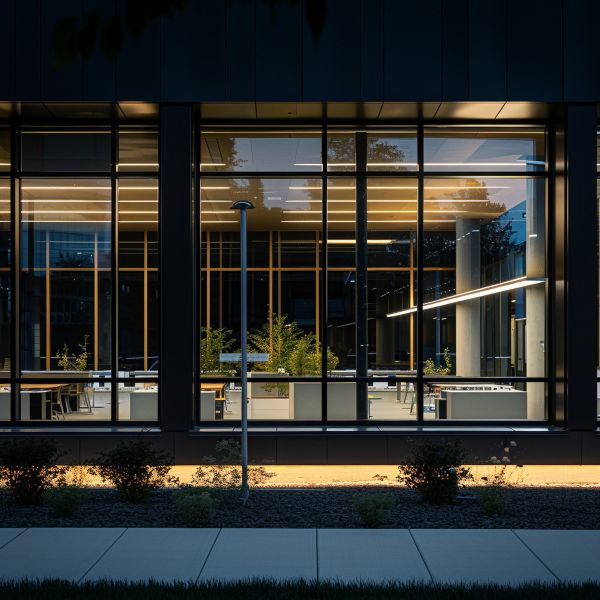
Failing to address this fundamental misunderstanding can have tangible and detrimental consequences for a project. When a client expects constant privacy but experiences a complete reversal of the effect after dark, dissatisfaction is inevitable. This often escalates into formal complaints, demands for immediate solutions, or even outright requests for removal and replacement of the film. Such scenarios translate directly into costly project delays, budget overruns due to rework, and potential damage to professional reputation. Proactive education on the film’s limitations is far more economical than reactive problem-solving.
The Project Manager’s Mandate: Avoiding Specification Errors Through Informed Decisions
For project managers, understanding the nuances of one-way mirror film is not merely an academic exercise; it is a critical mandate for successful project delivery. The ability to accurately specify the right solution for the right application hinges on a comprehensive grasp of the technology’s operational parameters. By being fully informed, project managers can set precise client expectations from the outset, preempting misunderstandings that lead to dissatisfaction and costly errors. This informed decision-making process ensures that the chosen film genuinely meets the project’s privacy objectives without unforeseen limitations.
The Scientific Principle: Mastering Light Differential for True Privacy
Understanding Visible Light and Reflectivity
At its core, the performance of one-way mirror film is governed by fundamental principles of optics, specifically the interaction of visible light with reflective surfaces. Visible light, the segment of the electromagnetic spectrum that the human eye can perceive, travels in waves. When these light waves encounter the specialized metallic layers within the privacy film, a portion of the light is absorbed, another portion is transmitted through, and a significant portion is reflected. It is this controlled reflectivity that creates the “mirror” effect.
How Light Intensity Dictates the One-Way Mirror Effect
The critical factor dictating whether a one-way mirror film acts as a mirror or allows clear viewing is the light differential—the difference in light intensity between the two sides of the glass. The side with significantly more ambient light will exhibit the mirrored appearance, as the film reflects a high percentage of that dominant light back towards the source. Conversely, the side with less light allows for clearer transmission of light, making it possible to see through to the brighter side. This dynamic interplay of light intensity is what creates the “one-way” illusion.
The Daytime Advantage: Optimizing Exterior Light for Reflective Privacy Film
During daylight hours, one-way mirror film offers exceptional privacy due to a naturally occurring, substantial light differential. The sun’s illumination on the building’s exterior is typically far more intense than the artificial lighting within an interior space.
- Exterior Perspective: The film reflects the abundant outdoor light, creating a bright, mirror-like surface that effectively obscures the interior.
- Interior Perspective: The less intense indoor lighting allows occupants to see through the film to the brighter exterior, enjoying an unobstructed view.
This natural advantage makes the film an optimal solution for daytime privacy requirements in commercial settings, ranging from ground-floor offices to large-scale glass facades.
The Critical Nighttime Limitation: Why Interior Lighting Reverses the Effect
Understanding the nighttime limitation is paramount for project managers. Once the sun sets and exterior ambient light diminishes, thelight differential shifts dramatically. When interior lights are activated, the enclosed space becomes a brighter environment compared to the dark exterior.
- Interior Perspective: With the interior now the brighter side, the film’s reflective properties are primarily engaged inward, reflecting the internal lighting back into the room. This creates an internal mirror effect, making it difficult for occupants to see clearly outside.
- Exterior Perspective: From the exterior, the now-brighter interior is clearly visible, negating any privacy. The film essentially becomes a transparent window from the outside in.
This reversal of the light differential fundamentally compromises the privacy function, transforming the “one-way” effect into a clear view into the commercial space from outside.
Illustrative Scenarios: Visualizing Light Differential in Action for Commercial Spaces
To fully grasp this principle, consider these practical scenarios:
Daytime Commercial Office Environment
Imagine a modern office building with large windows treated with one-way mirror film. During the day, sunlight bathes the exterior. From the street, the windows appear as sleek, reflective surfaces, mirroring the sky and surrounding buildings, preventing any view into the offices. Inside, employees can work with natural light and a clear, uninhibited view of the outside world, completely unaware that their activities are obscured from view. This is the optimal operating condition, where the film performs exactly as intended for privacy and glare reduction.
Nighttime Retail or Conference Room Setting
Now consider that same office building, or perhaps a ground-floor retail space, after dusk. The exterior is dark, and the interior lights are fully illuminated for staff working late or for an evening event. From the street, the windows are no longer reflective. Instead, passersby have a clear, unobstructed view directly into the brightly lit interior, seeing every detail of the space, its occupants, and any sensitive information displayed. Inside, the occupants will primarily see their own reflections in the glass, with a vague, obscured view of the dark exterior. This complete loss of privacy at night is the critical limitation that project managers must anticipate and communicate to clients to avoid specification errors and ensure appropriate supplemental privacy solutions are considered.
Beyond the Brochure: Essential Technical Specifications for Project Managers
Understanding the fundamental technical specifications of one-way mirror privacy film is paramount for project managers to accurately specify and deploy this technology. These metrics go beyond marketing claims, providing the data necessary to predict performance and ensure successful project outcomes.
Visible Light Transmission (VLT): Quantifying Interior Brightness and Daytime Privacy Film Effectiveness
Visible Light Transmission (VLT) measures the percentage of visible light that passes through the film and window system. Expressed as a percentage (e.g., 15% VLT), this metric directly correlates with the amount of natural light entering the interior space. A lower VLT indicates less light penetration, contributing significantly to the film’s one-way mirror effect during daylight hours.
For project managers, VLT is a critical consideration for several reasons:
- Daytime Privacy Efficacy: Lower VLT values enhance the reflective properties of the exterior surface by reducing light from within, thereby reinforcing the necessary light differential for one-way privacy.
- Interior Illumination Needs: While lower VLT films improve privacy, they also reduce interior brightness. This necessitates careful planning regarding artificial lighting requirements to maintain a comfortable and functional indoor environment.
- Aesthetic Impact: The VLT influences the perceived “darkness” of the interior from the outside, which is a key aesthetic consideration for building facades.
Visible Light Reflectance (VLR): Measuring the Exterior Mirror Effect
Visible Light Reflectance (VLR) quantifies the percentage of visible light that is reflected away from the film’s surface. This is the property that creates the distinctive “mirror effect” on the exterior side of the glass. A higher VLR percentage indicates a stronger, more pronounced reflective surface.
VLR is instrumental in achieving one-way daytime privacy. When combined with a lower VLT, a high VLR value ensures that the exterior side appears reflective due to the abundance of ambient light, while the interior remains comparatively dimmer, allowing occupants to see out clearly without being seen. This metric is directly tied to the light differential principle, as it dictates how effectively exterior light is bounced away.
Solar Energy Rejection and Glare Reduction: Added Performance Benefits of Reflective Window Film
Beyond privacy, many reflective window films offer substantial secondary benefits related to energy efficiency and occupant comfort. These include:
- Total Solar Energy Rejected (TSER): This metric represents the percentage of total solar energy (including visible light, infrared, and ultraviolet) that is rejected by the film. Higher TSER values translate directly into reduced heat gain, lowering HVAC loads and contributing to energy savings.
- Shading Coefficient (SC) and Solar Heat Gain Coefficient (SHGC): These values indicate how much solar radiation passes through a window. Lower numbers signify better heat rejection properties.
- Glare Reduction: Reflective films significantly reduce glare, often by 80% or more, creating a more comfortable visual environment for occupants, particularly in spaces with large windows or direct sun exposure. This improves productivity and reduces eye strain without significantly compromising natural light.
Understanding Film Construction: Sputtered vs. Dyed Technologies in 3M Mirror Film
The manufacturing process significantly impacts a film’s performance, durability, and aesthetic longevity. For reflective privacy films, two primary technologies are prevalent:
- Sputtered Films: This advanced manufacturing process involves bombarding a target material with ions in a vacuum chamber, depositing extremely thin, uniform layers of metals (e.g., silver, titanium, nickel-chromium) onto the film substrate.
- Advantages: Superior optical clarity, excellent color stability (highly resistant to fading), exceptional durability, and high performance in solar energy rejection and glare reduction. Sputtered films typically offer longer warranties due to their robust construction.
- Dyed Films: In contrast, dyed films achieve their color and some solar control properties through pigments incorporated directly into the film’s layers.
- Considerations: While often more economical, dyed films can be prone to color degradation or fading over time, especially with prolonged exposure to UV radiation. Their performance characteristics, particularly in long-term solar rejection, may not match those of sputtered alternatives.
For critical commercial applications, understanding these construction differences is vital. 3M, for instance, often leverages sophisticated sputtered technologies to ensure optimal performance, longevity, and consistent aesthetic quality.
Interpreting Manufacturer Data Sheets for Accurate Project Specification
Manufacturer data sheets are indispensable tools for project managers. These documents consolidate all critical performance data, allowing for precise specification that aligns with project goals and site-specific conditions. When reviewing these sheets, pay close attention to:
- VLT (Visible Light Transmission): To balance privacy and interior brightness.
- VLR (Visible Light Reflectance): To ensure the desired mirror effect and privacy level.
- TSER (Total Solar Energy Rejected): For energy efficiency goals.
- UV Rejection: For protecting interiors from fading and reducing skin exposure.
- Glare Reduction: To enhance occupant comfort.
- Warranty Information: Indicating expected product lifespan and performance guarantees.
Cross-referencing these specifications with the client’s privacy requirements, interior lighting design, building orientation, and local energy codes is essential to avoid costly errors and ensure the selected film delivers on all promised benefits.
Strategic Deployment: Ideal Commercial Applications for Reflective Privacy Film
Reflective privacy film’s unique capabilities make it an invaluable asset across a diverse range of commercial environments. Strategic deployment ensures that its benefits are maximized, addressing specific functional and aesthetic needs.
Enhancing Security and Aesthetics in Retail Storefronts and Public-Facing Properties
For retail environments and other public-facing properties, reflective film offers a dual advantage. During daytime hours, it provides a crucial layer of privacy for staff and inventory within, deterring casual observation and enhancing security. Simultaneously, the uniform, reflective exterior can elevate the building’s aesthetic appeal, presenting a modern and professional facade. This is particularly useful for back offices, cash wraps, or storage areas where visual access needs to be restricted.

Creating Confidential Spaces in Corporate Offices and Executive Boardrooms
In the corporate sector, maintaining confidentiality is paramount. Reflective film is an effective solution for creating private executive offices, secure meeting rooms, and boardrooms without the need for structural modifications. It allows occupants to maintain a visual connection to the exterior while preventing outside observers from seeing sensitive discussions or proprietary information. This application hinges entirely on maintaining a brighter exterior relative to the interior during working hours.
Optimizing Privacy for Healthcare Facilities, Schools, and Government Buildings
The need for privacy is critical in healthcare, educational, and governmental settings. Reflective film can be deployed in various areas:
- Healthcare Facilities: Protecting patient confidentiality in examination rooms, administrative offices, and sensitive laboratory areas.
- Schools: Enhancing security by obscuring views into classrooms from the outside while allowing staff to monitor exteriors.
- Government Buildings: Securing sensitive data and operations in administrative offices, data centers, and public service areas.
In these environments, the film contributes to a sense of security and trust for occupants and visitors alike.
Integrating Reflective Film for Solar Control and Energy Efficiency in Commercial Buildings
Beyond privacy, the superior solar energy rejection properties of reflective films make them a potent tool for sustainable building management. By reducing heat gain through windows, these films can significantly lower air conditioning costs and overall energy consumption. This integration aligns with green building initiatives and contributes to a building’s overall energy efficiency rating. The reflective properties work symbiotically, achieving both privacy and substantial thermal benefits.
Key Considerations for Diverse Building Types and Environmental Exposures
The effectiveness and optimal specification of reflective film depend heavily on the specific characteristics of each commercial building and its environmental context. Project managers must consider:
- Building Orientation: North-facing windows receive less direct sunlight than south-facing ones, impacting heat gain and the natural light differential.
- Sun Exposure: Prolonged, intense sun exposure may require films with higher TSER values and superior fade resistance.
- Interior Lighting Design: The internal lighting strategy must complement the film choice, especially for lower VLT films, to ensure adequate interior illumination and maintain the light differential at night.
- Local Building Codes and Aesthetic Guidelines: Compliance with local regulations regarding exterior reflectivity and color is crucial.
- Adjacent Structures and Landscaping: The presence of other buildings, trees, or reflective surfaces nearby can influence the light differential and perceived mirror effect.
A thorough site assessment and consultation with film specialists are indispensable to tailor the film solution to these unique project parameters, ensuring long-term satisfaction and performance.
Selecting the Right Solution: A Guide to 3M One-Way Mirror Film Series
The effectiveness of one-way mirror privacy film in a commercial setting hinges on a precise understanding of its technical capabilities and limitations. Proper specification is paramount to avoid the costly delays and rework associated with misaligned expectations. This section guides project managers through the process of selecting the most appropriate 3M film series, balancing privacy, aesthetics, and energy performance.
Overview of 3M Sun Control Window Film Technologies for Commercial Projects
3M offers a comprehensive portfolio of sun control window films designed to address a variety of commercial building challenges. These advanced technologies are engineered to mitigate solar heat gain, reduce glare, block harmful UV rays, and enhance occupant comfort. While many films contribute to energy efficiency and interior comfort, certain reflective series are specifically engineered to create the desired one-way mirror effect, providing daytime privacy by leveraging a light differential. These films integrate various metallic or ceramic layers to achieve their distinct performance profiles.
Comparing Performance Characteristics Across Key 3M Reflective Film Series
When considering one-way mirror capabilities, project managers will primarily focus on 3M’s highly reflective film series. These films are distinguished by their exterior reflectivity and interior visual light transmission (VLT). Reflective films create the mirror-like appearance necessary for one-way privacy by bouncing a significant portion of external light away from the building. Different series offer varying degrees of reflectivity and light transmission, directly influencing the intensity of the mirror effect and the amount of natural light entering the space. Understanding these distinctions is crucial for matching film performance to specific project needs and aesthetic goals.
Data Points: Understanding VLT Percentages and Reflectivity for Common 3M Films
To effectively specify a one-way mirror film, project managers must analyze key data points: Visible Light Transmittance (VLT) and Reflectivity.
- Visible Light Transmittance (VLT): This metric indicates the percentage of visible light that passes through the film into the interior. A lower VLT means less light enters, which generally enhances the one-way mirror effect from the outside during daylight hours. However, it also results in a darker interior.
- Reflectivity (Exterior/Interior): This measures the percentage of visible light reflected away from the film’s surface. High exterior reflectivity is fundamental to creating the mirror appearance that obscures interior views. The greater the exterior reflectivity, the stronger the one-way mirror effect.
For instance, films designed for strong daytime privacy often feature exterior reflectivity exceeding 50% and VLT percentages below 20%. Project managers must carefully evaluate these numbers to predict how the film will perform under various lighting conditions, reinforcing the critical role of light differential.
Balancing Privacy Needs with Light Transmission and Energy Performance Goals
The selection of one-way mirror film involves a strategic balance among several project objectives. Achieving maximum daytime privacy often necessitates a film with high reflectivity and a low VLT. While this enhances the one-way effect, it can also reduce the amount of natural light illuminating the interior space. Conversely, a film chosen for higher VLT to maximize natural light may offer a less pronounced one-way mirror effect.
Furthermore, reflective films are excellent at rejecting solar heat, contributing significantly to a building’s energy performance by reducing HVAC loads. Project managers must weigh the primary goal—privacy, natural light, or energy savings—and select a film that provides the optimal compromise. Understanding these trade-offs is essential to avoid client disappointment, especially regarding nighttime privacy, where the one-way effect inverts.
Matching Specific 3M Mirror Film Options to Unique Project Requirements
The final selection process involves matching a 3M mirror film’s distinct performance characteristics to the unique requirements of each commercial project. Consider factors such as:
- Building Orientation: South-facing windows will experience more intense sunlight and heat gain, potentially benefiting from higher reflectivity for solar control.
- Existing Glazing: The film’s performance is additive to the existing glass, so its properties must be considered in conjunction with the current glazing.
- Desired Interior Ambiance: Lower VLT films can create a distinct interior atmosphere, which should align with the client’s aesthetic preferences.
- Specific Privacy Concerns: Evaluate the level of privacy required. Is it critical to completely obscure views, or is a subtle reduction in visibility sufficient?
Thorough evaluation ensures that the chosen 3M film effectively delivers on the project’s multifaceted goals, confirming that the one-way mirror effect will perform as expected under the predominant lighting conditions.
Mitigating Risk and Ensuring Excellence: The Value of Expert Installation and Partnership
Even the most technologically advanced window film cannot deliver its promised performance without expert installation. For commercial projects, where precision, consistency, and adherence to schedules are paramount, partnering with a certified specialist is not just advantageous but essential. This mitigates risks, ensures optimal film longevity, and protects the client’s investment.
The Critical Role of Professional Installation for Optimal Performance and Durability
Professional installation is foundational to unlocking the full potential of one-way mirror privacy film. Improper installation can lead to a host of issues, from aesthetic flaws like bubbling, creasing, and peeling edges to compromised performance, such as uneven reflectivity or premature film degradation. Certified installers possess the specialized tools, techniques, and environmental controls necessary to ensure a pristine, optically clear, and durable application. This precision guarantees uniform adhesion across the entire glass surface, which is vital for the consistent one-way mirror effect and the film’s long-term integrity.
Why Certified 3M Window Film Installers are Essential for Large-Scale Commercial Projects
For large-scale commercial undertakings, the expertise of certified 3M Window Film Installers is indispensable. These professionals undergo rigorous training directly from 3M, acquiring in-depth knowledge of product specifications, advanced application methodologies, and quality assurance protocols. Their certification signifies a commitment to industry best practices and a deep understanding of how to handle specific film types, including complex reflective materials. This specialized skill set ensures consistency across numerous windows, adherence to strict project timelines, and the ability to troubleshoot site-specific challenges efficiently, thereby avoiding costly project delays or rework.
The Advantage of Partnering with a #1 U.S. National Service Provider
Engaging a #1 U.S. National Service Provider for 3M window film installation offers distinct advantages for project managers. Such providers bring unparalleled logistical capabilities, extensive experience with diverse commercial projects, and a robust network of certified installers. This scale ensures consistent quality and service delivery across multiple locations or large, multi-phase projects. Their comprehensive project management expertise streamlines the installation process, from initial consultation and material procurement to flawless execution and post-installation support. This partnership provides reliability and peace of mind, knowing that the project is in the hands of a proven leader.
Ensuring Warranty Compliance and Long-Term Film Durability
A crucial benefit of professional installation by a certified 3M dealer is securing warranty compliance. Manufacturer warranties for high-performance window films are typically contingent upon proper installation by authorized professionals. This protects the client’s investment against manufacturing defects or premature film failure due to application errors. A correctly installed film, adhering to 3M’s stringent guidelines, maximizes its long-term durability, ensuring that the one-way mirror effect, UV protection, and energy performance benefits endure for the film’s intended lifespan. This safeguards against potential future costs for film replacement or repair.
Proactive Problem Solving: From Initial Consultation to Post-Installation Support
A true expert partner extends beyond mere installation, offering comprehensive proactive problem-solving throughout the project lifecycle. This begins with an initial consultation, where site assessments and an in-depth discussion of client needs inform the film recommendation. Experts anticipate potential challenges, such as variable light conditions or unique architectural features, and manage expectations, particularly concerning the light differential effect. During installation, unforeseen issues are addressed swiftly and effectively. Post-installation support ensures long-term satisfaction, offering maintenance advice and promptly resolving any performance questions. This holistic approach significantly reduces project risk and ensures lasting client satisfaction.
Conclusion: Key Takeaways for Informed Specification and Project Success
Reaffirming the Power and Crucial Limitations of One-Way Mirror Film
One-way mirror privacy film represents a sophisticated and highly effective solution for achieving daytime privacy, enhancing security, and contributing to energy efficiency in commercial and residential applications. Its unique optical properties transform a standard pane of glass into a reflective surface from the brighter side, while allowing clear viewing from the darker interior. This dual function provides significant architectural and functional advantages, enabling occupants to maintain outward visibility without compromising their privacy. However, the efficacy of this advanced film technology is inherently tied to a fundamental principle of physics: the light differential. Project managers must recognize that while the film’s daytime performance is exceptional, its one-way mirror effect is entirely contingent on a substantial difference in illumination between the exterior and interior environments.

Crucially, this means the film’s one-way effect reverses at night or when interior lighting exceeds exterior light levels. When interior lights are on after dusk, for instance, the film will appear transparent from the outside, allowing observers to see into the property. Understanding this critical limitation is not merely a technical detail; it is foundational to preventing misapplications and ensuring client satisfaction.
The Imperative of Understanding Light Differential for Project Managers
For project managers, a deep comprehension of the light differential principle is not just beneficial, but absolutely imperative for successful project execution involving one-way mirror film. Specifying this film without adequately assessing and communicating its operational parameters is a common oversight that leads to performance discrepancies and client disappointment. The “magic” of one-way mirror film is entirely scientific, and its predictable behavior, especially its limitations, must be a central part of any project plan.
Effective project management demands proactive identification and mitigation of potential issues. This includes thoroughly evaluating ambient light conditions, internal lighting schemes, and the client’s expectations for both daytime and nighttime privacy. Integrating this understanding into the initial design and specification phases prevents costly rework, schedule delays, and damage to professional credibility.
Empowering Informed Decisions to Avoid Costly Errors and Client Disappointment
Empowering project managers with this knowledge translates directly into making informed decisions that safeguard project budgets and client relationships. By integrating a thorough understanding of light differential, managers can proactively address potential performance concerns and set realistic expectations.
Key considerations for informed decision-making include:
- Comprehensive Site Assessment: Evaluate natural light exposure, surrounding structures, and existing or planned interior lighting fixtures. A pre-installation light audit can reveal critical variables.
- Client Education: Clearly communicate the film’s operational characteristics, particularly its nighttime reversal, during initial consultations. Provide visual examples or demonstration samples to illustrate this behavior.
- Application Suitability: Determine if the film’s limitations align with the client’s privacy needs at all times. For properties requiring 24/7 privacy, supplemental solutions like blinds or curtains for nighttime might be necessary.
- Specification Accuracy: Ensure that product specifications align with the intended use case and anticipated light conditions, selecting films with appropriate visible light transmission and exterior reflectance values.
Ignoring these considerations often results in a privacy solution that only partially meets requirements, leading to expensive retrofits, client complaints, and diminished project value.
Your Partner in Advanced Film Technology and Security Solutions
As your dedicated partner in advanced film technology, we are committed to providing more than just high-performance products. We offer the comprehensive technical insight and consultative support necessary to navigate the complexities of film specification and application. Our goal is to equip project managers with the knowledge to make confident, informed decisions, ensuring that every installation of one-way mirror privacy film achieves its intended purpose flawlessly. We stand ready to collaborate, offering expert guidance on light differential assessments, product selection, and best practices to guarantee optimal outcomes and lasting client satisfaction for your projects.
Partnering with Expertise: What the #1 3M Installer Brings to Your Project
The Unmatched Authority and Trust of the #1 U.S. 3M Window Film Installer
When selecting a partner for commercial window film projects, the pedigree of the installer is as crucial as the film itself. Aligning with the #1 U.S. 3M Window Film Installer brings an unmatched level of authority and trust to your project. This designation is not merely a title; it reflects a long-standing commitment to excellence, rigorous training standards, and a deep partnership with the leading manufacturer in the industry. It signifies that the installer operates at the pinnacle of industry best practices, with access to proprietary knowledge, advanced tools, and the latest innovations directly from 3M. This trust extends to product warranties, installation techniques, and overall project execution, providing project managers with unparalleled confidence in the outcome.
Deep Technical Expertise in 3M Fasara and Other Advanced Glass Finishes
Specialized projects demand specialized knowledge. The #1 3M Installer possesses profound technical expertise, specifically in 3M Fasara Decorative Films and other advanced glass finishes. This expertise goes beyond basic application; it encompasses a thorough understanding of material properties, adhesion science, appropriate application environments, and design integration. Whether the requirement is for specific visual effects, light diffusion properties, or privacy levels, this deep knowledge ensures the correct film is selected for the specific glass type and environmental conditions. Our teams are adept at handling complex installations, from intricate patterns to large-scale architectural applications, guaranteeing a flawless finish that meets both aesthetic and functional specifications.
Proven Track Record and Operational Experience in Large-Scale National Commercial Projects
Success in large-scale national commercial projects is built on a foundation of proven operational experience, not just theoretical capability. A leading national installer brings a robust track record of managing and executing complex, multi-site installations for major corporations across diverse industries. This includes established logistical frameworks for material distribution, efficient scheduling for simultaneous installations in varied geographic locations, and standardized quality control protocols. Our operational model is designed to handle the intricacies of national rollouts, ensuring that every project, regardless of size or scope, benefits from consistent management, expert execution, and meticulous attention to detail. This experience is critical for anticipating potential challenges and implementing proactive solutions to keep projects on track.
Need More Info?
The Window Film Depot team is happy to help.
Beyond Installation: Comprehensive Consulting and Ongoing Support for Long-Term Value
A true partnership extends well beyond the physical act of installation. The #1 3M Installer offers comprehensive consulting and ongoing support, ensuring long-term value for every client. This holistic approach begins at the project’s inception and continues throughout the film’s lifecycle.
Key aspects of this comprehensive support include:
- Pre-project Consultation: Expert guidance on film selection, design integration, compliance with building codes, and performance specifications to meet specific project goals.
- Project Management: Dedicated project managers who oversee every detail, from logistics and scheduling to on-site coordination and communication with all stakeholders.
- Quality Assurance: Rigorous inspection protocols during and after installation to guarantee adherence to 3M standards and client expectations.
- Post-Installation Support: Comprehensive warranty coverage and proactive maintenance advice to ensure the longevity and performance of the installed film.
This level of integrated support transforms a simple installation service into a strategic partnership, providing project managers with a trusted resource throughout the entire project lifecycle and beyond.
Frequently Asked Questions
Does one-way mirror film provide privacy at night??
No, it does not provide privacy when the interior lights are on and it is dark outside. One-way mirror film operates on the principle of light differential—the side that is brighter becomes the mirrored side. At night, the interior of a building is typically brighter than the exterior, which causes the “mirror” effect to flip, making the film transparent from the outside looking in.
What is the most important technical specification to look for regarding daytime privacy?
Visible Light Reflectance (VLR) is the most critical metric for the “mirror” effect. A high VLR percentage (often exceeding 50% for strong privacy) ensures that a significant amount of exterior light is bounced away, creating the reflective surface that obscures the interior during the day. This is most effective when paired with a lower Visible Light Transmission (VLT).
Will installing this film make my office too dark?
The “darkness” of the interior is determined by the Visible Light Transmission (VLT). While lower VLT percentages (e.g., 15%) provide the best daytime privacy, they do reduce the amount of natural light entering the room. Project managers must balance the client’s privacy needs with their interior lighting requirements to maintain a functional workspace.
What is the difference between “Sputtered” and “Dyed” 3M mirror films?
Sputtered Films: Created by depositing thin layers of metals (like titanium or silver) onto the film in a vacuum. They offer superior optical clarity, high durability, and are highly resistant to fading.
Dyed Films: Use pigments for color and solar control. They are generally more economical but can be prone to color degradation or “purpling” over time when exposed to heavy UV radiation.
Why is professional installation by a certified 3M dealer necessary?
Manufacturer warranties for high-performance 3M films are typically only valid if the film is installed by an authorized professional. Professional installers use specialized tools and environmental controls to prevent common flaws like bubbling, creasing, or edge-lifting, which can compromise the film’s long-term durability and the consistency of the mirror effect.