Table of Contents
Introduction
Safety film for windows is a multi-layered polyester coating applied to glass surfaces that reinforces the glass against breakage and holds shattered glass together when impact occurs. This protective layer prevents dangerous shards from scattering, significantly reducing injury risk while providing an extra layer of security against forced entry and natural disasters.
This guide covers residential, commercial, and institutional applications of safety window film, including material specifications, installation methods, cost considerations, and maintenance requirements. The content addresses property owners evaluating glass protection options, facility managers responsible for building safety compliance, and safety professionals implementing comprehensive protection strategies. Specialized blast-resistant and ballistic films fall outside this scope.
Direct answer: Safety film is a transparent adhesive polyester coating that absorbs and redistributes the force of an impact across a wider surface area, preventing glass fragments from becoming dangerous projectiles when glass breaks.
By reading this guide, you will gain:

- Clear understanding of safety film construction and how it differs from security films
- Knowledge of appropriate film thickness for different protection levels
- Installation requirements for both DIY and professional applications
- Cost considerations and return on investment factors
- Maintenance practices that maximize film lifespan
Understanding Safety Film Technology
Safety window film consists of multiple layers of polyester (PET) material bonded with specialized adhesives. This construction transforms ordinary glass windows into reinforced surfaces capable of containing broken glass fragments during impact events, accidents, or attempted break-ins.
Core Protection Mechanisms
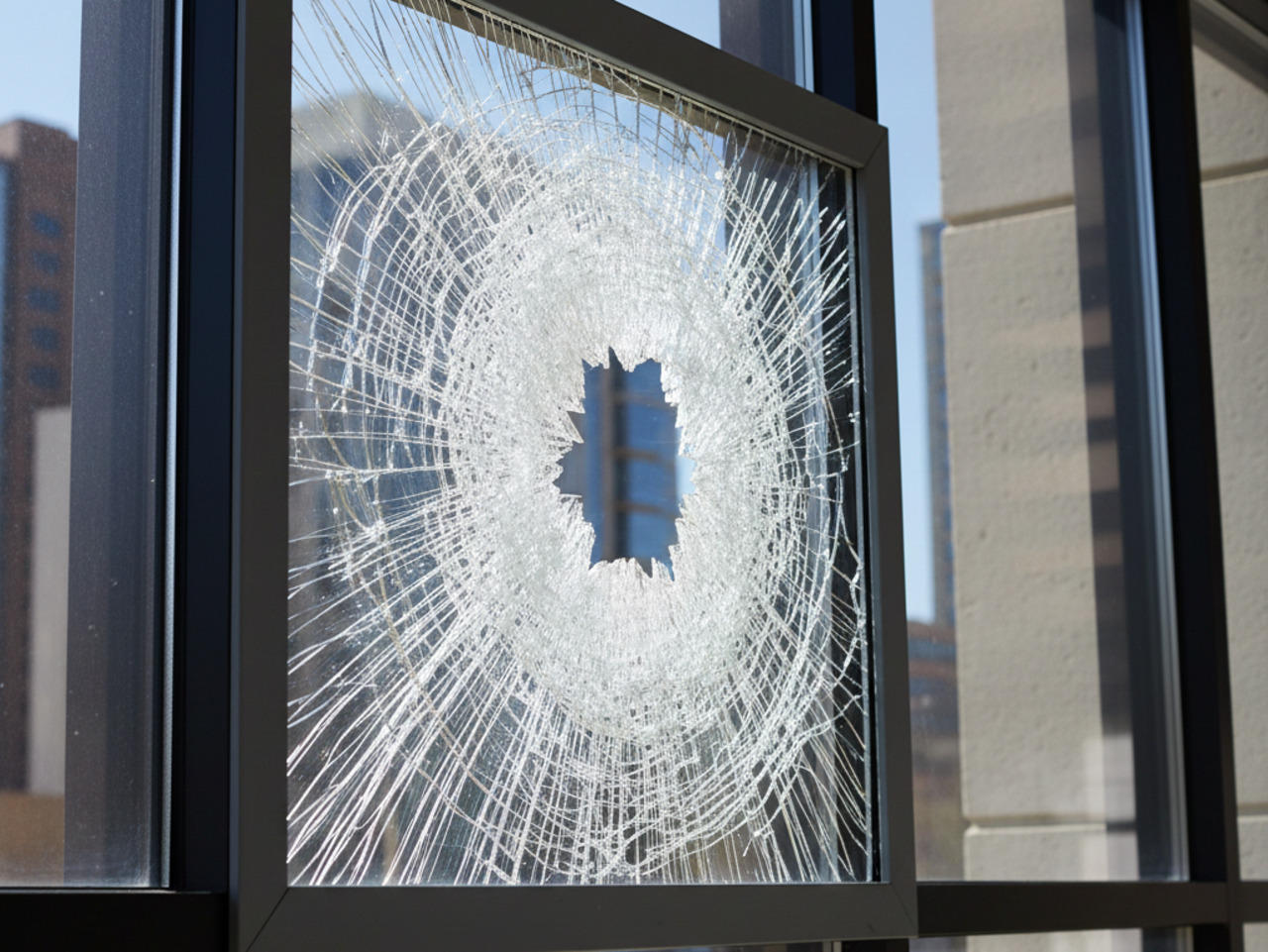
When glass breaks, safety film holds shattered glass together by distributing impact force across the entire film surface rather than concentrating it at the point of contact. The adhesive bond between film and glass creates a composite structure where fragments remain attached to the film layer instead of flying into occupied spaces.
Safety and security window films are designed to hold shattered glass together, significantly reducing the risk of injuries caused by broken glass, especially in high-traffic areas or where children and pets are present. Safety films can help minimize injuries and property damage by holding shattered glass together, preventing dangerous shards from scattering during breakage.
The distinction between safety film and security film lies primarily in thickness and intended application. Safety film focuses on hazard protection—preventing injury from flying glass during accidents or natural disasters. Security window film adds forced entry deterrence through greater thickness and often requires frame attachment systems. Security films are measured in “mils” (one-thousandth of an inch); 8-mil is standard for residential and commercial burglary deterrence.
Material Specifications
The thickness of safety films can vary, with 100 micrometers (4 mils) recommended for glass up to 3 mm (1/8 in) and 175 micrometers for glass over 6 mm (1/4 in), providing different levels of protection against glass breakage. Safety and security window films are available in various thicknesses, from 100 micrometers (4 mils minimum) to over 525 micrometers (21 mils), with the thickness selected based on the level of protection desired and the dimensions of the glass pane.
| Film Thickness | Protection Level | Typical Application |
|---|---|---|
| 4-6 mil | Basic safety | Residential accident protection |
| 8-10 mil | Moderate security | Commercial storefronts, schools |
| 12-14 mil | Enhanced security | High-risk facilities, government buildings |
| 14-21+ mil | Maximum protection | Critical infrastructure, high-value assets |
| Safety window films can block up to 99% of harmful ultraviolet (UV) rays, which helps prevent fading and damage to furniture, flooring, and other valuables. Quality safety films maintain 85-90% visible light transmission, preserving natural lighting while providing protection. The application of safety window films can enhance energy efficiency by reducing solar heat gain and UV exposure, contributing to lower cooling costs in buildings. |
Understanding these specifications enables informed decisions about appropriate protection levels for specific glass windows and risk profiles, including when to consider advanced window protection film solutions to reinforce glass windows and doors.
Types and Applications of Window Safety Film
Window films serve distinct purposes based on building type, risk factors, and protection requirements. Selecting the appropriate film category ensures adequate protection without unnecessary expense.
Residential Safety Film
Films in the 4-7 mil range provide basic accident protection suitable for homes with children, elderly residents, or high-traffic areas near glass doors and large windows. These films address common household risks including:
- Sliding glass doors that may shatter from impact
- Large picture windows vulnerable to sports equipment or thrown objects
- Bathroom glass enclosures where slips could cause contact with glass
- Glass surfaces near stairways requiring safety glazing compliance
Safety films are effective in protecting against injuries from broken glass, making them suitable for high-traffic areas, homes with children, and commercial spaces. Building codes often require safety glazing in hazardous locations, and safety film can bring existing annealed glass into compliance without full

window replacement, which should be evaluated in light of applicable safety and security glazing standards and test methodology.
Commercial and Institutional Films
Commercial applications typically require 8-14 mil films capable of withstanding deliberate impact attempts and severe weather events. Safety film is often marketed for storefronts and home patio doors, engineered to withstand blows from baseball bats or rocks.
Schools, hospitals, and office buildings benefit from this added layer of protection against, especially when using 3M™ Scotchshield™ Ultra Series commercial safety and security window films:
- Smash-and-grab burglary attempts at ground-level windows
- High winds carrying debris during storms
- Seismic events that cause glass breakage
- Vandalism targeting visible glass surfaces
Safety and security window films are designed to delay forced entry, providing critical time for help to arrive during an attempted burglary. Safety films can provide additional protection during natural disasters, such as earthquakes and hurricanes, by holding shattered glass in place and preventing injury from flying shards.
Specialty Applications
Graffiti-resistant films feature sacrificial surface layers that absorb scratches, etching, and tagging. Property managers can replace the outer layer periodically without affecting the underlying safety film or glass.
Solar control safety films combine heat reduction with protection, rejecting solar energy while maintaining security features. These dual-purpose films reduce cooling costs in buildings while providing glass breakage protection and are widely available from window film specialists offering security, solar control, and decorative films.
Safety and security window films can be applied in food processing facilities to contain glass fragments should breakage occur, preventing contamination of food products. Decorative safety films offer privacy through frosted or patterned surfaces while maintaining protective qualities.
Installation Methods and Best Practices
Proper installation determines whether safety window film achieves its protective potential. Installation quality affects adhesion strength, optical clarity, warranty validity, and long-term performance.
Professional vs DIY Installation
Professional installation is recommended when working with advanced 3M window film products and professional installation services or when:
- Films exceed 6 mil thickness
- Warranty compliance requires certified installers
- Frame attachment systems are necessary for security applications
- Building codes require documented installation
- Multiple windows or complex shapes increase difficulty
DIY installation suits 4-6 mil films with pressure-sensitive adhesives on easily accessible windows. Do-it-yourself window film installation is often appealing because safety window film is a cost-effective security solution that preserves the original appearance of windows while providing passive protection.
Tools required for DIY installation include:
- Quality squeegee for bubble removal
- Sharp utility knife for precise trimming
- Cleaning solutions (ammonia-free)
- Spray bottle for soap solution
- Measuring tape
- Lint free cloth for final cleaning
Step-by-Step Installation Process
The installation process for window film typically involves cleaning the glass, applying a soap solution, and using a squeegee to remove air bubbles and excess water, ensuring a smooth application.
- Surface preparation: Clean the interior surface of glass thoroughly using soap solution and a scraping tool to remove paint, adhesive residue, and debris. Any contamination compromises adhesion.
- Measurement and cutting: Measure window dimensions precisely and cut film leaving 1-inch overlap on all sides for trimming after application.
- Solution application: Spray generous soap solution on both the glass surface and the adhesive side of the film. This allows repositioning during placement.
- Film placement: Position film on the glass, adhesive side down. Adjust alignment before squeegeeing.
- Bubble removal: Using firm, overlapping strokes, squeegee from center outward to remove air bubbles and excess solution. Work methodically to avoid trapping moisture.
- Edge trimming: Using a sharp utility knife against the window frame, trim excess film leaving a small gap at each edge to accommodate expansion.
- Final inspection: Check for remaining air bubbles, debris under the film, and proper edge adhesion.
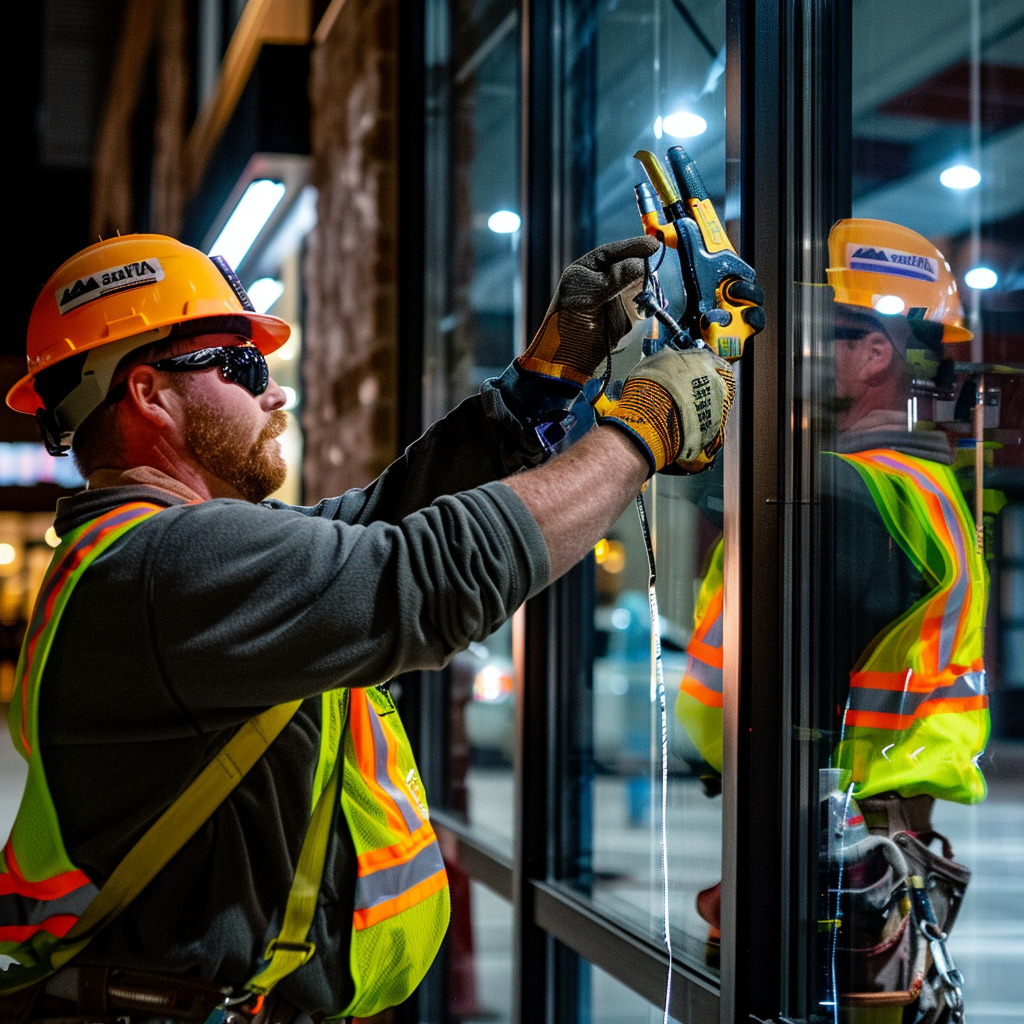
It is recommended to apply window film when the sun is not shining directly on the glass to avoid issues during installation, such as premature drying of the adhesive. The bond between film and glass requires approximately 30 days to cure fully—avoid cleaning or stressing edges during this period.
For security applications requiring maximum protection, frame attachment using wet glaze sealant or mechanical anchoring systems prevents glass from being pushed out of the frame even when shattered.
Quality Standards and Certification
Extensive third-party test reports documenting compliance with impact safety standards help verify that specific film products meet required performance criteria in real-world applications.
Films meeting ANSI Z97.1 and CPSC 16 CFR 1201 standards have been tested to bring glass to safety glazing compliance. These standards require impact tests at specified energy levels to verify shatter retention.
ASTM E1886 and E1996 testing protocols establish hurricane and wind-borne debris resistance for films installed in storm-prone regions. GSA certification applies to government installations requiring documented security performance.
Professionally installed films from certified installers typically include manufacturer warranties covering adhesive failure, discoloration, and delamination for 10-15 years.
Common Challenges and Solutions
Even quality safety films encounter issues during installation or over their service life. Working with an experienced nationwide window film retrofit and installation company can help identify and resolve these concerns early so that recognizing problems and addressing them correctly maintains protective performance.
Bubble Formation and Adhesion Problems
Air bubbles result from inadequate surface preparation, insufficient solution application, or improper squeegeeing technique. Small bubbles (under 1/8 inch) typically disappear during the curing period as moisture evaporates through the film.
Solution: Clean glass multiple times using lint free cloth and scraping tools until no residue remains. Apply generous solution during installation and use firm, overlapping squeegee strokes from center to edge. Maintain installation environment between 40-90°F with moderate humidity.
Need More Info?
The Window Film Depot team is happy to help.
Film Damage and Replacement
Signs requiring replacement include visible cracks in the film, edge peeling exceeding repair, clouding or discoloration affecting visibility, and delamination from the glass surface. Safety films can help protect against injuries from flying glass during natural disasters, such as earthquakes, by retaining glass in its frame and preventing shards from causing harm—but only when film integrity remains intact.
Solution: Score damaged film carefully with a utility knife, then peel slowly to avoid leaving adhesive residue. Use adhesive remover if necessary, clean thoroughly, and install replacement film. Patch repairs are generally unsuitable for safety applications as they compromise structural integrity.
Building Code and Warranty Issues
Local building codes may require specific film ratings or professional installation documentation for compliance. Installing unapproved films or using DIY methods in code-required locations creates liability exposure.
Solution: Verify local code requirements before selecting film. Obtain written specifications from film manufacturers confirming code compliance. Request installation certificates from professional installers documenting the work meets applicable standards. Retain all documentation for property records and potential insurance claims.
Window manufacturer warranties may be voided by film application, particularly on double-pane insulated glass units. Confirm compatibility before installation to avoid unexpected costs.
Conclusion and Next Steps
Safety film provides cost-effective glass protection that holds broken glass together, prevents dangerous shards from causing injury, and deters forced entry without requiring full window replacement. The technology ranges from basic 4-mil accident protection to heavy security films tested against sustained attack.

Immediate action steps:
- Audit current glass vulnerabilities—identify glass doors, large windows, hazardous locations, and high-risk entry points
- Assess risk factors including burglary rates, storm exposure, building occupancy, and code requirements
- Determine appropriate film thickness based on protection needs and budget
- Obtain quotes from multiple certified installers including material specifications and warranty terms
- Verify local code compliance and window manufacturer compatibility before proceeding
Related topics worth exploring include laminated glass replacement for new construction, integrated security systems combining film with alarms and monitoring, and comprehensive building safety audits addressing all vulnerability points.
Frequently Asked Questions
How long does safety film last on windows?
Premium safety films typically carry warranties of 10-15 years, with actual service life reaching 15-20 years under favorable conditions. Lifespan depends on film quality, installation quality, sun exposure, and maintenance practices. Films on south-facing windows in intense sun may degrade faster than those on shaded surfaces.
Can safety film be applied to double-pane windows?
Yes, many manufacturers approve safety films for double-pane insulated glass units, though film selection requires attention to heat absorption characteristics. Dark or reflective films may cause thermal stress cracking in sealed units. Consult both film and window manufacturers for compatibility confirmation.
Does safety film affect window appearance or visibility?
Clear safety films maintain 85-90% visible light transmission with minimal impact on appearance. Safety window film is a cost-effective security solution that preserves the original appearance of windows while providing passive protection. Tinted or reflective variants alter aesthetics intentionally while providing combined solar and safety benefits.
What’s the difference between safety film and security film?
Safety film primarily prevents injury from broken window glass during accidents, impacts, or natural disasters. Security window film adds thickness and forced entry resistance to delay break ins. The thickness of safety films can range from 100 micrometers (4 mils) to over 525 micrometers (21 mils), with thicker films providing greater protection against break-ins—a key distinction highlighted when you understand the difference between shatterproof and security window films.
Can safety film prevent break-ins completely?
No. Safety and security films delay rather than prevent determined intruders. An 8-mil security film may provide 30-60 seconds of resistance; 12-mil films may extend this to 1-2 minutes. This delay provides time for alarm response and increases risk of detection for intruders.
How much does professional safety film installation cost?
Professional installation typically costs $7-15 per square foot depending on film grade and project complexity. A typical home with 200-250 square feet of glass might cost $2,000-4,500 installed. Security-grade films with frame attachment systems cost more than basic safety films, and detailed window security film installation cost estimates can help homeowners budget accurately.
Is safety film required by building codes for certain applications?
Yes. Building codes including IRC R308 and IBC require safety glazing in hazardous locations such as glass doors, sidelights, stairway glazing, and bathroom enclosures. Safety films can bring existing glass into compliance when tested to applicable standards.
Can damaged safety film be repaired or must it be replaced?
Minor edge lift can sometimes be resealed with adhesive. However, structural damage from impact, extensive delamination, or film failure generally requires complete replacement. Partial patches compromise protective performance and are not recommended for safety applications.
Does safety film void window manufacturer warranties?
Some window manufacturers restrict film application, particularly on insulated glass units where heat absorption could cause seal failure. Review existing window warranty documentation and contact the manufacturer with specific film specifications before installation.
How do I clean and maintain windows with safety film?
Wait 30 days after installation before cleaning to allow full adhesive cure. Use soft cloths and ammonia-free cleaners—avoid abrasive pads or scraping tools that could scratch the film surface. Inspect edges periodically for lifting and address minor issues before they expand. Avoid high-pressure washing unless the film is rated for such exposure.