Table of Contents:
Introduction
Dual reflective window tint loses its mirror effect and privacy benefits at night when interior lighting is brighter than exterior lighting. This fundamental shift in performance catches many homeowners and business owners off guard after installation, as the daytime privacy they expected disappears once the sun sets and interior lights turn on.
This guide addresses dual reflective film behavior specifically during nighttime conditions—covering why privacy reverses after dark, how light intensity controls film effectiveness, and practical solutions for maintaining privacy around the clock. The content targets property owners evaluating window film options or troubleshooting existing installations where nighttime visibility has become problematic.
Direct answer: Dual reflective window film cannot provide reliable nighttime privacy on its own. The film’s mirror like finish depends entirely on exterior light being stronger than interior light—a condition that reverses after sunset when indoor lights dominate.

Key takeaways from this guide:
- Light differential between interior and exterior determines whether dual reflective film provides privacy or transparency
- Standard dual reflective films have interior reflectance of 15-25%, reducing but not eliminating nighttime visibility
- Exterior lighting strategies can partially restore the mirror effect after dark
- Complementary window coverings remain the most effective solution for 24-hour privacy
- Film percentage selection involves direct trade-offs between daytime natural light and nighttime privacy
Understanding Dual Reflective Window Film
Dual reflective window film is a specialized window laminate applied to flat glass that features two surfaces engineered with different reflective properties. Unlike standard reflective window film with uniform reflectivity, this construction creates distinct daytime and nighttime viewing experiences while maintaining solar control benefits, as outlined in our broader overview of what dual-reflective window film is.
How the Mirror Effect Works
The exterior side of dual reflective film uses a highly reflective surface—typically metallized or metalized with pigmented finishes—that bounces back solar heat and creates a one way mirror appearance during daylight hours. This exterior reflectance typically measures 35-50%, strong enough to block views inward while the sun is up.
The inner layer features significantly reduced reflectance, usually 15-25%, designed to minimize interior visibility of reflections when looking outward. This dual construction allows occupants to enjoy natural light and outward views during daytime without the heavy interior reflection that standard reflective window film produces.
The critical principle governing all reflective window film performance is light balance. Whichever side of the glass has stronger light intensity becomes the reflective surface—light bounces back toward the brighter side while allowing visibility from the darker side looking toward the light, the same brightness differential that governs how one-way mirror systems work in real projects.
Day vs Night Light Conditions
During daytime, strong exterior sunlight creates ideal conditions for dual reflective film. The exterior side reflects solar energy effectively, producing the desired mirror effect that blocks inward views while occupants inside can see through the darker interior surface. Visible light transmission in these films typically ranges from 25-45%, balancing daytime privacy with allowing visibility outward.
At night, this light relationship completely inverts. Interior lighting from lamps, fixtures, and screens creates the stronger light source, while the exterior remains dark. The reflective surface now faces inward, and outside observers can see through the glass while interior occupants see their own reflection. This reversal explains why dual reflective film provides excellent daytime privacy but struggles after sunset—a limitation directly tied to physics rather than product quality.
How Dual Reflective Film Performs at Night
Building on the light balance principle, nighttime conditions fundamentally change how dual reflective window film functions. When interior lights activate and exterior darkness sets in, the film’s engineered surfaces work against the privacy goals most owners prioritize.
Privacy Loss at Night
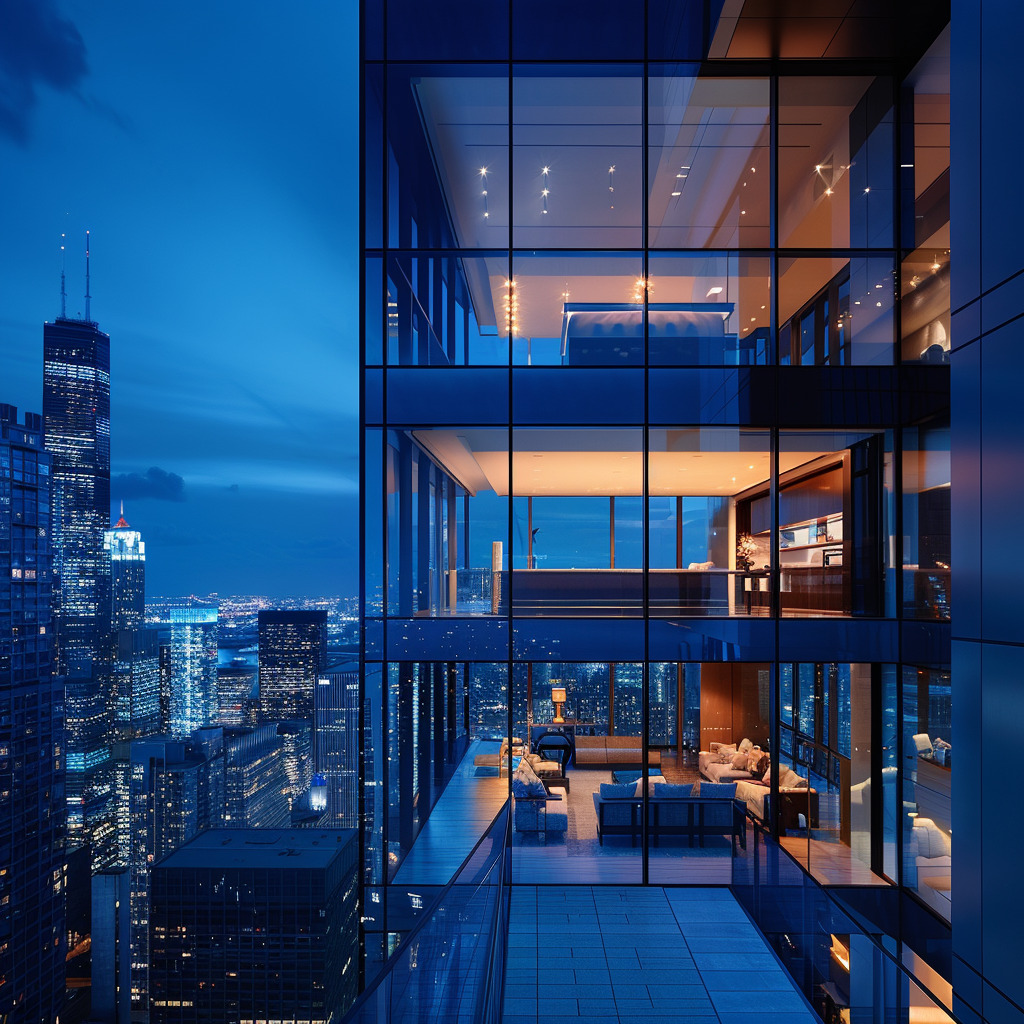
When indoor lights are active after sunset, the brightness inside surpasses exterior light intensity, triggering the mirror effect reversal. The metallized surface of the film now reflects interior light outward, and people outside can see into the space with varying degrees of clarity depending on interior lighting strength and film specifications.
Even dual reflective films with reduced interior reflectance cannot eliminate this visibility effect. The film reduces the “fishbowl” appearance compared to standard one way window film, but nighttime privacy through film alone remains compromised. A brightly lit interior with 15% interior reflectance still transmits enough light for outside observers to see furniture, movement, and occupants—though fine details may remain obscured.
Visibility and Reflection Changes
From outside at night, dual reflective film appears less mirrored than during daylight. Depending on interior lighting intensity, the glass may look somewhat dark or tinted rather than producing the strong reflection of street scenes visible during daytime. This appearance shift signals the privacy loss occurring.
From inside looking out, occupants experience the primary benefit of dual reflective design: reduced interior reflection compared to highly reflective one way film alternatives. The lower interior reflectance means occupants can still see outdoor scenes—street lights, landscape features, passing vehicles—without heavy mirror distortion blocking their view. This interior visibility improvement comes at the cost of the exterior reflection that previously blocked inward views.
Light Transmission at Night
Different film percentages create substantially different nighttime experiences. Films with very low visible light transmission (5-15%) block more light both directions, providing marginally better nighttime privacy but severely limiting outward visibility and natural light during all hours.
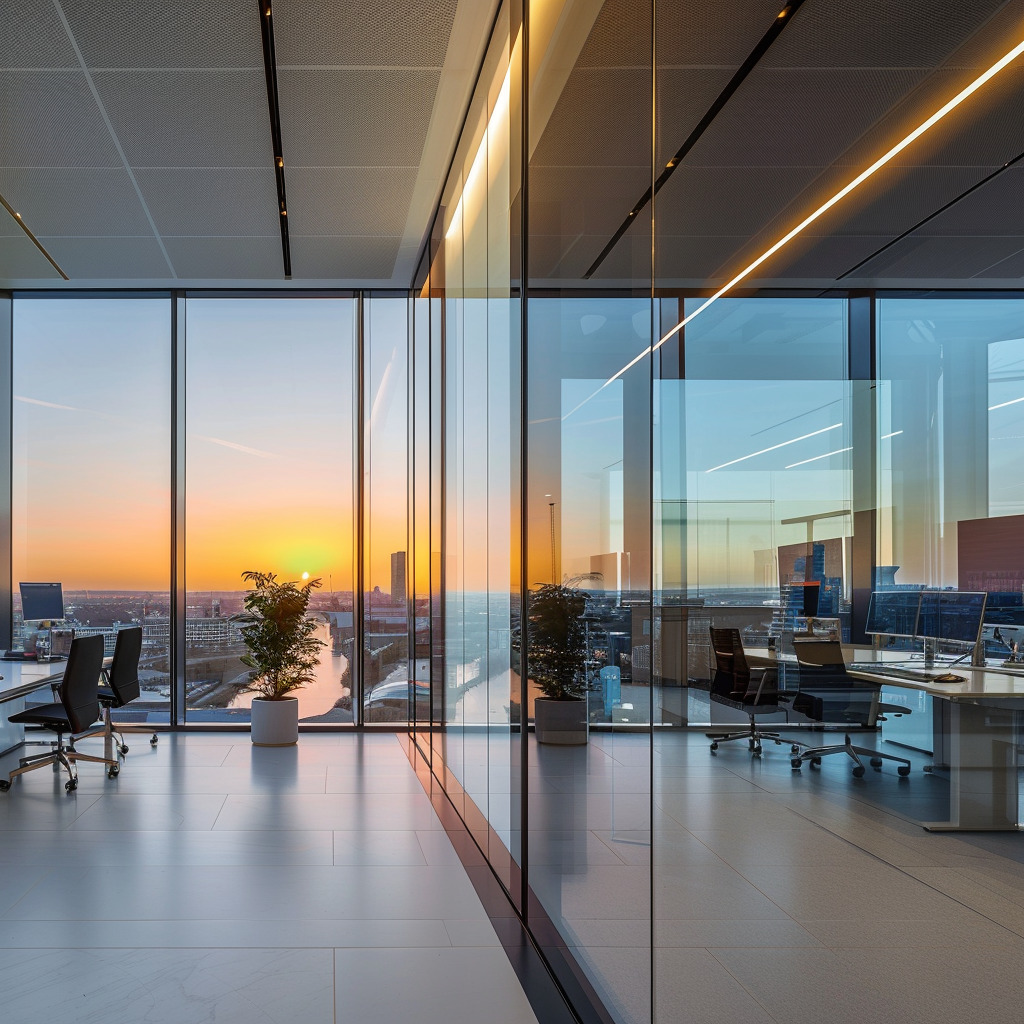
Moderate transmission films (25-45%) represent the typical dual reflective range, balancing daytime light with acceptable nighttime performance. A 35% VLT film allows strong outside visibility with interior lights on, while a 25% film slightly reduces this visibility at the cost of darker interior conditions. No standard dual reflective film percentage eliminates nighttime privacy concerns entirely—each involves trade-offs between light, privacy, and visibility across different conditions.
Key nighttime performance characteristics:
- Interior lights create outward visibility regardless of film percentage
- Lower VLT reduces but does not eliminate privacy loss
- Interior reflectance of 15-25% moderates but doesn’t solve the reversal effect
- Exterior darkness amplifies the contrast that enables inward viewing
Nighttime Privacy Solutions and Alternatives
Maintaining privacy after dark requires strategies beyond dual reflective film alone. The following solutions address the fundamental light differential problem through environmental modification or complementary window coverings.
Exterior Lighting Strategies
Adding exterior light sources can shift the light balance back toward favoring outdoor brightness, partially restoring the mirror effect even after sunset. This approach works best for commercial applications or residential properties where landscape lighting serves dual purposes.
Implementation approach:
- Position lights to illuminate glass surfaces directly without creating glare for neighbors or passersby
- Choose light intensity sufficient to compete with typical interior lighting—generally requiring 200+ lumens directed at window surfaces
- Install lights at angles that maximize glass reflection rather than creating hotspots
- Consider timers or motion sensors to activate exterior lighting during occupied evening hours
This strategy improves nighttime privacy but rarely matches daytime performance levels. Energy costs and maintenance requirements make exterior lighting most practical for entry points, street-facing windows, or commercial storefronts where curb appeal also benefits from illumination.
Complementary Privacy Solutions
Most property owners achieve effective 24-hour privacy by combining dual reflective film with adjustable window coverings. This layered approach preserves solar control benefits during daytime while enabling complete privacy control after dark.
| Solution Type | Daytime Privacy | Nighttime Privacy | Light Transmission |
|---|---|---|---|
| Dual Reflective Film Only | Excellent | Poor | Good (25-45% VLT) |
| Film + Blinds/Curtains | Excellent | Excellent | Controllable |
| Film + Exterior Lighting | Excellent | Good | Good |
| Frosted Film Alternative | Good | Good | Limited |
For residential windows where daytime privacy and heat reduction matter alongside nighttime privacy, dual reflective film combined with blinds or curtains offers the right balance. The film handles solar performance—reducing glare, blocking harmful UV rays, and providing heat rejection—while window coverings address the night time privacy gap.
Frosted or decorative privacy film provides consistent obscuration regardless of light conditions, making it a perfect solution for bathrooms, sidelights, or windows where outward visibility isn’t needed. However, this alternative sacrifices the clear views that make dual reflective film appealing for living spaces and offices, so evaluating day and night privacy window film options helps match performance to each room’s priorities.
Installation Considerations for Nighttime Use
Planning dual reflective film installation with nighttime performance in mind prevents disappointment and ensures the right film selection for each application, especially when you compare the best window film for nighttime privacy across different product types.
Film Percentage Selection
Darker films with 5-15% VLT provide marginally better nighttime privacy by reducing overall light transmission both directions. However, these darker options substantially limit natural light entry and may make interiors feel dim even during daytime. The installation process should account for how room function affects this trade-off.
Films in the 25-35% range offer better daytime comfort while accepting moderate nighttime visibility. Higher VLT options (40-45%) maximize natural light and outward views but provide minimal nighttime privacy improvement. Selecting the right film requires honest assessment of priorities: maximum light versus enhanced privacy after dark.
Window Orientation and Location
Window direction and surrounding environment significantly influence nighttime performance. Windows facing dark alleys, unlit backyards, or areas without street lighting experience the most severe privacy loss—exterior darkness maximizes the light differential favoring inward viewing.
Consider existing ambient light sources: street lighting, neighboring building illumination, landscape lighting, and even moonlight affect how dual reflective film performs after sunset. Windows facing lit commercial areas or well-illuminated streets may retain more privacy than those facing residential darkness.
Room usage patterns also matter. Bedrooms typically require complete nighttime privacy, making dual reflective film alone insufficient without supplementary coverings. Living areas with less critical privacy needs may tolerate some evening visibility in exchange for solar control benefits.
Professional Installation Benefits
Proper installation ensures optimal film performance and avoids complications from poor adhesion or material incompatibility. Professional installers use appropriate slip solution techniques and ultra clear dry adhesive or PS adhesive systems matched to specific glass types.
Dual reflective films containing metallic layers can create more thermal stress on certain glass configurations. Single pane, double pane, and low-E glass each respond differently to film application. Professional assessment prevents issues like thermal stress cracking that void warranties and damage windows. Edge sealing and proper technique reduce haze, bubbles, and unintended glare that compromise both appearance and nighttime visibility.
Common Nighttime Challenges and Solutions
Property owners with existing dual reflective film installations frequently encounter predictable issues. The following challenges have proven effective solutions.
Unexpected Visibility from Outside
Many owners install dual reflective film expecting 24-hour privacy, only to discover the lighting reversal effect during their first evening with interior lights on. The solution involves either modifying light conditions or adding physical barriers.
Actionable solutions: Install exterior lighting directed at window surfaces to shift the light balance, or add blinds, curtains, or shades for evening use. Interior lighting adjustment also helps—moving light sources away from windows, using indirect lighting, or dimming fixtures near glass reduces the contrast that enables outside viewing.
Reduced Interior Ambiance
Dual reflective films with lower VLT improve nighttime privacy marginally but darken interior spaces. This trade-off affects room atmosphere, particularly during evening hours when natural light is already absent.
Practical approaches: Use warm-spectrum interior lighting positioned away from windows to maintain ambiance while reducing outward light transmission. Task lighting set back from glass surfaces provides function without maximizing visibility. Layered lighting with dimmers allows adjustment based on privacy needs versus desired interior brightness.
Seasonal Lighting Changes
Winter months bring shorter daylight hours, meaning interior lights activate earlier and the nighttime visibility window extends. Summer provides longer dusk periods where exterior light competes with interior lighting longer into the evening.
Adaptation strategies: Accept that dual reflective film performance varies seasonally, or install adjustable window coverings for winter months when extended evening hours matter most. Exterior lighting systems with seasonal timer adjustments can also compensate for changing sunset times throughout the year.
Conclusion and Recommendations
Dual reflective window film performance depends entirely on lighting conditions—providing excellent daytime privacy and solar control while losing the mirror effect at night when interior lighting dominates. This physics-based limitation means dual reflective film alone cannot deliver 24-hour privacy, regardless of product quality or proper installation.
Immediate next steps:
- Assess your property’s exterior lighting conditions, including street lights, landscape illumination, and ambient urban glow
- Determine which windows require nighttime privacy versus daytime solar control only
- Plan complementary window coverings for spaces where evening privacy matters
- Consult professional installers about film percentage options matched to your priorities
- Consider exterior lighting additions for windows where physical coverings aren’t desired
Need More Info?
The Window Film Depot team is happy to help.
For property owners prioritizing nighttime privacy above all else, frosted privacy film or switchable smart glass technologies may better serve those needs—though both sacrifice the clear views and daytime mirror effect that make dual reflective film attractive for many applications. Exploring advanced privacy window film solutions can clarify which technologies best balance aesthetics, performance, and cost. The right film choice depends on honestly weighing solar performance, energy efficiency, UV protection, and realistic privacy expectations across all lighting conditions.
Frequently Asked Questions
Does dual reflective window film provide privacy at night?
Dual reflective window film provides poor nighttime privacy when interior lights are on and exterior conditions are dark. The mirror effect reverses direction based on light intensity—whichever side has stronger light becomes visible from the darker side. At night with interior lighting active, outside observers can see into the space while interior occupants see their own reflection.
How can I improve nighttime privacy with dual reflective film?
Three strategies improve nighttime privacy with existing dual reflective film: add exterior lighting directed at window surfaces to shift the light balance, install blinds or curtains for evening use, or modify interior lighting by dimming fixtures near windows and using indirect light sources positioned away from glass. Combining exterior lighting with adjustable coverings provides the most complete solution.
What percentage of dual reflective film works best for nighttime use?
Lower VLT percentages (5-15%) provide marginally better nighttime privacy by reducing overall light transmission, but substantially darken interior spaces. Most dual reflective films in the 25-45% range balance daytime light with acceptable nighttime performance. No standard percentage eliminates nighttime privacy concerns—each involves trade-offs between light, visibility, and privacy.
Can exterior lighting restore the mirror effect at night?
Exterior lighting can partially restore the mirror effect by shifting the light balance toward outdoor brightness. Effective exterior lighting requires sufficient intensity (200+ lumens directed at glass), proper positioning to illuminate window surfaces without creating glare, and strategic placement competing with interior light sources. This approach improves but rarely matches daytime privacy levels.
Are there better alternatives for 24-hour privacy?
Frosted or decorative films provide consistent privacy regardless of lighting conditions, making them effective solutions for 24-hour privacy needs. However, these alternatives sacrifice clear outward views. Smart glass technologies with dynamic tinting can adjust reflectivity automatically but carry significantly higher costs. For most applications, combining dual reflective film with adjustable window coverings offers the best balance of solar control and privacy flexibility.
How does dual reflective film compare to frosted film for nighttime privacy?
Frosted film provides consistent privacy day and night by scattering light in all conditions—it doesn’t depend on light differential like reflective films. Dual reflective film offers excellent daytime privacy plus clear views and solar heat rejection, but loses privacy effectiveness at night. Frosted film sacrifices transparency and views for reliable 24-hour obscuration. Choice depends on whether outward visibility or constant privacy matters more for each specific window.
Will interior lights always make dual reflective film transparent from outside?
Yes, when interior lights create stronger light intensity than exterior conditions, dual reflective film allows outside viewing. The degree of visibility depends on interior lighting strength, film VLT percentage, and any ambient exterior light. Even low interior reflectance films (15-25%) transmit enough light for outside observers to see shapes, furniture, and movement when interior lights are on and exterior conditions are dark.
What’s the difference between dual reflective and one way mirror film at night?
Both film types depend on light differential and lose privacy effectiveness at night when interior lighting dominates. The key difference is interior reflectance: dual reflective film has reduced interior reflectivity (15-25%), allowing occupants to see outward more clearly at night despite losing privacy. Standard one way mirror film typically has higher interior reflectance (35-55%), creating stronger interior mirror images while offering similarly poor nighttime privacy. Neither type provides nighttime privacy through the film alone.