If one room in your home always feels hot, bright, or exposed, the problem may not be your HVAC system. It may be the glass. Modern window film is a thin layer applied to a window to manage heat, light, glare, privacy, and uv rays without replacing the entire window.
In 2026, more homeowners are choosing house window tint because it can solve several everyday issues at once: hot rooms, fading floors, uncomfortable sunlight, higher energy costs, and street-facing windows that feel too visible from outside.
This guide explains how residential window tint works, the main types of films, what to expect for price and installation, and how to decide where tinting makes the most sense in your home.
Table of Contents:
How House Window Tint Works
Window film is commonly made from polyester, ceramic, metalized layers, or a combination of materials. It is applied to the inside surface of the glass in most homes, although exterior films may be used when access or glass design requires it. Once applied, the film changes how visible light, infrared heat, and harmful uv rays pass through the window.
Three measurements are useful when comparing products. Visible Light Transmission, or VLT, measures how much light enters a space. Solar Heat Gain Coefficient, or SHGC, indicates how much solar heat enters through glass. Heat reduction of window films is measured by Total Solar Energy Rejection, or TSER.
Different constructions create different results:
- Dyed films add shade and reduce brightness, but they usually offer less infrared heat control.
- Metalized films reflect the sun’s heat and often create a mirror-like finish.
- Ceramic films use non-metal particles to block heat while keeping a cleaner, less reflective style.
- Specialty films can be matched to Low-E glass, HOA rules, or specific design requirements.
Modern residential window tint is designed to be safe for common glass types when correctly specified. That matters because dark, heat-absorbing film can crack dual-pane windows if the wrong product is installed on the wrong glass.
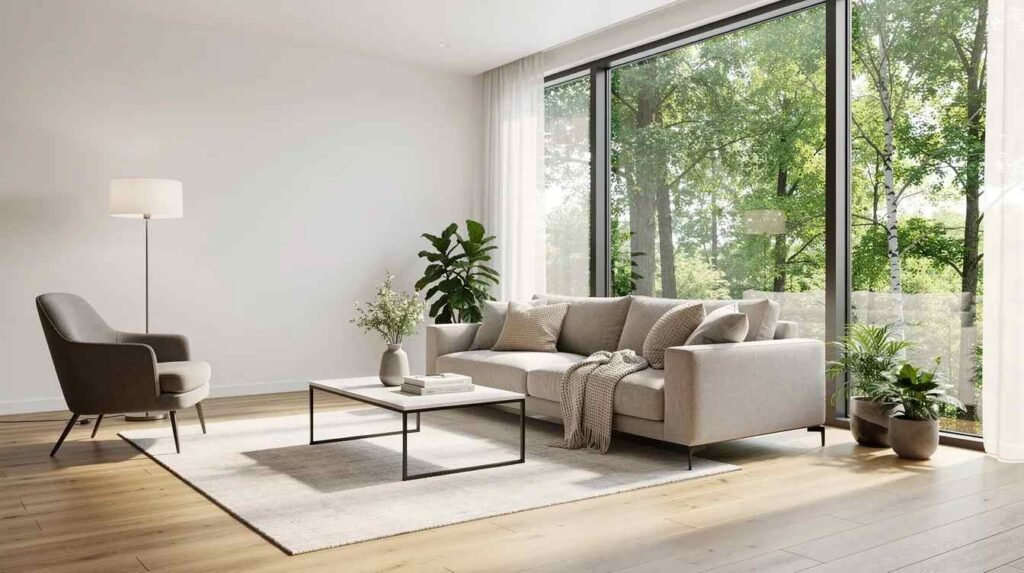
Benefits of House Window Tint for Your Home
A single tinting project can improve comfort, reduce glare, add privacy, protect furnishings, and support energy savings. The majority of results depend on film type, window direction, and how much sun the room receives. South- and west-facing glass commonly sees the biggest difference.
Improved Comfort & Temperature Control
Solar control films can block 50% to 80% of solar heat gain depending on the product and existing glass. Ceramic film blocks 65% of heat and UV rays, while non-reflective film blocks 35% of heat and UV rays. Silver reflective film rejects over 75% of heat, making it useful for very hot exposures where appearance rules allow a reflective finish.
Think of a south-facing living room in July. If the couch near the glass becomes uncomfortable by afternoon, window tint can reduce the heat coming through the glass, even while preserving natural light. Tinting can reduce air conditioning needs in summer and help the room feel more consistent.
Reduce Glare on Screens Without Closing the Blinds
Glare is the harsh brightness that makes it hard to see a TV, laptop, phone, or monitor when sunlight hits the glass. Tinting reduces glare from sunlight on screens, helping you keep the room usable during bright parts of the day.
Blinds and curtains can block glare, but they also darken the room and remove the view. Window film can reduce glare while still allowing natural light inside, which is especially helpful in home offices, family rooms, and kitchens.
UV Protection for Skin, Floors, and Furniture
Many residential films block up to 99% of UVA and UVB radiation, and some premium products go higher. Window tint blocks up to 99.9% of UV rays. Tinted windows can block up to 99.9% of UV rays, depending on the film selected and the glass system.
This uv protection matters because long-term sun exposure contributes to fading in hardwood floors, rugs, artwork, upholstery, and furniture. Tinted windows can help protect furniture from fading, and they also help protect skin from long periods of indoor sun exposure near large windows.
Daytime Privacy & Security
Tinted windows create a mirror-like effect for privacy, especially when the outside is brighter than the inside. Tinting makes it harder for intruders to see inside, and tinting can deter potential burglars from targeting homes because valuables and room layouts are less visible.
Standard daytime privacy tints lose their effect at night when interior lights are on. For true privacy after dark, frost and decorative films provide privacy day and night, or you can pair daytime privacy film with blinds or curtains. Security film helps hold glass together during disasters, and security film strengthens windows against forced entry by making it harder to quickly break through and gain entry. It does not make glass unbreakable, but it can slow intruders and reduce flying shards.
Energy Savings & Environmental Impact
By reducing solar heat gain, window tint can lower air conditioning use and reduce energy bills. Industry case studies commonly show 10% to 30% cooling energy savings in warm climates, with results depending on window orientation, utility rates, and film choice.
Tinting can reduce energy costs significantly, especially in older homes with clear or single-pane glass. Older windows benefit most from window tinting because they often allow more heat transfer than newer high-performance windows. Window films can keep heat inside during winter months, and in colder months they may help reduce heating costs by adding a thin insulating layer to the glass. Less energy use also means a smaller household carbon footprint.
Types of Window Film for Homes
Not all window films are designed for the same purpose. The best solution depends on whether your main goal is heat control, privacy, style, security, or a balance of all four.
Solar Control Window Film
Solar control film is designed to cut heat, glare, and uv rays while preserving natural light. Light, medium, and dark options are available, so the final look can be subtle or more shaded depending on the room.
High-performance ceramic window film is popular because it rejects infrared heat without a highly reflective appearance. It works well in living rooms with large windows, home offices, sunrooms, west-facing glass, and sliding doors.
Privacy & Reflective Films
Privacy films make it more difficult to see inside during the day. They may be frosted, tinted, reflective, or decorative. Privacy films come in various colors and patterns, so homeowners can match the film to both privacy needs and curb appeal.
Reflective films work best when the sun is brighter outside than the lights are inside. At night, the effect can reverse, so street-facing bedrooms and front rooms may still need curtains or blinds after dark.
Decorative & Frosted Films
Decorative and frosted films mimic etched, stained, or patterned glass. They are commonly applied to bathroom windows, entry doors, sidelights, office partitions, and other areas where privacy matters as much as style.
These films can add privacy without making the room feel dark. They are also useful for rentals because some static cling products can be removed with less residue than permanent adhesive films.
Security & Safety Window Film
Security films are thicker than standard solar films and are designed to help hold shattered glass in place. They can reduce injury from flying shards during impacts, storms, or other disasters.
Security film is often recommended for ground-floor windows, sliding doors, and vulnerable entry areas. Professional installation is especially important because edge attachment, surface prep, and precision affect performance in the event of forced entry.
Specialty and Low-Reflective Films
Specialty options include spectrally selective, dual-reflective, low-reflective, and Low-E-compatible films. These are useful when you want performance without changing the exterior look too much.
If your home has newer windows, triple-pane glass, or Low-E coatings, get professional guidance before you install. The right solution should match the glass, warranty, climate, and appearance rules. If product specs open from a manufacturer page or CDN address containing terms like edgesuite, check that you are viewing the current secure https resource rather than an old http reference.
How Much Does House Window Tint Cost in 2026?
In 2026, residential window film installation commonly ranges from about $6 to $15 per square foot, while thicker safety products may cost more. Pricing usually includes the film, labor, basic glass preparation, trimming, cleanup, and a standard warranty.
The final price depends on the film, window size, access, and installation difficulty. A custom quote is more reliable than a flat estimate because every home has different glass, frames, and room conditions.
Average Price Ranges by Film Type
Typical installed ranges include:
| Film type | Approximate installed price |
|---|---|
| Standard solar or dyed film | $6–$8 per sq. ft. |
| Reflective or privacy film | $7–$10 per sq. ft. |
| Decorative or frosted film | $8–$12 per sq. ft. |
| Ceramic or spectrally selective film | $10–$15 per sq. ft. |
| Security film | $12–$18+ per sq. ft. |
Premium ceramic and spectrally selective products cost more, but they can provide stronger heat control with less visible darkness. Very low prices may mean lower quality, limited warranty coverage, or thinner glue layers that fail sooner.
Home & Window Factors That Affect Cost
Installation requires accurate window measurements for best results. Tall windows, arched glass, half-moon shapes, old residue, damaged frames, and limited access can increase labor time. Multi-story work may also require ladders, staging, or special tools.
Tinting an entire home is often more cost-effective per square foot than doing one window because setup time is spread across a larger project. Before you pay a deposit, ask what is included, what would count as extra prep, and whether HOA permission is needed for reflective films.
Energy Savings and Payback Period
Energy savings over several years can offset part of the installation cost. For example, a typical 3-bedroom home in a warm climate may reduce cooling costs by 10% to 30% if the most sun-exposed glass is treated with the right film.
Payback varies by climate, energy costs, glass condition, and film type. Still, many homeowners decide the comfort, privacy, protection, and lower utility use are worth the investment even before the project pays back in money alone.
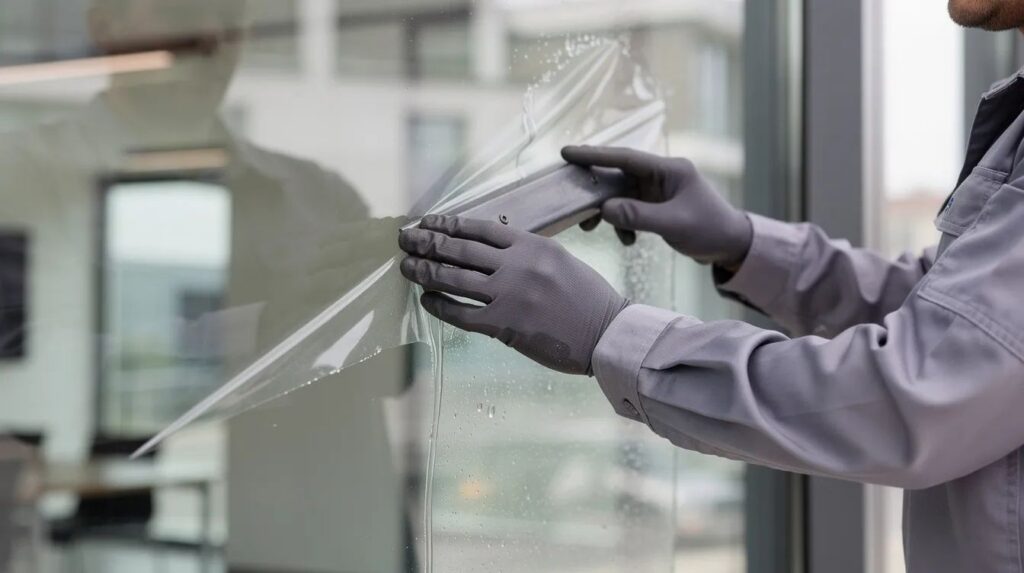
DIY vs Professional Installation: What Homeowners Should Know
DIY films can work for small projects, but pro-grade architectural films require more skill. The main difference is not just the film; it is the measuring, cleaning, cutting, application solution, edge trimming, and product selection.
When DIY Window Film Makes Sense
Static cling films can be applied using just water and included tools. They are useful for renters, small bathroom windows, sidelights, or temporary style upgrades.
For DIY work, expect to use a spray bottle, slip solution, squeegee, utility knife, and lint-free cloth. Using a squeegee helps remove bubbles during installation. Two-person installation is recommended for larger windows because wide sheets can crease or shift. Installation can take longer than 15 minutes per window, especially if the glass needs extra cleaning.
Advantages of Professional Installation
Professional installers help select the correct film, measure precisely, cut clean edges, and avoid bubbles or patterns that do not line up. They also understand glass compatibility, including tempered, double-pane, and Low-E windows.
For large windows, high glass, or whole-home tinting, professional installation usually creates better results and longer life. Manufacturer-backed warranties may also require certified installation.
What to Expect During Installation Day
A typical install includes measuring, cleaning the glass, spraying solution, applying the film, trimming edges, squeegeeing out water, and cleaning up. Some haze or small water pockets are common at first and clear as the film cures.
Move furniture slightly away from the window, clear access, and ask when you can clean the glass again. Avoid tape, suction cups, harsh cleaners, and anything that could pull at the film before curing is complete.
Best Places in Your Home to Install Window Film
Strategic placement matters. Not every room needs the same shade, film density, or level of privacy.
Living Rooms, Family Rooms, and Sunrooms
Large picture windows and sliding doors often benefit from solar control or ceramic film. These rooms commonly deal with hot couches near the glass, glare on TVs, and fading floors or rugs.
A medium tint can balance comfort, view, and curb appeal. Dark films may be better for rooms used as media spaces.
Bedrooms and Street-Facing Windows
Bedrooms need privacy and stable temperatures. Reflective or privacy films work well for street-facing glass, while decorative frost can help ground-floor bedrooms keep light without giving up privacy.
For nurseries or bedrooms used as offices, lighter films may be a better match because they reduce glare without making the room feel closed in.
Bathrooms, Entry Doors, and Sidelights
Frosted and decorative films are ideal for bathrooms, entry doors, and sidelights. They block direct views while allowing light through.
Homeowners can choose translucent, patterned, or nearly opaque designs. This is a quick way to improve entry privacy and enhance your home’s curb appeal without replacing doors or glass.
Home Offices and Media Rooms
Home offices often need glare control more than darkness. Light to medium solar films help maintain consistent lighting and reduce eye strain on monitors.
Media rooms can use darker films to control stray sunlight and improve screen viewing. Match the film to how the room is actually used during the day and night.
Window Film Care, Maintenance, and Longevity
Quality films can last 10 to 20+ years when installed and maintained correctly. Lifespan depends on sun exposure, film quality, interior versus exterior application, climate, and cleaning habits.
Cleaning Tinted Windows Safely
Wait for the recommended cure period before cleaning. Use mild soap, non-ammonia cleaner, soft cloths, or a rubber squeegee.
Avoid razor blades, abrasive pads, and harsh chemicals. Light cleaning as needed and deeper cleaning a few times per year is enough for most homes.
How Long Does Window Film Last?
Interior solar and ceramic films often last 15 to 20+ years. Decorative films commonly last 10 to 15 years, while security films can also last many years with proper care.
Exterior-facing films usually have a shorter life because they face weather, UV exposure, and thermal cycling. Always review the warranty so you understand what is covered and for how long.
Signs It’s Time to Replace Your Window Tint
Watch for purple or yellow discoloration, bubbling that does not dry out, peeling edges, cloudiness, or increased heat and glare. These signs may mean the film adhesive is failing.
Do not apply new film over failing material. Old film should be removed properly so the glass is clean and free of glue residue before a new project begins.
FAQ: House Window Tint Questions Homeowners Ask Most
Will house window tint void my window warranty?
It can if the wrong film is applied to certain glass systems. Always check the window manufacturer’s warranty and choose a film that is compatible with your glass type.
Can window tint cause condensation?
Window tint usually does not create condensation by itself. Condensation is more commonly related to humidity, insulation, and temperature differences at the glass surface.
Does privacy window tint work at night?
Standard daytime privacy tints lose their effect at night when interior lights are brighter than outside. For night privacy, use frosted film, decorative film, curtains, or blinds.
Is window film safe for double-pane windows?
Yes, when the correct product is selected. However, dark, heat-absorbing film can crack dual-pane windows, so glass compatibility should be verified before installation.
Will window tint make my home too dark?
Not necessarily. Modern films come in light, medium, and dark options, and spectrally selective films can reject infrared heat while allowing more natural light.
Does window tint help with security?
Security film helps hold glass together during disasters and can slow forced entry. It does not replace locks or alarms, but it adds another layer of protection.
Will tinting affect resale value?
Clean, well-installed tinting can improve comfort, privacy, and curb appeal. Poorly installed or overly dark film can have the opposite effect, so quality and style matter.
Conclusion: Is House Window Tint Right for Your Home?
House window tint is a practical upgrade if your home struggles with heat, glare, uv protection, fading furnishings, or privacy. The best results come from matching the film to the room, the glass, and the direction of the sun.
Before starting, walk through your home and list the problem windows: the hot west-facing room, the bathroom that needs privacy, the office with screen glare, or the entry glass that feels too exposed.
If you want tailored recommendations, request a quote or schedule a consultation. A professional can help you compare film options, understand warranty details, and choose a solution that looks good, performs well, and fits your budget.