Nearly 75% of existing windows aren’t energy efficient, and one-third of a building’s cooling load comes from solar heat gain through glass. For offices, retail spaces, schools, and medical facilities, that translates to inflated utility bills, uncomfortable hot spots, and fading interiors.
Searching for commercial building window tinting near me connects you with local experts who understand your regional climate, building codes, and the specific needs of your property. Commercial window film solutions deliver a fast ROI by blocking heat, cutting annoying glare, lowering energy bills, and improving safety and security. This article covers the types of film available, real benefits and costs, the installation process, and how to choose the right installer.
Table of Contents:
- What Is Commercial Window Tinting and How Does It Work?
- Key Benefits of Commercial Window Tinting for Your Building
- Types of Commercial Window Film Solutions
- How Much Does Commercial Window Tinting Cost?
- The Commercial Window Tinting Process: From Quote to Installation
- FAQs About Commercial Building Window Tinting Near Me
- Ready to Upgrade Your Commercial Windows? Next Steps
What Is Commercial Window Tinting and How Does It Work?
Commercial window tinting is the application of a thin window film to the interior surface of commercial windows and glass doors. Heavy-duty polyester films bond to glass with strong adhesives, layered with UV-blocking coatings and sometimes ceramic or nano-ceramic particles for heat rejection. By 2026, commercial window film technology offers better clarity, longer warranties (15–20 years), and improved energy performance compared to older standard tinting.
Unlike automotive tint, commercial window film is engineered for static glazing on buildings – meeting stricter safety standards, fire codes, and aesthetic guidelines. Films range from nearly invisible to reflective films, lightly tinted, or fully decorative depending on your business goals. Professional installation ensures films are applied seamlessly, which is critical for both appearance and warranty coverage.
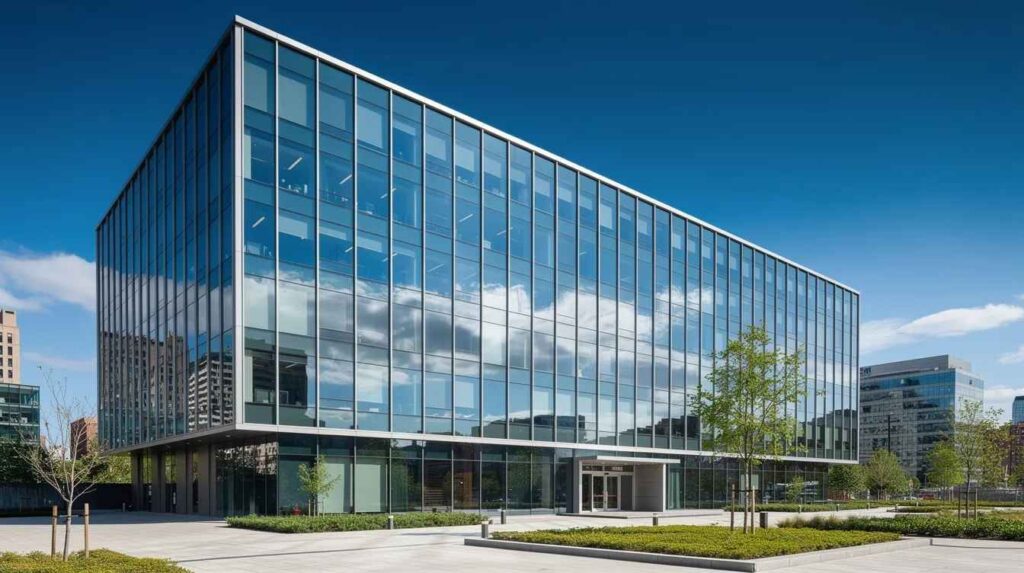
Key Benefits of Commercial Window Tinting for Your Building
The practical business outcomes of professional window tinting go well beyond appearance:
- Blocking heat and lowering energy costs: High-performance films block 40% to 80% of solar heat before entering the workspace. Window tinting can reduce energy costs by 5–15% annually, resulting in lower cooling costs and reduced strain on air conditioning systems. Solar control window film enhances HVAC efficiency by stabilizing indoor temperatures.
- Glare control and productivity: Environmental factors like glare and temperature swings can lower employee productivity by up to 20%. Tinting eliminates harsh glare from intense sunlight, making office spaces and conference rooms more comfortable.
- UV protection: Window films can reduce harmful uv rays by over 99%, preventing fading of furniture, flooring, and merchandise. Commercial window films can protect against UV exposure that destroys interior finishes.
- Privacy and visual appeal: Moderate window films enhance privacy and security by obscuring views into sensitive areas while preserving natural light.
- Safety and security: Security window films hold glass together during breakage, reducing hazards from shattered glass during storms, break ins, or accidents.
These benefits extend HVAC life, reduce energy consumption, and support sustainability targets – making window tinting one of the most cost-effective window treatments for commercial buildings.
Types of Commercial Window Film Solutions
Different commercial window film types solve different problems. Multiple films can be combined across one building – sun control window film on exterior windows, decorative film on conference rooms, anti graffiti window film on street-level glass. Film choice depends on glass orientation, local climate, and how each space is used.
Solar and Sun Control Window Film for Blocking Heat
Solar control window film rejects up to 79% of solar energy, dramatically reducing solar heat gain on south- and west-facing commercial windows. Window films can reject up to 79% of incoming solar energy, translating to 5–15% annual energy savings depending on climate and glass type. These films cut glare, eliminate hot spots near windows, and may qualify for local utility rebates. A mid-rise office building, for example, can see meaningful reductions in summer cooling costs and improved tenant comfort with solar protection film installed on the most exposed facades.
Low-Reflective and Neutral Commercial Window Films
Neutral and low-reflective films maintain a natural glass look while still improving energy efficiency. They’re popular for storefronts, healthcare facilities, and buildings with strict aesthetic appeal requirements. Window film can create a uniform exterior appearance without the dark, mirrored look. Reflective films provide a modern look for commercial buildings while still offering solid uv protection and glare control – ideal for businesses wanting daylight and a clear view without sacrificing solar protection.
Decorative Window Film for Conference Rooms and Branding
Decorative window film offers various designs and patterns – frosted finishes, gradient designs, geometric patterns, and custom-printed graphics with brand colors or logos. Professional installers can enhance aesthetic appeal with decorative films in lobbies, glass partitions, and reception areas. Decorative window film enhances aesthetics with various designs while adding privacy to conference rooms and private offices. Decorative films can mimic etched glass at lower costs, and window tinting can block unattractive views and hide clutter behind interior glass walls. Updating these films is simple when branding changes.
Safety and Security Commercial Window Film
Security window film holds glass together during breakage, preventing dangerous shards from scattering. Safety and security films protect against break ins and vandalism at street-level glass, schools, pharmacies, banks, and data centers. Safety films defend against storms and seismic tremors, making them essential for buildings in areas prone to natural disasters. Some security film options also provide solar control benefits for dual protection and energy savings.
Anti Graffiti Window Film for Vandalism-Prone Areas
Anti graffiti window film is a sacrificial layer installed on glass and metal panels in high-traffic areas. If scratched, etched, or painted, the film can be peeled off and replaced at a fraction of glass replacement cost – protecting retail storefronts, transit stations, and street-level displays from repeated damage.
Specialty and Privacy Films for Sensitive Spaces
Privacy films include blackout and whiteout options for storage areas, rooms under construction, or sensitive operational spaces. Reflective films obscure interior views during daylight, making them effective for observation areas, medical suites, and security control rooms. A clinic or legal office, for example, can use privacy films to protect client confidentiality while still allowing natural light to enter.
Where Commercial Window Tinting Makes the Biggest Impact
Not all glass is equal. Benefits differ based on where the window sits in a building and how the space is used.
Office Buildings and Conference Rooms
Tinting minimizes distracting reflections on computer screens and projectors, reducing eye strain in open-plan office spaces and meeting rooms. A mix of solar and decorative window film can create comfortable, private meeting spaces without heavy blinds. Stabilizing temperatures near windows reduces complaints – a far better solution than blackout curtains.
Retail Stores, Restaurants, and Street-Level Commercial Windows
Large display windows expose merchandise to fading from uv rays. Commercial window tinting maintains visibility for customers while reducing interior heat and annoying glare. Anti graffiti film helps retailers avoid repeated costs from vandalized storefront glass, keeping the uniform appearance that attracts foot traffic.
Schools, Healthcare Facilities, and Public Buildings
Security film and sun control film improve safety and comfort in classrooms, waiting rooms, and corridors. Decorative or privacy films address HIPAA-related concerns in medical offices. Energy savings across large campuses with extensive glazing can be substantial, making the investment especially worthwhile for property managers overseeing public commercial spaces.
How Much Does Commercial Window Tinting Cost?
Costs depend on film type, glass condition, accessibility, and total square footage. Here are realistic 2026 price ranges:
| Film Type | Cost Per Square Foot (Installed) |
|---|---|
| Standard solar control film | $7–$12 |
| Ceramic / nano-ceramic film | $12–$18+ |
| Security / safety film | $15–$25+ |
| Decorative / branding film | $8–$15 |
Typical project budgets:
- Small storefront (500–800 sq ft glass): $3,000–$10,000
- Mid-size office suite (1,500–5,000 sq ft): $8,000–$40,000+
- Multi-story building (20,000+ sq ft): six figures, with volume discounts
Factors that increase cost include boom lifts for high-rise access, oversized panes, older or damaged glass, and after-hours installation. High-quality window films can last 10 to 20 years, and energy savings typically provide full payback within 2–4 years. Request a free quote for a site-specific estimate tailored to your building and goals.
The Commercial Window Tinting Process: From Quote to Installation
Professional commercial window tinting services follow a structured process designed to minimize downtime for your business.
On-Site Consultation and Film Recommendations
A consultant measures your commercial windows, notes building orientation, and discusses pain points – heat, glare, fading, privacy, or anti graffiti risk. They’ll present film samples on your actual glass so decision-makers can see appearance under real lighting. Local regulations often dictate window reflectivity and darkness percentages, and an experienced installer will factor those into recommendations.
Professional Installation on Commercial Windows
Installers clean surfaces, precisely measure and cut film, apply it wet, squeegee out moisture, and finish edges cleanly. They protect flooring and furniture, coordinating area by area to limit disruption. Minor haziness after installation is normal and clears as the film cures over several days. Small projects take a day; larger buildings may require a few weeks.
Aftercare, Warranties, and Maintenance
Wait for full curing before cleaning new film – typically 30 days. Use soft cloths, non-abrasive cleaners, and avoid razor blades on film surfaces. Factory backed warranties guarantee film performance after installation, covering peeling, bubbling, and discoloration. Professional installation minimizes maintenance needs for window films, but schedule periodic visual inspections and contact your installer if damage appears.
How to Choose the Best Commercial Window Tinting Services Near You
Experienced local installers make a measurable difference in film performance and longevity. Look for years in business, manufacturer certifications, a portfolio of similar commercial projects, and verified reviews. Demand detailed written proposals with film specs, SHGC values, and warranty terms. Choose a company specializing in commercial window film – not just automotive tinting.
Questions to Ask a Commercial Window Tinting Company
- What film type do you recommend for my specific needs, and why?
- What projected energy savings can I expect based on my building?
- What is the expected lifespan of the film?
- How will you minimize disruption during business hours?
- Do you offer decorative film options for conference rooms and anti graffiti solutions for street-level glass?
- What does your warranty cover, and for how long?
- Can you provide references from similar office buildings or commercial properties?
Compare proposals on film quality, installation methods, and post-install support – not just price per square foot.
Why Choose Our Team for Commercial Window Tinting
We specialize in commercial window tinting services for offices, retail centers, schools, and healthcare facilities. Our trained installers deliver consistent results using a full range of commercial window film solutions: solar control, decorative film, safety and security film, and anti graffiti window film. Every project starts with an on-site assessment, tailored recommendations, a clear proposal, and flexible scheduling – including evenings and weekends when needed. Our local expertise means we understand regional sun angles, climate patterns, and typical commercial building types in your area. We focus on clear communication, tidy job sites, and long-term support for property managers and facility teams.
FAQs About Commercial Building Window Tinting Near Me
How long does installation take?
Most small to mid-size projects finish in 1–3 days. Larger multi-story buildings may take several weeks, coordinated to avoid disrupting your business environment.
How long does commercial window film last?
High-quality films last 10 to 20 years with proper care. Warranties vary by film type and manufacturer.
Will tinting reduce natural light in my building?
Modern spectrally selective films retain 60–75% visible light transmission while rejecting infrared heat. Your spaces stay bright with less heat and glare.
Do tenants need to leave during installation?
No. Most professional window tinting is completed with occupants working normally. Installers coordinate room by room.
Does window film work on double-pane or low-E glass?
Yes, but compatibility must be verified. Your installer will confirm glass type to avoid thermal stress issues.
Can decorative window film be changed later?
Absolutely. Decorative film can be removed and replaced without damaging the glass – perfect for rebranding.
How quickly do energy savings offset costs?
Installation can reduce energy costs by 5–15% annually. Most commercial projects see full payback within 2–4 years. Most window films provide over 99% UV protection, adding further value through reduced skin damage risk and interior preservation.
Ready to Upgrade Your Commercial Windows? Next Steps
The right commercial window film pays for itself through lower energy bills, improved comfort, better aesthetic appeal, and long-term protection for your property. Whether you need solar protection for an energy efficient upgrade, decorative film for your lobby, or security film for street-level glass, a local specialist can match the right solution to your building.
Contact us today for a free quote – send us your square footage, photos, and goals, or schedule a site visit. Professional installation means minimal disruption and maximum long-term value for your business.