Table of Contents:
Introduction
One way mirror window film transforms ordinary glass windows into privacy screens that reflect light outward during the day while allowing you to see outside clearly. This reflective window film provides an affordable alternative to expensive one way mirror glass, making it practical for homeowners and business owners who want to create privacy without sacrificing natural light or views.
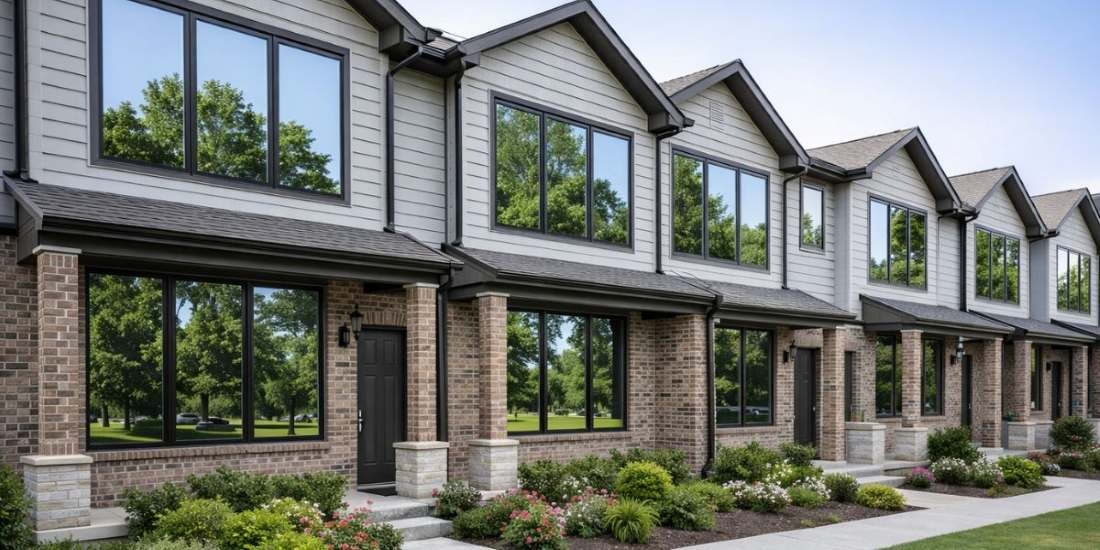
This guide covers everything you need to know about one way window film for residential and commercial applications, including how the mirror effect works, which film types suit different needs, proper installation techniques, and how to solve common challenges. Whether you’re a DIY enthusiast tackling your first window project or a business owner evaluating privacy window film options for your office, this content addresses your specific situation.
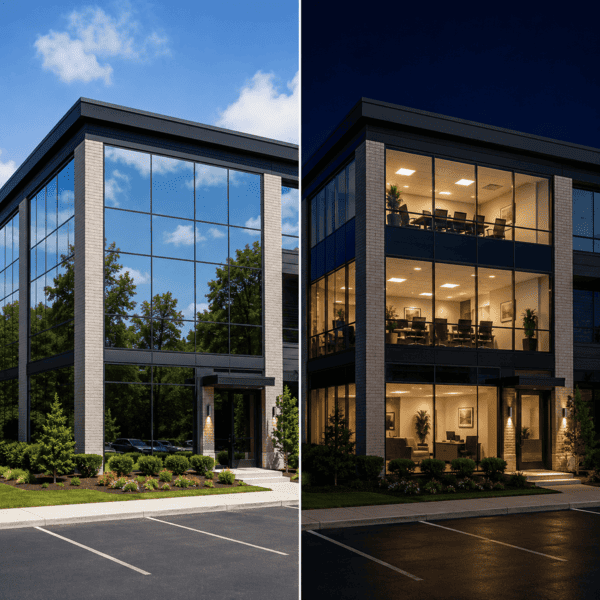
Direct answer: One way mirror film creates daytime privacy by using a metallic reflective layer that bounces outside light back, making the exterior appear mirror-like while the interior remains transparent—but this effect reverses at night when the light inside becomes brighter than outside light.
By reading this guide, you will:
- Understand exactly how one way window tint achieves privacy and when it works
- Compare different film types by reflectivity, heat rejection, and cost
- Learn proper installation steps to avoid air bubbles and peeling
- Discover solutions for nighttime privacy limitations
- Calculate whether professional installation makes sense for your project
Understanding One Way Mirror Window Film
Before selecting or installing mirror window film, you need to understand the science behind how it works and what materials create the privacy effect. This foundation helps you set realistic expectations and choose the right product.
What is One Way Mirror Window Film
One way mirror window film is a thin polyester (PET) sheet with a metallic reflective coating that you apply to glass windows to create privacy. The film typically includes multiple layers: a clear polyester base, a vacuum-deposited metal layer (usually aluminum or silver), a protective topcoat, and an adhesive backing for attachment to the window surface.
The privacy mechanism depends on light reflection properties. When the exterior is bright and the interior is relatively dark, the metallic coating reflects sunlight back toward viewers outside, creating a mirror effect that obscures the view into your space. Meanwhile, you see through the film clearly because your eyes receive the stronger transmitted daylight from outside.
This makes one way mirror film an affordable privacy solution compared to replacing windows with specialty one way mirror glass. Film installation costs roughly $8-15 per square foot installed, while custom one way window glass requires complete window replacement at significantly higher expense and disruption.
How the Mirror Effect Works
The way mirror technology creates one-way visibility depends entirely on lighting conditions on each side of the glass. This is physics, not magic—and understanding it prevents disappointment.
For the film to work as intended, the exterior must be significantly brighter than the interior. Most quality reflective films require a light ratio of approximately 4:1 (outside brighter than inside) to produce a strong mirror effect. Some high-performance films work with ratios as low as 3:1.
During daylight hours, this ratio occurs naturally. Sunlight reflecting off the metallic coating creates the mirror appearance for anyone looking at your window from outside. They see their own reflection rather than your interior. Inside, you look through a slightly tinted but transparent window because your eyes adjust to the dominant light source coming through.
When conditions reverse—interior lights on at night with a dark room outside—the effect flips. Your lit interior becomes the bright side, making you visible to anyone outside while you see primarily your own reflection in the glass. This reversal is fundamental to how all one way glass and film products work, including those used in police stations and interrogation rooms and in real-world one way mirror projects.
Key Components and Materials
Quality window film privacy products contain several functional layers that determine performance and durability:
Polyester base: The clear PET substrate provides structural stability and optical clarity. Film thickness typically ranges from 1.5 to 4 mil, with thicker films offering better durability and sometimes additional safety benefits.
Metallic reflective coating: A microscopically thin metal layer (aluminum, silver, or proprietary alloys) deposited through sputtering or vacuum processes creates the mirror appearance. The metal type affects both color (silver produces a cool chrome look; bronze and gold create warmer tones) and longevity.
UV protection layer: Premium films block up to 99% of harmful UV rays, protecting furniture, flooring, and artwork from fade damage. This feature provides value beyond privacy by extending the life of interior furnishings exposed to sunlight.
Adhesive backing: Pressure-sensitive adhesive bonds the film to glass. Adhesive quality directly affects installation success and long-term durability—cheap adhesives cause peeling, while quality formulations maintain bond strength for 10-15+ years.
Infrared rejection: Many mirror films include spectral coatings that reflect heat-producing infrared light, reducing solar heat gain and lowering summer cooling costs by 5-15% depending on window orientation and climate, similar to high-performance UV protection window films for homes.
These components work together to deliver privacy, UV protection, and heat rejection in a single application—which explains why one way window film appeals to homeowners seeking multiple benefits from one product.
Types and Applications
With a foundation in how mirror film works, you can evaluate different product types and match them to specific residential or commercial applications. The right choice depends on your privacy needs, aesthetic preferences, and performance requirements.
Residential Applications
Homeowners most commonly install one way mirror film on ground-floor windows facing streets, sidewalks, or neighboring properties where passersby have direct sight lines into living spaces. Bathroom windows, living rooms with large glass doors, and bedroom windows facing public areas benefit most from this treatment.
Privacy without blinds or curtains: Many homeowners value the ability to maintain clear outward views while blocking inward visibility during daytime hours. Unlike blinds or curtains that block light and views entirely, reflective film preserves your connection to the outdoor environment while creating privacy from the street.
Heat reduction for comfort and savings: South and west-facing windows receive intense afternoon sun, creating hot spots and forcing air conditioning systems to work harder. Quality mirror window film rejects 40-80% of solar heat depending on specifications, making rooms more comfortable and reducing cooling costs during summer months.
Glare control for screens: The tinting effect of darker film reduces harsh sunlight that washes out television and computer screens, making living rooms and home offices more functional without requiring heavy window treatments, particularly when using advanced privacy window films for glass windows and doors.
UV protection for furnishings: Sunlight streaming through unprotected glass fades furniture, hardwood floors, rugs, and artwork over time. Film blocking 99% of harmful UV rays significantly slows this degradation, protecting your investment in home furnishings.
However, rooms used primarily at night with interior lights on—like living rooms during evening hours—still need supplementary window treatments for nighttime privacy since the mirror effect reverses when conditions change, and standard reflective films offer limited nighttime privacy.
Commercial Applications
Businesses use one way window film for privacy, security, and professional appearance across various building types and purposes.
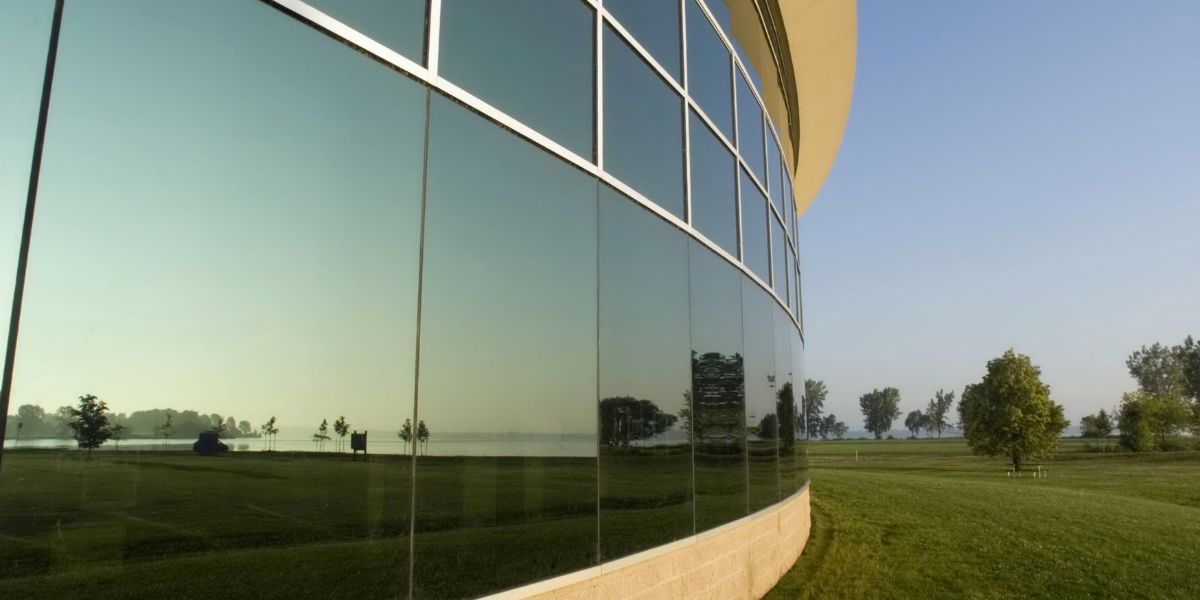
Office buildings and conference rooms: Privacy film on glass partition walls and exterior windows prevents casual observation of meetings, sensitive documents, and employee workspaces. Ground-floor offices in urban areas particularly benefit from daytime privacy without the closed-in feeling of solid walls.
Retail storefronts: Shops use reflective window film to protect merchandise from UV damage while creating a sleek exterior appearance. The mirror effect adds visual interest to storefronts while preventing direct visibility into back-of-house areas during business hours.
Medical and professional offices: Waiting rooms and examination areas in medical practices, law offices, and financial services firms use privacy film to meet client confidentiality expectations and create professional environments, often incorporating decorative and frosted glass films to balance branding with privacy.
Security applications: Some facilities use highly reflective film for observation areas where staff need to monitor public spaces without being seen—similar to the one way glass concept used in police lineup rooms and interrogation rooms at police stations. In higher-risk environments, many organizations also consider security window film installations and their costs as part of a broader protective strategy.
The professional appearance of well-installed mirror film contributes to business branding, projecting a modern, established image to clients and visitors.
Film Tint and Reflectivity Options
Mirror films vary in color, light transmission, and reflectivity levels. Matching the right specifications to your building and needs ensures both aesthetic and functional success.
Silver/chrome finish: Traditional metallic appearance with high external reflectance. Provides strong daytime privacy but creates a distinctly reflective exterior that may not suit all architectural styles.
Bronze and gold tints: Warmer metallic tones that blend better with brick, stone, and earth-toned building materials. Same privacy function with different aesthetic character.
Neutral/gray reflective: Subtle mirror effect with less chrome-like appearance. Suitable for buildings where highly reflective exteriors conflict with neighborhood aesthetics or HOA regulations.
Light transmission levels: Film specifications list VLT (Visible Light Transmission) as a percentage. Lower VLT (10-20%) creates stronger privacy but darker interiors. Higher VLT (30-35%) allows more natural light but provides a less robust mirror effect. Balance your privacy needs against interior lighting requirements.
Dual-reflective technology: Advanced films provide high external reflectance with moderate internal reflectance, reducing the glare you see when looking out from inside while maintaining strong outward mirror appearance.
When selecting film, request specification sheets showing VLT, external reflectance percentage, UV rejection, and solar heat gain coefficient (SHGC) to compare products objectively rather than relying on marketing descriptions alone.
Installation and Implementation
Proper installation determines whether your mirror film performs as intended or develops bubbles, peeling edges, and premature failure. Understanding the process helps you decide between DIY and professional installation and ensures better results either way.
Step-by-Step Installation Process
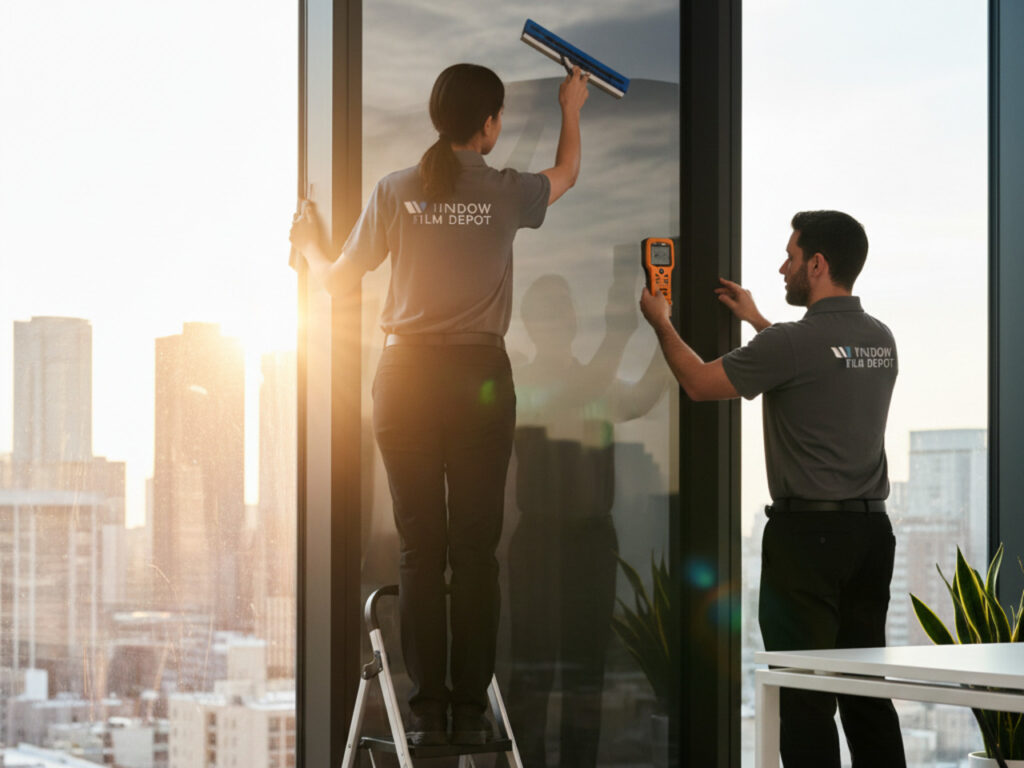
DIY vs. professional installation: DIY installation can save 50-70% compared to professional costs, but requires patience, proper tools, and attention to detail, and following a proven do-it-yourself window film installation process improves your chances of success. Professional installers work faster, achieve more consistent results, and typically provide warranties contingent on their workmanship. For large projects or expensive premium films, certified 3M window film installers often make sense despite higher upfront costs.
Installation procedure:
- Measure and order: Measure each window pane precisely and order film with 2-3 inches of excess on each dimension for trimming. Verify glass type compatibility—some films aren’t recommended for certain low-E or double-pane configurations.
- Clean the window surface thoroughly: Remove all dirt, oils, paint specks, and old film residue using a scraper and soapy water. Any debris trapped under the film creates permanent defects. Clean twice if needed—this step determines installation success.
- Prepare slip solution: Mix soapy water (few drops of dish soap per quart of water) in a spray bottle. This solution allows repositioning during application and prevents immediate adhesion before alignment.
- Cut film to size: Cut film slightly larger than the window pane on a clean, flat surface. Handle by edges to avoid fingerprints on the adhesive side.
- Apply to glass: Spray the clean glass generously with slip solution. Peel the protective liner from the adhesive layer, spray the adhesive side with slip solution, and position the film on the glass. The solution allows sliding the film into exact position.
- Remove air and water: Starting from the center, use a firm squeegee to push water and air bubbles toward the edges. Work in overlapping strokes, applying consistent pressure. Multiple passes may be necessary for complete adhesion.
- Trim edges: Once positioned and squeegeed, use a sharp utility knife to trim excess film along the edges. Leave a tiny gap (1-2mm) between film edge and frame to prevent edge lifting.
- Allow curing time: The adhesive needs approximately 30 days to cure fully. During this period, avoid cleaning the film and expect some temporary haziness or small water pockets that disappear as moisture evaporates through the film.
Taking your time with surface preparation and squeegee technique makes the difference between professional-looking results and a frustrating experience with visible bubbles and lifting edges.
Film Type Comparison
| Film Type | Privacy Level | Heat Rejection | UV Protection | Price Range (Installed) | Best For |
|---|---|---|---|---|---|
| Standard Silver Reflective | High daytime | 40-60% | 99% | $8-12/sq ft | Budget-conscious residential |
| Bronze/Gold Tinted | High daytime | 45-65% | 99% | $9-14/sq ft | Warmer building aesthetics |
| Dual-Reflective | High daytime, reduced interior glare | 50-70% | 99% | $10-16/sq ft | Offices needing outward visibility |
| Ceramic Reflective | Moderate-high daytime | 60-80% | 99%+ | $12-20/sq ft | Premium durability, signal transparency |
| Decorative/Frosted | Constant (not light-dependent) | Low-moderate | Varies | $6-12/sq ft | 24-hour privacy, aesthetic applications |
| Choosing based on your priorities: If daytime privacy is your primary concern and budget matters, standard silver film delivers excellent value. For commercial applications requiring electronic signal transparency (cell phones, WiFi), ceramic options avoid the interference caused by dense metal layers. If you need constant privacy regardless of lighting conditions, consider frosted film instead—though it eliminates transparent viewing entirely. |
Common Challenges and Solutions
Even properly installed window film presents certain challenges. Understanding these issues and their solutions helps you make informed decisions and maintain realistic expectations.
Nighttime Privacy Limitations
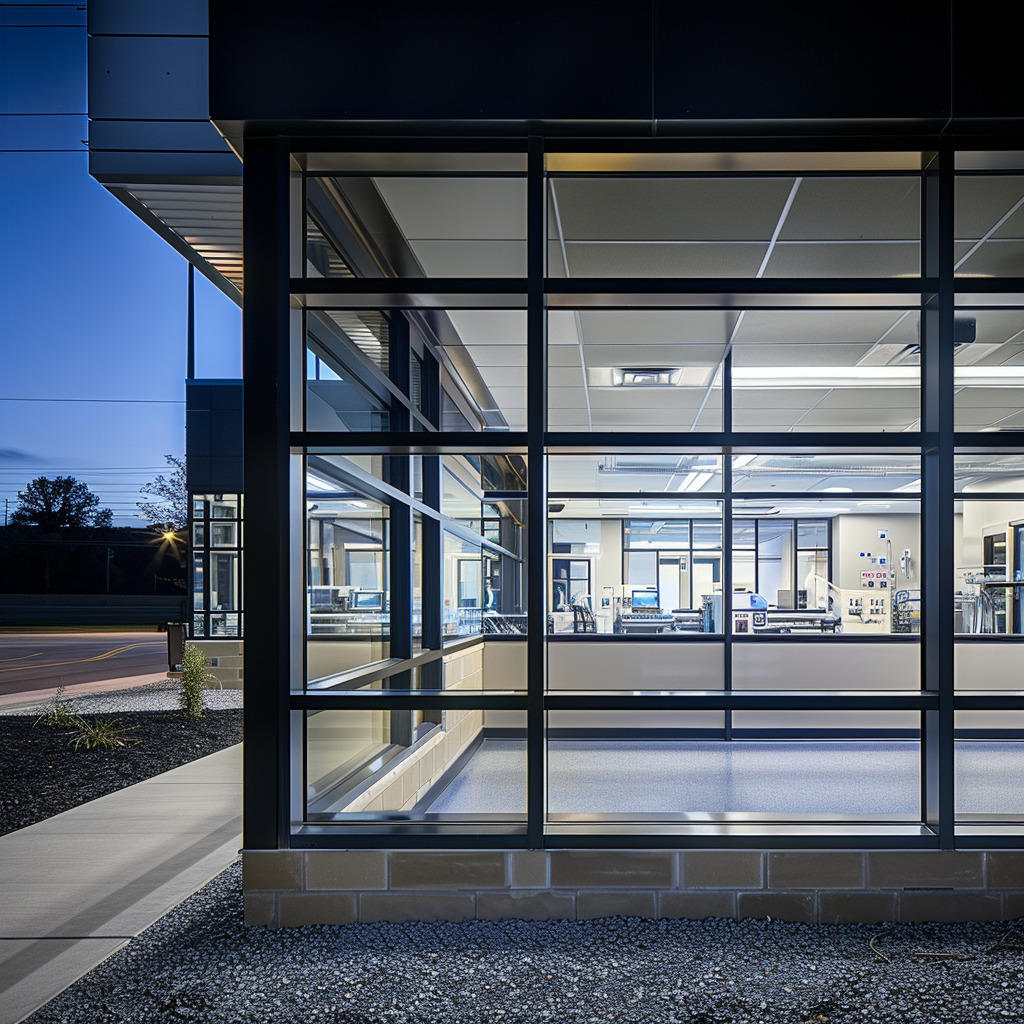
The most common source of customer dissatisfaction stems from misunderstanding how one way mirror film works at night. When interior lights create a brighter environment than the dark exterior, the privacy effect reverses completely. People outside can see your lit interior clearly while you see primarily your own reflection.
Solutions: Install supplementary window treatments—blinds, curtains, or shades—for rooms used at night with lights on. These work together with the film: film handles daytime privacy, traditional treatments handle nighttime. For some applications, exterior lighting that brightens the outdoor side helps maintain the light differential, though this is rarely practical for residential use. Dual-reflective window films with lower interior reflectance reduce (but don’t eliminate) the nighttime glare you experience looking out, making the combination with minimal blinds less visually intrusive.
Air Bubbles and Installation Issues
Small air bubbles trapped during installation can appear as permanent defects if not addressed properly. Water bubbles typically disappear during the 30-day curing period as moisture evaporates, but trapped air remains.
Causes: Insufficient slip solution, dust particles on glass or adhesive, and improper squeegee technique create bubbles. Rushing the installation or using inadequate pressure during squeegeeing allows pockets to remain.
Solutions during installation: Work slowly with generous slip solution. Use firm, overlapping squeegee strokes from center outward. For stubborn bubbles, prick the film edge with a pin to allow escape, then squeegee toward the hole. If large bubbles or significant installation problems occur, peeling and repositioning (with fresh slip solution) often works better than trying to force out trapped air.
When bubbles persist: Small bubbles that don’t affect appearance significantly can sometimes be ignored. Large bubbles or numerous defects may require removing and reinstalling the affected section—film can be peeled and reapplied with care, though adhesive effectiveness may decrease.
Film Peeling and Durability
Edge lifting and peeling indicate either installation problems or film reaching end of life. Understanding causes helps you determine appropriate response.
Causes of premature failure: Poor surface preparation (oils, dust, or cleaning residue remaining on glass), edge trimming too close to frames (film touching frame materials), exposure to extreme temperature cycling, and low-quality adhesive formulations all contribute to early peeling.
Maintenance for longevity: Clean installed film with mild soap solution and soft cloths—avoid ammonia-based cleaners and abrasive materials that damage the topcoat. Inspect edges periodically; minor lifting caught early can sometimes be pressed back into adhesion.
Durability expectations by film type: Dyed films (not recommended for mirror applications) last 5-10 years. Metalized reflective films typically perform well for 10-15 years. Premium ceramic window films can last 15-25+ years. Manufacturer warranties reflect these differences, with residential installations often carrying lifetime warranties for premium products while commercial applications receive 6-15 year coverage depending on specifications.
Replacement indicators: Significant color fading, widespread peeling that can’t be repaired, visible degradation of the metallic layer (appearing hazy or patchy), or loss of performance benefits suggest replacement time has arrived.
Conclusion and Next Steps
One way mirror window film delivers practical benefits for homeowners and businesses seeking daytime privacy, heat reduction, UV protection, and glare control in a single affordable solution. Understanding that the mirror effect depends on lighting differentials—working when outside is brighter than inside, reversing when conditions flip—helps you set appropriate expectations and plan supplementary treatments for nighttime needs.
Need More Info?
The Window Film Depot team is happy to help.
Immediate action steps:
- Measure your windows precisely, noting dimensions for each pane and total square footage needed
- Evaluate light conditions throughout the day to understand when privacy matters most
- Select film type based on the comparison table, balancing privacy level, heat rejection, aesthetics, and budget
- Decide between DIY installation (cost savings, requires patience and technique) and professional installation (higher cost, better results and warranties)
- Gather installation supplies if DIY: slip solution, squeegee, utility knife, spray bottles, lint-free cloths, and measuring tools
- Plan for supplementary window treatments in rooms requiring nighttime privacy
Related topics to explore: If privacy concerns extend beyond what mirror film addresses, security films add shatter resistance for safety applications. Decorative frosted film provides constant (non-light-dependent) privacy where transparent viewing isn’t needed. For windows facing extreme sun exposure, spectrally selective films optimize heat rejection while maximizing natural light—a consideration for energy-efficiency focused projects.
Frequently Asked Questions
Does one way mirror film work at night?
No—the effect reverses at night when interior lights make inside brighter than the dark exterior. People outside can then see in while you see your own reflection. Use blinds or curtains for nighttime privacy in rooms with lights on.
Can the film be removed without damaging windows?
Yes. Properly installed film is designed for eventual removal. Professional installers use techniques that allow clean peeling, though aged adhesive may require additional effort. DIY removal is possible with patience; avoid scraping that could scratch glass.
How long does one way mirror window film last?
Lifespan depends on film type: basic metalized films last approximately 10-15 years, while premium ceramic films can perform for 15-25+ years. Quality of installation, climate exposure, and maintenance affect actual durability.
What tools are needed for DIY installation?
Essential tools include: spray bottles for slip solution, squeegee (hard rubber edge preferred), sharp utility knife with fresh blades, measuring tape, straight edge for cutting, lint-free cleaning cloths, and glass scraper for surface preparation. A heat gun helps with stubborn wrinkles but isn’t essential.
Does the film reduce natural light inside?
Yes—the degree depends on film specifications. Lower VLT percentages (10-20%) create stronger privacy but noticeably darker interiors. Higher VLT films (30-35%) preserve more natural light but provide less robust mirror effect. Check VLT specifications when selecting products.
Can one way mirror film be applied to curved glass?
Generally not recommended. Films are engineered for flat glass surfaces and don’t conform well to curves, causing wrinkling, distortion, and uneven adhesion. Some specialty materials accommodate slight curvatures, but costs increase significantly and results remain less predictable than flat applications.
How much does professional installation cost?
Professional installation typically ranges $7-24 per square foot for residential projects and $6-14 per square foot for commercial work, depending on film type, window accessibility, and regional labor rates. A 150 square foot residential project might total $300-700 including materials and labor.
Will the film interfere with cell phone signals?
Heavily metalized films can attenuate radio signals including cellular, WiFi, and GPS. If signal transparency matters (home offices, commercial spaces with wireless systems), choose ceramic or non-metal reflective films that provide privacy without significant signal interference.