Table of Contents:
- What Window Glazing Actually Means at Commercial Scale
- The Glazing Systems Used in Commercial and Institutional Construction
- Professional Installation Standards Every Glazing Spec Should Enforce
- Advanced Glazing: Integrating Security and Performance Window Films Into Your Specification
- The Professional vs. DIY Cost Equation: A Risk Framework for Institutional Projects
- Selecting and Managing a Glazing Partner Across Multiple Project Locations
- Window Glazing Specification That Performs for the Life of the Building
- Frequently Asked Questions
What Window Glazing Actually Means at Commercial Scale
What is window glazing? It is one of the most misunderstood elements of the commercial building envelope. This guide explains how Window Glazing systems seal, retain, and protect glass, and why the right specification determines energy performance, code compliance, warranty protection, and long-term durability.
Beyond the Putty Knife: A Technical Definition Built for Project Managers
Window glazing is the system that seats, seals, and structurally retains glass within a frame. At commercial scale, that definition carries performance, liability, and code compliance weight that no residential tutorial will ever address.
The term encompasses the full assembly: the compound or sealant that creates a weather-tight bond, the mechanical retention hardware that holds glass in position under load, and the integration of that assembly into the building envelope as a functional barrier against air, water, and thermal transfer.
For a project manager, glazing is not a finishing task. It is a building envelope decision with long-term consequences for energy performance, occupant safety, and warranty validity.

The Core Components of a Glazing System: Compounds, Sealants, and Structural Seating
Every glazing assembly combines two categories of components: those that chemically bond and seal the glass to the frame, and those that mechanically retain it. Both must be specified correctly for the substrate and application, and both will appear on your inspector’s checklist.
Glazing Putty, Latex Compounds, and Modern Acrylic Sealants Compared
Traditional oil-based window glazing putty remains relevant in historic and single-pane restoration contexts, where its flexibility and workability make it compatible with aged wood frames. Latex glazing compounds introduced paintability and faster cure times, but they degrade more quickly under UV exposure and thermal cycling, a meaningful liability in high-performance commercial envelopes. Modern acrylic sealants, formulated to ASTM C920 or C1193 standards, are the baseline for most new commercial and institutional work. They maintain adhesion across substrate movement, resist moisture infiltration, and carry the performance documentation your spec sheet requires.
Glazing Points, Rabbet Integration, and the Mechanics of Glass Retention
Glazing points are the metal or plastic fasteners pressed into the rabbet, the recessed channel in the frame that receives the glass, to hold the pane in position before and during compound application. In commercial work, point spacing follows manufacturer and GANA guidelines, typically no more than 12 inches apart and positioned at specific intervals from corners to prevent stress concentration. The rabbet depth and width must match the glass thickness and the sealant bed dimensions in the spec. Undersized rabbets or improperly seated points are a primary cause of glass movement, sealant failure, and callbacks.
How Glazing Function Differs Across Single-Pane, Double-Pane, and Triple-Pane Systems
Single-pane glazing is primarily a retention and weather-sealing challenge. Double and triple-pane insulated glass units (IGUs) introduce a second critical variable: the integrity of the factory-sealed perimeter spacer and the compatibility of the field-applied sealant with that factory edge seal. Applying an incompatible glazing compound to an IGU can degrade the edge seal, compromise the gas fill, and void the unit manufacturer’s warranty. That failure mode typically surfaces 18 to 36 months after installation, well past any short-term punch list review. Specification documents for commercial projects must identify glazing compound compatibility with the IGU manufacturer’s approved sealant list.
Substrate Variables That Drive Specification Decisions: Wood, Aluminum, and PVC Frames
Frame substrate determines which sealants adhere reliably and which primers are required. Aluminum frames, the dominant commercial substrate, require sealants with high adhesion to metal and, in thermally broken systems, compatibility with the barrier material at the thermal break. Wood window frames demand back-bedding compound to seal the rabbet surface before glass installation, preventing moisture ingress into the wood grain. PVC and fiberglass frames present low-surface-energy substrates where adhesion failure is the primary risk without proper primer application. Specifying the wrong compound for the substrate does not just underperform. It can void both the frame warranty and the glazing contractor’s liability coverage.
Why the Residential DIY Framework Fails at Institutional Scale
A homeowner re-glazing a single wood sash faces one performance variable: keeping water out of one joint. A project manager overseeing 400 openings across three buildings faces compound compatibility matrices, substrate-specific primer requirements, code-mandated performance documentation, IGU warranty conditions, and installation sequencing that affects downstream trades. The residential model assumes a single material, a single substrate, and no compliance burden. None of those assumptions hold in institutional work. Treating commercial window glazing as a scaled-up DIY problem is not a cost-saving strategy. It is a project risk wearing a cost-saving disguise.
Commercial Glazing System Specification Checklist
Use this framework before issuing glazing scope to any commercial or institutional subcontractor.
1. Substrate Assessment
- Identify frame material for each opening type: aluminum (thermally broken or non-broken), wood, PVC, or composite.
- Confirm rabbet dimensions against glass thickness and specified sealant bite dimensions.
- Note existing surface conditions: corrosion, paint adhesion, and prior sealant residue requiring removal.
2. Compound and Sealant Selection
- Match sealant chemistry to substrate: silicone or polyurethane for aluminum, back-bedding compound for wood, primer-plus-sealant system for PVC.
- Confirm IGU manufacturer’s approved sealant list for all insulated units.
- Require ASTM C920 or C1193 compliance documentation for all field-applied sealants.
3. Code-Required Performance Thresholds
- Specify air infiltration, water resistance, and structural performance ratings per AAMA/WDMA/CSA standards for each opening category.
- Confirm fenestration U-factor and SHGC compliance with local energy code (ASHRAE 90.1 or state equivalent).
4. Glazing Point Spacing Protocols
- Specify maximum 12-inch point spacing with corner setback per GANA Glazing Manual requirements.
- Require documentation of point type and spacing on as-built submittals.
5. Pre-Installation Documentation
- Require the contractor to submit glazing compound technical data sheets, sealant compatibility certifications, and IGU manufacturer approvals before work begins.
- Confirm the contractor carries commercial glazing liability insurance and holds applicable state licensing.
- Establish inspection hold points at sealant application and glass setting stages.
The Glazing Systems Used in Commercial and Institutional Construction
Storefront Glazing Systems: Performance Expectations and Specification Thresholds
Storefront glazing, the aluminum-framed, ground-level glass assembly standard in retail, office, and institutional lobbies, is engineered to meet specific structural, air, and water infiltration ratings under AAMA 101 and AAMA 501 testing protocols.
The glazing compound in these systems is almost always a structural silicone or compatible polyurethane applied to a factory-prepared aluminum rabbet. Performance thresholds for commercial storefront typically include water resistance at 6.24 psf minimum test pressure and structural load ratings calibrated to local wind zone requirements.
Any substitution of compound type or sealant brand outside the system manufacturer’s approval matrix risks voiding both the system warranty and the air/water test certification the building envelope requires.

Curtain Wall Glazing: Fenestration as Building Envelope Infrastructure
Curtain wall systems treat glazing not as individual window units but as a continuous, engineered building skin. The glass and its sealant interface carry live loads, accommodate thermal movement across large spans, and serve as the primary air and vapor barrier for entire building faces. Glazing in a curtain wall context follows a two-stage sealant system: a structural silicone bonding the glass to the frame and a weatherseal applied at the exterior joint. Both require certified installation by contractors trained on the specific system, with documentation confirming that silicone bite dimensions and cure schedules were followed. A missed cure window or incorrect bite depth in a curtain wall is not a maintenance issue. It is a structural failure risk.
Restoration Glazing in Institutional Renovation: When Traditional Compounds Still Govern
Historic preservation projects and institutional renovation work involving original steel or wood window systems frequently require traditional glazing approaches that modern commercial specs would otherwise exclude.
Sarco and Traditional Glazing Putty in Historic and Education Facility Contexts
Sarco-type glazing compounds, a category of oil-based, slow-curing putties, remain the specified material for many historic window restoration programs, particularly in K-12 and higher education facilities where original steel casement windows are being preserved rather than replaced. These compounds replicate the original material profile, remain compatible with the thermal and moisture behavior of the original frames, and meet preservation standards that require in-kind material replacement. Applicators working with Sarco compounds need extended cure and painting schedules that differ substantially from modern sealant work, a sequencing variable that affects the overall project timeline.
Code Compliance Considerations When Restoring Original Fenestration
Restoring original fenestration does not exempt a project from current safety glazing requirements where they apply. Any opening that meets the hazardous location criteria under IBC Section 2406, including glass adjacent to walking surfaces, doors, and wet areas, requires safety glazing regardless of the historic frame type being retained. Project managers overseeing restoration work need a verified opening-by-opening review against current code before issuing the glazing scope. Retrofitting safety glazing after the fact into a restored historic frame is both expensive and technically difficult.
How Glazing Type Selection Affects Building Envelope Performance and Long-Term Liability
The glazing system type, whether storefront, curtain wall, or restoration, determines not just installation method but the performance warranty structure, the applicable test standards, and the contractor qualification requirements the project can enforce. Selecting a system without confirming contractor certification for that specific system type is one of the most common sources of envelope failures that surface during the first two winters after occupancy. For project managers, the system selection decision and the contractor qualification decision are not sequential steps. They are the same decision.
Professional Installation Standards Every Glazing Spec Should Enforce
GANA Guidelines and ASTM Standards: The Baseline Your Contractor Must Meet
The Glazing Association of North America’s Glazing Manual is not a suggestion. It is the industry’s codified baseline for glass setting, sealant bite dimensions, edge clearances, and installation sequencing. Any commercial glazing contractor who cannot cite GANA compliance in their submittal package is not operating at commercial grade. Pair that with ASTM C1193, the standard practice for sealant joint design and application, and you have the two documents that define whether a glazing installation is defensible when a warranty claim or code inspection arises.
Your spec sheet should require explicit GANA Manual compliance by edition year, not a generic reference to “industry standards.” The distinction matters during disputes.
What Building Codes Actually Require for Commercial Window Glazing Installations
IBC Compliance and Fenestration Performance Mandates
The International Building Code governs fenestration through two primary lenses: safety glazing requirements under Section 2406 and energy performance under Chapter 13, which references ASHRAE 90.1 for commercial occupancies. Safety glazing applies to any hazardous location, including glass adjacent to doors, within 18 inches of a floor, in wet areas, and in numerous other defined conditions. Missing a hazardous location classification is not a minor correction. It means glass replacement after the building is occupied.
Energy code compliance requires documented U-factor and solar heat gain coefficient (SHGC) values that meet the climate zone thresholds in your jurisdiction. Those values must appear in the glazing contractor’s submittal and be traceable to tested, certified products. An inspector who cannot find that documentation at sign-off will issue a hold.
How Sealant and Compound Standards Translate Into Spec Sheet Language
ASTM C920 covers elastomeric joint sealants and classifies them by type, grade, class, and use. Your spec should call out the specific classification required, not just “polyurethane sealant,” but the movement capability class and substrate use designation. ASTM C1193 gives the installation methodology that backs it up. When you write these references into the spec with their correct designations, you create an enforceable quality standard rather than an aspirational one.
How to Know If Your Glazing Contractor Is Qualified and Insured for Commercial Projects
Ask for three things before a contractor gets on your bid list: a certificate of insurance showing commercial general liability coverage of at least $1 million per occurrence, a list of comparable completed projects with owner references, and their glazing-related license documentation for your state. Some states license glazing contractors separately under a specialty contractor classification. Verify that your contractor holds the correct license category, not just a general contractor license that technically permits glazing work.
References from comparable projects are more useful than a portfolio. A contractor who can supply contact information for a facilities director at a K-12 district or a project manager on a multi-building office renovation is demonstrating relevant experience, not just a list of addresses.
Certifications, Licensing, and Insurance: Non-Negotiable Contractor Requirements
- State glazing or specialty contractor license, verified current and not expired
- Commercial general liability of $1 million per occurrence minimum, $2 million aggregate on larger scopes
- Workers’ compensation coverage that matches the actual workforce, not a certificate showing a single employee
- Manufacturer certification for any proprietary glazing system specified, as curtain wall, storefront, and structural silicone systems often require this
- OSHA 10 or 30 certification for field supervisors on projects with elevated work
Need More Info?
The Window Film Depot team is happy to help.
Manufacturer certification is the credential most often overlooked. If your spec calls for a named system, the contractor must be trained and approved by that manufacturer. Otherwise, the system warranty is void from day one.
How to Verify That Glazing Installation Meets Code Before Sign-Off
Inspection Protocols and Documentation That Protect Against Rework
Build inspection hold points into the subcontract, not just the spec. Two stages matter most: sealant bed and back-bedding inspection before glass is set, because once the glass goes in the rabbet condition is invisible, and final sealant tooling and cure verification before framing or finish trades cover the perimeter. Require photo documentation at both stages with opening identifiers, not just a general “glazing complete” sign-off.
For curtain wall and storefront systems, require the contractor to submit completed quality control logs from the system manufacturer’s installation checklist. These logs exist. If the contractor claims otherwise, that tells you something.
What Warranties and Guarantees Should a Professional Glazing Contractor Provide
A commercial glazing contractor should provide a minimum two-year workmanship warranty on sealant joints and glass setting, separate from any manufacturer product warranty. The workmanship warranty should cover adhesion failure, sealant cohesion failure, and glass movement attributable to improper installation. Get it in writing in the subcontract, not as a verbal assurance on a bid form.
IGU manufacturer warranties, typically 10 to 20 years on seal failure, are only valid when the contractor used approved compounds and can document it. Require the contractor to register the IGU warranty with the manufacturer on your behalf before final payment.
Advanced Glazing: Integrating Security and Performance Window Films Into Your Specification
What Separates Standard Glazing from a Security Glazing System
Standard window glazing retains glass and seals the building envelope. A security glazing system does that and controls what happens to the glass under impact, forced entry, blast pressure, or seismic load. The distinction is not about glass thickness alone. It is about the entire assembly: glass type, frame anchorage, glazing compound compatibility with the film system, and in many cases the addition of applied security film that holds the glass in place after it fractures.
For education facilities, government buildings, and any occupancy with elevated forced-entry or blast risk, security glazing requirements belong in the spec from the design phase, not as an add-alternate at bid time.
The Role of 3M Window Film in Commercial and Institutional Glazing Specifications
Blast Mitigation, Forced-Entry Resistance, and Safety Glazing Applications
3M safety and security window films are tested to ANSI Z97.1 and CPSC 16 CFR 1201 standards and can satisfy IBC safety glazing requirements in retrofit applications where replacing existing glass with laminated or tempered units is cost-prohibitive. For blast mitigation, the 3M Scotchshield film series is tested to GSA and Department of Defense standards, providing fragmentation retention that limits injury from pressure-wave glass failure. Forced-entry resistance films tested to ASTM F1233 delay breaching time on standard annealed glass, a meaningful deterrent in school and institutional security contexts.
These are not decorative products applied over a standard glazing installation. They are performance components that belong in the fenestration specification alongside the glass type and sealant callout.

UV Protection, Solar Control, and Energy Efficiency as Specification Layers
Beyond security applications, window film functions as a second-pass energy specification layer. Solar control films can meaningfully reduce solar heat gain at the glass surface, directly affecting cooling load calculations and potentially reducing mechanical system sizing. UV-blocking films protect interior finishes and furnishings, which matters in education and healthcare facilities where replacement cycles for flooring and furniture carry real budget impact.
Specifying film alongside the glazing system, rather than as a separate scope awarded after occupancy, ensures compatibility with the sealant and frame system and allows the film installation to be sequenced before finish trades move in.
How Security Film Integration Changes the Installation Sequence and Contractor Requirements
Film installation requires a clean, cured sealant surface and a dry, climate-controlled environment. If film is specified but not sequenced, it often gets installed after construction is complete, in conditions that compromise adhesion and on glass already contaminated by construction dust. The result is visible defects and adhesion failures that require removal and reinstallation.
Require the glazing and film contractor to coordinate a single installation window post-sealant cure and pre-substantial completion. A contractor who performs both scopes manages that sequencing internally, which eliminates the coordination gap entirely.
Putting Theory Into Practice: A Multi-Building Education Campus Glazing Scenario
Consider a K-12 district renovating four buildings across two campuses. Building one has original steel casement windows requiring Sarco compound and preservation compliance. Buildings two and three have aluminum storefront systems at entry zones, specified with 3M safety film to meet updated forced-entry standards adopted by the district after a security assessment. Building four is a new construction addition with curtain wall fenestration requiring structural silicone and manufacturer-certified installation.
Each building has a different glazing system, different compound requirements, and different code thresholds. Coordinating four separate subcontractors with different qualification levels across two campuses introduces scheduling risk, inspection complexity, and warranty fragmentation. A single contractor qualified across all four system types and certified to install the specified film consolidates all of that into one submittal package, one warranty contact, and one quality assurance conversation.
Why Single-Source Film and Glazing Expertise Reduces Specification Risk
Split scopes between a glazing subcontractor and a film installer create a gap that no one owns. If film adhesion fails, the glazing contractor points to the film installer and vice versa. If the film specification conflicts with the glazing sealant type, neither contractor catches it at submittal because each reviews only their own scope. A single-source contractor with expertise in both glazing systems and performance film reviews the full assembly as one integrated specification, which is the only way to ensure compatibility and accountability.
The Professional vs. DIY Cost Equation: A Risk Framework for Institutional Projects
Why Cost-Per-Opening Is the Wrong Metric for Multi-Location Commercial Projects
Evaluating commercial window glazing bids on a cost-per-opening basis makes sense for a single residential unit. For a 300-opening institutional project, that metric ignores the variables that actually drive total project cost: mobilization efficiency across phases, subcontractor coordination overhead, submittal and inspection burden, and the downstream cost of any installation that fails code review. A contractor bidding lower per opening but requiring additional mobilizations and lacking manufacturer certification for the specified storefront system will cost more before the project closes.
The right metric is total installed cost including anticipated rework probability, inspection hold costs, and warranty enforcement complexity.
Quantifying Rework Risk: Schedule Slippage, Code Failure, and Subcontractor Liability
Glazing rework on a commercial project triggers costs well beyond re-installation labor. Failed sealant joints discovered during envelope testing require remediation before the building can pass air and water testing, which delays the mechanical commissioning sequence. Safety glazing deficiencies found at final inspection block the certificate of occupancy. On an education project with a hard school-year opening date, a two-week glazing remediation can push substantial completion past the owner’s use date, triggering liquidated damages in the contract.
The liability question matters as well. If an unqualified glazing contractor voids an IGU manufacturer’s warranty through incompatible compound use, the project manager who approved that contractor is in the chain of accountability. Proper contractor qualification at the outset is not a procedural formality. It is risk management.
What Professional Commercial Glazing Installation Actually Costs at Scale
Commercial glazing costs vary significantly by system type, glass specification, and project location, but the professional premium over a residential-grade contractor typically runs higher on per-opening labor. That gap narrows substantially when measured against the actual risk-adjusted cost of the lower bid.
Manufacturer-certified curtain wall installation, fully documented sealant submittals, coordinated inspection hold points, and long-form IGU warranty registration are not included in a residential-grade glazing price. Adding them back in after the fact is always more expensive than specifying them correctly at bid time.
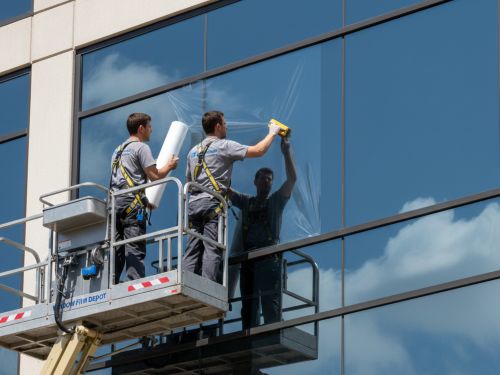
How to Avoid Rework and Schedule Delays With Glazing Installation
Three practices consistently reduce rework exposure on commercial glazing scopes.
First, issue a detailed RFI to all bidders asking for system-specific manufacturer certifications, comparable project references, and their quality control process for sealant inspection before the bid closes, not after award.
Second, build cure-time buffers into the schedule between sealant application and any follow-on trade that contacts the perimeter, including interior finish work and exterior cladding.
Third, require the contractor to submit a phased inspection plan tied to the project’s inspection hold points before mobilization, so both parties agree on what documentation gets produced and when.
The contractors who push back on pre-mobilization documentation requirements are the ones most likely to generate the rework and schedule variance you are trying to avoid.
Selecting and Managing a Glazing Partner Across Multiple Project Locations
Can One Contractor Handle Glazing Reliably Across All My Project Locations?
The answer depends less on contractor size than on contractor structure. A large regional glazing firm with a single crew model will struggle across distributed locations just as much as a small shop would. What enables reliable multi-site delivery is documented process replication: the same submittals, the same inspection protocols, and the same sealant specifications executed by field crews trained to a defined standard rather than left to personal judgment. Before you ask a contractor whether they can cover all your locations, ask how they ensure installation consistency when different crews are working on different sites simultaneously. If the answer is vague, that is your answer.
The Single-Source Partner Advantage: Specification Consistency and Supply-Chain Control
Distributing a glazing scope across multiple subcontractors by location creates a compliance management problem that compounds with every site added. Each contractor interprets the spec independently, sources sealant products from different suppliers, and produces different submittal documentation. When envelope performance varies across buildings, tracing the source of the inconsistency becomes an investigation rather than a straightforward warranty claim.
A single-source glazing partner locks in one sealant product matrix, one submittal format, and one warranty contact across every location. Supply-chain control matters here in a practical sense: a contractor managing volume purchases from a manufacturer-approved sealant supplier is less likely to face mid-project product substitutions than a smaller contractor placing individual orders per site. Product consistency across locations is not a minor preference. It is the foundation of a defensible warranty structure when buildings are performing differently two years after occupancy.
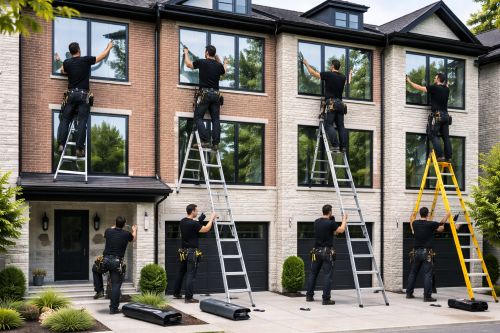
How to Evaluate a Contractor’s Track Record for Multi-Site Institutional Projects
Comparable project references are more useful than project lists. Request references specifically from multi-site or multi-phase projects, and ask reference contacts about schedule adherence across locations, not just quality at the final punch list. A contractor who delivered on time at the anchor site but ran three weeks late on satellite locations has a coordination problem that will repeat on your project.
Evaluate submittals from prior comparable projects if the contractor will provide redacted samples. A contractor accustomed to institutional work produces submittals with specific ASTM designations, IGU compatibility documentation, and phased inspection logs. A contractor stepping up from residential or light commercial work produces submittals that look complete at a glance but lack the specificity that survives an inspector’s review.
Confirm geographic coverage concretely. “We work statewide” means less than a list of completed projects by county with named project managers you can call.
How to Ensure Glazing Performance and Durability Across Multiple Locations
Establishing Quality Assurance Protocols Before Work Begins
Quality assurance across multiple sites requires a written plan, not a verbal agreement. Before mobilization, require the contractor to submit a site-specific quality control plan for each location that identifies the crew lead, the inspection hold points, the sealant batch documentation process, and the escalation path if field conditions deviate from the spec. That document becomes the reference when a dispute arises, and it signals immediately whether the contractor has a real QA process or a conceptual one.
Material traceability is a specific QA requirement that gets overlooked on multi-site projects. Require lot number documentation for every sealant product installed at every location. If a batch failure surfaces in a product recall or a warranty investigation, you need to know which buildings are affected. Without lot tracking, you are remediating every location.
Documentation, Inspection Milestones, and Warranty Enforcement Across Sites
Structure the documentation flow so each site produces a parallel record: pre-installation substrate photos with opening identifiers, sealant bed inspection sign-offs before glass setting, and post-installation cure verification with date stamps. Per-site inspection logs should roll up into a master project record that you hold, not just the contractor’s internal files.
Warranty enforcement across multiple locations works only when you have registered each site’s IGU warranties with the manufacturer before final payment. Make that registration a condition of each site’s final pay application. A contractor who completes installation but delays registration until they are off the project has removed your leverage on the warranty entirely.
Commercial Glazing Partner Qualification: Key Takeaways
- State glazing or specialty contractor license, current and verified
- Commercial general liability of at least $1 million per occurrence, with workers’ compensation matching actual field workforce
- Manufacturer certification for every named glazing system in the spec
- Comparable multi-site project references with named contacts from institutional owners
- Written QA plan with site-specific inspection hold points submitted before mobilization
- Sealant lot number documentation and IGU warranty registration as conditions of final payment
- Single-source capability for both glazing compound application and performance film installation, where specified
Window Glazing Specification That Performs for the Life of the Building
From Sourcing Anxiety to Competitive Advantage: The Project Manager’s Glazing Framework
The sourcing anxiety most project managers feel around commercial window glazing is not irrational. It reflects the real gap between what the glazing scope looks like on a bid form and what it actually requires to perform. A line item that reads “window glazing, all openings” obscures substrate variation, compound compatibility requirements, code documentation obligations, IGU warranty conditions, and the contractor qualification criteria that determine whether the installation holds up past the first warranty cycle.
The project managers who close that gap treat the glazing specification as a coordination document rather than a materials callout. They issue detailed contractor prequalification questions before the bid, build inspection hold points into the subcontract, require manufacturer certifications before mobilization, and register IGU warranties as a condition of payment. None of those steps are complex. They are deliberate, and they shift the risk from the project to the contractor where it belongs.
Why Technical Authority and Proven Scale Matter When the Spec Sheet Is on the Line
A glazing partner with deep technical knowledge and documented multi-site experience brings two things to your project that a lower-cost generalist cannot: the ability to catch specification conflicts before they become field problems, and the credibility to resolve inspection disputes with documentation rather than negotiation. When an inspector questions sealant compliance or a code official flags a safety glazing classification, a technically qualified contractor produces the ASTM test data and the installation logs. A contractor without that infrastructure produces excuses.
At scale, that technical authority also protects your specification from value-engineering pressure during construction. A contractor who understands why a specific sealant classification is required for a thermally broken aluminum substrate will hold that requirement. A contractor who views the spec as a starting point for substitutions will erode your envelope performance without triggering a formal change order.
Work With Window Film Depot on Large-Scale Glazing and Window Film Projects
Window Film Depot works with construction and renovation managers on large-scale commercial and institutional glazing and window film projects, providing the technical specification support, contractor qualification resources, and product expertise to make sure your spec holds up from submittal through final inspection. If you are managing a multi-building rollout, a renovation with mixed glazing system types, or a project where security film integration is part of the envelope specification, contact Window Film Depot to discuss your project requirements and qualification criteria before the bid goes out.
Frequently Asked Questions
How do I know if my glazing contractor is qualified and insured for commercial projects?
Request three things before any contractor makes your bid list: a certificate of insurance showing commercial general liability coverage of at least $1 million per occurrence, verified state glazing or specialty contractor licensing, and a list of comparable completed projects with institutional owner references you can actually call. Manufacturer certification for any named system in your spec is equally non-negotiable. A contractor who cannot produce all of these documents before mobilization is not operating at commercial grade.
What glazing specifications and building codes apply to large commercial or education facilities?
Commercial and institutional glazing falls under the International Building Code, which governs safety glazing requirements in hazardous locations under Section 2406 and energy performance under Chapter 13 by reference to ASHRAE 90.1. Your spec should require ASTM C920 or C1193 compliance for all field-applied sealants and explicit GANA Glazing Manual compliance by edition year. On education and government projects, security glazing standards and applicable state amendments layer on top of those baselines and must be reviewed opening by opening before the scope is issued.
How can I ensure glazing performance and durability across multiple project locations?
Require a written, site-specific quality control plan from the contractor before mobilization at each location, including inspection hold points, sealant batch documentation, and crew lead identification. Mandate lot number tracking for every sealant product across every site so that any future product issue can be traced to specific buildings. Register IGU warranties with the manufacturer as a condition of each site’s final pay application and retain the master inspection record yourself rather than relying on the contractor’s files.
What is the difference between standard window glazing and a security glazing system?
Standard window glazing retains glass and seals the building envelope against air, water, and thermal transfer. A security glazing system extends that to control what happens to the glass under impact, forced entry, or blast pressure, using a combination of laminated or tempered glass, reinforced frame anchorage, and in many cases an applied security film such as 3M Scotchshield that holds glass fragments in place after fracture. Security glazing requirements should be written into the fenestration specification at the design phase, not treated as a bid-time add-alternate.
How do I verify that glazing installation meets code before sign-off?
Build two mandatory inspection hold points into the subcontract: a sealant bed and rabbet inspection before glass is set, and a final sealant tooling and cure verification before perimeter trades move in. Require photo documentation with opening identifiers at both stages, along with completed quality control logs from the system manufacturer’s installation checklist on curtain wall and storefront scopes. For energy code compliance, confirm that U-factor and SHGC documentation is included in the contractor’s submittal and traceable to certified, tested products before the inspector arrives.
What warranties and guarantees should I expect from a professional glazing contractor?
A commercial glazing contractor should provide a minimum two-year workmanship warranty covering sealant adhesion failure, cohesion failure, and glass movement from improper installation, written into the subcontract rather than noted on a bid form. That workmanship warranty is separate from the IGU manufacturer’s product warranty, which typically runs 10 to 20 years on seal failure but is only valid when the contractor used approved compounds and documented it. Require IGU warranty registration with the manufacturer as a condition of final payment so your leverage on that coverage is never in question.