Table of Contents:
Introduction
Security film for windows provides an added layer of protection that transforms standard glass into a reinforced barrier against impacts, forced entry, and natural disasters. This comprehensive guide covers everything property owners and security professionals need to know about selecting, installing, and maintaining window film solutions in 2026.
This content addresses film types, thickness classifications, professional installation methods, and cost considerations for both residential and commercial applications. Whether you’re protecting large windows in a ground-floor home, securing glass doors in a commercial building, or preparing your property for high winds and severe weather, this guide delivers the technical knowledge required for informed decision-making. Topics outside the scope include bullet-resistant glazing systems and full window replacement options.
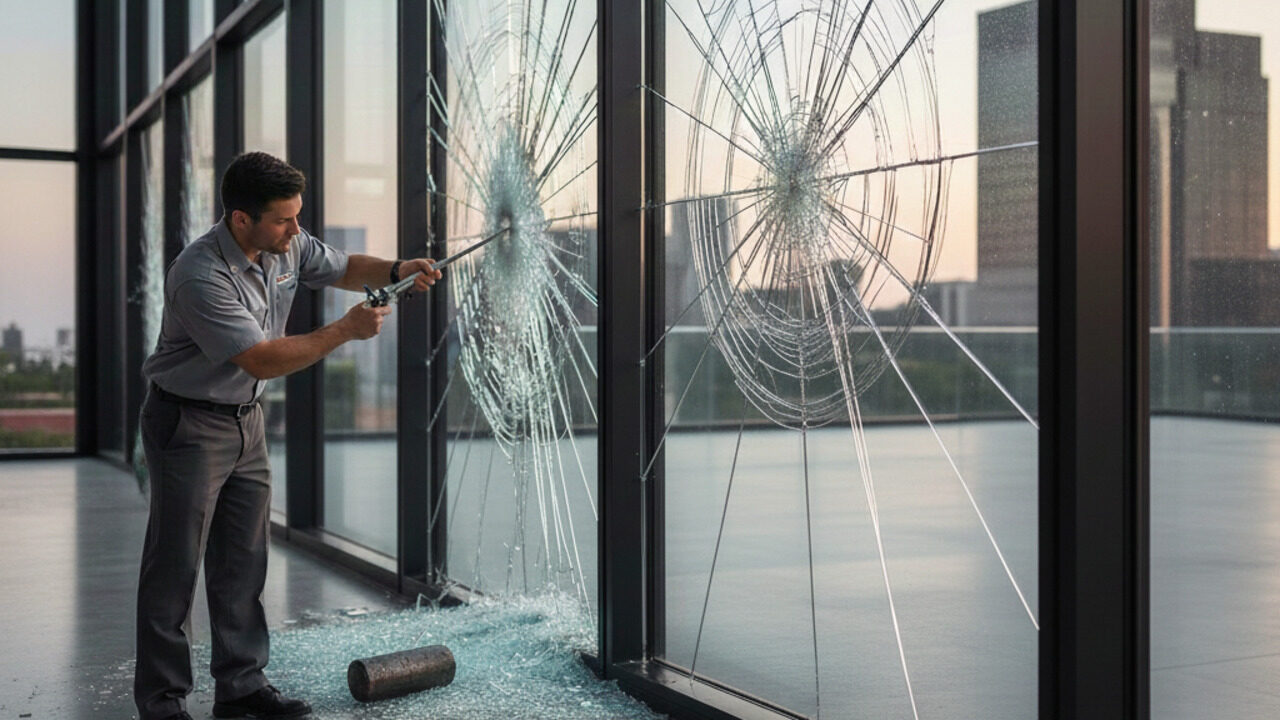
Direct answer: Security window film is a multi-layered polyester laminate bonded to existing glass that holds shattered glass together upon impact, delays forced entry attempts by forcing intruders to use repeated and noisy blows to breach the barrier, and provides UV protection while maintaining natural light transmission.
After reading this guide, you will understand:
- How different film thicknesses correspond to specific protection levels
- The professional installation process and when DIY approaches are appropriate
- Selection criteria based on glass type, frame compatibility, and risk assessment
- Cost-per-square-foot benchmarks for budgeting residential and commercial projects
- Maintenance requirements that affect the lifespan of your investment
Understanding Security Window Films
Security window film consists of multiple polyester layers combined with high-grade adhesive designed to reinforce glass windows and glass doors against breakage and penetration. When glass breaks, the film prevents dangerous shards from scattering, maintaining the window’s structural integrity and providing critical time during emergencies.
These safety and security films address modern protection needs ranging from deterring burglary attempts to minimizing property damage during storms. Understanding the difference between shatterproof window film and true security window films helps ensure you choose products designed to perform under adverse conditions and tested to meet specific impact performance standards, making them essential for homeowners in high-risk areas and commercial property managers alike.
Core Protection Mechanisms
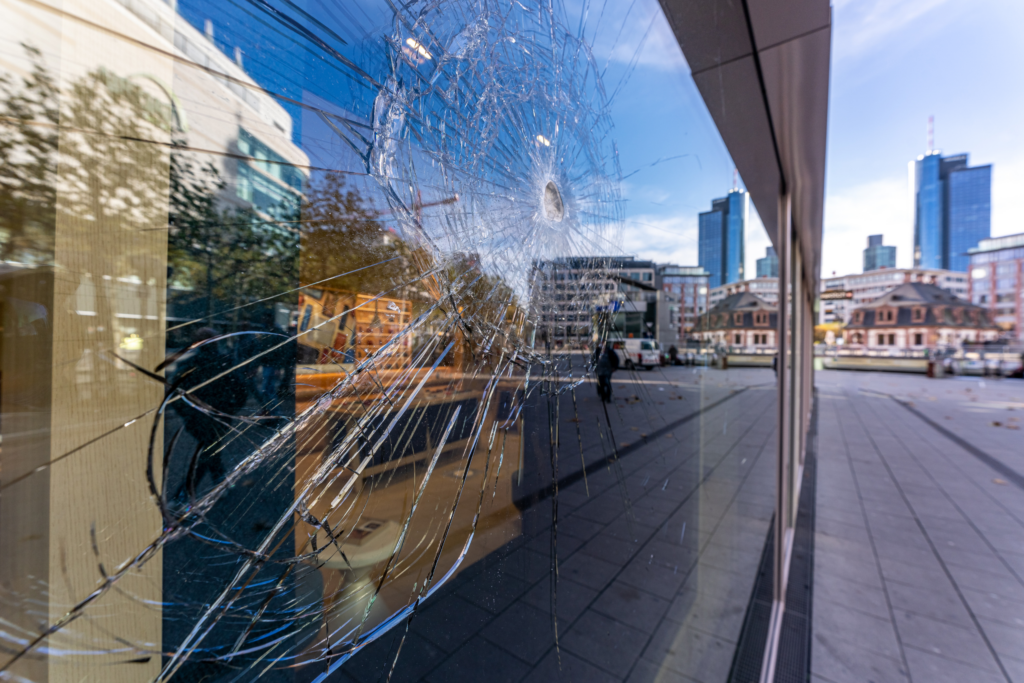
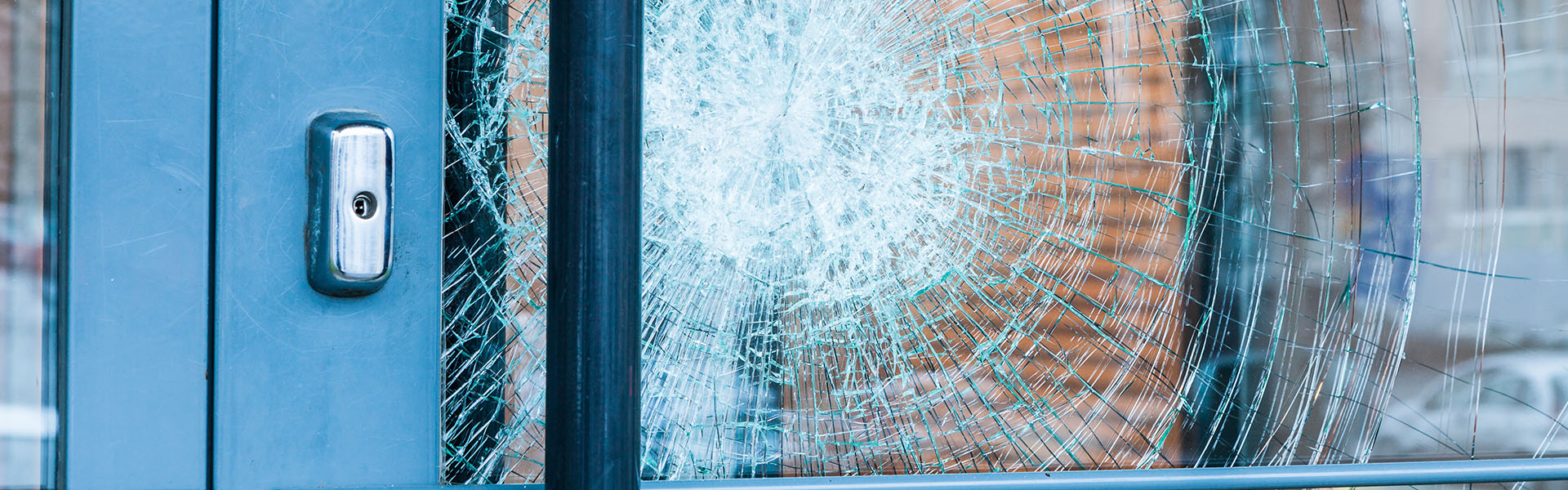
Glass retention technology refers to the film’s ability to hold shattered glass within the window frame when the pane is struck or fractured. Rather than allowing broken glass to spray into interior spaces or fall from the frame, the adhesive film bonds fragments together, creating a cohesive barrier that resists complete penetration.
This mechanism directly translates to occupant safety by eliminating flying glass projectiles during accidents, storms, or intrusion attempts. Safety and security films can help minimize glass-related injuries and property damage by holding shattered glass together in case of impact, while maintaining the building envelope against weather infiltration and secondary damage.
Additional Security Benefits
Forced entry delay represents one of the most practical security advantages of window film. During high-stress situations, security film forces intruders to use repeated, noisy, and time-consuming blows to create a breach, often deterring them before they can gain access. These films can delay forced entry, providing critical time for help to arrive during an intrusion attempt—a factor that makes the difference between successful and unsuccessful burglary attempts.
Beyond security, most high-quality security films block approximately 99% of harmful UVA and UVB rays, protecting occupants’ skin and preventing fading of furniture and artwork. Certain security films include solar control properties that reject heat in the summer and retain warmth in the winter, leading to energy savings of up to 30%. This combination of protection and energy efficiency makes security films a multifunctional investment.
With the foundational understanding of how these films work established, the next section examines specific film classifications and their corresponding applications.
Types and Features of Security Films
Building on the protection mechanisms discussed above, security films are categorized primarily by thickness, which directly correlates to their performance under impact. Safety and security window films are available in various thicknesses, ranging from 100 micrometers (4 mils) to over 525 micrometers (21 mils), with the thickness selected based on the level of protection desired and the dimensions of the glass pane. Many buyers also evaluate window protection film solutions to reinforce glass windows and doors beyond basic safety performance.
Film Thickness Classifications
Entry-level security films in the 4-8 mil range provide basic protection against accidental glass breakage and minor impacts. These films hold shattered glass together effectively in everyday scenarios—a child’s baseball, a fallen branch, or an accidental collision with a glass door.
Manufacturers recommend using 100 micrometer (2 ply) film for glass up to 3 mm (1/8 in) thick to ensure adequate protection in these applications. Cost typically ranges from $7-$10 per square foot installed, making this category accessible for whole-home coverage. While these films provide meaningful safety benefits and some forced entry delay, they offer less resistance against sustained attacks or severe weather events compared to thicker options.
Premium Security Films
Mid-range security films between 8-12 mils deliver substantially enhanced protection for ground-floor windows, sliding glass doors, and properties in areas with elevated risk of break-ins or storm damage. Manufacturers recommend using 175 micrometer film for glass over 6 mm (1/4 in) thick to ensure adequate protection at this level.
These films connect directly to the entry-level category by building on the same glass retention technology while adding material thickness that requires significantly more force and time to breach. Installed costs range from $10-$14 per square foot, reflecting the additional material and more demanding application requirements; detailed window security film installation cost estimates can further refine project budgets.
Professional-Grade Applications
Heavy-duty films exceeding 15 mils serve commercial buildings, government facilities, and high-risk residential applications where maximum protection is essential. Many of these products, such as 3M Scotchshield Ultra Series safety and security films for commercial glass, undergo testing against standards including ASTM F1642 for blast loading and GSA levels of protection, with certifications verifying performance under extreme conditions.
Security film helps keep windows intact during severe weather against flying debris, and safety films are designed to perform under adverse conditions, making them effective in protecting against bomb blasts and explosions by containing glass shards. Installed costs for these professional-grade systems typically range from $13-$20+ per square foot, often requiring frame anchoring systems for full certification compliance.
| Film Thickness | Protection Level | Typical Cost (Installed) | Primary Applications |
|---|---|---|---|
| 4-8 mil | Basic safety, accident protection | $7-$10/sq ft | Upper floors, interior glass, low-risk zones |
| 8-12 mil | Enhanced security, storm resistance | $10-$14/sq ft | Ground floors, patio doors, storm-prone areas |
| 12-15+ mil | Maximum protection, blast mitigation | $13-$20+/sq ft | Commercial, government, high-threat locations |
| With film types and their applications clarified, the following section addresses the practical considerations of installation and selection. |
Installation Process and Selection Criteria
Selecting the right window film requires matching product specifications to your specific glass types, frame conditions, and protection requirements. Many property owners work with full-service window film providers offering security, solar, and anti-graffiti solutions to align product choices with performance goals. The performance of safety and security films is influenced by factors such as adhesive bond strength, thickness of the polyester, quality of application, and the structure of the window frame.
Professional Installation Steps
Professional installation is recommended for security films thicker than 8 mils, for windows requiring frame anchoring, and for any application where warranty coverage and certified performance are priorities. Working with experienced 3M window film installers and product specialists helps ensure correct film selection, surface preparation, and long-term performance.
- Glass compatibility assessment and cleaning: Technicians evaluate whether glass is single or double pane and its category—annealed, laminated, or tempered. Choosing the right type of glass is crucial for safely applying window tint, requiring an evaluation of the glass’s specific characteristics. For smaller projects, some owners follow do-it-yourself window film installation guides, but the glass surface must still be thoroughly cleaned to remove all contaminants that could cause bubbles or adhesion failures.
- Precise film cutting and positioning: Film is cut slightly larger than the glass area to allow for exact edge trimming without gaps. A slip solution allows installers to position the material precisely before final adhesion, with particular attention to each corner and edge to ensure complete coverage.
- Application with squeegee techniques and bubble removal: Using professional tools including squeegees of varying hardness and sizes, installers work from the center outward to eliminate trapped air and moisture. This step determines whether the finished product will be optically clear or marred by visible bubbles and distortion.
- Frame anchoring and edge sealing for maximum security: For high-performance applications, installers apply structural adhesive around the perimeter or use mechanical anchoring systems that bond the film directly to the window frame. This prevents the film from pulling away from the edge during an attack or impact event, which is essential for products tested to meet GSA or ASTM certification requirements.
Selection Comparison Matrix
| Factor | Residential Standard | Residential Enhanced | Commercial/High-Risk |
|---|---|---|---|
| Typical Thickness | 4-8 mil | 8-12 mil | 12-15+ mil |
| Frame Anchoring | Optional | Recommended | Required |
| Certification Needed | Rarely | Sometimes | Usually |
| UV Protection | 99% UVA/UVB blocking | 99% UVA/UVB blocking | 99% UVA/UVB blocking |
| Solar Control | Available | Common | Standard |
| Installed Cost (200 sq ft) | $1,400-$2,000 | $2,000-$2,800 | $2,600-$4,000+ |
| When determining the right option, consider your property’s specific vulnerabilities. Ground-floor windows facing accessible areas warrant heavier protection than upper-story glass. Properties in hurricane zones require films tested against windborne debris. Commercial buildings also benefit from comprehensive commercial window tinting and security film solutions that integrate solar control and safety performance. The location and orientation of heating and cooling vents are crucial for the safe and effective use of window film on flat glass surfaces, as vents directing air towards the glass can cause temperature variations, potentially leading to thermal stress. |
Design winter temperature is crucial for choosing the right window film, as it must endure the local minimum temperatures without losing effectiveness or damaging the glass. These environmental factors help determine whether standard or enhanced protection serves your needs appropriately.
Common Challenges and Solutions
Even quality security films installed by professionals can encounter issues. Understanding the nuances beyond basic film-to-glass compatibility is key for successful window tinting, especially considering the impact of external shading, which can create a risk of thermal fracture where shaded and sunlit areas of the glass meet.
Glass Compatibility Issues
Not all glass accepts security film equally. Low-E coatings, double-pane insulated units, and tempered glass each present specific considerations regarding adhesion and thermal stress. Darker or more absorptive films increase heat buildup in the glass, potentially causing breakage in susceptible panes.
Solution: Request a thermal stress analysis from your installer before committing to specific film products. Reputable installers consult manufacturer guidelines for each glass type and recommend compatible film options. For laminated glass or specialty glazing, verify that the proposed film has been tested on similar assemblies.
Installation Bubbling and Adhesion Problems
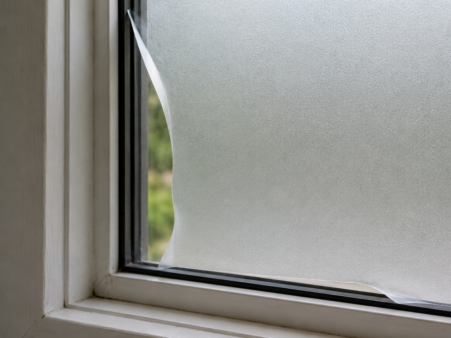
Bubbles, edge peeling, and hazy areas typically result from inadequate surface preparation, improper tool use, or contaminated slip solutions. These defects compromise both appearance and performance by creating weak points in the film-to-glass bond.
Solution: Insist on professionally installed applications for security-grade films. Professional installers maintain controlled environments during application, use proper cleaning protocols, and understand the curing time requirements specific to each product. Most quality films require several days to weeks for full adhesive cure—rushing this process invites failure.
Cost vs. Protection Balance
Higher protection levels come with proportionally higher material and installation costs. Property owners sometimes over-specify film for low-risk windows or under-protect vulnerable entry points, wasting money in either case.
Solution: Conduct a window-by-window risk assessment before requesting quotes. Prioritize ground-floor accessible windows, glass doors, and any glazing near high-value areas for premium protection. Upper floors and interior glass can often use entry-level films. Homeowners frequently pair security upgrades with residential window tinting solutions that add energy savings, privacy, and UV protection. This targeted approach optimizes your security investment while controlling total project cost.
Conclusion and Next Steps
Security window film delivers measurable protection against impact, forced entry, and UV damage while maintaining natural light and outside views. These films provide additional protection against flying glass when windows are broken by windborne debris, helping to maintain the weather seal of a building and reducing damage from water and high winds. Safety and security films help retain window glass in its frame during seismic activity, preventing injury from falling glass and protecting building contents from weather damage and theft during looting sprees.
Tinted and reflective security films enhance privacy by making it difficult for outsiders to see into a home or business during the day, adding daytime privacy benefits alongside protection. Combined with solar control properties that can reduce energy costs by up to 30%, window film represents a practical upgrade for any building.
Take these immediate steps:
- Assess your property’s current window vulnerabilities, noting glass types, frame conditions, and exposure levels for each window and door
- Obtain quotes from at least two certified installers, comparing product specifications, warranty terms, and total installed costs
- Verify installer certifications and request references from similar projects in your country or region
- Schedule installation during moderate weather conditions to ensure optimal adhesive curing
Need More Info?
The Window Film Depot team is happy to help.
For properties requiring comprehensive security integration, explore how window film complements alarm systems, smart monitoring technology, and physical access controls. Building owners in hurricane or seismic zones should also investigate local code requirements that may specify particular film standards or frame attachment methods.
Frequently Asked Questions
How long does security window film last and what affects its lifespan?
Quality security films typically last 10-15 years when professionally installed, with some products warranting performance for 15+ years. Lifespan depends on UV exposure, climate conditions, adhesive quality, and proper installation technique. South-facing windows in hot climates experience faster degradation than shaded northern exposures.
Can security film be applied to all types of glass including double-pane and Low-E windows?
Most security films are compatible with double-pane insulated glass and Low-E coatings, but compatibility must be verified for each specific combination. Darker or highly absorptive films may cause thermal stress in certain glass types. Professional installers assess each window individually and consult manufacturer specifications to determine safe pairings.
What’s the difference between security film and standard window tint?
Standard window tint focuses primarily on solar control, reduces glare, and provides aesthetic benefits. Security film incorporates thicker polyester layers specifically engineered to hold glass together upon impact and resist penetration. Many security films include solar control properties, but standard tint provides minimal breakage protection. Leading dealers that offer a broad portfolio of window glass film products and brands can help you compare dedicated security films with conventional tint options.
Does security film affect window visibility and natural light transmission?
Premium clear security films reduce visible light transmission by only 5-10%, maintaining excellent clarity and natural light. Thicker films or those with reflective properties have greater impact on visibility. Customers find that spectrally selective films offer the best balance of protection and optical quality for residential applications.
How much does professional security film installation cost per square foot?
Installed costs range from $7-$10 per square foot for basic 4-8 mil films, $10-$14 for mid-range 8-12 mil products, and $13-$20+ for professional-grade films with frame anchoring. A typical home with 200 square feet of glass costs $2,500-$4,500 for mid-tier security film including materials and labor.
Will security film prevent all break-ins and is it bulletproof?
Security film is not bulletproof and does not make glass impenetrable. It significantly delays forced entry by requiring repeated, time-consuming blows to create a breach—often enough to deter intruders or allow occupants to call for help. Bullet-resistant protection requires specialized laminated glass assemblies, not standard security film.
Can homeowners install security film themselves or is professional installation required?
DIY installation is possible for basic safety films on small windows, though results typically fall short of professional quality. Films thicker than 8 mils, windows requiring frame anchoring, and any application where warranty coverage matters should be professionally installed. Improper installation compromises both performance and manufacturer warranty coverage.
How do you maintain and clean windows with security film applied?
Wait until full adhesive cure (typically 30 days) before cleaning. Use soft cloths or squeegees with mild, non-abrasive cleaning solutions. Avoid ammonia-based cleaners on certain film types. Never use abrasive pads or scrapers that could scratch the film surface. Annual inspection of edges helps identify any lifting that requires professional attention.