Table of Contents:
Introduction
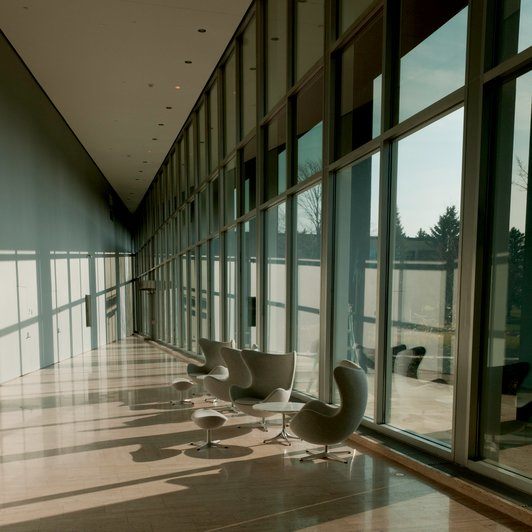
Sun control window film provides an effective solution for managing solar heat and harmful UV rays entering buildings through glass windows. These multi-layered polyester coatings are applied directly to existing window surfaces to reduce heat gain, block damaging ultraviolet radiation, and maintain natural light transmission.
This guide covers residential and commercial building applications, excluding automotive films. The target audience includes homeowners seeking enhanced comfort, building managers optimizing energy costs, and facility operators looking to improve tenant comfort and retention. Understanding sun control window films matters because excessive heat and glare from sunlight streaming through windows can dramatically impact energy costs, occupant comfort, and the longevity of interior furnishings.
Direct answer: High-performance sun control window films can reject up to 78% to 80% of solar energy and block up to 99.9% of damaging UV rays while preserving visibility and the attractive look of your windows.
After reading this guide, you will understand:
- How spectrally selective films reject solar heat while transmitting visible light
- Energy savings potential and cooling cost reduction strategies
- The differences between ceramic, metalized, and other films
- Professional installation requirements and what to expect
- How to select the right film type for your specific windows and climate
Understanding Sun Control Window Film
Sun control window films are thin polyester layers that selectively filter solar radiation passing through windows. These films act as a selective filter for visible light, infrared radiation, and ultraviolet rays, allowing you to enjoy natural light without the excessive heat that typically accompanies direct sunlight.
How Solar Heat Rejection Works
The sun’s energy arrives at your windows in three forms: visible light (what you see), infrared light (what you feel as heat), and ultraviolet radiation (invisible rays that cause fading and skin damage). Sun control window films work through spectral selectivity—blocking the sun’s infrared light while transmitting the visible light waves you want.
Multi layer optical film technology enables this selective filtering. The films can reject up to 97% of the sun’s infrared light, which contributes to heat gain in buildings, enhancing overall energy efficiency. This means greater protection from heat coming through your windows without sacrificing the natural light that makes interior spaces inviting.
High-quality films achieve this IR rejection through advanced nano technology and ceramic particles or metallic layers, depending on the film type. The Solar Heat Gain Coefficient (SHGC) is used to rate films, with a lower number signifying better heat management—an SHGC of 0.25 or lower indicates excellent performance.
UV Protection Technology
The largest cause of fading in furnishings is harmful ultraviolet (UV) rays, which penetrate standard glass and degrade fabrics, flooring, artwork, and wood finishes. Almost all high-quality window films filter out up to 99% of ultraviolet radiation, providing significant protection for your interior investments.
Sun control window films can reject up to 99.9% of damaging UV rays, significantly reducing fading of furnishings and protecting occupants from harmful exposure. This protection extends beyond property—blocking harmful uv rays also reduces health risks associated with prolonged UV exposure indoors, where UV rays can still penetrate glass and cause damage.
The UV protection works continuously regardless of visible light transmission levels, meaning even lighter films with high transmission provide this critical safeguard. This connection between UV blocking and property protection leads directly to understanding the broader benefits these films deliver.
Benefits and Applications
Building on the technical capabilities described above, sun control window films deliver measurable advantages across three primary categories: energy savings, comfort enhancement, and property protection.
Energy Savings and Cost Reduction
Sun control window films can reject up to 60% of the heat coming through windows, significantly reducing energy costs associated with cooling buildings. High-quality films can lower indoor temperatures by approximately 5°C to 8°C and reduce cooling costs by up to 30%, and understanding typical 3M window film cost ranges and pricing factors helps you evaluate payback and budget accurately.
These energy savings translate directly to lower utility bills, particularly in commercial building applications with large glass facades. The films reduce HVAC load during peak cooling periods, potentially allowing for smaller equipment sizing in new construction or reduced strain on existing systems. When the sun’s angle increases during afternoon hours, the films continue blocking solar heat regardless of sun position.
For facilities with completed emission calculations or sustainability goals, window films contribute to reduced energy consumption and can support LEED certification efforts. An energy savings calculation completed by qualified assessors can quantify the specific impact for your building, and reviewing the best window films for heat reduction can help align product selection with your performance goals.
Indoor Comfort Enhancement
Window films can reduce glare by up to 77% to 82%, eliminating uncomfortable hot spots near windows and creating more uniform temperature distribution throughout interior spaces. This enhanced comfort directly affects productivity in offices and satisfaction in residential settings, and dedicated 3M anti-glare and glare reduction window films are often specified where screen visibility and occupant comfort are top priorities.
Using sun control window films can lead to improved tenant comfort and retention by minimizing excessive heat and glare, which can ultimately lower energy costs through reduced tenant turnover and complaints. The application of sun control window films can significantly improve the overall ambiance of a space, as they help to create a more uniform light distribution and reduce harsh sunlight effects.
Sun control window films not only protect against UV rays but also help in reducing glare, enhancing comfort in residential and commercial spaces where occupants spend extended hours near windows; dedicated UV protection film for house windows can be particularly valuable in safeguarding furnishings and occupants in sun-exposed homes, especially when you account for true performance metrics for advanced UV protection films.

Property Protection
Sun control window films can enhance the aesthetic appeal of buildings by allowing natural light to enter while reducing glare and heat, creating a more comfortable and visually pleasing environment. Beyond aesthetics, they provide protection for interior assets that would otherwise degrade from UV exposure.
These films are designed to maintain the clarity of the view while providing a sleek, modern appearance to windows, making them an attractive option for both residential and commercial properties. Premium options such as Prestige Series residential sun control window films leverage this performance, and the reduce fading benefit alone can justify installation costs when protecting valuable furnishings, artwork, or merchandise displays.
Additionally, thicker versions of window films can reinforce glass, holding it together if it shatters, adding a safety dimension to the protection these products provide, and specialized window protection film solutions to reinforce glass windows and doors can address more severe impact, intrusion, or blast risks.
Types and Installation Process
Selecting the right film type depends on your specific requirements for heat rejection, visible light transmission, and appearance. Understanding these options ensures you achieve the performance characteristics and excellent aesthetics your project demands.
Window Film Types and Selection
Different film technologies offer varying trade-offs between heat rejection, light transmission, and special considerations like signal interference or exterior reflectivity. Here’s a comparison of the main categories:
| Film Type | Heat Rejection (TSER) | Visible Light Transmission | Best Use Case |
|---|---|---|---|
| Spectrally Selective / Multi Layer Optical Film | 60-80% | 50-70% (high transmission) | Maximum daylight with excellent heat control; offices, showrooms |
| Ceramic Films | 55-75% | 30-60% | Balanced performance; non metallized window film avoids signal interference |
| Metalized / Reflective Films | 70-80% | 5-30% | Maximum heat rejection; privacy required; exterior reflectivity lets exterior appear uniform |
| Prestige Series Window Films | 60-70% | 50-70% | Premium performance; low interior reflectivity; excellent aesthetics |
| Dyed Films | 40-60% | 20-50% | Budget applications; decorative films; shorter lifespan |
| Spectrally selective films reject heat coming from the sun’s infrared light while maintaining high visible light transmission—they block the heat, not the light waves you want. Ceramic films use non-metal nano-technology to block high levels of heat and UV rays while remaining nearly invisible. This makes them ideal where electronics are present, as they won’t affect signal interference with WiFi, cellular, or other wireless communications, and commercial properties often benefit from 3M™ Ceramic Series sun control window films designed specifically for these environments. | |||
| Metalized films reflect sunlight using metallic particles, which are effective for heat rejection but have a mirrored appearance. While performance is excellent, they can affect signal interference and may not comply with some building codes or homeowner association requirements, so many homeowners instead choose 3M™ Night Vision sun control window films or 3M™ Prestige Exterior Series sun control films for residential properties to balance heat rejection with clear views and minimal reflectivity. |
When interpreting specifications, look for:
- SHGC below 0.30 for strong heat control
- TSER above 65% for measurable energy impact
- VLT appropriate for your orientation and preferences
- Consider whether exterior reflectivity lets you achieve your aesthetic goals
Professional Installation Process
Professional installation is recommended for optimal performance and warranty coverage. The process follows these steps:
- Surface preparation and cleaning — Technicians thoroughly clean glass surfaces, removing dirt, hard water deposits, and any residue that could create adhesion problems. Old film is stripped if present, and frames are protected.
- Film measurement and cutting — Each window is measured precisely, with film cut slightly smaller than the glass edge to prevent edge lifting. Complex shapes require careful pattern matching.
- Application and adhesion — Using wet application methods, installers spray a solution allowing precise positioning before squeegeeing out moisture and air. This eliminates bubbles and ensures complete contact with the glass.
- Curing and final inspection — Films require 15-30 days to fully cure, during which some haziness is normal. Final inspection verifies edge sealing, absence of contamination, and proper adhesion.

Common Challenges and Solutions
Understanding potential issues helps set realistic expectations and ensures long-term satisfaction with your window film investment, particularly when you work with an experienced nationwide window film installation company that emphasizes training and quality control, such as an America’s leading 3M window film installation provider.
Bubbling or Peeling
Bubbling typically results from inadequate surface preparation, installation in improper conditions, or low-quality adhesives. The solution is ensuring professionally installed films by qualified technicians who follow manufacturer protocols. Quality associates incorporated into reputable installation companies maintain training and standards that prevent these issues. Most comprehensive warranties require professional installation for valid coverage, making it important to partner with 3M window film installers offering full product lines and services who follow manufacturer protocols.
Reduced Visibility or Optical Distortion
If windows appear too dark or reflective after installation, the selected VLT percentage was inappropriate for the application. Before installation, request sample swatches to evaluate actual appearance on your windows. Spectrally selective film options offer high VLT while maintaining heat rejection, avoiding the darkening effect of older film technologies. Commercial projects often turn to Prestige Series sun control window films for commercial buildings to achieve this balance. Consider orientation—west-facing windows may tolerate lower VLT better than north-facing glass.
Signal Interference
Metalized films can block or degrade WiFi, cellular, and radio signals within buildings. If electronics and connectivity are priorities, choose ceramic or other films specifically labeled as non metallized window film. These provide excellent heat rejection without the metal layers that affect signal interference, and products like 3M™ Prestige Exterior Series sun control films for commercial use are engineered to deliver this performance. This trade-off is particularly important in commercial building applications with extensive wireless infrastructure.
Conclusion and Next Steps
Sun control window film delivers measurable reductions in solar heat gain, UV exposure, and glare while preserving the natural light and views that make glass windows desirable. High-performance films can reject up to 78% to 80% of solar energy, potentially reducing cooling costs by up to 30% while providing nearly complete UV protection.
Take these immediate steps to move forward:
Need More Info?
The Window Film Depot team is happy to help.
- Measure your windows — Document window dimensions, glass types (single or double-pane), and compass orientations for accurate quotes
- Get quotes from multiple providers — Request product specification sheets showing SHGC, TSER, and VLT values; ask about their commercial warranty and residential warranty terms
- Evaluate samples in place — View actual film swatches on your windows at different times of day
- Verify warranties and compatibility — 3M Window Films come with a limited lifetime warranty when professionally installed on residential properties; all Prestige Series films carry a 15 year warranty when professionally installed on a commercial building; you can review detailed 3M residential and commercial window film warranty information to understand specific coverage terms
- Confirm installer credentials — Selecting 3M Window Films provides peace of mind due to their comprehensive warranty backed by a trusted brand; ensure your installer is authorized
Related topics worth exploring include security and safety films that combine heat control with shatter resistance, decorative films for privacy applications, and low-emissivity coatings for winter heat retention in cold climates, all of which are represented in broad window glass film products and brands from leading dealers.
Frequently Asked Questions
How much heat does sun control window film block?
High-performance films can reject up to 78% to 80% of solar energy, with some spectrally selective films rejecting up to 97% of the sun’s infrared light. The specific performance depends on film type and quality—look for TSER values above 65% and SHGC below 0.30 for excellent heat control.
Can window film be applied to double-pane windows?
Yes, but with important considerations. Films must be compatible with insulated glass units to avoid excessive heat buildup that can stress seals. Many manufacturers specify which films are safe for dual-pane glass, and warranties often cover seal failure when approved films are used correctly.
How long does sun control window film last?
Premium ceramic films typically last 20-25 years, carbon-based films 15-20 years, and dyed films 5-10 years before performance degrades. Multi year warranty coverage reflects these expectations—quality manufacturers offer comprehensive warranty protection for 10-15 years on commercial installations and lifetime coverage for residential.
Does window film affect home resale value?
Quality sun control films generally enhance value by demonstrating energy efficiency improvements, UV protection for interiors, and enhanced comfort. The home’s aesthetics remain attractive, and potential buyers appreciate documented energy savings. Ensure film appearance complements your property’s style.
Can I install sun control window film myself?
While DIY kits exist, professional installation is strongly recommended. Improper cleaning, trapped air, and edge sealing failures significantly reduce lifespan and effectiveness. Additionally, great service from authorized installers ensures warranty validity—most manufacturers require professional installation for multi year warranty coverage, but some property owners may still consider do-it-yourself window film and installation options for smaller or lower-risk projects.
Will window film void my window warranty?
It depends on the glass manufacturer and film compatibility. Some window warranties exclude coverage if aftermarket films cause thermal stress. Always verify compatibility before installation and choose films rated for your glass type. Reputable installers check these requirements as standard practice.
What’s the difference between ceramic and metalized films?
Ceramic films use non-metal nano-technology to block heat and UV rays while remaining nearly invisible and maintaining electronic signal transmission. Metalized films reflect sunlight using metallic particles, which are effective for heat rejection but have a mirrored appearance and can affect signal interference with wireless devices.
How do I clean windows with sun control film?
After the 30-day curing period, clean with mild soapy water and a soft cloth or squeegee. Avoid abrasive materials, sharp objects, and ammonia-based cleaners. Don’t apply tape or adhesives to film surfaces. Following manufacturer care instructions maintains warranty coverage and film longevity.
Additional Resources
Energy Calculation Tools:
- Manufacturer energy savings calculators for project-specific estimates
- Utility company rebate program databases for available incentives
Specification References:
- NFRC Certified Products Directory for verified SHGC and VLT ratings
- IWFA performance standards and reporting standard documentation
Installation Resources:
- Certified installer directories from major manufacturers
- Company verification for authorized dealer status
Warranty Information:
- Review specific multi year warranty terms before purchase
- Understand differences between residential and commercial warranty coverage
- Verify what constitutes properly professionally installed films for warranty validity