Table of Contents:
- Introduction: Why Tinting House Windows Matters in 2026
- Key Benefits of House Window Tint
- How Home Window Tinting Works
- Types of Residential Window Film
- Cost, ROI, and Energy Savings
- DIY vs Professional Installation
- How to Choose the Best Window Film for Your Home
- Warranty, Glass Compatibility, and Restrictions
- FAQs About Tinting House Windows
- Why Choose Our Team for Home Window Tinting
- How to Get Started
Introduction: Why Tinting House Windows Matters in 2026
Back-to-back record heatwaves in 2024 and 2025, combined with rising electricity rates across much of the U.S., have pushed many homeowners to rethink how their house windows handle the sun. Rooms that become unusably hot by mid-afternoon, glare that washes out TV and laptop screens, hardwood floors fading in south-facing living areas, and the uneasy feeling of being “on display” in a street-level home office are problems that no amount of curtains, blinds, or shades fully solves.
Tinting home windows with modern residential window films is a retrofit solution. You do not need to tear out and replace existing home windows to get measurable improvements in energy efficiency, UV protection, and privacy. Installing window film is faster, cleaner, and far more affordable than a full window swap.
This guide covers every angle: the key benefits of house window tint, how the technology works, the types of film available, realistic costs and energy savings, DIY vs. professional installation, how to choose the best window film, and what to know about warranties and glass compatibility. The content is written from the perspective of an experienced professional installer and wholesale supplier serving residential and commercial projects across the U.S. since 1992.
Key Benefits of Tinting House Windows
House window tint delivers multiple advantages at once: lower energy costs, consistent indoor comfort, increased privacy, UV protection, glare control, added security, and improved curb appeal.
Heat reduction and energy efficiency. Solar control films reduce heat by rejecting a significant portion of the sun’s heat before it enters a room. Depending on film type and glass, realistic total solar energy rejection ranges from 40% to over 70%. Advanced spectrally selective films can drop a window’s solar heat gain coefficient from roughly 0.86 on basic flat glass down to around 0.22, representing roughly a 70–75% reduction. Window tinting helps keep homes cooler in summer months and can lower air conditioning use during hot months, directly cutting utility bills. Older windows benefit most from window tinting for energy efficiency because they typically lack any factory coatings. Window tinting can reduce energy bills by insulating windows against conducted and radiated heat.
Comfort across rooms. Film helps even out temperature differences between sunny and shaded sides of a home, reducing hot spots in open-plan living areas and making every room usable year-round.
Privacy. Tinted house windows create a mirror-like effect during the day, making it harder to see inside homes from the street while preserving your outward view. Some films provide daytime privacy while allowing indoor views out, so you do not feel walled off. Frosted and decorative films increase privacy in bathrooms and ground-floor rooms without darkening the space as heavy curtains or blinds would.
UV protection. Modern films block up to 99% of UV rays, the primary driver of fading in hardwood floors, artwork, rugs, and upholstery. Without protection, south-facing rooms commonly show noticeable fading within two to three years.
Glare reduction. Tinting cuts down the harsh glare on TV and computer screens, a real quality-of-life upgrade for anyone working from home or watching a Sunday game near large home windows. Films reduce glare while still allowing natural light into the room, unlike blackout shades that kill daylight entirely.
Safety and security. Thicker security films hold shattered glass together during break-in attempts, storm events, or accidental impacts, reducing injury risk and slowing intruders trying to gain entry through glass near doors.
Curb appeal. A subtle, uniform tint can make older house windows look more modern and cohesive from the exterior. Tint can change how a home looks inside and outside, supporting perceived home value without major remodeling.
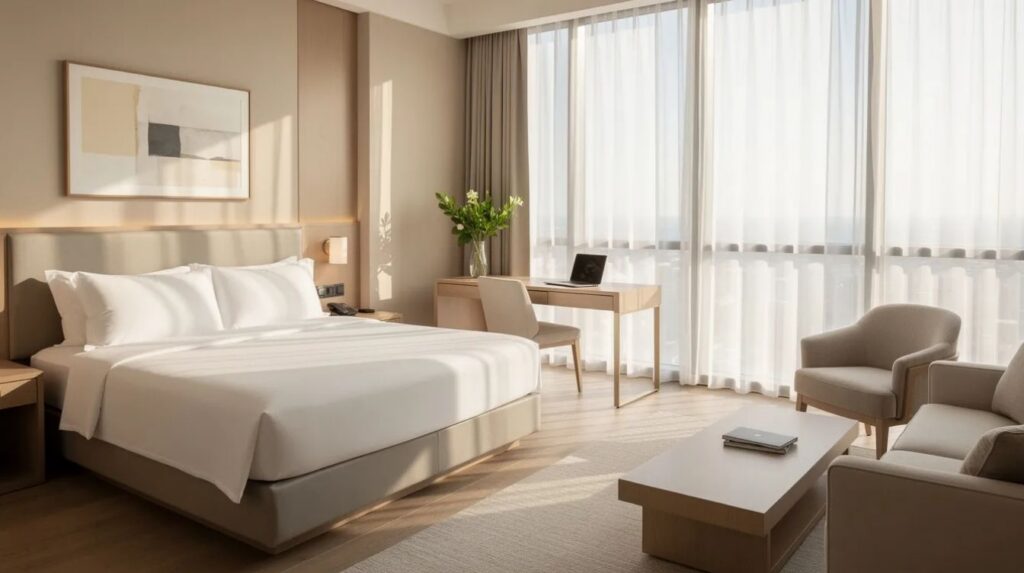
How Home Window Tinting Works on House Windows
Window film is a thin, multi-layer material applied to the interior side of window glass to manage light, heat, and UV transmission. Premium films are optically clear and distortion-free, so your view stays sharp.
Film construction typically includes multiple polyester layers, a scratch-resistant top coat, a pressure-sensitive adhesive, and functional layers that may contain dyes, metals, or nano-ceramic particles. Ceramic and nano-ceramic films represent the current standard for high performance because they reject infrared heat without heavy tint or signal interference.
In simple terms, films selectively filter portions of the light spectrum. They let visible light pass through so rooms stay bright while reflecting or absorbing much of the infrared heat and nearly all UV. Spectrally selective residential window films can allow 50–70% of visible light through while still rejecting the majority of solar heat.
Film does not change the physical glass thickness, but it significantly improves performance metrics like solar heat gain coefficient and, in some products, U-value. You should decide between interior-applied or exterior film based on window construction, though most residential films are installed on the inside surface for longevity and easier maintenance.
High-quality residential films typically last 10 to 20 years when installed properly and cleaned with non-abrasive solutions. Climate, sun exposure, and orientation affect longevity, with west-facing and south-facing panes experiencing more stress.
Types of Residential Window Film for House Windows
Choosing the right house window tint depends on your goals: energy efficiency, privacy, security, aesthetics, or a combination of all four. There are three main types of window film: solar, decorative, and security. Different films serve different purposes, such as energy savings or privacy.
Solar control films are designed primarily to block heat and reduce glare. Residential window tints vary by material, impacting solar heat rejection. Dyed films are the least expensive but fade over time; metallized films reflect more heat but can interfere with cell signals; nano-ceramic films offer the highest heat rejection with minimal tint and no signal issues. Importantly, darker tints do not always mean better heat rejection. You should choose window film based on solar performance rather than just darkness. Solar-control films are primarily a solar-control measure and not insulation, though they do reduce conducted heat transfer to a degree.
Decorative and privacy films include frosted, etched patterns, and gradient options. Decorative films add style and privacy with patterns or frosted effects and can enhance privacy and style simultaneously. Privacy films can come in various colors and patterns, making them ideal for bathroom windows, sidelights, and ground-level glass. Renter-friendly removable options exist for temporary situations.
Security and safety films are thicker, multi-layer products (4 to 21 mil) that strengthen glass and reduce shattering risks. They are commonly used on sliding glass doors, ground-floor windows, and glass near entry points to slow intruders and protect occupants from flying shards during storms.
Specialty films include low-reflective options for HOA-restricted neighborhoods, anti-graffiti coatings for street-facing glass, and spectrally selective films that pair high heat rejection with a nearly clear appearance suited to a range of architectural styles.
Not all window films are compatible with every type of glass, so avoid a one-size-fits-all approach. The warranty and glass compatibility section below explains why this matters.
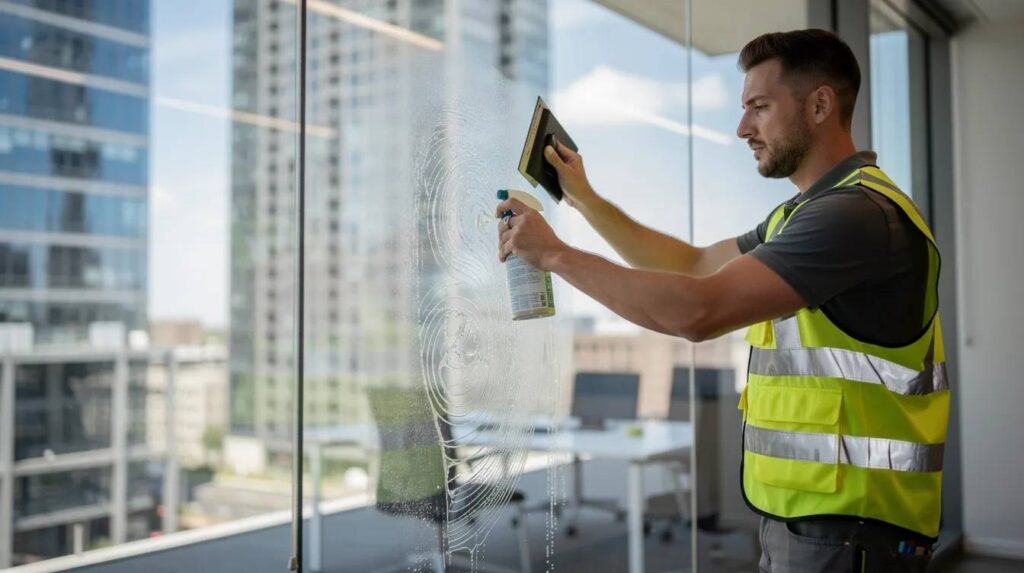
Cost, ROI, and Energy Savings of Tinting House Windows
Home window tinting is typically far cheaper than full window replacement. Cost varies based on film type, total square foot coverage, glass accessibility, and local labor rates.
| Cost Factor | Typical Range |
|---|---|
| Professional installation (per sq ft) | $5 to $8 |
| DIY film material only (per sq ft) | $2 to $4 |
| Total project (average home) | $500 to $3,000 |
| Security or specialty films (per sq ft) | $8 to $15+ |
For a small single-story home with 10 to 15 standard house windows (roughly 150–250 square feet of glass), expect a professional project in the $750–$2,000 range. Larger homes with extensive glass or specialty needs can run higher. Basic films start at a few dollars per square foot for materials alone.
Energy savings. In hot-summer regions, properly chosen solar films can cut cooling energy use by 10–30% on treated windows, depending on orientation and climate. For a household spending $1,200 per year on cooling, that could mean $120 to $360 in annual savings. The payback period for energy savings is typically 3 to 5 years in sun-heavy markets, shorter where electricity rates are high.
Non-energy ROI. Beyond lower energy bills, you save money through extended life of furniture, flooring, and art that would otherwise fade. Improved indoor comfort, less glare, and enhanced curb appeal can also support resale value even if buyers never notice the film itself.
DIY vs Professional Home Window Tinting
Many homeowners see inexpensive DIY films at big-box stores and wonder whether professional installation is worth the premium. Here is a straightforward comparison.
DIY pros: Lower upfront material cost, flexibility to test on a single bathroom or garage window, and good for temporary decorative films in low-visibility areas.
DIY challenges:
- Achieving a dust-free surface is harder than it sounds; trapped particles cause permanent bubbles
- Cutting film precisely to fit large picture windows or arched transoms takes practice
- Lower-grade films may peel, bubble, or lose clarity over time
- Darker films can block natural light and make rooms feel dimmer if chosen poorly
- No manufacturer warranty coverage in most cases
Professional advantages: Professional installation ensures better results than DIY methods. Trained installers use specialized tools, access high-performance films not sold at retail, and deliver consistent results across dozens of home windows. Critically, professionals also assess glass type, existing coatings, and orientation to prevent thermal stress and warranty problems that a DIY installer might not even know to check.
A reasonable hybrid approach: handle smaller, low-value panes yourself if you are comfortable with the process, but hire pros for large, highly visible, or warranty-sensitive windows.
How to Choose the Best Window Film for Your Home
The best window film is different for every house. It depends on climate, window orientation, glass type, privacy needs, and aesthetic preferences.
Start by ranking priorities room by room. A west-facing living room may need maximum heat rejection. A street-level home office may need daytime privacy first. A bathroom might call for decorative frosted film. A sunroom might need both glare reduction and UV protection.
Compare key metrics:
- Visible Light Transmission (VLT): higher means brighter rooms; 50–70% is a good range for living spaces
- Total Solar Energy Rejected (TSER): higher means less heat entering
- UV rejection: look for 99% or above
- Interior and exterior reflectivity: lower reflectivity suits HOA-restricted or historic neighborhoods
Climate and orientation matter. Strong solar-control films belong on south- and west-facing house windows in hot regions. North-facing glass or homes in cooler climates may benefit from lighter films that preserve passive solar warmth in winter while still blocking UV.
Style and curb appeal. Neutral gray, bronze, and nearly clear films each look different from the street. Coordinate with roof color, siding, and trim for a cohesive exterior appearance across different architectural styles.
Request in-home samples or mockups. Holding film against your window glass at different times of day reveals real-world light levels before you commit. Work with an installer who can source solar, security, and decorative lines and tailor a mix across your home rather than applying one generic film everywhere.
Warranty, Glass Compatibility, and Local Restrictions
Not all window films are compatible with all types of glass, making expert guidance essential before you commit to modifying windows.
Glass compatibility. Single-pane annealed glass is the most forgiving. Double-pane insulated glass units, low emissivity (low e) coated panes, and heat treated or tempered glass each carry specific limitations. Applying dark tints to double-pane windows can lead to thermal stress, potentially cracking the glass or breaking the seal between panes. Certain types of factory-coated newer windows restrict which aftermarket films are safe to use.
Window warranty. Installing window film could void your window warranty if the film is unapproved. Many window manufacturers specify acceptable aftermarket products, and applying a non-approved film can limit or void glass breakage or seal-failure coverage. Reputable film manufacturers frequently offer their own glass breakage warranties when approved films are correctly installed by authorized professionals, often matching or extending the original coverage.
HOA and local restrictions. Check HOA guidelines for rules on window tinting. Some communities restrict highly reflective or mirror-like finishes on front-facing house windows. Historic districts may limit visible changes to facades entirely.
Before installing: review your window documentation, check HOA covenants, and consult a professional installer to select films that meet both performance and compliance requirements. Save film datasheets, invoices, and warranty documents for future buyers or inspectors. Also consider that tinting may take away too much of the sun’s energy in cold areas, so film selection should account for heating costs in winter-dominated climates.
FAQs About Tinting House Windows
Below are direct answers to the questions homeowners ask most often about residential window tinting.
How much does it typically cost to tint a whole house worth of windows?
Total installation costs range from $500 to $3,000 for an average single-family home, depending on total glass area, film type, and access difficulty. Professional installation costs $5 to $8 per square foot for common solar films. A home with roughly 200 to 400 square feet of glass falls squarely in that range.
Will house window tint make my rooms too dark?
Not necessarily. Modern spectrally selective films can block a large share of heat and UV while still allowing 50–70% of visible sunlight through, keeping rooms bright and airy. Darker tints are optional and usually chosen only for specific glare-control or privacy needs.
How long does residential window film last on home windows?
High-quality residential window films typically last 10 to 20 years depending on film grade, orientation, and climate. Premium films with professional installation and proper care maintain clarity and adhesion far longer than budget alternatives.
Can window film be removed if I change my mind or sell my house?
Yes. Most architectural films are removable with the right tools and techniques, though thicker security films take more effort. Professional removal is recommended for large projects to protect the glass and avoid adhesive residue.
Will tinting my house windows actually lower my energy bills?
In sun-exposed homes, properly chosen solar films can noticeably reduce cooling loads and energy costs. Cutting peak summer A/C runtime by 10–30% on treated south- and west-facing rooms is realistic. The payback period is often 3 to 5 years in warm climates.
Is it better to replace my windows or tint my existing home windows?
If frames are rotting or glass is cracked, replacement may be necessary. If your windows are structurally sound but inefficient or uncomfortable, installing window film is faster, less disruptive, and significantly more affordable. Older windows benefit most from window tinting because they typically lack any performance coatings, making film a high-impact, low-cost upgrade.
Why Choose Our Team for Home Window Tinting
Window Film Depot is a family-owned specialist in high-performance window films and architectural surface solutions, serving both residential and commercial projects nationwide since 1992. That is over three decades of hands-on experience with solar control, security, decorative, privacy, and anti-graffiti films for homes, schools, government buildings, and retail spaces.
We provide turnkey service: consultation, film selection, measurement, professional installation, cleanup, and aftercare guidance, all coordinated under one point of contact. Our product range spans multiple lines of tested, certified films so we can tailor solutions to each room rather than forcing a single generic product across your entire home. Every installation follows manufacturer and industry best practices to protect your glass and maximize film longevity, backed by strong manufacturer warranties.
We service major metro areas and smaller communities across the U.S. and coordinate multi-location projects when needed. Trade partners, glaziers, contractors, and facility managers are welcome to inquire about wholesale film supply for larger-scale or recurring work.
How to Get Started: Next Steps to Tint Your House Windows
Do not wait for the next heatwave or energy bill spike to explore home window tinting. The process is fast, clean, and usually completed in a day or two for a typical home.
Here is how it works:
- Initial phone or online consultation
- Share photos or plans if available
- On-site assessment and measurements
- Film recommendations tailored by room
- Written quote with no obligation
- Scheduled installation at your convenience
- Final walkthrough and care instructions
Before calling, gather a few basics: approximate number and size of your house windows, which rooms give you the most trouble (too hot, too bright, not enough privacy), and any HOA or architectural guidelines that apply.
Spring and fall bookings often offer more scheduling flexibility than peak summer, but installations can be done year-round in most regions. Request your no-obligation quote today and find out how quickly the right film can make every room in your home more comfortable, more private, and more energy-efficient