If you just searched for house tinted windows near me, you probably have a specific problem: rooms that overheat, glare that ruins your screens, furniture that’s fading, or windows that offer zero privacy. This guide walks you through how to get a quote fast, which film types solve which problems, what the project costs, and how to pick an installer you can trust.
Table of Contents:
- How to Get Help Fast
- What Residential Window Tinting Actually Does
- Types of Home Window Films
- Key Benefits: Heat, Energy, Glare
- Privacy, Style, and Decorative Options
- Security Film
- How to Choose the Right Film
- Costs, ROI, and Price Factors
- What to Expect: The Process
- Local vs. National Installers
- Common Mistakes to Avoid
- FAQs
- Why Choose Our Team
- Next Steps
House Tinted Windows Near Me: How to Get Help Fast
Most residential window tinting companies in metro areas can provide a quote within 24 to 72 hours of your first call. The process moves faster than many homeowners expect; most homes with 15 to 25 standard windows can be completed in a single day with professional installation.
Before you reach out, spend ten minutes preparing:
- Measure the rough width and height of windows you want tinted
- Note which rooms overheat or have the worst glare
- Decide your priorities: heat rejection, glare reduction, privacy, or security
- Check whether your HOA has rules about window appearance
The rest of this article helps you choose the right film type, evaluate installers, and understand your budget before booking a visit.
What Residential Window Tinting Actually Does for Your Home
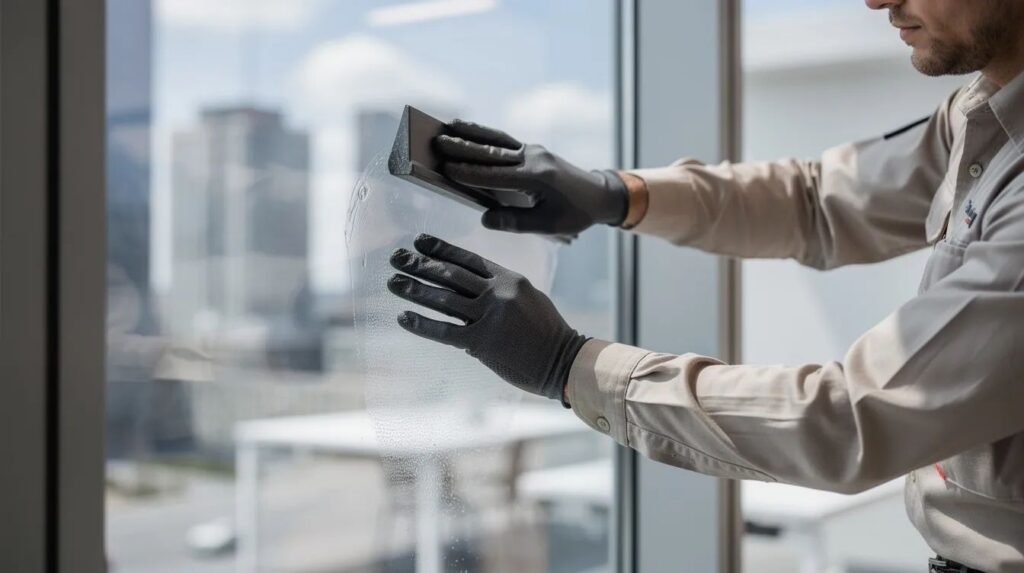
Residential window tinting is a retrofit film applied directly to existing house windows. You keep your current glass and frames; a thin polyester-based film bonds to the interior surface, changing how that glass handles sunlight.
Solar control window film works by reflecting and absorbing portions of the solar spectrum. The film targets infrared light (which carries heat) and ultraviolet radiation while allowing visible light through. Window tints block a significant portion of solar heat, and quality window tints improve indoor comfort without requiring you to keep blinds drawn all day.
On the UV side, window film can block up to 99% of UV rays. That matters for more than skin protection. Reducing sunlight exposure can slow fading of furnishings, hardwood floors, and artwork in rooms with heavy sun exposure. A south-facing kitchen with unfiltered glass can bleach countertops and upholstery within a few years.
Modern films also add a layer of safety to your glass. Even standard solar films help hold cracked glass in place during accidental impacts, reducing the risk of shattered shards scattering across a room.
Three core benefits at a glance:
- Comfort: cooler rooms, fewer hot spots, less glare
- Protection: UV blocking for skin, flooring, furniture, and artwork
- Efficiency: reduced cooling load and lower energy bills
Types of Home Window Films: Solar, Decorative, and Security
Not all window film is “dark tint.” Film types break into three main categories, each solving a different set of problems.
Solar control film is the most common choice for home window tinting. These films prioritize heat rejection and glare reduction. Spectrally selective and ceramic varieties are the current standard; they block infrared energy without heavy darkening or a mirror-like exterior. A ceramic film on west-facing windows in a family room, for example, can reject over 50% of incoming heat while keeping the view clear. Solar control films block up to 79% of solar heat in higher-grade products like 3M’s solar control line.
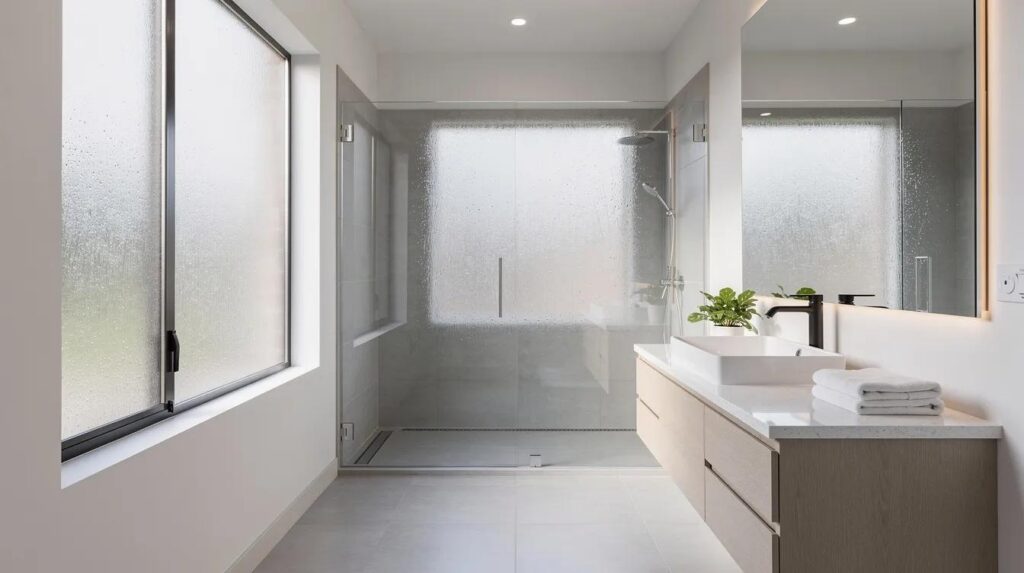
Decorative window film solves privacy and style problems. Frosted films provide instant privacy without blocking natural light, making them a go-to for bathrooms, sidelights, and home office glass. Patterns available in 2026 include linen textures, geometric frosts, and gradient fades that mimic etched glass at a fraction of the cost. These decorative films enhance privacy and style in homes while remaining easy to remove or swap as tastes change.
Security film uses thicker construction to hold glass together during break-ins, accidental impacts, and storms. It pairs well with solar control or privacy features in dual-purpose products.
Older dyed films absorb heat and tend to discolor within a few years. Metallized films reflect well but create a mirror effect and can interfere with cell and Wi-Fi signals. Modern ceramic and spectrally selective films avoid both problems: low reflectivity, high clarity, strong infrared blocking.
Key Benefits: Heat Rejection, Energy Savings, and Glare Reduction
“My upstairs bonus room is 8°F hotter than the rest of the house.” That complaint drives many homeowners to search for window tinting. Here is what the numbers look like.
Heat rejection: 3M solar control window film blocks up to 79% of solar heat. LLumar window film blocks 99% of harmful UV rays. Residential window films can reject over 50% of heat even in mid-range products. In a practical scenario, a west-facing bonus room in a Texas home with spectrally selective film installed saw glass surface temperatures drop 10 to 15°F during peak afternoon sun, cutting AC cycling during the hottest hours.
Energy savings: Window tinting can reduce energy bills year-round. Homeowners in hot climates like Georgia, Texas, Florida, and Arizona commonly offset installation costs over three to five cooling seasons. Energy savings can offset installation costs over time, and the effect compounds as utility rates rise. In milder climates, the value leans more toward comfort and UV protection than raw AC savings.
Glare reduction: Solar control films reduce glare by up to 84% on screens. Tinting cuts down harsh sunlight reflections on screens and bright surfaces, making home offices with multiple monitors and south-facing dining rooms far more usable. A film with 40% visible light transmission still provides a clear view while taming afternoon glare enough to watch TV or work without squinting.
At-a-glance benefits:
- Cooler rooms with fewer temperature swings
- More consistent temperatures between floors
- Better TV, monitor, and laptop visibility
- Protected flooring, furniture, and upholstery from UV damage
- More comfortable natural light without the heat penalty
Privacy, Style, and Decorative Window Film Options
Many homeowners searching for house tinted windows near me are not chasing darkness. They want privacy and a better-looking home.
Darker or reflective tints provide increased daytime privacy on street-facing and ground-floor windows. One-way privacy films let you see out while people outside see a reflective surface during daylight. One limitation to know: nighttime privacy is reduced when interior lights are on, because the light differential reverses. For full-time privacy, frosted or translucent finishes work better.
Decorative window film now covers dozens of styles: linen textures, etched-glass looks, geometric frosts, and matte white stripes. Typical locations include:
- Bathroom windows and shower enclosures (where glass type allows)
- Sidelights flanking front doors
- Pantry and laundry room doors
- Home office glass partitions
- Transoms above entry doors
Decorative films enhance privacy without blocking natural light, and because they are non-permanent, you can update them when your style changes.
Security Film: Extra Protection for Your Home’s Windows
Security film is a separate layer of protection, not a replacement for locks or alarm systems. It uses thicker polymer construction than standard solar film.
Safety film holds glass together during impacts. Instead of shattering into dangerous shards, the glass stays bonded to the film, creating a barrier that slows or prevents penetration. Security film can delay forced entry by up to 2 minutes, which is often long enough for an alarm to trigger a response. 3M safety films meet Miami-Dade hurricane codes, making them relevant for homeowners in storm-prone coastal regions. Safety and security films can protect against break-ins and accidents alike.
Practical use cases where homeowners get the most value:
- Ground-level doors with large glass panels
- Basement windows hidden from street view
- Patio sliders and large sliding doors
- Skylights exposed to hail or falling debris
Many security films now include solar control or privacy features, so you get heat rejection and impact resistance from a single product.
How to Choose the Right Film for Your Residential Windows
Film selection balances comfort, privacy, appearance, budget, and glass type. Start by answering three questions:
- Which rooms are too hot or too bright?
- Do you care more about preserving views or adding privacy?
- Is fading, comfort, or security your primary concern?
Glass type matters. Certain films can create thermal stress in some glazing, particularly dual-pane glass with low-E coatings. Absorbed solar heat can increase thermal stress on glass when the wrong film traps energy between panes. A professional assessment confirms compatibility and avoids voiding existing glass warranties, since applying aftermarket window film can sometimes void warranty coverage if the film is not matched to the glass.
Choosing window tint should consider visible transmittance ratings rather than just shade darkness. Darker tints decrease the overall amount of visible light, which is fine for a media room but counterproductive for a north-facing kitchen.
A room-by-room approach works well:
- If you want cooler rooms without a dark look: lighter ceramic solar control film (VLT 50%+)
- If you want daytime privacy without heavy tint: frosted or light reflective privacy film
- If you want maximum heat reduction on hot exposures: spectrally selective film with high infrared rejection on west- or south-facing glass
- If you want storm or break-in protection: security film on ground-level glass and sliders
Costs, ROI, and What Impacts Your Price
Most reputable installers price by the square foot plus complexity, not by a flat per-window rate. Window tinting costs range from $5 to $20 per square foot installed.
| Film Type | Low ($/sq ft) | Average | High |
|---|---|---|---|
| Basic dyed solar control | $3–5 | $5–7 | $7–9 |
| Hybrid/carbon | $5–8 | $7–9 | $10–12 |
| Ceramic / spectrally selective | $8–10 | $10–14 | $14–20 |
| Security/safety | $8–12 | $12–16 | $16–20+ |
| Decorative / specialty films | $6–10 | $8–12 | $12–16 |
For a house with 10 to 15 standard windows, total project costs in 2026 typically fall between $400 and $1,500 depending on film grade and window size.
What drives price up or down:
- Hard-to-reach glass requiring ladders or lifts
- Complex shapes: arches, grids, multi-pane French doors
- Existing film removal or old sealant prep
- Film grade: ceramic costs roughly double basic dyed film per square foot
Tint application can be cheaper than window replacement by a wide margin. In hot-summer regions, the combination of energy savings and extended life of furnishings can justify the cost over several cooling seasons. Payback in southern climates runs three to ten years depending on window count and film grade.
What to Expect: The Home Window Tinting Process
Most projects are clean, non-disruptive, and finished in a single day for average-sized homes.
Step 1: Inquiry. You share photos and rough measurements of your home’s windows by phone or web form.
Step 2: In-home assessment. A technician measures glass, checks orientation, inspects existing coatings, and discusses your goals.
Step 3: Recommendation and quote. You receive two to three film options with clear pros and cons covering solar control, privacy, and security film choices. Performance data like visible light transmission, heat rejection percentage, and UV blocking are spelled out.
Step 4: Install day. Surface prep, film application, trimming, and cleanup. Furniture typically stays in place; installers work around your layout.
After installation, expect mild haziness or small water bubbles that clear within a few days to a few weeks as the adhesive cures. Avoid cleaning new film with ammonia-based products; use soft cloths and film-safe cleaners. Professionally installed window film from reputable manufacturers carries warranties of 10 to 20 years against bubbling, peeling, and discoloration. Make sure your quote includes both product and labor coverage.
Local vs. National Installers: Making the Right Choice
Local shops often respond faster for smaller jobs and follow-up adjustments. They tend to know neighborhood sun patterns, common house styles, and HOA expectations in nearby areas.
Larger regional or national operations bring capacity for big homes, multiple buildings, and tight timelines. They also stock broader product lines, including advanced solar control window film, specialty films, and custom decorative window film that smaller shops may need to special-order.
Questions to ask any installer:
- Which film lines do you carry, and which do you recommend for my specific glass type?
- How many similar residential window projects have you completed in the last year?
- What does your warranty cover for both film and labor?
- Can I see photos of house tinted windows on homes like mine?
- Are you locally owned, or part of a larger network?
Common Mistakes to Avoid When Tinting Your Home’s Windows
Many homeowner regrets come from rushing or choosing on price alone.
- Choosing film by darkness alone. A film’s shade tells you little about its heat rejection or UV protection. Ask for performance specs. A lighter ceramic film can outperform a darker dyed film on every metric.
- Ignoring glass compatibility. Putting the wrong film on dual pane glass or low-E windows can cause seal failure. Poor quality film can result in bubbling or peeling within a year.
- Skipping samples. Not holding a film sample against your actual window leads to surprises about reflectivity, color shift, and how it changes your home’s appearance from the curb. Tinting alters the exterior appearance of a home, sometimes more than people expect.
- Over-tinting dim rooms. A north-facing room with moderate light does not need heavy solar control. Over-darkening makes rooms feel closed in and wastes money.
- DIY on large windows. Streaks, trapped dust, and uneven seams are far more visible on picture windows and sliding doors. Removing cheap film later often costs more than professional installation from the start.
- Hiring non-specialists. Automotive tinting and house window tinting require different techniques, tools, and film types. Ask whether the installer’s primary work is residential, not just auto.
FAQs About House Tinted Windows Near Me
These are the questions homeowners ask most often when exploring residential window tinting.
Is it worth it to tint house windows?
For many homeowners, yes. Quality window tints improve indoor comfort, block 99% of harmful UV rays, and reduce cooling costs. A homeowner with large south-facing windows can protect tens of thousands of dollars in flooring and furniture from fading over the film’s lifespan. Good residential window film lasts 10 to 15 years or longer, which spreads the cost thin. People choose window tinting because it solves multiple problems (heat, glare, UV damage, privacy) with a single installation.
How long does residential window tinting last on home windows?
High-end ceramic and spectrally selective films installed since 2020 commonly last a decade or more, with some backed by manufacturer warranties of 15 to 20 years. Extreme sun exposure, coastal salt air, and poor glass condition shorten lifespan. Indoor decorative films not subject to direct sunlight often last even longer.
Will window film make my house too dark or change how it looks from the street?
Many solar control films are nearly clear. A ceramic film with 60%+ visible light transmission delivers strong heat rejection while keeping rooms bright with natural light. Some exterior reflectivity is normal, but modern films minimize the mirror effect. Homeowners can request shades matched to their curb appeal and HOA rules. Darker tints obscure the view from the outside during the day, which adds privacy but changes appearance.
Can tint be applied to all types of residential windows?
Most single-pane, double-pane, and tempered glass windows accept film. Low-E coated glass requires careful film matching; the wrong combination can trap heat and stress seals. A professional assessment identifies any restrictions and ensures the film will not create thermal stress or void existing warranties.
How much does home window tinting cost compared to replacing windows?
Window replacement for an average home runs $8,000 to $20,000+ depending on frame material and glass spec. Tinting the same windows costs a fraction of that, typically $500 to $1,500 total for solar control film. Film makes the most sense when frames and glass are structurally sound but energy efficiency, light control, or privacy needs improvement. Window tinting can reduce energy bills, which helps offset the upfront cost.
Do I need both shades or blinds and window film, or is film enough?
Window film and window treatments serve different but overlapping roles. Film reduces heat and UV at the glass itself; shades manage light control and privacy on demand. In a living room, solar control film plus light-filtering shades gives you cooler rooms during the day and full privacy at night. In a bedroom, security film plus blackout shades handles both protection and sleep quality. Film alone is enough for many homeowners who mainly want to save energy and reduce glare.
Why Choose Our Team for Residential Window Tinting
Our company has been installing window film since 1992, more than two decades of work across residential, commercial, and institutional projects. That depth means we have handled nearly every combination of glass type, climate, and homeowner goal.
We carry multiple high-performance film families, including 3M solar control window film, security and safety film, privacy and decorative films, and specialty coatings for challenging glazing. Every project includes an in-home assessment, clear explanations of performance data, professional installation and cleanup, and manufacturer-backed warranties.
Because we also manage large-scale commercial and government projects, we bring building-envelope expertise to individual residential jobs. That means better film-to-glass matching, fewer compatibility issues, and recommendations grounded in real performance data rather than guesswork.
Next Steps: Get a Home Window Tinting Quote Near You
You have done the research. Here is what to do next:
- List your problem rooms and primary goals (heat, glare, privacy, security)
- Take quick photos of the interior and exterior of your home’s windows
- Reach out by phone or web form to request a free estimate
Ask for at least two film options per room so you can compare clarity, heat rejection, and cost side by side. Most consultations are free, low-pressure, and focused on finding the right choice for your specific windows.
Schedule your in-home assessment and start enjoying cooler, more comfortable rooms with professionally tinted house windows.