Table of Contents:
Introduction
One way mirror window film is a multilayer reflective film applied to glass that creates a mirror effect on one side while maintaining visibility from the other, depending on lighting conditions. This window film uses a metallic coating—typically aluminum or silver—deposited onto a polyester substrate to control how light transmits through and reflects off the glass surface.
This guide covers everything you need to know about one way mirror film: how the technology works, the different types available (silver, colored, various thicknesses), installation methods for both static cling and adhesive options, performance optimization strategies, and troubleshooting common issues. Whether you’re a homeowner seeking daytime privacy, an office manager evaluating solutions for conference rooms, or a renter looking for temporary window privacy options, this content addresses your specific needs and concerns.
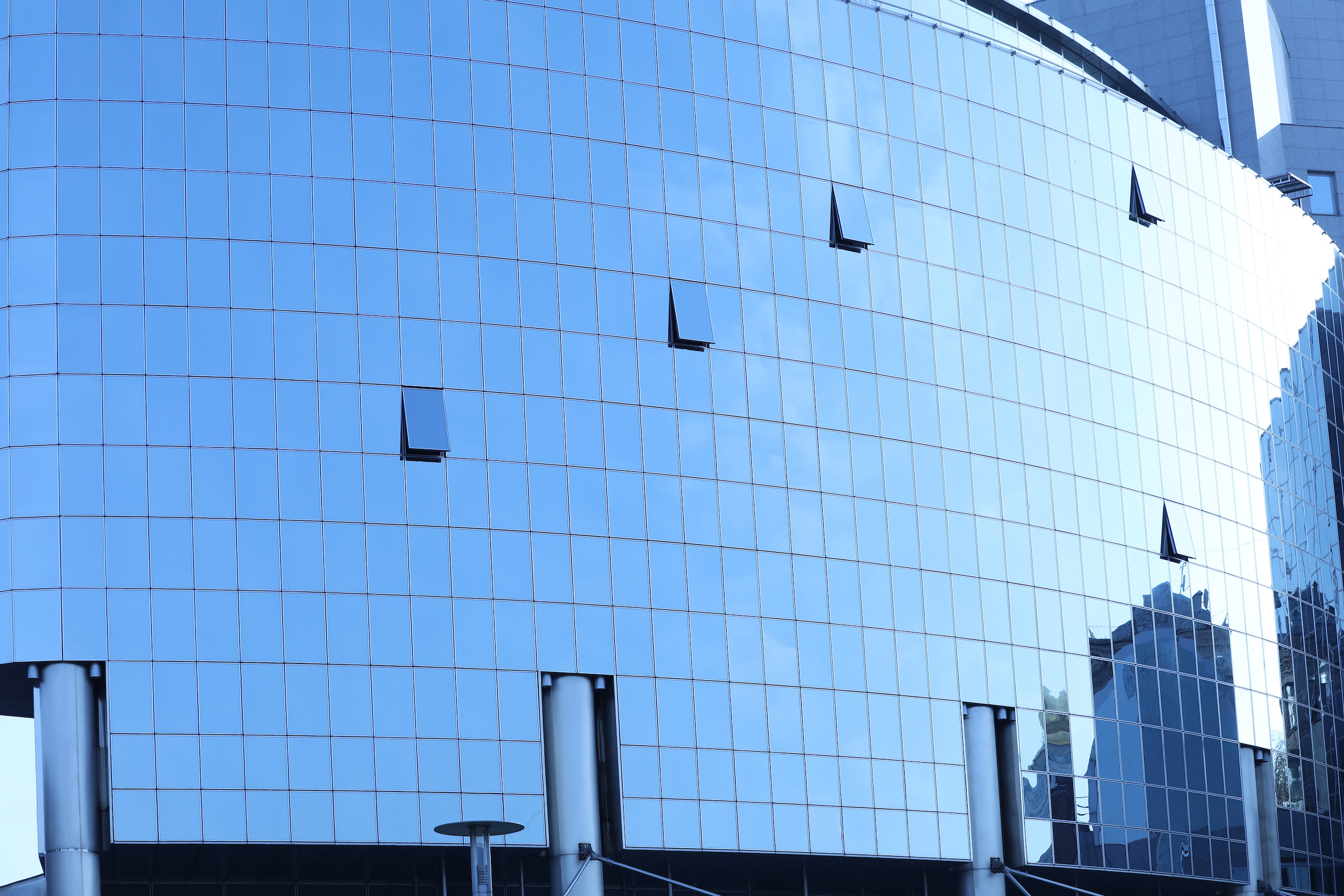
Direct answer: One way mirror window film creates daytime privacy by making the exterior side of the glass appear like a mirror, while allowing those inside to see out. The effectiveness relies on the lighting disparity between the two sides—the brightly lit side reflects light, while the darker side allows visibility through the film.
After reading this guide, you will understand:
- The science behind how mirror film creates privacy based on lighting conditions
- How to select the right film type (color, thickness, adhesive vs static cling) for your situation
- Step-by-step installation techniques for bubble-free application
- Solutions for nighttime privacy limitations and other common challenges
- Key performance metrics (VLT, VLR, heat rejection) for comparing products
Understanding One Way Mirror Window Film
Mirror window film differs fundamentally from regular window tinting for homes in its construction and purpose. While standard tinted films absorb light to reduce brightness and heat, one way window film incorporates a reflective metallic layer that actively mirrors light back toward the brighter side. This reflective coating creates the characteristic “one way glass” effect seen in police stations, interrogation rooms, and police lineup observation areas.
How Mirror Film Technology Works
One-way mirror window film works by utilizing a dual reflective layer, where one side is coated with a silver reflective film and the other side is a non-reflective black film, creating a privacy effect based on lighting conditions. When light strikes the metalized surface, part is reflected, part is absorbed, and part transmits through.
The effectiveness of one-way mirror film relies on the lighting disparity between the two sides of the glass; the side that is brightly lit will reflect light, while the darker side allows visibility through the film. During daytime, outside light is significantly brighter than interior lighting, so people outside see their own reflection while those inside maintain clear visibility to the exterior. This typically requires a light ratio of approximately 1:3 or 1:4 between the darker and brighter sides.
This same principle explains why mirror film doesn’t provide privacy at night. When interior room lighting exceeds outdoor brightness, the effect reverses completely—people inside see their own reflection on the glass, while those outside can see into the illuminated space. This isn’t a product flaw but inherent physics of how one-way mirror systems interact with light.
Types of Mirror Window Film
One-way mirror films can come in various colors, including silver, black, blue, red, gold, and bronze, each offering different levels of light blocking and reflectivity. Silver mirror film delivers the highest reflectance and strongest privacy effect, creating a bright, modern mirror appearance on the exterior. This option works great for maximum daytime privacy but produces noticeable reflective glare that may not suit every building aesthetic.
Colored options shift the reflected hue to create warmer or cooler appearances. Bronze and gold films complement traditional architecture while still providing substantial privacy. Blue films offer a cooler tone that blends with contemporary glass facades. While colored films typically have slightly lower reflectivity than silver variants, the difference in privacy performance remains minimal for most applications.
Thickness variations impact durability, handling during installation, and optical clarity. Films range from approximately 2-mil to 6-mil (roughly 50-150 microns). Darker film with greater thickness proves more durable and easier to install without wrinkles, though it may create a marginally darker interior. Thinner films offer better optical clarity but require more careful handling during application.
Static Cling vs Adhesive Options
One-way mirror films can be categorized into static cling films, which do not use adhesive, and adhesive films, which are applied directly to the glass surface. Each serves distinct use cases based on permanence requirements and installation conditions.
Static cling films adhere through micro-suction when applied wet, leaving no residue upon removal. This makes them ideal for renters, seasonal applications, or situations requiring flexibility. You can peel and reposition static cling during installation, and even reuse quality films multiple times. However, edges may lift over time, particularly in humid environments or temperature extremes, and typical lifespan ranges from 2-5 years.
Adhesive-backed films use pressure-sensitive adhesive for permanent bonding. These provide superior optical clarity, better edge adhesion, and longer durability (7-15+ years with proper care). Professional installations using adhesive films often carry manufacturer warranties of 10-15 years. The tradeoff involves more demanding installation requirements and difficult removal that may leave residue.
The connection between film type and your specific application directly impacts installation approach and expected results.
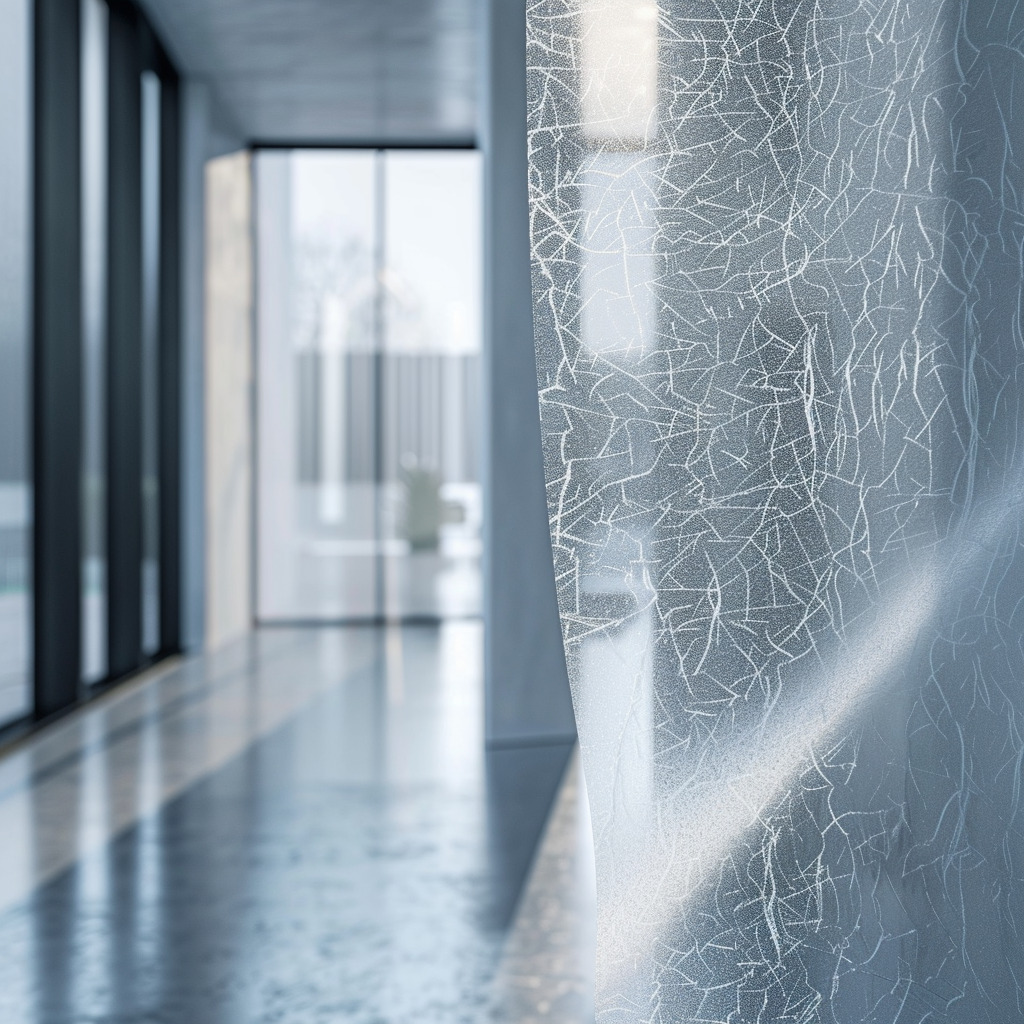
Benefits and Applications of Mirror Window Film
Beyond creating privacy, one way film delivers measurable advantages in energy efficiency, UV protection, and glare reduction that justify the installation effort for both residential window film and commercial spaces installation.
Privacy Enhancement
One-way mirror window film provides daytime privacy by making the exterior side of the glass appear like a mirror, while allowing those inside to see out. Ground-floor offices, reception areas, conference rooms, and residential windows facing busy streets benefit most from this effect. The reflective surface prevents passersby from observing interior activities while occupants maintain full visibility of the world outside.
One-way mirror window film enhances security by obscuring interior valuables from potential intruders. The inability to assess contents through windows adds a practical deterrent layer beyond simple privacy concerns.
Nighttime privacy remains the primary limitation. Once interior lights create a brighter environment than outside, visibility reverses. Supplementary solutions include curtains, blinds, exterior lighting to maintain outside brightness, or alternative window films for nighttime privacy such as frosted or opaque options for 24-hour obscurity.
Commercial applications extend to specialized environments like observation rooms, medical facilities requiring patient privacy, legal offices, and shop displays. These spaces often use mirror film as a cost-effective alternative to installing specialized one way glass.
Energy Efficiency and UV Protection
The film enhances energy efficiency by reflecting sunlight, which can help reduce heating and cooling costs in homes and offices. Quality reflective window film rejects 60-80% of solar heat, directly reducing cooling loads during summer months. Lower Solar Heat Gain Coefficient (SHGC) values indicate better heat control window film performance—metalized films significantly outperform clear glass in this metric.
One-way mirror window film can block up to 97% of harmful UV rays, protecting both your skin and your furnishings from sun damage. This UV protection prevents fading of furniture, flooring, artwork, and textiles that would otherwise degrade from prolonged sun exposure. Interior spaces maintain their appearance longer, reducing replacement and maintenance costs.
The combined heat rejection and UV blocking creates meaningful HVAC savings. Buildings with substantial south or west-facing glass see the most dramatic cost reductions, particularly in warmer climates where cooling represents the dominant energy expense.
Glare Reduction and Eye Protection
Reflective film dramatically reduces glare from direct sunlight and reflections off exterior surfaces. Office environments benefit from reduced eye strain when viewing computer screens, improving productivity and comfort throughout the workday. Interior spaces become more usable during peak sun hours without resorting to complete light blocking with curtains or blinds.
By controlling harsh light transmission while maintaining outward visibility, mirror film strikes a balance that standard solutions cannot match. Curtains block views entirely; conventional tint reduces brightness uniformly without addressing reflective glare. The mirror effect specifically targets the most problematic light angles.
These practical benefits make sense when considering installation investment and connecting to proper application techniques.
Installation Process and Performance Optimization
Successful installation requires preparation, proper technique, and attention to environmental conditions. DIY window film projects and installation follow the same general best practices. The following process applies to most adhesive-backed films; static cling installation follows similar steps but without cure time requirements.
Pre-Installation Requirements
One-way mirror window film can be installed on flat, clean, and smooth surfaces, and will not adhere to plastic, broken, or uneven surfaces. Before beginning, verify your glass qualifies: it must be structurally sound, free of chips or cracks, and have a smooth texture.
Precise measurement ensures adequate coverage. Measure window dimensions and purchase film slightly oversized to allow trimming. During installation, the film should be cut slightly larger than the glass to allow for trimming at the end for a perfect fit.
Gather necessary tools:
- Spray bottle with soapy water (mild dish soap solution)
- Squeegee with felt edge (prevents scratching metallic layer)
- Utility knife with fresh blade
- Measuring tape
- Lint-free cloth for cleaning
- Optional: heat gun for larger installations
Clean the window surface thoroughly using a degreaser or alcohol solution, then rinse. Any dirt, oil, or residue trapped beneath the film creates permanent blemishes.
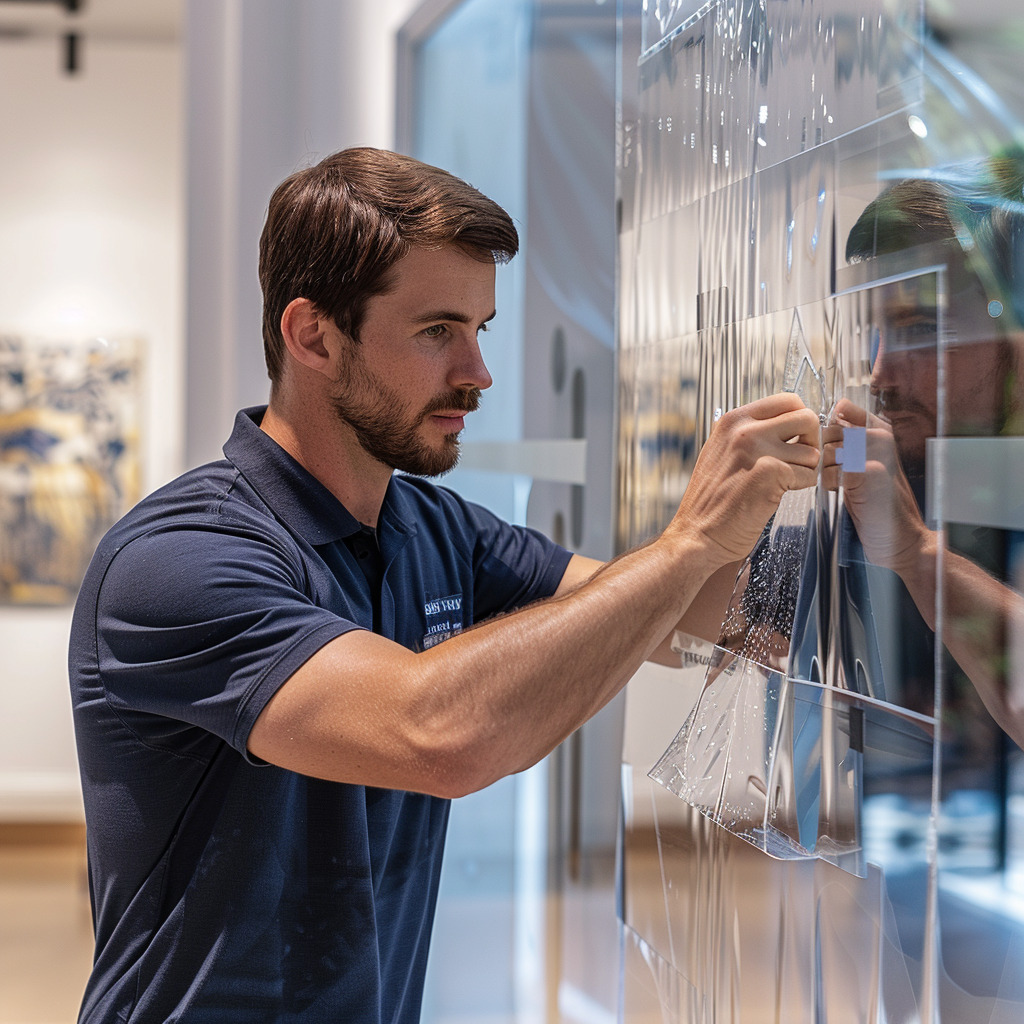
Step-by-Step Installation Process
Choose moderate temperature conditions (above 50°F/10°C) and avoid direct sunlight or rain. Rapid drying causes adhesion problems; working in shade during morning or evening hours works best.
- Prepare the glass – Clean thoroughly and spray with soapy solution, keeping surface wet throughout installation
- Size and position the film – Cut film slightly larger than dimensions; peel backing partially while misting adhesive side
- Apply to glass – The film is typically applied to the inside of the window, with the adhesive side facing the glass; position at top edge first
- Squeegee from center – Work outward in overlapping strokes to expel water and air; maintain firm, even pressure
- Trim excess – Use utility knife against a straight edge; leave 1-16” gap from frame edges
- Final squeegee – Press edges firmly; remove remaining moisture
- Allow cure time – Adhesive films require 24-72 hours before full bonding; avoid touching or cleaning during this period
For super easy bubble removal, work slowly and re-wet areas as needed. Small bubbles often disappear during curing as moisture evaporates through the film.
Performance Comparison Table
| Film Type | VLT (Visible Light) | Exterior Reflectance | Heat Rejection | Daytime Privacy | Interior Brightness |
|---|---|---|---|---|---|
| Silver Mirror | 10-15% | 70-80% | 65-75% | Excellent | Darker |
| Bronze Mirror | 15-20% | 55-65% | 55-65% | Very Good | Moderate |
| Gold Mirror | 15-20% | 50-60% | 55-60% | Very Good | Warm tone |
| Blue Mirror | 15-25% | 45-55% | 50-60% | Good | Cool tone |
| Dual Reflective | 20-35% | 40-55% exterior, 15-25% interior | 45-55% | Good | Brighter |
Lower VLT percentages indicate darker film that blocks more visible light—this correlates with stronger privacy but reduced natural interior brightness. Higher reflectance values create more pronounced mirror effects from the exterior direction. Heat rejection percentage represents the amount of solar energy prevented from entering the space.
Silver mirror film delivers maximum privacy and heat control but creates the darkest interior. Dual-reflective window films balance daytime privacy with better interior light levels by having different reflectance on each side. Your selection depends on whether you prioritize maximum privacy, energy savings, or maintaining a bright room.
These specifications help anticipate and prevent common installation and performance issues.
Common Challenges and Solutions
Understanding typical problems enables prevention and provides clear troubleshooting direction when issues arise.
Nighttime Privacy Limitations
The reversed effect at night when interior lights are on represents the most common user frustration. This occurs because the lighting conditions flip—your illuminated interior becomes the “bright side” and reflects back at you, while the darker exterior allows outside visibility into your space.
To maintain privacy at night, additional outside lighting can be used to create glare on the reflective side of the film, which helps to obscure visibility from the outside. Porch lights, landscape lighting, or security fixtures directed toward windows reduce the lighting differential. Inside, reducing room brightness or positioning lights behind window film coverage helps minimize visibility.
Need More Info?
The Window Film Depot team is happy to help.
Alternative approaches include installing blinds or curtains as supplementary night shift privacy, or combining reflective film with day-and-night privacy films or frosted film on the lower portion of windows where privacy matters most.
Bubbling and Adhesion Problems
Air bubbles and poor adhesion result from inadequate surface preparation, trapped moisture, or improper application technique. The answer lies in prevention rather than correction—attempting to fix cured bubbles typically causes more damage.
Ensure glass is completely clean and free of oils or residue. Apply generous slip solution and keep the surface wet during positioning. Work slowly with the squeegee, applying consistent pressure from center toward edges. Seal edges properly by pressing firmly with squeegee or using a credit card wrapped in soft cloth.
If bubbles appear during installation, lift the film carefully, re-wet the area, and reapply. Small water bubbles (not air) often disappear within the cure period as moisture evaporates through the film layer.
Dual-Pane Window Compatibility
Metalized films absorb infrared energy, which can create thermal stress on insulated glass units. This heat buildup risks seal failure or glass cracking, particularly with low-E coatings or older dual-pane windows.
Before installation, verify film compatibility with your specific glass type. Manufacturers provide compatibility charts indicating approved glass types. Choose films with lower infrared absorption for dual-pane applications, or consider ceramic-based films that provide heat rejection without metallic layers.
If uncertain about glass type, consult with a professional installer who can assess thermal stress risks. The cost difference between appropriate film selection and glass replacement makes this evaluation worthwhile.
Proper selection and installation directly determines long-term satisfaction with mirror window film.
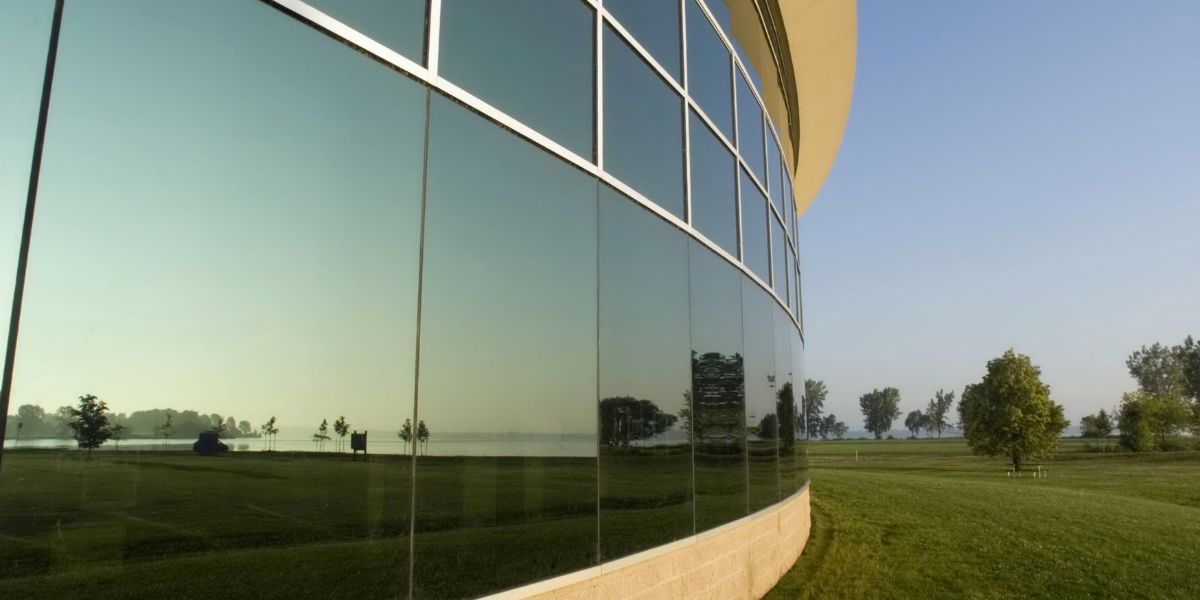
Conclusion and Next Steps
One way mirror window film offers a more economical alternative to specialized glass for privacy while delivering substantial benefits in energy efficiency, UV protection, and glare reduction. Success depends on selecting the appropriate film type for your lighting conditions and application, then executing proper installation technique.
To move forward with your project:
- Measure all windows and calculate total square footage needed
- Evaluate lighting conditions to determine if your application suits mirror film (daytime privacy primary, nighttime privacy secondary)
- Select film type based on the performance comparison—silver for maximum privacy, colored options for aesthetic considerations, dual reflective for balanced performance
- Choose between static cling (temporary/rental) and adhesive (permanent) based on your situation
- Gather installation tools and plan for appropriate weather conditions
- Consider professional installation for large projects or dual-pane windows with compatibility concerns
Related topics worth exploring include decorative window films for spaces requiring 24-hour privacy without reflective appearance, security films that add shatter resistance, and smart glass alternatives that offer switchable transparency for situations requiring flexible visibility control.
Frequently Asked Questions
Can I see out clearly during the day with mirror film installed?
Yes, from the darker interior side you maintain clear visibility to the outside. However, lower VLT films (10-15%) reduce natural light and slightly darken your view compared to unfilmed glass. Higher VLT options (20-35%) preserve brightness but provide less pronounced privacy effect.
Will mirror window film work at night?
No—the effect reverses when interior lighting becomes brighter than outside conditions. People inside see their own reflection on the glass while those outside can see into illuminated rooms. This is inherent physics, not a product defect. Supplement with curtains, blinds, or exterior lighting for nighttime privacy.
Is mirror film safe for double-pane windows?
Only when the specific film is rated compatible with insulated glass units. Non-approved metalized films may cause thermal stress, leading to seal failure or glass cracking. Always check manufacturer compatibility charts before installation on dual-pane, triple-pane, or low-E coated glass.
How long does mirror window film last?
Permanent adhesive-backed films typically last 10-20 years with proper installation and maintenance. Static cling films have shorter lifespans of 2-5 years depending on sun exposure and handling. Premium films from major manufacturers often carry 10-15 year commercial warranties.
Can I remove and reapply static cling mirror film?
Yes, static cling films peel off without residue and can be reused if handled carefully. Store removed film flat and clean between uses. Edges may degrade with repeated applications, reducing effectiveness over time.
What’s the difference between mirror film and regular tint?
Mirror film incorporates a reflective metallic coating that creates a mirror effect on the brighter side—this provides privacy through reflection. Regular tint absorbs light uniformly to reduce brightness and heat but doesn’t create the one-way visibility effect or mirror appearance.
Will mirror film affect my cell phone signal?
Generally no. Standard consumer-grade mirror films don’t contain sufficient metallic density to block radio frequencies. Only specialized films with heavy metallic or conductive coatings might marginally affect very high frequency signals. Check manufacturer specifications if signal interference concerns you.
Can I install mirror film on curved or textured glass?
No. One-way mirror window film can be installed on flat, clean, and smooth surfaces, and will not adhere to plastic, broken, or uneven surfaces. Textured, frosted, or curved glass prevents proper adhesion and causes visible air pockets. Consider alternative privacy solutions for these glass types.