Table of Contents:
- Why Building Window Tinting Belongs in Your Project Budget from Day One
- The Full Spectrum of Performance Benefits: What Your Client Is Actually Buying
- Total Cost of Ownership: Building Window Tinting vs. Smart Glass and Window Replacement
- ROI Calculation Framework: A Step-by-Step Methodology for Construction Managers
- Project Planning Essentials: Phased Installation Timelines and Large-Scale Logistics
- Compliance and Building Code Requirements for Commercial Window Film
- Installer Qualification Standards: The Criteria That Separate a Project Partner from a Commodity Subcontractor
- Putting the Framework Into Practice: Illustrative Project Scenarios
- Choosing the Right 3M Window Film for Your Building’s Specific Requirements
- Conclusion: Engaging Window Film Depot as Your Project Partner
- Frequently Asked Questions
Why Building Window Tinting Belongs in Your Project Budget from Day One
It’s smart to consider building window tinting early in a renovation or new construction project since it impacts energy efficiency, comfort, glare control, and long-term costs. Choosing it during the planning stage rather than after completion makes it a strategic upgrade that can boost HVAC performance, enhance tenant comfort, and help strengthen the overall return on investment for owners.
The Cost of Treating Window Film as a Last-Minute Add-On
Most building window tinting projects get sourced the wrong way. A general contractor finishes the primary scope, an owner notices hot spots near the perimeter glazing or a client requests glare control, and window film gets added to the punch list. That sequence has real costs.
When film specification happens late, the project team loses the ability to model its impact on HVAC sizing. A correctly specified solar control film can reduce cooling load enough to justify downsizing terminal units or reducing chiller runtime capacity. If that calculation never enters the mechanical engineer’s scope, the building operates with oversized HVAC relative to actual envelope performance, and the efficiency gains from film never fully materialize.
Schedule risk compounds the problem. A multi-floor commercial installation requires lift staging, coordination with occupied tenant floors, and cure time between installation and full performance. Added to a compressed punch list, that timeline creates sequencing conflicts with flooring, millwork, and commissioning. What should take three to four weeks of planned installation becomes a compressed scramble that either delays certificate of occupancy or forces the film contractor to work around active occupants without proper access control.

How Late-Stage Sourcing Increases Subcontractor Risk
Last-minute specification also narrows the pool of subcontractors willing to mobilize on short notice. The qualified installers with enterprise-scale crews and documented QA processes are typically booked. What remains available is whoever can start immediately, which is exactly the wrong filter to apply to a trade that touches every exterior glazing surface in the building.
Warranty validity depends on proper installation. An incorrectly applied film on a dual-pane insulating glass unit can void the original window manufacturer’s warranty. Sourcing under schedule pressure, without vetting certification or glazing compatibility, converts a manageable line item into a liability.
Reframing Window Film as a Building Envelope Upgrade
The building envelope controls thermal comfort, daylighting, UV exposure, and occupant security. Window film acts on all four of those variables simultaneously. When you frame tinting home windows as a building envelope upgrade rather than a cosmetic finish, it earns its place in the same planning conversation as roofing, insulation, and glazing selection.
That reframe also changes how you present the line item to ownership. A finish item gets cut when the budget tightens. A building envelope upgrade with a documented payback period and a manufacturer warranty stays in scope because removing it has a quantifiable consequence. The performance data to support that argument exists. The planning discipline to use it is what most renovation managers skip.
Where Window Tinting Fits in the Commercial Renovation Sequence
Film installation belongs after glazing work and interior painting are complete but before final cleaning and furniture placement. In practice, that positions it in the same phase as window treatments and lighting commissioning, roughly three to six weeks before substantial completion on a typical mid-size commercial project.
On new construction, the coordination point shifts earlier. If the project is pursuing LEED credits related to energy performance or glare control, the film specification needs to be in the hands of the energy modeler before the mechanical systems are finalized. That means the product selection conversation happens at design development, not during construction administration.
The Full Spectrum of Performance Benefits: What Your Client Is Actually Buying
Energy Efficiency and Solar Heat Rejection
Solar Heat Gain Coefficient and Total Solar Energy Rejected, Explained
Two numbers drive the energy performance conversation for window film. Solar heat gain coefficient (SHGC) measures the fraction of solar energy that passes through a glazing system and becomes heat load inside the building. A lower SHGC means less heat gain. Total solar energy rejected (TSER) measures the percentage of incoming solar energy the film blocks before it enters the space. A film with a TSER of 79% means only 21% of solar energy becomes a thermal or visual load on the interior.
Existing commercial glazing typically carries an SHGC in the range of 0.55 to 0.70. High-performance 3M window film for commercial buildings can bring effective SHGC down to 0.25 to 0.35 without requiring window replacement, a performance shift that would otherwise require full curtainwall re-glazing.
How 3M Window Film Reduces Cooling Load and HVAC Runtime
Less solar heat entering the space means the mechanical system runs fewer hours to maintain setpoint.
In a building where perimeter zones account for 30 to 40 percent of total cooling load, a material reduction in solar heat gain produces a measurable reduction in annual energy spend.
For large commercial buildings in high solar exposure climates, that reduction commonly falls in the range of 5 to 15 percent of total cooling energy, depending on glazing ratio and orientation.

Infrared and UV Filtration: Protecting Assets and Occupants
99% UV Filtration and Its Impact on Fade, Liability, and LEED Documentation
3M commercial window films block up to 99% of ultraviolet radiation. For retail and museum clients, that protects merchandise, artwork, and furnishings from accelerated fade. For healthcare and education clients, it reduces occupant UV exposure over long periods of building use. From a project documentation standpoint, certified UV rejection performance contributes toward LEED Indoor Environmental Quality credits, specifically those addressing daylight quality and occupant comfort.
Infrared Ray Rejection and Occupant Comfort
Infrared radiation is responsible for the radiant heat sensation occupants feel near glazed facades, the discomfort that drives complaints even when the thermostat reads 72 degrees. High-performance 3M films reject up to 97% of infrared rays. The practical result is that perimeter workstations become usable year-round without localized HVAC compensation, and complaints about hot spots near glass walls drop measurably after installation.
Safety, Security, and Blast Mitigation
Shatterproof and Ballistic Resistance Film in High-Risk Occupancy Types
Safety and security film holds glazing together on impact. In the event of glass breakage, whether from attempted forced entry, accident, or blast pressure, the film prevents glass from fragmenting into the space. 3M offers safety film certified to multiple impact and fragment retention standards, and ballistic resistance film rated for specific threat levels applicable to government, financial, and high-security commercial occupancies.
Blast Mitigation Standards and Why Education and Retail Clients Are Specifying Them
The blast mitigation specification is no longer limited to government buildings. K-12 districts and retail chains are increasingly requiring fragment retention film on ground-floor glazing as part of their standard security baseline. The relevant standards are GSA TS01-2003 and ASTM F1642, which govern hazard ratings for glazing under blast loading. An installer with documented experience on these specifications needs to be part of the subcontractor pool from the start, not sourced after a security consultant flags the gap during design review.
Glare Reduction and Privacy as Occupant Experience Deliverables
Ceramic Dual Reflective Film for Glare Control Without Visible Light Loss
Glare control and visible light transmission are typically in tension. Conventional reflective films reduce glare by reducing how much light enters the space, which creates dim interiors and increases artificial lighting loads. Ceramic dual reflective film technology resolves that tradeoff by using nano-ceramic particles to selectively filter the solar spectrum, blocking infrared and reducing glare without significantly cutting visible light. The result is a controlled, daylit interior without the washed-out screen visibility or eye strain that drives occupant dissatisfaction.
Frosted and Privacy Film for Open-Plan and Healthcare Environments
Privacy film serves a distinct function from solar control. In open-plan offices, conference rooms, and healthcare facilities, frosted or decorative film provides visual separation on glass partitions without eliminating natural light transmission. It also eliminates the need for blinds or curtains in those applications, which simplifies maintenance and preserves the architectural intent of glass partition systems. For healthcare clients, it supports HIPAA-relevant visual privacy in exam areas and consultation spaces without structural modification.
Total Cost of Ownership: Building Window Tinting vs. Smart Glass and Window Replacement
A Side-by-Side Framework for Budget Justification
When ownership asks why window film rather than smart glass or new windows, the answer lives in four variables: upfront cost, installation disruption, ongoing maintenance, and payback period. The comparison below uses ranges typical of commercial projects.
Commercial Glazing Upgrade: Decision Matrix
| Factor | Window Film | Smart Glass (Electrochromic) | Window Replacement |
|---|---|---|---|
| Installed cost per sq ft | $8 to $25 | $85 to $150+ | $40 to $100+ |
| Installation disruption | Low: interior work, no structural modification | Moderate to high: electrical integration, facade access | High: full curtainwall or sash removal |
| Maintenance requirement | Minimal: periodic cleaning, no mechanical components | Moderate: electronic controls, potential glazing cell failure | Low: standard glazing maintenance |
| Warranty period | 10 to 15 years (manufacturer-backed) | 5 to 10 years (varies by manufacturer) | 10 to 20 years (varies by product) |
| Typical payback period | 3 to 7 years | 10 to 20+ years | 15 to 30+ years |
| Occupied installation | Yes, with phasing | Partial: electrical work requires coordination | No: requires vacating affected zones |
The cost differential between window film and smart glass is not marginal. For a 50,000-square-foot commercial building, the difference in installed cost can exceed $3 million. Smart glass delivers dynamic control that has real value in specific applications like executive suites and conference rooms where switchable opacity earns its premium. For large perimeter glazing on office floors, retail storefronts, and educational facilities, the performance-per-dollar calculation consistently favors film.
Window replacement carries the additional burden of construction-level disruption. Tenants vacate, weather protection is required, and the structural work touches adjacent finishes. For occupied renovation projects, that disruption alone often removes window replacement from practical consideration regardless of performance metrics.
How Much Does Commercial Building Window Tinting Cost?
Building Orientation, Glass Type, and Film Specification as Pricing Variables
The $8 to $25 per square foot installed range reflects real variation, not imprecision. Three factors drive where a specific project lands within that range.
- Building orientation and solar exposure: south and west facades in high-solar-load climates require higher-performance film, which carries a higher material cost.
- Glass type: dual-pane insulating glass units, low-e coatings, and tempered glass all affect which films are compatible without risking thermal stress fracture. Compatibility analysis adds scope to the pre-installation survey.
- Film specification: a basic solar control film sits at the low end of the range. Ceramic, safety, or security film moves the cost upward. Ballistic resistance film for high-security applications is priced separately from standard commercial products.
Project Scale Economics: How Multi-Floor and Multi-Site Rollouts Affect Unit Cost
Scale works in the project manager’s favor. A single-floor installation at 2,000 square feet carries different unit economics than a 15-floor building at 30,000 square feet. Mobilization costs, crew staging, and project management overhead are largely fixed, so they dilute across a larger square footage base.
Multi-site rollouts under a master agreement produce additional reductions through standardized specification, centralized procurement, and crew continuity across sites.
For portfolio owners managing regional rollouts of 10 or more locations, a negotiated program rate with a national installer typically produces unit costs meaningfully below what individual site-by-site sourcing would generate.
Warranty and Lifespan: What a 3M Commercial Film Warranty Covers
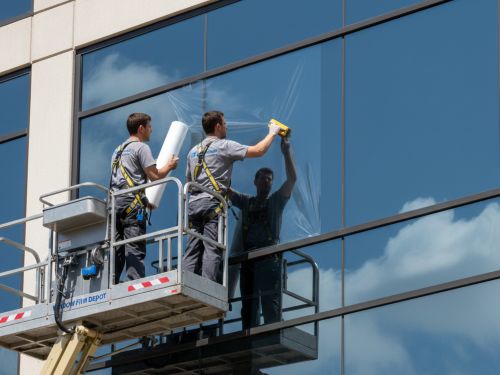
The 3M commercial film warranty covers film failure, including peeling, bubbling, cracking, and significant color change under normal use conditions. The warranty is tied to professional installation by a 3M Authorized Preferred Installer, which is why installer certification is a procurement requirement rather than a preference. A film installed by an uncertified contractor falls outside the warranty structure entirely, regardless of the product specification.
Film lifespan under the warranty period assumes standard cleaning and maintenance. Abrasive cleaning products and pressure washing can degrade the film surface and create grounds for a warranty dispute. Handoff documentation should include the manufacturer’s maintenance specification so facility management teams do not inadvertently void coverage.
How Window Film Compares to Other Energy-Saving Solutions
Window film occupies a specific and favorable position in the retrofit energy hierarchy. Adding roof insulation addresses conduction losses at the top of the building. Weatherstripping and air sealing address infiltration. Mechanical upgrades address system efficiency. Film addresses solar heat gain through glazing, which standard insulation strategies do not reach.
That specificity matters for projects where the building envelope is otherwise performing adequately. If existing roofing and insulation are at or above code and HVAC systems are within their service life, film offers the highest-impact intervention available without triggering a broader retrofit. The payback period of three to seven years compares favorably to LED lighting upgrades, which typically run two to five years, and to mechanical upgrades, which often exceed ten years to payback. For a project team building the business case for a focused energy intervention, that comparison provides the budget justification structure the owner needs.
ROI Calculation Framework: A Step-by-Step Methodology for Construction Managers
Establishing Your Baseline: Energy Cost and Current Glazing Performance
Before you can model savings, you need two numbers: your current energy cost per square foot and your existing glazing’s SHGC. Pull your utility bills for the most recent 12 months and divide total cooling season energy spend by conditioned square footage. For most commercial office buildings in the U.S., that number falls between $1.50 and $3.50 per square foot annually, with perimeter-heavy floor plates at the high end of that range.
Your glazing’s SHGC is typically available from the original window specifications or the manufacturer’s published product data. If documentation is unavailable, a qualified installer can estimate it from the glass type, tint, and coating visible during a site survey. That estimated baseline is sufficient for preliminary modeling.
Applying Heat Rejection Performance Data to Project Savings Estimates
Using 3M Film Specifications to Model SHGC Improvement
Every 3M commercial film carries published performance data including SHGC, TSER, and visible light transmission. The calculation is straightforward: subtract the post-film SHGC from the existing glazing SHGC to get the improvement delta, then apply that delta to the solar heat gain contribution of your perimeter zones.
As a working example, consider existing glazing at SHGC 0.60 and post-film performance at SHGC 0.28, a delta of 0.32. If your perimeter cooling load represents 35 percent of total HVAC energy consumption, a significant reduction in solar heat gain through those zones produces a meaningful cooling load reduction in perimeter HVAC spend. Your mechanical engineer can run a precise calculation against your building’s load profile, but this back-of-envelope estimate is close enough to build a preliminary business case.
Estimating Annual Energy Cost Reduction and Payback Period
Apply the estimated cooling load reduction percentage to your baseline cooling energy spend. Divide the total installed film cost by the annual dollar savings to get your simple payback period. A $120,000 installed project saving $25,000 annually pays back in just under five years.
Two variables shift that number significantly: climate zone and glazing ratio. A west-facing curtainwall in Phoenix produces faster payback than the same installation in Seattle. A building with a 60 percent window-to-wall ratio benefits more than one at 30 percent. Run the calculation for your specific project conditions rather than using regional averages.
Energy Savings and ROI from Commercial Window Film Installation
A 10-Year Cumulative Savings Model: Variables, Assumptions, and Honest Caveats
A 10-year model for a 30,000-square-foot commercial building with high solar exposure and standard double-pane glazing might look like this:
- Installed cost: $180,000 (mid-range solar control film)
- Estimated annual cooling energy reduction: 12 percent of cooling spend
- Baseline cooling spend: $75,000 per year
- Annual savings: approximately $9,000
- Simple payback: approximately 20 years at this scale
That looks unfavorable until you apply two corrections. First, energy costs escalate. At a conservative 3 percent annual escalation, cumulative 10-year savings grow substantially against the initial investment, with payback arriving earlier than the flat-rate calculation suggests. Second, this model counts only cooling energy. Glare reduction lowers artificial lighting compensation in perimeter zones. UV rejection reduces asset replacement costs for flooring, furniture, and merchandise. Those line items are real but harder to quantify, so treat them as conservatism in your model rather than primary drivers.
The honest caveat is that every published savings figure assumes correct film selection and proper installation. An incorrectly specified film on the wrong glazing type underperforms its rated specifications, and a poorly installed film with edge lifting or contamination bubbles degrades faster than its warranty period projects. The ROI model is only as reliable as the installer executing it.
Connecting Film ROI to ASHRAE Compliance Credit and Energy Code Documentation
Building window tinting contributes to ASHRAE 90.1 compliance through its effect on the building envelope’s thermal performance. When you improve effective SHGC through film specification, you can document that improvement as part of the prescriptive or performance path compliance calculation. For buildings pursuing energy code compliance on renovation projects, film can close the gap between existing glazing performance and current ASHRAE fenestration requirements without requiring window replacement.
The documentation requirement is specific: you need the film’s published SHGC and TSER data from the manufacturer, the installer’s confirmation that the specified product was actually installed, and a record of the pre- and post-installation glazing assembly. A competent installer provides this as part of standard project closeout. If they cannot produce manufacturer-certified performance data tied to the specific product installed, that is a documentation failure that creates compliance risk.
Project Planning Essentials: Phased Installation Timelines and Large-Scale Logistics
How Long Does Professional Window Film Installation Take on Large Commercial Projects?
An experienced crew installs approximately 500 to 800 square feet of film per day under normal commercial conditions. A 30,000-square-foot project requires roughly six to eight weeks of active installation, assuming daily crew access and no scheduling conflicts with other trades. That timeline assumes a single crew. Enterprise installers can deploy multiple crews simultaneously across floors, compressing the schedule proportionally.
Sequencing Multi-Floor Installations Around Occupied Tenant Schedules
The sequencing logic for occupied buildings is straightforward: start with floors where tenant disruption is lowest, establish the crew’s rhythm on lower-complexity glazing, and build toward floors with active tenant operations. Each floor requires roughly two to four hours of workspace access per zone, with no curing restrictions that prevent re-occupancy after installation. The practical constraint is lift staging and hallway access for materials, not cure time.
Give tenants 48 to 72 hours’ advance notice per floor and schedule installation around conference room bookings and client-facing operations. A phased floor-by-floor schedule, shared with the building manager two weeks in advance, eliminates the access conflicts that compress installation timelines.
Coordinating Window Film With Other Trades on the Construction Timeline
Film goes in after glazing, painting, and perimeter baseboard work are complete. It shares the schedule window with window treatments, AV installation, and furniture delivery. The coordination risk is not technical. It is access: the film crew needs clear glass surfaces and staging space, and both are frequently claimed by millwork and furniture trades working the same zone.
The simplest mitigation is a two-week installation window called out explicitly in the master schedule, with a trade exclusion zone around glazing surfaces during that window. A qualified installer will flag this requirement during preconstruction review and provide a floor-by-floor access schedule you can share with the GC’s superintendent.
Multi-Site Rollout Management: Maintaining Quality Across Large-Scale Programs
The failure mode on multi-site rollouts is not a single bad installation. It is inconsistency: site three gets a different film batch than site one, site seven uses a different application technique because the crew rotated, and the client notices the visual difference across locations six months later.
Managing against that risk requires a standardized specification locked at the program level, a single point of contact who owns quality across all sites, and documented installation records tied to each location.
A national installer with centralized procurement and trained crews operating under a consistent QA protocol handles this by default. A regional installer coordinating subcontractors across markets does not have the same control architecture, and the gaps show at scale.
For multi-site programs exceeding 20 locations, request a formal quality assurance plan before award. It should specify crew qualification standards, film lot traceability, post-installation inspection criteria, and escalation procedures for defect remediation.
Documentation, Handoff Procedures, and Compliance Deliverables
At project closeout, the film installer should deliver a package that includes:
- Film specification sheets with manufacturer-certified performance data for each product installed
- As-built records mapping film type to building zone and orientation
- Warranty registration confirmation from the manufacturer
- Maintenance instructions for facility management, including approved cleaning products and methods
- ASHRAE-relevant performance data if the project requires energy code documentation
If the installer treats closeout documentation as optional or delivers it only after follow-up requests, that is a signal about how they manage the rest of the project. Make documentation deliverables an explicit contractual requirement with a defined submission deadline tied to final payment.
Can a Window Film Contractor Coordinate With Other Trades on a Construction Timeline?
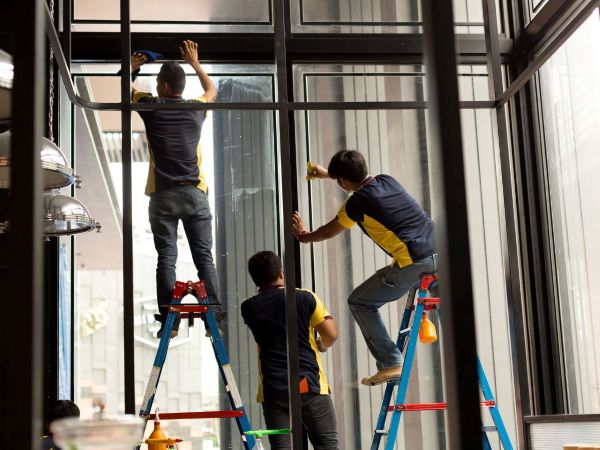
A qualified commercial installer can and should function as a coordinated subcontractor, not a specialty vendor who shows up independently. That means attending preconstruction meetings, submitting a phased installation schedule compatible with the master timeline, communicating access requirements in advance, and flagging conflicts before they become schedule impacts.
The distinction matters because GCs are accountable for the master schedule, and a film subcontractor who operates outside that coordination structure creates delay risk for trades scheduled after them. Vet this capability during qualification by asking specifically how the installer managed trade coordination on a comparable project. A credible answer includes specifics: who they coordinated with, what the access constraints were, and how they resolved conflicts.
Compliance and Building Code Requirements for Commercial Window Film
ASHRAE Energy Standards and How Film Specification Affects Code Compliance
ASHRAE 90.1 sets fenestration performance requirements by climate zone, building type, and window-to-wall ratio. The standard uses SHGC and U-factor as the primary metrics for glazing compliance. When existing glazing does not meet current requirements, film applied to that glazing changes the effective SHGC of the assembly, which can bring the building into compliance on the prescriptive path without requiring window replacement.
The calculation requires the original glazing’s baseline SHGC, the film’s documented SHGC impact on that glazing type, and the resulting combined assembly performance. Some film manufacturers provide climate-zone-specific compliance analysis tools. A 3M technical representative can model compliance outcomes for specific film-and-glass combinations, which gives you a defensible document for the building official rather than an estimate.
Local Building Permit Requirements: What Documentation You Need Before Installation
Permit requirements for window film vary by jurisdiction. Many municipalities treat film installation on existing glazing as a cosmetic modification that does not require a permit. Others, particularly those with active energy codes or historic preservation overlays, require documentation of the film specification and its effect on the building’s fenestration performance.
Before mobilizing, confirm with the local building department whether a permit is required and what documentation satisfies the submittal. In most cases, the manufacturer’s product data sheet and a letter of compliance with the applicable energy standard are sufficient. The installer should be familiar with local requirements in every market they serve. If they are not, that is a gap in their operating capability.
Glazing System Compatibility: Protecting Existing Window Warranties
This is one of the most common and costly mistakes in commercial window film installation procurement: specifying a film without confirming compatibility with the existing glazing system. Certain films applied to certain glass types, particularly dark solar control films on dual-pane low-e units in high solar exposure orientations, can cause thermal stress fracture. The heat differential between the coated and uncoated portions of the glass exceeds the glass’s tolerance, and the unit cracks.
When that happens, the original window manufacturer typically voids the IGU warranty on the basis that the film installation altered the thermal performance of the unit in a way not covered by their warranty terms. The remedy is full glass replacement at the project owner’s expense.
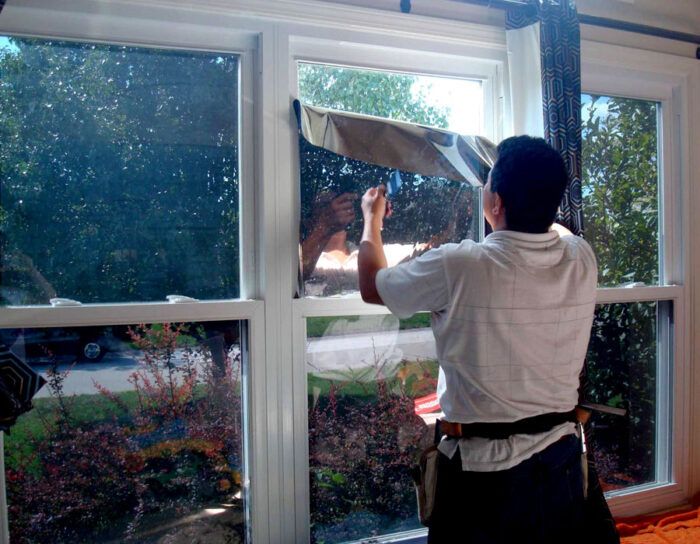
The mitigation is a pre-installation compatibility analysis. A qualified installer reviews the existing glass type, coating, and configuration against the proposed film’s specifications and flags any combinations that carry thermal stress risk. 3M provides compatibility guidance for their film portfolio against major glazing systems. That analysis should be documented and included in the project file.
What Compliance Documentation Is Needed for Building Window Film Installation?
Collect and file the following before, during, and after a commercial building window tinting project:
- Pre-installation: glazing system documentation, film compatibility analysis, permit submittal package if required, manufacturer’s product data sheets
- During installation: crew certification records, film lot numbers tied to installation zones, photo documentation of substrate conditions before film application
- Post-installation: as-built records, warranty registration, maintenance specifications, ASHRAE performance data for the energy code file, inspection sign-off from the installer’s QA process
That package protects the project owner in three scenarios: a warranty claim, a building inspection, and a tenant dispute about comfort or visibility. Gaps in any of those documents create exposure that a competent installer eliminates as a standard operating procedure.
Installer Qualification Standards: The Criteria That Separate a Project Partner from a Commodity Subcontractor
How to Choose a Qualified Commercial Window Tinting Contractor for a Large Building Project
The Subcontractor Failure Pattern and What It Costs a Project Manager
The pattern is consistent. A project manager sources a window film subcontractor late in the schedule, selects on price, and gets a contractor who can handle residential or small commercial work but has never managed a multi-floor installation with trade coordination requirements and compliance documentation. The crew is undertrained, the schedule slips because they did not anticipate access constraints, the closeout documentation never materializes, and the warranty is unenforceable because the installer is not manufacturer-certified.
The cost is not just the film project. It is the rework when glazing compatibility was not checked, the schedule impact on trades waiting for film completion, the compliance gap that surfaces during energy code review, and the client relationship damage when occupant complaints about uneven installation quality start arriving six months after substantial completion.
What to Look For Beyond Price: Scale, Certification, and Track Record
Evaluate a commercial window film installer on four criteria before price enters the conversation:
- Scale capacity: can their crew size and project management infrastructure handle your square footage within your timeline without compression?
- Manufacturer certification: are they a 3M Authorized Preferred Installer, and does that certification cover commercial projects at your scale?
- Documented track record: can they provide references from comparable projects, specifically multi-floor commercial or multi-site rollouts with occupied building constraints?
- Compliance capability: do they produce ASHRAE documentation, permit packages, and closeout files as standard deliverables, or only when asked?
Price negotiation belongs after those criteria are satisfied. A lower price from an unqualified installer is not a savings. It is a deferred liability.
What Certifications Should a Commercial Window Film Installer Have?
What the 3M Authorized Preferred Installer Designation Actually Requires
The 3M Authorized Preferred Installer designation is not a marketing label. Earning and maintaining it requires documented training on 3M film products and installation techniques, demonstrated quality standards on completed projects, and ongoing compliance with 3M’s program requirements. Authorized Preferred Installers have access to the full 3M commercial product portfolio, manufacturer technical support for complex glazing compatibility questions, and the ability to register warranty documentation directly through 3M’s system.
The practical consequence for a project manager is that a 3M Authorized Preferred Installer can deliver a manufacturer-backed warranty on your project. A non-certified installer cannot, regardless of what their contract says.
Why Certification Matters for Enterprise Procurement and Client Liability
For enterprise procurement, manufacturer certification provides a third-party quality standard that purchasing and legal teams can reference in the contract. It removes the subjective assessment of installer quality from the procurement decision and replaces it with a verifiable credential. For client liability, it provides documented evidence that the installation met manufacturer standards, which matters if a glazing warranty dispute or a building performance claim surfaces after the project closes.
Documented QA Processes, Insurance, and Single-Point-of-Contact Project Management
Ask every installer candidate for three documents before awarding the contract: their QA protocol, their certificate of insurance, and the name of the project manager who will be your single point of contact from preconstruction through closeout.
The QA protocol should specify how installations are inspected, what defect criteria trigger rework, and how that rework is documented. General liability coverage should be at minimum $2 million per occurrence for commercial projects, with umbrella coverage for large-scale work. Workers’ compensation coverage is non-negotiable.
The single point of contact requirement is about accountability. On a multi-floor or multi-site project, diffused responsibility produces diffused quality. One person owns the schedule, the documentation, and the escalation path. That structure is a basic competency for an installer operating at commercial scale.
Licensing, Insurance, and Compliance Minimums by Jurisdiction
In most U.S. jurisdictions, window film installation on commercial buildings requires a valid business license and general contractor registration or a specialty trade license, depending on how the state classifies the work. Several states classify window film installation under glazing contractor licensing requirements. Others treat it as a specialty trade with its own registration category.
The compliance minimum is a valid business license, general liability insurance, and workers’ compensation coverage in every state where work is performed. For multi-state rollouts, confirm that the installer holds valid registrations in each jurisdiction before mobilizing crews. A lapse in any state creates potential liability for the general contractor and the project owner if a worker injury or property damage claim surfaces during installation.
Verify this during qualification, not after award. Request copies of business licenses and insurance certificates for every state in your project scope and confirm that coverage limits meet your contract requirements before execution.
Putting the Framework Into Practice: Illustrative Project Scenarios
Education Sector: Multi-Building K-12 Campus Retrofit With Safety and Energy Goals
Phasing Logic, Film Specification, and Measurable Occupant Outcomes
A K-12 district managing a campus retrofit across six buildings faces a layered specification problem: energy performance, safety compliance, and occupied scheduling all point to different film priorities, and the budget has to serve all three simultaneously.
The practical approach is to segment the building stock by risk profile first, then by solar exposure. Ground-floor glazing on every building gets safety and security film as the baseline specification, addressing the fragment retention requirement that most districts now carry as a security standard. Upper-floor perimeter glazing on south and west facades gets a high-performance solar control film, typically a ceramic or dual reflective product, to address cooling load and glare complaints in classrooms. Administrative and glass-partition spaces get frosted or privacy film where visual separation is needed without blocking natural light.
Phasing follows the academic calendar. Summer break provides the cleanest installation window, with buildings unoccupied and full crew access available across all floors simultaneously. A well-resourced installer can complete a six-building campus during a 10-to-12-week summer window without disrupting the academic year. For buildings that must be addressed during the school year, installation is sequenced floor by floor during evenings and weekends, with classroom re-occupancy confirmed the following morning.
The measurable outcomes in a project of this type include a documented reduction in perimeter cooling complaints, verifiable SHGC improvement for ASHRAE documentation, and fragment retention certification on ground-floor glazing that satisfies the district’s security baseline. Maintenance staff receive a cleaning protocol tied to the specific film products installed, protecting the manufacturer warranty across a building stock the district will occupy for decades.
Retail Sector: Multi-Location Chain Rollout Across a Regional Portfolio
Regional retail rollouts stress-test every capability that matters in building window tinting procurement: schedule consistency, brand uniformity, and cost predictability across locations that vary in size, orientation, and glazing configuration.
The failure mode in retail programs is drift. Stores one through five look consistent. By store twelve, the film specification has shifted because a regional crew substituted an available product for the specified one, or the installation technique on high-traffic storefronts produced a visible difference in reflectivity that the brand team notices immediately.
Managing against this requires a locked program specification before the first installation, centralized procurement through a single national supplier, and a master QA record that ties film lot numbers to each location. For a 30-location regional rollout, that structure also enables schedule compression. A national installer deploys crews in parallel across markets rather than sequentially, reducing total program duration while maintaining consistent quality across every site.
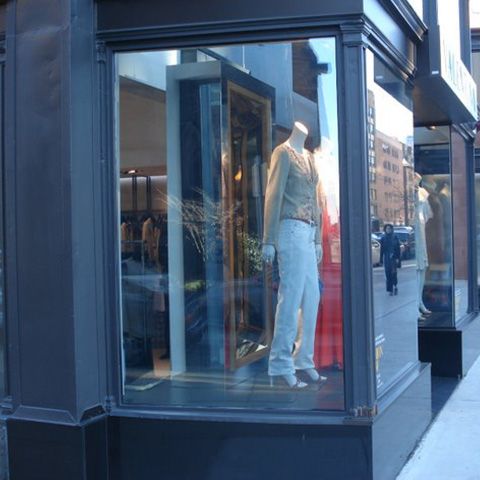
Energy savings benchmarks for retail are straightforward to model because the glazing configuration is consistent across the portfolio: large storefront glass with high solar exposure and merchandise near the window line. Solar control film on a standard retail facade with a meaningful window-to-wall ratio typically produces a measurable reduction in cooling energy per location. Across a 30-store portfolio, that aggregate savings figure anchors the business case for executive approval and gives the facilities team a performance benchmark to measure against in year one.
Choosing the Right 3M Window Film for Your Building’s Specific Requirements
Matching Film Type to Building Function, Orientation, and Occupancy
Ceramic, Dual Reflective, Safety, and Security Film: When Each Is Appropriate
Film selection is not a product preference decision. It is an engineering decision driven by four variables: what the building is doing, which direction the glass faces, who occupies the space, and what performance outcome the client needs most.
Ceramic film is the correct specification for buildings where visible light preservation matters as much as heat rejection. Corporate office buildings, healthcare facilities, and educational environments benefit from ceramic film’s ability to block infrared and reduce solar heat gain without significantly darkening the interior or creating an exterior mirror effect. It performs consistently across all orientations and is compatible with most commercial glazing systems, including dual-pane low-e units where darker films carry thermal stress risk.
Dual reflective film addresses the specific problem of glare on south and west facades where direct sun creates screen-wash and eye strain. The exterior reflective surface rejects solar energy while the interior surface remains relatively low-reflectivity, preserving the view out without creating a glare problem for occupants on adjacent floors looking in. It suits open-plan offices, trading floors, and any environment where occupant productivity is tied to visual comfort at workstations near glass.
Safety film applies wherever fragment retention is the primary requirement: ground-floor retail, school perimeters, government lobbies, and any glazing that could become a projectile hazard in a forced-entry or blast event. Security film for ballistic resistance carries specific threat-level ratings and applies to high-security occupancies where the specification must be tied to a documented threat assessment.
How Window Film Depot Guides Product Selection Within a Managed Project Scope
Product selection on a complex commercial project is not something a project manager should resolve independently from a specification sheet. Window Film Depot’s process begins with a site survey that captures glazing type, orientation, occupancy, and performance goals before any product recommendation is made. That sequence protects the project from the most common and costly specification error: choosing a film that performs correctly on paper but creates thermal stress or warranty conflicts with the actual glazing system installed.
Quick-Pick Film Selection Guide
| Building Type | Primary Goal | Recommended 3M Film Category |
|---|---|---|
| Corporate office, open-plan | Glare control, heat rejection | Ceramic dual reflective |
| Retail storefront | Solar heat rejection, merchandise protection | High-performance solar control |
| K-12 or higher education | Safety + energy performance | Safety film (ground floor), ceramic (upper floors) |
| Healthcare or lab | Privacy + daylight | Frosted or privacy film for partitions, ceramic for perimeter |
| Government or financial | Security, fragment retention | Safety or ballistic resistance film |
| Warehouse or distribution | Heat rejection, glare at dock areas | Standard solar control |
Conclusion: Engaging Window Film Depot as Your Project Partner
The Core Takeaway for Construction and Renovation Managers
The planning discipline this guide argues for is straightforward: treat building window tinting as a building envelope decision, not a finish item, and source the installer before the schedule gets compressed. Every costly outcome covered here, from glazing warranty voids to compliance documentation gaps to multi-site quality drift, traces back to late specification and under-qualified subcontractors.
The performance case is established. The ROI framework is calculable from your own utility data and glazing specs. The compliance path through ASHRAE is documented and achievable. What remains is execution, and execution is entirely a function of who you put on the job.
How Window Film Depot’s National Scale and 3M Certification Eliminate Subcontractor Risk
Window Film Depot operates as the largest 3M Authorized Preferred Installer in the United States. That designation carries direct consequences for project managers: manufacturer-backed warranties registerable through 3M’s system, access to the full 3M commercial product portfolio, and technical support from 3M on glazing compatibility questions that most regional installers cannot access.
National scale means parallel crew deployment across multi-site programs, centralized procurement that locks specification consistency across every location, and a project management infrastructure built for enterprise clients with phased timelines, compliance documentation requirements, and GC coordination obligations. The single point of contact structure is not a service feature. It is how a project at scale stays accountable from preconstruction through closeout.
Requesting a Project Consultation and Scope Assessment
The right next step depends on where your project stands. During design development, the priority is getting film specifications into the energy model before mechanical systems are finalized. For construction administration, the priority is confirming glazing compatibility and slotting installation into the master schedule before the punch list window. When managing a multi-site portfolio, the priority is securing a program rate agreement that locks specification, pricing, and quality standards before the first location mobilizes.
Need More Info?
The Window Film Depot team is happy to help.
Window Film Depot offers project consultations and scope assessments at no cost. Bring your square footage estimate, glazing documentation if available, and your project timeline. What you get back is a product recommendation, a compatibility analysis, a phased installation schedule, and a clear cost framework you can put in front of ownership with confidence.
Frequently Asked Questions
How do I choose a qualified commercial window tinting contractor for a large building project?
Evaluate candidates on four criteria before price enters the conversation: crew and project management capacity to handle your square footage on schedule, manufacturer certification (specifically the 3M Authorized Preferred Installer designation for commercial work), a verifiable track record on comparable multi-floor or multi-site projects, and the demonstrated ability to produce compliance documentation as a standard deliverable. A lower price from an installer who cannot satisfy those criteria is a deferred liability, not a savings.
What certifications should a commercial window film installer have?
At minimum, look for the 3M Authorized Preferred Installer designation, which requires documented product training, demonstrated installation quality, and ongoing compliance with manufacturer program standards. This certification is the mechanism through which a manufacturer-backed warranty gets registered on your project. An installer without this credential cannot deliver a valid 3M warranty, regardless of what their contract states.
How long does commercial window film installation take on a large-scale project?
An experienced crew typically installs 500 to 800 square feet per day under standard commercial conditions. A 30,000-square-foot project requires roughly six to eight weeks with a single crew. Enterprise installers can deploy multiple crews across floors simultaneously to compress that timeline. For occupied buildings, sequencing is managed floor by floor with 48 to 72 hours’ advance notice to tenants, and re-occupancy is generally possible the same day installation is complete in a given zone.
What compliance documentation is needed for building window film installation?
A complete compliance package covers three phases. Before installation: glazing system documentation, a film compatibility analysis, manufacturer product data sheets, and a permit submittal if the jurisdiction requires one. During installation: crew certification records, film lot numbers tied to specific zones, and photo documentation of substrate conditions. After installation: as-built records, warranty registration, maintenance specifications for facility management, and ASHRAE fenestration performance data if energy code documentation is required. Make these deliverables an explicit contractual requirement tied to final payment.
What is the cost-benefit analysis for commercial building window tinting?
Installed costs for commercial window film typically range from $8 to $25 per square foot depending on film specification, glass type, and building orientation. The primary financial benefit is reduced cooling energy, commonly in the range of 5 to 15 percent of total cooling spend in high solar exposure buildings, with a simple payback period of three to seven years in most commercial applications. That payback compares favorably to most mechanical upgrades and, unlike window replacement or smart glass, film can be installed in occupied buildings without structural disruption. Secondary benefits including reduced asset replacement costs from UV fade protection and lower artificial lighting loads in glare-controlled perimeter zones add further value that conservative models leave off the table.
How much does window tinting cost for a commercial building?
Commercial window film installation generally ranges from $8 to $25 per square foot installed, with the final number depending on film type, glass compatibility requirements, building orientation, and total project scale. Basic solar control film sits at the lower end of that range. Ceramic, safety, and security film products carry higher material costs. At scale, multi-floor and multi-site projects benefit from diluted mobilization costs and, under a program agreement with a national installer, can achieve unit pricing meaningfully below what individual site sourcing would produce.