Table of Contents:
- How UV Window Film Works Against UV Rays and Sun Damage
- Types of UV Window Film and When to Use Each
- Health & Interior Benefits: More Than Just “Fade Protection”
- Choosing the Right UV Film for Your Building: Key Factors & Common Mistakes
- How Professional UV Window Film Installation Works with Window Film Depot
- FAQs About UV Window Film
- Why Choose Window Film Depot for UV Window Film & Building Upgrades
- Next Steps: Get Expert Help Choosing the Right UV Film
UV film for windows is a thin, polyester-based layer applied to glass that filters ultraviolet radiation while letting natural light pass through. Unlike blackout curtains that kill your view when drawn, or decorative window films designed mainly for aesthetics, UV window film is engineered specifically to block harmful UV rays at the source without darkening your room.
In 2026, this matters more than ever. Buildings are designed with more glass than previous decades-floor-to-ceiling walls, curtain walls, skylights, open-plan offices-and all of that exposed glass means constant indoor UV exposure for occupants and interiors alike. Retrofitting with UV film is faster and more affordable than replacing windows entirely, making it the go-to solution for facility managers, homeowners, and architects who need real protection without a major renovation.
Here’s what UV window film delivers at a glance:
- Skin safety: Blocks over 99% of UVA and UVB radiation to help prevent skin damage indoors
- Fade reduction: Significantly slows premature fading of floors, furniture, and artwork
- Comfortable light: Preserves views and daylight while cutting glare by 50% to 75%
- Interior protection: Shields home furnishings, retail displays, and branded graphics from sun damage
- Energy efficiency: Reduces heat gain, lowering air conditioning usage and cooling costs
How UV Window Film Works Against UV Rays and Sun Damage
Standard glass in most houses, schools, and office blocks blocks much of UVB radiation, but UVA passes right through-often at rates above 50% depending on glass type and thickness. UV rays are the primary cause of fading, but visible light and heat also contribute to the process. That means bare glass leaves your interiors and your skin exposed to cumulative damage every day.
Modern UV window film is built in layers: a thin polyester substrate provides strength and optical clarity, UV-absorbing dyes or ceramic coatings filter wavelengths in the 300–380 nm range, a pressure-sensitive adhesive bonds the film to the interior glass surface, and a scratch-resistant top coat protects the film from wear over time. Understanding how UV rays behave indoors and how to block them effectively helps clarify why these multilayer constructions matter for long-term protection. Window films allow visible light to pass while filtering uv radiation, so your space stays bright without the damaging wavelengths.
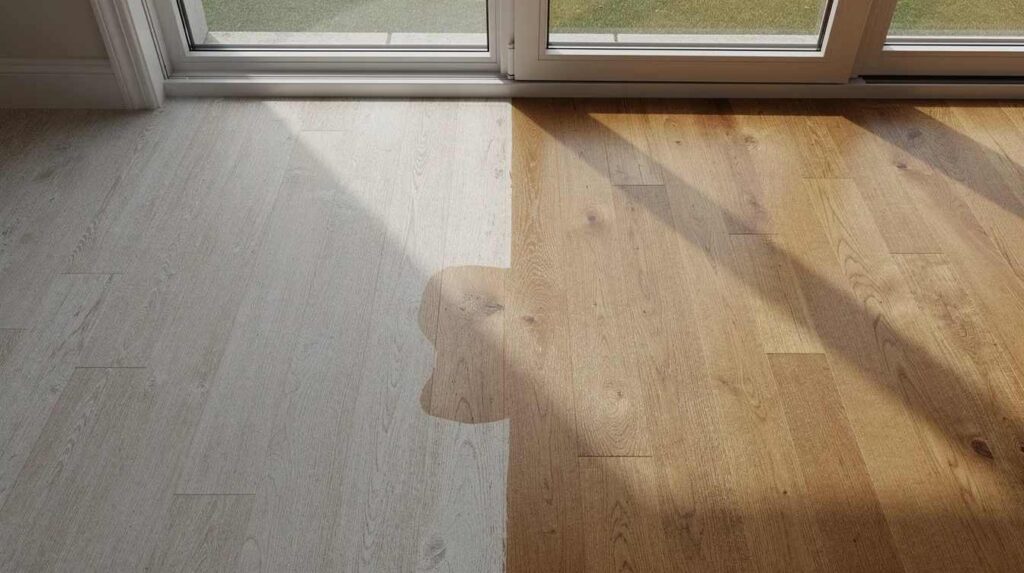
Quality films block about 99% of UVA and UVB rays. Clear UV film significantly slows down the fading of furniture, hardwood floors, carpets, artwork, and retail merchandise. Glare drops noticeably, reducing eye strain for people working on screens near windows.
Here’s a simplified comparison:
| Untreated Glass | Glass with UV Film | |
|---|---|---|
| UVA blocked | ~30–50% (varies by glass) | ~99% |
| UVB blocked | ~70–95% | ~99% |
| Visible light transmitted | ~90% | ~70–90% |
| Fading risk | High | Significantly reduced |
| Glare | Full intensity | Reduced 50–75% |
| One realistic expectation to keep in mind: fading won’t stop completely with UV film alone. Visible light (especially blue wavelengths) and infrared heat still contribute to color change over time. UV film removes the largest single contributor, but it isn’t a magic shield against every factor. |
Types of UV Window Film and When to Use Each
UV film covers several categories, and choosing the right one depends on whether your priority is skin protection, fading control, comfort, privacy, or security.
Clear UV protection film is nearly invisible once installed. Clear UV window film is designed to be invisible while blocking UV rays, making it ideal for museums, galleries, retail storefronts, historic buildings, and homes where you don’t want tint to alter the appearance. UV window films are available in various styles, including clear and frosted, so there is a match for nearly any aesthetic requirement.
Tinted or spectrally selective solar control film cuts UV plus a portion of visible light and infrared heat. These are best for offices, south- and west-facing glass walls, schools, and healthcare facilities in hot climates wanting lower cooling loads. UV window films can lower energy costs by reducing air conditioning usage, and they enhance comfort by reducing heat gain throughout the day, especially when you choose advanced options like photochromic solar window film that tints on demand.
Dual-purpose safety and security UV films are thicker laminate products that hold shattered glass in place during impact, blasts, or forced entry while also blocking UV. Many UV window films provide added security by strengthening glass, making them common in government buildings, schools, and street-level retail where security is a concern.
Decorative and privacy films with UV protection include frosted, patterned, or branded graphic options. Certain UV films improve privacy for residential and commercial settings, working well in lobbies, conference rooms, bathrooms, and glass partitions.
Compared to blackout curtains and cellular shades, film keeps views and daylight intact-curtains give maximum darkening but block natural light entirely when closed. Compared to replacing with new windows featuring low-e glass, a film retrofit on existing glazing is less disruptive and typically cheaper, especially across large commercial portfolios. And compared to do‑it‑yourself window film solutions and installation kits, professionally installed products deliver better optical clarity, longer life, and meaningful warranties.
Scenario: A facility manager in Dallas in mid-2025 finds west-facing glass walls causing severe glare and rising cooling bills. After evaluation, they choose spectrally selective solar control film for high-glare meeting rooms and clear UV film for public corridors and the building restaurant-balancing UV protection, shade, and aesthetics across different zones.
Health & Interior Benefits: More Than Just “Fade Protection”
UVA rays can penetrate window glass and cause skin damage indoors. Studies consistently show that people who sit near windows for extended periods-office workers, drivers, students-develop more sun damage on the window-facing side of their body. This isn’t a fringe risk. It’s a cumulative, documented pattern, and simply having tinted windows with no dedicated UV protection is often not enough to block the most harmful wavelengths.
UV window film blocking over 99% of harmful uv rays can significantly reduce the risk of skin cancer, premature aging, and eye damage for building occupants. This uv protection is especially important in schools, senior living communities, healthcare facilities, and open-plan offices where vulnerable populations sit near glass for hours. The Skin Cancer Foundation’s Seal of Recommendation verifies that a film meets rigorous standards-over 169 window film products had earned this seal by early 2025.
These films protect interiors from sun damage as well. UV window films significantly slow fading of hardwood floors, carpets, wood veneers, museum exhibits, retail displays, and branded graphics installed near glass. For homeowners, UV protection film for house windows can be one of the most effective ways to safeguard valuable furnishings and finishes. High-risk spots include south- and west-facing lobbies, glass-walled boardrooms, floor-to-ceiling condo windows, and hotel atriums where sunlight is most intense.
On the comfort and productivity side, lower glare on screens means less eye strain compared to bare glass or open blinds. You get usable natural light without relying solely on artificial lighting. Research links better daylight quality and reduced glare to improved occupant satisfaction and less fatigue.
Practical tips to maximize benefits:
- Combine UV film with light-colored shades or sheer curtains for peak sun hours
- Rotate art and soft furnishings periodically so the same surfaces aren’t always exposed
- Avoid placing highly sensitive items directly against filmed glass; distance still helps
- Consider tint levels by room function: darker for media rooms, clear for living areas
Choosing the Right UV Film for Your Building: Key Factors & Common Mistakes
Not all window film products are equal, and selection should be guided by professional assessment-not just data displayed on a website page or a price comparison.
Key selection criteria for facility managers, architects, and owners:
- UV protection specs: Look for documented ≥99% UVA/UVB rejection with clear performance data from the manufacturer
- Visible light transmission (VLT): Clear films transmit 80–90%+ of light; tinted or mirrored options reduce VLT to 30–70% depending on the intended look
- Heat rejection (SHGC): Critical for buildings in hot markets like Georgia, Texas, Florida, and Arizona, where cooling loads drive energy costs
- Glass compatibility: Film must match your glass type. Tempered glass, laminated glass, double-pane insulated units, and low-e coatings all respond differently to film. Avoid using window film on double-pane windows without first verifying manufacturer compatibility, as thermal stress can cause seal failure or cracking
- Building codes and approvals: Historic preservation requirements, landlord clearances, and local regulations may restrict reflectivity and tint on exterior-facing glass
Common mistakes to avoid:
Choosing the darkest tint, assuming it blocks the most UV without checking actual UV and IR specs, doesn’t automatically mean better protection. Applying multiple layers of film or DIY products over existing professional film leads to optical distortion, bubbling, and potential glass cracking. Installing reflective or security film on the wrong side of the glass, contrary to manufacturer guidelines, is another frequent error. And ignoring security needs at ground-floor glass, where performing security verification with safety film would be more appropriate, leaves a gap in building protection.
Involve an experienced, manufacturer-certified dealer early. A proper glass audit, energy modeling, and sample mockups before a portfolio-wide rollout prevent costly mistakes and ensure successful verification outcomes across your building. Partnering with specialists in 3M window film products and installation also helps match specific films to your glass types and performance goals.
How Professional UV Window Film Installation Works with Window Film Depot
Window Film Depot has been installing 3M and other high-performance window films nationwide since 1992, serving commercial, institutional, and residential clients from its base in Marietta, Georgia. As a family-owned national window film contractor, the company brings decades of project experience and proven processes to each installation.
Here’s how a typical project works:
- Consultation and needs assessment: On-site walk-through or virtual review to identify issues, fading, hot spots, glare, privacy gaps, security risks
- Glass and site survey: Cataloging glass types, measuring panes, noting existing coatings, seal conditions, and access challenges like high glass or atriums
- Product recommendation and proposal: Presenting specific film options with performance data, warranties, and price transparency
- Mockup installation: A test area so stakeholders can evaluate clarity, reflectivity, and interior light levels before committing to a full rollout
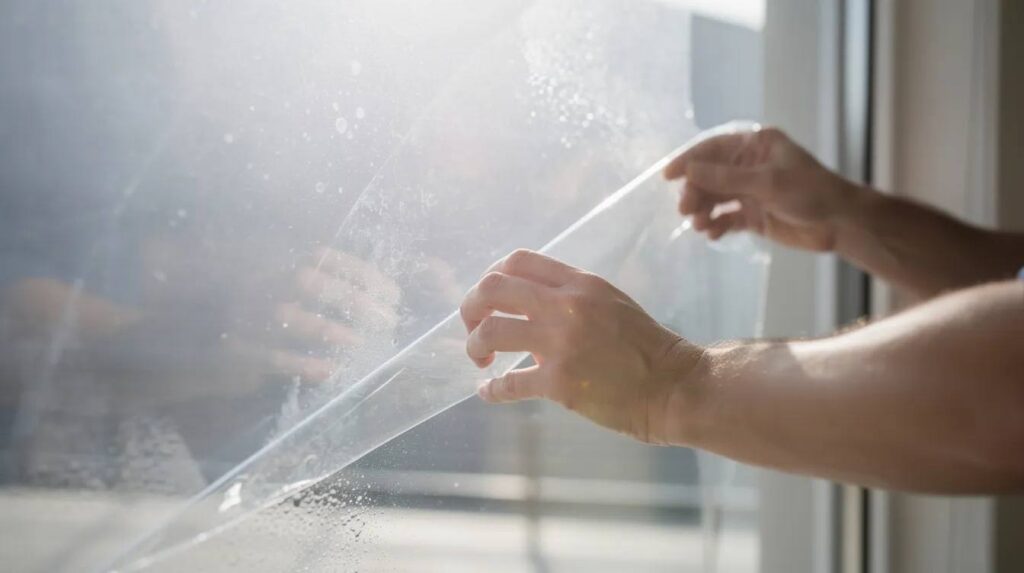
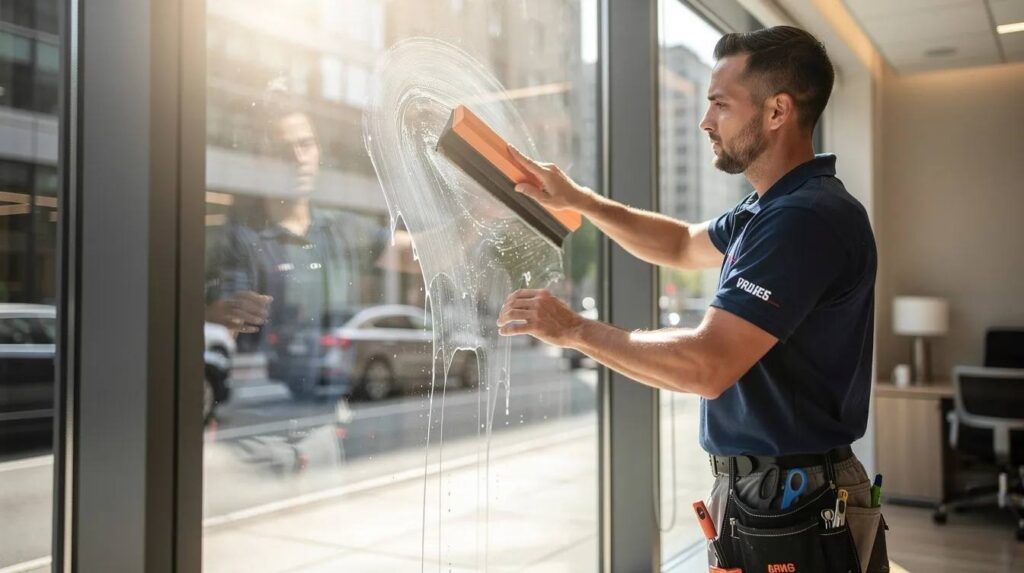
- Professional installation: Technicians prep the glass, use soapy water to prevent film from sticking prematurely, and install UV film only on flat glass surfaces. They use two pieces of tape to peel off the backing liner, then apply firm pressure with a squeegee to remove water and air. Edge finishing and safety protocols for active facilities are standard
- Post-install inspection: Cure time expectations (typically 30–60 days for full dry-out), plus maintenance instructions for the building team
Professional installation of window film minimizes installation defects-better optical clarity, cleaner edges, and no contamination or bubbles compared to DIY. Product and labor warranties protect your investment for many years, especially valuable for multi-site retail or office portfolios that benefit from a single source for window glass film products and brands.
Window Film Depot also supplies window films wholesale to qualified trade partners-glaziers, tint shops, and contractors-across North America, with guidance on glass-film compatibility and large-order logistics through its broader Window Film Depot wholesale and product offering.
FAQs About UV Window Film
Does UV window film make my rooms darker than blackout curtains or heavy tints?
No. Clear UV film transmits 70–90% of visible light, so your room stays bright. Blackout curtains block all light when closed. Film gives you protection without darkening your space or losing your view.
How much does UV window film reduce fading on hardwood floors, artwork, and furniture?
UV film removes the largest single cause of fading-UV radiation-by blocking 99%. However, visible light and heat still contribute, so expect significantly slower fading rather than zero fade. Rotate exposed items periodically for best results.
Is UV window film safe for double-pane and low-e glass?
It depends on the specific film and glass combination. Some films are compatible; others can cause thermal stress. Always have a professional evaluate your glass type before installation to avoid voided warranties or seal failure.
How long does quality UV window film last?
Commercial warranties from leading manufacturers like 3M range from 10–15 years depending on the product line. Residential indoor vertical applications often carry limited lifetime warranties. Premium films with scratch-resistant coatings maintain clarity throughout their lifespan.
Can I combine UV film with blinds, shades, or blackout curtains?
Absolutely. Many clients use UV film as the baseline shield, then add sheer curtains or blinds for additional glare control or privacy. For bedrooms or media rooms, combining film with room-darkening shades gives you UV protection even when the shade is open.
What maintenance is required after installation?
Wait 30 days before cleaning. Then use a soft cloth with mild soapy water-no ammonia-based cleaners or abrasive tools. Filmed glass cleans just as easily as regular windows.
How quickly can a typical project be completed?
A standard home takes one day. Schools, offices, and small commercial spaces typically complete in one to three days, depending on square footage, with minimal disruption to operations. The security service of the building can remain active throughout; the waiting time for occupants is minimal.
Why Choose Window Film Depot for UV Window Film & Building Upgrades
Window Film Depot is a family-owned company founded in 1992 in Marietta, Georgia, with national reach and deep expertise in UV window film, 3M solar control film, safety and security glazing, and decorative architectural films.
We handle multi-location rollouts for retail chains, banks, schools, and government agencies with consistent standards and centralized project management. Our team verifies glass compatibility across complex glazing systems, curtain walls, and historic façades, drawing on close relationships with leading manufacturers for current film technology. We don’t just recommend UV protection-we deliver integrated solutions that may include security films, anti-graffiti layers, and branded privacy graphics to solve multiple problems with one retrofit. Decades of completed projects and repeat work with facility managers, architects, and general contractors across North America back that up.
Whether you need a single residential installation, a campus-wide school safety and UV upgrade, or wholesale film supply for your glazing trade business, Window Film Depot can respond to your needs with the right product and the right process through service locations across all 50 states. Our website and team are built to filter out the noise-no malicious bots, no fluff-just real data and real solutions. Think of us as a security verification layer between your building and the outside elements.
Next Steps: Get Expert Help Choosing the Right UV Film
UV window film remains one of the most cost-effective ways to protect people, interiors, and glass from cumulative sun damage while keeping spaces bright and comfortable. Whether you’re trying to prevent premature fading in a car dealership showroom, reduce risk in a healthcare facility, or simply keep your home furnishings looking new, the right film applied by the right team makes all the difference.
Contact Window Film Depot for a free consultation, quote, or site survey. Share your building type, city, window orientation-especially those south and west exposures-primary concerns like fading, comfort, or security, and any schedule constraints. Ask about security glazing, privacy film, energy-saving solar control options, and architectural surface finishes if you’re exploring broader building upgrades.
Call us, fill out our web form, or email our team today to schedule an on-site evaluation or request a portfolio review for multi-location properties. Your glass deserves more than guesswork-it deserves a response from a team that’s been doing this for over three decades.