Table of Contents:
- What Is Window Privacy Film One Way and Who Is It For?
- How One Way Window Privacy Film Works (Mirror Effect Explained)
- Daytime Privacy vs Nighttime Privacy: What One Way Film Can and Cannot Do
- Heat Control, Glare Reduction, and UV Protection Benefits
- Comparing One Way Film to Frosted Glass and Other Privacy Options
- Best Applications: Where One Way Privacy Film Performs Best
- Choosing the Right Shade, Reflectivity, and Performance Level
- Installation: DIY One Way Film vs Professional Application
- How the Window Film Depot Process Works (From Quote to Completion)
- FAQs About Window Privacy Film One Way
- Why Choose Window Film Depot for One Way Privacy and Solar Control Films?
- Next Steps: Get a One Way Window Film Consultation or Quote
What Is Window Privacy Film One Way and Who Is It For?
If you manage a commercial building, own a house on a busy street, or run a school with ground-level classrooms, you already know the tension between wanting natural light and needing window privacy. Window privacy film one way solves that tension during daylight hours by using a reflective, mirror effect to let occupants see out while preventing outsiders from seeing in. The result is a “see out, not in” experience that preserves outward views and keeps spaces bright.
One important thing to know upfront: one way window film does not provide full nighttime privacy by itself. When interior lights are on and the outside is dark, the privacy effect reverses. You will still need blinds, curtains, or a complementary film solution to create privacy after sunset. Understanding this limitation from the start saves frustration and helps you plan the right approach.
One way privacy film combines daytime privacy, improved security, and aesthetic upgrades into a single retrofit solution. Typical use cases include home offices, street-facing living rooms, school and government buildings, retail storefronts, health-care waiting rooms, and conference rooms. Whether you are a facility manager specifying film for a 200,000-square-foot campus or a homeowner covering a few windows near the sidewalk, this film category deserves a close look.
Window Film Depot has been helping clients navigate these decisions since 1992. Founded as a family-owned company in Marietta, Georgia, we serve commercial, institutional, and residential clients nationwide as a trusted 3M dealer and professional installer.
How One Way Window Privacy Film Works (Mirror Effect Explained)
One way window film is a reflective privacy film that takes advantage of the difference in light intensity on each side of the glass to produce a one way mirror effect. It is not truly one-way in a permanent sense-it relies on lighting differences between the interior and exterior of a building.
Here is how it works in simple terms: during the day, sunlight hitting the exterior surface is far brighter than the light inside your room. The film’s reflective layer bounces that exterior light back outward, making the glass look like a mirror to anyone on the street. Meanwhile, occupants on the dimmer interior side can still see through the glass clearly. One way film operates based on differences in light intensity, which is why a highly reflective film is required for an optimal mirror effect.

At a construction level, the film consists of multiple layers that regulate UV rays and glare. A thin polyester base carries a reflective metal layer-typically aluminum or silver-that produces the mirror finish. On top of that sits a UV-absorbing adhesive and a scratch-resistant top coat for longevity. Some newer products use nano-ceramic coatings instead of traditional metals for improved clarity and reduced interior haze.
Most one way film is installed on the interior surface of the window because that surface is easier to access and protected from the weather. Exterior film options exist for hard-to-reach glass or specialized applications, but they face more UV degradation over time and require products engineered for that exposure.
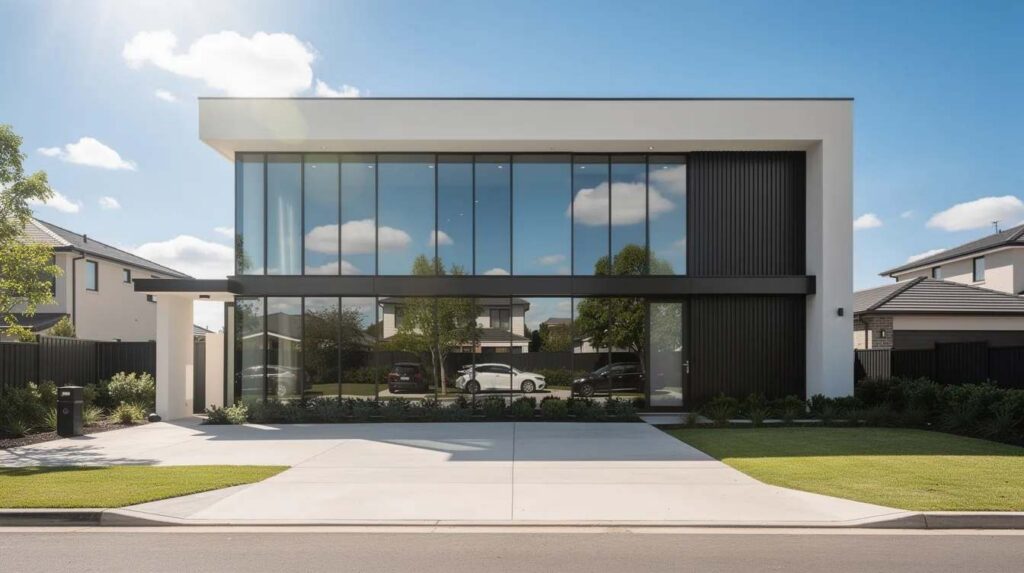
Color and finish choices matter. A silver mirror is the classic look, producing a strong reflective appearance. Black silver increases exterior reflectance while giving the glass a darker, more uniform tone. Neutral or bronze finishes offer privacy with a subtler aesthetic, which appeals to architects and building owners who want performance without a flashy mirrored facade. One way privacy film enhances aesthetic appeal is by providing a sleek exterior appearance regardless of which tone you select.
Daytime Privacy vs Nighttime Privacy: What One Way Film Can and Cannot Do
One way window privacy film delivers reliable daytime privacy, but it does not provide nighttime privacy. Understanding why requires a quick look at how light behaves on each side of the glass.
During daylight hours: The sun makes the exterior far brighter than the interior. The film creates a mirror effect during daylight hours, so passersby see their own reflection rather than your office or living room. Occupants inside can see through the window clearly to the street, landscaping, or parking lot below. This is daytime privacy at its most effective.
At night: When interior lights are on and the outside is dark, the equation flips. The brighter side is now inside your building. Interior lights make it easy to see inside at night, turning the glass into something closer to a see-through pane from the outside. One way window film provides daytime privacy but not at night-this is a physics-driven limitation, not a product defect.
Where does one way film make the most sense? Offices and conference rooms used during business hours, retail storefronts, ground-level residential windows in busy areas, and any space where the primary privacy concern is during the day. If you can close curtains or lower shades after dark, one way film handles the rest.
For spaces that need night time privacy-bedrooms, bathrooms, patient rooms-complementary solutions fill the gap. Frosted glass and other nighttime privacy films provide full-time privacy with diffused light but no outward view. Shades and blinds can be drawn after sunset. Curtains or blinds are recommended for nighttime privacy whenever one way film is the primary daytime solution.
Window Film Depot often designs hybrid solutions for clients who need both. A common approach is installing a band of frosted film at eye level for constant privacy, with one way reflective film above and below to maximize light and views. This layered strategy balances privacy, natural light, and aesthetics across a full day.
Heat Control, Glare Reduction, and UV Protection Benefits
Modern one way films are high-performance solar control films, not just a mirror tint. They deliver meaningful heat reduction, glare control, and uv blocking alongside privacy.
Heat Blocking and Energy Savings
Reflective window film works by bouncing solar energy away from the glass before it enters your space. The film can block up to 90% of UV rays and 85% of infrared rays, depending on the product selected. Premium 3M reflective films can reject up to 81% of total solar energy, dramatically reducing heat gain through large glass areas.
The practical impact is measurable. One way window film can reduce indoor temperatures by 8-10°F near sun-exposed windows, and it can reduce solar heat gain, improving comfort and energy efficiency throughout the building. The film may lower cooling costs by minimizing heat entry, and in buildings with extensive glazing-think corporate campuses in Atlanta, Dallas, or Phoenix-one way window film can lower cooling expenses significantly over a cooling season. That translates directly to lower energy costs for building owners.
Glare Reduction
If you have ever tried to work on a laptop near a west-facing window at 3 p.m. in summer, you understand glare. One way window privacy film can reduce glare on screens, making home offices, classrooms, and open-plan workspaces far more usable. Real-world case studies have documented glare reduction as high as 83–96% depending on film darkness and glass orientation.
UV Protection
One way window film blocks up to 99% of UV rays, protecting occupants from the sun’s harmful uv rays and preventing premature fading of furniture, flooring, artwork, and retail merchandise. This level of uv protection is consistent across most quality architectural films from manufacturers like 3M. The film blocks 81% of solar infrared rays as well, addressing the invisible heat energy that standard glass lets pass freely.

How Does It Affect Natural Light?
A common concern is that reflective window tint will make a room feel like the inside of a dark car. That is rarely the case with properly specified architectural film. Films with visible light transmission in the 25–40% range still allow substantial natural light into a space while cutting direct sunlight, heat, and harmful UV rays. The room feels cooler and more comfortable without feeling dim. Darker films in the 10–20% VLT range do reduce interior brightness more noticeably, but they provide stronger privacy and heat blocking-a tradeoff worth discussing during specification.
A reflective black silver one way film delivers maximum heat control and privacy but reduces interior light more than a neutral solar control film. Frosted glass film, by contrast, diffuses light evenly but does not reject as much solar heat. Choosing between them depends on whether privacy, heat reduction, or light quality is the top priority.
Comparing One Way Film to Frosted Glass and Other Privacy Options
Not every window needs the same solution. Here is how one way mirror film stacks up against the alternatives.
One way mirror film provides strong daytime privacy with a clear outward view, but the mirror effect reverses at night. It rejects significant solar heat and UV. Its modern mirrored look suits commercial facades and contemporary homes. It is ideal for offices, storefronts, home offices, and living rooms where daytime visibility is the priority.
Frosted glass film delivers full-time privacy day and night by diffusing light into a soft glow. There is no view through in either direction-nobody sees in, but you cannot see out either. The matte, etched-glass aesthetic works well in bathrooms, conference rooms, medical offices, and any space requiring constant privacy without concern for outward views. Textured glass and frosted films scatter light rather than reflecting it.
Totally opaque window film or blackout film blocks both view and light entirely. These films create privacy in specialized spaces like media rooms, security-sensitive facilities, or storage areas. They are not a fit for occupied rooms where natural light matters.
Window Film Depot frequently mixes solutions on a single project. A typical office buildout might include one way film on open-plan office windows, frosted film on restroom and huddle-room glass, and security film on entry doors, drawing from a broad portfolio of window glass film products and brands. This approach gives every space the right balance of privacy, light, and protection.
Retrofitting with film is also far less disruptive and costly than replacing glass with factory-frosted or patterned glass. Film installs in hours, not weeks, and can be removed or upgraded later without touching the glazing itself.
Best Applications: Where One Way Privacy Film Performs Best
Commercial Applications
Corporate campuses and office buildings with floor-to-ceiling glass benefit enormously from one way film. Employees get outward views and reduced screen glare, while passersby and neighboring buildings cannot observe interior activity during business hours. Retail storefronts use reflective film to shield stock areas and back rooms from street view while controlling heat in merchandise zones. Schools, universities, and government agencies install one way privacy film on ground-level glazing for added privacy and security without sacrificing the daylight that makes classrooms and lobbies inviting.
Residential Applications
Street-facing living rooms, bedroom windows near sidewalks, condo balconies, and glass entry doors are all strong candidates. A house with a large front window on a busy road gets immediate relief from the feeling of being on display. Home offices with large windows benefit from the combination of privacy, natural light, and heat control-no more choosing between closing curtains and squinting at a screen.
Climate and Orientation
Sun-exposed glass in hot climates makes the case for reflective film even stronger. West- and south-facing windows in cities like Atlanta, Dallas, Phoenix, and Southern California receive intense afternoon sun, driving up cooling loads and creating uncomfortable hot spots. One way film addresses both the privacy and comfort problems simultaneously.
Doors, Sidelights, and Interior Partitions
One way films are not limited to other windows on exterior walls. They work well on door sidelights, transom windows, and interior glass partitions in conference rooms, interview rooms, and executive offices. The goal is the same: visual privacy without closing off a space or blocking light.
Thicker privacy films also provide shatter resistance, adding a layer of security to entry-level glazing-a practical bonus for schools and retail locations.
Choosing the Right Shade, Reflectivity, and Performance Level
Film darkness and reflectivity drive three outcomes: strength of the mirror effect and daytime privacy, interior brightness, and exterior appearance.
High-reflectivity silver or black silver films produce the strongest one way mirror effect and the highest heat control. They are the go-to choice for maximum daytime privacy and solar energy rejection, but they give the building a pronounced mirrored exterior. If your building aesthetic or HOA guidelines restrict reflective facades, these may not be the right fit.
Medium-reflectivity neutral films offer a subtler look. Architects often specify these when they want solar performance without the “mirror building” appearance. Privacy is still strong in bright conditions, though slightly less dramatic than a silver mirror finish.
Light, spectrally selective films minimize visible change to the glass while still rejecting heat and UV. These work well in historic districts or landmark buildings where preservation guidelines limit exterior alterations.
Window Film Depot works with 3M and other premium manufacturers to match film types to project goals, glass type, and local climate, offering a full range of 3M window film products and installation services. We provide performance data sheets so you can compare visible light transmission, solar energy rejection, and exterior reflectance numbers before committing.
Glass compatibility is a real concern. Tempered, annealed, and insulated glass units each respond differently to heat absorption. Placing a heavy reflective film on glass that is not designed to handle the thermal load can cause stress cracks. Professional specification avoids these issues and keeps 3M residential and commercial window film warranties intact.
Installation: DIY One Way Film vs Professional Application
DIY Installation
Consumer-grade one way window film is easy to install with static cling technology, and small rolls (often around 17.5″ × 6.5′) are widely available. For a single bathroom window or a small home office pane, DIY can be a reasonable starting point. Here is what the process typically involves:
- Clean windows multiple times before applying film to remove dust, fingerprints, and residue.
- Use soapy water for easier application of window film-spray the glass and the adhesive side generously.
- Cut film slightly larger than the window for easier fitting, then trim after positioning.
- Apply film with two people for larger pieces to avoid creasing or misalignment.
- Use a rubber squeegee to remove bubbles during installation, working from the center outward.
- Trim edges with a sharp blade for a clean finish.
DIY films work for small projects, but they rarely match the durability, optical clarity, or solar performance of commercial-grade products available from Window Film Depot. Edges are prone to lifting, and easy installation does not always mean long-lasting results.
Professional Installation
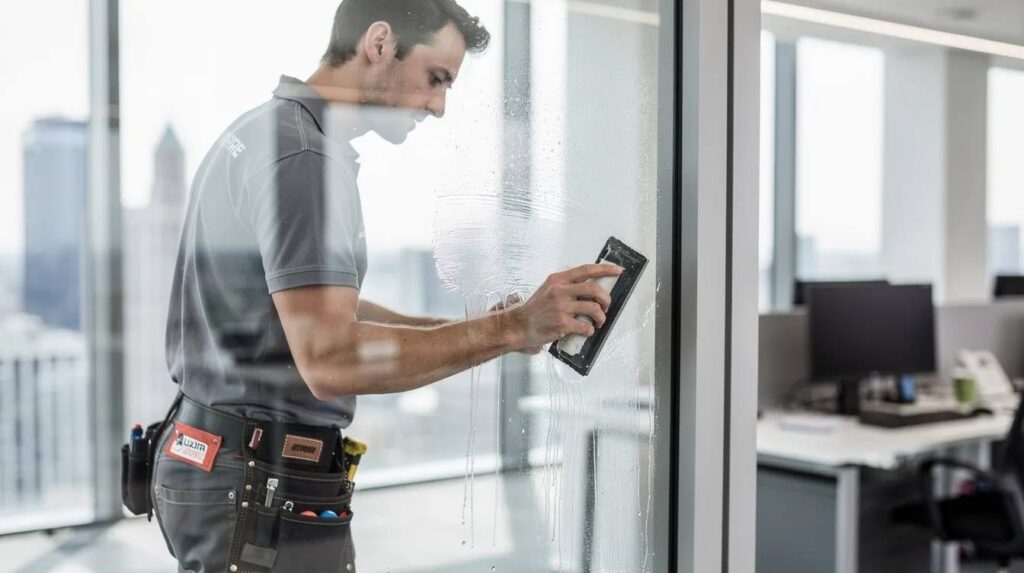
Professional installation by Window Film Depot follows a more rigorous process:
- Site measure and glass audit to identify glass type, frame condition, and sun exposure for every panel.
- Surface preparation with commercial glass cleaners and scrapers to ensure a perfectly clean, flat surface.
- Precision cutting and panel seaming for large lites, ensuring consistent appearance across an entire facade.
- Wet application with specialized tools to eliminate bubbles and creases, even on high-rise or complex glazing.
Professional installation is strongly recommended for large areas of glass, high-value properties, government buildings, and any project that requires manufacturer-backed warranties, documented performance, and a uniform appearance across many windows, especially when partnering with a 3M window film installation company.
How the Window Film Depot Process Works (From Quote to Completion)
Here is what you can expect when you work with Window Film Depot, step by step.
Consultation: Every project starts with a conversation-by phone, video, or on-site-to understand your privacy, heat control, and budget priorities. We ask about the building’s orientation, glass types, occupancy patterns, and aesthetic preferences.
Site Survey and Glass Assessment: We perform an on-site survey to measure every window, document glass types and framing, and evaluate sun exposure. For multi-site brands and national retail chains, we coordinate surveys across locations nationwide.
Film Recommendation and Proposal: Based on survey data, we recommend specific film models-such as 3M reflective solar control series or one way privacy lines-along with performance specs, expected results, and warranty details. You receive a clear proposal with transparent pricing.
Scheduling and Installation: We schedule around business hours, school calendars, and security protocols. Multi-building campuses and retail chains receive phased installation plans to minimize disruption. Our crews handle everything from surface prep to final trim.
Post-Installation: After install, we walk through the project with you, confirm quality at every window, and explain curing period care-typically no abrasive cleaning for the first 30 days. Films need time to fully bond and achieve final clarity.
Window Film Depot can combine one way films with security glazing, anti-graffiti coatings, or decorative films in a single coordinated project, leveraging its role as a nationwide 3M window film installation company, so you avoid managing multiple vendors.
Common Mistakes and Misconceptions About One Way Privacy Films
The single biggest misconception is believing that “one way” means total privacy at all times. It does not. One way window film does not provide nighttime privacy. When interior lights are brighter than the outside environment, silhouettes and interior details become visible from the street. This is physics, not a product failure.
Other common mistakes include:
- Installing on the wrong glass surface. Placing film on the wrong side of insulated glass units, or choosing an interior film for an exterior application, can cause premature failure or thermal stress. Professional guidance prevents this.
- Selecting a film that is too dark. A very low VLT film makes interior spaces dim enough to require supplemental lighting during the day. Occupants complain, and the energy savings from reduced cooling get offset by increased lighting costs. Match the film to the room’s function and existing light levels.
- Ignoring exterior appearance. Mismatched mirror tones on a multi-tenant facade or a mirrored finish in a historic neighborhood can create conflicts with building design guidelines, HOA rules, or city codes.
- Skipping thermal compatibility checks. Not all glass can handle heavy reflective film. Without a proper assessment, thermal stress can crack panes-an expensive problem that professional specification avoids.
Window Film Depot regularly gets called in to fix or replace poorly chosen or poorly installed films from non-specialist providers. An early consultation saves time, money, and the hassle of a redo.
Signs It’s Time to Add or Upgrade One Way Window Privacy Film
Commercial Spaces
- Employees close curtains or blinds all day because of glare or heat, defeating the purpose of having windows.
- Staff or visitors complain about passersby looking into work areas or meeting rooms.
- Merchandise, furniture, or flooring near windows is fading noticeably from sun exposure.
- HVAC costs spike during summer months, especially in zones near large glass areas.
Residential Properties
- Neighbors or street traffic have direct sightlines into your living areas or home office.
- Hot spots develop near large windows, especially from late afternoon sun in west-facing rooms.
- You rely on heavy curtains or shades that keep every room dark during the day just to maintain a sense of privacy.
Aging Film
Existing window tint that shows bubbling, discoloration, peeling, or uneven reflectivity has reached the end of its useful life. Modern high-performance films deliver dramatically better appearance, heat blocking, and UV rejection than products from even ten years ago. Upgrading is usually a straightforward process.
If two or three of these symptoms describe your building, it is worth scheduling a quick assessment.
FAQs About Window Privacy Film One Way
Does one way window film really stop people seeing in during the day?
Yes. In typical daylight conditions, a properly chosen and installed reflective film creates a strong mirror effect from the outside, preventing casual views into the space. The exterior surface reflects sunlight back toward the viewer, while occupants inside can see out clearly. Extremely bright interior lighting positioned close to the glass or unusual lighting conditions-like a very overcast day with all interior lights on-can reduce effectiveness, so film selection should match the environment.
Can one way window film provide nighttime privacy?
One way film is primarily a daytime privacy solution. At night, when interior lights are on, silhouettes and interior details may become visible from outside because the brighter side has shifted indoors. For full nighttime privacy, especially in bedrooms and bathrooms, pair one way film with blinds, frosted film, or shades. This combination gives you the best of both worlds.
Will one way privacy film make my rooms feel dark?
Many modern reflective films balance heat control and visible light, so spaces remain bright but more comfortable. Films with VLT in the 25–40% range let in plenty of natural light while cutting heat and glare. Darker, more reflective black silver films provide stronger privacy and heat reduction but may reduce interior brightness more noticeably. If maintaining a light, airy room is a priority, a neutral or medium-reflectivity film is usually the better choice.
How long does professionally installed one way film last?
Quality architectural window film typically lasts 10–15 years or more, with variation depending on climate, glass orientation, and product line. South- and west-facing windows in hot climates experience more UV and heat exposure, which can shorten lifespan compared to north-facing glass. Window Film Depot installs films backed by manufacturer warranties, and proper care-avoiding abrasive cleaners and harsh chemicals-extends the film’s useful life.
Can I install one way window film myself?
DIY static cling films are available and can work for small projects like a single home office window or a door sidelight. However, consumer-grade films rarely match the durability, optical quality, or solar performance of commercial-grade products. For larger areas, multi-story buildings, or projects requiring documented performance, clean aesthetics, and warranty coverage, professional installation is the stronger choice.
Is one way film compatible with my existing glass?
Most common commercial and residential glass types-tempered, laminated, insulated glass units, and even some Low-E coatings-can safely receive one way film when properly specified. The keyword is “properly specified.” Window Film Depot performs a glass and framing assessment before recommending any product to avoid thermal stress issues and to match the right film to each glazing type. This step matters more than most people realize, especially on large insulated glass units or dual-pane windows.
How do I clean windows after the film is installed?
After the initial curing period (typically 30 days), clean filmed windows with a soft cloth or sponge and a mild, non-abrasive cleaner. Avoid ammonia-based products and rough pads. Standard glass cleaner without ammonia works well. The film surface is durable but benefits from gentle treatment.
What factors affect the cost of a one way film project?
Cost depends on the size of the project, the film type selected, difficulty of access (ground-level vs. multi-story), the number and variety of glass types, and whether you need work across multiple locations. Window Film Depot provides detailed quotes after a site survey so there are no surprises. For multi-site rollouts, we coordinate logistics and pricing across all locations.
Why Choose Window Film Depot for One Way Privacy and Solar Control Films?
Window Film Depot is family-owned, founded in 1992, and based in Marietta, Georgia. We have spent over three decades helping commercial, institutional, and residential clients solve privacy, heat, and glare problems with high-quality window film.
What sets us apart:
- Nationwide project management. We handle multi-site rollouts for national retail chains, government agencies, and school districts with the same quality and consistency at every location.
- Deep specification expertise. We balance privacy, heat control, and aesthetics across complex building envelopes, matching the right film to every glass type and orientation.
- Integrated solutions. We combine one way privacy films with security glazing upgrades, anti-graffiti coatings, and branded graphics in a single project scope-no need to juggle multiple vendors.
- Wholesale and trade support. We supply wholesale film rolls to glaziers, general contractors, and trade partners across North America, and support regional markets such as Washington, DC window film installation with local expertise.
Our clients stay with us because we communicate clearly, show up on time, install cleanly, and stand behind our work with manufacturer-backed warranties and long-term service relationships.
Next Steps: Get a One Way Window Film Consultation or Quote
If you are weighing one way mirror film, frosted glass film, or a hybrid approach, Window Film Depot can help you find the right solution for your specific situation.
Contact us for:
- A no-obligation consultation to discuss your privacy, heat control, and budget goals.
- A site survey for commercial buildings, campuses, or multi-location brands anywhere in the U.S.
- Clear recommendations backed by performance data, transparent pricing, and manufacturer warranty details.
Reach out by phone, web form, or email. Whether your project is a single office space or a nationwide rollout, we will provide the guidance you need to make a confident decision-in 2026 and beyond.