Table of Contents:
Introduction
Shatter resistant glass is specially engineered glazing designed to reduce the risk of shattering into dangerous shards when broken, enhancing safety in residential and commercial buildings. Unlike traditional glass that breaks into hazardous fragments, this safety glass holds together when impacted, preventing glass shattering that causes injuries during accidents or severe weather events.
This guide covers the various types of shatter-resistant glass available in 2026, their applications across windows and doors, professional installation requirements, and selection criteria for homeowners and building professionals. Whether you’re protecting your home from hurricanes, securing a storefront against break ins, or upgrading existing windows for enhanced safety, this comprehensive resource addresses your specific needs.
Direct answer: Shatter resistant glass is manufactured with multiple layers or special treatments that maintain structural integrity upon impact, holding glass shards in place rather than allowing dangerous shattering inwards—providing protection against forced entry, severe weather, and accidental breakage.
Key benefits you’ll understand from this guide:
- Safety improvement through injury reduction when glass breaks
- Enhanced security against forced entry attempts and vandalism
- Installation options for new construction and retrofit applications
- Cost considerations including lifecycle savings and insurance benefits
- Selection criteria matching protection levels to specific threats
Understanding Shatter Resistant Glass
Safety glass is engineered to either resist breaking or, when fractured, remain largely intact to prevent hazardous shards. Shatter resistant glass achieves this through specialized construction that fundamentally changes how glass panels behave under stress, making it suitable for applications where standard glass poses unacceptable risk.
How Shatter Resistant Glass Works
The primary mechanism behind shatterproof glass involves interlayer bonding systems using polyvinyl butyral (PVB), EVA (ethylene-vinyl acetate), or advanced ionoplast materials. These plastic interlayer materials bond multiple layers of glass together during the manufacturing process, creating a composite structure with dramatically increased strength and impact resistance.
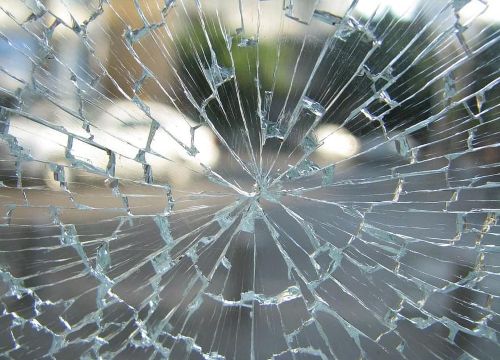
When shatter resistant glass breaks, the interlayer holds the glass fragments together, preventing dangerous shards from forming and flying through the air. This creates the characteristic spider web like pattern visible in cracked laminated glass windows—the glass cracks radiate outward from the impact point, but fragments remain bonded to the interlayer rather than scattering as projectiles.
Energy distribution across the glass surface is another critical factor. When impact occurs, the force spreads through the multiple layers rather than concentrating at a single point. This energy absorption allows the glass to maintain clarity and structural integrity even after sustaining damage that would completely shatter regular glass.
Safety Standards and Testing
European EN 356 standards define resistance levels from P1A through P8B, providing clear benchmarks for impact resistance. Levels P1A through P5A use steel ball drop testing—a 4.11 kg ball dropped from heights ranging from 1,500 mm (P1A, approximately 62 joules) to 9,000 mm (P5A, approximately 370 joules). The glass must prevent the ball from penetrating through three impact points.
Higher classifications P6B through P8B test resistance against sustained manual attack using axes and sledgehammers. These tests measure how many blows are required to create a 400 mm square opening, directly correlating to real-world forced entry attempts and the delay time provided to building occupants or security response teams.
ASTM F1233 serves as the primary American standard, testing security glazing against ballistic impact, blunt and sharp tool attacks, and thermal stress. Pass criteria specify maximum allowable openings after attack—ensuring the glass provides meaningful protection even when partially compromised. These high standards ensure that certified products deliver reliable performance when protection matters most.
Types of Shatter Resistant Glass
Three main categories dominate the 2026 market: laminated safety glass, polycarbonate security panels, and tempered glass with applied film. Each serves specific applications and provides different levels of protection, with construction methods and cost varying significantly across options.
Laminated Safety Glass
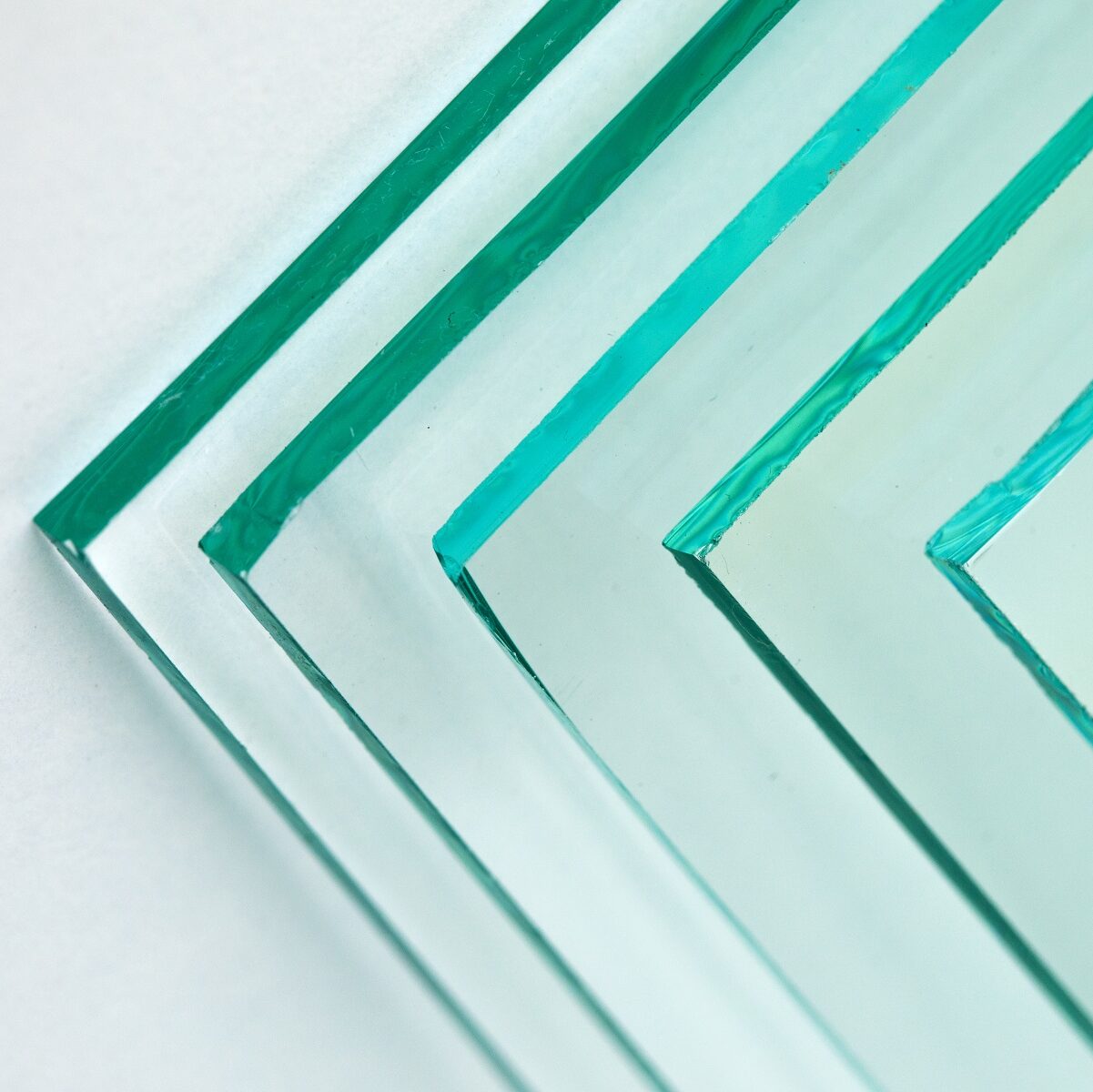
Laminated glass, often referred to as shatterproof glass, consists of multiple layers of glass with a plastic interlayer, which holds the glass fragments together when broken, preventing dangerous shards from forming. This construction creates glass panels that can sustain significant damage while maintaining their position in the frame—a critical feature for storm protection and security applications.
Thickness options range from approximately 6.38 mm (two 3 mm glass panes with interlayer) for basic safety applications up to 25 mm or more for forced entry resistance, and understanding the difference between tempered and laminated glass helps match these thicknesses to real-world safety and security needs. Security glass meeting EN 356 P5A typically requires 10-12 mm total thickness, while ballistic protection configurations may exceed 40-50 mm when combined with specialized interlayers.
Laminated glass blocks up to 99% of UV rays, protecting furnishings while improving insulation and reducing energy bills. This UV protection prevents fading of interior materials, while the multi-layered structure improves energy efficiency by reducing energy leakage, helping maintain consistent indoor temperatures. Acoustic performance also benefits significantly—laminated glass windows can reduce noise transmission substantially compared to monolithic alternatives, making indoor environments more tranquil in noisy areas.
Polycarbonate Security Panels
Polycarbonate glass is a highly impact-resistant alternative to traditional glass, known for its strength and durability, making it suitable for applications requiring high levels of safety. This thermoplastic material offers approximately 250 times the impact resistance of standard glass, providing excellent protection against extreme force scenarios including ballistic threats.
Glass-clad polycarbonate hybrids combine outer glass layers for scratch resistance and aesthetic appeal with inner polycarbonate cores for energy absorption. Products like glass-clad polycarbonate panels can achieve UL 752 Level 3 certification (resistance to .44 Magnum rounds) while maintaining acceptable optical clarity for commercial installations. Approximately 1-inch thick polycarbonate laminate stops 9mm rounds (UL Level 1), while 1.25-inch thickness provides .44 Magnum protection (UL Level 3).
Worth noting: polycarbonate requires UV-stable coatings to prevent yellowing and maintain clarity over time. Scratch susceptibility also demands more careful maintenance than glass alternatives. However, for facilities requiring unbreakable glass window characteristics against ballistic or severe attack threats, polycarbonate-based systems offer protection levels unachievable with glass alone.
Tempered Glass with Film
Tempered glass is heat-treated to be 4–5 times stronger than regular glass and shatters into blunt, pebble-like pieces upon failure. While safer than annealed glass, tempered glass leaves a complete opening when broken—providing no barrier against continued intrusion or weather penetration.
Adding security window film (typically 4-15 mil polyester/PET) to existing glass creates a cost-effective retrofit solution. The film holds fragments together after breakage, delaying forced entry and preventing glass from becoming airborne projectiles. This approach works well for upgrading existing windows where full replacement is impractical or budget-constrained.
Performance limitations exist compared to laminated and polycarbonate options, especially when you compare tempered glass and regular glass with added security film as part of an integrated safety system. Film effectiveness depends heavily on anchoring to the window frame—film that peels away under stress provides minimal protection. Optical distortion may develop over time, and cleaning requires more care to avoid scratching. However, for homeowners seeking improved safety without complete window replacement, tempered glass with professionally installed film provides significant improvements at lower cost.
Applications and Installation
Shatter resistant glass serves diverse applications from residential storm protection to government facility security. Selection depends on threat level assessment, budget constraints, aesthetic requirements, and local building code compliance.
Residential Applications
Shatter-resistant glass is commonly used in residential properties to enhance safety and security by preventing break-ins and reducing the risk of injury from flying glass shards during accidents or severe weather events. Environmental protection features include withstanding high winds and flying debris—critical in hurricane-prone regions where impact-rated glazing is mandatory.
Storm protection for hurricane zones represents a primary residential application. Shatter-resistant glass protects building envelopes against debris during hurricanes, tornadoes, and high winds. Florida building codes specifically require laminated impact windows that maintain their barrier function even when cracked, preventing windborne debris from entering and causing interior damage or pressurization.
Ground-floor security glass for windows and doors deters break ins by increasing the time and effort required for entry. Shatter-resistant glass can delay forced entry by a few minutes to total non-entry, depending on the thickness of the glass and the determination of the intruder. This delay provides critical response time for alarm systems and security services.
Shatter-resistant glass can significantly reduce noise transmission from the outside, making it valuable for homes in urban environments or near busy roads. Combined with UV protection that preserves interior furnishings, laminated glass windows serve multiple functions beyond basic safety.
Commercial Applications
In commercial settings, shatter-resistant glass serves as a protective barrier for storefronts, helping to deter smash-and-grab thefts and protect valuable merchandise. Retail applications typically require EN 356 P4A or P5A rated glass for doors and display windows, providing resistance against repeated impacts from common burglary tools.
Commercial buildings with high-value assets or sensitive operations require security glass that delays forced entry attempts long enough for response teams to arrive. Shatter-resistant glass is designed to withstand impacts from tools used in break-in attempts, significantly increasing the time required for an intruder to gain access. This forced entry resistance makes it essential for banks, jewelry stores, and corporate facilities.
Government, judicial, and educational facilities often require ASTM F1233 or UL 752 certification for ballistic and forced entry protection. These specifications typically necessitate triple-laminated constructions with heavy interlayers or glass-clad polycarbonate hybrids providing both optical clarity and maximum protection.
Professional Installation Process
Professional installation begins with site assessment and precise measurement. Technicians evaluate existing frame conditions, structural support capacity, and specific security requirements. For retrofit projects, this assessment determines whether frames can support heavier glazing or require reinforcement.
Frame preparation addresses structural support considerations critical to system performance. Even the most resistant glass fails if the frame cannot withstand attack forces. Installers ensure proper anchoring, hardware ratings, and weathersealing to match the glazing performance level.
Installation timeline varies by project scope and glass type. Standard laminated safety glass typically ships within 2-3 weeks, while custom ballistic configurations may require 6-8 weeks. Post-installation inspection verifies proper seating, seal integrity, and operational function of associated hardware.
Warranty coverage for quality installations typically extends 10-20 years for interlayer performance, with glass manufacturers providing separate structural warranties. Documentation of installation procedures and materials supports warranty claims and insurance requirements.
Glass Type Comparison
| Parameter | Tempered Safety Glass | Laminated Safety Glass | Polycarbonate/Hybrid Systems |
|---|---|---|---|
| Breakage Behavior | Shatters into blunt pieces; full opening remains | Spider web cracks; shards held; barrier maintained | Deforms; absorbs energy; multiple layers prevent penetration |
| Strength vs Standard Glass | 4-5× stronger compressive strength | Varies by thickness and interlayer; high forced entry resistance | 250× impact resistance (polycarbonate alone) |
| UV Protection | Minimal unless coated | Up to 99% with proper interlayer | Requires UV-stable coatings |
| Typical Thickness Range | 4-12 mm | 6.38-25+ mm (security); 40+ mm (ballistic) | 25-50+ mm for ballistic assemblies |
| Cost Factor | 1× (baseline) | 2-3× standard glazing | 4-6× for ballistic configurations |
| Best Applications | Interior safety glazing; code compliance | Storm zones; security; acoustics; UV protection | Ballistic threats; correctional facilities; high-security zones |
| Installation Complexity | Standard | Moderate; weight considerations | High; structural support critical |
| Selection guidance: For residential storm protection and basic security, laminated safety glass offers the best balance of performance and cost. Reserve polycarbonate hybrids for facilities facing realistic ballistic or extreme attack threats that justify significantly higher investment. |
Common Challenges and Solutions
Implementing shatter resistant glass involves navigating several common concerns, each with practical solutions that maintain project viability.
High Initial Cost Investment
Security glazing represents a significant upfront investment, particularly for ballistic or high-rated forced entry glass; by comparison, window security film installation costs can offer an attractive, lower-cost upgrade path for some openings. Cost-benefit analysis should include insurance premium reductions (many insurers offer discounts for certified security glazing), avoided damage costs from weather events or break ins, and extended window lifespan compared to standard glass.
Phased installation approaches allow prioritizing critical openings—ground-floor windows, entry doors, and high-value area glazing—while deferring less critical locations. This spreads investment while immediately addressing highest-risk vulnerabilities. Some manufacturers offer financing programs for large commercial projects.
Compatibility with Existing Frames
Older frames may lack capacity to support thicker or heavier security glass. Structural assessment by qualified installers determines whether existing frames can accept upgraded glazing or require reinforcement.
Retrofit solutions range from frame reinforcement using steel backing plates to complete frame replacement. For historic properties where frame preservation matters, specialized approaches maintain architectural integrity while achieving modern protection standards. In some cases, window protection film solutions on existing glass provide meaningful improvement when frame limitations preclude heavier glazing.
Aesthetic Integration Concerns
Thicker security glass presents visible edge lines that differ from standard glazing. Modern manufacturing techniques minimize this visibility, and proper frame selection can conceal edges effectively.
Tinting and decorative options maintain security performance while addressing design requirements. Low-iron glass facings reduce the greenish tint common in thick laminates, while specialized interlayers offer color options. Optical clarity has improved significantly with advanced interlayer materials—premium ionoplast layers provide superior transparency compared to older PVB formulations.
Conclusion and Next Steps
Shatter resistant glass delivers measurable safety and security benefits through engineered construction that fundamentally changes how glazing performs under stress. Key benefits include injury reduction, enhanced security against forced entry, UV protection blocking up to 99% of harmful rays, noise reduction for quieter interiors, and energy efficiency through improved insulation.
When shatter-resistant glass breaks, it holds the broken pieces together, preventing them from shattering into sharp, dangerous fragments that can cause injuries—a critical distinction from standard glass that transforms post-breakage scenarios from dangerous to manageable.
Immediate action steps:
- Assess your specific threats—weather exposure, crime risk, or safety code requirements
- Request professional site evaluation from certified security glazing installers
- Obtain quotes comparing appropriate glass types for your application
- Verify installer certifications and review warranty terms
- Plan installation timeline around occupancy and weather considerations
Need More Info?
The Window Film Depot team is happy to help.
Related topics worth exploring include integrated security systems that combine glazing with alarm monitoring, ongoing maintenance requirements for different glass types, and local building code compliance for your specific jurisdiction.
Frequently Asked Questions
Is shatter resistant glass completely unbreakable?
No glass product is truly unbreakable. Shatter resistant glass is engineered to behave safely when broken rather than preventing all breakage. Laminated glass cracks but holds fragments together; even ballistic-rated glass eventually fails under sufficient sustained attack. The key advantage is controlled failure—maintaining a barrier and preventing dangerous shards rather than resisting all damage indefinitely.
How much does shatter resistant glass installation cost in 2026?
Costs vary significantly by type and protection level. Basic laminated safety glass runs approximately 2-3× the cost of standard glazing per square foot. Mid-range security glass meeting EN 356 P4A-P5A standards costs 3-4× standard. Ballistic-rated glass-clad polycarbonate systems reaching UL 752 levels may cost 4-6× standard glazing or more. Professional installation adds 30-50% to material costs depending on project complexity.
Can existing windows be upgraded to shatter resistant glass?
Yes, through several approaches. Security film applied to existing tempered glass provides entry-level protection at lowest cost. Full glass replacement with laminated units offers better performance but requires frame compatibility assessment. Frame reinforcement or replacement may be necessary for heavier security glazing. Professional evaluation determines the most practical approach for your specific windows.
What maintenance is required for laminated safety glass?
Laminated glass requires minimal maintenance—regular cleaning with appropriate glass cleaners maintains clarity. Inspect seals and frame connections annually for weathertightness. Watch for delamination signs (bubbling, cloudiness, or edge separation), particularly in high-moisture or extreme-temperature environments. Polycarbonate components require more careful cleaning to avoid scratching.
How long does shatter resistant glass last before replacement?
Quality laminated glass with properly sealed interlayers maintains performance for 20-30 years or longer under normal conditions. Warranty periods typically cover interlayer performance for 10-20 years. Factors affecting longevity include UV exposure, moisture intrusion, temperature cycling, and installation quality. Polycarbonate components may require earlier replacement due to UV degradation if protective coatings fail.
Does shatter resistant glass provide energy efficiency benefits?
Shatter-resistant glass significantly reduces energy efficiency concerns by acting as a thermal barrier. The multi-layered structure reduces energy leakage compared to single-pane alternatives. When combined with low-E coatings and insulated glass unit construction, laminated safety glass delivers meaningful energy savings while providing protection benefits. UV blocking also reduces solar heat gain and prevents interior fade damage.
What thickness is recommended for hurricane protection?
Florida impact window standards typically require laminated glass configurations with total thickness of 9-14 mm for standard residential applications. Specific requirements vary by wind zone and glass size—larger spans require thicker constructions. Always verify local building code requirements, as specifications differ by jurisdiction and exposure category. Professional installers specify appropriate configurations based on your location and opening dimensions.
Can shatter resistant glass be tinted or decorative?
Yes, shatter resistant glass accepts various aesthetic treatments. Tinted interlayers provide color options without compromising security performance. Decorative films, frosted finishes, and patterned glass can be incorporated into laminated constructions. Low-iron glass facings improve clarity and reduce greenish tint in thick laminates. Work with manufacturers early in the design process to confirm that aesthetic requirements are compatible with required protection levels.
Additional Resources
Technical Standards and Specifications:
- EN 356:2000 security glazing classification and testing procedures
- ASTM F1233-21 security glazing test methods and criteria
- UL 752 ballistic resistance standards and level definitions
Professional Resources:
- Glass Association of North America (GANA) installer certification programs
- International Window Film Association (IWFA) certified installer directory
- Local building department for permit requirements and code compliance
Regional Considerations:
- Florida Building Code impact glazing requirements for coastal zones
- California seismic glazing standards for safety glass installations
- Local historic preservation guidelines for frame modification restrictions